The academic landscape is changing, and it’s exciting to see how Applied Behavior Analysis (ABA) therapy is becoming a real game-changer for students who face unique challenges. By using tailored strategies, educators and therapists can truly enhance learning outcomes and boost engagement. But here’s a thought: how can we effectively implement specific ABA techniques to not only achieve academic success but also spark a genuine love for learning?
In this article, we’ll dive into ten innovative ABA therapy strategies designed to elevate academic performance. We’ll share insights and actionable steps that can help both parents and educators. Let’s explore this together!
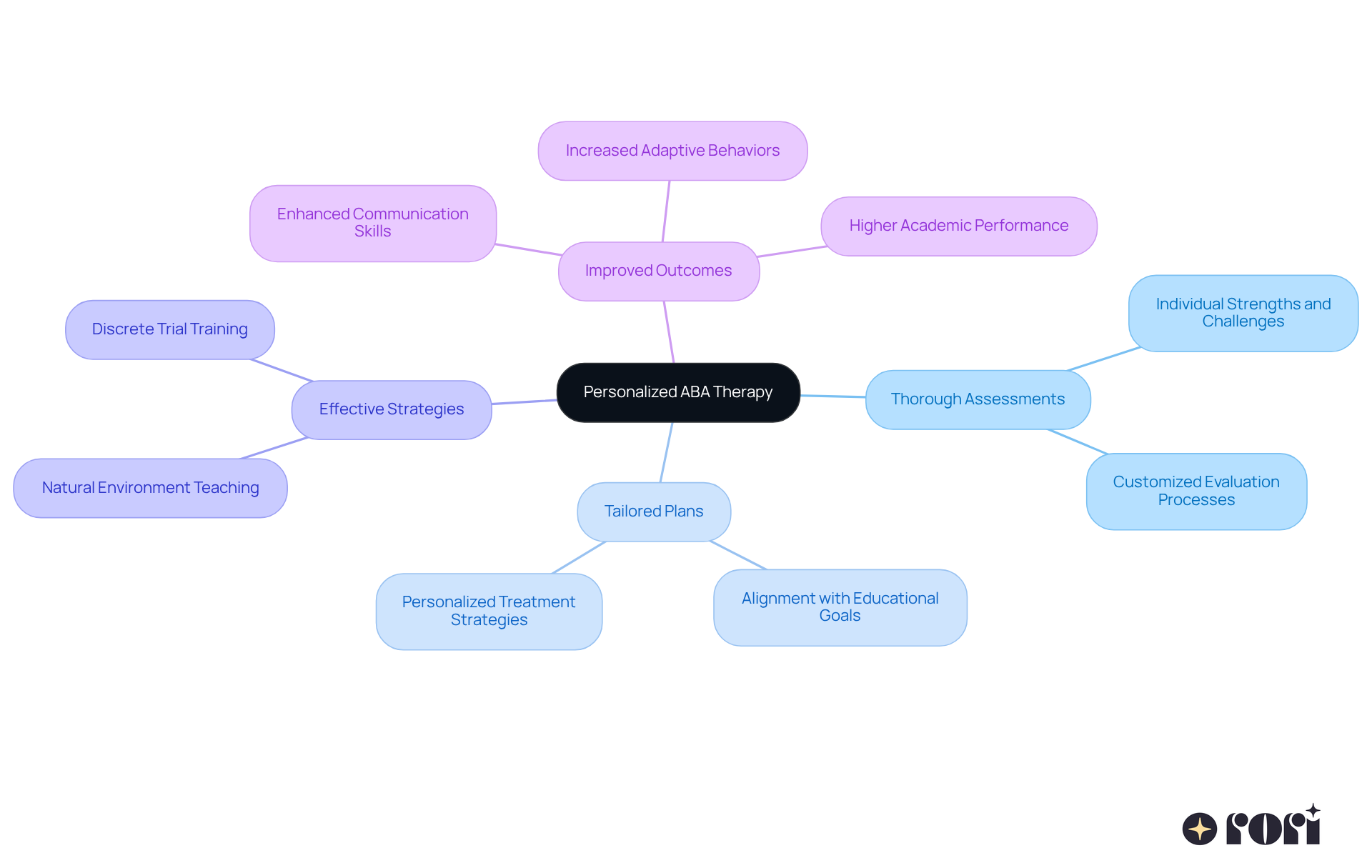
At Rori Behavioral Innovations Inc., we believe in a personalized approach to ABA therapy. Every child is unique, with their own strengths and challenges. That’s why our clinicians conduct thorough assessments to create tailored plans that align with each student’s educational goals. This focus on personalization not only makes interventions more meaningful but also utilizes ABA therapy strategies for boosting academic performance and engagement in learning activities.
Research shows that kids who receive customized ABA interventions often see significant improvements in communication and adaptive behaviors. In fact, over 90% of parents report noticeable advancements in their children’s learning outcomes! 🌟 For instance, methods like and Discrete Trial Training have proven effective in helping children apply their skills in real-life situations.
Our clinicians stress the importance of personalized treatment plans. They implement ABA therapy strategies for boosting academic performance to cater to the unique needs of each child, leading to better engagement and improved academic results. So, if you’re looking for a way to support your child’s learning journey, let’s explore this together! We’re here to help you every step of the way!
Positive reinforcement is such a powerful strategy! It’s all about rewarding those desired behaviors to encourage them to happen again. In schools, this can look like verbal praise, tangible rewards, or even special privileges. Research shows that when teachers consistently use positive reinforcement, students become much more engaged in their learning. For instance, a study with 2,536 students across 151 classes found that students focused on tasks up to 30% more when positive reinforcement was in play. This really highlights how recognizing and rewarding efforts can be effective aba therapy strategies for boosting academic performance.
Imagine a young student who gets specific praise for finishing their homework. That little acknowledgment not only reinforces the behavior but also motivates the child to keep engaging in similar productive activities. Effective praise should be clear and detailed, guiding learners on where to focus their efforts. For example, praising the quality of work or the effort put into a task can help foster a growth mindset, encouraging resilience and a willingness to tackle challenges.
Incorporating positive reinforcement strategies, like ePraise platforms, can really enhance engagement by providing meaningful recognition and rewards. These platforms utilize aba therapy strategies for boosting academic performance by creating a supportive classroom environment that values individual achievements. By focusing on the process rather than just the results, educators can nurture a culture of support that helps learners thrive. Plus, setting clear behavior expectations early on and building strong, caring connections with students can significantly boost the effectiveness of positive reinforcement methods. As Dan Rather wisely said, 'What the teacher is, is more important than what he teaches.' This really underscores the on their students' success.

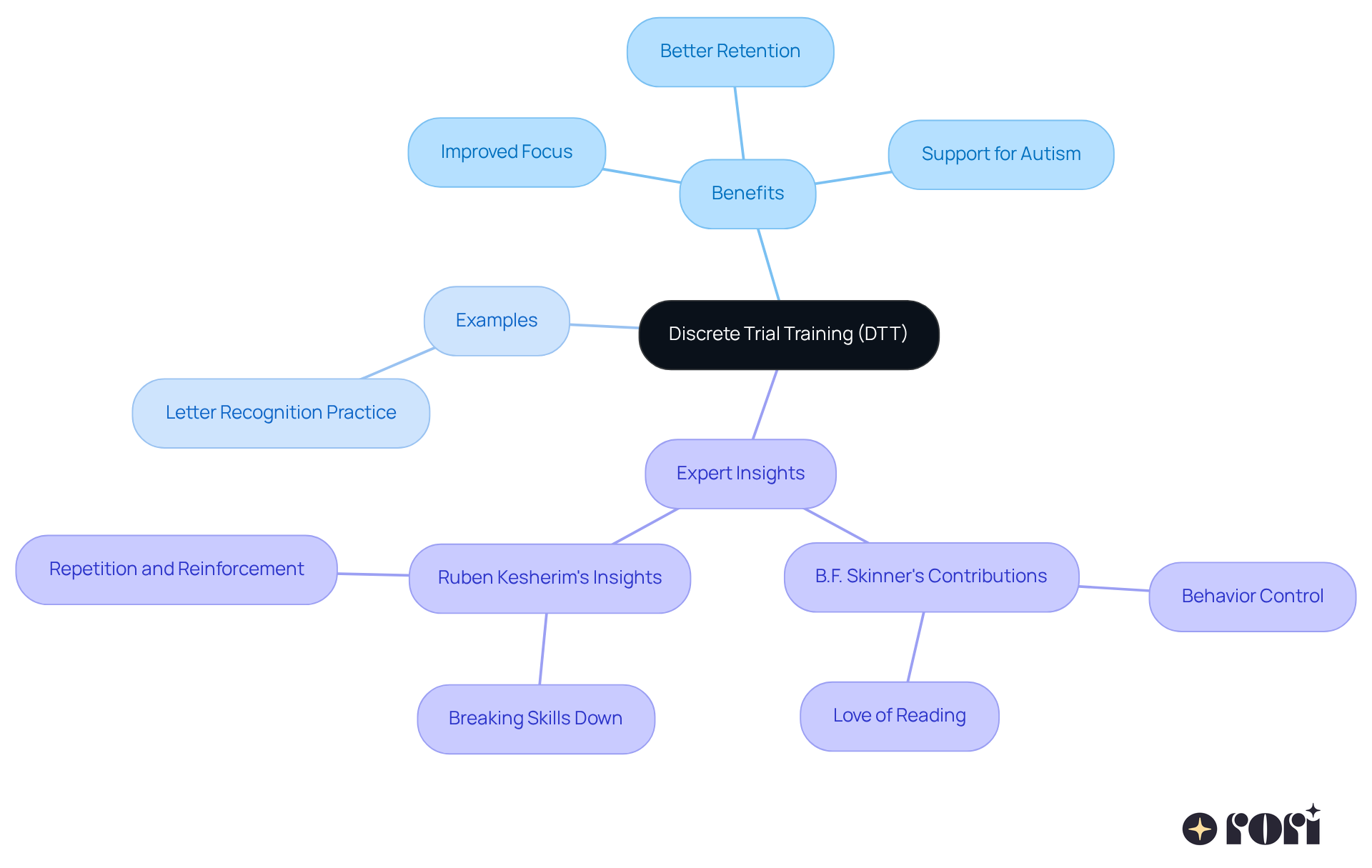
Discrete Trial Training (DTT) is a fantastic approach that breaks down skills into bite-sized pieces, making learning feel manageable and fun! With clear instructions and immediate feedback, this method creates a that really helps kids focus and remember what they learn.
For instance, think about a young learner practicing letter recognition through short, repetitive sessions. Over time, they gradually strengthen their understanding, which leads to better reading skills. Isn’t that amazing? Studies show that kids who engage in DTT often see significant improvements in their attention spans and ability to retain information. This technique really taps into their unique learning styles!
ABA experts emphasize that structured learning environments not only support skill development but also provide a sense of stability and predictability-something that’s especially important for individuals with autism. By fostering this supportive framework, DTT enhances focus and retention, implementing ABA therapy strategies for boosting academic performance.
Let’s explore this together! If you’re curious about how DTT can help your child, we’re here to help you every step of the way!
Naturalistic teaching is all about using everyday moments to help kids learn in ways that really connect with them. Imagine going grocery shopping - what a great opportunity for a therapist to teach counting and social skills! By turning a simple trip into a fun learning experience, education becomes not just relevant but also memorable.
When kids learn in , they tend to do better in school and remember what they've learned longer, which can be enhanced by [ABA therapy strategies for boosting academic performance](https://rori.care/post/10-effective-examples-of-naturalistic-teaching-in-aba-therapy). It’s like magic! One therapist put it perfectly: "Using everyday situations for education helps kids link ideas to their daily lives, which makes learning deeper and more engaging."
By incorporating ABA therapy strategies for boosting academic performance into familiar settings, naturalistic teaching can truly enhance children's overall learning outcomes. So, let’s explore this together! How can you incorporate these ideas into your daily routine? We’re here to help you every step of the way!
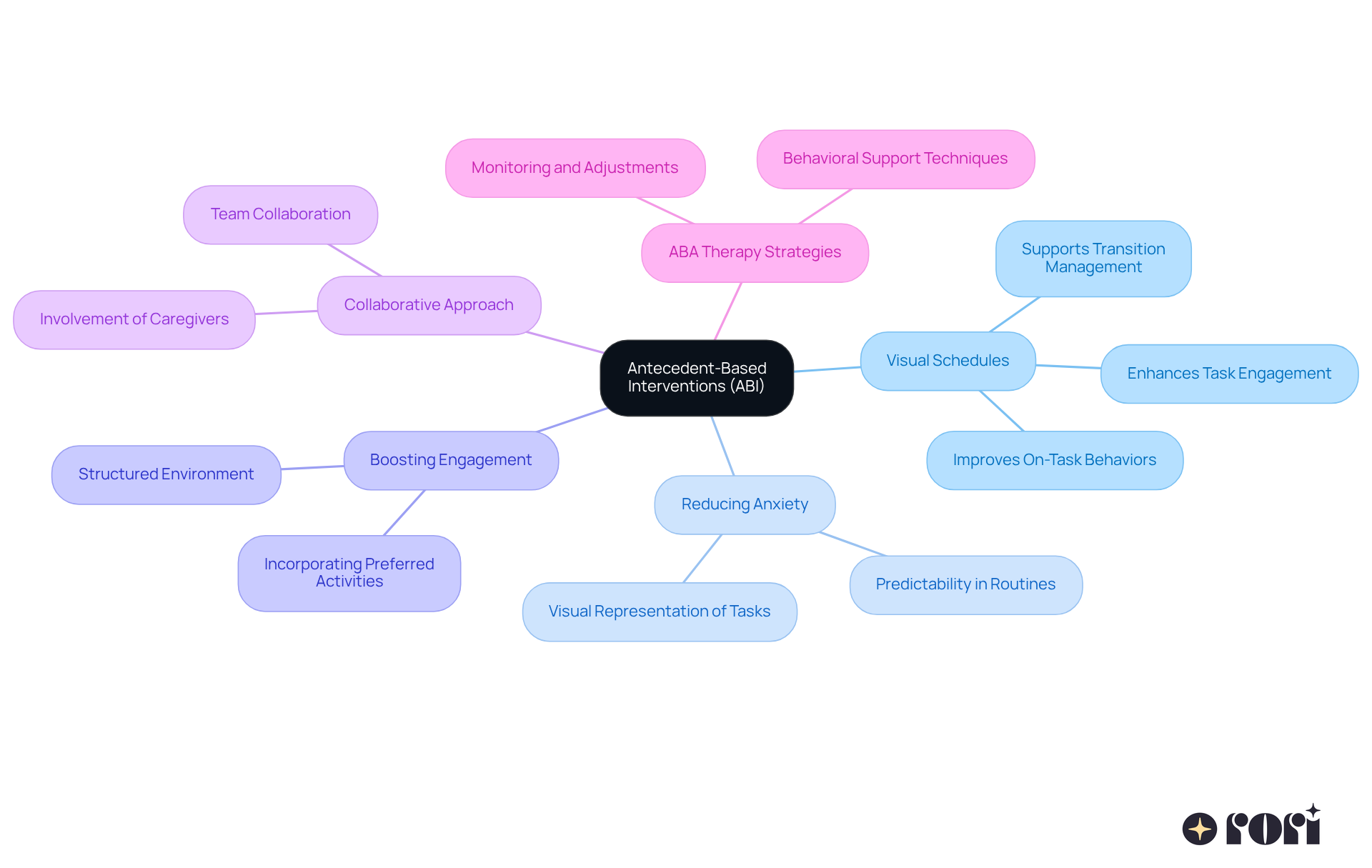
Antecedent-Based Interventions (ABI) are all about making changes in the environment before a behavior happens. This proactive approach can really help prevent those challenging behaviors we sometimes see. For example, using visual schedules can be a game-changer for students trying to understand their daily routines. It not only reduces anxiety but also boosts engagement!
Research shows that visual schedules can improve on-task behaviors and task engagement. In fact, studies have found that students often perform better during educational activities when they have these schedules in place. By addressing potential triggers ahead of time, educators can utilize aba therapy strategies for boosting academic performance to create a more supportive learning environment that nurtures both academic focus and emotional well-being. One educator shared that having a structured environment with clear expectations is key to student success, emphasizing the importance of aba therapy strategies for boosting academic performance in schools.
And here’s something to consider: incorporating activities that students enjoy into their visual schedules can really increase cooperation and willingness to engage. This can help prevent challenging behaviors in the classroom, making it a win-win!
For parents looking to implement visual schedules, starting with highly preferred activities can encourage engagement. Gradually introducing new tasks can make the transition smoother. By understanding and aligning with therapeutic strategies, caregivers can make informed decisions that positively impact their child’s progress. This collaborative approach to education and development is essential for applying aba therapy strategies for boosting academic performance!
Rori Care is here to support you with tailored resources that empower caregivers in using these strategies effectively. Together, we can ensure a . Let’s explore this journey together!
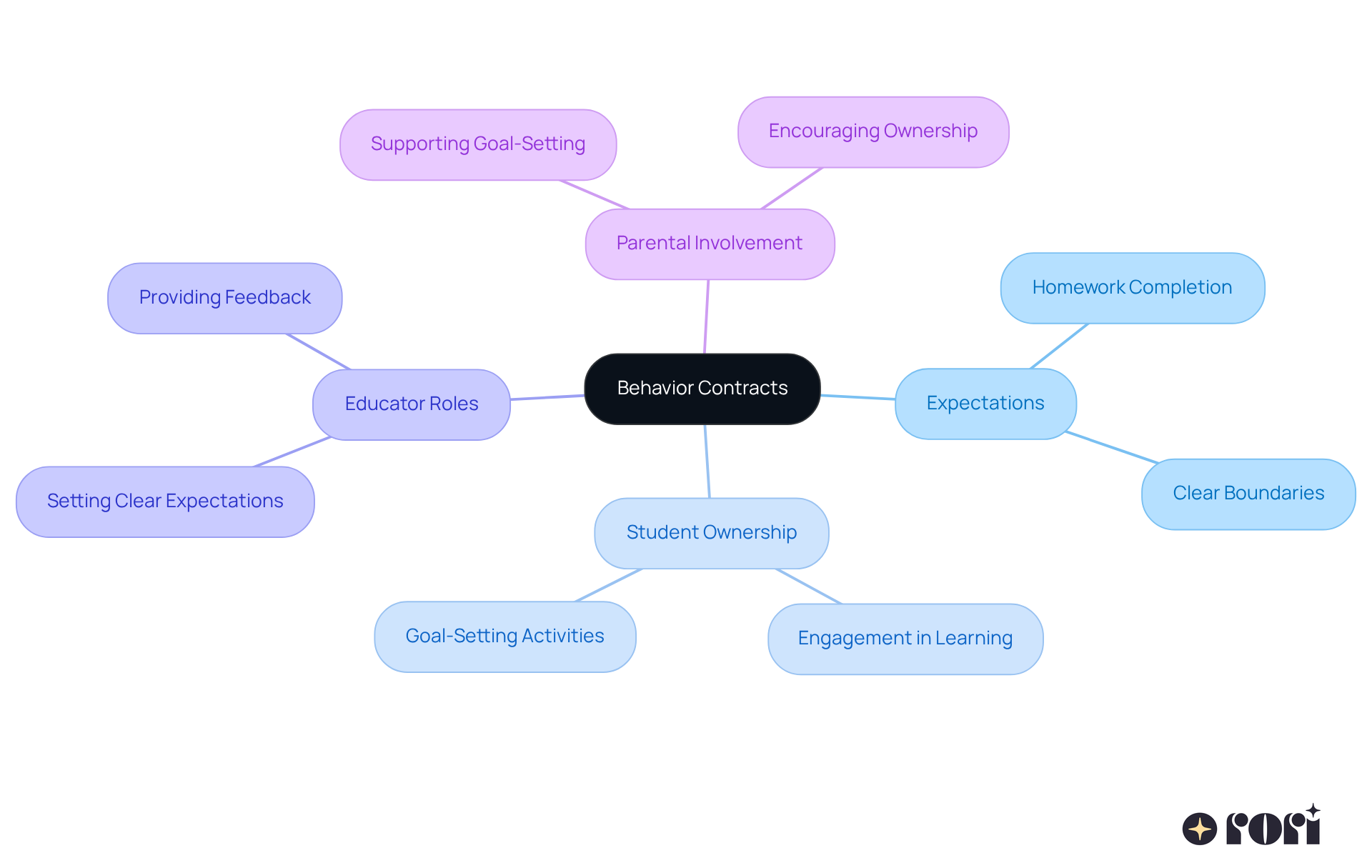
Behavior contracts are like friendly agreements between learners and educators, clearly laying out what’s expected in terms of behavior and involvement in school. Imagine this: a student promises to complete their homework on time, and in return, they get a little extra recess time. This kind of arrangement helps kids feel a sense of ownership over their actions. When they see how their behavior ties into their , it really clicks!
Research shows that behavior contracts can boost learner engagement significantly, with an impressive effect size of 0.57. That’s a win for everyone involved! Interestingly, these contracts tend to be more effective at curbing inappropriate behaviors than at encouraging the right ones. This highlights their importance in managing conduct. Educators often point out that when students know what’s expected of them, they’re much more likely to meet those expectations. If there’s a mismatch in what’s expected, it can lead to disappointment, so setting clear boundaries is key.
This proactive approach incorporates aba therapy strategies for boosting academic performance, which not only improves educational outcomes but also empowers students to take charge of their learning journey. As many educators say, 'Clear expectations lead to clear outcomes.' And here’s a thought: parents can play a big role too! By involving their kids in goal-setting activities, they can help foster a sense of ownership over their behavior and responsibilities in school. Let’s explore this together!
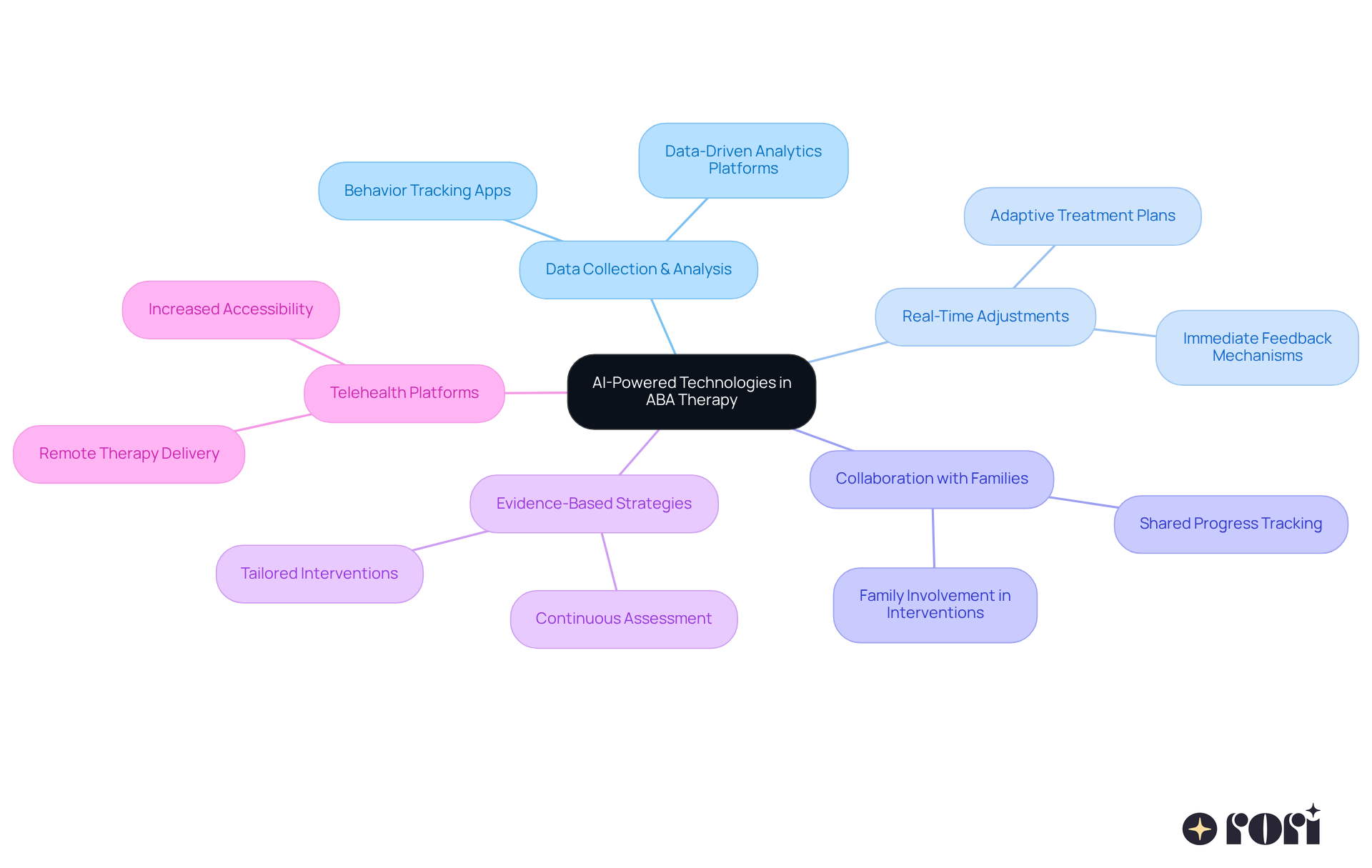
Social skills training is so important for helping young people learn how to interact with their peers. It’s a key ingredient for academic success! Skills like sharing, taking turns, and communicating effectively lay the groundwork for kids to work well in groups and join in classroom discussions.
For example, role-playing scenarios give children a chance to practice these skills in a safe space, preparing them for real-life interactions. Isn’t that a great way to build confidence? Recent studies show that kids with strong interpersonal skills can benefit from aba therapy strategies for boosting academic performance and face fewer behavioral challenges. This really highlights how crucial these skills are in , especially in the context of aba therapy strategies for boosting academic performance.
Programs that integrate aba therapy strategies for boosting academic performance into the curriculum have shown some fantastic results! Observational assessments reveal that students are interacting more positively and participating more actively in class. By nurturing these essential skills, educators can create a more inclusive and effective learning environment. Let’s explore this together and see how we can support our kids in thriving both in and out of the classroom!
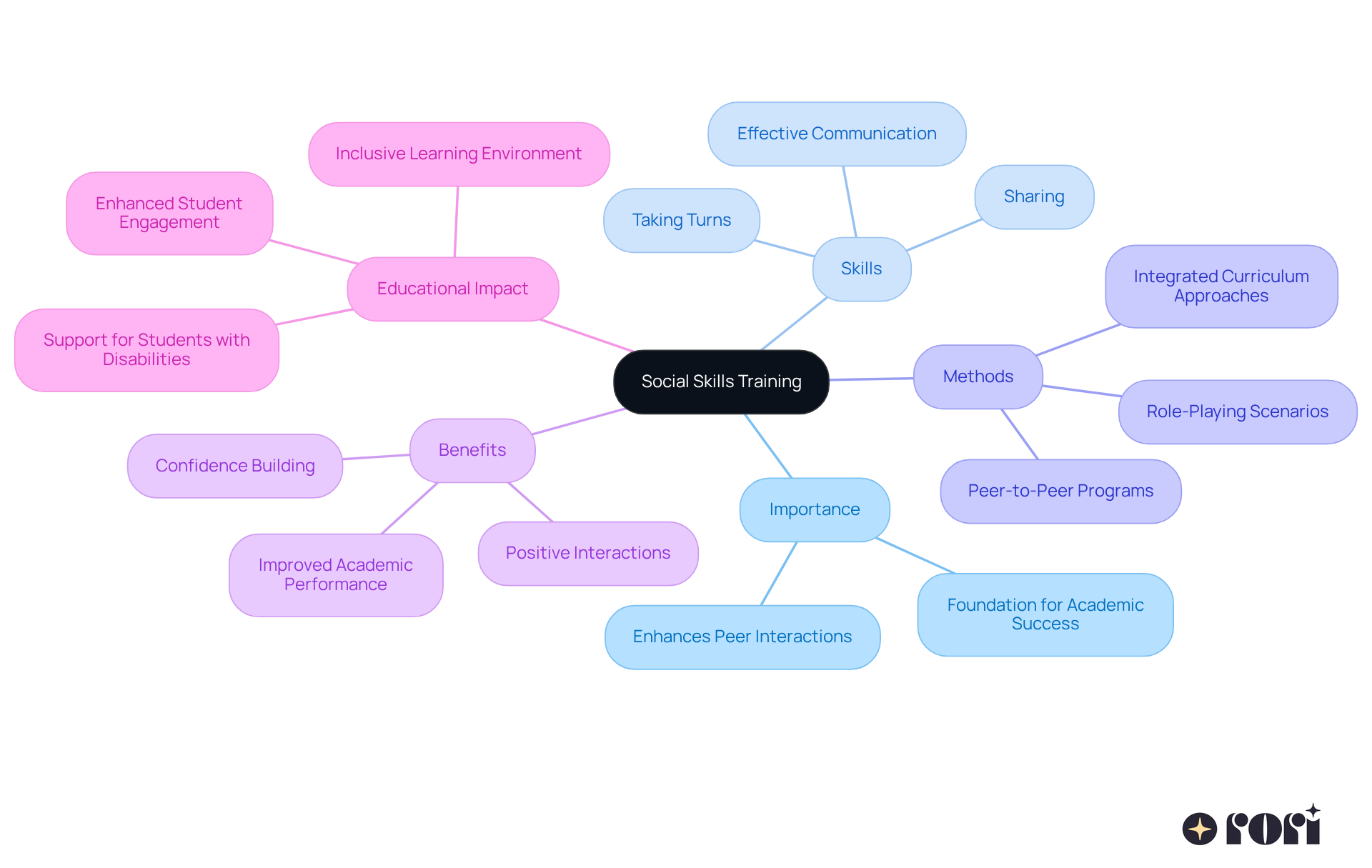
Parent-led ABA solutions really empower families to take an active role in their kids' educational journeys! By providing parents with effective ABA therapy strategies for boosting academic performance, they can reinforce learning at home, ensuring that support is consistent. For example, think about how parents can apply techniques learned during therapy sessions in everyday life - like using positive reinforcement when their child finishes homework. This collaborative approach not only enriches the young learner's experience but also strengthens the bond between parent and child, ultimately utilizing ABA therapy strategies for boosting academic performance and improving behavioral outcomes.
Research shows that when parents get involved, it aligns with ABA therapy strategies for boosting academic performance, helping kids to generalize their skills across different settings. This highlights just how important family engagement is in the ABA process. Plus, at Rori Care, caregiver education includes:
This helps families grasp ABA principles more deeply. This knowledge empowers them to make informed decisions and effectively support their child's behavioral goals.
When families actively participate, it often leads to more effective and . It’s clear that caregivers play a vital role in their children’s development. So, let’s explore this together! We’re here to help you every step of the way!
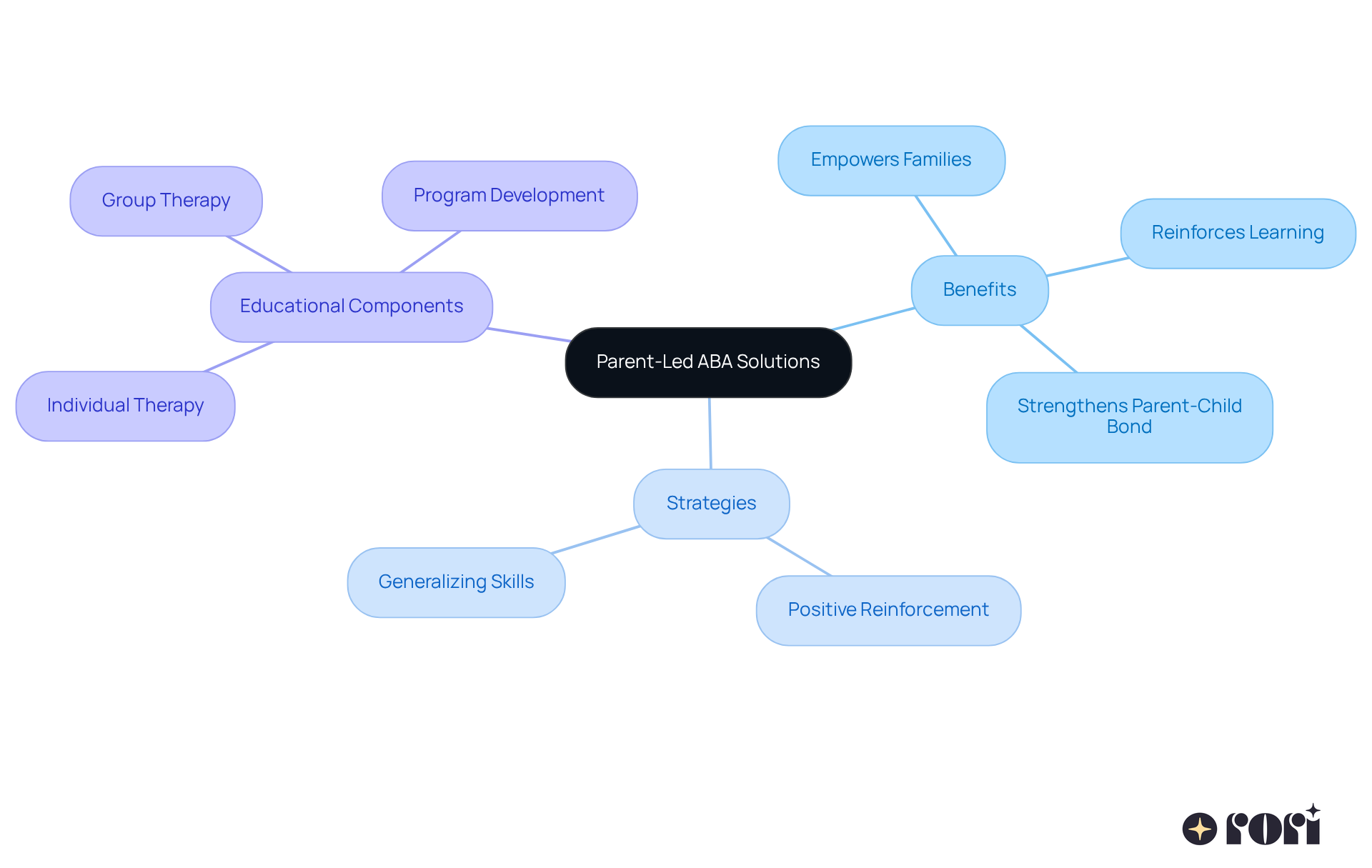
Data-driven decision-making is so important when it comes to evaluating how well ABA interventions are working. At Rori Care, our qualified behavior analysts craft personalized plans that include measurable goals and evidence-based strategies. This way, we make sure that every intervention is tailored to fit each individual’s unique needs. By collecting and analyzing data systematically, educators and therapists can keep an eye on progress, figuring out which strategies are really making a difference and which ones might need a little tweak.
For instance, if a young person seems to be stuck in a particular skill area, diving into the data can help uncover any underlying issues. This insight allows us to make necessary adjustments to the treatment plan. This customized approach not only enhances the learning experience but also empowers caregivers with ABA principles and strategies to support their child’s behavioral goals.
Clinicians emphasize the importance of regular progress monitoring, especially with the help of advanced AI tools that simplify report creation. This not only guides treatment modifications but also fosters a collaborative environment where families can play an active role in their child’s development. By leveraging data, practitioners can create tailored ABA therapy strategies for boosting academic performance and promoting overall growth. Plus, having baseline data gives therapists a solid starting point to accurately track and evaluate progress, reinforcing the value of data-driven practices in ABA therapy strategies for boosting academic performance.
This innovative approach allows Rori Care to free up 50% more time for treatment, ultimately enhancing the effectiveness of the therapy we provide. Let’s explore this together! We’re here to !
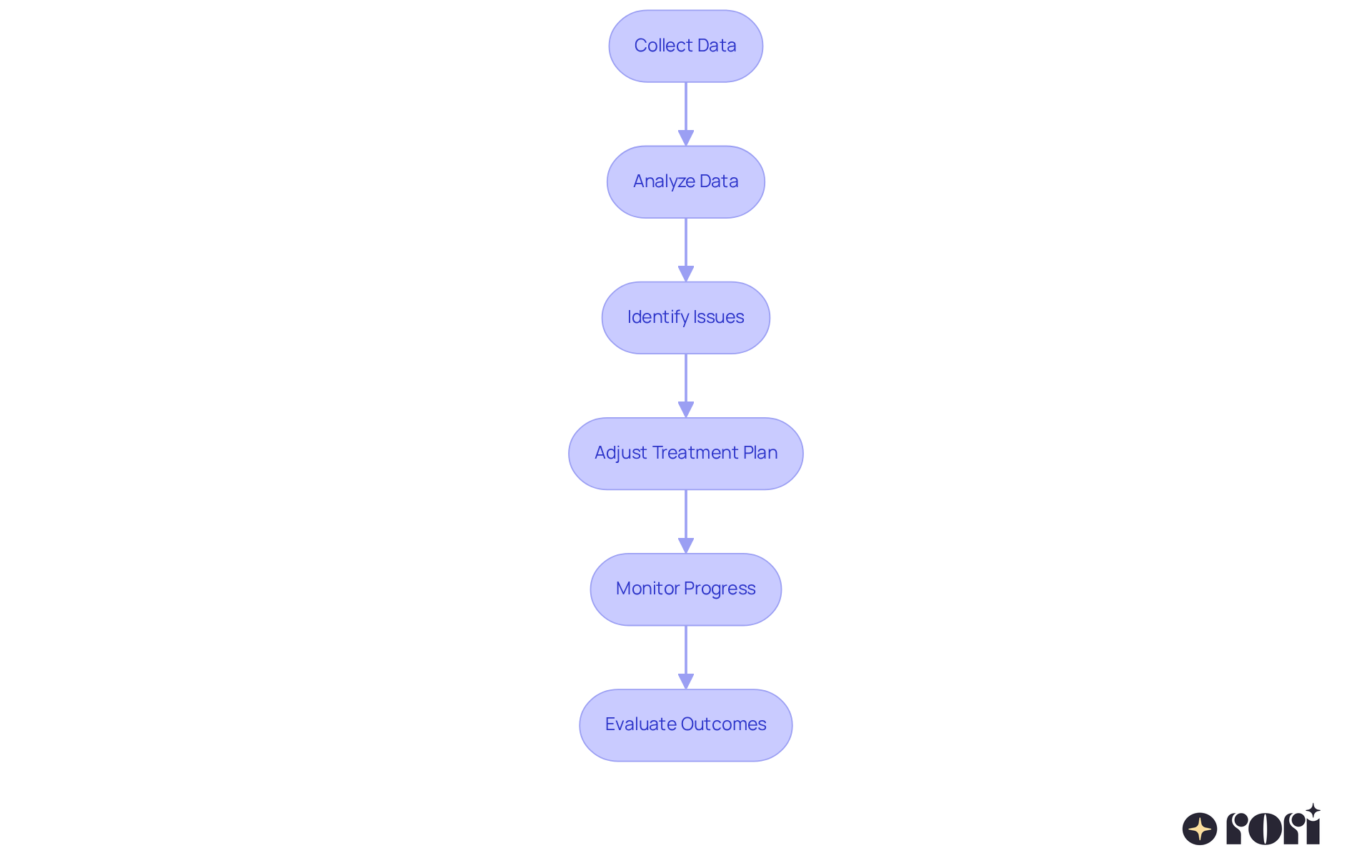
AI-powered technologies are truly changing the game in ABA therapy! They’re making it easier for therapists to collect and analyze data, and deliver interventions that really hit home. Imagine this: AI systems can look at behavioral data in real-time, allowing therapists to tweak treatment plans on the fly. This means that young learners receive the tailored support they need at the right time, which can be achieved through ABA therapy strategies for boosting academic performance.
With , tracking progress becomes a breeze. Therapists and families can work hand-in-hand to create effective interventions. Plus, our approach is all about using evidence-based strategies and continuously assessing and adjusting to keep things effective and flexible for each child. So, not only does AI streamline the therapy process, but it also enriches the overall educational experience for kids with autism, paving the way for greater academic success.
And let’s not forget about telehealth platforms! They’ve become essential for ensuring that care continues, especially during the COVID-19 pandemic. This makes therapy more accessible for families, which is such a relief. All in all, the advancements in AI technologies are set to play a crucial role in shaping the future of ABA therapy strategies for boosting academic performance, highlighting their importance in improving educational outcomes for children with autism. Let’s explore this together!
Exploring ABA therapy strategies to boost academic performance really shows how personalized, evidence-based interventions can transform children's learning experiences. When we tailor our approaches to fit each student's unique needs, we create supportive environments that can significantly enhance their engagement and success in school.
Throughout this article, we've touched on some effective techniques like positive reinforcement, Discrete Trial Training (DTT), and naturalistic teaching. These methods not only help kids develop skills but also deepen their understanding of concepts through real-life applications. Plus, proactive strategies like Antecedent-Based Interventions (ABI) and behavior contracts highlight the importance of setting clear expectations and supportive frameworks in educational settings. And let’s not forget the vital role of family involvement and data-driven decision-making in achieving successful outcomes - empowering caregivers to actively participate in their child's educational journey is key!
Ultimately, it’s clear that integrating ABA therapy strategies into academic settings is incredibly significant. With advancements in AI technologies continuing to revolutionize the field, the potential for enhancing learning outcomes is more promising than ever. By embracing these innovative approaches and fostering collaboration among educators, therapists, and families, we can pave the way for children to thrive both academically and socially. Engaging with these strategies can truly transform the educational landscape, ensuring every child gets the support they need to succeed. Let’s explore this together!
What is Rori Care's approach to ABA therapy?
Rori Care utilizes a personalized approach to ABA therapy, conducting thorough assessments to create tailored plans that align with each child's unique strengths, challenges, and educational goals.
What are the benefits of personalized ABA interventions?
Personalized ABA interventions lead to significant improvements in communication and adaptive behaviors, with over 90% of parents reporting noticeable advancements in their children's learning outcomes.
What methods are used in Rori Care's ABA therapy?
Effective methods include Natural Environment Teaching and Discrete Trial Training, which help children apply their skills in real-life situations.
How does positive reinforcement work in an educational setting?
Positive reinforcement involves rewarding desired behaviors, such as through verbal praise or tangible rewards, which encourages those behaviors to occur again and enhances student engagement.
What impact does positive reinforcement have on student learning?
Research indicates that consistent positive reinforcement can increase student focus on tasks by up to 30%, highlighting its effectiveness in boosting academic performance.
How can effective praise be structured?
Effective praise should be clear and detailed, focusing on the quality of work or effort, which helps foster a growth mindset and encourages resilience in students.
What is Discrete Trial Training (DTT)?
DTT is an approach that breaks down skills into manageable pieces, providing clear instructions and immediate feedback to enhance focus and retention in learning.
What are the advantages of using DTT for children?
Children engaged in DTT often show significant improvements in attention spans and information retention, making learning feel more manageable and enjoyable.
Why is a structured learning environment important?
A structured learning environment supports skill development and provides stability and predictability, which is particularly beneficial for individuals with autism.
How can parents learn more about ABA therapy and its strategies?
Parents interested in ABA therapy and strategies like DTT can reach out to Rori Care for support and guidance tailored to their child's needs.