Understanding the unique hurdles that children face in their academic journeys is so important for parents and educators. 🌟 It’s not just about grades; it’s about helping our kids thrive! The integration of Applied Behavior Analysis (ABA) therapy techniques offers a fantastic opportunity to enhance learning outcomes, especially for children with special needs.
So, how can we tailor these evidence-based strategies to fit each child’s unique learning style and challenges? This article dives into ten powerful ABA techniques designed to elevate academic success. We’ll share insights and actionable steps for parents and educators who are dedicated to creating a supportive and effective learning environment. Let’s explore this together!
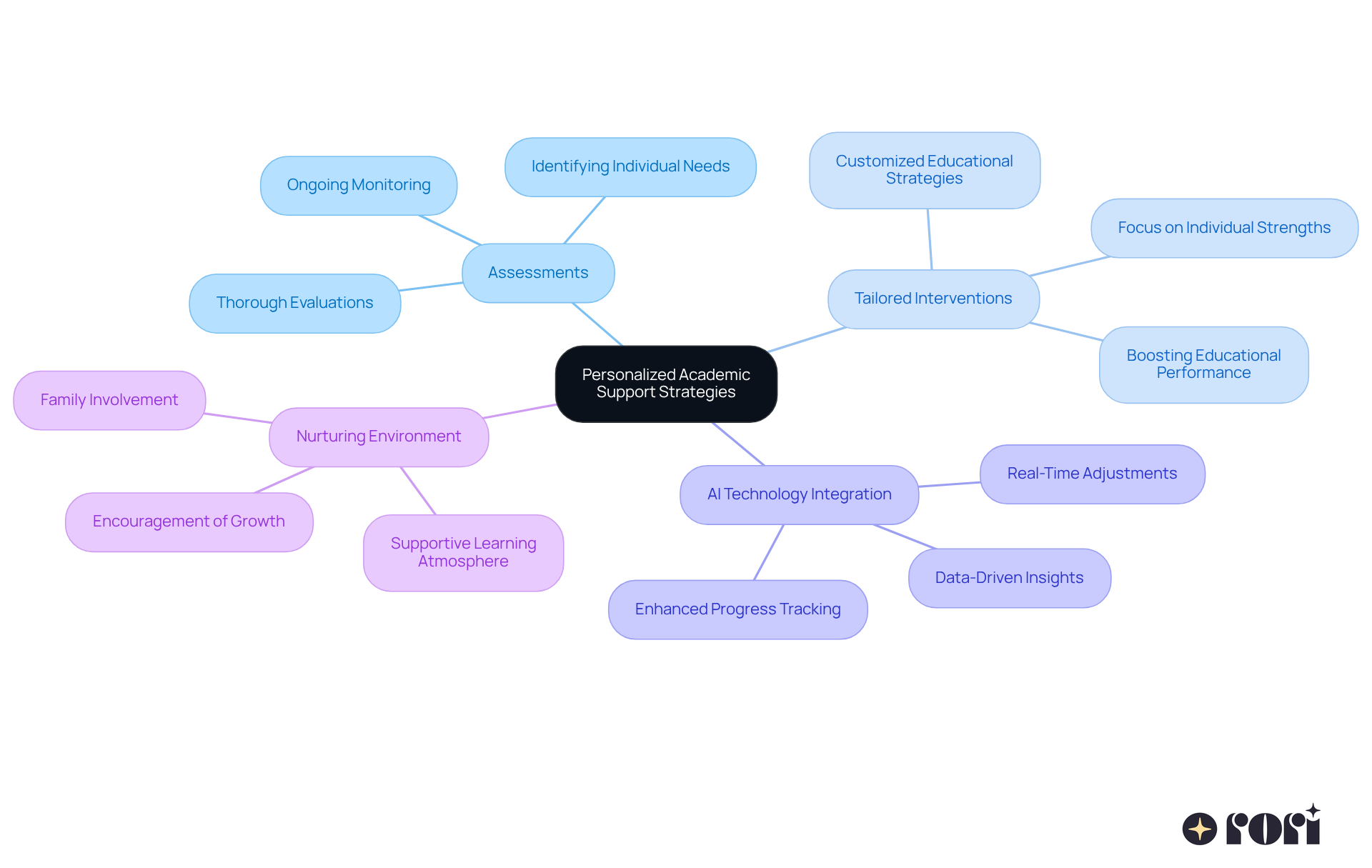
At Rori Behavioral Innovations Inc., we understand the unique challenges parents face when it comes to supporting their children. That’s why we use a data-informed approach in , focusing on that cater to each child’s individual strengths and challenges. Through , our clinicians identify specific needs, ensuring that interventions are tailored to effectively.
This customized approach creates a nurturing environment where young learners can truly thrive. And guess what? We’ve to enhance these strategies even further! This means we can make real-time adjustments based on ongoing progress, ensuring that your child gets the support they need when they need it.
Research shows that the intensity of treatment and for enhancing academic abilities play a significant role in achieving educational goals. This highlights just how important it is to have , particularly , in place, especially for individuals with autism. So, let’s explore this together! We’re here to help you every step of the way!
(DTT) is a fantastic ABA technique that breaks down skills into smaller, manageable parts, making learning feel achievable through repetition and reinforcement. For example, imagine a young learner starting with just one letter before moving on to building words. This structured approach not only helps kids pick up new skills but also boosts their focus and engagement, which is crucial when implementing for enhancing academic abilities.
Research shows that kids who experience DTT can see a remarkable compared to those who use less structured methods. Isn’t that amazing? Plus, over 63% of children with autism show better behavior and communication skills thanks to ABA therapy, highlighting how crucial DTT is for their development.
ABA therapists often point out that DTT creates a , which helps kids feel confident and secure. One therapist shared, 'The goal of DTT is to enhance a young person's ability to perform skills independently, leading to .'
In real-world settings, DTT has shown by utilizing . Many students achieve higher success rates when DTT is combined with other . This , paving the way for meaningful progress in their educational journey.
Let’s explore this together! If you’re curious about how DTT can help your child, we’re here to support you every step of the way!

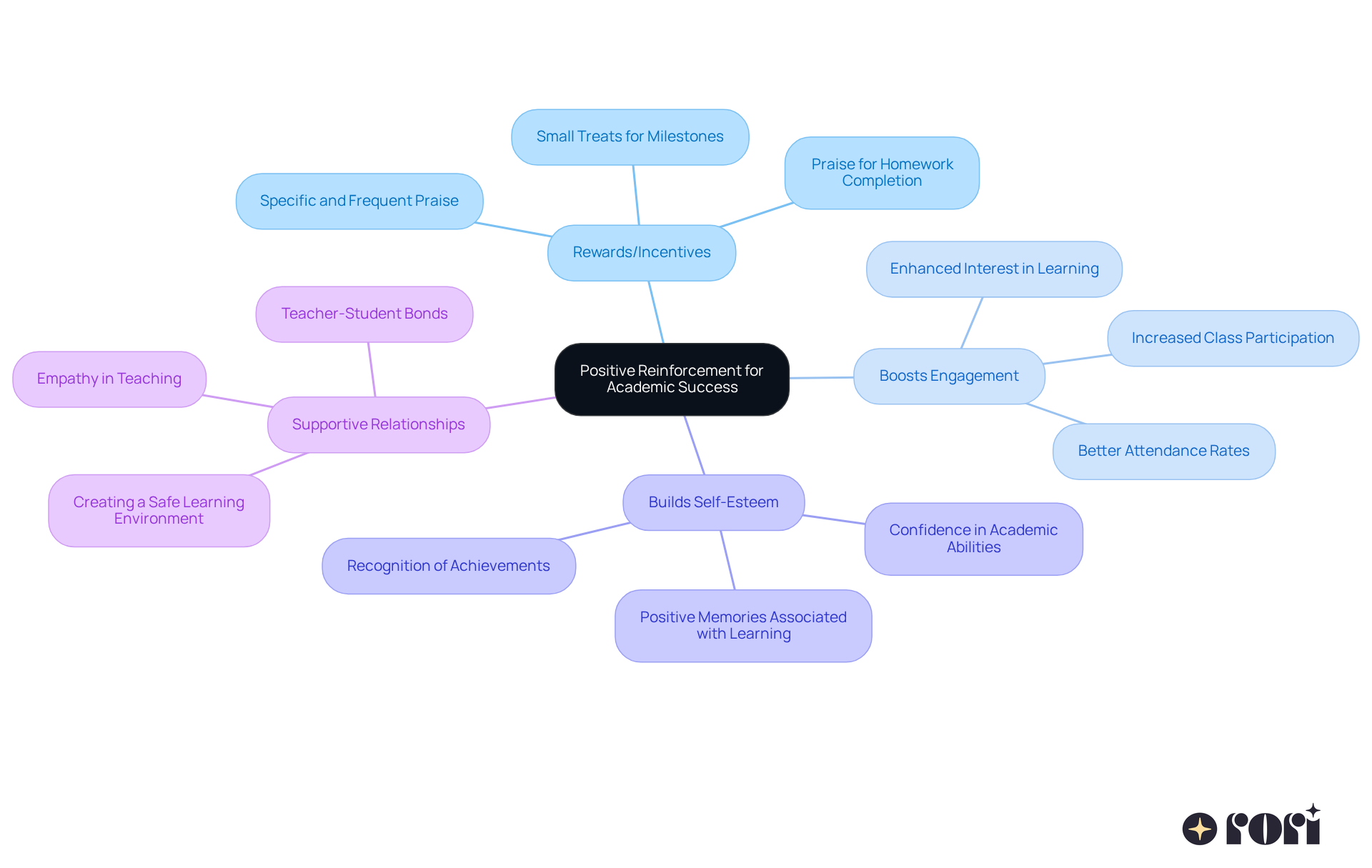
is such a powerful tool! It’s all about giving rewards or incentives to encourage kids to take those preferred actions. In schools, this might look like praising a student for completing their homework or offering small treats for hitting certain educational milestones. Research shows that when we consistently support , it really boosts kids' engagement in school and helps them develop a positive attitude toward learning.
This approach doesn’t just spark motivation; it also plays a crucial role in , which is key for . As educators often say, "Students don’t care how much you know until they know how much you care." This really highlights how important are in education. Plus, studies indicate that when is applied effectively, it can lead to better academic outcomes, particularly when utilizing . Kids who feel recognized and appreciated are more likely to excel through .
By creating an environment where good behaviors are celebrated, we empower young learners to take charge of their educational journey. This ultimately sets them up for . So, let’s explore this together and see how we can make a difference in our kids’ lives!
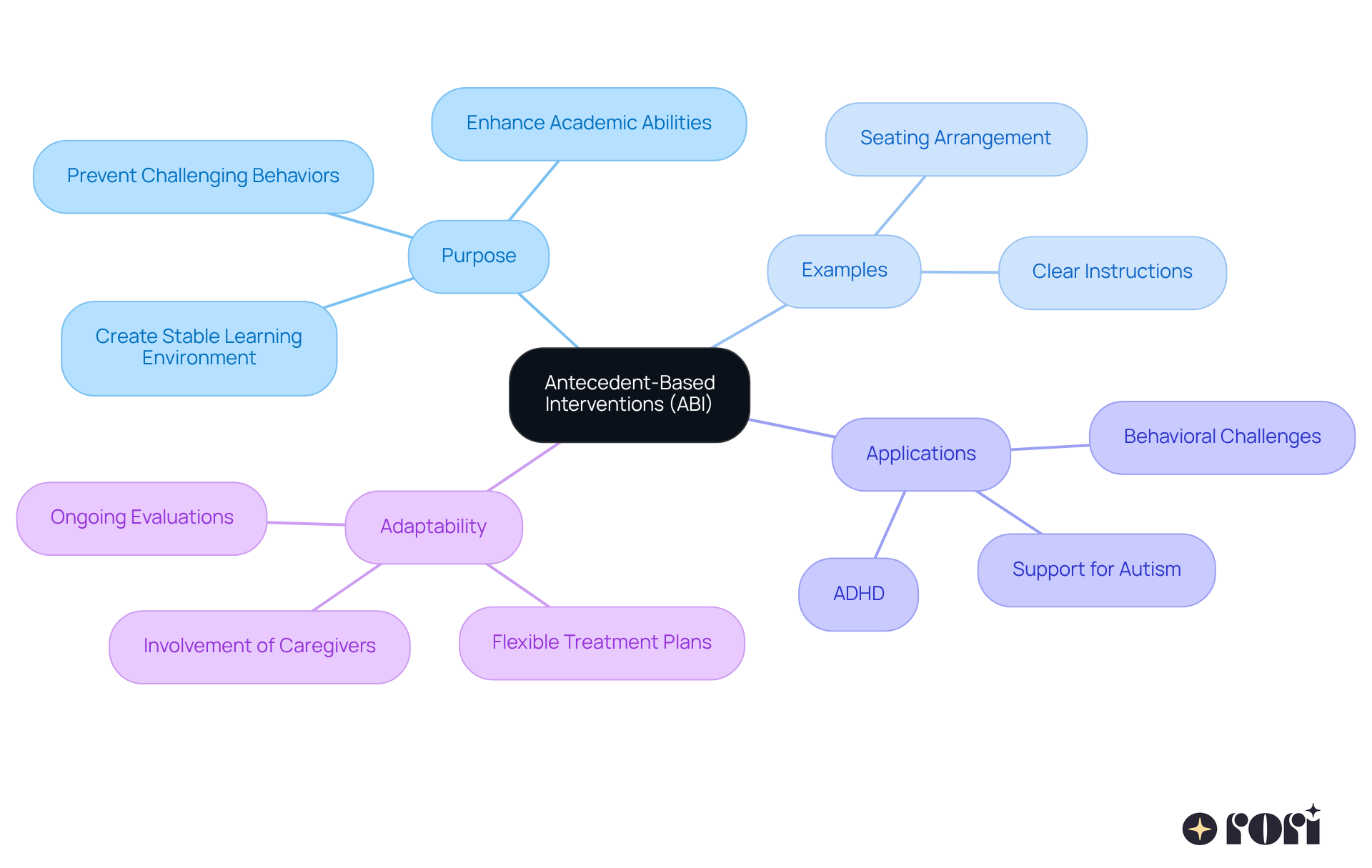
Antecedent-Based Interventions (ABI) are all about making changes in the environment to help prevent challenging behaviors before they even start. For example, if a student often gets distracted during group activities, a teacher might rearrange the seating to cut down on distractions or give clear instructions ahead of time. By thinking ahead and tackling potential disruptions, educators can implement for enhancing academic abilities to create a more that really supports .
This approach fits perfectly with Rori Care's dedication to and measurable goals. It ensures that treatment plans are based on ongoing evaluations and the involvement of caregivers. These adaptive strategies are so important for effectively , ADHD, and other behavioral challenges.
Let’s explore this together! By understanding how ABI works, we can better support our kids and create a nurturing space for them to thrive.
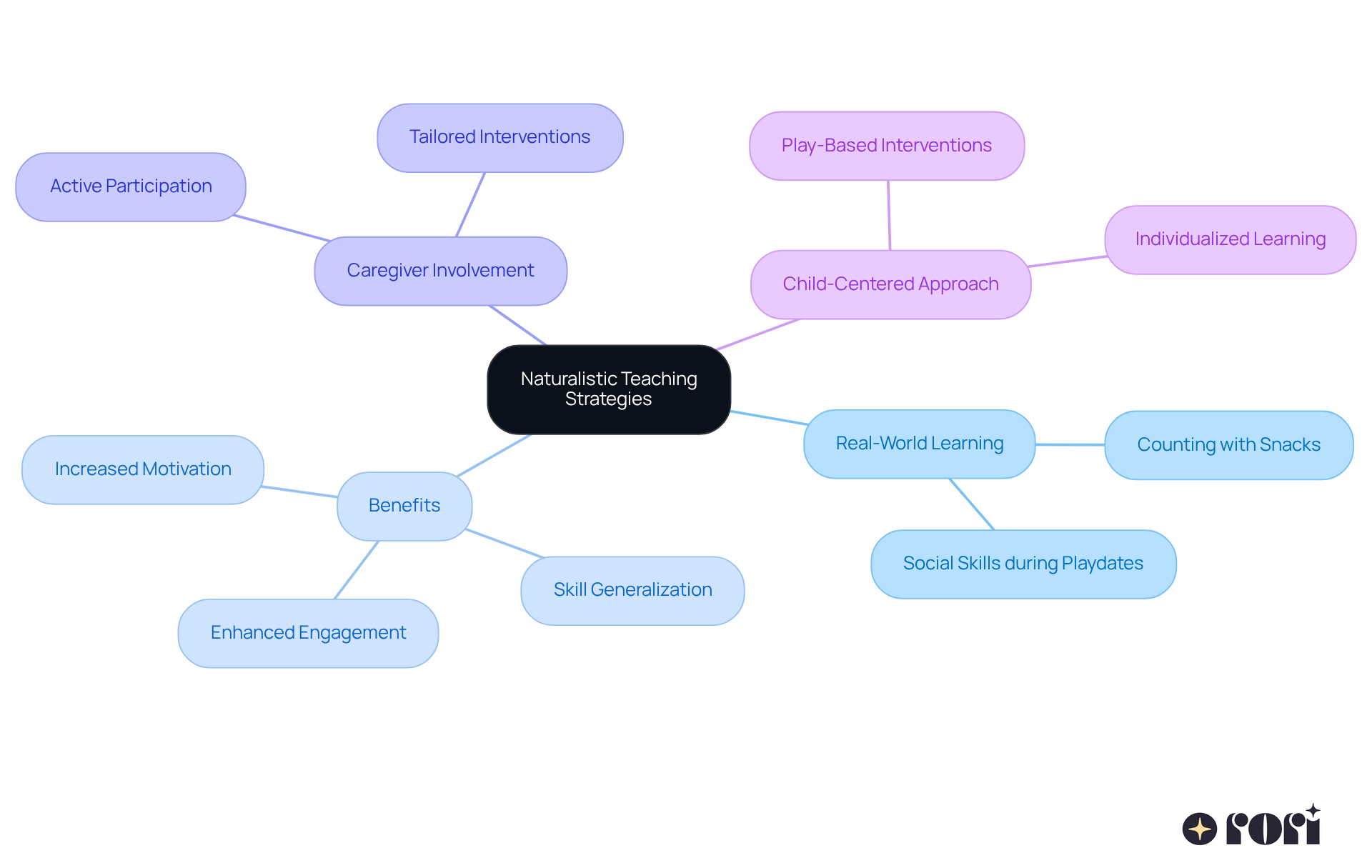
(NTS) are all about teaching skills in the context of everyday activities. This approach makes and engaging, especially for young learners who might be facing challenges like Autism Spectrum Disorders or ADHD. For instance, imagine a child learning to count using snacks during snack time or practicing during playdates. It’s a fun way to and helps kids generalize their skills across different environments, which is so important for both academic and social success.
By utilizing for enhancing , NTS can be tailored to meet each child’s . This ensures that the therapy is not just . It’s heartening to know that when caregivers are actively involved and the recommended hours are fully implemented, about 90% of youth show notable progress! This really highlights how impactful these strategies can be in fostering learning and development.
So, let’s explore this together! If you’re a parent looking for ways to support your child’s , know that you’re not alone. We’re here to !
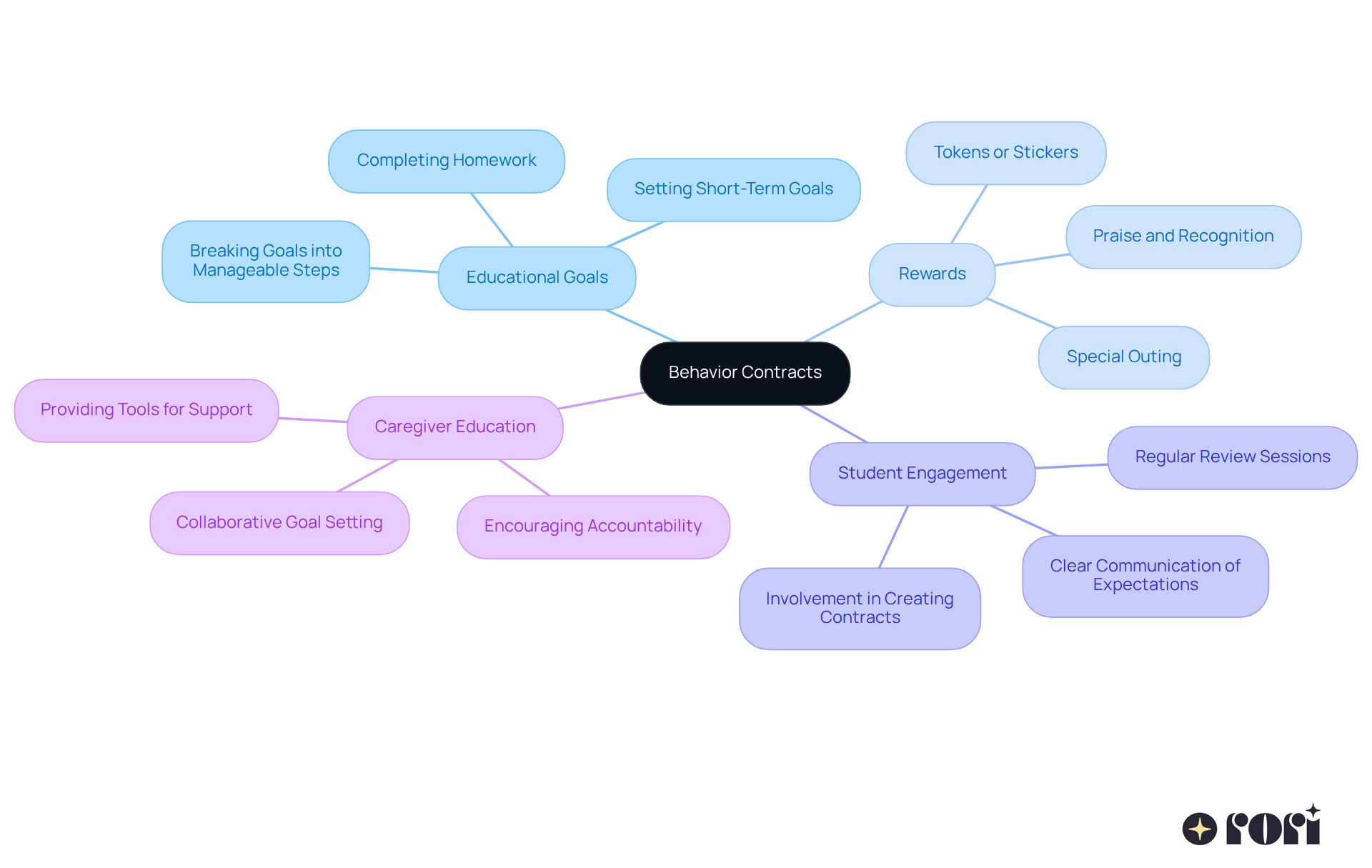
are like friendly agreements that lay out specific and the rewards for achieving them. For example, imagine a contract that says if a student completes all their homework for a month, they get to enjoy a special outing! This clear not only helps kids grasp their responsibilities but also .
Research shows that when implemented effectively, can lead to a 30% increase in . Isn’t that impressive? Real-life examples reveal that students who help create their own agreements are more likely to stick to the expectations set, which leads to .
And let’s not forget about ! It’s super important because it gives caregivers the tools they need to effectively. By encouraging accountability and offering , these agreements empower young learners to take charge of their educational journey.
So, let’s explore this together! How can you implement in your home to support your child’s learning?
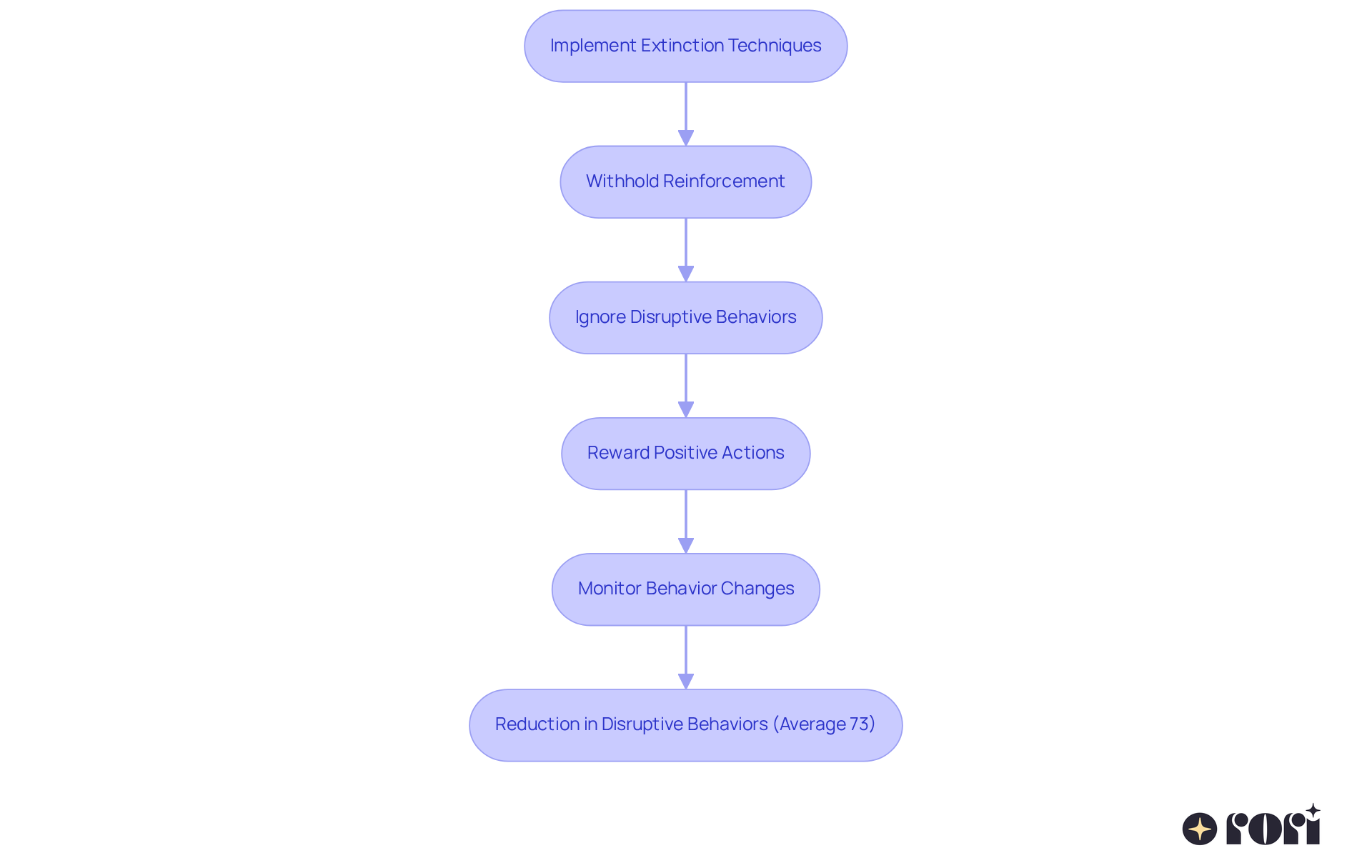
can be a game-changer for managing unwanted behaviors by simply . Imagine a child throwing a tantrum just to grab your attention. If you consistently ignore those outbursts and instead reward their , you might notice a significant drop in those tantrums over time. Research even shows that when done right, these techniques can reduce disruptive behaviors by an average of 73% in just six weeks, and in the best scenarios, that number can soar to an impressive 85%!
In real-life classrooms, educators have successfully used to keep things on track. By focusing on praising and ignoring those attention-seeking disruptions, teachers can create a more welcoming learning environment. This not only cuts down on interruptions but also helps foster a culture of engagement and focus among students.
To really make work, it’s super important for everyone involved - parents, teachers, and caregivers - to stay consistent. Clear communication about what’s expected and ongoing support from trained professionals can really boost the effectiveness of these strategies. As Dr. Stephen Shore wisely pointed out, is key before jumping into extinction. This way, interventions can be tailored to meet each child’s . By embracing for enhancing academic abilities, educators can truly improve and support students in their academic journeys. Let’s explore this together!
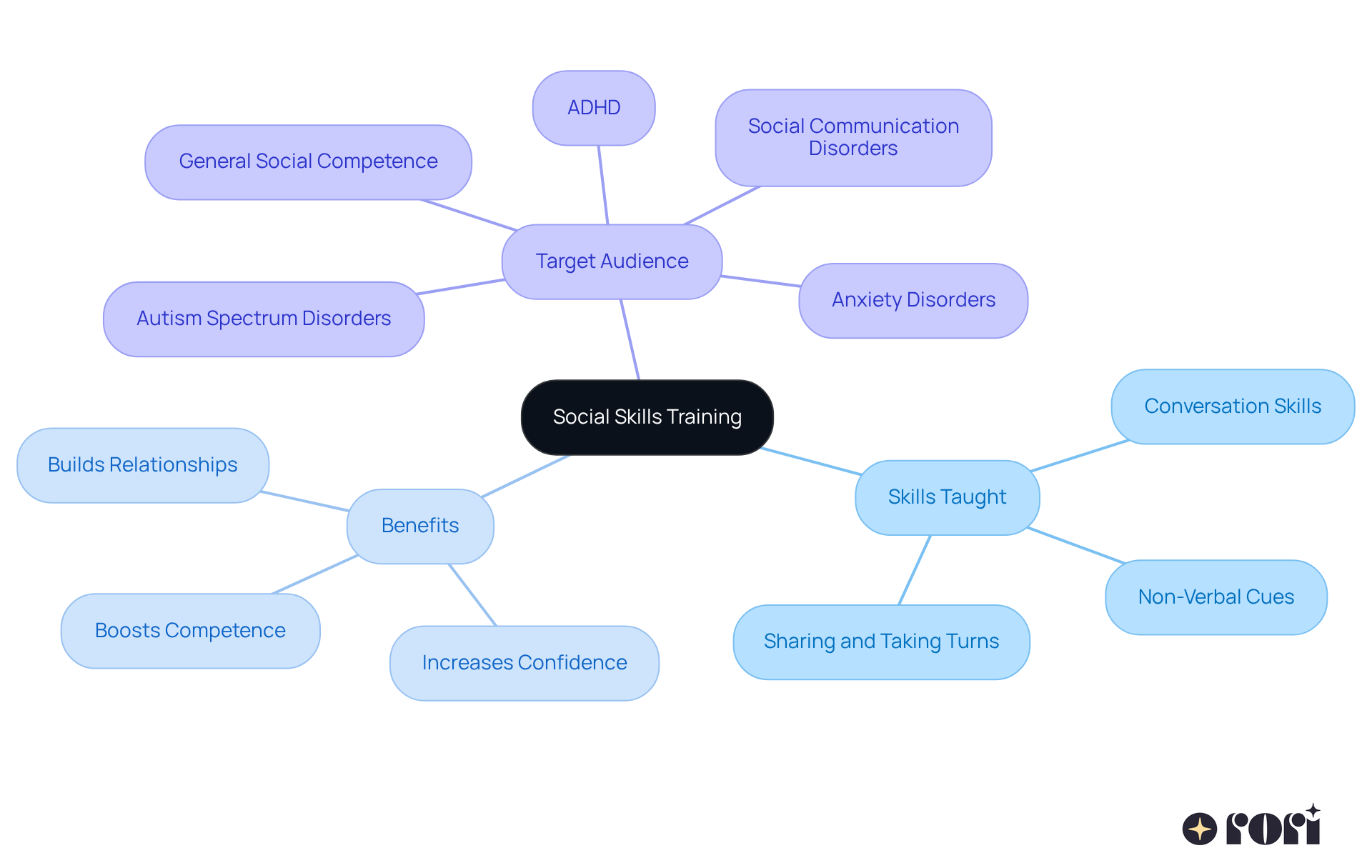
At Rori Care, we understand how important it is for youth to connect with their peers. That’s why our focuses on teaching them how to engage in . We practice , decode non-verbal cues, and learn the art of sharing and taking turns.
Led by our trained therapists, our is designed to within a group. This not only boosts competence but also helps . Imagine your child feeling more confident in making friends and - this can truly transform their educational experience!
Our program is especially beneficial for individuals with:
But it’s also a great fit for anyone looking to . Let’s explore this together! We’re here to !
Data tracking is all about in school - think grades, homework completion, and . By looking at this information, both educators and parents can spot trends, see what’s working, and make any necessary changes to help your child thrive. This approach is all about using we use are in tune with your child’s changing needs.
At Rori Care, our skilled analysts are dedicated to crafting that come with clear goals and proven methods. We focus on , making sure that we’re always on the right track. This , guided by progress report data and active caregiver involvement, plays a key role in encouraging and skill development. Ultimately, it’s all about helping your child succeed in their .
Let’s explore this together! We’re here to !

is truly a cornerstone of for our young learners. When parents actively engage in their children's education-whether it’s attending school meetings, reinforcing learning at home, or keeping those lines of communication open with teachers-it can make a world of difference in a child’s educational journey. Studies show that kids with often achieve higher grades, behave better, and develop stronger social skills. For instance, research indicates that children whose parents participate in school activities tend to have lower dropout rates and perform better overall. According to the Annie E. Casey Foundation, three key behaviors from parents stand out as the best indicators of student success:
To foster a , parents can try out strategies like:
These practices not only but also nurture a positive attitude towards learning. Plus, research shows that kids are less likely to engage in risky behaviors when their parents are actively involved in their lives, highlighting the broader benefits of parental engagement. Educators stress the importance of building welcoming school cultures that invite parental participation, as this teamwork leads to better outcomes for students. When schools and families join forces, students are more likely to thrive both academically and socially, reinforcing the idea that is essential for educational success. Let’s explore this together!

Integrating ABA therapy techniques in schools can really change the game for kids, especially those who face unique challenges. By using personalized strategies like:
caregivers and educators can build a structured and supportive learning environment that meets each child's needs. This tailored approach not only boosts academic growth but also helps kids develop essential social skills, empowering them to thrive both in and out of the classroom.
Throughout this article, we’ve highlighted various effective techniques that can significantly impact academic performance. From the structured repetition of DTT to the motivating power of positive reinforcement, each method plays a vital role in creating a well-rounded educational experience. Plus, the importance of parental involvement and data tracking shows just how crucial collaboration is in helping children reach their academic goals. With the right support, every child can truly shine!
Ultimately, embracing these ABA therapy techniques is key to creating an environment where children can succeed academically and socially. By actively participating in their educational journey, parents and educators can make a real difference in shaping their children's futures. So, let’s explore and implement these strategies together! They hold the key to unlocking the potential within each child, paving the way for a brighter, more successful tomorrow. 🌟
What is Rori Care's approach to ABA therapy for academic support?
Rori Care utilizes a data-informed approach in ABA therapy, focusing on personalized educational strategies that cater to each child's individual strengths and challenges. This includes thorough assessments to identify specific needs and tailored interventions to boost educational performance.
How does Rori Care integrate technology into their therapy?
Rori Care has integrated AI technology to enhance their strategies, allowing for real-time adjustments based on ongoing progress to ensure that each child receives the necessary support when needed.
Why are customized academic strategies important in ABA therapy?
Customized academic strategies are crucial because research shows that the intensity of treatment and tailored interventions significantly impact achieving educational goals, particularly for individuals with autism.
What is Discrete Trial Training (DTT) and how is it used?
Discrete Trial Training (DTT) is an ABA technique that breaks down skills into smaller, manageable parts, making learning achievable through repetition and reinforcement. It helps improve focus and engagement in young learners.
What are the benefits of using DTT in academic settings?
Research indicates that children who experience DTT can see a 25% improvement in language outcomes. Additionally, over 63% of children with autism demonstrate better behavior and communication skills due to DTT, highlighting its effectiveness in enhancing academic skills.
How does positive reinforcement work in the context of ABA therapy?
Positive reinforcement involves providing rewards or incentives to encourage preferred actions in children, such as praising them for completing homework. This approach boosts engagement, builds self-esteem, and fosters a positive attitude toward learning.
What impact does positive reinforcement have on academic success?
When applied effectively, positive reinforcement can lead to better academic outcomes by creating an environment where good behaviors are celebrated, empowering young learners to take charge of their educational journey.
How does Rori Care support parents in their children's educational journeys?
Rori Care emphasizes a collaborative approach, inviting parents to explore the strategies together and providing support every step of the way to help their children succeed academically.