
Introduction
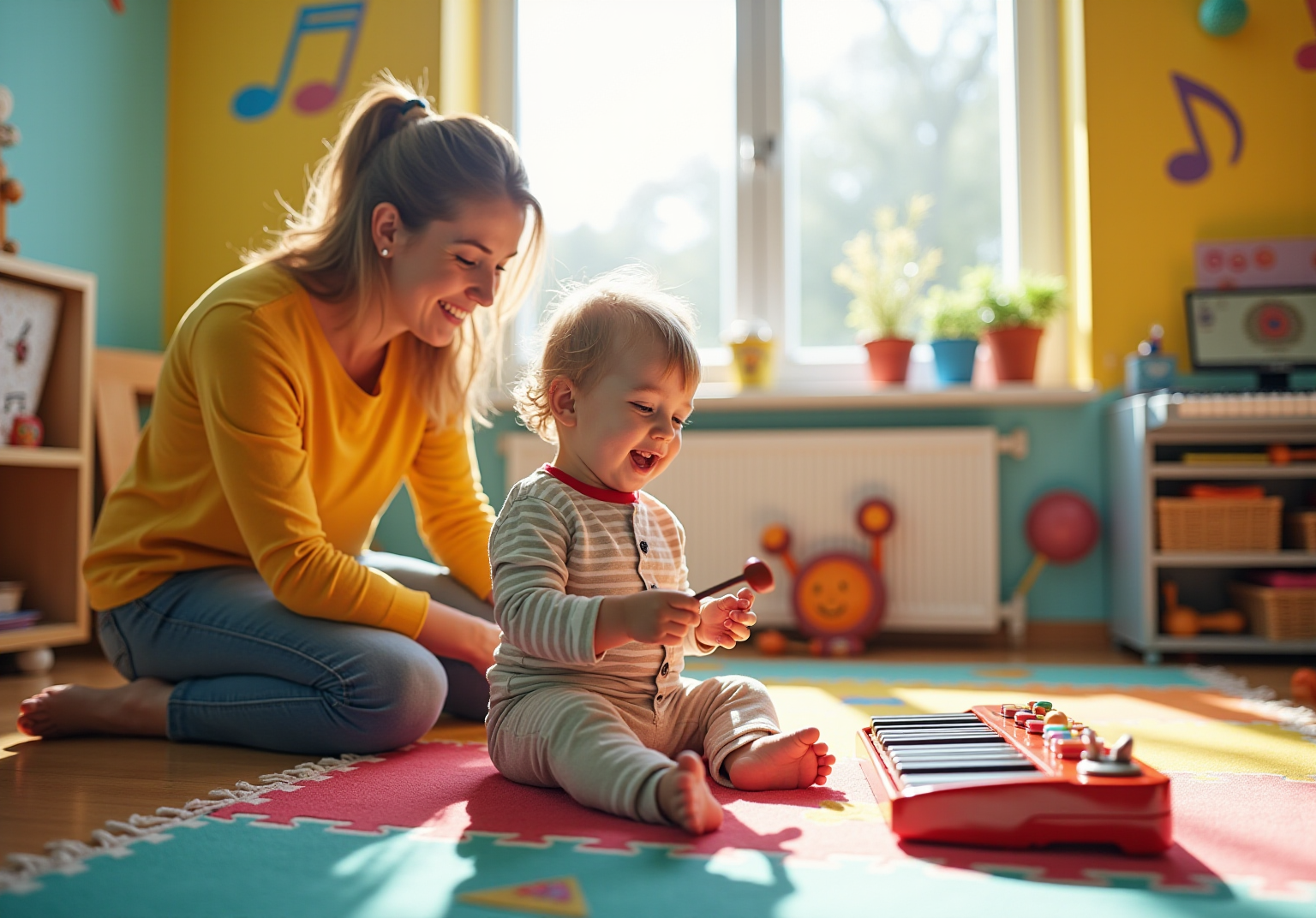
Music has a unique way of bringing people together, and for children with autism, it can be a powerful ally in their therapeutic journey. 🎶 The best music therapy programs not only help improve communication and social skills but also offer a joyful outlet for emotional expression, tailored to each child’s individual needs.
But here’s the thing: even with the growing recognition of these programs, many parents find themselves asking, “How do I choose the right one for my child?” It can feel overwhelming with so many options out there!
Let’s explore this together! We’ll dive into how to navigate these choices and find the most effective solutions for your little one. After all, you’re not alone in this journey!
Rori Care – ABA Therapy: Personalized Music Therapy for Autism
At Rori Care, we understand that every child is unique, and that’s why we incorporate tailored auditory interventions into our . We recognize the distinct emotional and developmental needs of each young individual, which is so important! By using sound, our therapists can , , and foster in a way that feels natural and inviting.
Imagine this: the that include sessions customized to match your child’s interests and developmental goals. It’s all about ensuring that each participant receives a that boosts their overall well-being and progress in therapy. Each is crafted just for them, with clear, measurable goals for . Plus, we use to optimize outcomes.
And here’s the best part: we continuously assess and adjust these plans to make sure they’re effective and responsive to your child’s needs. For instance, using familiar songs can help kids feel more at ease and open during sessions, which promotes better communication and interaction.
We’re here to help you every step of the way! Let’s explore this together and see how we can support your child’s journey.

Advanced Autism: Evidence-Based Music Therapy for Social Skills
Advanced Autism emphasizes using , which are part of the , to help young people improve their . Research shows that the can significantly . For example, group sound healing sessions, typically lasting 16 weeks with weekly 45-minute meetings, encourage kids to engage with their peers, fostering collaborative play and building those important interpersonal connections.
Therapists create a fun and engaging atmosphere that promotes the growth of through the by incorporating rhythm and melody. It’s not just about learning; it’s about enjoying the process! Rori Care also steps in to equip caregivers with the knowledge and skills they need to support their children’s . They emphasize the importance of and keeping track of progress through . This active involvement helps create a , maximizing the impact of the intervention.
Research indicates that kids participating in the show increased eye contact and improved interpersonal responses. In fact, there’s a statistically significant rise in the Social Responsiveness Scale (SRS) scores (p < 0.05). As specialist Athina Tsirigoti points out, ‘The promising outcomes of the studies featured in this review illustrate the worth of sound intervention as an effective resource, including the , for children with ASD.’ This really highlights the .
So, let’s explore this together! If you’re a parent looking for ways to support your child, know that you’re not alone. We’re here to help you every step of the way!

Chattanooga Autism Center: Integrative Music Therapy Solutions
At the Chattanooga Autism Center, we’re focused on blending traditional therapy with the best , including integrative sound therapy! 🎶 Our Ascending Scales Therapy Program uses sound to tackle both artistic and non-artistic goals. Think about enhancing communication and in a fun way!
This enables our therapists to customize the to meet each child’s . It’s all about creating a where kids can truly thrive. For instance, using sound to can boost while keeping the treatment enjoyable. Let’s explore this together!
American Music Therapy Association: Standards and Resources for Effective Therapy
The American Association for Music Healing (AAMH) is doing some amazing work in supporting the healing profession! They set standards of practice that help therapists gain the skills and knowledge they need to provide . Isn’t that reassuring?
AAMH also emphasizes the , establishing itself as one of the best for families and professionals who wish to understand how audio can impact autism care. By following these standards, therapists can ensure their practices are not just effective but also ethical.
Let’s explore this together! If you’re curious about how music can help, reaching out for more information could be a great next step.

Grateful Care ABA: Music and Movement for Behavioral Support
At Grateful Care ABA, we believe in the power of music and movement! 🎶 By weaving into our , we create a fun and engaging atmosphere that encourages young individuals to jump right in. This approach not only boosts motivation but also helps develop important and .
Imagine your child playing set to catchy tunes! These activities can be a fantastic way for them to practice turn-taking and teamwork, all while reinforcing . Learning becomes enjoyable, and who doesn’t love a little ? Let’s explore this together and see how we can make therapy a joyful experience for your child!
Key Autism Services: Tailored Music Therapy for Communication Skills
At Key Autism Services, we understand the unique challenges that parents face when trying to find the best to in their little ones. That’s why we offer the , specifically designed just for them! The best are tailored to meet individual needs, allowing our therapists to harness the power of sound to boost both verbal and non-verbal communication.
Imagine your child singing along to fun songs that introduce new vocabulary! Not only does this make learning enjoyable, but it also . Research shows that . Kids who participate in these auditory interventions often show .
This ensures that every young learner gets the in their communication journey. We’re all about creating a more , where your child can flourish. Let’s explore this together! We’re here to !

By Your Side: Emotional Engagement Through Music Therapy
By Your Side is all about connecting through the power of music therapy. It’s amazing how the can , particularly for those who find it tough to share their feelings with words. Imagine a safe space where young people can through ! 🎶
For instance, when kids use instruments to create sounds that mirror different feelings, they start to recognize and articulate their emotions better. The not only but also help them connect with others. It’s a beautiful journey of discovery, and we’re here to ! Let’s explore this together!

Life Lab Kids: Integrating Music Therapy with ABA Practices
At Life Lab Kids, we’re dedicated to blending sound intervention with methods to develop what we believe are the . This unique combination allows our therapists to utilize the as a fun and effective way to reinforce . Imagine your child enjoying therapy while making real progress! By weaving familiar songs into ABA sessions, we help kids learn through repetition and engagement, making their experiences truly enriching.
But that’s not all! With our , therapists can save up to 50% more time for direct treatment. This means more focused attention on your child, enhancing the overall efficiency of ABA interventions.
Using sound to grab attention and motivate participation not only boosts the effectiveness of ABA but also aligns perfectly with key elements of behavioral program development, such as , which are essential components of the . Research shows that the can enhance and improve , both crucial for individuals with autism. However, it’s important to note that the can vary, with some studies showing mixed results compared to traditional treatments.
Additionally, the quality of the therapeutic relationship plays a vital role in changes to ASD symptom severity. This highlights the need for tailored to each child’s unique needs. Our innovative approach shows how sound can transform traditional treatment methods, making them more engaging and effective for young learners.
Let’s explore this together! We’re here to help you every step of the way!
Autism Parenting Magazine: Insights on Music Therapy Benefits
At Autism Parenting Magazine, we’re all about sharing valuable insights on the amazing benefits of the best as . Our articles dive into how can boost communication, social skills, and emotional regulation. Plus, we back it all up with from families just like yours! 🌟
For instance, many parents have shared how has helped their children express feelings more clearly and connect better with friends. This resource not only informs you about the but also empowers you to in your child’s growth.
Recent findings show that the best can significantly , making them a key part of autism support. At Rori Care, our dedicated clinical leadership team is passionate about promoting and ensuring families get the they need to tackle challenges and nurture their children’s development.
Let’s explore this together! We’re here to !

PMC NCBI: Research on Music Therapy Effectiveness for Autism
Research published in PMC NCBI shines a light on the incredible potential of sound intervention for youth with (ASD). Many studies show that sound treatment can really boost , , and . For instance, a thorough meta-analysis revealed that kids participating in auditory intervention showed , with a standardized mean difference (SMD) of -0.66. That’s a big leap compared to those receiving traditional care! As Xiuyan Gao points out, “youths with autism exhibited a significant enhancement in their behavioral symptoms when undergoing treatment through sound.” This compelling evidence highlights how crucial sound intervention is in autism , particularly through the , which offer families and clinicians a proven, effective way to support young people’s development.
Moreover, the child-centered approach of the focuses on tailoring interventions to meet individual needs, which is crucial for maximizing effectiveness. And let’s not forget about ! It plays a vital role in this journey, equipping caregivers with the knowledge and skills they need to provide better support at home, make informed decisions, and actively engage in their child’s therapeutic process. However, it’s important to be cautious when interpreting results, as some analyses have limited research literature.
So, let’s explore this together! If you’re a parent navigating this journey, know that you’re not alone. We’re here to help you every step of the way!

Conclusion
The power of music therapy for children with autism is truly remarkable! By using personalized auditory interventions, these programs not only meet the unique emotional and developmental needs of each child but also help them grow in communication and social skills. The best music therapy programs focus on tailored approaches, ensuring every child gets the support they need to thrive on their therapy journey.
Throughout this article, we’ve seen how various programs highlight the effectiveness of music therapy in boosting interpersonal skills, emotional regulation, and overall well-being. From Rori Care’s personalized plans to the integrative solutions at the Chattanooga Autism Center, each program shows how sound can be a vital tool for promoting engagement and connection. Research backs this up, showing measurable improvements in social responsiveness and communication abilities among participants.
As families navigate the complexities of autism, embracing music therapy can be a crucial step toward fostering emotional expression and social engagement in children. By exploring these innovative therapies, parents can empower their children to reach their full potential, making the journey not just impactful but also joyful. Engaging with music therapy opens up a pathway to growth and connection, helping children with autism flourish in their unique ways.
Let’s explore this together! If you’re considering music therapy for your child, know that you’re not alone on this journey. We’re here to help you every step of the way!
Frequently Asked Questions
What is Rori Care’s approach to ABA therapy for autism?
Rori Care incorporates tailored auditory interventions into its ABA support structure, recognizing the unique emotional and developmental needs of each child. This approach enhances engagement, communication, and emotional expression through music.
How are music therapy sessions customized for children at Rori Care?
Music therapy sessions are customized to match each child’s interests and developmental goals, ensuring a comprehensive treatment plan that promotes overall well-being and progress in therapy.
How does Rori Care ensure the effectiveness of its therapy plans?
Rori Care continuously assesses and adjusts therapy plans to ensure they are effective and responsive to each child’s needs, using familiar songs to help children feel more comfortable and open during sessions.
What is the focus of the Advanced Autism program?
The Advanced Autism program emphasizes using evidence-based auditory intervention methods to help improve interpersonal skills, such as interaction, joint attention, and communication, through engaging group sound healing sessions.
How long do the group sound healing sessions last in the Advanced Autism program?
Group sound healing sessions typically last 16 weeks, with weekly meetings of 45 minutes each.
What benefits have been observed from the best music therapy programs for autism?
Research indicates that children participating in these programs show increased eye contact and improved interpersonal responses, with statistically significant improvements in Social Responsiveness Scale (SRS) scores.
How does the Chattanooga Autism Center integrate music therapy with traditional therapy?
The Chattanooga Autism Center blends traditional therapy with integrative sound therapy, using programs like Ascending Scales Therapy to address both artistic and non-artistic goals, enhancing communication and emotional regulation.
What is the goal of the integrative music therapy solutions at the Chattanooga Autism Center?
The goal is to create a supportive environment where children can thrive by using sound to encourage social skills, such as turn-taking and shared focus, while keeping the treatment enjoyable.
List of Sources
- Rori Care – ABA Therapy: Personalized Music Therapy for Autism
- Music therapy improves engagement and initiation for autistic children with mild intellectual disabilities: A randomized controlled study (https://onlinelibrary.wiley.com/doi/10.1002/aur.3254)
- Music therapy for children on the autism spectrum: Improved social interaction observed by multiple informants across different social contexts (https://tandfonline.com/doi/full/10.1080/08098131.2022.2046628)
- Frontiers | Effect of music therapy on children with autism spectrum disorders in the Chinese population: a systematic review and meta-analysis (https://frontiersin.org/journals/psychiatry/articles/10.3389/fpsyt.2025.1611182/full)
- A randomized controlled trial of the efficacy of music therapy on the social skills of children with autism spectrum disorder (https://sciencedirect.com/science/article/pii/S0891422225000265)
- The Efficacy of Music Therapy Programs on the Development of Social Communication in Children with Autism Spectrum Disorder: A Systematic Review (https://mdpi.com/2227-7102/14/4/373)
- Advanced Autism: Evidence-Based Music Therapy for Social Skills
- Effectiveness of music therapy in children with autism spectrum disorder: A systematic review and meta-analysis – PMC (https://pmc.ncbi.nlm.nih.gov/articles/PMC9582596)
- Music therapy for children on the autism spectrum: Improved social interaction observed by multiple informants across different social contexts (https://tandfonline.com/doi/full/10.1080/08098131.2022.2046628)
- A randomized controlled trial of the efficacy of music therapy on the social skills of children with autism spectrum disorder (https://sciencedirect.com/science/article/pii/S0891422225000265)
- The Efficacy of Music Therapy Programs on the Development of Social Communication in Children with Autism Spectrum Disorder: A Systematic Review (https://mdpi.com/2227-7102/14/4/373)
- Music therapy: An effective approach in improving social… : Advanced Biomedical Research (https://journals.lww.com/adbm/fulltext/2015/04000/music_therapy__an_effective_approach_in_improving.157.aspx)
- Chattanooga Autism Center: Integrative Music Therapy Solutions
- Frontiers | The effect of music therapy on language communication and social skills in children with autism spectrum disorder: a systematic review and meta-analysis (https://frontiersin.org/journals/psychology/articles/10.3389/fpsyg.2024.1336421/full)
- Definition and Quotes about Music Therapy | American Music Therapy Association (AMTA) (https://musictherapy.org/about/quotes)
- Effectiveness of music therapy in children with autism spectrum disorder: A systematic review and meta-analysis – PMC (https://pmc.ncbi.nlm.nih.gov/articles/PMC9582596)
- The effect of music interventions in autism spectrum disorder: A systematic review and meta-analysis (https://medrxiv.org/content/10.1101/2025.07.03.25330837v1.full-text)
- pmc.ncbi.nlm.nih.gov (https://pmc.ncbi.nlm.nih.gov/articles/PMC11783185)
- Key Autism Services: Tailored Music Therapy for Communication Skills
- Effectiveness of music therapy in children with autism spectrum disorder: A systematic review and meta-analysis – PMC (https://pmc.ncbi.nlm.nih.gov/articles/PMC9582596)
- The Efficacy of Music Therapy Programs on the Development of Social Communication in Children with Autism Spectrum Disorder: A Systematic Review (https://mdpi.com/2227-7102/14/4/373)
- Music therapy improves social interaction and verbal communication skill among children with autism spectrum disorder: A systematic review and meta-analysis
| Narra X (https://narrax.org/main/article/view/90) - Music therapy: An effective approach in improving social skills of children with autism – PMC (https://pmc.ncbi.nlm.nih.gov/articles/PMC4550953)
- Frontiers | The effect of music therapy on language communication and social skills in children with autism spectrum disorder: a systematic review and meta-analysis (https://frontiersin.org/journals/psychology/articles/10.3389/fpsyg.2024.1336421/full)
- Life Lab Kids: Integrating Music Therapy with ABA Practices
- Definition and Quotes about Music Therapy | American Music Therapy Association (AMTA) (https://musictherapy.org/about/quotes)
- keyautismservices.com (https://keyautismservices.com/blog/music-therapy-and-autism)
- The Efficacy of Music Therapy Programs on the Development of Social Communication in Children with Autism Spectrum Disorder: A Systematic Review (https://mdpi.com/2227-7102/14/4/373)
- The effectiveness of music therapy in improving behavioral symptoms among children with autism spectrum disorders: a systematic review and meta-analysis – PubMed (https://pubmed.ncbi.nlm.nih.gov/39896995)
- The Benefits of Music Therapy for Autistic Children | Advanced Autism Services (https://advancedautism.com/post/the-benefits-of-music-therapy-for-autistic-children)
- Autism Parenting Magazine: Insights on Music Therapy Benefits
- Frontiers | The effect of music therapy on language communication and social skills in children with autism spectrum disorder: a systematic review and meta-analysis (https://frontiersin.org/journals/psychology/articles/10.3389/fpsyg.2024.1336421/full)
- Social outcomes in children with autism spectrum disorder: a review of music therapy outcomes – PMC (https://pmc.ncbi.nlm.nih.gov/articles/PMC5325134)
- Music Therapy for People With Autism Spectrum Disorder: A Systematic Review of Randomized Clinical Trials – PMC (https://pmc.ncbi.nlm.nih.gov/articles/PMC12034304)
- A randomized controlled trial of the efficacy of music therapy on the social skills of children with autism spectrum disorder (https://sciencedirect.com/science/article/pii/S0891422225000265)
- Music Therapy for Autistic People (https://aafp.org/pubs/afp/issues/2022/1200/mbtn-music-therapy-autistic-people.html)
- PMC NCBI: Research on Music Therapy Effectiveness for Autism
- Frontiers | Effectiveness of music therapy for children with autism spectrum disorder: meta-analysis and potential biological mechanisms (https://frontiersin.org/journals/psychiatry/articles/10.3389/fpsyt.2025.1722874/full)
- Music Therapy for People With Autism Spectrum Disorder: A Systematic Review of Randomized Clinical Trials – PMC (https://pmc.ncbi.nlm.nih.gov/articles/PMC12034304)
- Music Therapy for Autistic People (https://aafp.org/pubs/afp/issues/2022/1200/mbtn-music-therapy-autistic-people.html)
- (PDF) The effect of music therapy on language communication and social skills in children with autism spectrum disorder: a systematic review and meta-analysis (https://researchgate.net/publication/380433096_The_effect_of_music_therapy_on_language_communication_and_social_skills_in_children_with_autism_spectrum_disorder_a_systematic_review_and_meta-analysis)
- keyautismservices.com (https://keyautismservices.com/blog/music-therapy-and-autism)