Navigating the transition to adulthood can feel like a daunting journey, can’t it? For autistic adolescents and their families, this process often brings a mix of excitement and anxiety. But with the right strategies in place, it can shift from a source of worry to an empowering experience!
In this article, we’ll explore ten effective approaches designed to support autistic teens as they move toward independence. We’ll focus on personalized plans, skill development, and the vital role of self-advocacy. What challenges do families face in implementing these strategies? And how can they ensure their loved ones are equipped to thrive in adulthood? Let’s dive in together!
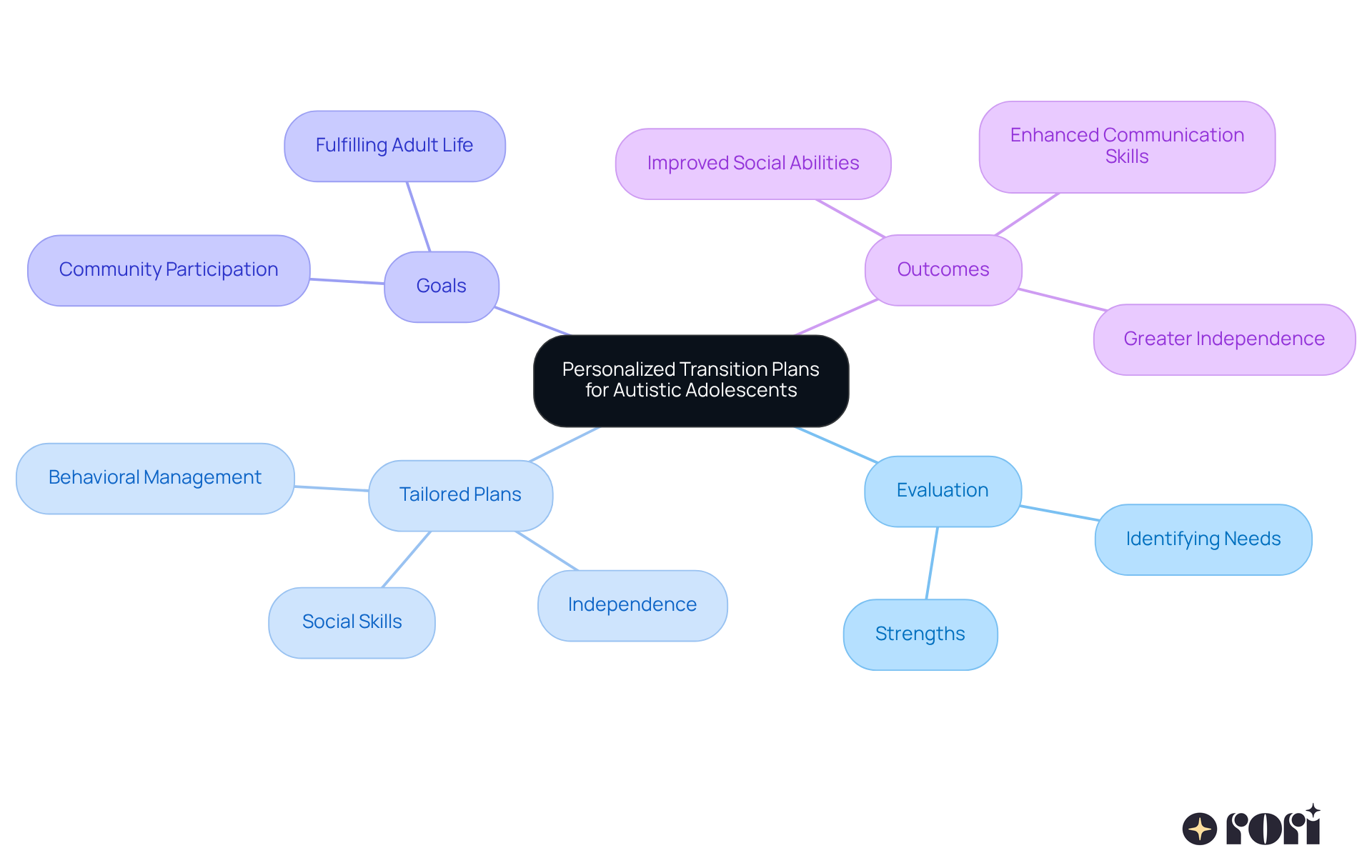
At Rori Behavioral Innovations, we understand that every young person has their own unique strengths and challenges. That’s why we take the time to thoroughly evaluate each individual. This step is so important! By identifying needs early on, we can create that incorporate the principles of .
These tailored plans are designed to boost , , and improve . We want to equip young individuals with the essential tools they need to . Studies show that when young people receive customized ABA therapy, they often see - both of which are crucial for successful transitions into adulthood.
Our clinicians emphasize that aligning therapy goals with each individual’s strengths and family priorities can really increase the chances of making meaningful progress. By focusing on the best strategies for , we ensure that every adolescent is set up for a fulfilling adult life. Ultimately, our goal is to foster greater independence and community participation.
Let’s explore this journey together! We’re here to !
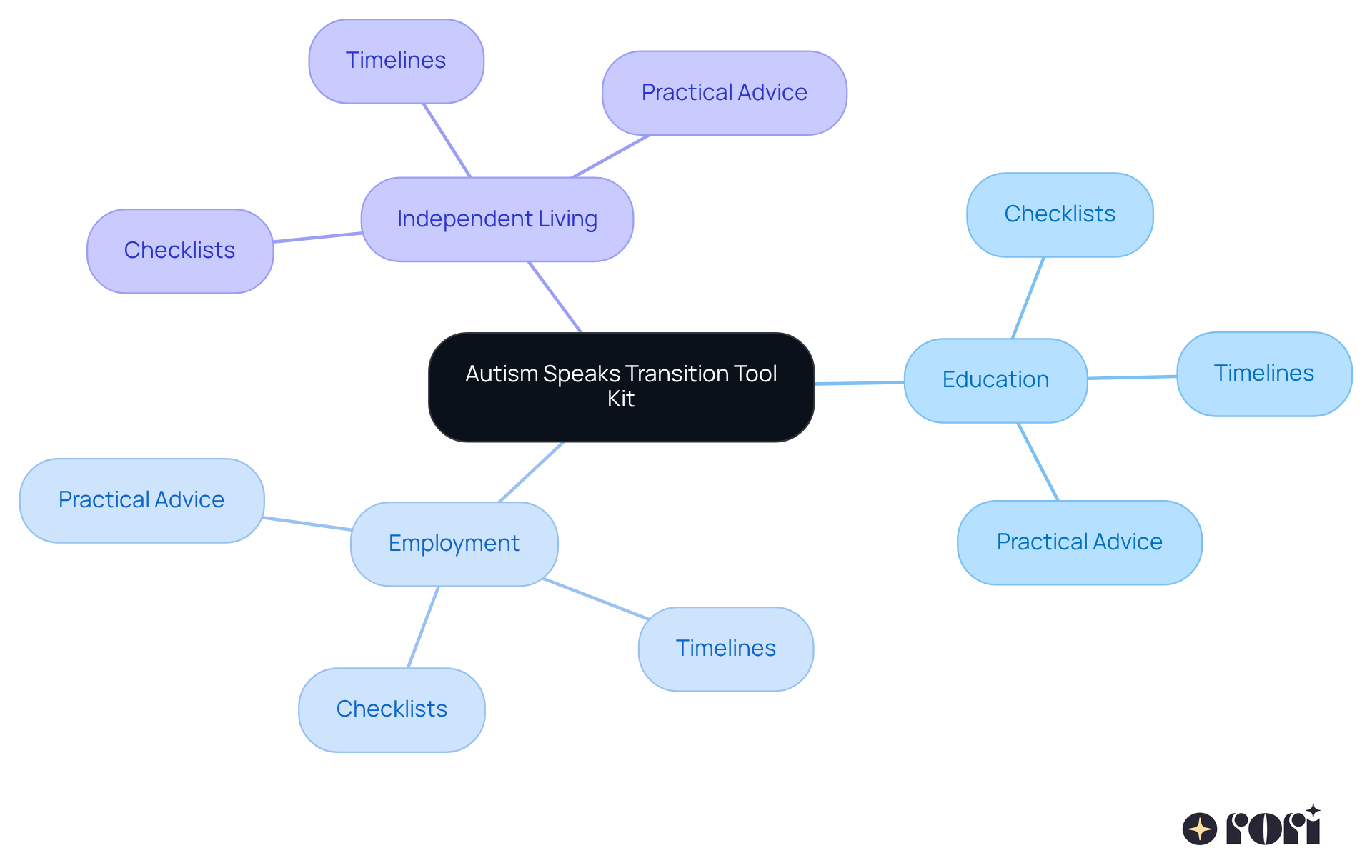
Navigating your child's journey to adulthood can feel overwhelming, right? That’s where the comes in! This fantastic resource is designed just for families like yours, offering a wealth of information to .
Inside this comprehensive guide, you’ll find that cover all the essential areas - think education, employment, and . By using this tool kit, you can get ahead of the challenges that may arise, ensuring your child has the .
Many families who have report feeling more satisfied with their journey. It’s heartening to know that the tool kit really makes a difference in easing transitions. Plus, experts agree that having a are some of the best strategies for as they step into independence.
So, let’s explore this together! You’re not alone in this journey, and we’re here to !
The Dan Marino Foundation provides a thoughtful framework for families navigating the ups and downs of their teen's growth. 🌱 This structured approach includes , interests, and future goals, ensuring that each plan is not just detailed but tailored to meet the unique needs of every individual.
By embracing this organized method, families can significantly boost their chances of using the best strategies for . It’s all about and find success on their own terms! Let’s explore this together and see how we can !

Preparing young people for changes should really start long before they reach adulthood. Early Start programs are so important in helping kids build , , and daily living skills-things that are essential for making those big adjustments later on. When kids engage in these activities, they not only gain confidence but also develop resilience, which makes the feel a lot less overwhelming.
Research shows that can lead to some pretty . In fact, studies reveal that children involved in can see an average IQ boost of 18 points compared to their peers in community interventions. Isn’t that amazing? Specialists also stress that honing and is crucial for navigating the ups and downs of adult life. For instance, helps young people manage their daily routines independently, while fosters those all-important interpersonal relationships.
By focusing on these areas, Early Start programs offer the best strategies for with greater confidence and capability. Let’s explore this together! We’re here to help you every step of the way!

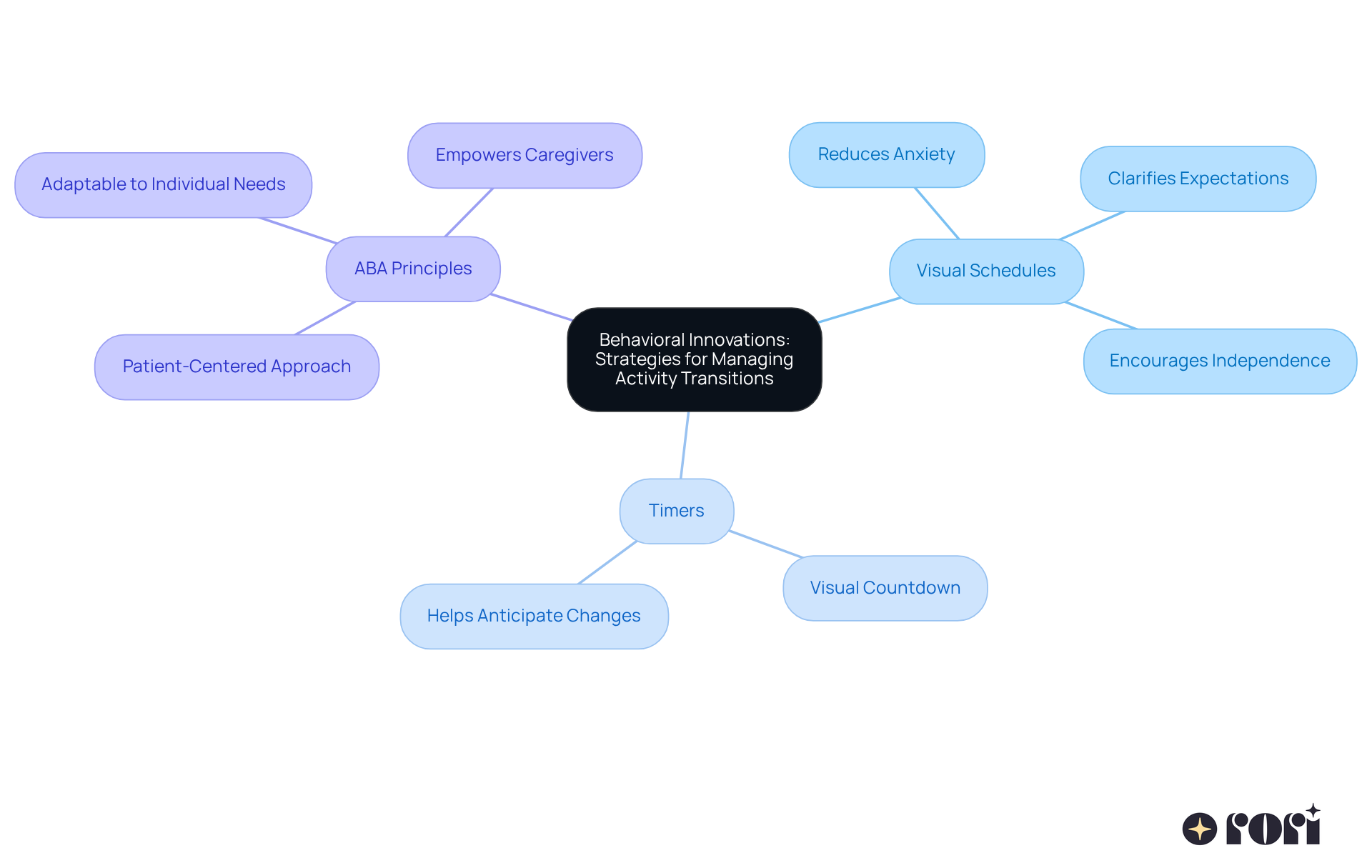
Rori Behavioral Innovations emphasizes the importance of using the to help them navigate changes between activities. For instance, and timers, along with , can really make a difference in easing this transition. Research shows that not only improve on-task behavior but also help during changes. In fact, studies have found that over 95% of parents and teachers who use these strategies report satisfaction!
By preparing young people for upcoming changes, caregivers can utilize the to and . as one of the best strategies for transitioning autistic adolescents, as they clarify expectations and encourage independence in managing transitions. Plus, using timers can provide a visual countdown, helping teens anticipate changes and adjust accordingly.
The best strategies for transitioning autistic adolescents become even more effective when combined with the , which is all about being patient-centered and adaptable to individual needs. is crucial; when they understand ABA principles, they can make informed decisions that positively influence their child's progress. This empowerment leads to better behavioral outcomes, more support, and less stress, ultimately enhancing family dynamics.
To further support their teens during changes, caregivers are encouraged to regularly together. This not only reinforces expectations but also builds confidence in handling modifications. Let’s explore this together! We’re here to help you every step of the way!
The journey to adulthood for individuals on the spectrum is significantly influenced by self-advocacy. This vital skill helps them express their needs and preferences, making a world of difference. Research shows that are key for , like education and employment. For instance, a longitudinal study revealed that autistic young adults who received saw a 34% boost in their independent living skills compared to those who didn’t. This really underscores the importance of equipping young individuals with the during these pivotal transitions.
So, what are some effective strategies for ? Encouraging and involving teens in decision-making can work wonders. When families and educators create to share their thoughts and preferences, it can significantly enhance their confidence. Caregivers play a crucial role here; by arming themselves with knowledge and skills , they can foster a consistent and supportive environment that maximizes the impact of interventions. For example, and gradually shifting advocacy responsibilities from parents to children can empower young individuals to take charge of their lives.
Let’s not overlook the power of in shaping transition outcomes. When adolescents feel encouraged to share their experiences and needs, they’re more likely to engage in their educational and vocational journeys. This approach not only nurtures independence but also builds resilience and self-efficacy-two essential ingredients for a successful adulthood. Specialists emphasize that self-advocacy isn’t just a checklist item; it’s a lifeline that can truly transform the lives of individuals on the spectrum. According to research published in the Journal of Vocational Rehabilitation, employees on the autism spectrum who received were 65% more likely to maintain employment for over a year compared to those who didn’t.
Prioritizing self-advocacy in is one of the , enabling families and educators to ensure that these young people are ready to tackle the complexities of adulthood with confidence and clarity. It’s also important to recognize that about 31% of workers with disabilities work part-time, compared to 17% of those without disabilities. This highlights the systemic barriers in employment that self-advocacy can help navigate. Plus, parental advocacy and assistance are vital in securing necessary resources and navigating educational systems, reinforcing the need for a collaborative approach in . This joint effort should also include gathering data to monitor progress and synchronize strategies effectively, ensuring that the support provided is tailored to each adolescent's unique needs.

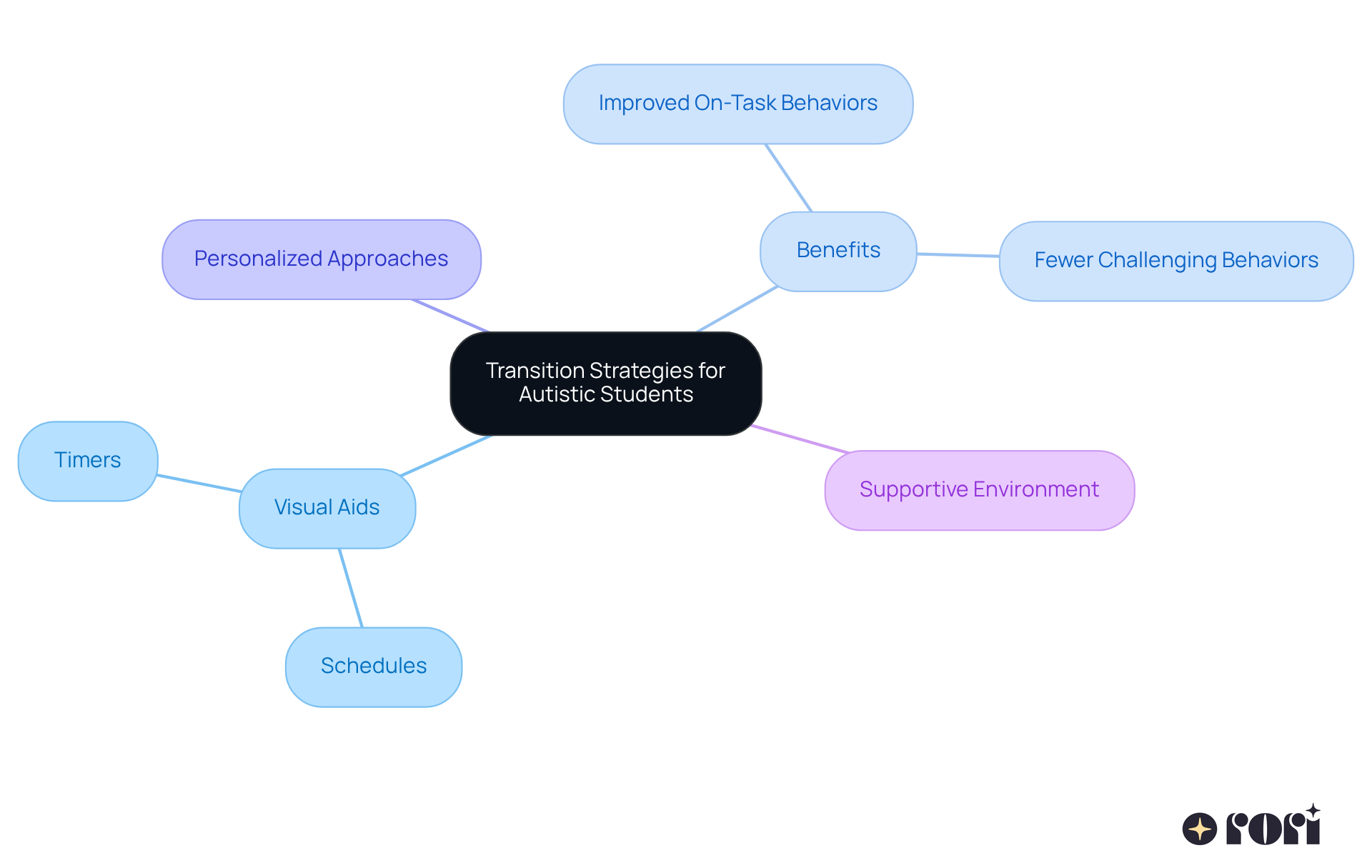
At the LeafWing Center, we understand the unique challenges that autistic students face, and we’re here to help! Our strategies represent the best strategies for by minimizing change durations and using to make transitions smoother. Research shows that , like schedules and timers, can really in their routines. In fact, 75% of students reported that these tools provided 'good' or 'great' benefits during transitions. 🌟 Plus, using can lead to , making it easier for kids to participate in activities they enjoy.
Experts remind us that 'Every child with autism can learn, just not on the same day or in the same way.' This highlights the importance of . not only help with transitions but also in academic settings. By embracing the , educators and parents can create a that supports young individuals with autism as they grow and prepare for adulthood.
Let’s explore this together! By working hand-in-hand, we can foster success and make a real difference in their lives.
It is so important to implement the to help young individuals as they move into adulthood! Autism Spectrum News highlights how crucial it is to promote as a key strategy. When we equip young people on the spectrum with , we’re not just giving them tools; we’re helping them tackle challenges on their own.
This kind of training boosts their adaptability and encourages , which really reinforces a . Plus, when caregivers provide , it strengthens this resilience even more, which is one of the to face obstacles with confidence.
The success stories from these initiatives are inspiring! They demonstrate that the best strategies for transitioning autistic adolescents involve prioritizing problem-solving abilities, allowing them to truly thrive as they step into adulthood. This journey can lead to greater life satisfaction and improved . Let’s explore this together and see how we can support our young ones in this exciting transition!

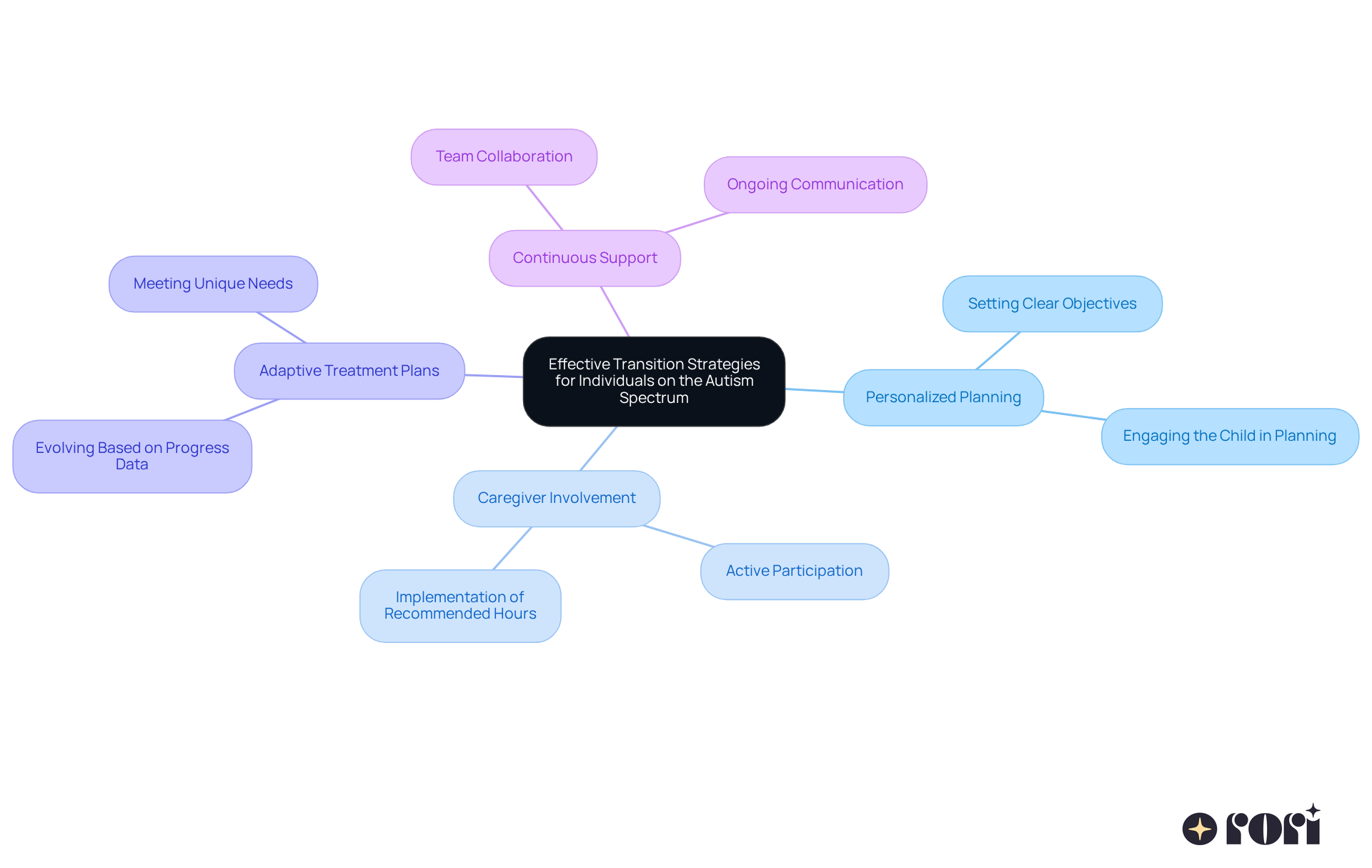
At the Indiana Institute, we understand that navigating the world of autism can be challenging for parents. That’s why we emphasize and collaboration among everyone involved. Imagine , engaging your child in the planning process, and having throughout the journey. It’s all about teamwork!
At Rori Care, we’ve seen that when caregivers are actively involved and are fully implemented, about 90% of children show remarkable progress. Isn’t that encouraging? Our are always evolving, based on , to ensure we meet each child’s unique needs.
These strategies are not just helpful; they represent some of the best to achieve . So, let’s explore this together! We’re here to !
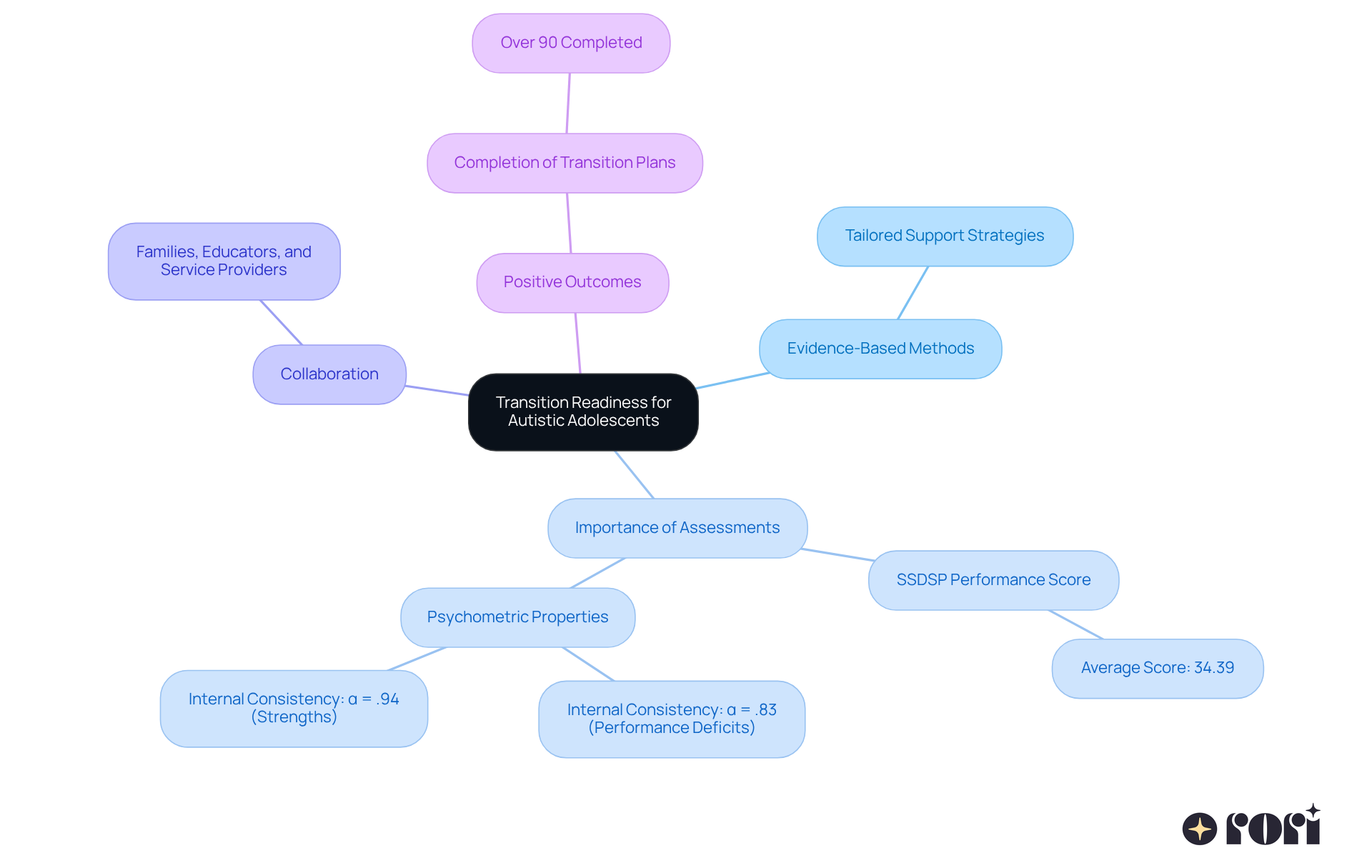
Recent research highlights how crucial are among the best strategies for . At Rori Care, our clinical leadership team truly values neurodiversity and is dedicated to ensuring every child's success. This commitment aligns perfectly with the need for tailored .
Using assessments to pinpoint both strengths and growth areas is key for implementing . For instance, studies show that are much more common among individuals on the spectrum compared to their non-autistic peers. With an average SSDSP Performance score of 34.39 for those on the spectrum, it’s clear that is essential.
Moreover, assessments like the (SSDSP) have shown strong psychometric properties. With an internal consistency of α = .83 for and α = .94 for strengths, these tools effectively measure social functioning and guide intervention planning.
is vital. When everyone works together, they can significantly enhance outcomes for . This teamwork not only creates a supportive environment but also empowers young individuals by providing the best strategies for successfully into adulthood.
And here’s something encouraging: over 90% of and post-secondary goals were completed for adolescents with ASD! This really highlights how structured assessments can lead to successful outcomes. Let’s explore this together!
Successfully transitioning autistic adolescents into adulthood can feel like a daunting journey for many families. It’s a multifaceted process that requires thoughtful planning, personalized strategies, and teamwork among families, educators, and service providers. The key takeaway here is the importance of creating tailored transition plans that truly reflect each young person’s unique strengths and challenges. This way, they’re equipped with the skills they need to navigate the complexities of adult life.
Throughout this journey, we’ve seen various effective strategies come to light. Think about the benefits of:
Each of these approaches plays a significant role in enhancing social skills, independence, and resilience, ultimately paving the way for more successful outcomes as these young individuals prepare for adulthood.
But let’s remember, the journey toward adulthood isn’t just about hitting milestones. It’s about nurturing independence, building confidence, and empowering them to advocate for themselves. By embracing these strategies for transitioning autistic adolescents, caregivers and professionals can create supportive environments that truly help young individuals thrive. Engaging in this collaborative effort is so vital, and the resources available today can make a profound difference in shaping a fulfilling future for autistic adolescents.
So, let’s explore this together! We’re here to help you every step of the way!
What is Rori Care's approach to ABA therapy for autistic adolescents?
Rori Care focuses on creating personalized transition plans based on thorough evaluations of each individual. These plans incorporate the principles of Applied Behavior Analysis (ABA) therapy to enhance social skills, promote independence, and improve behavioral management.
How does personalized ABA therapy benefit autistic adolescents?
Customized ABA therapy has been shown to significantly improve social abilities and communication skills, which are essential for successful transitions into adulthood.
What is the goal of Rori Care's therapy for autistic adolescents?
The goal is to foster greater independence and community participation, equipping young individuals with the tools they need to navigate adulthood.
What resources does the Autism Speaks Transition Tool Kit provide for parents?
The Autism Speaks Transition Tool Kit offers detailed checklists, timelines, and practical advice covering essential areas such as education, employment, and independent living.
How can the Autism Speaks Transition Tool Kit help families?
Many families report feeling more satisfied with their journey when using the tool kit, as it helps them prepare for challenges and ensures their child has the necessary support to thrive.
What does the Dan Marino Foundation offer for teens with autism?
The Dan Marino Foundation provides a structured framework for transition planning, including thorough evaluations of skills, interests, and future goals to create tailored plans for each individual.
How does the structured approach of the Dan Marino Foundation benefit families?
This organized method helps families increase their chances of successfully transitioning autistic adolescents into adulthood by promoting independence and helping teens succeed on their own terms.