Customized Applied Behavior Analysis (ABA) therapy shines as a beacon of hope for children with special needs. It offers tailored interventions that cater to each child's unique challenges and strengths. By using personalized assessments and measurable goals, these therapy plans not only help children make significant developmental progress but also empower families to actively participate in their child's growth.
But here’s the thing: how can parents navigate the complexities of these customized plans to ensure their child gets the best support possible? 🤔 This article dives into ten innovative ABA therapy strategies designed to enhance outcomes for children with special needs. We’ll share insights and practical tips to help families maximize their child's potential. Let’s explore this together!
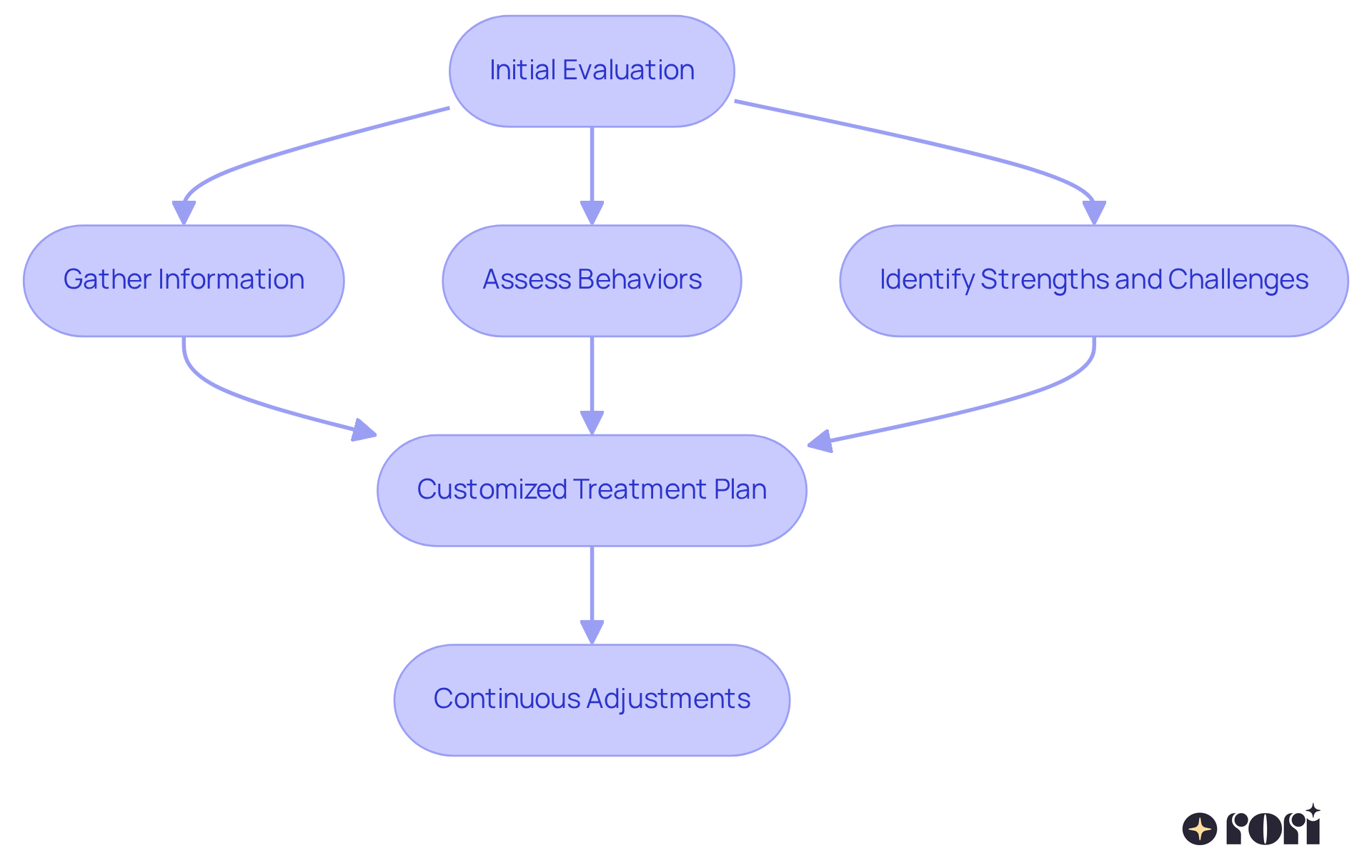
At Rori Behavioral Innovations Inc., we kick off our ABA therapy journey with a . This means we gather a wealth of information about your child's behaviors, strengths, and challenges through interviews, observations, and standardized assessments. By really getting to know your child's unique profile, our clinicians can create that focus on the .
This is crucial for the for children with special needs. It aligns our interventions with your child's specific needs, paving the way for . Research shows that can lead to . This highlights just how crucial are for achieving meaningful outcomes.
Plus, we believe in the power of ! This not only enhances the treatment experience but also allows us to make continuous adjustments that meet your child's evolving needs. Let’s explore this together and see how we can support your child every step of the way!
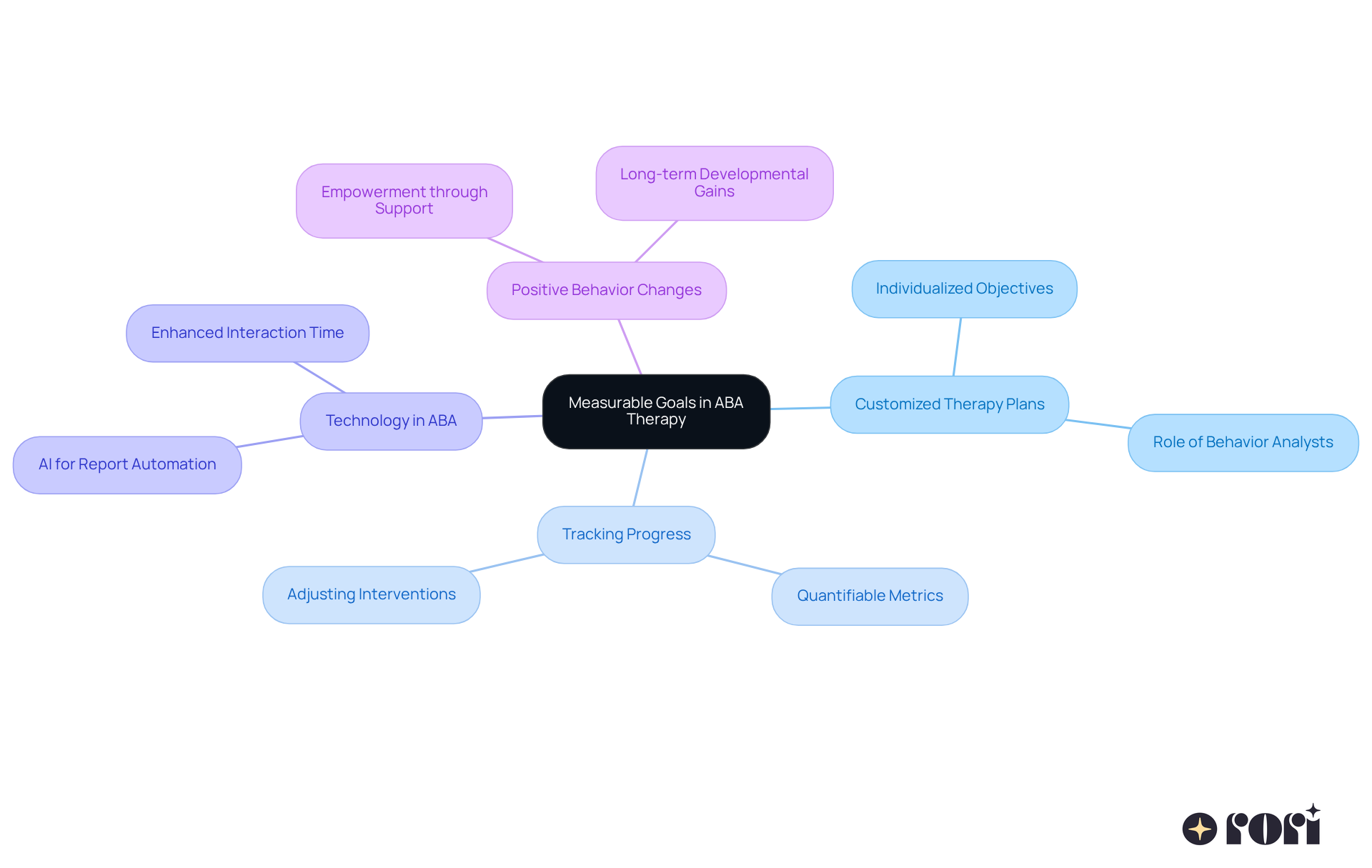
In ABA therapy, setting is a key step that can make a real difference. A creates , incorporating specific, quantifiable objectives to help therapists . For example, imagine a young person aiming to boost their by 50% in just three months! By having clear goals, therapists can evaluate how well interventions are working and adjust as needed, ensuring that the treatment stays in tune with the young individual’s changing needs.
Plus, with the help of , ABA services are becoming even more effective. It automates report creation, freeing up 50% more time for direct interaction with the kids. This blend of and flexible strategies, including , not only empowers clients but also encourages .
Let’s explore this together! By understanding how these work, you can feel more connected to the process and see the positive impact it can have on your child.
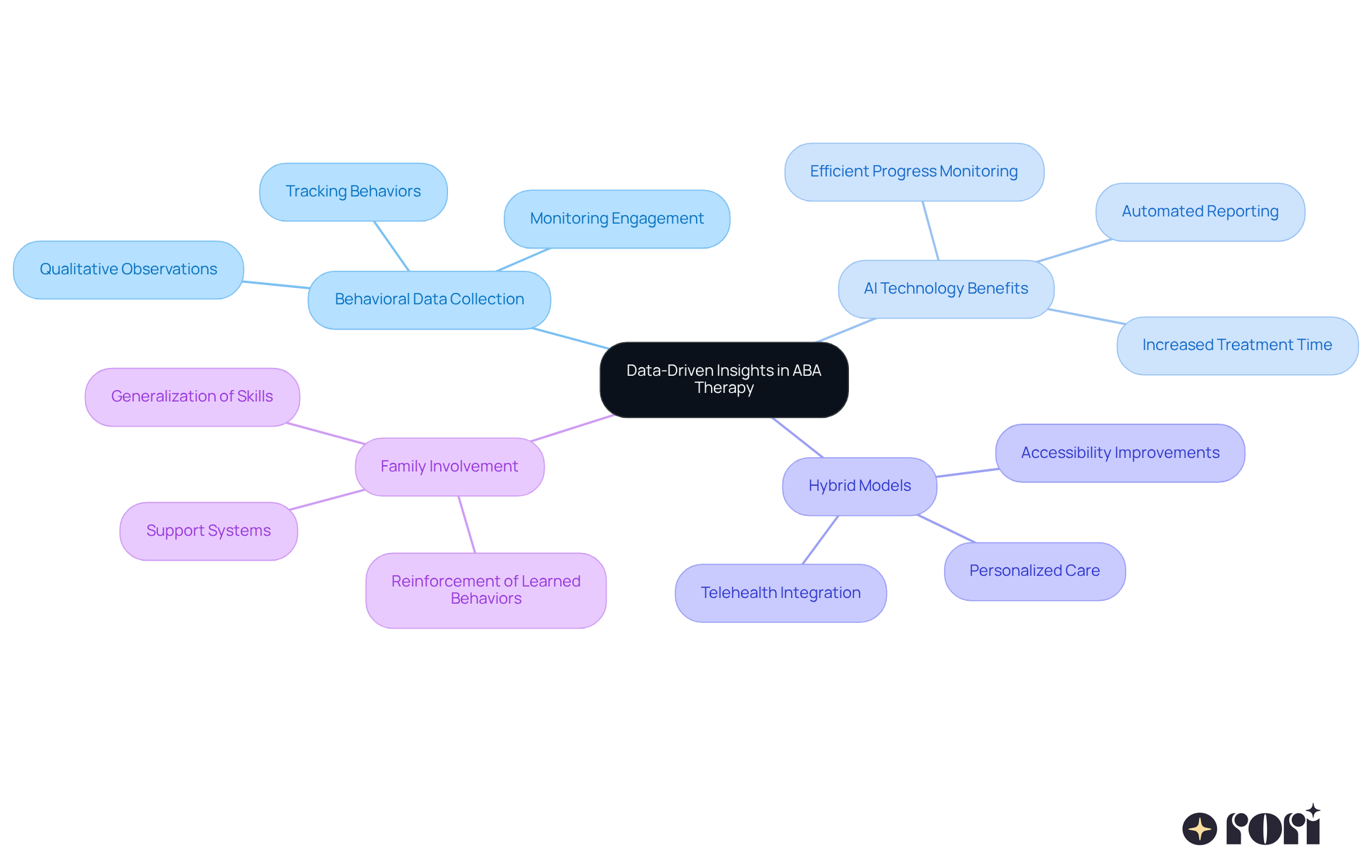
play a vital role in , and at Rori Care, we truly understand the challenges parents face. Our clinicians are dedicated to systematically collecting and analyzing , which includes:
Thanks to our advanced AI technology, creating has never been easier! This means therapists can spend 50% more time providing direct treatment for children. With this , therapists can effectively monitor progress and spot over time. By consistently assessing this information, our clinicians can make informed adjustments to for children with special needs, ensuring that interventions are to each child’s evolving needs.
And let’s not forget about the power of hybrid models! By combining face-to-face support with , we’re improving accessibility and personalizing care for families. is crucial, too. When families actively participate, it reinforces learned behaviors and helps skills generalize across different settings.
This evidence-driven approach not only enhances the efficiency of ABA practices but also leads to the development of for children with special needs, promoting better outcomes for individuals with autism. So, let’s explore this journey together! We’re here to help you every step of the way!
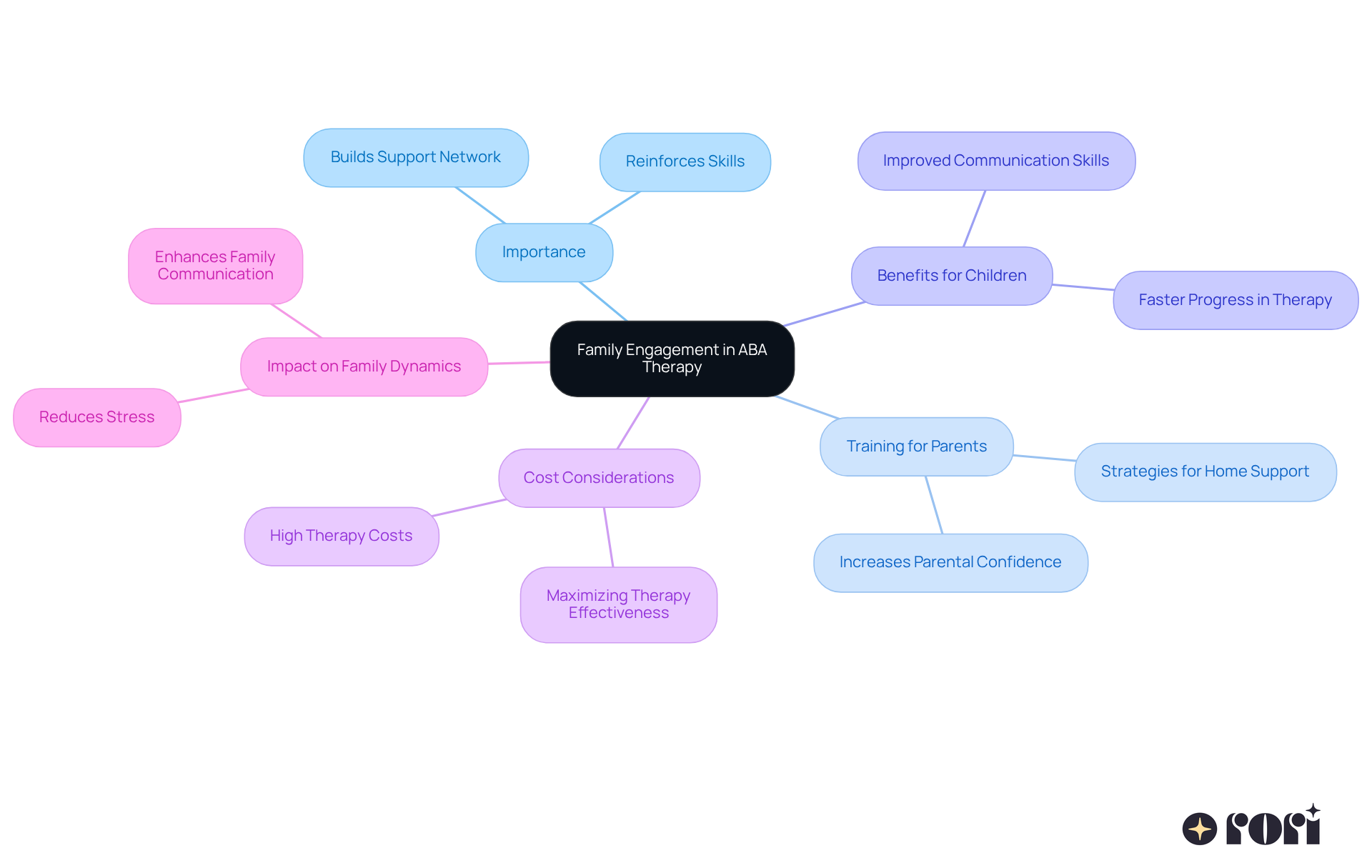
Family engagement is so important for the success of ABA therapy! When , it not only reinforces the skills learned during sessions but also helps maintain consistency in their child's daily environment. Research shows that kids who participate in (PIIs) see significantly better outcomes, with an overall effect size of 0.553. This really highlights how effective can be in .
Parents are encouraged to join , where they can pick up strategies to at home. This collaborative approach builds a strong , enhances communication between families and therapists, and ultimately leads to . Plus, considering that autism therapy can cost around $60,000 a year, it’s clear that maximizing therapy effectiveness through active is crucial.
By equipping caregivers with a deeper understanding of ABA principles and strategies, they can make informed choices that positively impact their child's growth. not only leads to more effective and lasting behavioral improvements but also boosts caregivers' confidence in their ability to support their children. This can really help reduce stress and improve overall family dynamics.
Research indicates that when parents are actively involved, their children can make progress faster, reaching therapeutic goals more quickly. By providing parents with the right resources and information, families can play a vital role in their child's success in ABA treatment. Let’s explore this together!
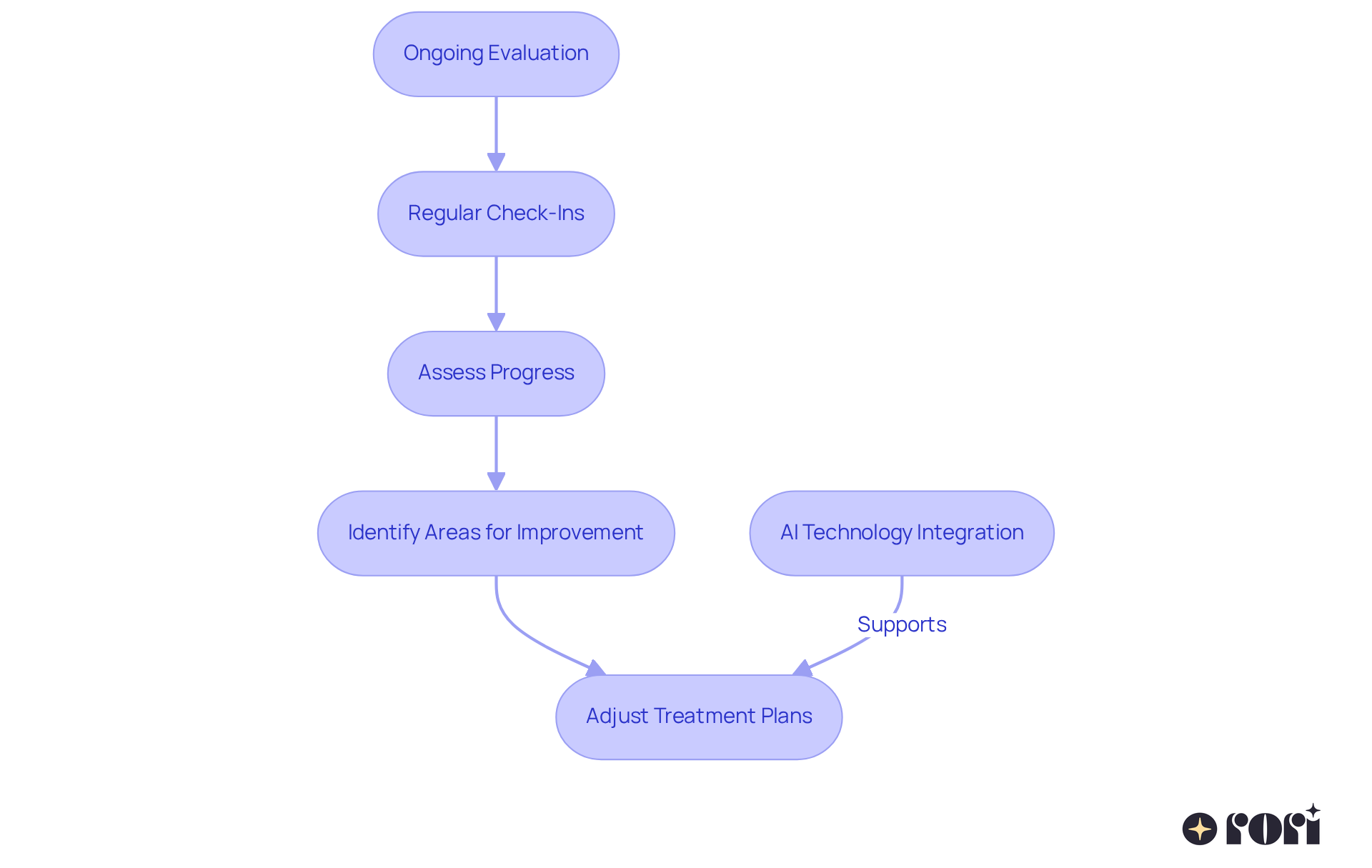
is super important in ABA therapy! It helps adjust treatment plans to meet the changing needs of each individual. Regular check-ins let therapists keep an eye on progress and spot areas that might need a little extra love. For example, if a young person shows great strides in communication skills, the therapist can shift focus to . This flexibility not only aligns treatment with the young person's growth but also maximizes the chances for amazing results.
Research shows that lead to better outcomes, highlighting the need for ongoing tweaks to therapy plans. Did you know that 90% of youngsters make when suggested hours are fully implemented with active caregiver participation? By tailoring for children with special needs based on real-time updates, therapists can effectively address each individual's unique strengths and challenges, creating a and success.
Plus, the use of makes this process even smoother by automating progress report generation. This means therapists can spend 50% more time on ! And here’s a comforting thought: ABA therapy is the only that insurance covers, reinforcing the effectiveness of .
As Ralph Moller wisely says, "By taking a comprehensive approach, therapists can support individuals with autism in reaching their full potential and improving their overall quality of life." Let’s explore this together and see how we can make a difference!
Addressing challenging behaviors in individuals with autism can feel overwhelming for parents, but can make a real difference. At Rori Care, our qualified take the time to understand the underlying causes of these behaviors. They create that include individualized plans with measurable goals and evidence-based strategies to truly foster .
For example, if a young person struggles with aggressive behavior during transitions, using and social narratives can really help ease that process. This personalized approach not only helps manage those tough moments but also creates a where everyone can thrive.
Research shows that when strategies are tailored to each child, it enhances and boosts . This can lead to lasting friendships and fulfilling relationships! Plus, a is key to creating , ensuring that each child's unique needs are met.
Studies indicate that youngsters undergoing ABA therapy often experience better and improved . This highlights the importance of focusing on specific behavioral issues, like anxiety or sensory sensitivities. Our therapists at Rori Care promote independence and improve the overall quality of life for individuals with autism by developing that tackle these challenges.
And there's more! Our behavior care engine conducts for target behaviors and skills, producing automatic progress reports for clinician review. This ensures that our interventions stay responsive to each child's evolving needs.
If you’re curious about how our personalized strategies can support your child's development, we invite you to reach out for a free consultation. Let’s explore this together! We’re here to help you every step of the way!
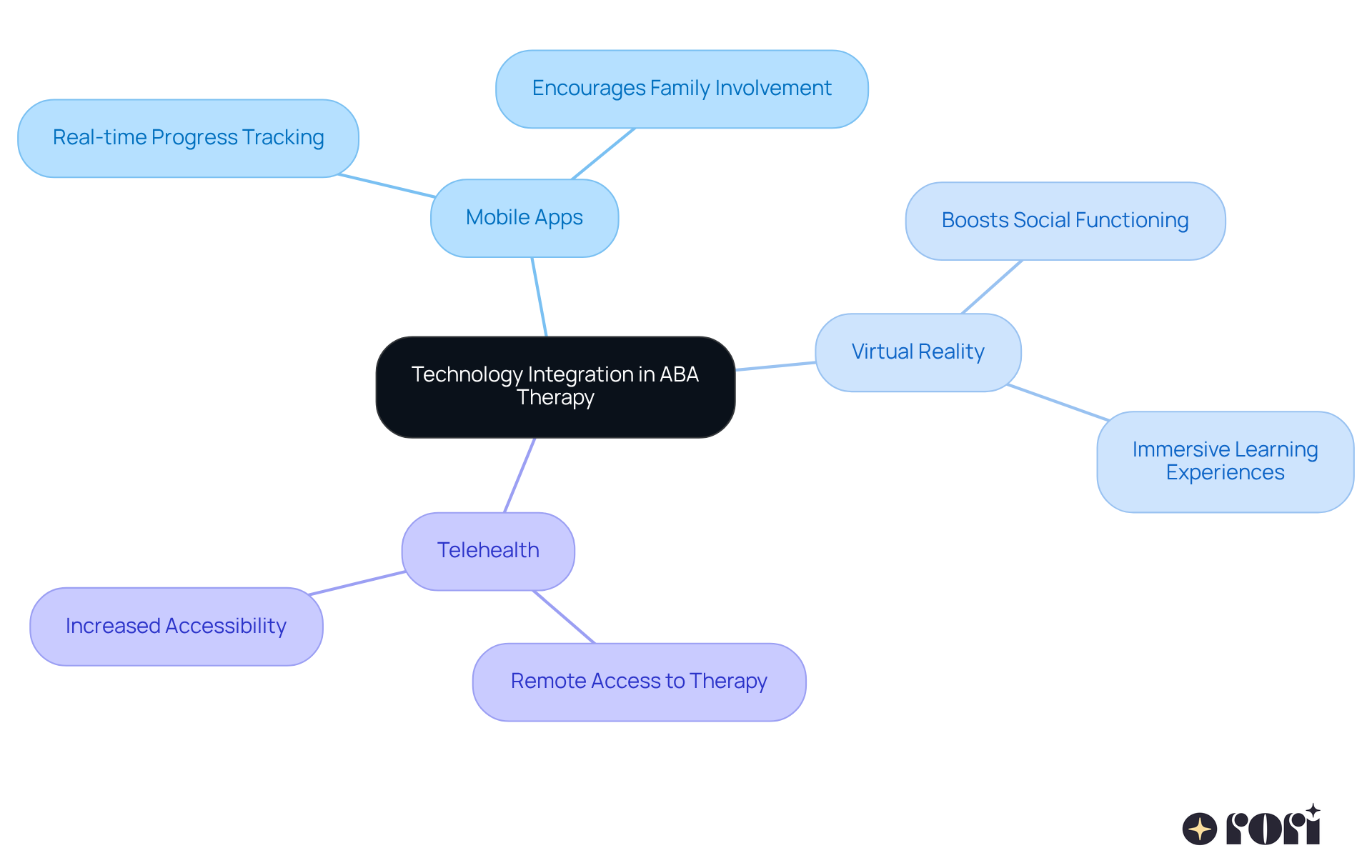
Incorporating technology into ABA practice offers so many benefits! It really enhances engagement and makes . Think about it: , virtual reality for social skills training, and are all changing the game. These tools assist therapists in developing for children with special needs, creating that cater to each child’s unique needs.
For instance, mobile apps not only allow for real-time tracking of progress but also encourage families to get involved in their child’s development. Isn’t that amazing? Plus, studies show that using virtual reality can boost social functioning by up to 30%! That really highlights how effective can be.
By embracing these innovative tools, ABA interventions can achieve better results, for individuals with autism. And here’s something cool: Rori Care uses advanced AI technology to automate progress report creation, freeing up 50% more time for treating young patients. This means that treatment can involve for children with special needs, making them flexible and tailored to each child’s needs, ensuring care remains patient-focused and effective.
Let’s not forget the importance of caregiver involvement! . So, if you’re a parent, know that you play a crucial role in this journey. We’re here to !
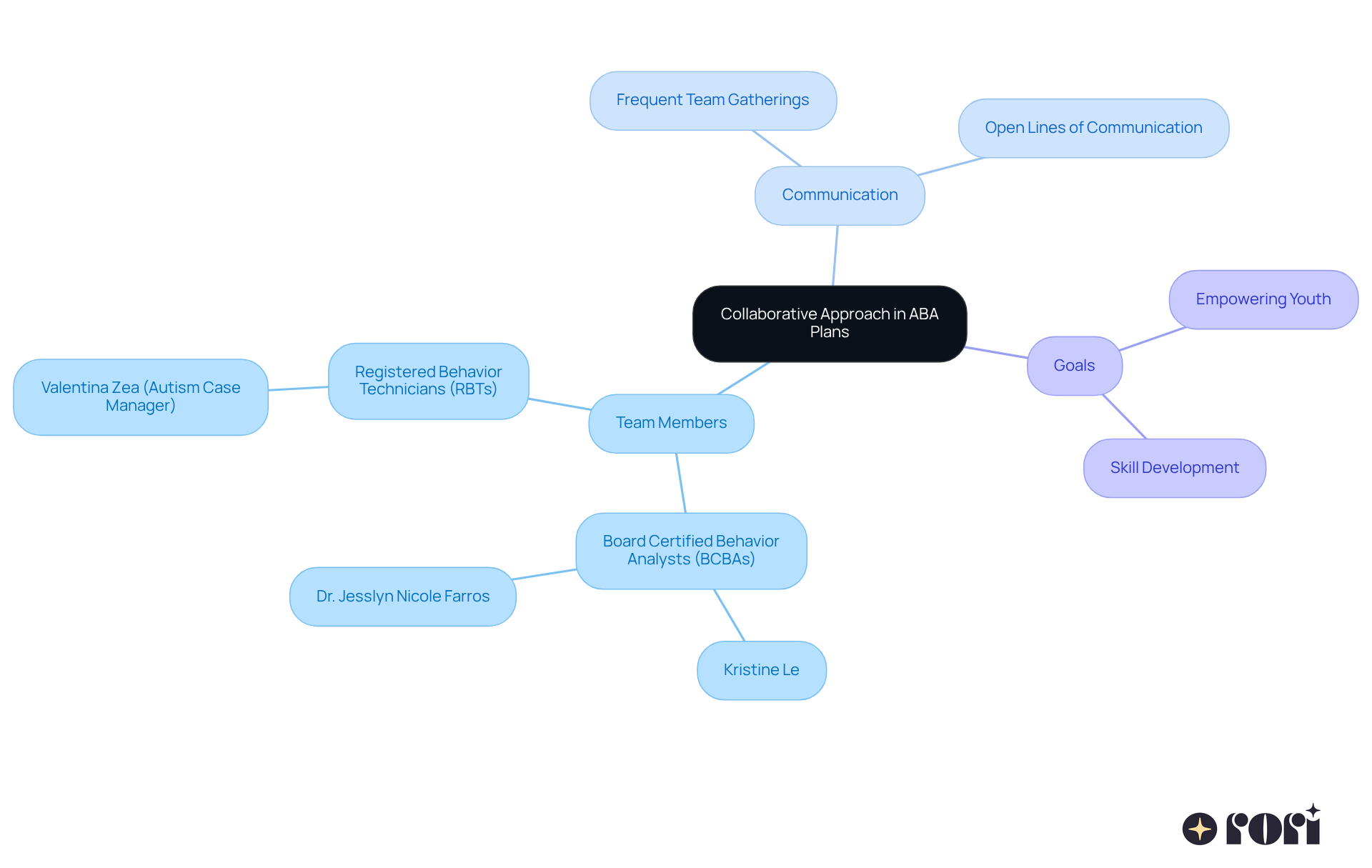
A is key when developing for children with special needs. At Rori Care, our amazing team includes like Kristine Le and Dr. Jesslyn Nicole Farros, along with such as Valentina Zea, who specializes as an Autism Case Manager. Together, we make sure every perspective is considered in the planning process.
This teamwork helps us understand each individual's and promotes consistency across different environments. We hold frequent and keep the to align our strategies and objectives. This way, we can really .
At the heart of our approach is our dedication to empowering youth through . We want to help them navigate the world with greater independence. Let’s explore this journey together!
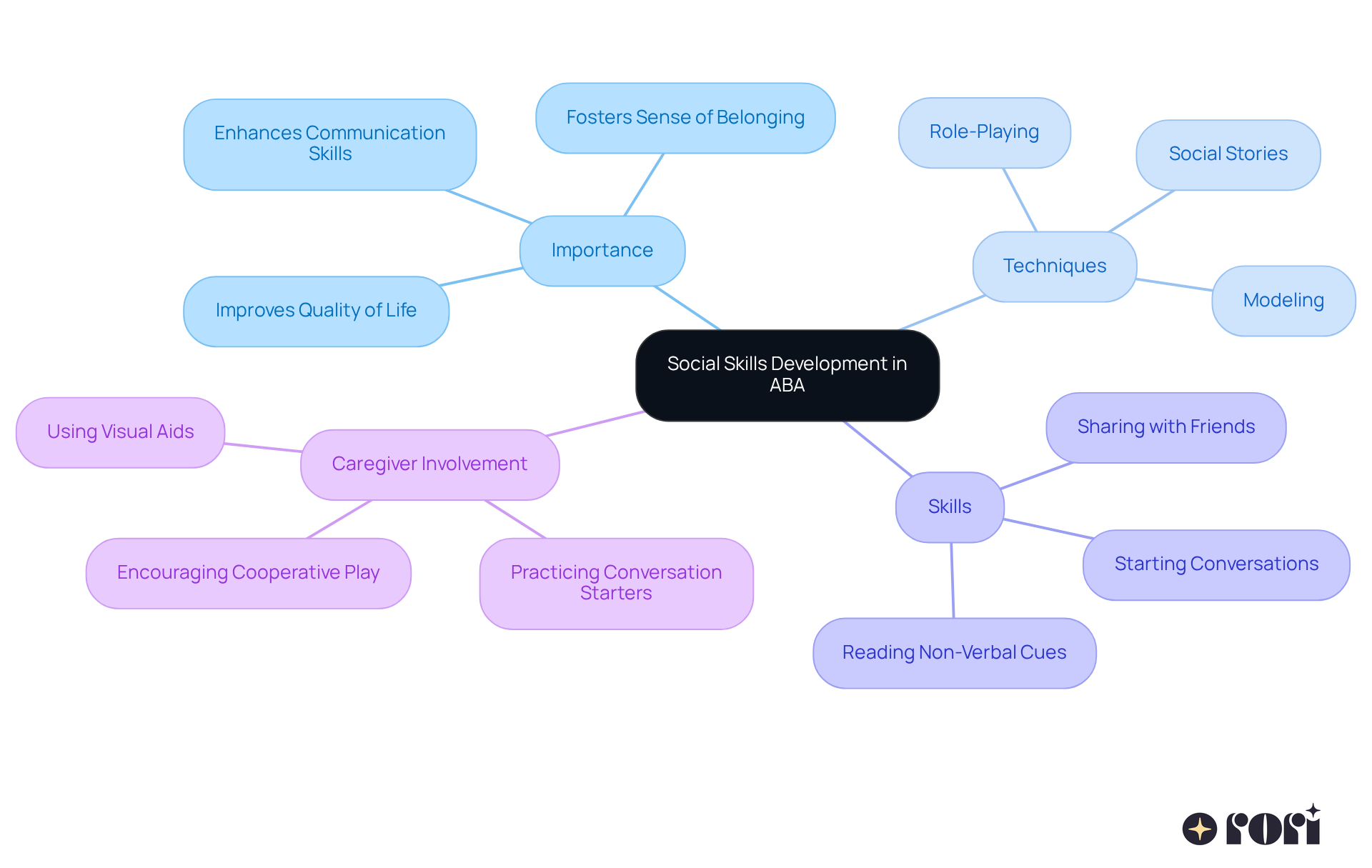
is such an important part of ABA therapy! It really helps individuals with autism connect better in social situations. Therapists use fun techniques like role-playing, modeling, and social stories to teach essential skills. These include:
Not only do these methods boost communication skills, but they also help young people feel a sense of belonging and connection.
When kids focus on these vital skills, they can build , which leads to better emotional well-being and an overall improved quality of life. The impact of mastering social skills is huge! Kids who excel in these areas often find more success in school and community interactions. This really highlights how can address each child's unique learning needs.
Caregivers play a crucial role too! They can support their child's growth by:
This hands-on involvement not only leads to better but also empowers caregivers, easing stress and enhancing family dynamics.
Did you know that research shows ABA approaches have ? That’s pretty impressive! Plus, with a in demand for ABA services, it’s clear that these strategies are gaining recognition. For families considering these services, it’s good to know that the is around $60. Understanding the challenges families face in accessing treatment services is key to appreciating the context in which these techniques are applied.
Let’s explore this together! We’re here to help you every step of the way!
Long-term independence is a primary goal of ABA treatment, and it’s all about equipping our young ones for success beyond therapy. By focusing on , self-regulation, and , therapists help kids thrive in their everyday lives. Think about it: learning like personal hygiene, meal prep, and social interactions in community settings can make a world of difference!
At Rori Care, our behavior care engine plays a vital role in this journey. It continuously enhances treatment plans based on report data, ensuring that each child gets the support they need. And here’s something encouraging: when suggested hours are fully applied with active caregiver participation, a whopping 90% of youngsters show ! That’s a testament to the power of teamwork.
By providing these essential skills and involving caregivers in the therapeutic process, fosters a sense of autonomy and confidence in our kids. It’s all about helping them flourish in their daily lives! Plus, is a game-changer. It empowers parents with the knowledge and strategies they need to make informed decisions that positively impact their child's development.
Let’s explore this together! We’re here to help you every step of the way!

Customized ABA therapy plans for children with special needs are so important for fostering meaningful development and progress. This article shines a light on how personalized assessments, measurable goals, and continuous evaluations can create effective treatment strategies. By tailoring interventions to each child's unique needs, caregivers and therapists can team up to enhance communication, social skills, and overall independence.
Let’s talk about some key insights! Family engagement plays a critical role in the therapeutic process. When families are involved, it makes a world of difference! Plus, using data-driven strategies to inform interventions and integrating technology can really improve outcomes. Each of these elements contributes to a comprehensive approach that not only tackles immediate challenges but also prepares children for long-term success in their daily lives.
Ultimately, embracing a collaborative and adaptive framework in ABA therapy is vital for achieving the outcomes we all hope for. Families are encouraged to actively participate in their child's journey, as their involvement significantly boosts the effectiveness of the treatment. By prioritizing customized approaches and fostering teamwork among therapists and caregivers, the potential for positive change in the lives of children with special needs becomes a tangible reality.
So, let’s explore this together! We’re here to help you every step of the way!
What is the initial step in Rori Care's ABA therapy process?
The initial step involves a thorough evaluation of each individual, gathering information about the child's behaviors, strengths, and challenges through interviews, observations, and standardized assessments.
Why is a tailored approach important in ABA therapy?
A tailored approach is crucial because it aligns interventions with the child's specific needs, paving the way for meaningful progress in their development.
What benefits do early and intensive behavioral interventions provide?
Research shows that early and intensive behavioral interventions can lead to significant improvements in cognitive, language, and daily living skills.
How does Rori Care incorporate family involvement in the therapy process?
Rori Care emphasizes the importance of family involvement, which enhances the treatment experience and allows for continuous adjustments to meet the child's evolving needs.
What role do measurable goals play in ABA therapy?
Measurable goals are essential as they provide specific, quantifiable objectives that help therapists track progress over time and adjust interventions as needed.
How does advanced AI technology enhance ABA services?
Advanced AI technology automates report creation, allowing therapists to spend 50% more time on direct interaction with children, thus improving the effectiveness of therapy.
What types of behavioral data does Rori Care collect?
Rori Care collects data on how often specific behaviors occur, how long children engage in tasks, and makes qualitative observations.
How does data-driven insight influence ABA therapy at Rori Care?
Data-driven insights allow therapists to monitor progress, spot behavioral trends, and make informed adjustments to customized therapy plans, ensuring interventions are flexible and tailored.
What is the benefit of combining face-to-face support with telehealth services?
The hybrid model improves accessibility and personalizes care for families, allowing for a more comprehensive approach to therapy.
How does family participation impact the therapy process?
Family participation reinforces learned behaviors and helps skills generalize across different settings, enhancing the overall effectiveness of ABA therapy.