In the world of autism care, we can’t stress enough how vital personalized support strategies are. When we tailor interventions to match each child’s unique interests, it not only boosts their engagement but also nurtures meaningful growth and development. As caregivers and professionals, we often wonder: how can we make these customized strategies truly resonate with each child’s distinct personality and needs?
Let’s dive into ten innovative approaches that tap into the power of individual interests. These strategies offer a roadmap for creating impactful autism care that celebrates and nurtures what makes each child special. Together, we can explore this journey and find ways to empower our children!
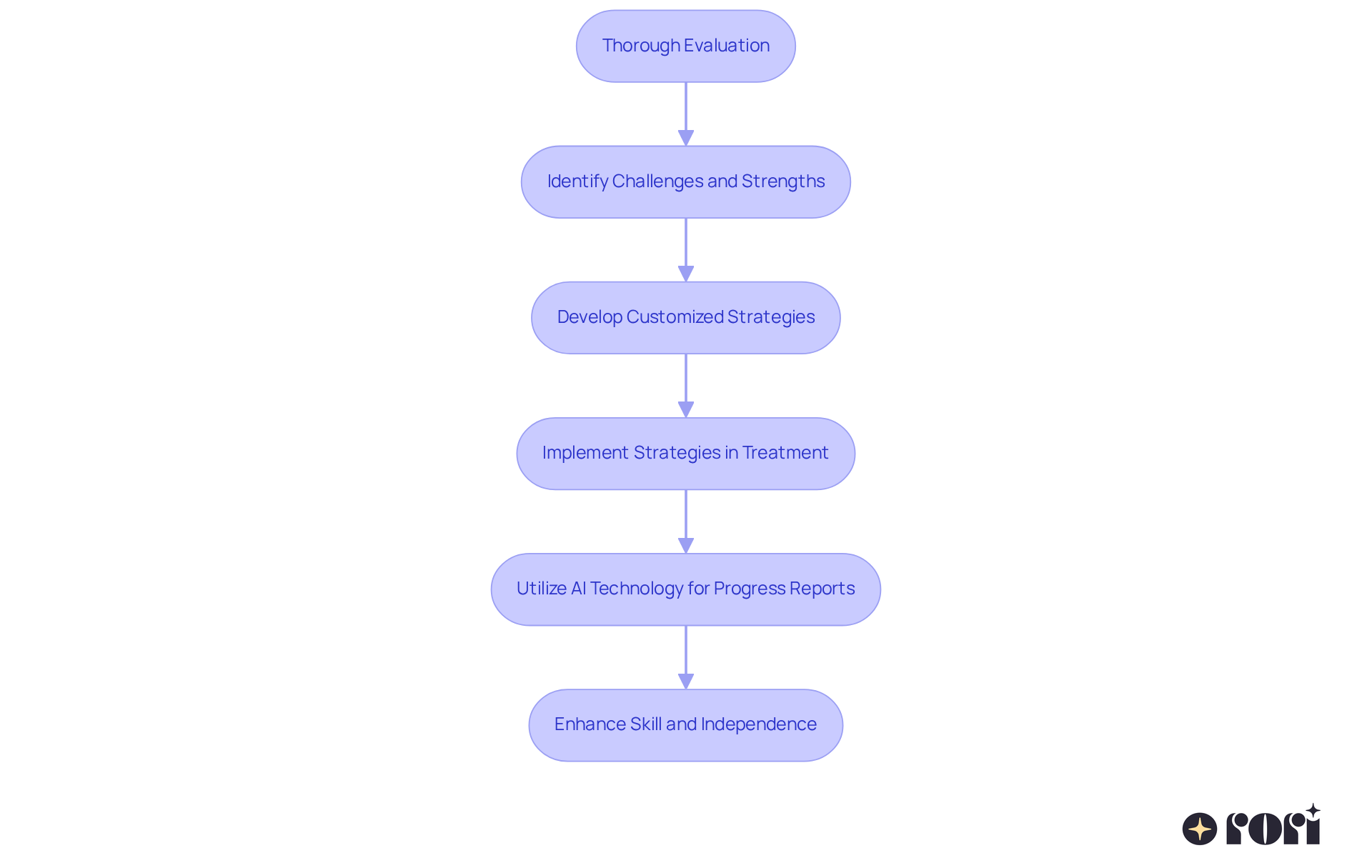
At Rori's organization, we believe in the power of Applied Behavior Analysis (ABA) treatment, which utilizes for each young person. It all starts with a to pinpoint specific challenges and strengths. This way, our clinicians can develop that truly resonate with each child. By focusing on , we ensure that the treatment is not only , fostering a where growth and development can flourish.
But that’s not all! We’re excited to share that Rori's organization harnesses to streamline . This innovation frees up 50% more time for direct treatment of youth, making our approach even more effective. With these tools, caregivers gain valuable insights to actively support their children’s .
Through this thoughtful and compassionate method, Rori Care is dedicated to in youngsters by implementing . Plus, we make sure families receive the guidance and support they need throughout the . Let’s explore this together! We’re here to !
Special interests are such a unique part of autism, and they can really make a difference in treatment! By incorporating these interests into therapy, clinicians can . For instance, if a young person loves trains, train-themed activities can not only grab their attention but also help them learn and develop new skills. It’s all about while celebrating what makes each individual special.
Did you know that around ? That’s a fantastic opportunity to ! can create a sense of belonging and encourage social participation, which is so important for mental health. By recognizing and weaving special interests into , therapists can utilize , crafting a that truly resonates with each person’s uniqueness.
The ABA program is designed to adapt to the distinct needs of every young person, supporting individuals of all ages facing , including those with Autism Spectrum Disorders, ADHD, and learning disabilities. Let’s explore this together and see how these interests can be a powerful tool in your child’s journey!

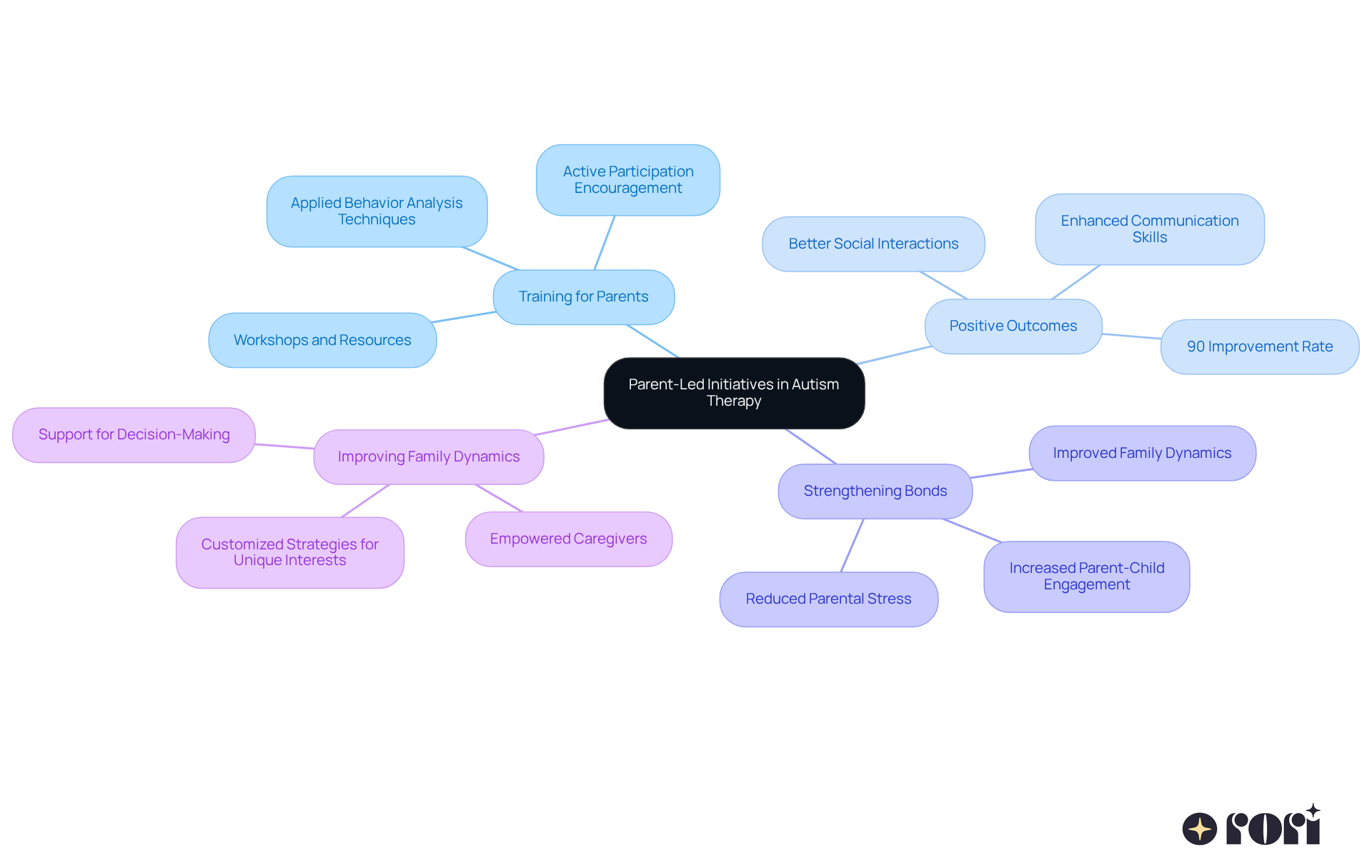
are truly at the heart of effective autism support here at Rori Care. We recognize that parenting can be a challenging journey, particularly when it involves using to aid your child's development. That’s why we’re all about providing you with the at home.
Through our comprehensive and compassionate , we promote a . We train parents in ABA techniques, encouraging you to apply the skills you learn during therapy sessions. Additionally, we provide resources that empower you to use as an active participant in your child’s journey.
When you get involved, it’s amazing to see the progress your child can make! In fact, we’ve seen when their . Not only does this enhance your child’s development, but it also .
And there’s more! Educating caregivers like you enhances support and informed decision-making through , ultimately improving overall family dynamics. This ultimately leads to . So, let’s explore this together! We’re here to !
Behavior modification techniques play a crucial role in , focusing on reinforcing positive behaviors while reducing challenging ones. One standout strategy is . Imagine a young person receiving praise or a small reward for completing a task - it not only encourages them to repeat that behavior but also creates a . Research shows that can really boost engagement and motivation, leading to better outcomes in various settings.
So, how can we put into practice? Think about using tokens or points that kids can trade for rewards. This helps set clear expectations and goals. Plus, techniques like prompting and modeling are essential in supporting the learning journey. By consistently applying these strategies, clinicians can effectively guide kids in developing .
There are plenty of success stories out there! Many case studies highlight how . Behavior analysts stress that using can make reinforcement strategies even more effective. This personalized approach incorporates customized strategies for supporting unique interests in , which not only aids in behavior change but also helps kids thrive in their unique environments.
Let’s not forget about the importance of caregivers in this process! When caregivers and strategies, they can make informed choices that positively impact their child’s progress. The knowledge and skills gained through caregiver education boost confidence, reduce stress, and enhance family dynamics. Did you know that 66% of youths referred for ABA services stay in therapy for 12 months, and 46% continue for 24 months? This highlights the long-term benefits of effective . However, challenges in service delivery and the need for family involvement are still key factors in achieving successful outcomes.
We’re here to help you every step of the way! If you have any thoughts or experiences to share, feel free to comment below. Let’s explore this together!

At Rori Care, we believe in the power of collaboration! Our dedicated team of professionals - BCBAs, therapists, educators, and family members - works hand in hand to provide . Imagine having a with that focus on .
We know that communication is key! Frequent chats and shared goals among our team members ensure that interventions are consistent and incorporate to meet your loved one’s evolving needs. This teamwork not only boosts the efficiency of treatment but also creates a . We empower you with to help your child reach their behavioral goals.
And here’s something exciting: by blending established treatments with , Rori Care is transforming ABA practices. We’re making them more . Let’s explore this together! We’re here to help you every step of the way!
play a vital role in autism therapy and can really make a difference! Imagine if your child loves dinosaurs - therapists can turn that passion into that teach important . This not only makes but also helps kids connect more deeply with what they’re learning. By tapping into what excites them, therapists utilize to create a lively and productive environment.
Research shows that utilizing when they engage with their interests. In fact, can be nearly twice as effective as more general approaches! Involving kids through their passions nurtures their motivation and leads to , which can be achieved through . Studies indicate that can enhance prosocial behavior and communication skills.
And here’s something encouraging: when suggested hours of are carried out with active caregiver participation, about 90% of youngsters show significant progress! This personalized approach, incorporating , not only empowers kids but also - a source of excitement and growth.
So, let’s explore this together! If you’re considering how to incorporate your child’s interests into their therapy, know that you’re not alone. We’re here to help you every step of the way!

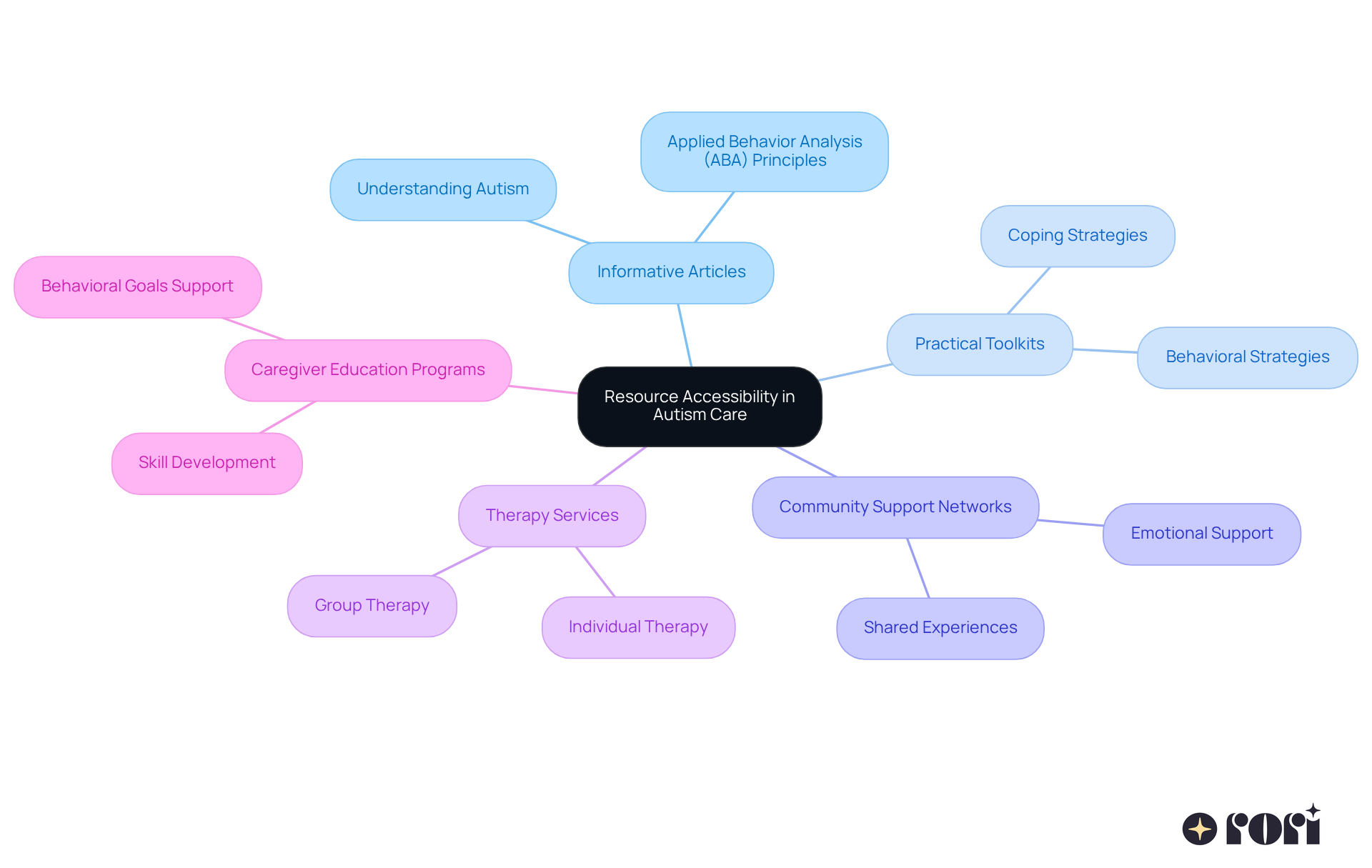
Access to resources is so important for families navigating the complexities of autism care. This organization offers a variety of resources, like informative articles, practical toolkits, and strong . They also provide services such as , , and . These resources aim to empower families by enhancing their understanding of autism and principles. This way, families can implement and connect with others facing similar challenges.
Research shows that can really boost the , helping to reduce stress and improve coping strategies. By ensuring families have access to these essential resources, the organization strengthens the overall support framework for individuals with autism, leading to better developmental outcomes. Plus, expert opinions highlight the need for in autism care, as these strategies play a crucial role in guiding families through their unique journeys.
This comprehensive approach not only helps with immediate care but also fosters a sense of belonging and shared purpose among families. It reinforces the idea that they are not alone in their experiences. Through , this organization equips caregivers with the knowledge and skills they need to support their children's behavioral goals. This results in better outcomes and a more confident approach to assistance.
Let’s explore this together! We’re here to help you every step of the way!
is super important in autism treatment! It helps clinicians see how effective the interventions are. At Rori Care, we use a bunch of to keep an eye on , skill acquisition, and overall development. Did you know that about 50% of the time spent in ABA sessions goes into writing reports? Regular evaluations not only highlight areas that need a little extra love but also help us adjust as needed. This ensures that therapy remains effective and responsive to each individual's evolving needs.
Clinicians really emphasize that keeping track of progress is key to achieving . It allows for for supporting unique interests in autism care that are tailored to each person's unique journey. By tapping into quantitative assessments and family feedback, we enhance the overall effectiveness of . It’s all about creating a where everyone can thrive!
So, let’s explore this together! We’re here to help you every step of the way!

Developing social skills is so important for individuals with autism. It helps them build relationships and navigate social situations more effectively. At Behavioral Innovations, our , led by qualified therapists, is designed to and communication in a supportive group setting. This not only but also fosters .
We use techniques like , social stories, and peer interactions, which have shown to be really effective in teaching these essential skills. For example, therapists create scenarios where young individuals can practice greetings, sharing, and turn-taking. This way, they learn appropriate .
Research shows that role-playing not only improves communication skills but also -key ingredients for social success. By focusing on , we equip youngsters with the tools they need to connect with peers and form lasting relationships, ultimately enhancing their quality of life.
This program is especially beneficial for individuals with Autism Spectrum Disorders, ADHD, Social Communication Disorders, and Anxiety Disorders through customized strategies for . It’s also a great fit for anyone looking to boost their social competence and confidence. Let’s explore this together! We’re here to help you every step of the way!

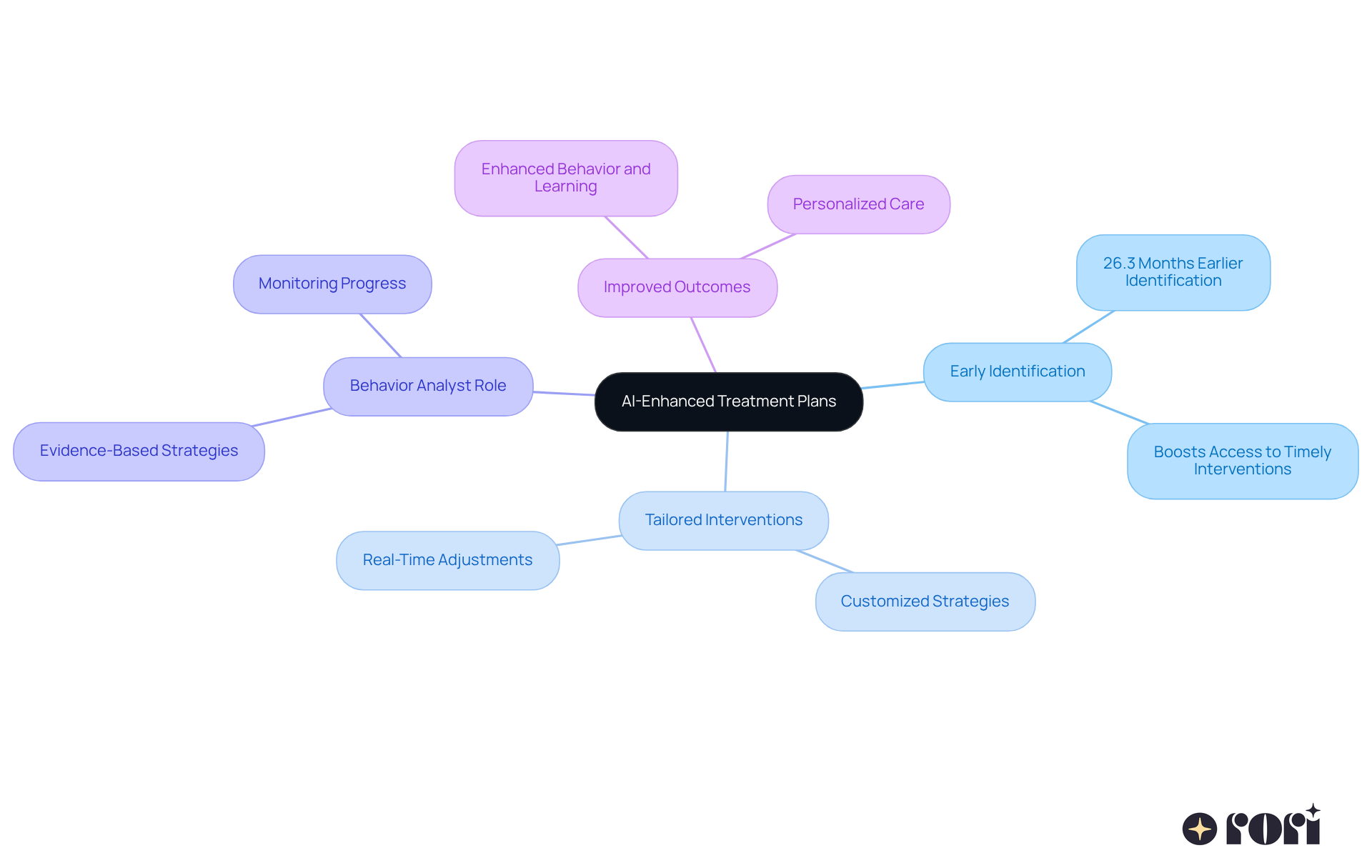
are truly changing the game in autism care! 🌟 At Rori Care - ABA Therapy, we use advanced AI technology to analyze behavioral patterns and outcomes, allowing our clinicians to with incredible precision. This means that are not only more accurate but can also be adjusted quickly to meet each child's evolving needs.
Imagine this: kids receiving are identified, on average, 26.3 months earlier than the national average! This early identification significantly boosts their access to , which is so crucial. By harnessing the power of AI, Rori Care - ABA Therapy is at the forefront of transforming , ensuring that every child receives the most effective and possible.
The integration of AI tools has shown real improvements in behavior and learning, underscoring the significance of . Plus, our skilled implement and keep a close eye on each child's progress. They make adjustments as needed to optimize outcomes, ensuring that every step is taken to support your child's journey.
We’re here to help you every step of the way! If you have any questions or want to share your experiences, feel free to reach out. Let’s explore this together!
Customized strategies for supporting unique interests in autism care are truly essential for crafting an effective and engaging treatment plan for individuals with autism. By tailoring interventions to resonate with each child’s distinct passions, caregivers and clinicians can create a nurturing environment that promotes growth and development. This personalized approach not only boosts the effectiveness of therapy but also makes the process enjoyable for the child.
Throughout this journey, it’s important to highlight how integrating special interests into therapy can empower parents. Imagine a child who loves dinosaurs; incorporating that passion into their sessions can spark excitement and engagement! The collaborative efforts of professionals and families, along with innovative tools like AI technology, contribute to a comprehensive support system that meets each child’s unique needs. Plus, ensuring resource accessibility means families are well-equipped to navigate the complexities of autism care.
Ultimately, embracing these customized strategies isn’t just a method; it’s a vital pathway to unlocking the potential of individuals with autism. By recognizing and celebrating their passions, caregivers can foster connections, improve social skills, and enhance overall well-being. The journey may have its challenges, but with the right tools and support, meaningful progress is within reach for every child. Let’s explore this together! We’re here to help you every step of the way!
What is Rori Care's approach to autism therapy?
Rori Care utilizes Applied Behavior Analysis (ABA) treatment, focusing on customized strategies tailored to each child's unique interests and strengths to support their development.
How does Rori Care evaluate children's needs?
The process begins with a thorough evaluation to identify specific challenges and strengths, allowing clinicians to develop effective and engaging treatment strategies.
What role does AI technology play in Rori Care's therapy?
Rori Care employs advanced AI technology to streamline the creation of progress reports, freeing up 50% more time for direct treatment, which enhances the overall effectiveness of their approach.
How are special interests integrated into autism therapy?
Special interests are incorporated into therapy to spark motivation and participation, making treatment enjoyable and effective. For example, using train-themed activities for a child who loves trains can help them learn and develop new skills.
Why are special interests significant in autism care?
Approximately 90% of individuals with Asperger’s syndrome have special interests, which can be leveraged to build skills, enhance well-being, and encourage social participation, contributing positively to mental health.
Who can benefit from Rori Care's ABA program?
The ABA program is designed to support individuals of all ages facing behavioral challenges, including those with Autism Spectrum Disorders, ADHD, and learning disabilities.
How does Rori Care empower parents in the therapy process?
Rori Care emphasizes parent-led initiatives by providing tools and training in ABA techniques, enabling parents to actively participate in their child’s development at home.
What impact does parental involvement have on a child's progress?
Significant improvements have been observed in 90% of children when their caregivers actively participate in therapy, enhancing the child's development and strengthening the parent-child bond.
What additional benefits do parents receive from Rori Care's program?
Educating caregivers enhances support, informed decision-making, and overall family dynamics, leading to improved behavioral outcomes and empowered caregivers.