Supporting children with autism in the classroom can sometimes feel like wandering through a maze, can’t it? Each child brings their own unique challenges and triggers, and it’s up to educators to find personalized strategies that help foster calmness and emotional regulation. We’re diving into ten calming techniques that can really help autistic students thrive! These tailored approaches - like sensory breaks, visual schedules, and positive reinforcement - can transform chaotic classroom environments into nurturing spaces that promote focus and learning. Let’s explore how these strategies can truly make a difference for every child in your classroom!
Finding the right support for your child can feel overwhelming, especially when every child is unique! At Rori Behavioral Innovations, we understand that every child is unique, and that’s why we focus on personalized ABA therapy. Our caring clinicians take the time to understand your child’s unique triggers and stressors.
We might use fun sensory activities, easy breathing exercises, or calming visuals as calming strategies for autism in the classroom that really connect with your child. Kids who get personalized support often see amazing improvements in how they handle their feelings and interact with others! When we tailor our approach, it helps kids feel more secure and builds trust in the therapy process.
When your child feels understood and supported, it can make all the difference in their journey.
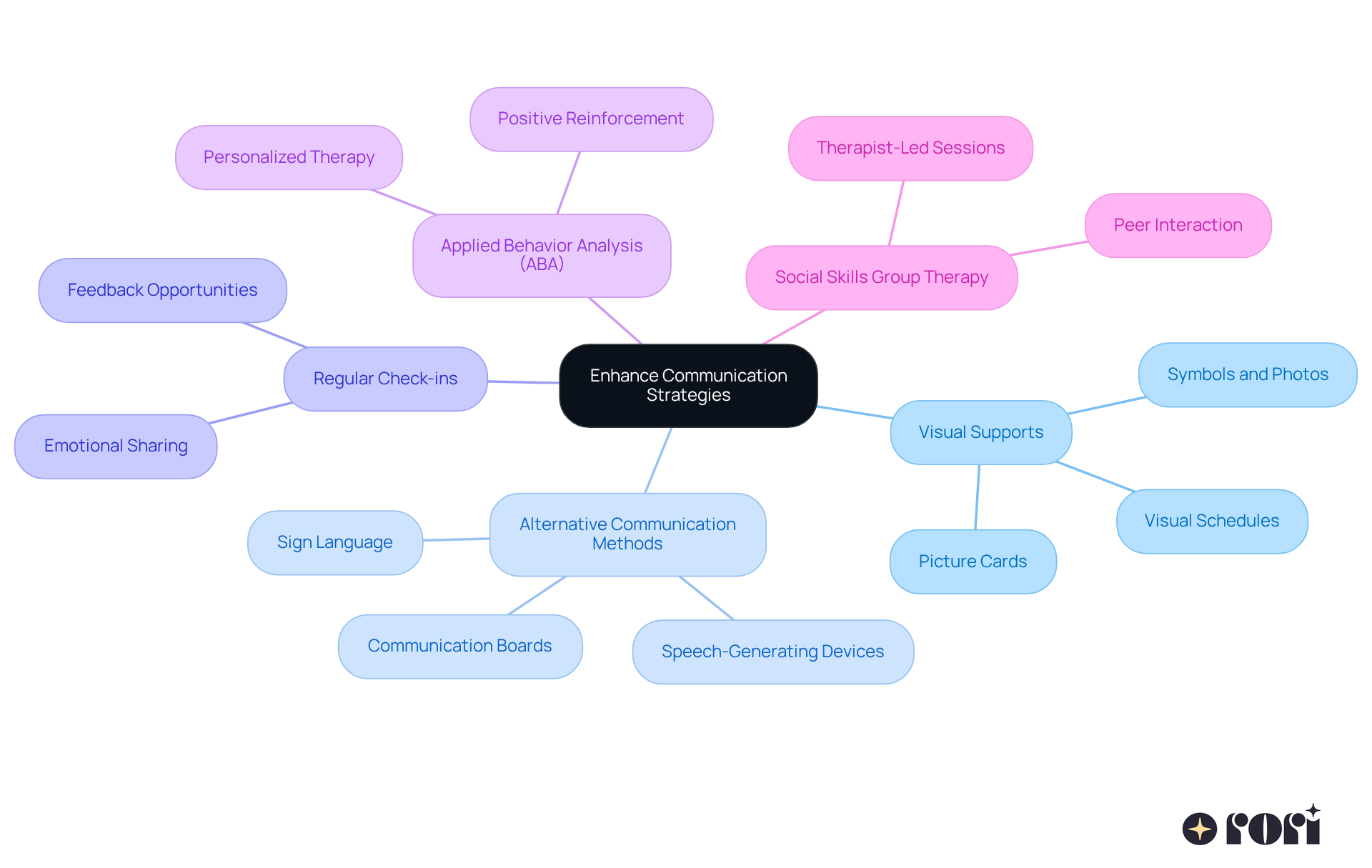
Many students struggle to cope when overwhelmed by sensory input, making sensory breaks a vital part of their day. These breaks should be tailored to individual needs and can incorporate calming strategies for autism in the classroom, such as:
These breaks can transform a chaotic day into a more manageable one, helping kids feel calmer and more focused. To make them even more effective, educators should schedule these breaks regularly or in response to signs of distress. This way, students have consistent chances to practice calming strategies for autism in the classroom throughout the day.
This approach aligns with the principles of Applied Behavior Analysis (ABA) therapy, which emphasizes a patient-centered and adaptable methodology. By working together, we can create a supportive environment that nurtures their growth and learning. Let's explore this together!
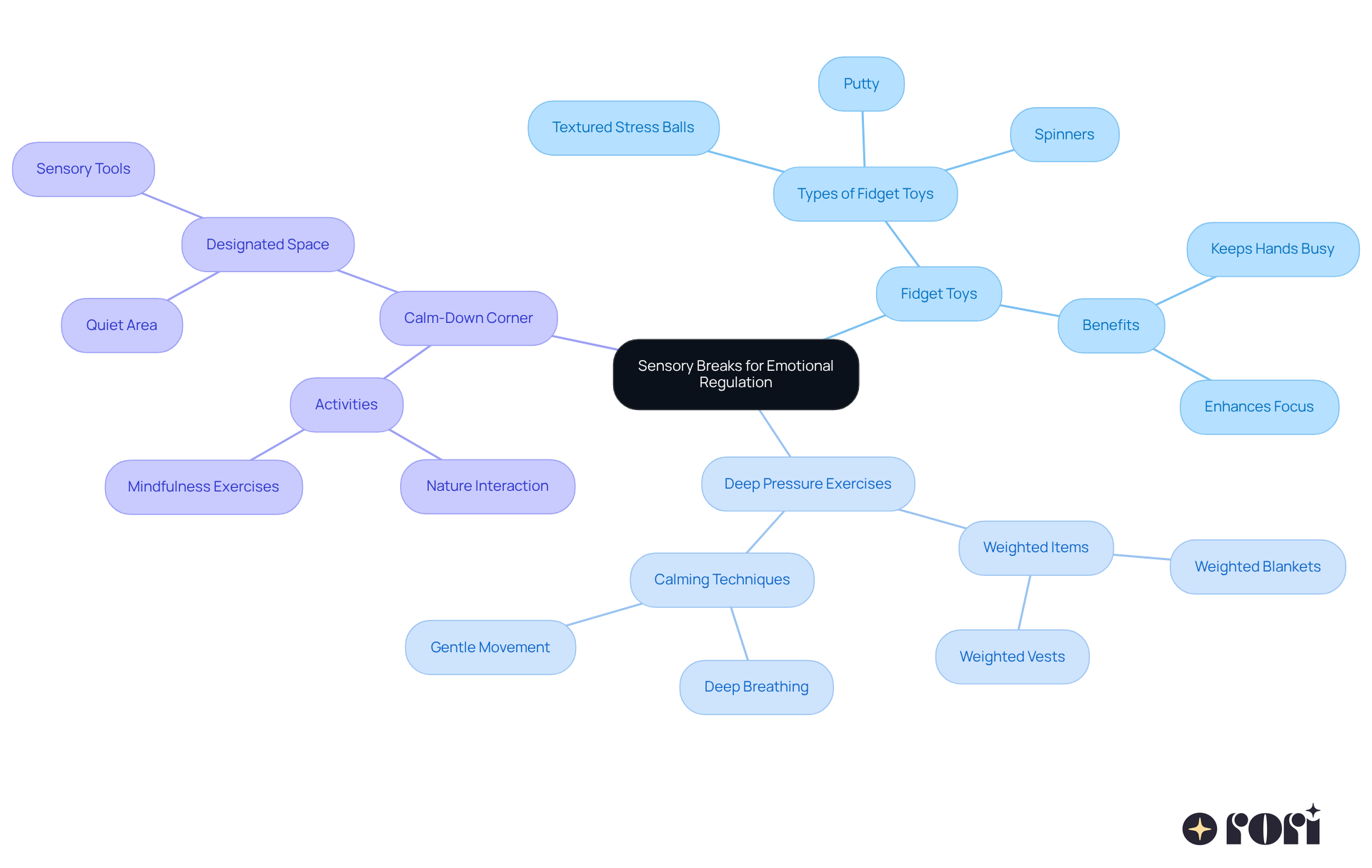
Have you ever noticed how tough transitions can be for kids with autism? Visual schedules can be a game-changer! These schedules use clear visuals to show what’s coming up next. This helps kids feel less anxious and more in control through the implementation of calming strategies for autism in the classroom. Educators can create these schedules in various formats, like images, symbols, and written words, making sure they’re easy to see in the classroom. Calming strategies for autism in the classroom not only support emotional regulation but also promote independence, allowing kids to navigate their day with greater confidence.
Studies show that using visual schedules can cut down on problem behaviors by a whopping 76%! Imagine that! One specialist even mentioned that when kids have a schedule, they can handle their day without needing adults to guide them all the time. This newfound predictability not only eases their anxiety but also empowers them to take charge of their day. So, let’s explore this together and see how visual schedules can make a difference for your child!
Have you ever noticed how a little praise can brighten a child's day? It’s amazing how positive reinforcement can be one of the calming strategies for autism in the classroom, helping kids with autism, ADHD, and other learning challenges feel calmer! Using simple things like verbal praise, tokens, or even small rewards can really help kids feel good about staying calm and managing their emotions.
For instance, when a child successfully uses calming strategies for autism in the classroom during a stressful moment, providing them with immediate positive feedback can motivate them to repeat the behavior next time. This not only encourages emotional regulation but also boosts their confidence in handling their feelings. You know, when kids get immediate praise for staying calm, it really helps them connect the dots between their actions and the rewards they receive!
Well-organized reward systems can show kids that their actions lead to positive outcomes, which encourages them to maintain calm behaviors and supports the use of calming strategies for autism in the classroom. When caregivers use these strategies in everyday life, it makes it easier for them to help their kids grow and thrive! So, let’s celebrate those small victories together; we’re not just helping them behave better, we’re helping them grow!

Have you ever noticed your child feeling overwhelmed in class? Mindfulness techniques, like deep breathing exercises and guided imagery, can be fantastic tools for reducing stress. Did you know that over 80% of kids feel stressed out these days? Mindfulness education can really help with that!
Why not try a quick mindfulness session during the day? Just a few minutes of focusing on their breath or visualizing a calm place can make a big difference. These practices help kids become more aware of their emotions and give them handy coping strategies for managing stress.
Studies show that kids who learn mindfulness often report feeling less stressed afterward. Plus, it doesn’t just help with anxiety; it can also boost their overall academic performance! Creating a mindful classroom can effectively incorporate calming strategies for autism in the classroom, helping to make learning feel more peaceful for everyone, especially for kids with autism.
By embracing mindfulness, we can help our children thrive in a peaceful learning environment. Let’s explore this together!

Have you ever noticed how a noisy classroom can make it hard for kids to focus? Implementing calming strategies for autism in the classroom is essential for improving concentration and learning in children with autism. Think about it - soft, natural lighting creates a calming atmosphere, while gentle colors like pastels can really help reduce anxiety and sensory overload. Research shows that bright colors can be super distracting for kids with autism, making it tough for them to concentrate. In fact, 80-90% of children with autism experience significant sensory differences, so it’s crucial to consider these factors when designing classrooms.
Minimizing background noise is also essential. Imagine trying to focus in a classroom filled with loud sounds - it can be overwhelming, right? Incorporating flexible seating options, like bean bags or standing desks, allows kids to choose what feels comfortable for them, promoting a sense of security and engagement. Helle Kristine Falkenberg emphasizes that a supportive built environment is vital for individuals with ASD. By focusing on these design elements, we can create a learning space that not only enhances focus but also implements calming strategies for autism in the classroom to support the overall well-being of students. Plus, studies show that more than half of participants prefer natural light, which helps reduce visual triggers. When we prioritize these elements, we’re not just helping kids learn; we’re giving them the chance to truly shine.

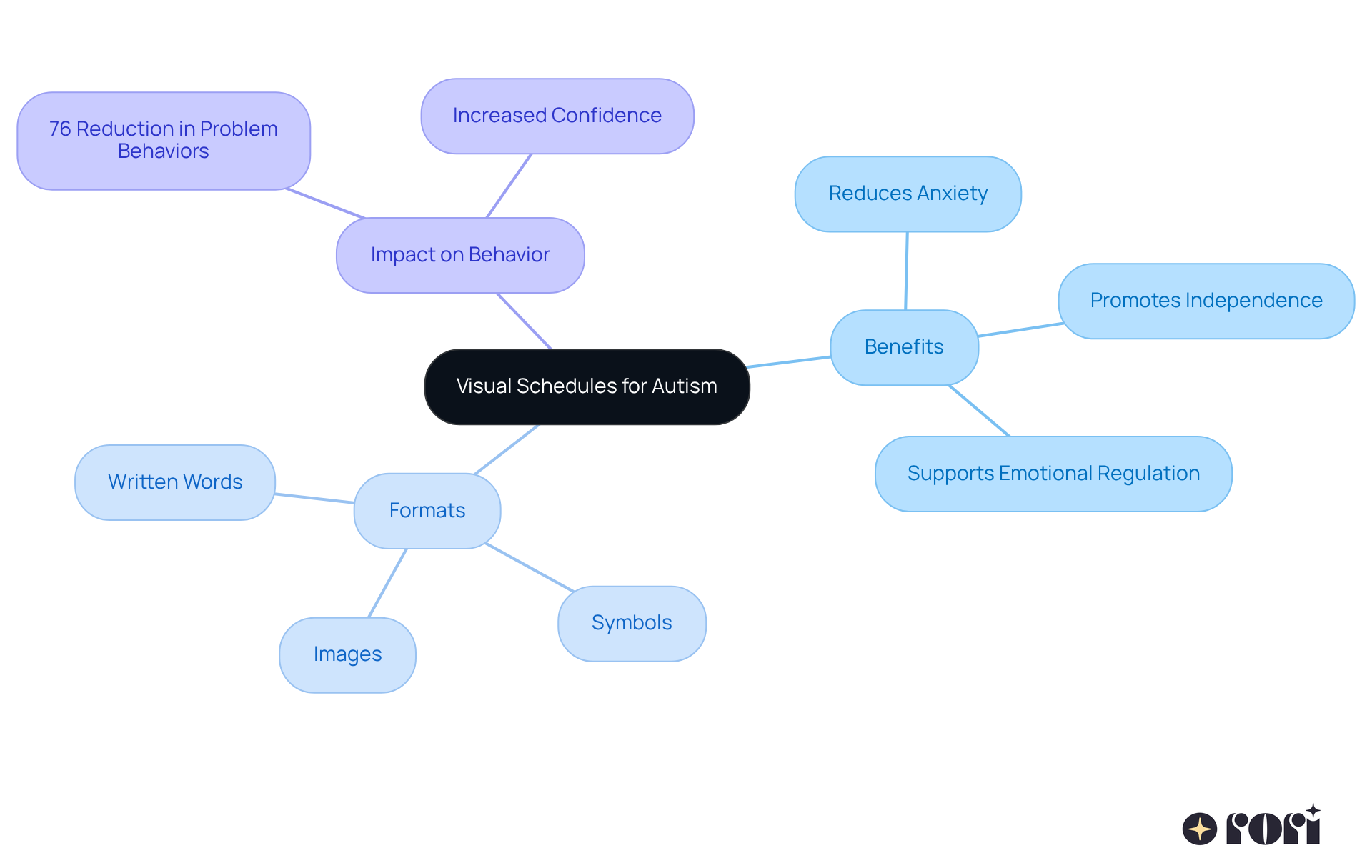
Have you ever watched a child struggle to communicate their feelings? It can be heart-wrenching. Enhancing communication strategies in the classroom is key to implementing calming strategies for autism in the classroom, which can help reduce anxiety in children. Using clear and simple language makes it easier for kids to grasp concepts. Visual supports like picture cards and schedules can really help kids understand what’s happening and get ready for changes in their routine. Research shows that many autistic individuals respond well to visual information, making these tools essential.
Incorporating alternative communication methods, like sign language and communication boards, empowers kids to express their needs effectively, fostering their independence. Regular check-ins give kids a chance to share how they’re feeling, creating a space where they know they’re heard. Plus, Applied Behavior Analysis (ABA) is a personalized therapy that adapts to each child's unique needs, enhancing their learning and communication skills.
Social skills group therapy, led by qualified therapists, can further improve these communication methods by promoting better social interactions and relationships among peers. As Stephen R. Covey wisely said, 'When the trust account is high, communication is easy, instant, and effective.' The use of calming strategies for autism in the classroom not only helps kids communicate better but also creates a happier environment, reducing anxiety for everyone. To reinforce these strategies at home, caregivers can practice using visual supports and alternative communication methods consistently, ensuring a unified approach to communication and support. By embracing these strategies, you’re not just helping your child communicate; you’re opening doors to a brighter, more confident future.
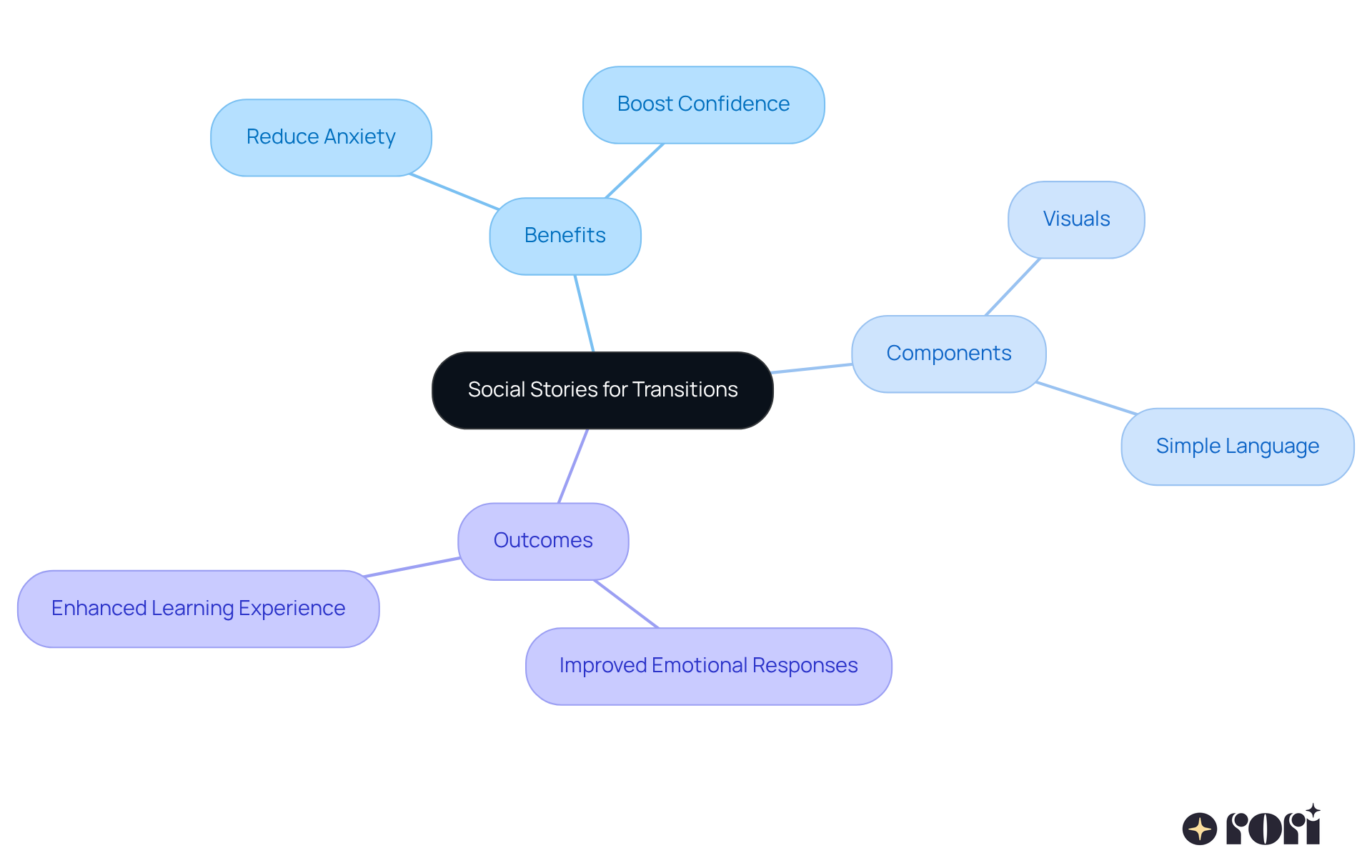
Transitions can often feel overwhelming for our kids, can’t they? Social stories can be a fantastic resource for helping individuals with autism, ADHD, and Social Communication Disorders manage these tricky situations. When we create stories that show what to expect, it makes a world of difference!
These personalized narratives can really help reduce anxiety and foster a sense of preparedness. They often include visuals and simple language, making them relatable and easy to understand for students.
By looking at these social stories before an expected event, we can boost our kids' confidence and equip them with the skills to handle changes in their routines. Imagine the relief your child will feel when they know what to expect! This proactive approach can lead to significant improvements in emotional responses and behavior during transitions, ultimately enhancing their overall learning experience. We’re here to help families and boost social skills for kids facing these challenges.
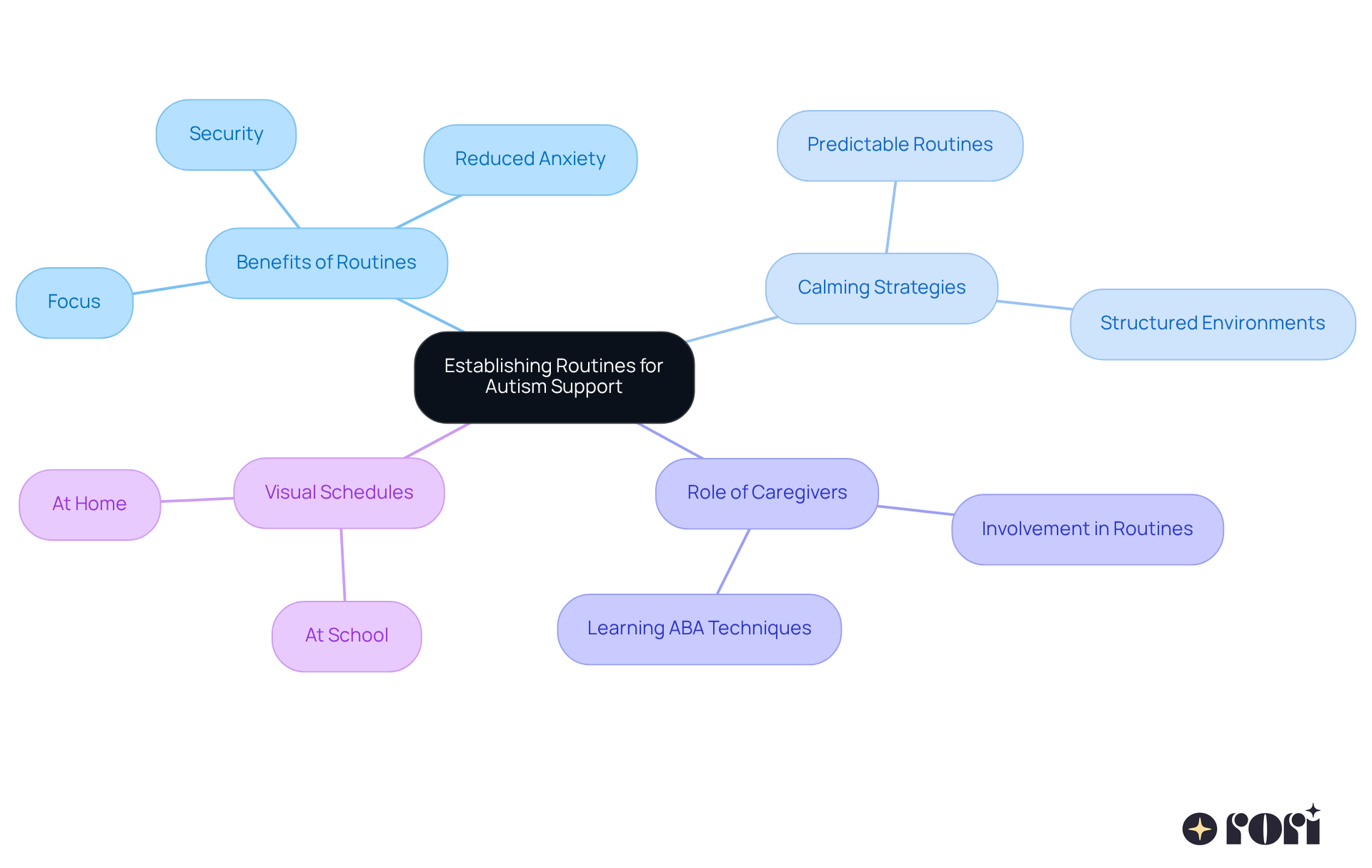
Have you ever noticed how a little predictability can make a big difference for kids with autism? Establishing consistent routines in the classroom is one of the effective calming strategies for autism in the classroom, as it helps create a sense of security and calmness. Implementing calming strategies for autism in the classroom, such as predictable routines, allows children to know what to expect during the day, which can really ease anxiety.
Visual schedules are a great tool! They show kids what’s happening next, making routines easier to follow. Research shows that structured environments are effective calming strategies for autism in the classroom, as they not only reduce anxiety but also encourage positive behavior. When routines are in place, children can focus better and feel more secure.
By prioritizing consistency and incorporating calming strategies for autism in the classroom, educators create a supportive atmosphere where autistic students can thrive emotionally and academically. And let’s not forget about the role of caregivers! When caregivers get involved and learn about ABA techniques, they can make choices that really help their kids.
To further support this, parents can implement visual schedules at home to reflect the organized setting of the learning space. By creating a routine at home, you’re not just helping your child; you’re building a bridge to their success.
When it comes to helping kids with autism, teaming up with parents can make all the difference! Educators can really benefit from chatting with parents about what works at home and sharing some of our classroom successes. Consistent communication, like weekly check-ins or newsletters, keeps parents in the loop and engaged in their child's progress. When parents and teachers work together, kids often see amazing improvements in how they handle their feelings and do in school!
By building a strong partnership between home and school, we can ensure that calming strategies are reinforced consistently, ultimately enhancing our kids' overall well-being and success. Let’s explore this together!

Navigating the classroom with children on the autism spectrum can be a challenge, but it’s also an opportunity for growth and connection. Implementing effective calming strategies is essential for creating a supportive and nurturing environment. By focusing on personalized approaches, educators can significantly enhance the emotional well-being and academic success of these amazing kids.
It’s all about understanding that each child is unique. Individualized support is key! Sensory breaks can help students manage overwhelming stimuli, while visual schedules provide the predictability that eases anxiety. Positive reinforcement encourages desired behaviors, and mindfulness techniques equip students with tools to handle stress. Establishing consistent routines further enhances security, allowing children to thrive both emotionally and academically.
Collaboration between educators and parents is crucial in reinforcing these strategies. When we work together, we ensure that children receive the support they need both at school and at home. Ultimately, by taking these steps, we’re not just helping children with autism; we’re enriching the learning experience for everyone. Let’s continue exploring and implementing these strategies, paving the way for a brighter and more confident future for all our students!
What is Rori Care's approach to ABA therapy for children with autism?
Rori Care focuses on personalized ABA therapy, taking the time to understand each child's unique triggers and stressors to provide tailored support.
What calming strategies does Rori Care use in their therapy?
Rori Care employs fun sensory activities, easy breathing exercises, and calming visuals as calming strategies to help children with autism connect and manage their feelings.
How do personalized support and calming strategies benefit children?
Personalized support can lead to significant improvements in how children handle their feelings and interact with others, fostering a sense of security and trust in the therapy process.
Why are sensory breaks important for students with autism?
Sensory breaks help students cope with overwhelming sensory input, making their day more manageable and allowing them to feel calmer and more focused.
What activities can be included in sensory breaks?
Sensory breaks can include using fidget toys, engaging in deep pressure exercises, and spending time in a designated calm-down corner.
How can educators effectively implement sensory breaks?
Educators should schedule sensory breaks regularly or in response to signs of distress to provide consistent opportunities for students to practice calming strategies.
What role do visual schedules play in supporting children with autism?
Visual schedules help children anticipate transitions, reduce anxiety, and gain a sense of control over their day, making it easier for them to navigate various activities.
What formats can visual schedules be created in?
Visual schedules can be created using images, symbols, and written words, ensuring they are easy to understand and see in the classroom.
What impact do visual schedules have on children's behavior?
Studies show that using visual schedules can reduce problem behaviors by up to 76%, allowing children to handle their day more independently.
How do visual schedules empower children with autism?
By providing predictability, visual schedules empower children to take charge of their day, easing anxiety and promoting independence.