Finding the right places to take your child on the autism spectrum can feel like piecing together a tricky puzzle. More and more families are on the lookout for autism-friendly spaces that truly get sensory sensitivities, making outings a lot more enjoyable. But how can you, as a caregiver, find these welcoming spots and make sure your child has a great time? In this article, we’ll share some handy tips for finding autism-friendly venues and events, helping you create those memorable, stress-free outings with your family.
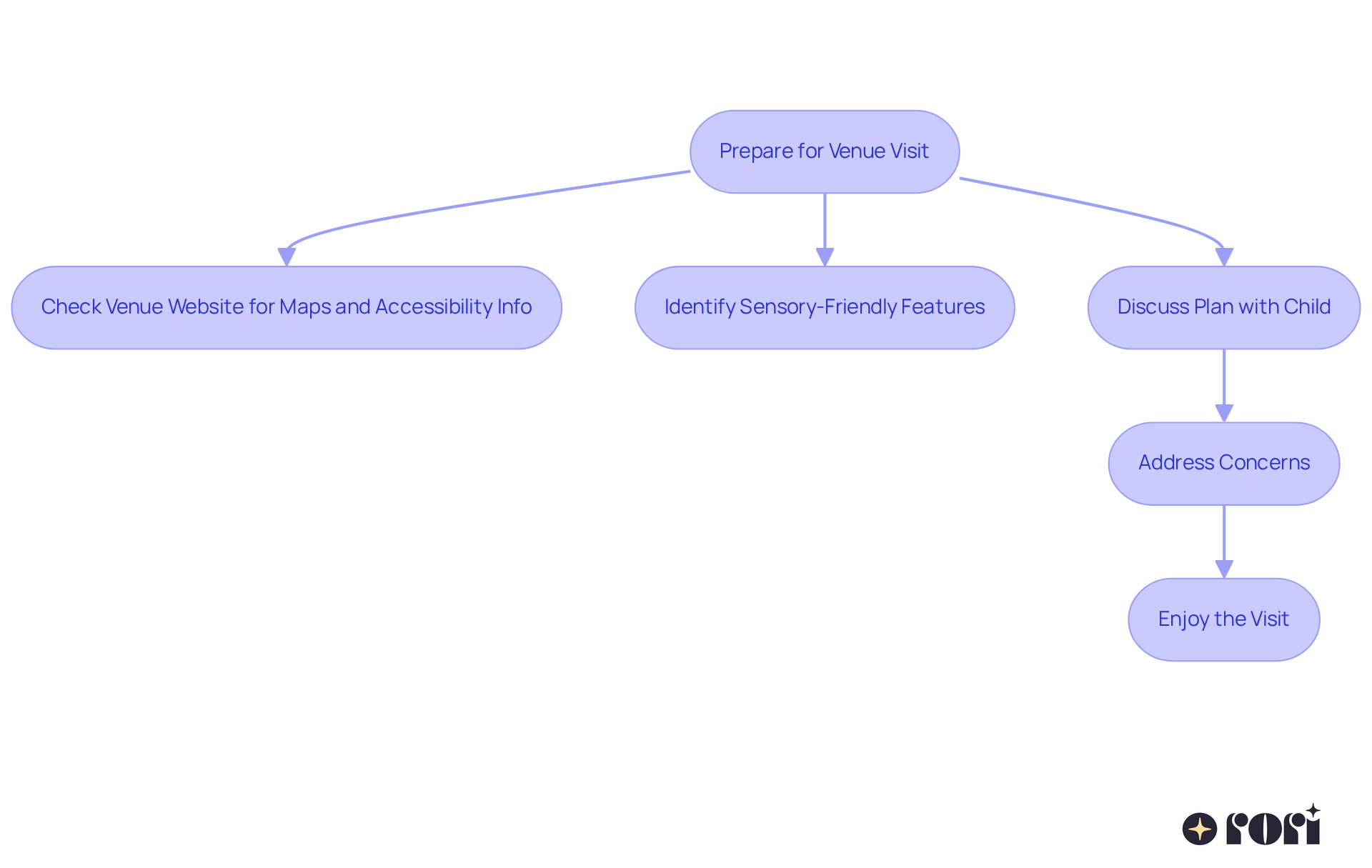
Planning a visit can feel daunting, especially when you want everything to go smoothly for your child. Before you head out, it’s a great idea to create a plan that covers the layout, available amenities, and any sensory triggers you might encounter. Check out the venue’s website for maps and accessibility info! Look for sensory-friendly features like quiet areas or sensory rooms that can really make a difference.
Talking through the plan with your child can help too. Explain what to expect and address any concerns they might have. When you take the time to prepare, you’re setting the stage for a smoother, more enjoyable experience. Sensory-friendly public spaces are essential for minimizing distress and meltdowns, so this preparation can really help your child feel more secure during the visit. By preparing together, you’re not just easing anxiety; you’re creating a positive experience that both you and your child will cherish.
Have you ever noticed how certain places can make your child feel uneasy? Before heading to any event, it's important to understand your child's sensory preferences and sensitivities, along with tips for finding autism-friendly venues and events. Think about noise levels, lighting, and crowd sizes - these factors can really impact your child's comfort.
One of the tips for finding autism-friendly venues and events is choosing locations with sensory-friendly elements, like quiet spaces and soft lighting, as it can make a big difference. Research shows that the tips for finding autism-friendly venues and events, which include environments with less intense lighting and reduced background noise, can help kids with autism engage better and feel less stressed.
Let the venue staff know what your child needs ahead of time - it makes a world of difference! This proactive approach ensures that any necessary accommodations are in place, creating a more comfortable and secure experience for your child.
By taking these steps, you’re not just planning an event; you’re creating a space where your child can truly thrive. Let’s explore this together and make every outing a positive one!

Outings can sometimes feel overwhelming for our little ones, can't they? Developing a visual timetable for outings is a fantastic way to help individuals with autism manage their day. This visual schedule can outline the day's activities - like arrival times, fun events, and breaks - using pictures or symbols that your little one can easily understand. You know, when our kids know what to expect, it really helps them feel more relaxed and engaged during outings. Research shows that visual schedules can reduce anxiety by making daily routines predictable. Reviewing the schedule together before the visit allows your child to anticipate what will happen next, which can significantly lower those anxious feelings.
Incorporating ABA principles, visual schedules not only clarify expectations but also promote independence. This means your child can follow the schedule with minimal prompting, which is a win-win! Plus, when we get involved and use visual aids together, it makes a world of difference for our kids. By equipping ourselves with knowledge about ABA strategies, we can better support our children's behavioral goals, leading to improved outcomes. So, let’s explore this together and create a more organized and enjoyable atmosphere for our children, turning those stressful outings into fun-filled adventures with just a little planning!

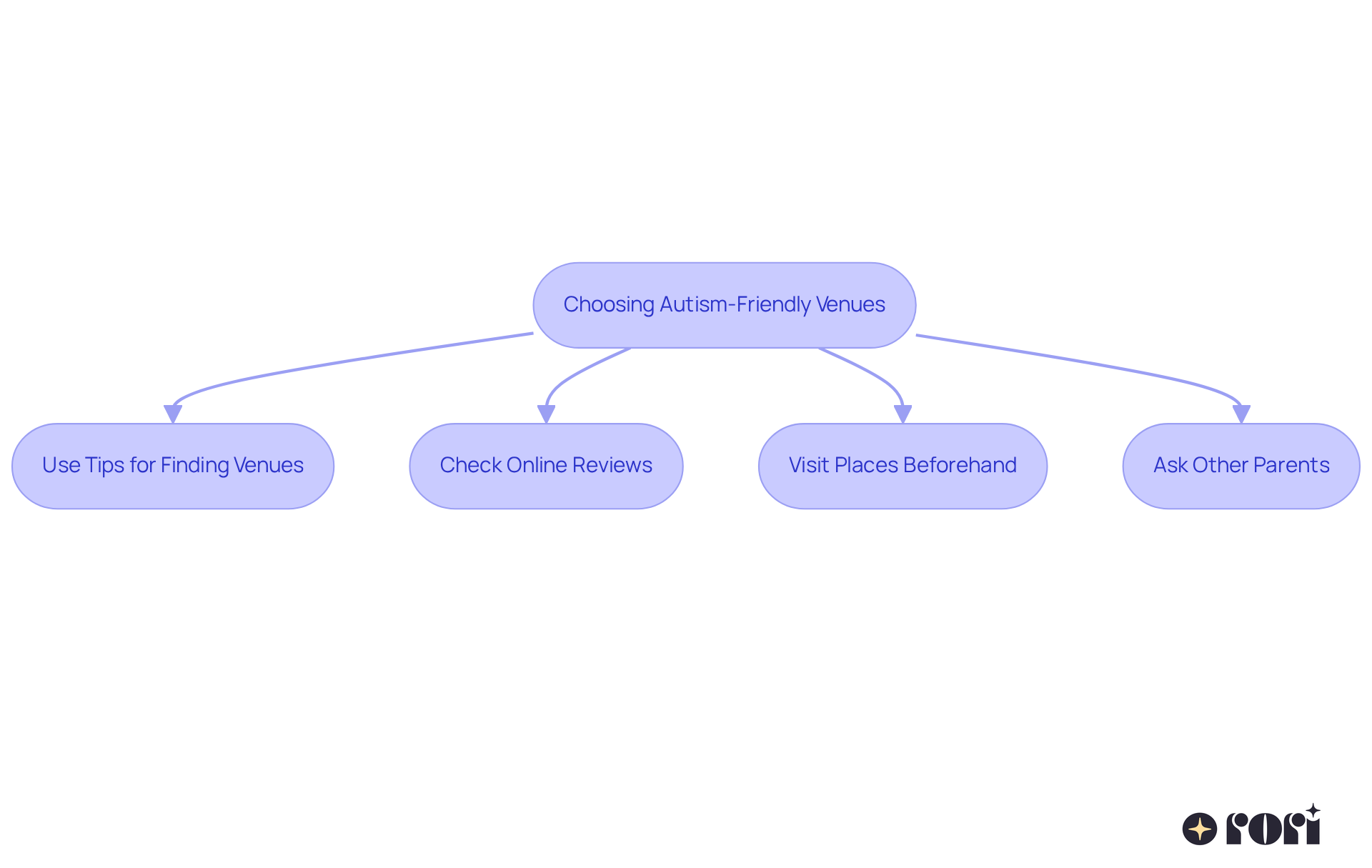
Finding the right place for your little one can feel overwhelming, especially when you want them to feel comfortable and included. When choosing a location, it’s important to consider tips for finding autism-friendly venues and events, such as features that enhance inclusivity like quiet rooms, sensory-friendly lighting, and accessible facilities. Did you know that places designed with sensory adjustments can really boost how families feel about their visits? Research shows that 85% of households report a more favorable interaction in sensory-friendly settings.
Interacting with locations that have received positive reviews from other families can provide reassurance that the environment will be welcoming and beneficial for your child. Temple Grandin once said that sensory rooms can be a game-changer for kids dealing with overwhelming situations. This proactive approach not only fosters a sense of belonging but also enhances the overall experience for families navigating public spaces.
To effectively research and choose locations with sensory-friendly accommodations, you can:
Remember, taking the time to choose wisely can make all the difference in creating joyful experiences for your family!
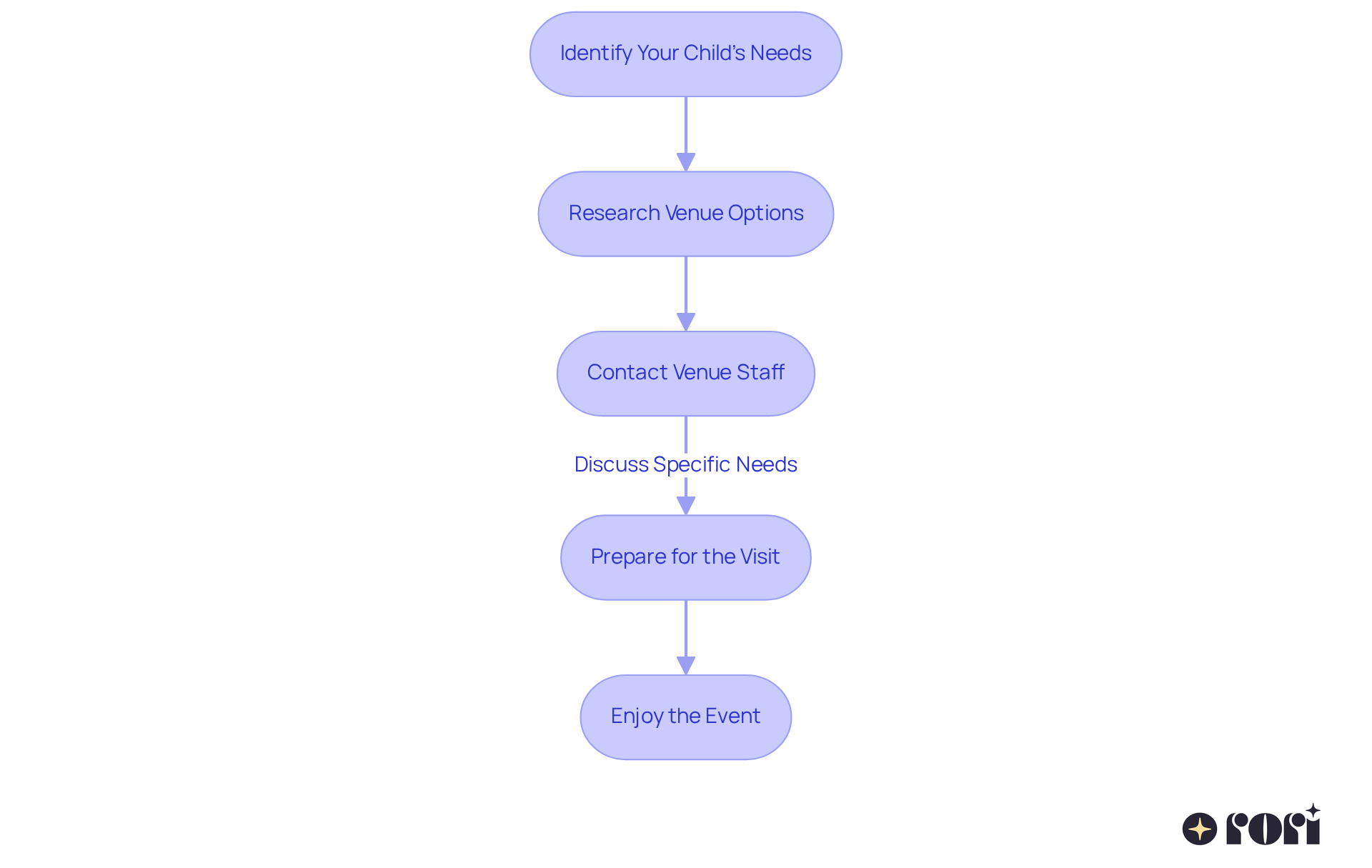
Before heading out, it’s important to share your child’s specific needs with the venue staff, as this can provide valuable tips for finding autism-friendly venues and events. Talking with the venue ahead of time can really make a difference for your child’s experience, particularly when you apply tips for finding autism-friendly venues and events. Clearly expressing any sensory sensitivities or behavioral challenges helps the staff prepare, providing them with tips for finding autism-friendly venues and events, ensuring they can offer necessary accommodations like quiet areas or reduced noise levels.
It can be daunting to think about how to express your child's unique needs to others. But remember, you’re advocating for your child! Research shows that effective pre-visit communication can significantly enhance the experience for kids with autism, including tips for finding autism-friendly venues and events. Without this communication, your child might miss out on a supportive environment that caters to their needs.
Helping your child feel comfortable in their surroundings is so important. As Dr. Kiyo Kitahara points out, nurturing a young person's self-identity is a vital step in this process. Our team at Rori Care is here to support you and your family every step of the way, providing compassionate ABA treatment and empowering you with the knowledge and strategies to help your child reach their behavioral goals.
Investing in professional growth for staff can also improve their ability to assist individuals with autism. By discussing these needs with venue staff, you’re not just helping your child; you’re paving the way for a more inclusive experience for everyone, reflecting the tips for finding autism-friendly venues and events.
Finding the right activities for your child with autism can feel like a daunting task, can’t it? Utilizing online platforms and local community networks can offer tips for finding autism-friendly venues and events that suit your family's needs. With 1 in 31 individuals diagnosed with Autism Spectrum Disorder (ASD), it’s so important for families to find activities that really fit their needs. Consider looking for events that offer tips for finding autism-friendly venues and events, including those with sensory-friendly features like quieter environments or designated quiet hours. Checking out these events ahead of time helps you find what your child will enjoy most, ensuring a more enjoyable outing for everyone. Here are some actionable tips to consider:

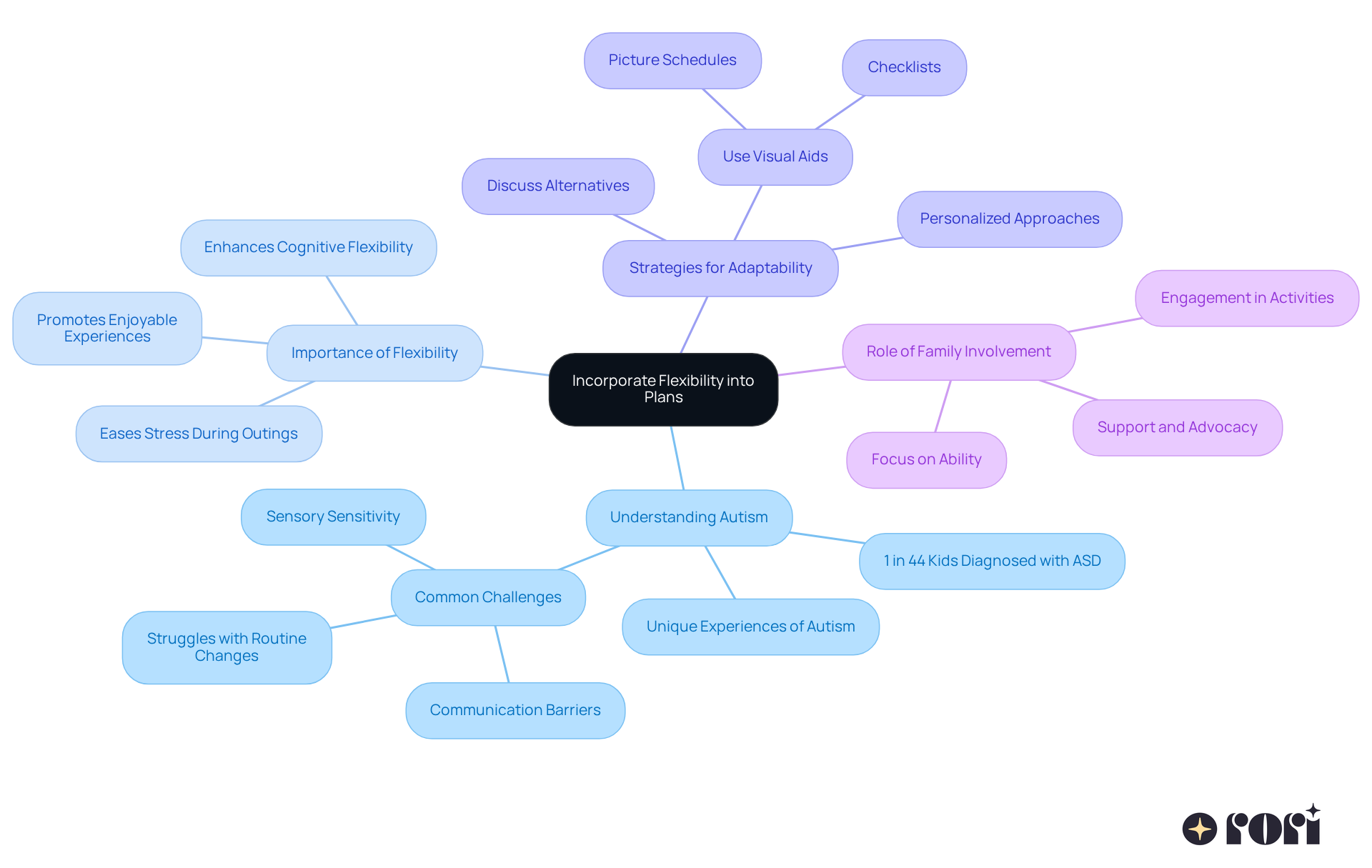
Planning outings can be a bit tricky, especially when you have a child with autism who thrives on routine. Did you know that about 1 in 44 kids in the U.S. are diagnosed with Autism Spectrum Disorder (ASD) by age 8? This really shows how important it is to be adaptable during outings! Children with autism often feel stressed when plans change unexpectedly. To help ease their worries, talk to your child about possible alternatives ahead of time, like visiting a quieter area or leaving early if they feel overwhelmed. By taking these steps, you can help ease their worries and make outings a lot more enjoyable!
Incorporating visual aids like checklists and picture schedules can also assist your young one in adapting to changes in routines. At Rori Care, we believe in a personalized approach that adapts to each child’s unique needs, making every outing a little easier. When families get involved and stick to the recommended hours, about 90% of kids show amazing progress! As Amanda Rae Ross wisely states, 'When a family focuses on ability instead of disability, all things are possible.' By embracing flexibility, you can turn outings into memorable adventures that your child will love!
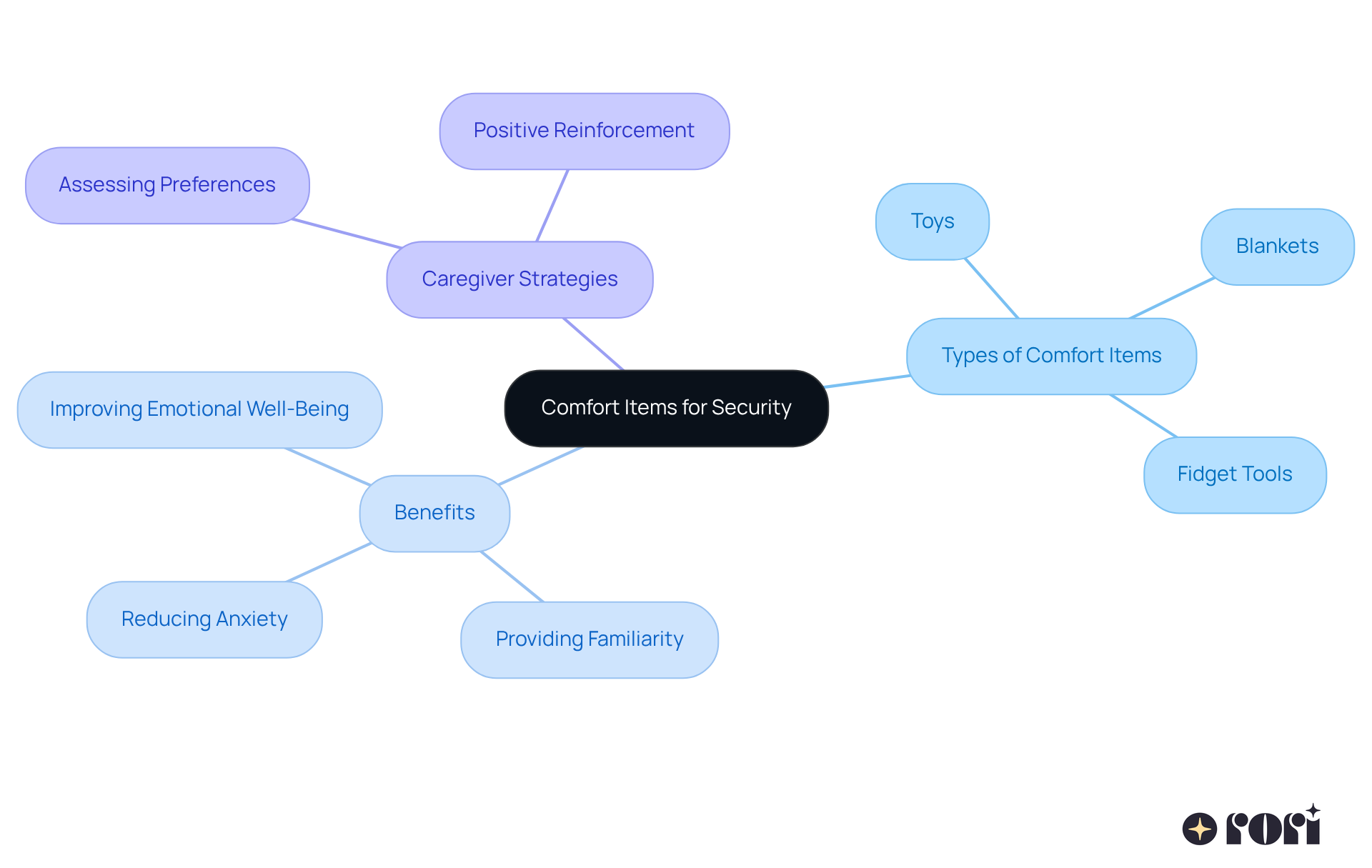
Outings can be a bit overwhelming for our little ones, can’t they? Bringing along familiar comfort items, like a favorite toy, blanket, or fidget tool, can really help them feel secure. These items provide a sense of familiarity and comfort, which can significantly reduce anxiety in new places. You know, those familiar items can really help kids feel more in control of their emotions.
For instance, integrating comfort items into daily routines has been shown to improve emotional well-being and provide reassurance during stressful moments. By packing those beloved toys and creating a little comfort kit for your outings, you’re not just easing anxiety; you’re creating a more enjoyable experience for your child.
And remember, as caregivers, we can use strategies like assessing our kids' preferences and offering positive reinforcement when introducing these comfort items. This way, we can ensure they truly meet our little ones' needs and enhance their overall well-being. So, let’s make those outings a little easier and more enjoyable for our kids!
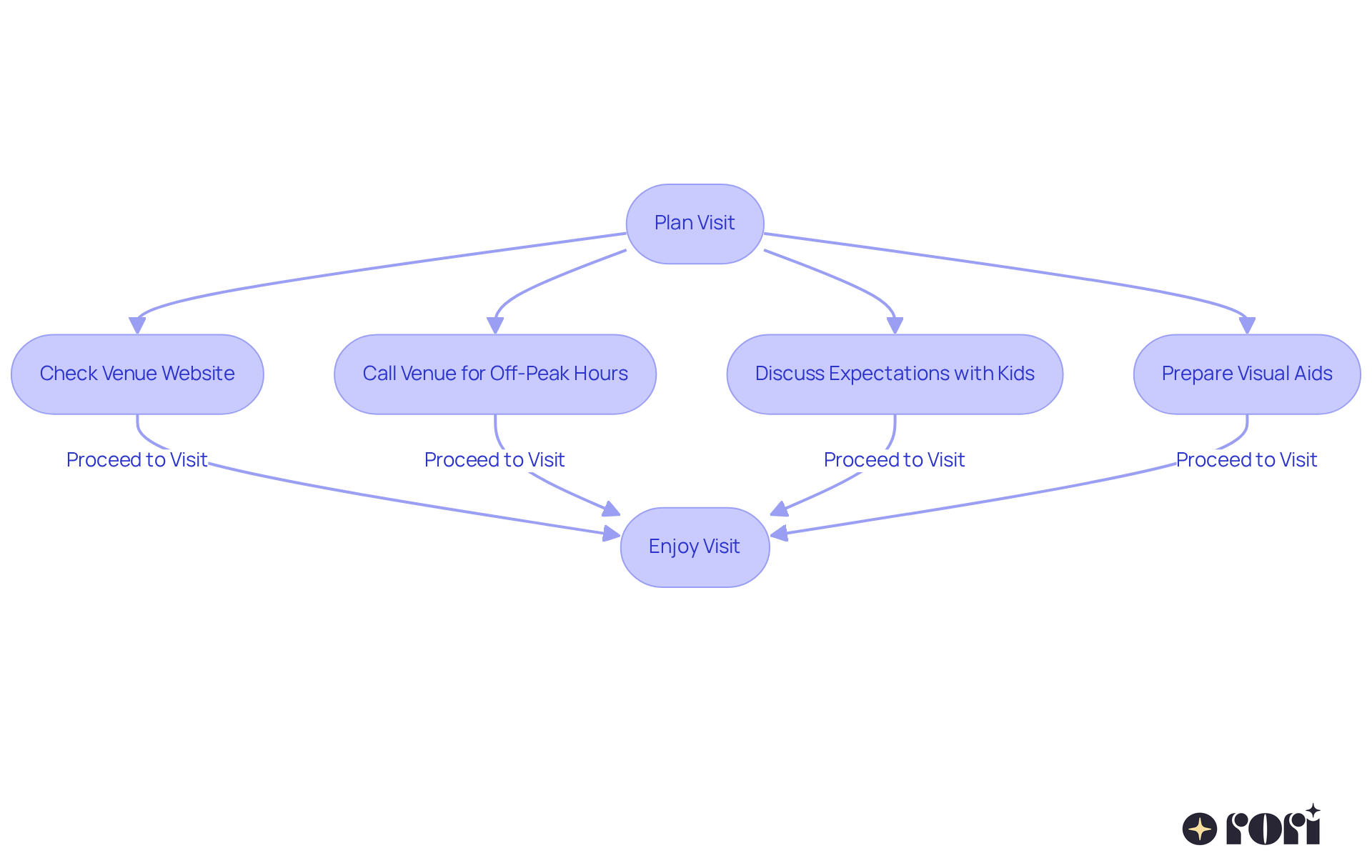
Planning visits during quieter times can make all the difference for families with children on the autism spectrum. Many venues offer specific hours when crowds are smaller, creating a more relaxed atmosphere. Imagine the stress of navigating a busy venue, where every sound and movement feels amplified. This approach not only cuts down on sensory overload but also makes the outing way more enjoyable. Kids with autism often feel more at ease in quieter spaces, where they can explore and enjoy without the hustle and bustle of big crowds. Advocates emphasize that these calmer times can truly enhance a young person's experience; as Kerry Magro beautifully puts it, 'autism can’t define me. I define autism.'
It’s helpful for caregivers to chat with their kids about what to expect and use visual aids to make transitions smoother. For tips for finding autism-friendly venues and events, check the venue's website or give them a call to find off-peak hours; many are happy to share their less busy times. By choosing these moments, families can create a nurturing atmosphere that encourages positive and memorable experiences together.
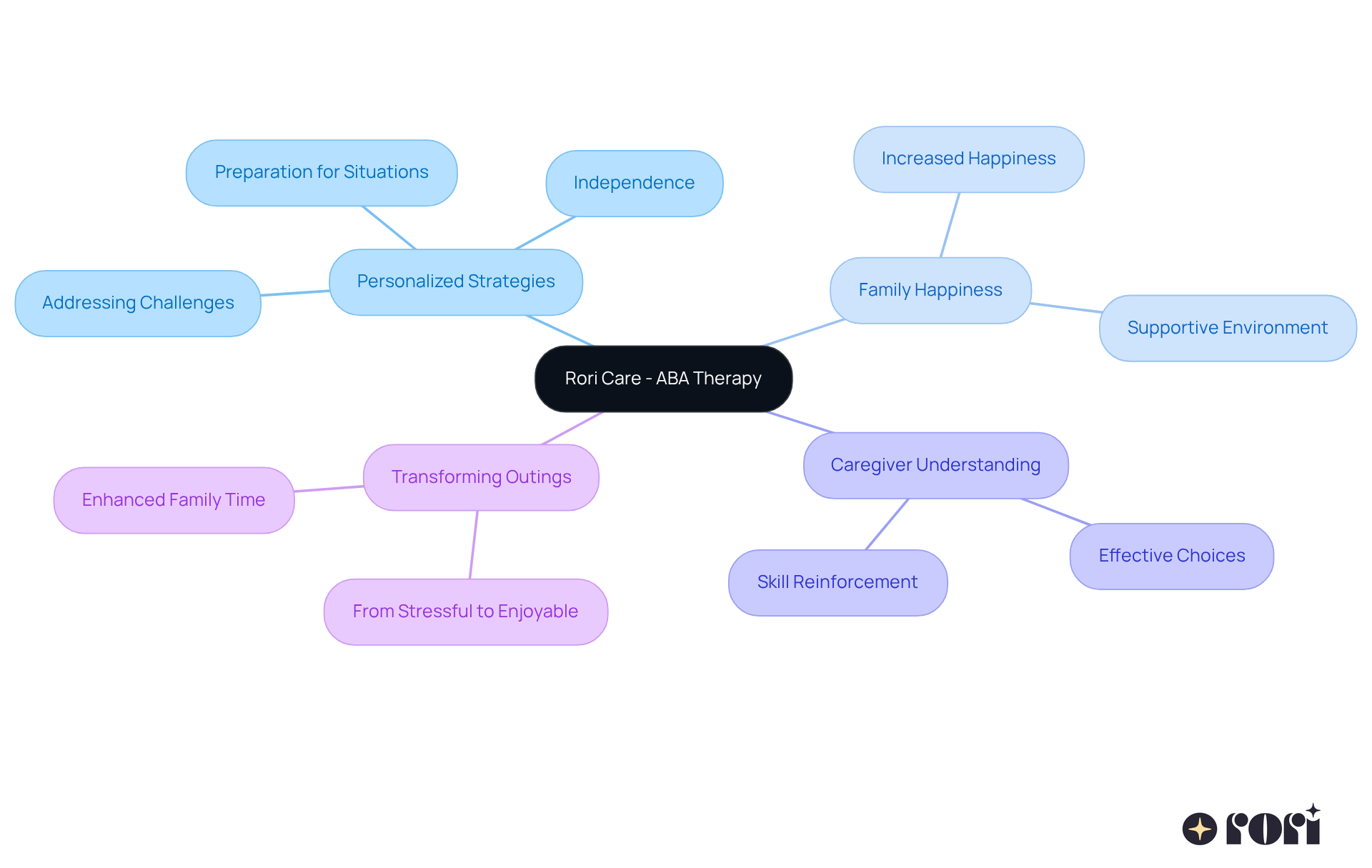
Let’s talk about how Rori Care's ABA therapy can make your family outings smoother with personalized strategies just for your child! Our skilled experts work closely with families to prepare for different situations, ensuring your little one gets the support they need during public outings. This approach helps your child feel more independent and makes family time even better!
Studies show that families using ABA therapy often feel happier, with over 89% of kids making real progress! When caregivers understand ABA strategies, they can make choices that really help their child thrive!
As Ralph Moller says, personalized plans are key because they focus on what each child truly needs. By tackling the usual challenges of outings, these strategies can turn family time into fun time! With the right support, outings can transform from stressful to enjoyable for everyone involved!
Finding the right venues for our kids with autism can feel like a daunting task, but it doesn’t have to be! By using the strategies we’ve talked about, families can create nurturing environments where their children feel safe, engaged, and included. When we take these steps, we can turn potential stress into joyful moments, allowing us to enjoy our time together without unnecessary worries.
Key insights from this article highlight how important it is to:
Plus, communicating effectively with venue staff and choosing places with inclusive features can really enhance the outing experience. Flexibility and including comfort items can also help create a supportive atmosphere, letting our kids thrive in public spaces.
Ultimately, it’s not just about finding the right spot; it’s about making memories and helping our kids feel like they truly belong. By embracing these strategies, we can turn every outing into a cherished memory, making our family adventures truly special.
What should I do to prepare for a venue visit with my child?
Create a detailed plan that includes the layout, available amenities, and any potential sensory triggers. Check the venue’s website for maps and accessibility information, and look for sensory-friendly features like quiet areas or sensory rooms.
How can I help my child feel more comfortable during the visit?
Talk through the plan with your child, explaining what to expect and addressing any concerns they might have. This preparation can ease anxiety and create a positive experience for both of you.
What are sensory-friendly public spaces, and why are they important?
Sensory-friendly public spaces are designed to minimize distress and meltdowns for children with sensory sensitivities. They often include features like quiet areas and reduced background noise, which can help children feel more secure during visits.
How can I identify my child's sensory needs before an outing?
Understand your child's sensory preferences and sensitivities by considering factors like noise levels, lighting, and crowd sizes. This awareness will help you choose venues that are more comfortable for them.
What should I communicate to venue staff about my child's needs?
Let the venue staff know about your child's specific sensory needs ahead of time. This proactive approach ensures that necessary accommodations are in place for a more comfortable experience.
What is a visual schedule, and how can it help my child?
A visual schedule is a timetable that outlines the day's activities using pictures or symbols. It helps children with autism manage their day by making routines predictable, which can reduce anxiety and promote engagement.
How can I create a visual schedule for outings?
Develop a visual timetable that includes arrival times, fun events, and breaks. Review the schedule with your child before the visit to help them anticipate what will happen next.
How do visual schedules promote independence in children with autism?
Visual schedules clarify expectations and allow children to follow the schedule with minimal prompting, which encourages independence and helps them manage their activities more effectively.