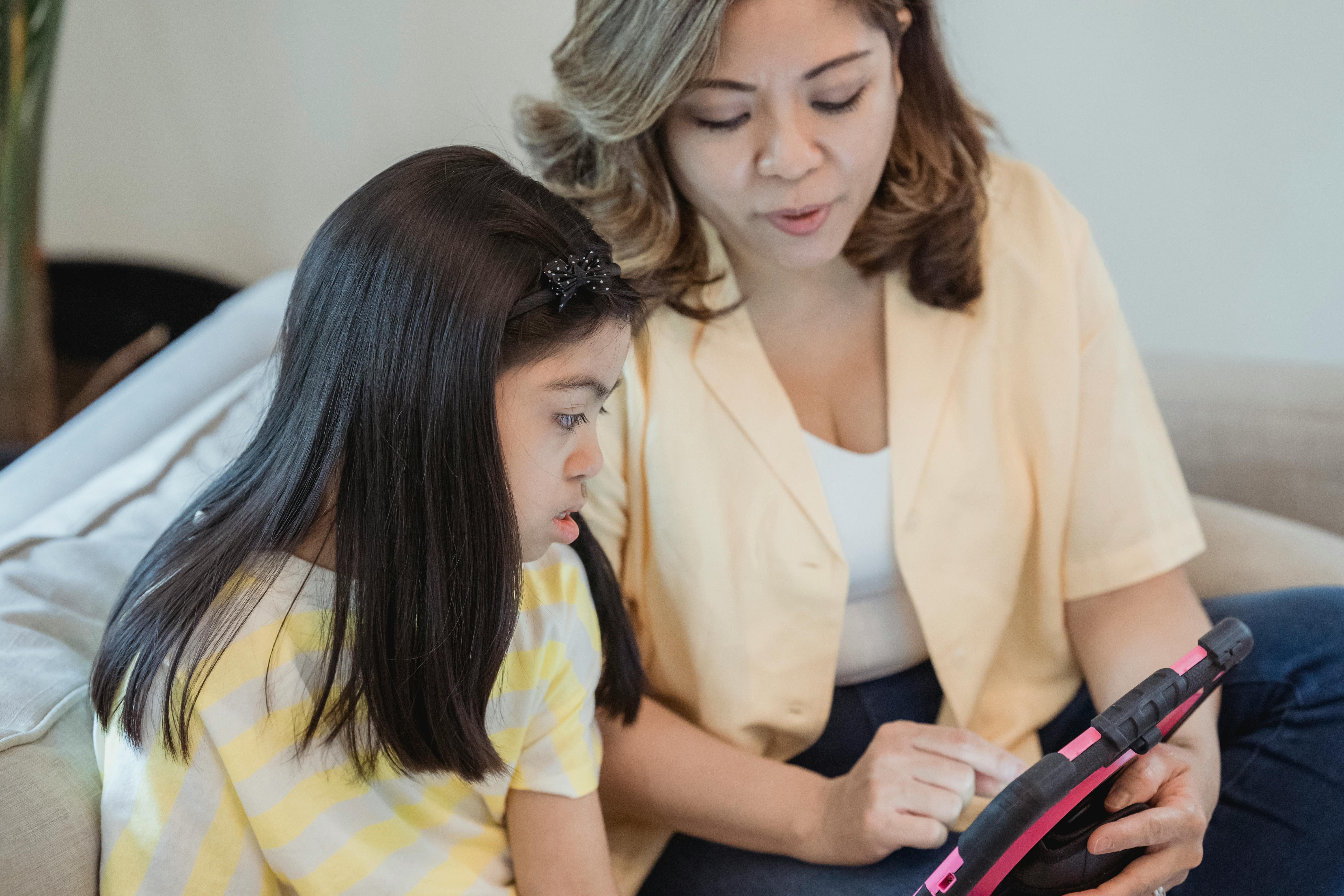
Group therapy programs for children with Autism Spectrum Disorder (ASD) aren’t just about improving social skills; they’re a wonderful opportunity for connection and growth! 🌱 These programs create a nurturing space where kids can learn essential communication techniques, build confidence, and form meaningful friendships with peers who understand their challenges.
But here’s the thing: how can families choose the right program that maximizes these benefits while addressing their child’s unique needs? 🤔 In this article, we’ll explore ten impactful group therapy programs designed to enhance social development for children with ASD. We’ll dive into their benefits and the vital role they play in fostering a supportive community. Let’s explore this together!
for provide a welcoming space where kids with autism can connect and build their social skills. In this friendly environment, guided interactions help them learn essential skills like starting conversations, maintaining eye contact, and reading social cues. Through role-playing, they can practice , boosting their confidence and ability to interact with peers.
Research shows that kids participating in (SST) often see quick improvements in their , with benefits lasting up to three months after the program ends. Involving parents in these sessions makes it easier for kids to apply what they've learned in everyday life, reinforcing their progress. Programs like the have shown significant improvements in children's social skills, proving the power of .
As one expert noted, "Skills group training is beneficial compared to individual therapy because it offers chances for participants to practice newly acquired social skills with peers." This collaborative approach, led by experienced therapists, not only enhances social competence but also fosters a sense of community among participants. Plus, is a vital part of this program, ensuring families are equipped to support their children's growth effectively.
This initiative aims to boost social skills and confidence for individuals with Autism Spectrum Disorders by utilizing for , as well as for those with ADHD, Communication Disorders, Anxiety Disorders, and others looking to improve their interaction abilities. Let’s explore this together and see how we can support our kids in their journey!

really help kids feel like they belong. It’s a space where they can connect with peers through , who understand what they’re going through. This sense of for ASD can ease feelings of isolation and provide the . Just think about it-when children realize they’re not alone in facing challenges, it can boost their motivation to participate in .
Studies show that not only create opportunities for interaction but also help clarify societal norms. This can lower anxiety and build confidence. Take initiatives like PEERS, for example. Over 16 weeks, it focuses on , showing how friendship can be woven into treatment. Kids learn to in a supportive environment, which is so important!
Participating in allows young people to improve their communication skills, make friends, and develop a -all essential for their emotional and social growth. Plus, organizations like Rori Care offer extra services such as , which really enhance the effectiveness of group sessions.
It’s worth noting that up to 50% of autistic individuals may also deal with like anxiety and depression. That’s why is so vital in tackling these issues. Advocates like Temple Grandin remind us that "The world needs all kinds of minds." This highlights how important it is to embrace diverse perspectives and the role of friendship in fostering acceptance and understanding among children with autism.
Let’s explore this together! We’re here to help you every step of the way!

offer some fantastic financial benefits compared to individual meetings, making them a great option for families looking for quality at Rori Care - ABA Services. By pooling resources and therapist time, these group settings can provide comprehensive support at a much lower cost. For instance, while one-on-one sessions can go over $150 per hour, typically range from $40 to $50 per meeting. That’s a savings of 50% to 70%! This affordability means families can access without the stress of high expenses.
Behavioral analysts highlight that the not only eases financial strain but also fosters a , enhancing the overall healing experience. With usually involving 5 to 15 participants gathering weekly, families can benefit from shared experiences and peer support, which can really boost their children's social skills development.
Plus, Rori Care offers a variety of services, like , program creation, and oversight, which enrich group support and provide a well-rounded approach to autism care. Considering that over 25% of American adults face mental health issues each year, the need for is crucial. This makes group therapy programs for a valuable resource for families who are navigating autism care. Let’s explore this together!

Joining at Rori Care provides kids with autism a wonderful opportunity to experience , which is so important for their growth. This program, categorized as one of the , is particularly helpful for those with , ADHD, Communication Disorders, and Anxiety Disorders, as it aims to boost their .
These varied experiences help kids become more adaptable, allowing them to navigate different social situations and improve their . For example, interacting with peers from diverse backgrounds can really enhance their understanding of social norms and expectations, ultimately .
Interpersonal trainers often point out that being exposed to a range of experiences not only helps kids make friends but also builds - qualities that are essential for thriving in community settings. Through led by , children learn to express themselves better, manage their emotions, and develop the self-confidence needed to connect with others. This leads to and a fulfilling life.
Let’s explore this together! We’re here to !

Rori Care offers , providing a welcoming space where young individuals can safely build their . This not only eases anxiety but also helps them focus on learning. In these sessions, therapists engage everyone with fun activities like turn-taking games, rhythmic movement exercises, and collaborative art projects. These activities encourage , making the experience enjoyable and effective.
Research shows that can significantly reduce , which leads to better emotional well-being. One therapist shared, "Structure is crucial in teaching ; it provides a reliable framework that helps kids feel secure and ready to engage." By establishing a consistent routine, children can navigate social interactions more smoothly, enhancing their communication and emotional control.
The benefits of this go beyond just skill-building. It among peers, which is vital for their social growth in . Plus, our focus on boosts these positive outcomes, significantly enhancing learning, verbal, and in children with autism. Our User Manuals also highlight the to support these developmental goals.
Let’s explore this together! We’re here to help you every step of the way!

Effective group therapy programs often include that cater to each individual's . By taking a closer look at individual strengths and challenges, therapists can create activities that truly resonate with participants. For instance, a young person who finds it tough to start conversations might really benefit from that focus on initiating and maintaining dialogues.
At Rori Care, we believe in . Each behavioral plan is crafted to fit the , strengths, challenges, and goals of our clients. We set clear, measurable goals for , giving everyone a transparent way to . Our use grounded in the latest research, continuously monitoring each client's journey and making adjustments as needed to optimize outcomes.
Let’s explore this together! We’re here to !
programs for create a wonderful space for young people with autism to find validation and . In this nurturing environment, they can openly express their feelings and experiences, which is so important for building . When they share personal stories in the group, they often discover a sense of that’s crucial for their .
Psychologists who specialize in youth highlight that this kind of validation boosts self-esteem and gives young individuals the . The for really reinforce the idea that individuals are not alone in their challenges, which helps solidify their .
At Rori Care, we’re here to support families with a range of mental health services, including:
By encouraging your child to share their experiences and actively participating in counseling sessions, you can truly enhance their emotional journey. Let’s explore this together! We’re here to help you every step of the way!

Incorporating different therapeutic methods in can significantly enhance learning for kids with autism! For example, when you combine with training on interpersonal skills, it creates a solid foundation for growth. This mix allows children to practice their , getting immediate feedback from both their peers and therapists. That feedback is so important for reinforcing those positive behaviors.
Research shows that , especially when paired with skills training, leads to . In fact, studies reveal that between 63% and 88% of participants notice . That really highlights how effective they can be! Plus, therapists often mention that not only encourage but also boost kids' confidence and motivation, helping them .
By focusing on , this approach enhances overall learning and development. It can really make a difference in daily functioning and quality of life. So, let’s explore this together! If you’re curious about how these methods can help your child, we’re here to support you every step of the way!

Getting parents involved in the healing process is so important for . Research shows that when , it really makes a difference for young people. Kids with engaged parents tend to have better interaction and communication skills.
, get specialized training, and learn at home. For instance, to practice social skills with their children outside of sessions. This helps keep the learning going strong!
When parents are , . As one family counselor put it, "Parents are essential in helping kids apply skills learned in sessions to everyday situations." This teamwork not only strengthens the bond between parents and kids but also that enhances the child's overall development in treatment.
Plus, the knowledge and skills parents gain through education can really and improving family dynamics. and psychological adjustment, highlighting just how beneficial it is for parents to engage in treatment.
However, it’s worth noting that not all parents are involved to the same degree, and this can affect how effective these strategies are. So, let’s explore this together! We’re here to help you every step of the way!

can really make a difference for kids with autism! When children join organized activities in a caring environment, they get to practice . This not only helps them form but also boosts their communication abilities. Research shows that kids who participate in these often gain confidence in their interactions, which leads to more involvement in and better relationships with their peers.
For example, a study with 372 preschoolers found that those who took part in made significant strides in their , like self-awareness and empathy. Plus, case studies reveal that kids who regularly engage in not only improve their communication and but also develop a sense of belonging-something that's crucial for their emotional well-being.
As one researcher pointed out, the can be profound, nurturing not just immediate but also laying the groundwork for future relationships. And let’s not forget about Rori Care! They offer and program development services that enhance the group support experience, equipping caregivers with strategies to help their kids thrive.
Overall, the not only boosts social competence but also enriches the quality of life for children with autism. It truly paves the way for more connected and fulfilling futures. So, let’s explore this together and see how we can support our kids on this journey!

Group therapy programs for autism spectrum disorder (ASD) are such a wonderful resource for helping kids enhance their social skills and emotional growth. In these collaborative settings, children get to practice important social interactions, build their confidence, and even form lasting friendships. The structured nature of these sessions not only helps ease anxiety but also gives kids a solid framework to navigate social situations, making the whole learning experience enjoyable and impactful.
As we chatted about this, some key insights popped up regarding the many benefits of group therapy. From the cost-effectiveness of shared sessions to the vital role of parental involvement and personalized treatment plans, these programs are crafted to meet each child's unique needs. The focus on peer support and camaraderie really helps reduce feelings of isolation, while diverse interactions encourage personal growth and emotional resilience. Plus, the mix of different therapeutic approaches makes the learning experience even richer, leading to noticeable improvements in communication and social skills.
In the end, the long-term benefits of group therapy for ASD are truly remarkable. Engaging in these supportive environments not only boosts kids' immediate social skills but also lays the groundwork for healthier relationships and a more connected future. As families explore these valuable resources, the potential for growth and development is huge. Embracing group therapy as a key part of autism care can really pave the way for brighter, more fulfilling lives for children and their families. Let’s explore this together!
What is the purpose of group therapy programs for children with autism?
Group therapy programs for children with autism aim to provide a welcoming space for kids to connect and build their social skills through guided interactions. These programs help them learn essential skills like starting conversations, maintaining eye contact, and reading social cues.
How do group therapy programs benefit children's social skills?
Research shows that children participating in social skills training (SST) often see quick improvements in their communication abilities, with benefits lasting up to three months after the program ends. Programs like the Group Social Skills Intervention (GSSI) have demonstrated significant improvements in children's social skills.
Why is involving parents in group therapy sessions important?
Involving parents in group therapy sessions makes it easier for children to apply what they've learned in everyday life, reinforcing their progress and ensuring that families are equipped to support their children's growth effectively.
How do group therapy programs foster peer support and camaraderie?
Group therapy programs create a sense of belonging for children, allowing them to connect with peers who understand their challenges. This camaraderie can ease feelings of isolation and provide the emotional support needed for growth.
What are some examples of group therapy initiatives for social skills development?
One example is the PEERS program, which focuses on interpersonal skills over 16 weeks and teaches children how to navigate social interactions in a supportive environment.
What financial benefits do group therapy sessions offer compared to individual therapy?
Group therapy sessions are typically more cost-effective, ranging from $40 to $50 per meeting, compared to over $150 for one-on-one sessions. This allows families to access effective treatment at a significantly lower cost.
How do group therapy sessions enhance the overall healing experience?
Group sessions foster a nurturing community atmosphere and allow families to benefit from shared experiences and peer support, which can significantly boost children's social skills development.
What additional services do organizations like Rori Care provide to enhance group therapy?
Organizations like Rori Care offer services such as caregiver training, program creation, and oversight, which enrich group support and provide a well-rounded approach to autism care.