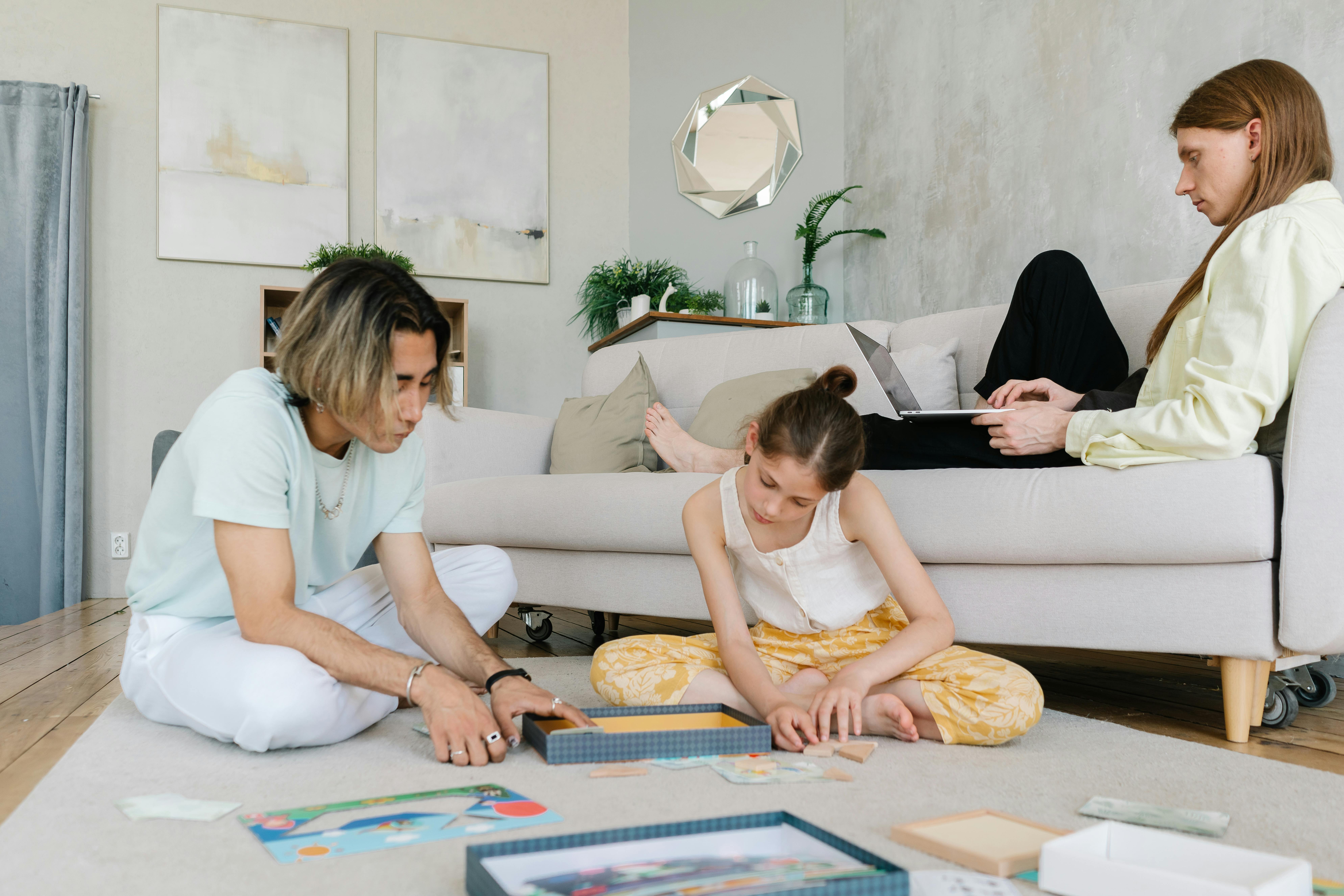
Play isn’t just a source of joy for kids; it’s a powerful tool for learning, especially when it comes to autism therapy. Think about it: play-based approaches in Applied Behavior Analysis (ABA) therapy create a unique space for children with autism to build essential skills in a fun and supportive environment. But as families look for effective strategies, a big question pops up: how can we use play to boost therapeutic outcomes and foster those meaningful connections?
Let’s dive into the world of play-based ABA therapy! It’s not just about having fun; it’s about unlocking profound benefits and discovering innovative methods that are shaping the future of autism care. Together, we can explore this journey and find ways to make a real difference!
At Rori Care, we believe that play is so much more than just fun; it's a vital part of learning, and with : what you need to know, this approach can greatly benefit kids with autism. By integrating play-based ABA therapy for autism: what you need to know into our treatment, we create an where young learners can pick up . This approach not only aligns with the principles of Applied Behavior Analysis but also makes therapy a .
Did you know that research shows 90% of young individuals see real improvements in their after ? That’s a powerful testament to the effectiveness of play-based strategies! Clinicians emphasize that incorporating play not only boosts learning outcomes but also fosters a supportive atmosphere, making the journey enjoyable for both kids and their families.
We also empower caregivers by providing them with the tools and knowledge they need to support their child's behavioral goals. Active involvement and data collection are key! When play is successfully integrated into play-based ABA therapy for autism: what you need to know, it can lead to for youth on the autism spectrum. Kids who receive consistent ABA intervention often find themselves achieving more autonomy as they transition into adulthood.
Starting treatment early can make a world of difference, too. It significantly enhances communication skills and reduces the severity of autism symptoms, highlighting just how crucial is. For , we recommend that kids engage in at least 25 hours of ABA treatment each week.
Let’s explore this together! We’re here to help you every step of the way!

Play is such a vital part of : what you need to know! It creates a where kids can explore, experiment, and really engage with their surroundings. In play-based ABA therapy for autism: what you need to know, therapists can introduce new concepts and reinforce skills they already have, making learning not just effective but also a lot of fun! 🎉
This approach doesn’t just boost ; it also supports emotional and social growth, helping young ones thrive in so many areas of their lives. At Rori Care, we really believe in the power of to enhance communication and relationships among peers. Plus, we provide , giving parents the tools they need to support their child’s development effectively.
And that’s not all! Rori Care also offers and supervision services, enriching the therapeutic experience even further. Together, these elements create a comprehensive approach that nurtures both individual and social skills. Let’s explore this journey together! We’re here to help you every step of the way!
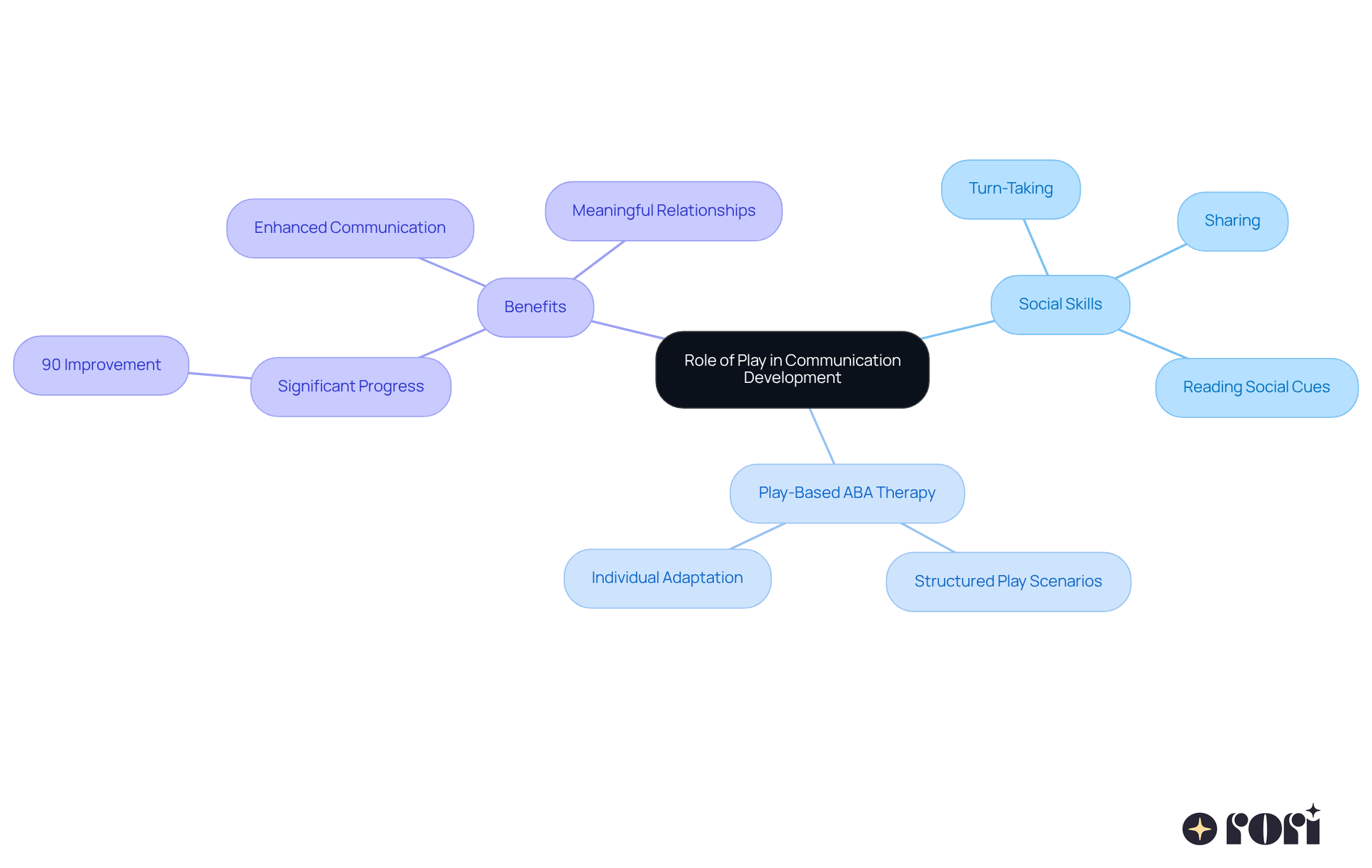
Play is such a wonderful way for individuals with autism to practice and boost their , and : what you need to know emphasizes this approach! 🌟 It aligns beautifully with the for autism: what you need to know. When kids engage in recreational activities, they get to practice turn-taking, sharing, and working together - skills that are so important for .
Imagine your child for autism: what you need to know, in a where they learn to read social cues, express their feelings, and connect with peers. This approach is all about being patient and adapting to each child's unique needs, which can really help them build . And here’s something remarkable: when the suggested hours of are fully embraced with active caregiver participation, a whopping 90% of youngsters show !
Let’s explore this together! If you’re a parent navigating these challenges, know that you’re not alone. We’re here to help you every step of the way!
Using games as a motivational tool is so important in ! When , kids are much more likely to jump in and get involved. By mixing in games, interactive activities, and letting children lead the play, therapists can create a fun and welcoming space that sparks curiosity and learning.
This not only boosts participation but also helps kids build a and support. Research shows that kids who engage in have fewer tantrums and challenges compared to traditional methods. This leads to better communication, social skills, and emotional regulation. Isn’t that amazing? Recreational treatment boasts an impressive 89% , which is way higher than the 47% seen in conventional counseling. This really highlights how during treatment sessions.
At Rori Care, we believe in empowering caregivers with the knowledge and skills to support their child’s . As parents navigate the ups and downs of raising a child with autism, understanding can be a game-changer in their treatment. Let’s explore this together! We’re here to help you every step of the way!

: what you need to know is such a vital tool for helping kids use their skills in real-life situations, right? It really encourages generalization! For example, think about . They give kids a chance to practice they might encounter outside of therapy, like those grocery store exchanges or playdates. By incorporating play-based ABA therapy for autism: what you need to know into fun play activities, kids can easily .
And let’s not forget about caregivers! When they understand , like reinforcement and prompting, they can really . This creates a consistent and nurturing environment that maximizes the impact of the intervention. Did you know that can boost social interaction skills in individuals with autism by 40%? That’s pretty impressive! Plus, around 70% of kids who regularly engage in role-playing activities show improvements in behavior and communication.
This not only builds confidence but also helps kids tackle daily situations with ease. So, let’s explore this together! If you’re curious about how to implement these strategies, we’re here to help you every step of the way!

Play is such a powerful tool for helping young individuals with autism become more emotionally flexible! Through play, kids can explore different feelings, practice , and learn how to manage their emotions in a safe space. When they engage in imaginative play, they get to express themselves freely, which really boosts their and resilience.
At Rori Care, we also offer that help kids improve their with their peers. This is a fantastic way to support their ! And let’s not forget about - it’s crucial. We equip parents with practical strategies to reinforce these skills at home, making a real difference in their child’s development.
Plus, we focus on program development and oversight to ensure that each is tailored to meet the unique needs of every child. This comprehensive approach is so important for the overall growth and well-being of young individuals. Let’s explore this together! We’re here to help you every step of the way!

It is crucial for parents to be involved in : what you need to know to reinforce the skills kids learn during sessions. When parents jump in, they can , give immediate feedback, and . This between therapist and family but also helps parents .
By working together, families can create a that really boosts the effectiveness of treatment. Research shows that when , kids tend to see better results, an important aspect highlighted in play-based ABA therapy for autism: what you need to know, including and the ability to use what they've learned in real-life situations. Plus, parents who take part in their child's treatment often feel more confident in their ability to support their development, which can lead to .
Let’s explore this together! Your involvement can , and we’re here to help you every step of the way!

Incorporating a mix of activities, like sensory experiences, , and structured games, can really boost the effectiveness of for autism: what you need to know. Every child has their own unique preferences and strengths, and using different allows therapists to tailor interventions to meet those personal needs.
Benefits of :
By mixing up activity strategies and empowering caregivers with ABA principles, therapists can create a more . This active involvement is essential in play-based ABA therapy for autism: what you need to know, as it leads to better outcomes for children with autism and helps caregivers make informed decisions that positively impact their progress. As Fred Rogers wisely said, 'Play is often talked about as if it were a relief from serious learning. But for young ones, play is essential learning.'
Let’s explore this together!

Monitoring progress in : what you need to know is crucial for determining the effectiveness of the intervention. After all, the patient is at the heart of everything we do! Therapists use to check in on a young person’s growth in key areas like communication, social skills, and .
Regular evaluations, like or how long they last, help practitioners tweak as needed. This way, they can stay in tune with the individual’s changing needs. Plus, this doesn’t just measure success; it also gives valuable insights for both parents and therapists.
Did you know that when the recommended hours are fully applied, about 90% of kids show ? With play-based ABA therapy for autism: what you need to know boasting an impressive success rate of over 89% for addressing autism spectrum disorder, it’s clear that is key to boosting treatment outcomes and fostering real progress.
Let’s explore this together! We’re here to help you every step of the way!

Exciting innovations are making the future of for autism: what you need to know look bright! Technologies like and are shaking things up in the therapeutic world, creating immersive and interactive environments that make learning fun. Research shows that VR can really boost engagement, helping individuals with autism practice and daily living tasks in a safe space. For example, studies have found that VR environments, like 'Bob's Fish Shop,' are great for teaching social skills while easing anxiety levels.
And there’s more! The use of AI in ABA support, especially for , is expected to free up 50% more time for treatment. This means therapists can focus more on providing . This approach combines play-centered methods with , highlighting play-based ABA therapy for autism: what you need to know to make treatment more effective and enjoyable for kids.
According to recent projections, the is set to grow at a compound annual growth rate (CAGR) of 12% from 2021 to 2028. This really highlights how much these are being recognized! By embracing these advancements, therapists at Rori Care can ensure their methods stay at the forefront of autism care, ultimately enriching the experiences of the children they support. Let’s explore this together!

Play-based ABA therapy for autism is such a refreshing approach! It beautifully combines learning with fun, showing us that therapy can be both effective and enjoyable. By tapping into the magic of play, this method not only boosts communication and social skills but also nurtures emotional growth and independence in our kids on the autism spectrum. When play is woven into therapy, it creates a warm environment where children can truly thrive and pick up essential life skills.
Throughout this article, we’ve explored some key insights that highlight the amazing benefits of play-based strategies. From encouraging social interactions and emotional flexibility to empowering parents and caregivers, the impact of play in ABA therapy is truly profound. Research shows that when kids engage in play-based interventions early and consistently, they can experience remarkable improvements - like a staggering 90% of children showing notable advancements in their skills! Plus, we can’t forget how crucial family involvement and diverse play types are in maximizing the effectiveness of these therapies.
As we look ahead, the field of ABA therapy is evolving, and embracing innovative techniques and technologies will only enhance the learning experience for our children with autism. The future of play-based therapy is bright, with exciting advancements on the horizon that promise to make interventions even more effective and enjoyable. By recognizing the vital role of play in learning and development, families and therapists can come together to create a supportive and enriching environment that empowers our children to reach their full potential.
Let’s explore this journey together! We’re here to help you every step of the way!
What is play-based ABA therapy for autism?
Play-based ABA therapy for autism is an approach that integrates play into the learning process, creating an engaging environment where children can naturally acquire essential skills while enjoying the therapeutic experience.
How effective is play-based ABA therapy?
Research indicates that 90% of young individuals experience improvements in communication and social skills after intensive ABA interventions, demonstrating the effectiveness of play-based strategies.
What benefits does play provide in ABA therapy?
Play fosters a natural learning environment, supports cognitive, emotional, and social growth, and enhances communication and relationships among peers, making therapy enjoyable and effective.
How does Rori Care support caregivers in the therapy process?
Rori Care empowers caregivers by providing them with tools and knowledge to support their child's behavioral goals, emphasizing the importance of active involvement and data collection.
What is the recommended amount of ABA treatment for optimal outcomes?
For the best outcomes, it is recommended that children engage in at least 25 hours of ABA treatment each week, especially when starting treatment early to enhance communication skills and reduce autism symptoms.
How does play-based ABA therapy help in developing social skills?
This therapy allows children to practice important social skills such as turn-taking, sharing, and teamwork during structured play scenarios, helping them read social cues and build meaningful relationships.
What additional services does Rori Care offer?
Rori Care offers program development and supervision services to enrich the therapeutic experience, alongside caregiver education to effectively support child development.