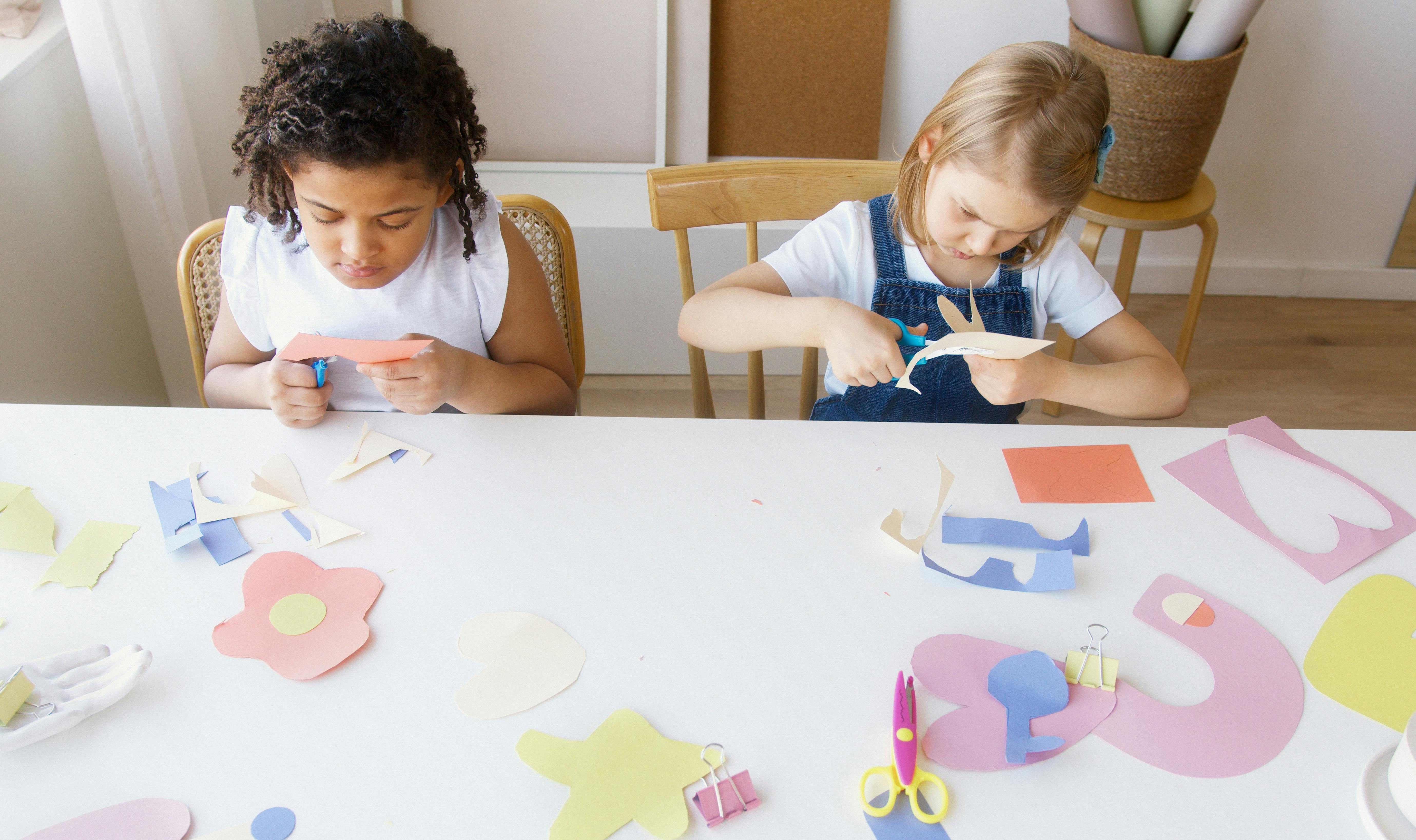
Navigating the complexities of meltdowns in children with autism can feel overwhelming for parents. With more than 80% of kids on the autism spectrum experiencing emotional ups and downs, it’s no wonder caregivers are eager for effective strategies. In this article, we’ll explore some practical parenting tips that not only aim to prevent meltdowns but also offer essential techniques for calming things down when emotions run high.
How can we turn those tough moments into opportunities for growth and connection? Let’s dive in together! We’re here to help you every step of the way!
For parents, meltdowns can be really tough, and they often look for , especially when they see their child overwhelmed by sensory overload or distress. These intense reactions are involuntary and can lead to , setting them apart from tantrums, which are usually about getting something specific. Did you know that over 80% of individuals with autism spectrum disorder (ASD) experience ? This can show up as irritability, aggression, or anxiety. Understanding this difference is crucial for parents, as it aids in responding with compassion during those challenging moments, particularly when utilizing .
Specialists emphasize that can help caregivers apply in children with autism. By using , like visual supports or , you can make informed choices that positively impact your child’s progress. When a meltdown happens, try to create a and pay attention to your child’s emotional state. Remember, your involvement can lead to more effective and lasting improvements in behavior.
Let’s explore this together! By understanding these challenges, we can foster a nurturing atmosphere for our kids. If you have any thoughts or experiences to share, we’d love to hear from you!

Meltdowns in autistic children can often be triggered by - think loud noises, bright lights, or even crowded spaces. Changes in routine or unexpected transitions can also set things off. Keeping track of these triggers can really help caregivers anticipate and reduce potential meltdowns, as highlighted in .
One effective way to tackle these challenges is through . This patient-centered approach is adaptable, making it a great fit for many families. Research shows that when parents actively participate in the , about 90% of youths experience . Isn’t that encouraging?
plays a crucial role in enhancing learning, verbal, and social skills. It’s all about helping individuals more successfully. So, let’s explore this together! If you’re feeling overwhelmed, remember, you’re not alone, and there are every step of the way!

For individuals with autism, creating a consistent daily routine is one of the valuable . It brings a sense of predictability that can really help reduce anxiety. Research highlights that implementing , such as establishing , can help kids manage sensory input and navigate their surroundings more effectively, easing feelings of uncertainty. are a fantastic tool in this journey, allowing young ones to see their day and understand what activities are lined up. This clarity not only boosts their ability to follow routines but also encourages independence, helping them manage their time on their own.
Studies have found that using can contribute to by reducing anxiety, aggression, and avoidance behaviors. By providing clear visual cues, these schedules serve as valuable , helping kids anticipate transitions and mentally prepare for upcoming changes, which is . Plus, visual aids are recognized as a research-backed method that can be tailored to meet individual needs, ensuring that everyone benefits from a personalized approach.
Psychologists who work with children emphasize that highlight the crucial role of predictability for these individuals. Organized routines create a where meaningful interactions can flourish. By weaving into daily life, parents can apply parenting tips for preventing and de-escalating meltdowns in children with autism, empowering their children to engage more confidently with their surroundings. Implementing parenting tips for preventing and de-escalating meltdowns in children with autism can lead to better and a stronger sense of control over their experiences. With 1 in 36 young individuals diagnosed with autism as of 2023, these strategies are more important than ever. Research indicates that social-emotional health can improve by 47% over time with , showcasing the benefits of .
This approach aligns beautifully with the offered by Rori Care, designed to support individuals of all ages facing behavioral challenges, including those with Autism Spectrum Disorders. To get started, parents can implement parenting tips for preventing and de-escalating meltdowns in children with autism by that outlines daily activities, helping their children anticipate and prepare for transitions. Let’s explore this together!

Sensory tools like fidget toys, , and noise-canceling headphones can be real game-changers for young people dealing with sensory overload. They not only offer comfort but also fit nicely into a . For instance, research shows that , though their effectiveness can vary from one child to another.
of selecting the right sensory tools tailored to each child's unique . Take , for example - they’ve been found to . And let’s not forget about .
Incorporating these sensory tools into daily life can serve as effective , making a big difference in how a young person handles tough situations. It’s all about finding what works best for them, including , leading to better management of meltdowns. So, let’s explore this together and see how these tools can support your child!

Helping our kids with autism manage their emotions can feel like a big task, but it’s so important! Self-regulation strategies, like , counting, and using visual tools, can really make a difference. Research shows that not only helps calm those overwhelming feelings in the moment but also improves over time. For example, studies have found that can lower heart rates and cortisol levels, creating a calmer state that helps with decision-making when things get tough.
Incorporating these techniques into daily routines can really boost a young person’s ability to handle stress. Regularly practicing exercises, like the 4-7-8 technique - where you inhale for a count of 4, hold for 7, and exhale for 8 - can help foster a sense of calm and stability. , can also be super helpful for kids to recognize their feelings and choose the right coping strategies.
Behavioral therapists often stress the when teaching these skills. By incorporating into everyday activities, parents can help their kids develop the tools they need for emotional control, which can lead to fewer meltdowns. Plus, educating caregivers is key! When caregivers understand better, they can make informed choices that positively impact their child’s progress. This active involvement not only boosts the effectiveness of these techniques but also empowers caregivers, reducing stress and improving family dynamics. For instance, caregivers can practice these techniques with their kids, reinforcing learning and providing support during tough times. As Liane Holliday Willey wisely says, awareness is the first step to acceptance, and that’s crucial for managing autism effectively.
Let’s explore this together! We’re here to help you every step of the way!

After a meltdown, it’s super important to involve your kid in , which are part of , to help them bounce back emotionally. Think about things like:
These can really create a peaceful vibe. Give your little one the time they need to recover without the pressure to talk about what happened right away. This can make it easier for them to get back to feeling stable. Research indicates that suggest that meltdowns often happen when a child’s demands exceed their ability to cope, making .
yourself during these moments, which aligns with . For example, suggesting can help your child feel safe and understood. Susan Kelso points out that a shutdown is a protective response, which is why . Plus, having a is essential. This area should be free from overwhelming distractions, allowing them to process their feelings at their own pace. , like playing with sensory toys or diving into creative projects, can also help them feel a sense of normalcy and comfort.
By incorporating , you’re not just supporting your child’s recovery; you’re also strengthening that special bond between you two, building a sense of security and trust. Remember, as parents, we need to guide our kids out of chaos, . The goal here is to and be there for them as they navigate through their emotions. Let’s explore this together!

Creating a safe space for your kids to share their feelings is so important! 🌟 Tools like can really help them recognize and express what they’re feeling. Research shows that these charts not only but also empower them to communicate more effectively. Youth psychologists highlight that feeling charts encourage open conversations, making it easier for kids to .
By incorporating these visual tools into daily routines, you can utilize effective , helping your little ones identify and articulate their feelings to reduce emotional outbursts. This proactive approach provides valuable , which not only supports emotional regulation but also , fostering deeper connections and understanding.
At Rori Care, our clinical leadership team is all about embracing neurodiversity and supporting youth success. We offer parents , including:
to . Let’s explore this together! We’re here to help you every step of the way!
At Rori Care, we understand that every child is unique, and that’s why we specialize in . Our passionate clinicians are here to guide your family through a journey filled with compassion and understanding. We focus on developing , which can significantly and reduce the frequency and intensity of meltdowns, offering valuable in children with autism.
Research shows that young individuals who receive customized ABA interventions often experience better . These tools are essential for navigating life’s challenges. Just think about it: when your child feels equipped to handle tough situations, it can lead to a more harmonious home environment.
Success stories from families at Rori Care highlight how our tailored strategies empower both children and parents. Our emphasize that the effectiveness of ABA therapy really shines when strategies are personalized. This ensures that each child’s specific challenges are met with precision and care.
With an impressive , our not only enhances emotional regulation but also supports long-term developmental outcomes. And remember, ! The sooner you begin, the better the outcomes can be. So, if you’re looking for , Rori Care’s comprehensive approach could be just what your family needs. Let’s explore this together!

Meltdowns can be tough, can’t they? During these moments, it’s so important to . Just remember to and reassure them that it’s perfectly okay to . This simple approach helps create a .
If you’re feeling a bit lost, don’t hesitate to reach out for help! A ’s can offer you . Together, we can . Let’s explore this together!
Joining assistance groups or online communities can really enhance the parenting journey for those raising autistic children. Did you know that about 66.4% of caregivers have participated in ? That just shows how common and impactful these communities can be! These platforms are like treasure troves of knowledge, offering shared experiences that help caregivers develop .
When parents connect in these communities, they often share and , which fosters resilience and a sense of belonging. Plus, take this experience a step further by giving guardians a deeper understanding of . This knowledge empowers them to make informed decisions that can positively influence their child's progress. As one guardian advocate beautifully put it, " for guidance and understanding."
By connecting with others who truly understand their journey, caregivers can uncover in children with autism. So, why not take that first step? Consider joining local like Facebook groups or dedicated forums where parents share their experiences and strategies. Let’s explore this together!

Understanding and managing meltdowns in children with autism can feel like a journey filled with ups and downs. It takes patience, empathy, and some effective strategies. Throughout this article, we’ve highlighted how important it is to recognize that meltdowns are involuntary, different from tantrums, and how proactive measures can help prevent and de-escalate these challenging moments. By creating a nurturing environment and using tailored techniques, you can really make a difference in your child's emotional regulation and overall well-being.
Let’s talk about some key strategies! Identifying common triggers, establishing predictable routines, and using sensory tools can help your child navigate those overwhelming situations. Plus, teaching self-regulation techniques and encouraging open conversations about feelings can empower your little one to express themselves more effectively. Resources like Rori Care's personalized ABA therapy offer invaluable support tailored to each child's unique needs, enhancing their ability to cope with life's challenges.
Ultimately, embracing these parenting tips not only helps manage meltdowns but also strengthens the bond between you and your child. Connecting with supportive communities and sharing experiences can cultivate resilience and remind you that you’re not alone in this journey. Taking proactive steps today can lead to a more harmonious and understanding environment for children with autism, paving the way for their success and happiness. Let’s explore this together!
What is the difference between meltdowns and tantrums in children with autism?
Meltdowns are involuntary reactions often triggered by sensory overload or distress, leading to significant distress for the child. In contrast, tantrums are typically about trying to get something specific. Understanding this difference helps parents respond with compassion during challenging moments.
What percentage of individuals with autism experience emotional dysregulation?
Over 80% of individuals with autism spectrum disorder (ASD) experience emotional dysregulation, which can manifest as irritability, aggression, or anxiety.
How can caregivers prevent and de-escalate meltdowns in children with autism?
Caregivers can prevent and de-escalate meltdowns by recognizing their involuntary nature and applying effective strategies from Applied Behavior Analysis (ABA), such as using visual supports and calming techniques, and creating a calm environment during a meltdown.
What are common triggers of meltdowns in autistic children?
Common triggers include sensory overload from loud noises, bright lights, crowded spaces, changes in routine, or unexpected transitions.
What is the role of Applied Behavior Analysis (ABA) therapy in managing meltdowns?
ABA therapy is a patient-centered approach that can significantly improve outcomes for autistic children when parents actively participate. Research indicates that about 90% of youths experience significant improvements with recommended ABA therapy.
How can establishing predictable routines help children with autism?
Creating a consistent daily routine provides predictability, which can reduce anxiety and help children manage sensory input. This predictability allows children to navigate their surroundings more effectively.
What is the benefit of using visual schedules for children with autism?
Visual schedules help children understand their daily activities, reduce anxiety, and prepare for transitions. They are a research-backed method that can lead to better emotional regulation and a stronger sense of control over experiences.
How has the diagnosis rate of autism changed recently?
As of 2023, 1 in 36 young individuals is diagnosed with autism, highlighting the importance of strategies for managing meltdowns and supporting emotional health.
What impact do structured routines have on social-emotional health?
Research indicates that social-emotional health can improve by 47% over time with structure and consistency in daily routines, showcasing the benefits of predictable routines for children with autism.