Play is so much more than just a pastime; it’s a powerful catalyst for learning and development, especially for children on the autism spectrum. By weaving in play-based ABA techniques into autism interventions, caregivers and therapists can create enriching environments that really foster communication, social skills, and emotional growth.
But here’s the thing: how can families effectively navigate these innovative techniques to ensure their child thrives? 🤔 This article dives into ten engaging play-based strategies that not only enhance learning experiences but also empower parents and caregivers in their vital roles. Let’s explore this together!
At Rori Behavioral Innovations Inc., we’re all about blending with our practices. Why? Because play is a fantastic way for little ones to learn and grow! By tapping into the natural joy of play, Rori Care creates that encourage . It’s not just about learning; it’s about making the journey enjoyable and effective, especially for individuals with autism.
Research shows that when are incorporated into treatment, kids often see . Studies have found that children engaged in tend to have and adaptive behaviors. As we look ahead to 2026, it’s clear that [play-based ABA techniques for autism intervention](https://rori.care/ai-behavior-analysis) emphasize . Play isn’t just a break from learning; it’s a vital part of it!
Let’s explore this together! If you’re a parent navigating these waters, know that you’re not alone. We’re here to !

is a fantastic way for young learners to explore their daily surroundings, making learning feel more meaningful and engaging. By weaving play into these natural settings, therapists can teach like in environments that kids are already familiar with. For instance, using toys during playtime not only boosts language skills but also helps children pick up on social cues, turning learning into a fun and practical experience.
Research shows that when kids lead their own learning in NET, their motivation and engagement soar! They’re much more likely to jump in and participate when activities resonate with their interests. This approach fosters natural learning experiences, allowing kids to apply their skills in real-life situations - like identifying objects while playing or interacting with peers during group activities.
By guiding play, NET not only supports learning but also encourages and situations. As Faheema Abdool-Ghany, PhD, points out, "NET highlights throughout daily routines and play, making skills more relevant and engaging."
Unlike Discrete Trial Training (DTT), which is more structured and adult-led, NET is flexible and spontaneous, fitting seamlessly into everyday activities. This makes a popular choice for many families with children on the autism spectrum. Plus, Rori Care offers led by trained therapists, enhancing communication and relationships among youth through and peer engagement.
is also a vital part of the process, empowering parents with ABA principles and strategies to support their child’s behavioral goals. And here’s something reassuring: Rori Care uses automatic data gathering during clinical sessions, ensuring that all information is securely stored, anonymized, and removed after analysis. This allows caregivers to focus on their child’s progress without any distractions.
Let’s explore this together! We’re here to !
is such a wonderful way for kids to explore different roles and scenarios! It really boosts their creativity and helps them develop . When children engage in activities like role-playing or storytelling, they get to express their thoughts and see things from different perspectives. For example, using puppets or dolls during playtime can be a fun way to practice interactions, which fosters empathy and understanding.
Research shows that isn’t just about having fun; it’s a . It nurtures and enhances interpersonal skills. However, many children on the autism spectrum face , highlighting the importance of . They might struggle to understand social cues or engage in back-and-forth interactions, which can make communication tough.
But here’s the good news! By incorporating into treatment sessions, clinicians can create a lively learning environment that encourages creativity and social interaction. Plus, , led by trained therapists at Rori Care, can really help improve these interactions, building stronger relationships among peers.
And let’s not forget about the role of ! It’s so important for families to have strategies that support their child’s development and help them navigate challenges. This comprehensive approach can lead to . Let’s explore this together!

play a vital role in helping individuals with autism navigate sensory processing challenges. Think about it: like , water play, or exploring different textures can create calming experiences and boost . For example, a sensory bin filled with rice or beans allows little ones to discover various textures while also developing their .
Did you know that up to 90% of individuals diagnosed with autism spectrum disorder face ? That’s why these activities are so important for their growth! By weaving these activities into , we not only address sensory needs but also spark engagement and learning. It’s a win-win!
At Rori Care, we’re all about empowering caregivers with the knowledge and skills to support their children’s behavioral goals. By actively participating and collecting data, caregivers can really enhance the impact of these . As occupational therapist Beth A. Pfeiffer puts it, "The SI approach is frequently utilized with ," highlighting just how essential sensory play is in therapeutic practices.
So, how can you bring sensory activities into your home? Start by creating a sensory bin filled with various materials and encourage your child to explore. This not only but also helps with fine motor development. At Rori Care, our underscores the importance of these methods. Let’s explore this together!

Board games can be a fantastic way to teach essential to kids with autism! 🎲 They provide a fun and structured environment where children can learn about turn-taking, cooperation, and strategic thinking. Imagine playing games like 'Uno' or 'Connect Four' - not only do they encourage patience and communication, but they also create a joyful learning atmosphere.
Recent studies show that incorporating board games into counseling sessions can significantly development. Kids who participate often show improved interaction abilities and emotional understanding. It’s important to remember that these games aren’t just for fun; they’re and boosting confidence in young people.
When therapists utilize for autism intervention by including , they create a relaxed and engaging way to promote . This approach helps kids grow and become more independent. Plus, led by trained professionals can enhance these interactions, fostering better relationships among peers.
And let’s not forget about the role of caregivers! Providing them with knowledge and tools to support their child’s through active participation can really . Together, we can create a nurturing environment that supports growth and development. Let’s explore this journey together!
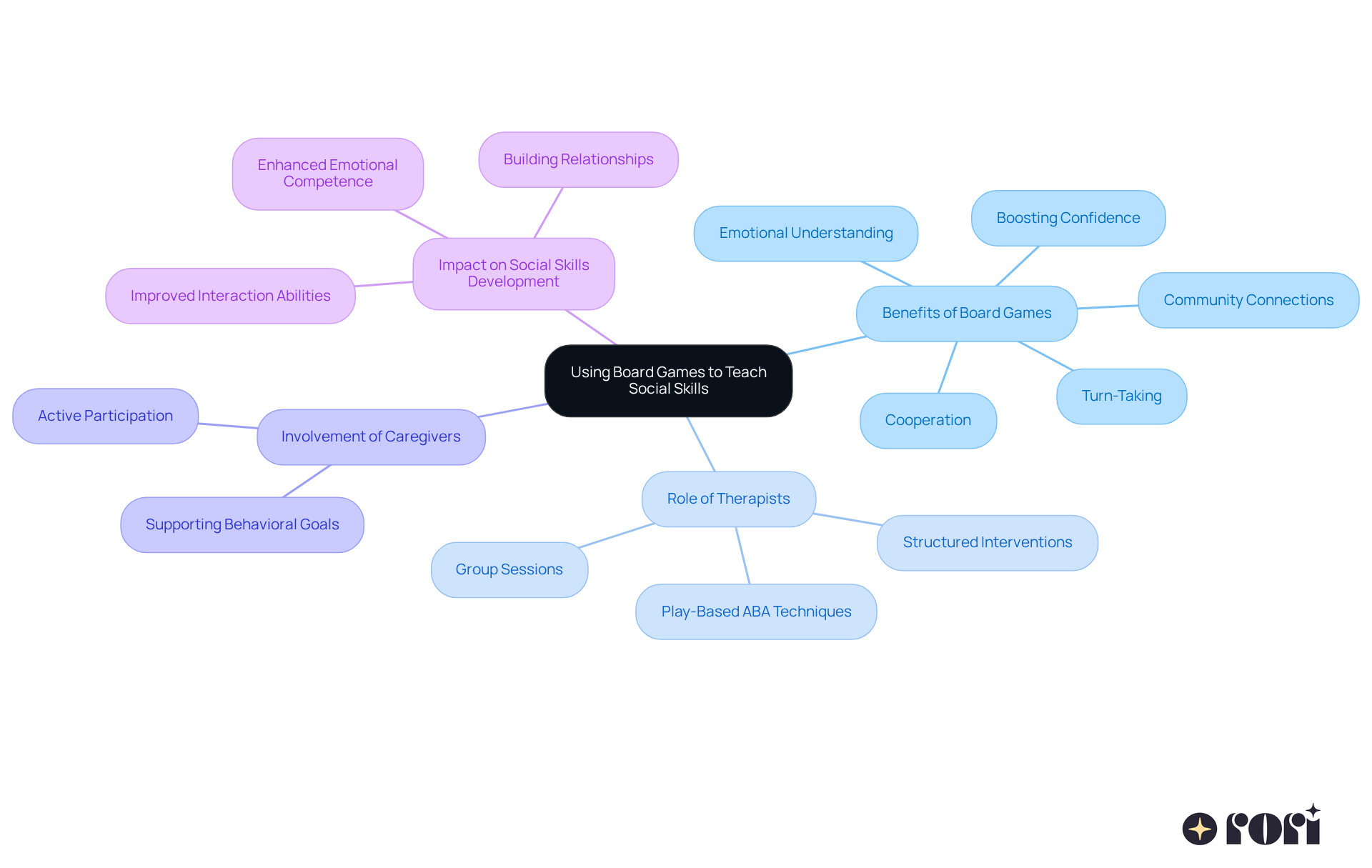
is key to making ABA treatment as effective as possible. When parents join in on therapy sessions and at home, they help kids in different settings. Think about playtime-activities like role-playing or board games can really boost those important !
Research shows that when parents take an , the results can be fantastic. Studies have found improvements in kids' and . Plus, keeping the lines of communication open between parents and therapists ensures everyone is on the same page, creating a that enhances learning.
Family therapists often point out that when parents are actively engaged, they not only strengthen the but also create a that encourages their child's growth and independence. So, let’s explore this together! We’re here to help you every step of the way!

Building blocks and puzzles are fantastic tools for helping kids with autism improve their problem-solving skills! 🧩 When children engage in block play, they not only boost their and creativity but also get excited about exploring their surroundings. It’s a wonderful way to nurture , too.
Now, let’s talk about puzzles. They’re great for . Imagine your child working alongside a friend on a puzzle - what a great opportunity to learn patience and perseverance as they tackle challenges together! By weaving into therapy sessions, clinicians can create fun and that really support .
And here’s something important: , they feel more empowered. They gain the tools to make informed choices that positively impact their child’s progress. This active involvement leads to , as caregivers can effectively support their kids during these activities.
So, let’s explore this together! If you’re looking for ways to enhance your child’s learning experience, consider incorporating these playful activities into your routine. We’re here to help you every step of the way!

are so important for helping individuals with autism grow emotionally. Guided play gives kids a chance to express their feelings, explore emotions, and learn essential coping strategies. Think about how role-playing or creative activities, like using art materials, . For instance, when kids participate in storytelling with puppets, they can share their feelings, which helps them manage complex emotions more easily.
Research shows that , with noticeable reductions in irritability and hyperactivity by session sixteen. By integrating into sessions, therapists can enhance , leading to significant progress in children's emotional growth. Child therapists often highlight that not only encourage emotional expression but also , making them a vital part of autism intervention.
is key! It empowers parents to support and create a nurturing environment. Plus, equip parents with the knowledge and skills they need to provide consistent support, resulting in better behavioral outcomes and improved family dynamics. Let’s explore this together! We’re here to !

Incorporating technology into can significantly . Think about it: interactive apps, educational games, and even virtual reality can create fun, and learning styles. For example, a tablet app like Proloquo2Go helps non-verbal kids express their needs, making learning not just effective but enjoyable too!
Research shows that kids using often see amazing improvements in their communication and social skills. In fact, studies have found that 12 out of 14 randomized controlled trials reported among participants using these tech tools, as highlighted in the Journal of Autism and Developmental Disorders. Plus, Rori Care's , led by trained professionals, really help enhance social interactions and communication in a group setting, building better relationships and confidence.
By blending technology into counseling sessions while keeping traditional methods in mind, practitioners can create tailored experiences that utilize for autism intervention to meet each child's specific needs. This approach not only boosts engagement but also leads to . And let’s not forget about empowering caregivers! and strategies can really enhance their ability to support their children's behavioral goals, leading to improved outcomes and informed decision-making.
So, let’s explore this together! If you’re curious about how technology can make a difference, don’t hesitate to reach out for more resources or support. We’re here to help you every step of the way!

are so much more than just picking up new skills; they open the door to a world of . When children engage in play, they’re not just having fun - they’re boosting their communication, social skills, and . Plus, it sparks creativity, problem-solving, and - essential ingredients for their overall growth.
By creating a fun and engaging learning environment, [ for autism intervention](https://rori.care/post/4-steps-to-master-response-chaining-in-aba-therapy-for-your-child) help children build confidence and a readiness to tackle new challenges. It’s all about thriving, not just surviving, on their developmental journey! And let’s not forget the importance of parents getting involved. When families participate in [[play-based ABA techniques for autism intervention](https://buildingblockstherapy.org/blog/the-benefits-of-play-based-therapy-for-children-with-autism)](https://rori.care/post/4-steps-to-master-response-chaining-in-aba-therapy-for-your-child), they strengthen the for their little ones, helping reinforce what they learn at home and enhancing their overall development.
, led by skilled therapists, takes this a step further. It provides a fantastic opportunity for kids to practice their social interactions and communication in a group setting, leading to . And and strategies is key! It helps them support their children’s behavioral goals, leading to informed choices and better outcomes.
So, let’s explore this together! We’re here to help you every step of the way!

Play-based ABA techniques for autism intervention offer a wonderful way to use the power of play to help children with autism learn and grow. By weaving play into therapy, these methods not only make learning fun but also help kids develop essential skills like communication, social interaction, and emotional regulation. It’s important to remember that play isn’t just a break from learning; it’s a vital part of effective autism therapy.
In this article, we’ve explored various play-based strategies, such as:
Each of these techniques plays a unique role in boosting children’s skills and tackling their specific challenges. For instance, imaginative play sparks creativity, while building blocks and puzzles enhance problem-solving abilities. And let’s not forget how crucial parental involvement is in this journey! When parents actively participate, it significantly boosts learning outcomes and supports their children’s development.
Ultimately, embracing play-based ABA techniques enriches the therapeutic experience and empowers children with autism to thrive socially and emotionally. As families navigate this path, the teamwork between caregivers and therapists ensures that kids get the support they need to flourish. By prioritizing play in autism intervention, we’re paving the way for a brighter future for individuals on the spectrum, showcasing the incredible impact of play on their overall development.
So, let’s explore this together! If you’re looking for ways to incorporate play into your child’s learning, remember that you’re not alone. We’re here to help you every step of the way!
What is Rori Care's approach to ABA therapy for autism?
Rori Care blends play-based ABA techniques with autism intervention, utilizing the natural joy of play to create therapeutic spaces that encourage communication, social skills, and emotional development.
How do play-based ABA techniques benefit children with autism?
Research shows that incorporating play-based ABA techniques leads to significant improvements in communication skills and adaptive behaviors in children.
What is Natural Environment Teaching (NET) and how does it enhance learning?
NET is a method that allows young learners to explore their daily surroundings through play, making learning more meaningful and engaging. It helps teach essential skills like communication and interaction in familiar environments.
How does child-initiated learning in NET affect children's motivation?
When children lead their own learning in NET, their motivation and engagement increase, making them more likely to participate in activities that resonate with their interests.
What is the difference between Natural Environment Teaching (NET) and Discrete Trial Training (DTT)?
NET is flexible and spontaneous, fitting seamlessly into everyday activities, while DTT is more structured and adult-led.
How does Rori Care support social skills development?
Rori Care offers social skills group therapy led by trained therapists, enhancing communication and relationships among youth through structured interactions and peer engagement.
What role do caregivers play in the process at Rori Care?
Educating caregivers is vital, empowering them with ABA principles and strategies to support their child's behavioral goals.
How does Rori Care ensure the security of data collected during sessions?
Rori Care uses automatic data gathering during clinical sessions, ensuring that all information is securely stored, anonymized, and removed after analysis.
What is the significance of imaginative play in child development?
Imaginative play boosts creativity and helps children develop important social skills, allowing them to explore different roles and perspectives.
How can play-based ABA techniques help children who struggle with pretend play?
By incorporating play-based techniques into treatment sessions, clinicians create a lively learning environment that encourages creativity and social interaction, helping children overcome challenges with pretend play.