Understanding and addressing sensory sensitivities in children can be quite the challenge for many families. But with the right tools and resources, caregivers can really help their kids navigate a world that often feels overwhelming. 🌍
This article dives into ten essential strategies - from personalized therapy approaches to creating sensory-friendly environments - that empower children with sensory sensitivities to thrive. But what happens when traditional methods just don’t cut it? Exploring innovative solutions might just hold the key to a brighter, more comfortable future for these young individuals. Let’s explore this together!
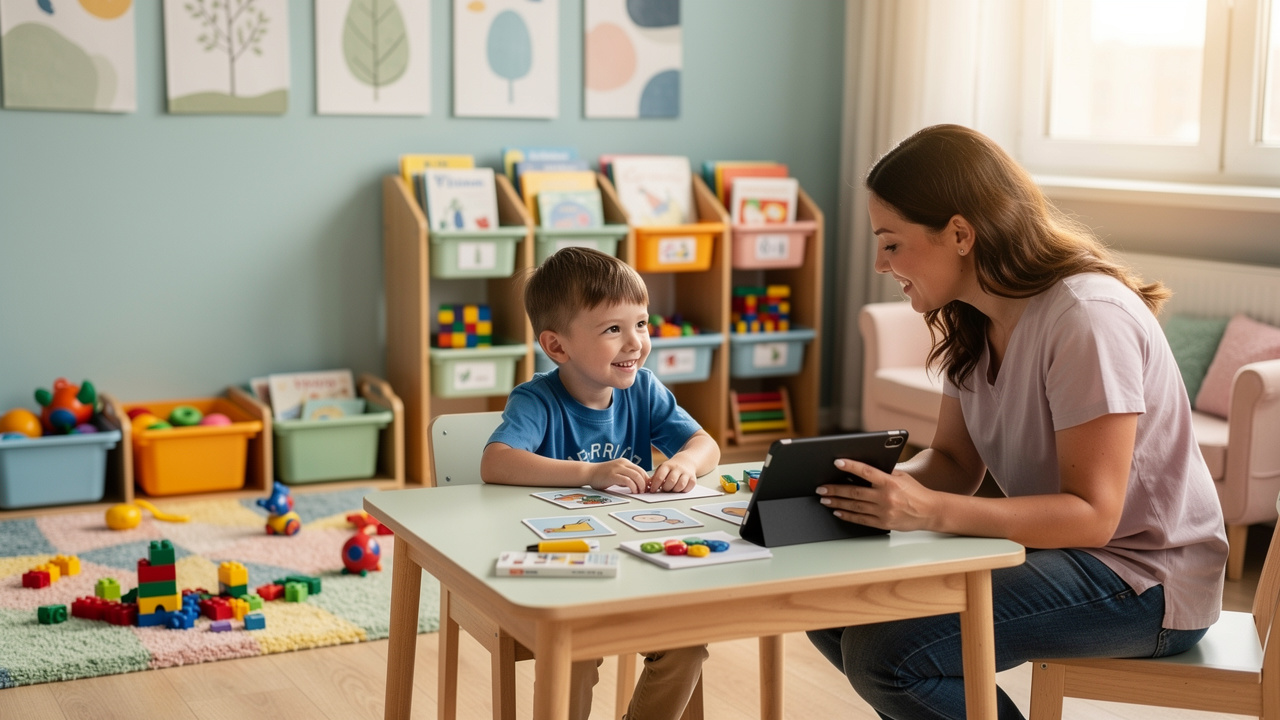
At Rori Behavioral Innovations Inc., we understand that parenting a child with heightened sensitivities can be quite a journey. That’s why we focus on ABA therapy tailored just for them. It all begins with a thorough assessment to pinpoint each child’s unique perceptual needs.
Our clinicians use data-driven approaches to craft personalized treatment plans that blend integration techniques, making therapy both effective and comfortable. Research shows that when treatment strategies are individualized, young ones facing processing challenges see significant improvements.
This focused support offers supportive tools and resources for children with sensory sensitivities, helping them manage their sensory perceptions better and leading to enhanced behavior and social skills. With an impressive success rate of over 89% in ABA therapy, Rori’s approach truly highlights the power of customized interventions in nurturing independence and social competence.
Let’s explore this together! We’re here to help you every step of the way!

Understanding sensory processing evaluations is key to recognizing the unique needs of every child. Supportive tools and resources for children with sensory sensitivities, such as the Sensory Profile and Sensory Integration and Praxis Tests (SIPT), help clinicians understand how kids respond to sensory stimuli. This is where the magic happens! These evaluations guide the creation of supportive tools and resources for children with sensory sensitivities, ensuring that tailored interventions address specific sensitivities and align with each child’s experiences and challenges.
But it doesn’t stop there! By equipping caregivers with ABA principles and techniques, we boost their ability to support their child’s behavioral goals. When caregivers actively participate in the assessment process and grasp the interventions, they can make informed decisions. This leads to better support and improved behavioral outcomes, creating a more nurturing home environment.
Let’s explore this together! Your involvement can make a world of difference!

Occupational therapy (OT) is such a valuable resource for young people facing processing difficulties. It helps them connect with their surroundings in a safe and manageable way. One of the key tools in OT is sensory plans. These plans include specific activities that provide the sensory input kids need throughout their day. Each plan is tailored to meet the unique perceptual needs of the child, addressing different sensory systems like touch, sound, and sight.
Research shows that these tailored plans can really boost a child’s ability to manage themselves and engage in daily tasks. For instance, kids who participate in OT often see improvements in how they handle sensory experiences, their attention spans, and their overall behavior. Occupational therapists start with thorough evaluations, which might include questionnaires and direct observations, to ensure the strategies they use are effective and relevant.
As occupational therapists often point out, the success of these sensory strategies hinges on flexibility and teamwork among therapists, caregivers, and educators. Regular check-ins and adaptable planning are essential to maintain the benefits of these plans and support the child’s ongoing development. By weaving experiential activities into daily routines, kids learn to manage their reactions better, leading to improved emotional stability and social interactions.
In short, OT provides crucial support and offers supportive tools and resources for children with sensory sensitivities through personalized approaches like sensory plans. These plans aim to enhance sensory regulation and boost participation in everyday activities. Let’s explore this together! If you’re curious about how OT can help your child, don’t hesitate to reach out!

Creating supportive tools and resources for children with sensory sensitivities is essential. Think about it: soft lighting can really help reduce glare, and cutting down on background noise makes for a calm atmosphere. Plus, having supportive tools and resources for children with sensory sensitivities, including tactile materials, can provide comfort and keep them engaged.
Designating quiet areas serves as supportive tools and resources for children with sensory sensitivities! It gives kids a safe spot to retreat to when they’re feeling overwhelmed, which is one of the supportive tools and resources for children with sensory sensitivities that really helps them feel secure. Did you know that research shows 30% of teachers working with autistic students believe sensory differences impact learning all the time? That really highlights how necessary supportive tools and resources for children with sensory sensitivities are.
And there’s more! Educators have noticed that sensory-friendly areas function as supportive tools and resources for children with sensory sensitivities, boosting interactions among young learners and creating a more supportive learning environment. This ultimately helps with their overall development. As Unwin et al. pointed out, Multi-Sensory Environments can really facilitate behavioral change, opening up new learning opportunities for our kids.
Let’s explore this together! We’re here to help you every step of the way!

Sensory integration therapy (SIT) is designed to help kids process and respond to the world around them more effectively. Through fun, structured activities that engage their senses - like balance, movement, sound, and touch - young learners can better manage their sensory experiences. Research shows that SIT can really boost attention and lower anxiety, leading to a more fulfilling daily life. For instance, studies reveal that SIT has a standardized mean difference (SMD) of 0.62 in improving daily functioning, which means kids can navigate their surroundings with greater ease.
At Rori Care, we truly believe in the power of personalized treatment plans. We constantly refine these plans based on progress reports and updates from our behavior care engine after each session. It’s exciting to note that about 90% of kids show significant progress when they fully engage in the recommended hours with active caregiver involvement. However, diagnosing perceptual processing disorders can be tricky, and research on SIT's effectiveness has shown mixed results.
Many practitioners find that these structured activities act as supportive tools and resources for children with sensory sensitivities, helping kids develop better coping strategies and encouraging them to engage more fully with their environment. One therapist shared that incorporating experiential stimuli into therapy is crucial for fostering adaptive responses, ultimately supporting the growth and development of young individuals.
So, if you’re navigating this journey, remember - you’re not alone! Let’s explore this together and find the best ways to support your child!

Mindfulness techniques can serve as supportive tools and resources for children with sensory sensitivities to help them manage sensory overload. Think about practices like deep breathing, guided imagery, and body scans. These can really help kids focus on the present moment and ease their anxiety. Research shows that mindfulness can significantly improve emotional regulation, with a reported effect size of 0.43 for young people. By regularly engaging in mindfulness activities, kids can build resilience, making it easier for them to handle overwhelming sensory experiences.
As Jon Kabat-Zinn beautifully puts it, "Mindfulness is the capacity to perceive our world clearly, without adulteration or manipulation." So, how can parents weave these techniques into daily life? It could be as simple as:
This proactive approach not only helps with sensory control but also includes supportive tools and resources for children with sensory sensitivities, promoting a calmer, more balanced emotional state.
Let’s explore this together! By incorporating mindfulness into your routine, you’re not just helping your child; you’re also creating a peaceful environment for the whole family.

Parent assistance groups are a lifeline for families with kids who have sensory sensitivities. They offer a wonderful space for sharing experiences, strategies, and resources. These groups create a sense of community, helping to ease feelings of isolation that many parents face. Did you know that about 66.4% of caregivers in Pennsylvania have joined autism-specific assistance groups? This really shows how much people value the support they provide. One mother shared, 'After joining a local group, I felt less isolated and more capable of advocating for my offspring’s needs at school.' Isn’t that inspiring?
Support groups often host workshops and discussions that equip parents with valuable resources and information. For instance, parents learn how to set up organized routines at home, which can help kids transition more smoothly between activities. This sharing of strategies not only boosts parenting skills but also offers emotional support, creating a safe space for parents to talk about their challenges without fear of judgment.
Research shows that being part of these groups can lead to greater parenting satisfaction and improved emotional well-being, which ultimately benefits the kids. Engaging in parent-to-parent support has been shown to significantly lower anxiety and stress levels, allowing parents to model healthier stress management for their children. One father mentioned, 'Using structured routines at home learned from other parents helped my son transition more smoothly between activities.' How great is that?
Lately, there’s been a growing emphasis on community support for parents of kids with processing difficulties. Many organizations are now offering online platforms to fit into busy schedules. This flexibility ensures that more parents can access supportive tools and resources for children with sensory sensitivities, highlighting the importance of community connections and caregiver empowerment in navigating the challenges of raising kids.
Additionally, learning about ABA principles, like reinforcement strategies and behavior modification techniques, can really enhance the support parents provide at home. This knowledge complements professional interventions and helps maintain consistency. With a better grasp of these principles, caregivers can make informed choices that positively impact their children’s development.
Let’s explore this together! We’re here to help you every step of the way!

Technological tools can truly assist in offering supportive tools and resources for children with sensory sensitivities. And let’s not forget, caregiver education is key to making these tools work even better! Apps designed for regulation can offer soothing sounds, visual schedules, and fun activities that help young ones navigate their daily experiences. For instance, the Regul-A app is all about boosting participation in everyday tasks by using personalized strategies. It shows great promise in making kids feel more engaged and comfortable.
But it doesn’t stop there! Caregivers can really benefit from training on how to use these apps effectively and weave them into daily routines. This way, everyone’s on the same page, which is super important. Plus, wearable devices can track how kids respond to different stimuli, giving parents and clinicians the chance to tailor interventions just right.
By equipping caregivers with the right knowledge and skills, families can make the most of these technologies. This leads to better outcomes for kids with heightened sensitivities by utilizing supportive tools and resources for children with sensory sensitivities. When we combine caregiver involvement with innovative tools, we’re not just improving support; we’re also enhancing decision-making and, ultimately, the behavioral outcomes for individuals with autism. Let’s explore this together!

Learning materials are crucial for parents and teachers who wish to understand sensitivity issues and provide supportive tools and resources for children with sensory sensitivities to help them thrive. Think about it: thorough books, enlightening articles, and engaging online courses can really open up a world of insights into sensory processing disorders and effective intervention methods. Organizations like the STAR Institute and the Autism Research Institute provide supportive tools and resources for children with sensory sensitivities that can enhance your knowledge and guide you toward best practices.
And let’s not forget about caregiver education programs, like those offered by Rori Care. They empower caregivers with ABA principles and strategies, making it easier to provide the support kids need at home. This kind of active involvement not only helps you make informed decisions but also leads to better behavioral outcomes for our youth.
By investing in education, parents and educators can create more inclusive environments that include supportive tools and resources for children with sensory sensitivities. This ultimately enhances their well-being and academic performance. So, let’s explore this together! We’re here to help you every step of the way!

Personalized behavior plans are so important for meeting the unique needs of every child! At Rori Care, our caring clinicians take the time to craft these plans through thorough assessments. We believe in working closely with parents, clinicians, and educators, including Board Certified Behavior Analysts (BCBAs), to make sure everyone is on the same page.
By incorporating supportive tools and resources for children with sensory sensitivities into these behavior plans, kids receive the tailored support they need to address their specific challenges. This personalized approach not only helps them engage more in therapy but also boosts their overall development. Isn’t that what we all want for our little ones?
Research shows that kids who are part of collaborative planning tend to do better. In fact, 66% of those referred for ABA therapy stick with it for at least 12 months! At Rori Care, we’ve seen firsthand how sharing insights from parents and professionals leads to more effective interventions. This teamwork really benefits the child’s learning and helps them adapt in different environments.
Let’s explore this together! We’re here to help you every step of the way!

Understanding and addressing the unique needs of children with sensory sensitivities is so important for their development and well-being. This article shines a light on various supportive tools and resources that empower both caregivers and professionals. It really emphasizes how personalized approaches to therapy and intervention can make a difference. By recognizing each child's distinct sensory processing challenges, families can create nurturing environments that truly foster growth and learning.
Key strategies discussed include the effectiveness of ABA therapy, occupational therapy, and sensory integration techniques, all tailored to meet individual needs. Plus, incorporating mindfulness practices, technology tools, and community support through parent groups can really enhance the ability to manage sensory sensitivities. These resources not only provide immediate relief but also help build long-term coping skills for children.
In conclusion, supporting children with sensory sensitivities is a journey that involves collaboration among parents, clinicians, and educators. By leveraging the right tools and resources, families can create a more inclusive and understanding environment. This ultimately leads to improved emotional regulation and social interactions. It’s essential for caregivers to actively engage in learning and implementing these strategies, ensuring that their children thrive in both academic and social settings. Let’s explore this together and make a positive impact!
What is Rori Care's approach to ABA therapy for children with sensory sensitivities?
Rori Care focuses on customized ABA therapy tailored to each child's unique perceptual needs, beginning with a thorough assessment. Clinicians use data-driven approaches to create personalized treatment plans that blend integration techniques, leading to effective and comfortable therapy.
How does Rori Care ensure the effectiveness of its therapy?
Rori Care ensures effectiveness by using individualized treatment strategies, which have been shown to lead to significant improvements for children facing processing challenges. The success rate for their ABA therapy is over 89%.
What tools are used to assess sensory processing in children?
Tools used for sensory processing assessments include the Sensory Profile and Sensory Integration and Praxis Tests (SIPT). These evaluations help clinicians understand how children respond to sensory stimuli and guide the creation of tailored interventions.
How does caregiver involvement impact the assessment process?
Caregiver involvement enhances the assessment process by equipping them with ABA principles and techniques, allowing them to support their child's behavioral goals effectively. This participation leads to better support and improved behavioral outcomes.
What role does occupational therapy (OT) play in supporting children with sensory challenges?
Occupational therapy provides tailored strategies to help children connect with their surroundings safely. It includes creating sensory plans that offer specific activities for sensory input, addressing various sensory systems like touch, sound, and sight.
What are the benefits of tailored sensory plans in occupational therapy?
Tailored sensory plans can improve a child's ability to manage sensory experiences, attention spans, and overall behavior. These plans are based on thorough evaluations and are designed to be flexible, ensuring ongoing support for the child's development.
How do occupational therapists maintain the effectiveness of sensory strategies?
Occupational therapists maintain effectiveness through flexibility and teamwork with caregivers and educators. Regular check-ins and adaptable planning are essential to support the child's ongoing development and to ensure the benefits of the sensory strategies are sustained.