

Introduction
Have you ever wondered how to help your child connect better with others? Exploring the world of joint attention can be a wonderful journey for children, especially those with autism. This important skill not only helps with communication but also builds stronger bonds with friends and family. Let’s explore ten creative ways to help your child engage and interact with others!
- Use eye contact during conversations.
- Share activities that require teamwork.
- Play interactive games that encourage turn-taking.
- Read books together and discuss the pictures.
- Encourage your child to ask questions about their surroundings.
- Use gestures to enhance communication.
- Create opportunities for playdates with peers.
- Model social interactions in everyday situations.
- Use visual aids to support understanding.
- Celebrate small successes in social interactions.
How might these fun strategies change the way your child connects with the world?
Rori Care – ABA Therapy: Personalized ABA Strategies for Joint Attention
Finding the right support for your child can feel like a daunting task, especially when every child is unique. At Rori Behavioral Innovations, we believe every child is unique, and that’s why we focus on personalized ABA therapy that truly fits their needs.
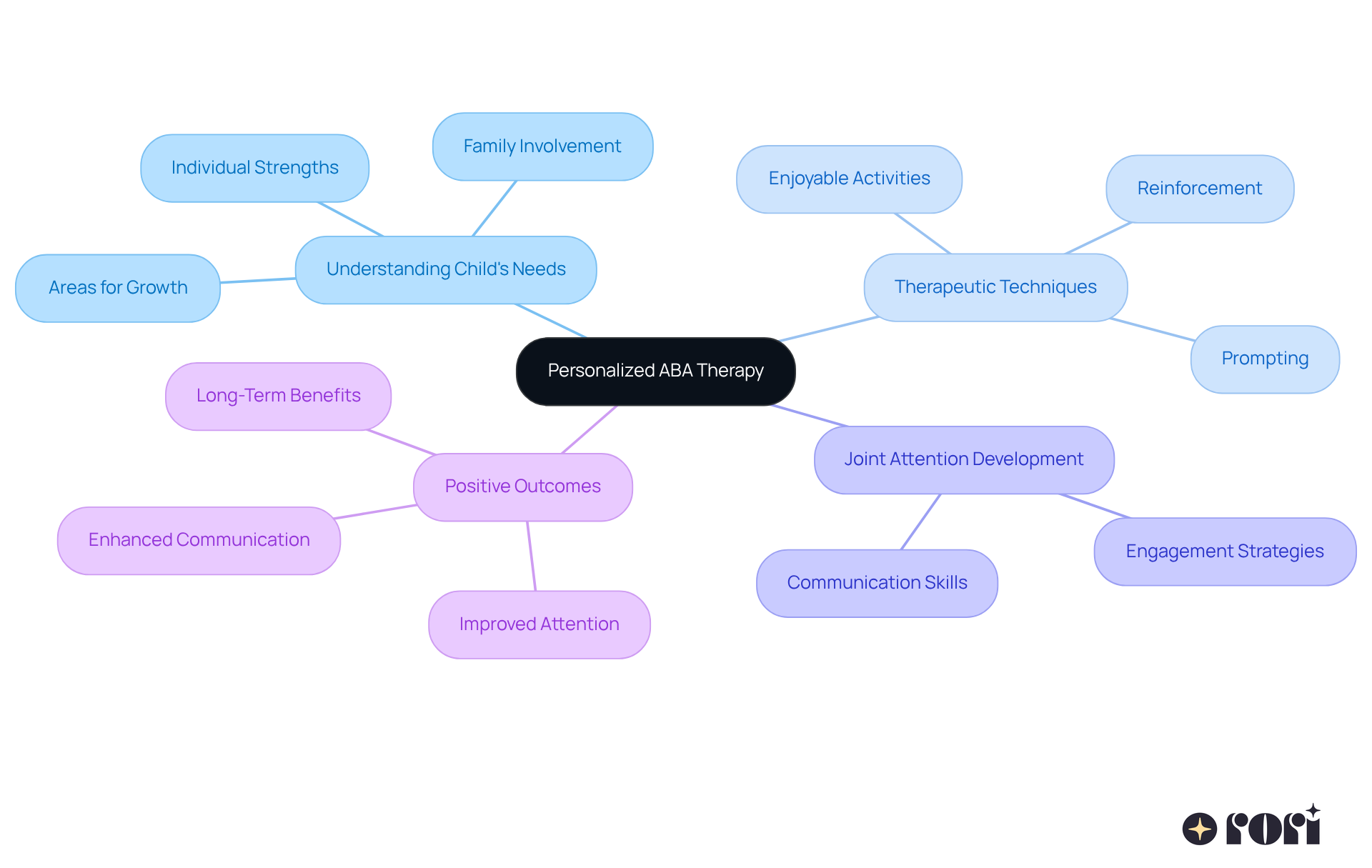
Our clinicians take the time to understand your child’s strengths and areas for growth, making sure we focus on what matters most. We utilize fun techniques like prompting and reinforcement, along with activities your child enjoys, as therapeutic approaches for developing joint attention in children with autism to help them engage and connect better with others.
With this personalized approach, therapeutic approaches for developing joint attention in children with autism often result in real improvements in their ability to pay attention and communicate with others. Imagine the joy of watching your child connect and communicate more effectively with those around them!
Studies show that when we start ABA therapy early and tailor it to your child’s specific needs, the results can be truly amazing! Let’s explore this together!
Structured Play Therapy: Engaging Children to Foster Joint Attention
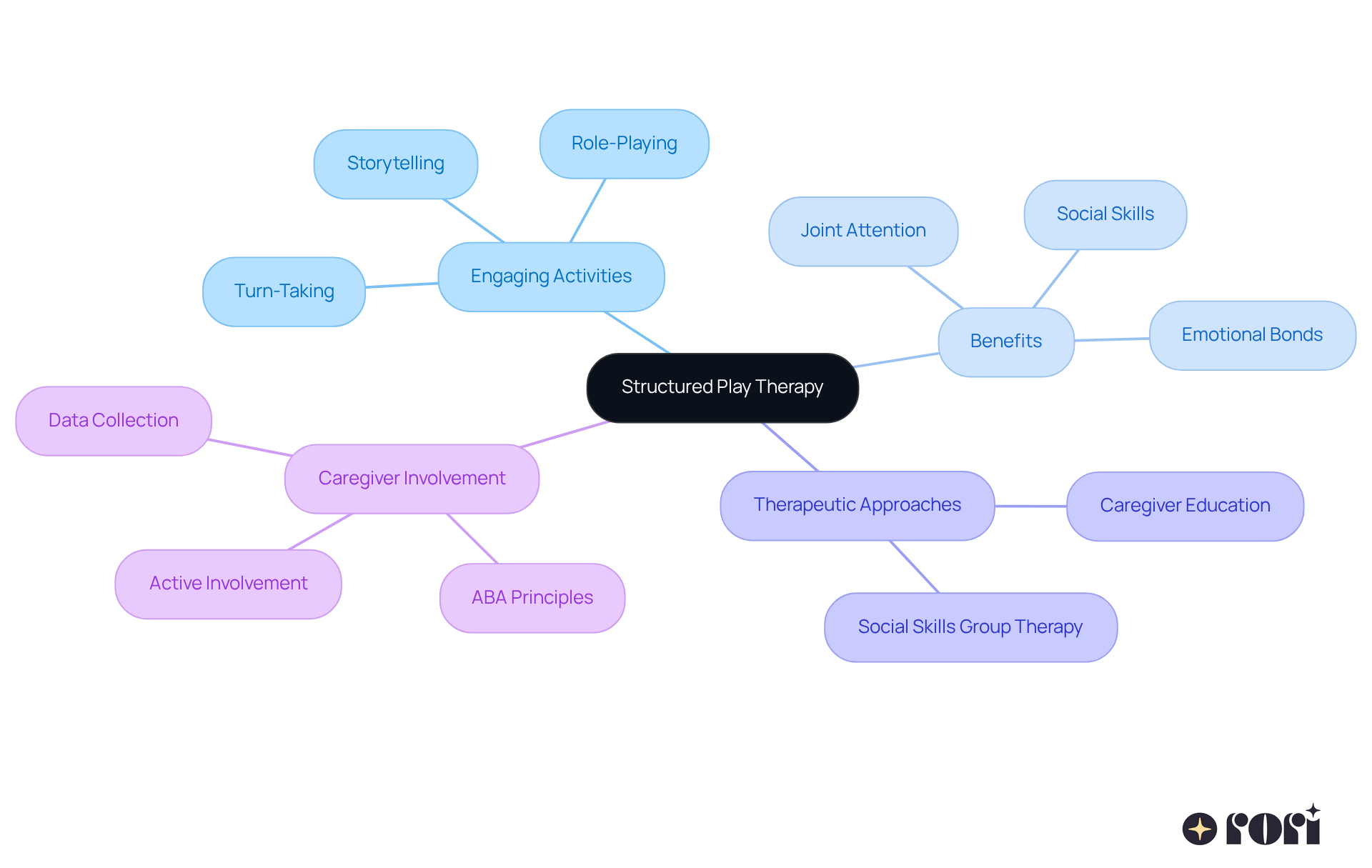
Navigating the world of play therapy can feel overwhelming for parents, especially when trying to understand how to best support their child’s development. Think of structured play therapy as a fun way to help your child connect with friends and family through engaging activities. Games like turn-taking, role-playing, and storytelling can really help kids focus and connect with others.
For instance, using cooperative toys like building blocks not only encourages children to share their attention but also fosters teamwork and communication. This playful environment enhances joint attention, which is essential in therapeutic approaches for developing joint attention in children with autism, while also building important social skills and emotional bonds.
Social skills group therapy, led by trained therapists, also plays a big role in improving how individuals interact and communicate in a group. It’s all about building those relationships! Plus, caregiver education is crucial. It empowers you with ABA principles and strategies to support your child’s behavioral goals through active involvement and data collection.
Research shows that play isn’t just fun; it’s crucial for building emotional strength and helping kids learn! By embracing these playful strategies, you’re not just helping your child; you’re building a stronger bond that lasts a lifetime.
Visual Supports: Enhancing Joint Attention Through Clear Cues
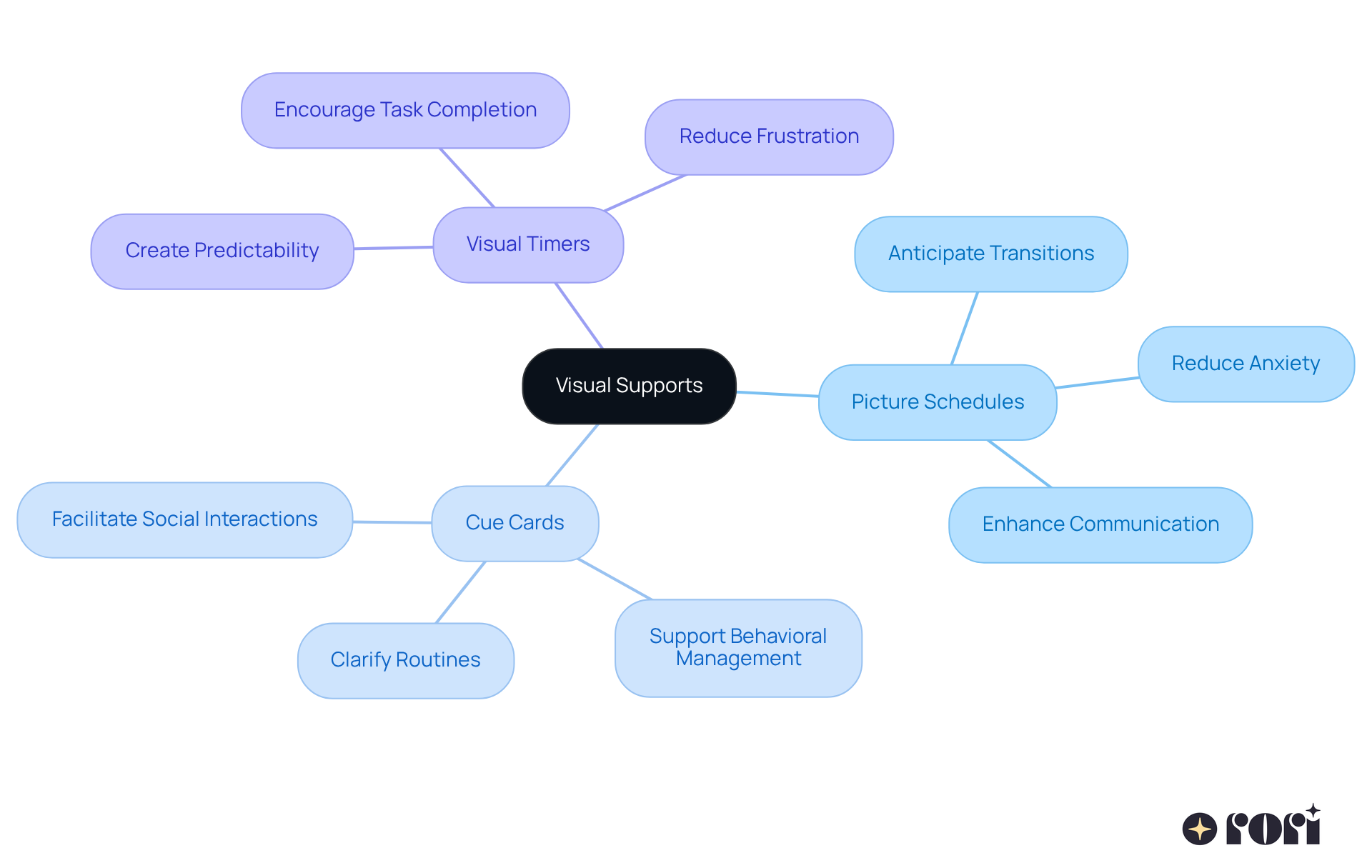
Have you ever noticed how a simple picture can change everything for a child with autism? Visual aids, like picture schedules, cue cards, and visual timers, are essential tools for helping kids focus and engage. These tools give kids clear signals about what to expect, making interactions smoother and more fun!
For example, a visual schedule can help a young person anticipate transitions, making it easier for them to connect with peers and join in activities. When caregivers use visual aids in daily routines, it helps create a friendly space where kids can focus better and communicate more easily.
Teachers often say these visual cues are game-changers! They help kids join in, feel less anxious, and really connect with others. By incorporating these aids into everyday life, we can foster an environment that utilizes therapeutic approaches for developing joint attention in children with autism, which also enhances communication skills. Imagine the joy of seeing your child connect and thrive with just a little extra support!
Social Stories: Using Narrative to Promote Joint Attention Skills
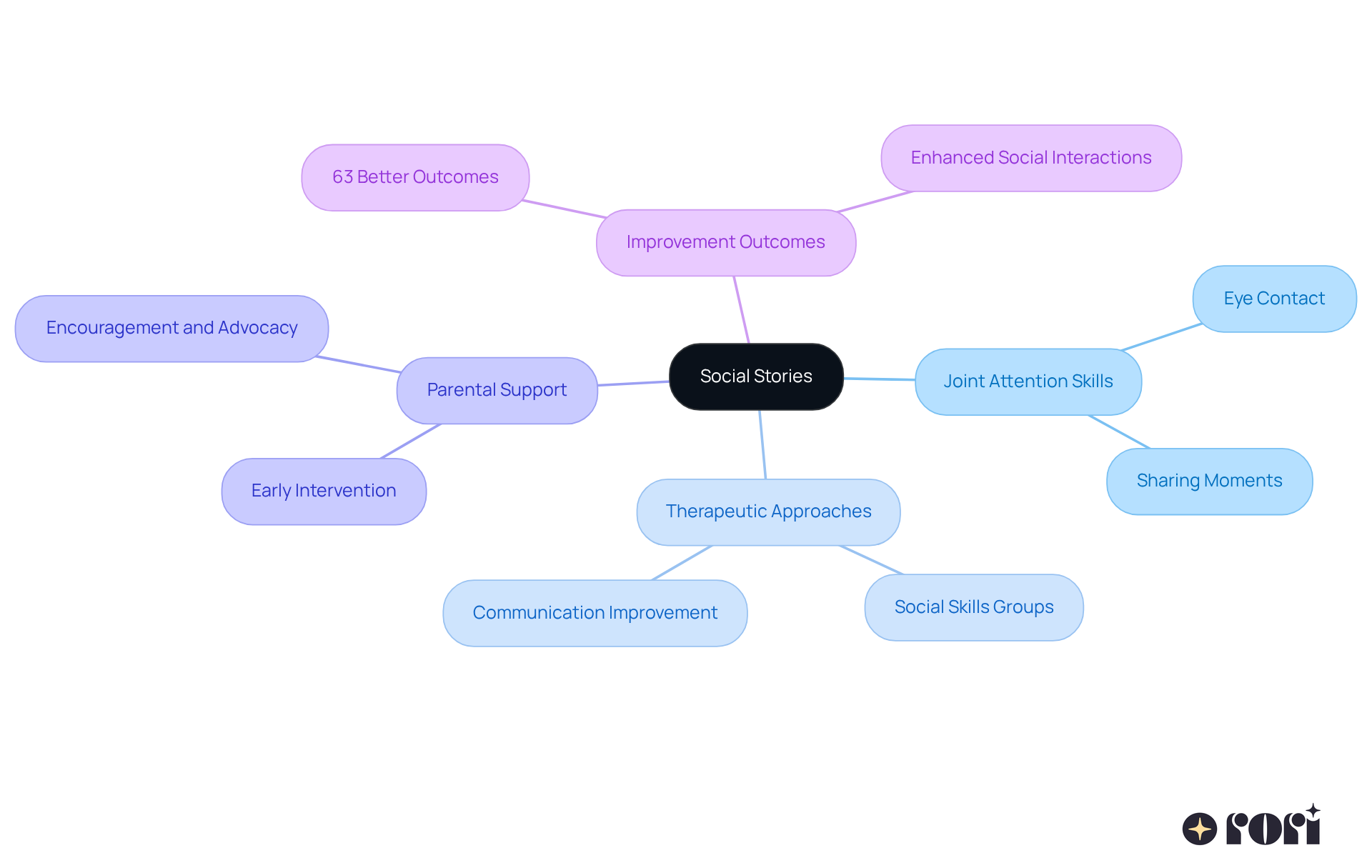
Have you ever wondered how to help your child connect better with others? Stories can really help kids understand how to interact with others and what to do in different situations. For instance, think about a child playing with a friend. It’s so important for them to make eye contact and share that moment together!
You know, using stories can really boost how kids connect with each other and understand what’s happening around them. Using stories in therapy can be one of the therapeutic approaches for developing joint attention in children with autism, allowing kids to learn important skills that help them make friends and connect with others. At Rori Care, our friendly therapists run social skills groups that help kids communicate better and build friendships!
Plus, it’s super important for parents to learn how to support their kids’ growth, too! Studies show that when kids get the right support early on, they can really thrive – like seeing a 63% improvement in their outcomes! Temple Grandin once said, ‘Kids have to be exposed to different things in order to develop.‘ This really shows how important it is to use stories to help our kids learn and grow!
Using stories can truly open up a world of understanding for our kids, making their social interactions richer and more meaningful.
Parent Training Programs: Empowering Families to Enhance Joint Attention
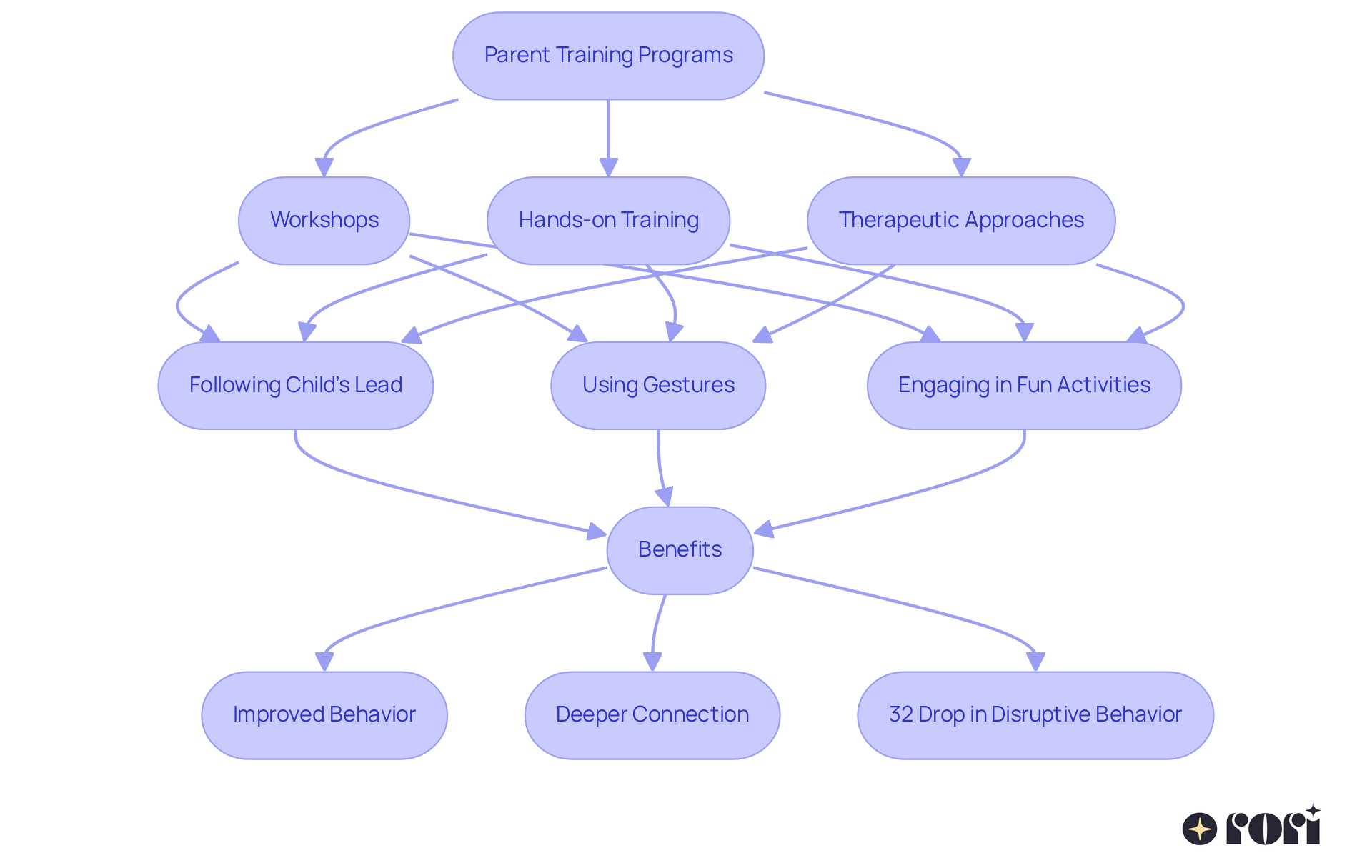
Many parents find it challenging to keep their kids engaged and focused during activities, and that’s where Rori Care comes in! Our parent training programs are essential for equipping caregivers with effective strategies, including therapeutic approaches for developing joint attention in children with autism. These programs typically feature workshops and hands-on training that emphasize techniques like following your child’s lead, using gestures, and engaging in fun activities together.
At Rori Care, our dedicated team is here to support you with hands-on Applied Behavior Analysis strategies that really make a difference. By equipping parents with essential knowledge and resources, we help create a nurturing home atmosphere that’s ideal for implementing therapeutic approaches for developing joint attention in children with autism.
Joint attention, which involves sharing focus with someone else on something you both find interesting, like a toy or a game, can be enhanced through therapeutic approaches for developing joint attention in children with autism. It’s a key part of how kids learn to connect with others. Research shows that when parents actively participate in their child’s therapy, they not only see improvements in behavior but also feel a deeper connection with their children. Kids whose parents get involved in training often show a 32% drop in disruptive behavior, which is pretty amazing!
Family therapists highlight that this active involvement is crucial for nurturing meaningful connections and encouraging a more typical developmental path. By taking part in these programs, parents can transform their relationships with their children, paving the way for a brighter future together. Let’s explore this together!
Peer-Mediated Interventions: Leveraging Social Interactions for Joint Attention
Have you ever wondered how to help your child with autism connect better with their peers? Peer-mediated strategies can really make a difference! Let’s talk about how we can encourage kids to play together and support each other, especially when one of them has autism. Activities like cooperative games and group projects are fantastic ways to get everyone involved. For instance, imagine a child starting a game that focuses on a common object, like a ball. This not only helps them play together but also boosts their ability to focus on each other.
When kids play together, it helps them focus on each other and learn important social skills, making everyone feel included! These moments are key for helping kids connect emotionally and communicate better with one another. At Rori Care, we’re all about supporting neurodiversity and helping every child thrive! Our clinical leadership team empowers caregivers with ABA principles and strategies to support their dependents’ behavioral goals through active involvement and data collection.
Programs like Circle of Friends help kids learn about autism and show how fun cooperative games can be for everyone! By fostering these connections, we can create a more inclusive world for our children, one game at a time. Let’s explore this together!
Technology-Enhanced Strategies: Utilizing Apps to Foster Joint Attention
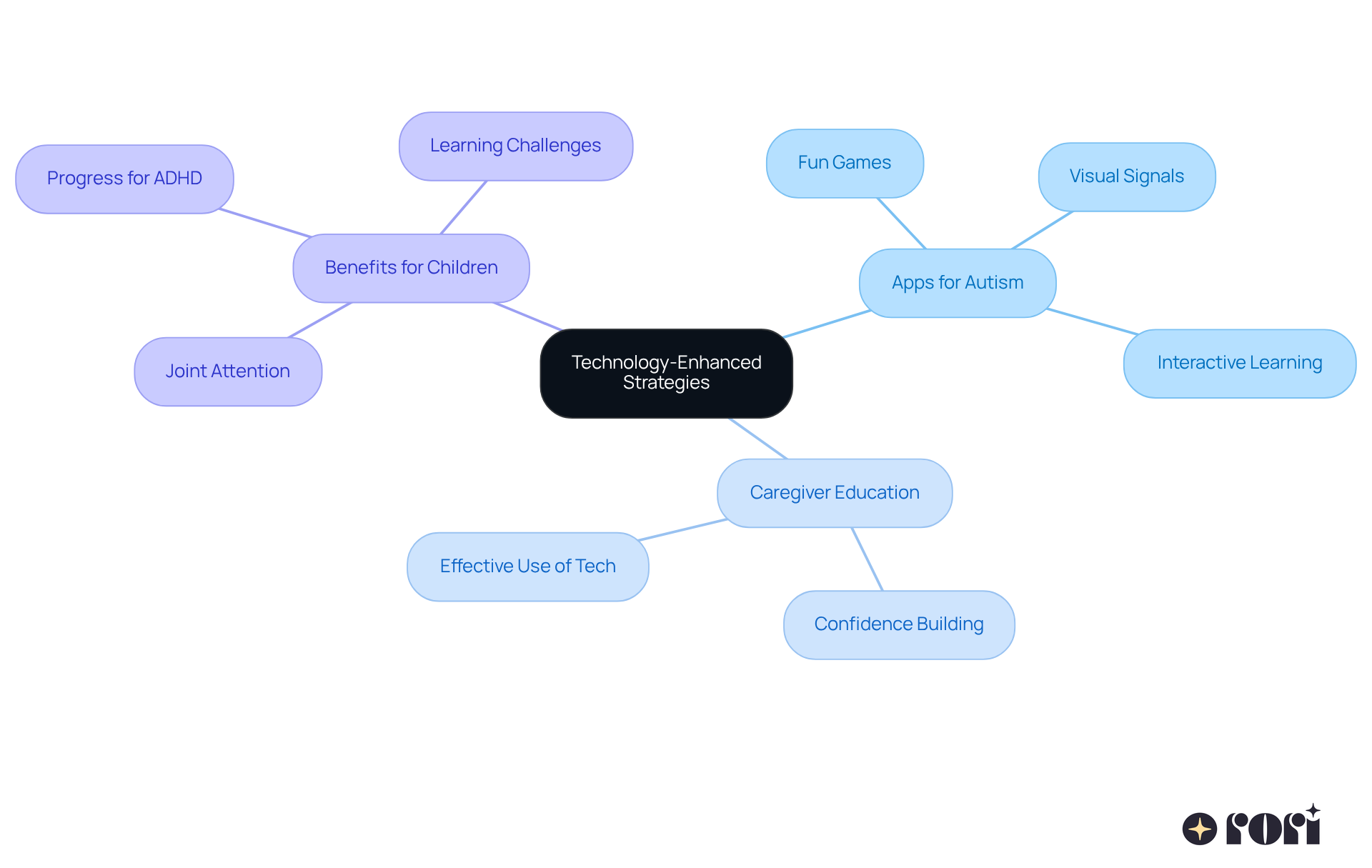
Connecting with kids who have autism can sometimes feel like a puzzle, right? Technology can help us piece it together! Technology-enhanced approaches, particularly apps designed for kids with autism, are important therapeutic approaches for developing joint attention in children with autism. These apps are packed with fun games and bright visuals that get kids excited to interact with their friends and family. For example, apps that encourage kids to follow visual signals or respond to specific prompts can make learning feel like playtime!
When caregivers implement therapeutic approaches for developing joint attention in children with autism during therapy, it opens up more chances for kids to practice and learn in a fun way. Plus, caregiver education is key! It helps parents feel more confident and informed, empowering them to use these tech strategies effectively. This active participation often leads to amazing progress, not just for kids with autism, but also for those with ADHD and other learning challenges. Imagine the joy of seeing your child thrive with the right support and tools!
Routine and Consistency: Building Joint Attention Through Structured Environments
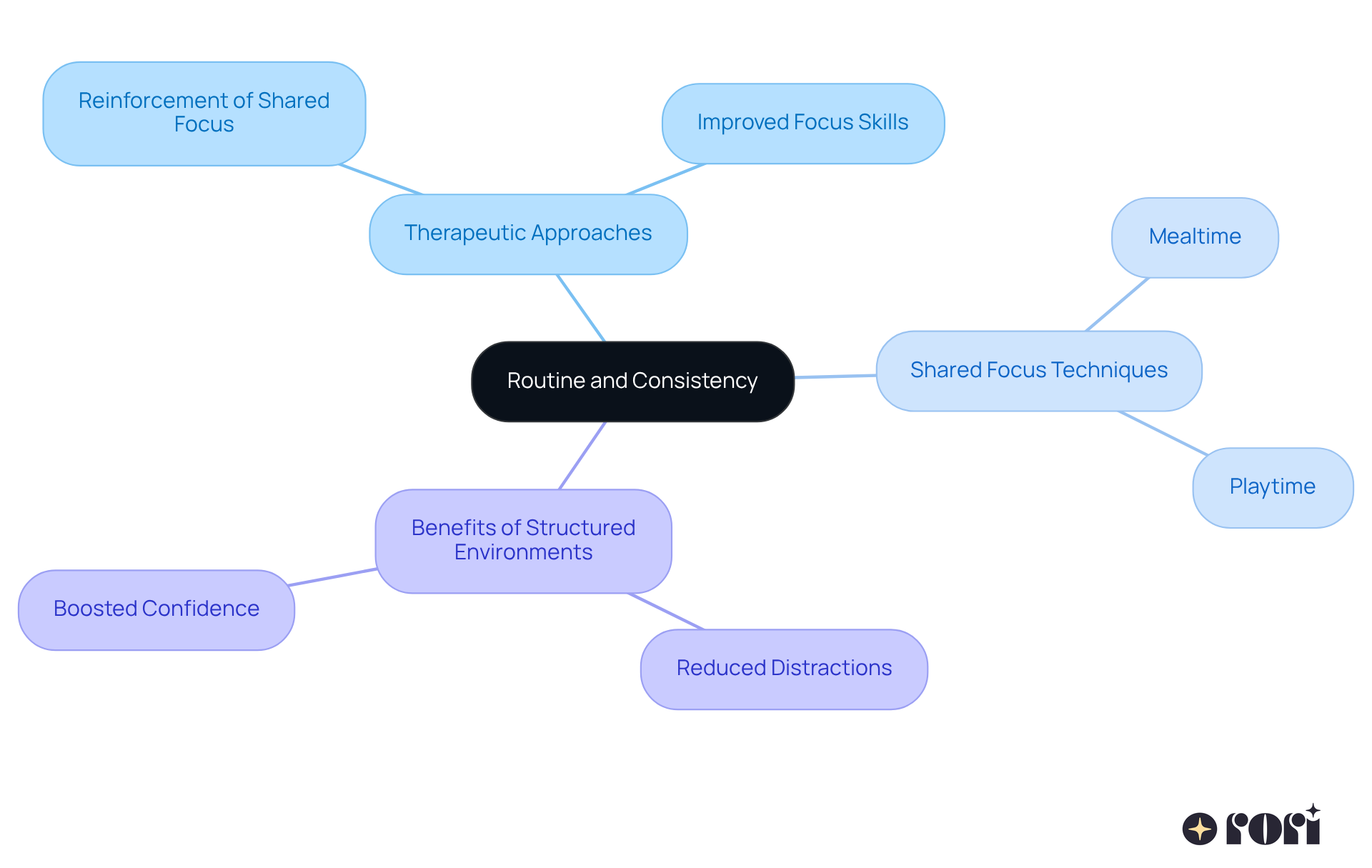
Have you ever noticed how a little routine can make a big difference for your child? Creating routines and keeping things consistent in daily activities can really help improve focus skills for kids with autism, especially when utilizing therapeutic approaches for developing joint attention in children with autism. When kids have a stable environment, they feel safe and are more likely to join in on focus activities together.
For instance, think about mealtime or playtime. By incorporating shared focus techniques into these everyday moments, your child can practice their skills in a familiar setting. Studies show that having a routine can really help cut down on distractions, making it easier for kids to learn new things.
Plus, when you regularly reinforce shared focus during these routines, it strengthens the behavior, which is one of the therapeutic approaches for developing joint attention in children with autism, making it more likely to happen naturally over time. Experts agree that keeping a structured environment not only helps kids focus better but also boosts their confidence in social situations. When kids feel secure in their routines, they’re more likely to thrive in social situations and focus better on tasks.
Sensory Integration Techniques: Supporting Joint Attention Through Sensory Experiences
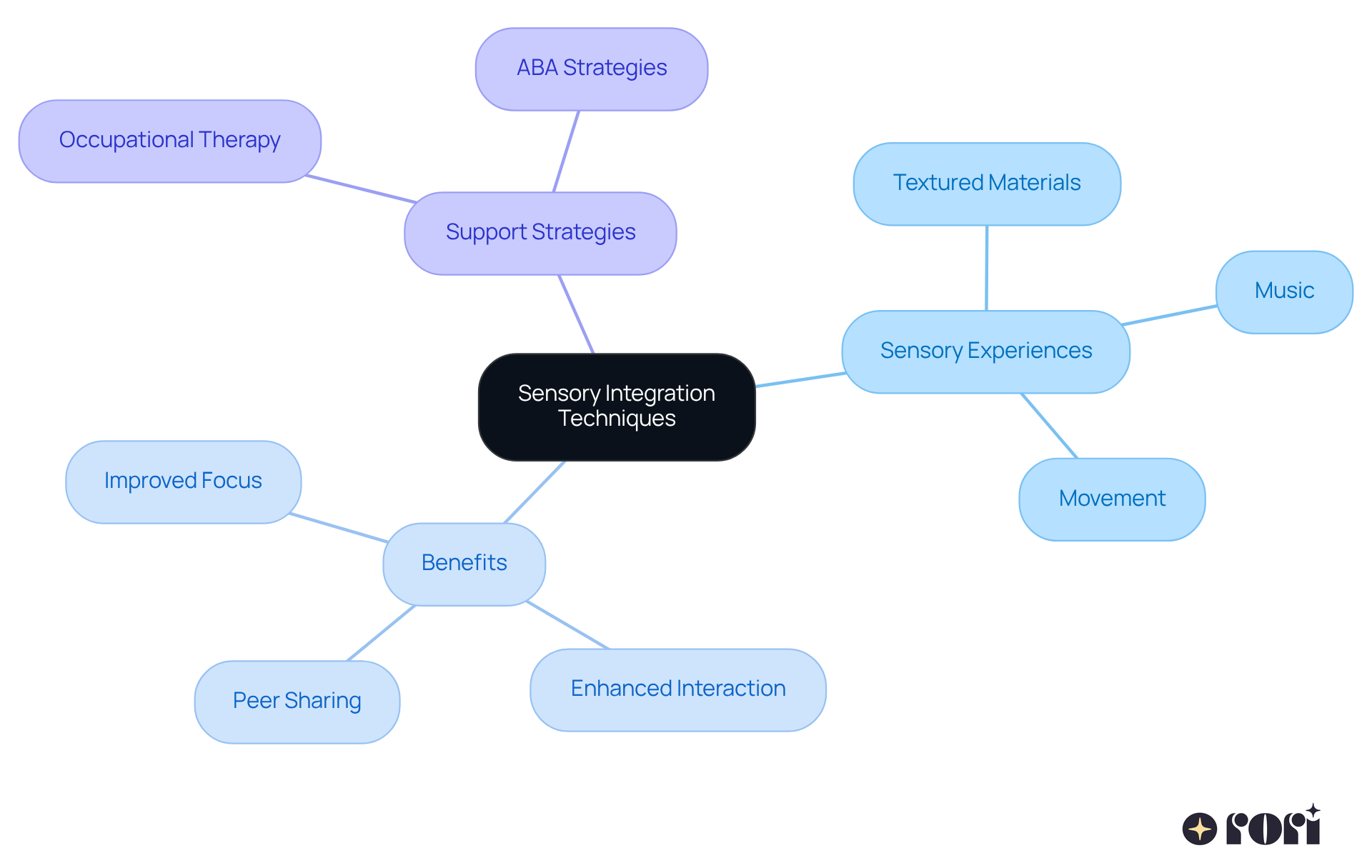
Have you ever noticed how certain textures or sounds can completely capture your child’s attention? Sensory integration methods can really help improve focus skills in kids with autism. Engaging multiple senses through activities like playing with textured materials or incorporating music and movement can make a big difference in how your child interacts with their environment.
For instance, sensory bins filled with different textures not only encourage exploration but also create opportunities for sharing experiences with peers and caregivers. When we address these sensory needs, it creates a wonderful space for your child to practice focusing and interacting with others!
Research shows that these sensory experiences can really help your child connect with others and focus better, making a big difference in their daily life. Occupational therapists often say that these fun sensory activities can really change how engaged your child feels!
At Rori Care, we’re here to help you learn about ABA strategies that can really make a difference for your child. This support not only boosts your confidence as a caregiver but also helps reduce stress and promotes better behavioral outcomes. When you feel confident and supported, it not only helps your child but also brings your family closer together!
Let’s explore this together and see how these strategies can enhance your family’s journey!
Individualized Treatment Plans: Customizing Approaches for Joint Attention Development
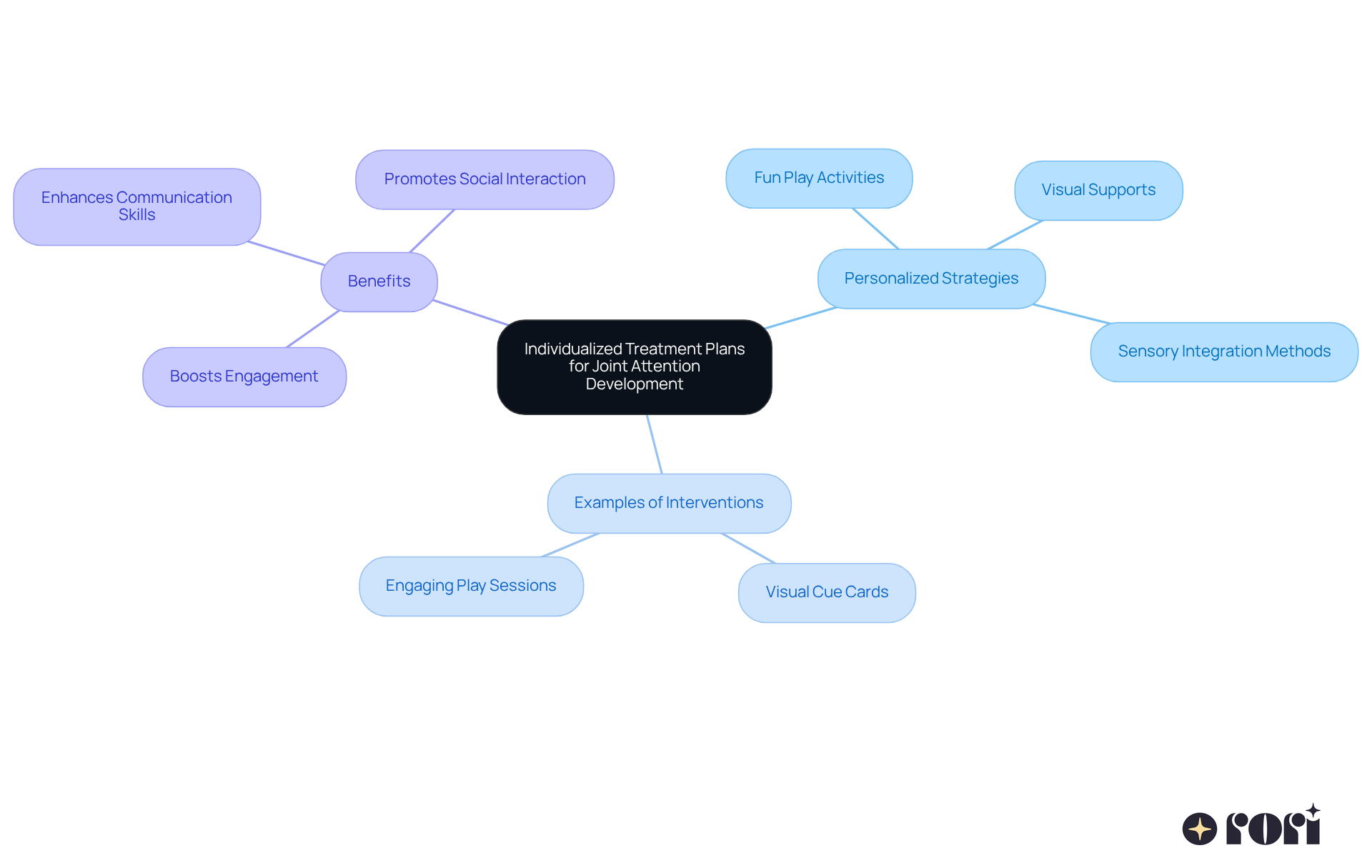
Finding the right support for your child with autism can feel overwhelming, but personalized treatment strategies can make all the difference. At Rori Care, we take the time to understand each child’s unique strengths and challenges. Our skilled analysts work closely with families to create tailored interventions that focus on what works best for their child. This might include:
- Fun play activities
- Visual supports
- Sensory integration methods
All designed to boost engagement and interaction.
You might be surprised to learn that personalized approaches can really boost how kids collaborate and connect! For instance, children participating in Rori Care’s ABA therapy programs often show remarkable improvements in their ability to share focus and interact socially. With consistent oversight and adjustments to these strategies, we ensure that kids continue to grow their collaborative skills over time.
We know that every child is unique, and that’s why we focus on customizing therapy to fit their needs. Successful examples of our tailored methods include:
Which have proven to be effective in promoting shared focus and enhancing communication skills. By concentrating on each child’s individual needs, these interventions utilize therapeutic approaches for developing joint attention in children with autism while also supporting overall social development.
When you see your child thriving, it’s a reminder that the right support can truly change lives. Let’s explore this together and find the best path for your child!
Conclusion
Navigating the world of joint attention can feel overwhelming for parents, especially when every child is unique in their needs. There are so many ways to help kids with joint attention, from ABA therapy to fun play activities that fit their needs. Each method not only aims to improve focus and communication but also fosters meaningful connections between children and their peers, caregivers, and the world around them.
Key insights from this journey highlight how important early intervention is and how active involvement from parents can make a real difference. Techniques like:
- social stories
- peer-mediated interventions
- tech-enhanced strategies
offer engaging ways for children to develop essential social skills and share attention with others. By creating structured environments and routines, caregivers can further support their child’s growth, making learning both enjoyable and impactful.
As families take this journey together, remember that even the smallest steps can make a big difference in how your child connects with others. Empowering caregivers with knowledge and resources not only benefits the child but also strengthens family bonds. By embracing these strategies, families can create a nurturing environment where every child has the chance to shine in their social world.
Frequently Asked Questions
What is Rori Care’s approach to ABA therapy for children with autism?
Rori Care focuses on personalized ABA therapy tailored to each child’s unique needs. Clinicians assess children’s strengths and areas for growth, using fun techniques like prompting and reinforcement to develop joint attention and improve communication.
How does personalized ABA therapy benefit children with autism?
Personalized ABA therapy can lead to significant improvements in a child’s ability to pay attention and communicate with others, fostering better connections and engagement.
What is structured play therapy and how does it help children?
Structured play therapy involves engaging activities like turn-taking, role-playing, and storytelling to help children connect with others. It enhances joint attention and builds social skills and emotional bonds through playful interactions.
What role do cooperative toys play in developing joint attention?
Cooperative toys, such as building blocks, encourage children to share attention, foster teamwork, and improve communication, which are essential for enhancing joint attention in therapy.
Why is caregiver education important in the context of ABA therapy?
Caregiver education empowers parents with ABA principles and strategies to actively support their child’s behavioral goals, enhancing their involvement and effectiveness in the therapeutic process.
How do visual supports enhance joint attention in children with autism?
Visual supports, like picture schedules and cue cards, provide clear signals that help children anticipate transitions and engage more effectively with peers, making interactions smoother and less anxious.
What impact do visual aids have on children’s communication skills?
Visual aids help create a friendly environment where children can focus better and communicate more easily, fostering joint attention and enhancing their overall communication skills.
What is the overall goal of the therapeutic approaches discussed in the article?
The overall goal is to help children with autism develop joint attention, improve communication, and build meaningful connections with others through personalized and engaging strategies.
List of Sources
- Rori Care – ABA Therapy: Personalized ABA Strategies for Joint Attention
- The Numbers Don’t Lie: Revealing Autism Therapy Statistics | Above and Beyond Therapy (https://abtaba.com/blog/autism-therapy-statistics)
- Success Rates of ABA Therapy | Advanced Autism Services (https://advancedautism.com/post/success-rates-of-aba-therapy)
- Structured Play Therapy: Engaging Children to Foster Joint Attention
- Play Therapy Quotes | Core Wellness (https://corewellceu.com/blog/play-therapy-quotes)
- 50 of the Greatest and Most Inspirational Quotes About Play – Nurtured Neurons (https://nurturedneurons.com/quotes-about-play)
- museumofplay.org (https://museumofplay.org/about/play-quotes)
- Visual Supports: Enhancing Joint Attention Through Clear Cues
- mrsmoesmodifications.com (https://mrsmoesmodifications.com/inspirational-aba-and-autism-quotes)
- Quotes About Autism (https://usevisualstrategies.com/quotes-about-autism)
- Using Visual Aids in Autism (https://crossrivertherapy.com/articles/using-visual-aids-in-autism)
- Social Stories: Using Narrative to Promote Joint Attention Skills
- Autism Quotes (https://kidsclubaba.com/autism-quotes)
- armswideopenaba.com (https://armswideopenaba.com/blog/quotes-about-autism)
- kidsfirstservices.com (https://kidsfirstservices.com/first-insights/autism-quotes)
- 10 inspiring quotes from people with autism | Autism Speaks (https://autismspeaks.org/life-spectrum/autism-quotes)
- Parent Training Programs: Empowering Families to Enhance Joint Attention
- The Effect of Parent-Mediated Joint Attention Intervention on Joint Attention and Language Skills in Children with Autism Spectrum Disorder – A Systematic Review (https://tandfonline.com/doi/full/10.1080/07317107.2024.2338741)
- 8 Meaningful Autism Quotes for Parents’ Support (https://graciousgrowthaba.com/8-meaningful-autism-quotes-for-parents-support)
- 20 Inspiring Quotes About Autism Every Parent Must Read Today (https://circlecareservices.com/blog/20-quotes-about-autism-and-parenting)
- 53 Motivational Quotes to Inspire Special Needs Parents – Parenting Special Needs Magazine (https://parentingspecialneeds.org/article/53-motivational-quotes-to-inspire-special-needs-parents)
- Training Programs for Parents Tied to Better Behavior in Kids with Autism (https://raisingmultiples.org/training-programs-for-parents-tied-to-better-behavior-in-kids-with-autism)
- Peer-Mediated Interventions: Leveraging Social Interactions for Joint Attention
- Motivational Quotes for Kids That Help Build Positive Relationships (https://rootsofaction.com/motivational-quotes-kids)
- Benefits of Peer Support Programs for Autism (https://besteveraba.com/blog/benefits-of-peer-support-programs-for-autism)
- Impact of peer-support programs for individuals with autism: A systematic review – PubMed (https://pubmed.ncbi.nlm.nih.gov/40956976)
- Inspiring Quotes on Child Learning and Development (https://vincegowmon.com/inspiring-quotes-on-child-learning-and-development)
- Increasing Joint Attention in Children with Autism and Their Peers – PMC (https://pmc.ncbi.nlm.nih.gov/articles/PMC6411552)
- Technology-Enhanced Strategies: Utilizing Apps to Foster Joint Attention
- 80 Inspiring Quotes on Autism Awareness and Support – Empower ABA (https://empoweraba.com/80-inspiring-quotes-on-autism-awareness-and-support)
- iPads and the Use of “Apps” by Children with Autism Spectrum Disorder: Do They Promote Learning? – PMC (https://pmc.ncbi.nlm.nih.gov/articles/PMC5004059)
- magnetaba.com (https://magnetaba.com/blog/inspirational-autism-quotes)
- Effectiveness of Using Mobile Technology to Improve Cognitive and Social Skills Among Individuals With Autism Spectrum Disorder: Systematic Literature Review (https://mental.jmir.org/2021/9/e20892)
- Evaluating the effectiveness of intelligent interaction technology in autism interventions: A meta-analysis based on trial assessment (https://sciencedirect.com/science/article/pii/S0891422225001714)
- Routine and Consistency: Building Joint Attention Through Structured Environments
- Joint Attention in Autism: What It Is and How to Build It Through Play | Sunray ABA (https://sunrayaba.com/post/joint-attention-in-autism-what-it-is-and-how-to-build-it-through-play)
- riseupforautism.com (https://riseupforautism.com/blog/autism-and-routine)
- The Importance of Consistency in Autism Therapy (https://striveabaconsultants.com/consistency-in-autism-therapy)
- The Importance of Consistent Routines in ABA Therapy (https://magnetaba.com/blog/the-importance-of-consistent-routines-in-aba-therapy)
- Sensory Integration Techniques: Supporting Joint Attention Through Sensory Experiences
- Joint Attention Based Interventions For Preschoolers With ASD -Article 5674 (https://occupationaltherapy.com/articles/joint-attention-based-interventions-for-5674)
- 29 Occupational Therapy Quotes! • OT Potential (https://otpotential.com/blog/occupational-therapy-quotes)
- Study finds sensory integration therapy benefits children with autism | Autism Speaks (https://autismspeaks.org/science-news/study-finds-sensory-integration-therapy-benefits-children-autism)
- The Best Occupational Therapy Quotes – The OT Toolbox (https://theottoolbox.com/occupational-therapy-quotes)
- Individualized Treatment Plans: Customizing Approaches for Joint Attention Development
- mrsmoesmodifications.com (https://mrsmoesmodifications.com/inspirational-aba-and-autism-quotes)
- The Numbers Don’t Lie: Revealing Autism Therapy Statistics | Above and Beyond Therapy (https://abtaba.com/blog/autism-therapy-statistics)
- Autism Quotes – Helping Your Child Climb Higher With ABA Therapy (https://climbingstar.com/blog/autism-quotes)
- 80 Inspiring Quotes on Autism Awareness and Support – Empower ABA (https://empoweraba.com/80-inspiring-quotes-on-autism-awareness-and-support)
- Success Rates of ABA Therapy | Advanced Autism Services (https://advancedautism.com/post/success-rates-of-aba-therapy)