The landscape of autism treatment is changing, and at the heart of this transformation is the incredible power of collaboration among healthcare professionals. By working together as a team, practitioners can craft personalized treatment plans that truly address the unique needs of individuals on the autism spectrum. This teamwork not only enhances outcomes for children but also supports their families in meaningful ways.
But here’s the big question: how can effective collaboration really bridge the gaps in autism care? What tangible benefits come from this united front? As we dive into the dynamics of teamwork in autism treatment, we’ll uncover not just the potential for improved developmental progress but also the vital role each professional plays in this intricate network of care. Let’s explore this together!
At Rori Behavioral Innovations Inc., we see Applied Behavior Analysis (ABA) therapy as a vital part of our approach for individuals on the autism spectrum. By blending with , we’re able to enhance the effectiveness of our interventions. This means we can create that truly cater to the , ensuring that everyone involved, including families, participates in the to share the same goals and methods.
Our cooperative structure not only empowers families but also supports clinicians, fostering an environment where can thrive. Research shows that , especially those that benefit from , lead to better . This really highlights our commitment to a , which includes .
Let’s explore this together! We’re here to !
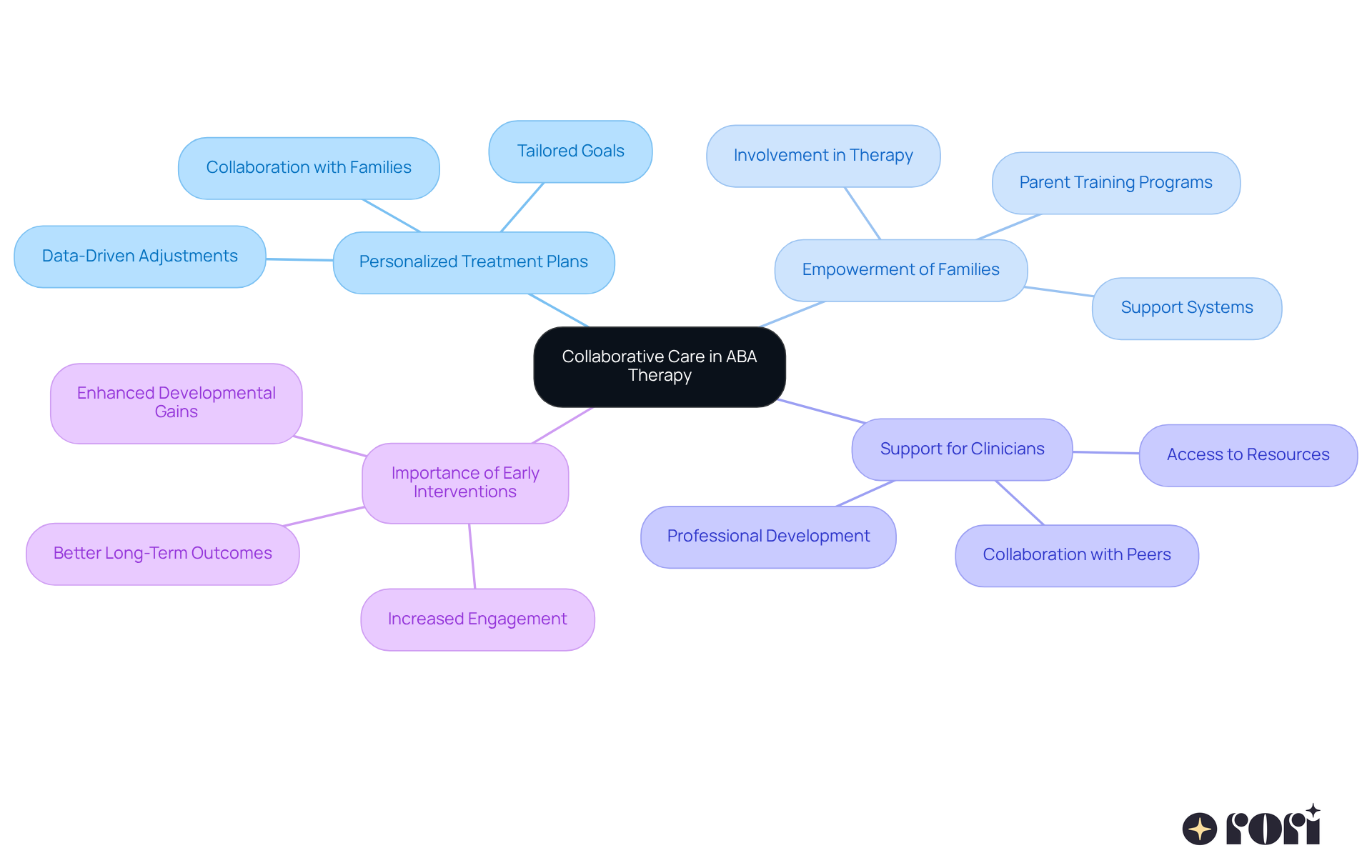
is so important in , and it can really change the course of development for young individuals. The in allows them to work together to provide timely and coordinated support, ensuring that kids get the help they need as early as possible. Did you know that studies show youths in see a within just six months? That’s a testament to how effective these methods can be!
By promoting in , we can identify autism symptoms at an earlier stage. This means we can implement that help kids develop skills and improve their behavior. It’s not just about immediate care; it’s about laying a strong foundation for future growth and independence. Plus, when caregivers learn about , they become even better equipped to support their children’s behavioral goals. Caregivers who have this knowledge can make informed decisions that positively impact their child’s progress, leading to better outcomes.
Research shows that kids who start therapy before age three can see an average rise of 17 points in their IQ scores. That’s pretty impressive! And here’s another encouraging fact:
That’s a strong economic argument for these programs!
Ultimately, the in not only but also empowers families with the . Let’s explore this together and see how we can make a difference!

When it comes to , pediatricians are often the first friendly faces families encounter. Their role is absolutely vital in the in ! They help kickstart the journey by facilitating and ensuring like and psychologists.
By fostering , pediatricians play a key role in the in to craft that truly meet each child's needs. This teamwork not only boosts diagnostic accuracy but also makes interventions much more effective. Isn’t that reassuring?
Research shows that when pediatricians refer young patients to specialists for , it leads to quicker and more appropriate care. This ultimately translates to . It’s all about working together!
Efficient in is essential in navigating the complexities of . It ensures that every child’s unique needs are met with both precision and compassion. So, let’s explore this journey together! We’re here to help you every step of the way!

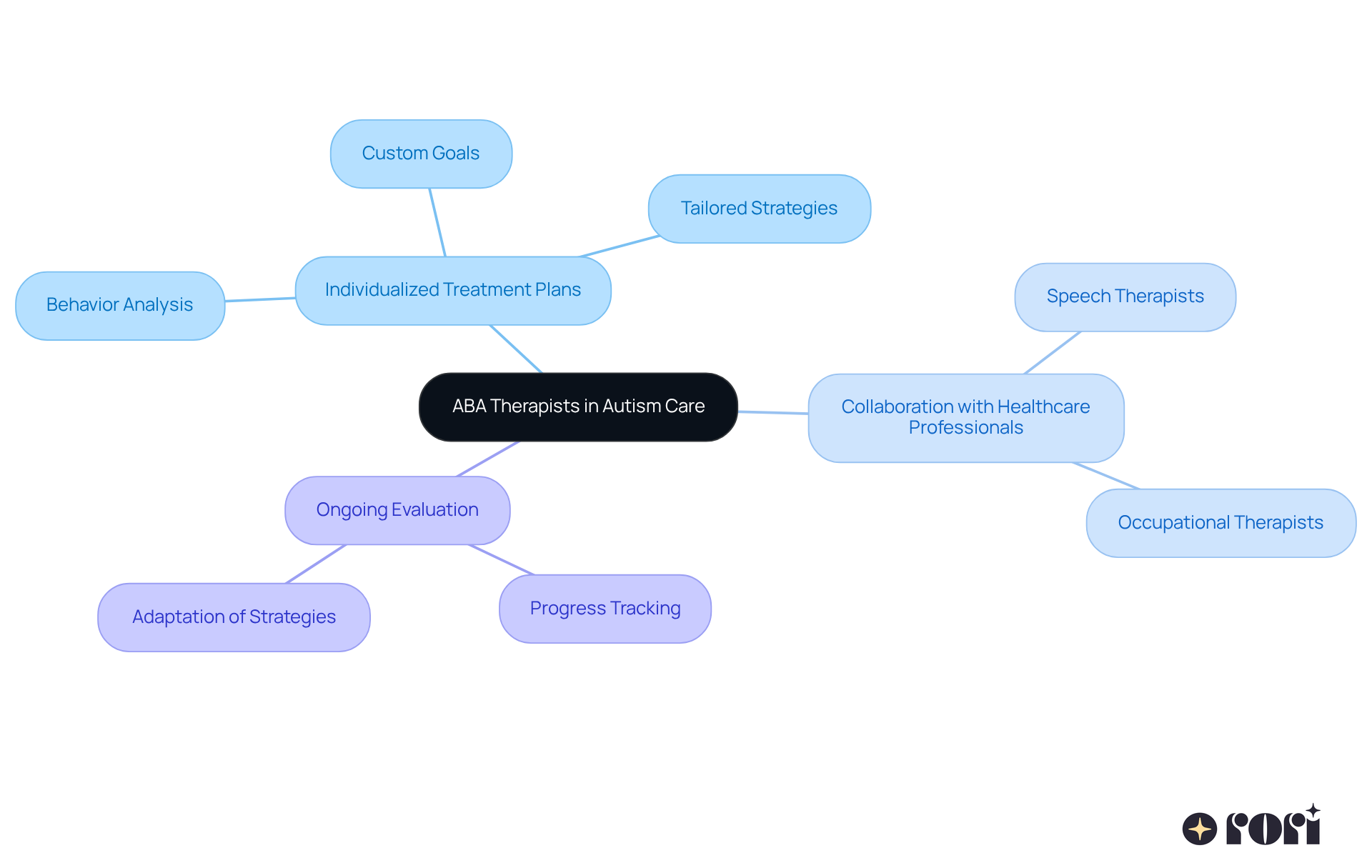
ABA therapists are essential partners in the journey of youth with autism. Their knack for helps them craft that tackle specific behavioral challenges. Each plan is like a , designed to match the unique needs, strengths, and goals of the child, ensuring that care feels personal and tailored just for them.
By setting clear, and skill development, ABA therapists create a transparent way to . This is super important for the , including speech and occupational therapists. When there is , it ensures that all aspects of the child's development are taken into account, leading to more and better outcomes.
Plus, the mean that strategies can adapt as the child grows and changes. This not only but also enhances the overall quality of care. So, let’s explore this together! We’re here to help you every step of the way!
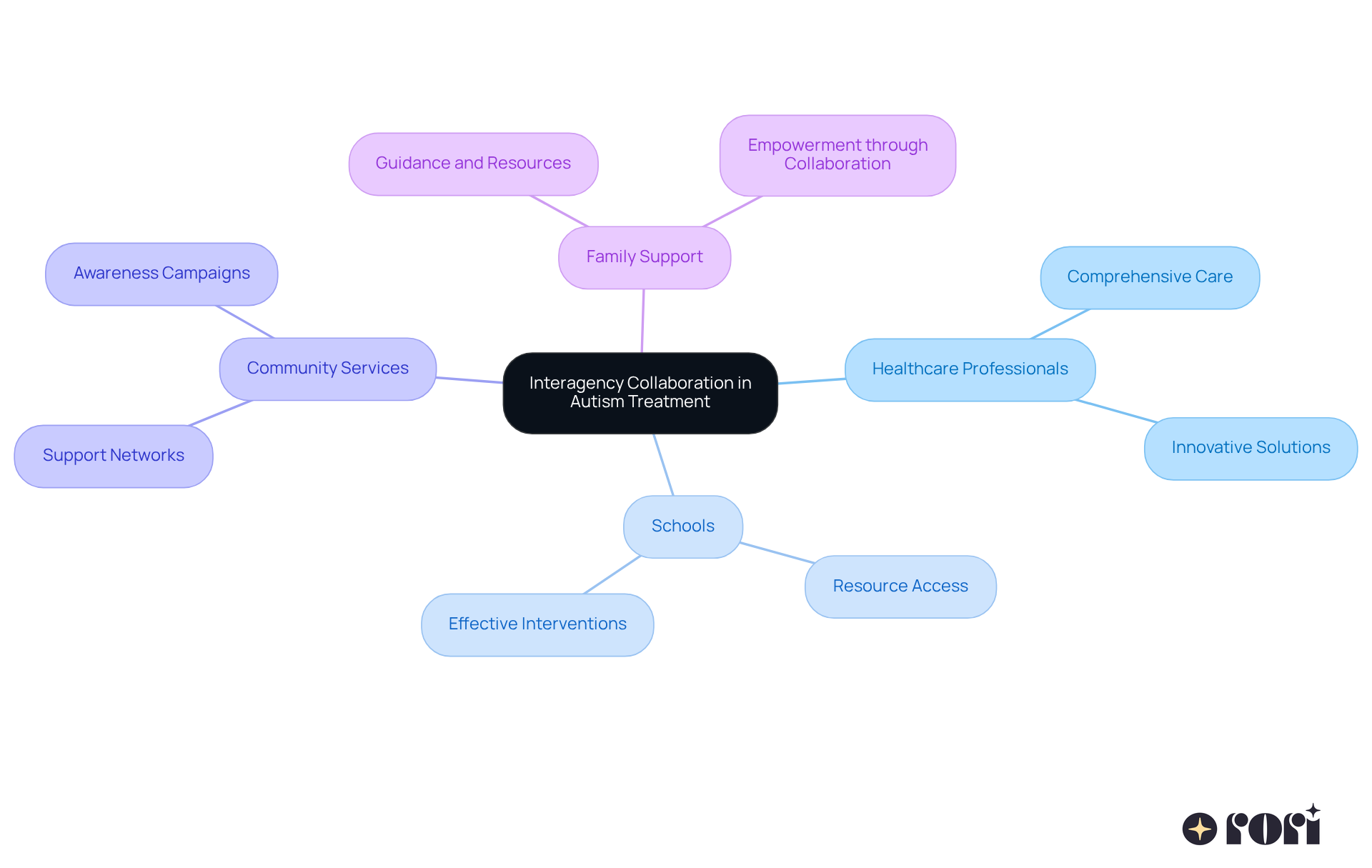
The importance of in autism treatment is crucial for providing . By bringing together schools, healthcare providers, and , families can tap into a wider range of resources and support. This teamwork means that everyone involved in a young person's care stays informed about their needs and progress, leading to more .
At Rori Care, we take this collaboration to the next level! We integrate with , giving your loved one 50% more treatment time. Our commitment to empowering youth through shines through in our , ensuring families get the guidance and support they truly need.
Plus, when agencies work together, it fosters a sense of community among providers. The in autism treatment often leads to and better outcomes for young individuals with developmental disorders. So, let’s explore this together! We’re here to !
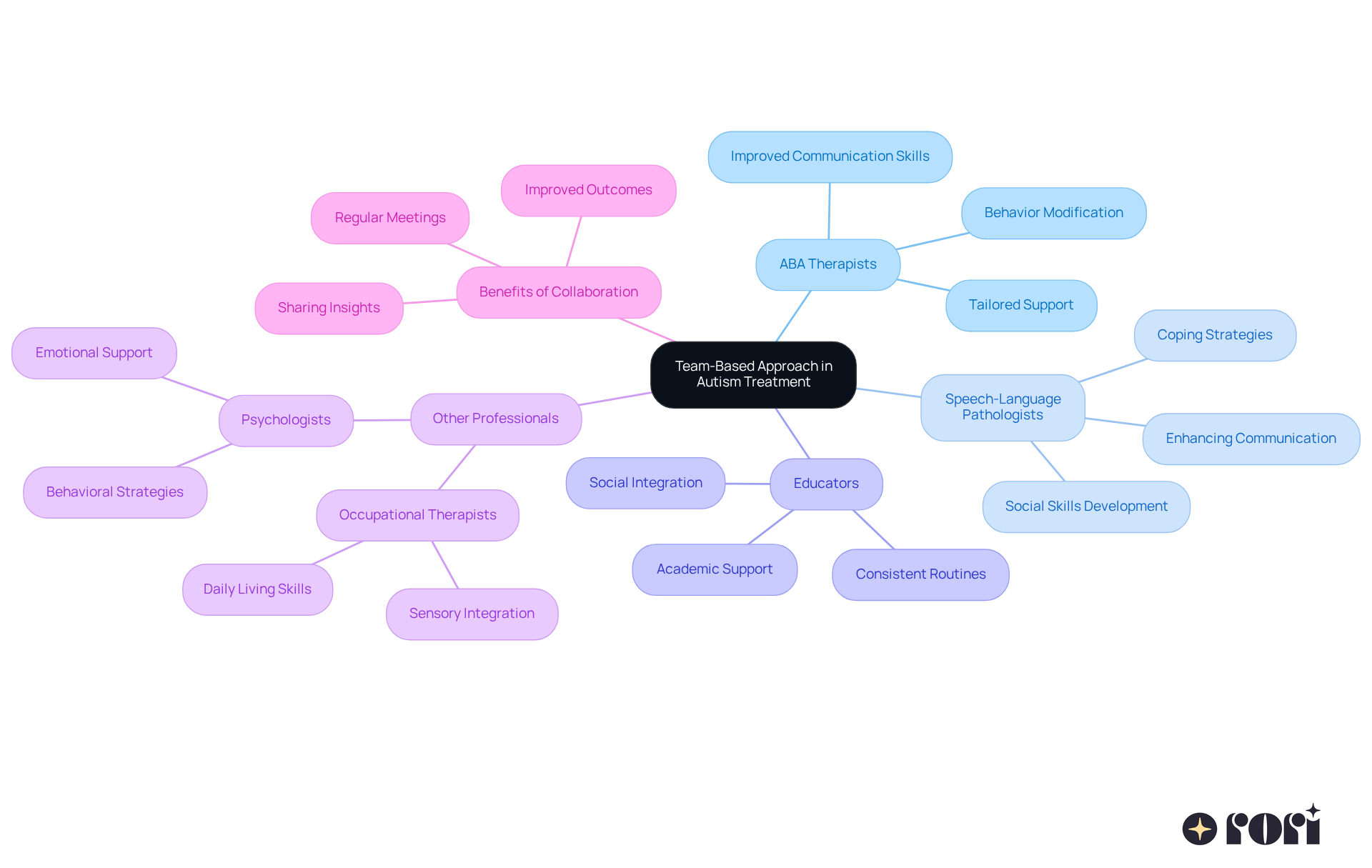
A is key when considering the ! It’s all about , such as ABA therapists, speech-language pathologists, educators, and other professionals. This way, everyone works together towards , providing support that’s tailored to each child’s .
Regular meetings and among team members . They allow for the sharing of insights and strategies, which means . Studies show that collaboration between healthcare professionals in . It not only makes interventions more effective but also helps maintain consistency at home and school.
This collaborative effort highlights the significance of to create a unified strategy for care, ensuring that every aspect of your child’s development is covered. It’s all about and making sure no stone is left unturned. So, let’s explore this together! We’re here to !
is essential for the in autism treatment. It’s all about sharing information among professionals and . When healthcare providers keep those lines of communication open, everyone involved in a young person's care can work together more effectively. This kind of teamwork not only helps identify challenges and celebrate successes but also allows for , making everything work better.
And let’s not forget about the families! When households are , they gain the tools and knowledge to . Research shows that , . Kids with developmental disorders really thrive when their families are part of the therapeutic process.
By creating a culture of in autism treatment, they can . So, let’s explore this together! We’re here to help you every step of the way!
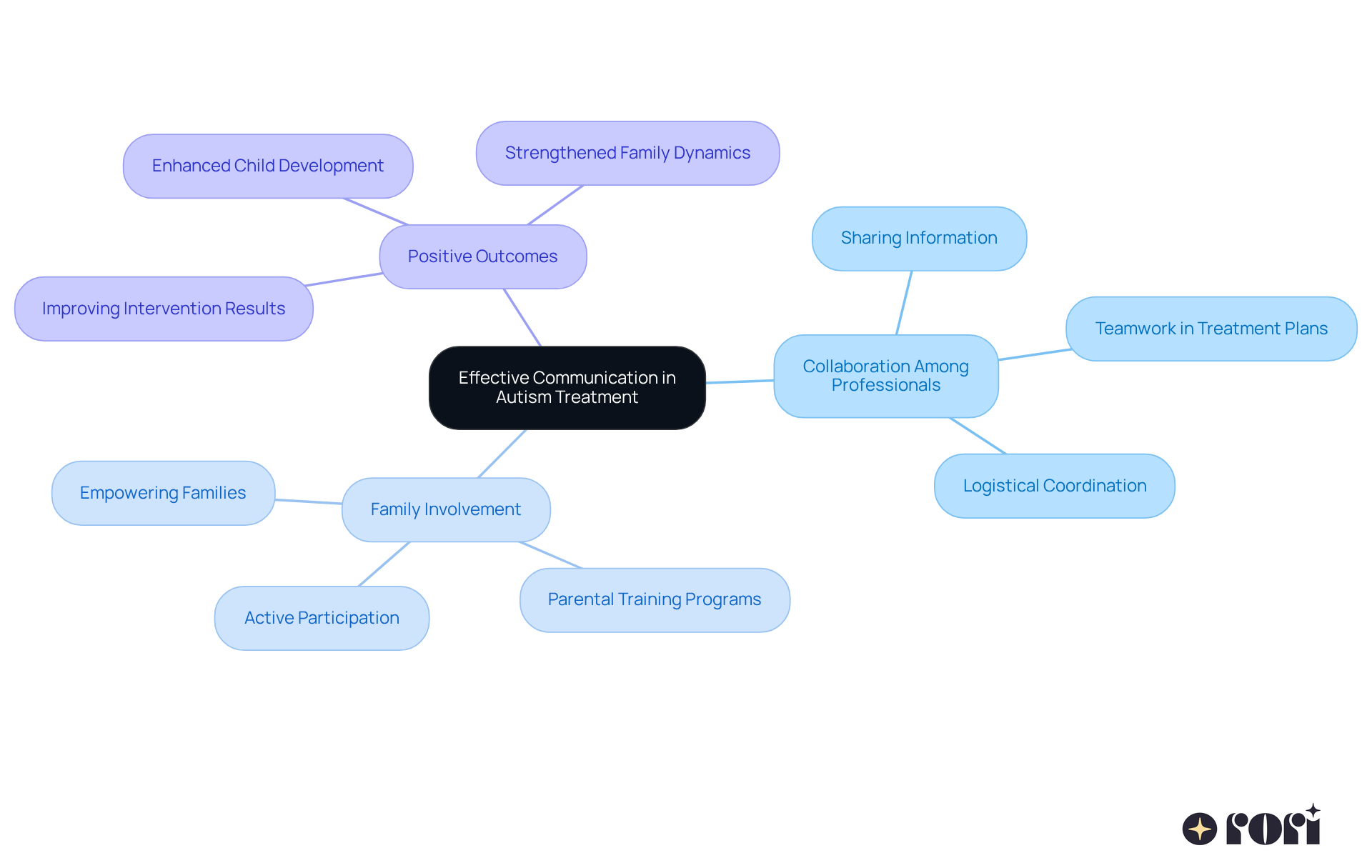
Technology integration is a game-changer in facilitating . Telehealth platforms, electronic health records, and communication apps support by allowing real-time information sharing. This means that through , care can be organized more efficiently, ensuring that care plans are consistently executed across different environments.
Take Rori Care, for example. Their innovative use of allows for and . This not only saves time-freeing up 50% more time for child treatment-but also empowers families by giving them access to valuable resources and support. It’s all about between healthcare professionals in autism treatment! As Jenny McCarthy wisely said, "," highlighting just how important support is in caring for developmental disorders.
Did you know that 64% of individuals on the spectrum receive Applied Behavior Analysis (ABA) therapy? This really underscores the in providing these vital services. Plus, research shows that telehealth boosts communication and enhances results, such as increased engagement and skill development, which are essential for the . It’s truly a valuable resource in the .
This aligns perfectly with Rori Care's mission to empower families and clinicians through innovative technology, ensuring that every child receives the they deserve. Let’s explore this together and see how we can make a difference!

Establishing shared goals is so important for successful collaboration in autism treatment! When families, healthcare providers, and educators engage in in autism treatment with aligned objectives, it fosters a partnership built on accountability. support the to identify to strive for together. This alignment not only boosts the effectiveness of interventions but also fosters a through , ensuring that every effort is directed toward the best interests of the young individual.
Research shows that enhances collaborative goal-setting, which is linked to and , ultimately leading to healthier behaviors. In fact, over 95% of caregivers believe that having is significant, and 83% find them beneficial for their dependent's functional activities. By actively involving relatives in the goal-setting process, therapists can enhance the , leading to better consensus and results, and creating a more efficient and supportive atmosphere for individuals with developmental disorders.
Plus, boosts their ability to provide the right support at home. This not only complements professional interventions but also promotes consistency. When caregivers are informed, they make better decisions, leading to . They become more confident and capable in their roles, which ultimately benefits the entire family dynamic.
Let’s explore this together! We’re here to help you every step of the way!
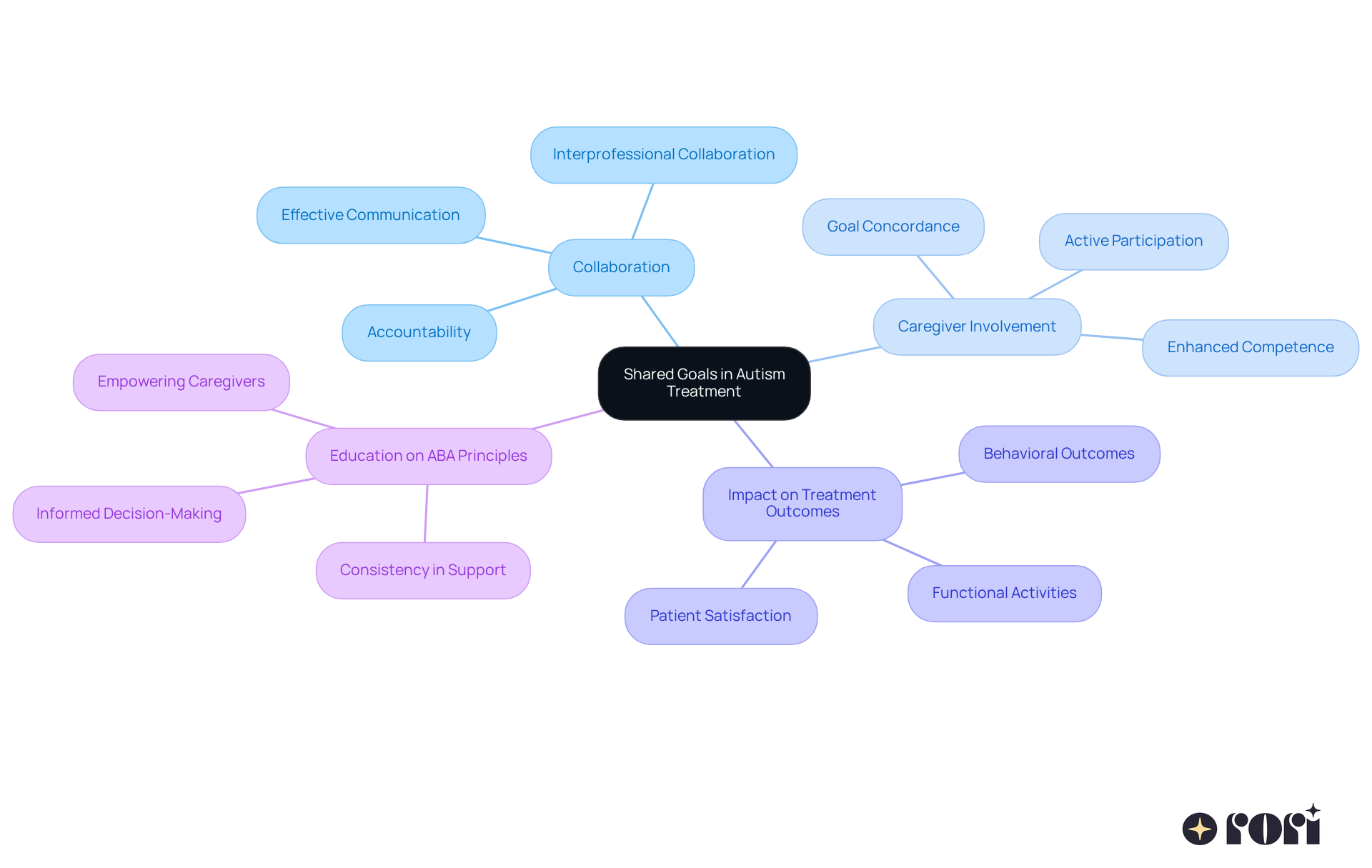
The has incredible potential to improve outcomes for individuals with autism. At Rori Care, our - made up of skilled and compassionate experts - truly understands the importance of neurodiversity. Every day, we work to help young individuals find their path to success.
By fostering and bringing together the talents of various specialists, we provide families with that meets their loved one's unique needs. Research shows that kids receiving often experience significant , better social skills, and increased independence. For instance, a meta-analysis by Nicolette Caldwell, PhD, found that the level of intervention closely relates to developmental outcomes, emphasizing how vital teamwork is in therapy for those with developmental disorders.
This not only benefits the young ones but also empowers families, equipping them with to navigate the complexities of autism. By teaching caregivers about , we enhance their ability to support their children's behavioral goals through active involvement and data collection.
Successful examples of highlight its power to improve treatment results, reinforcing the idea that is essential for achieving the best outcomes. Ongoing research and advancements in autism therapy continue to promise better support for individuals with autism, helping them thrive. Let’s explore this journey together!

Collaboration among healthcare professionals in autism treatment is truly a game-changer for enhancing care effectiveness and outcomes. When specialists, families, and caregivers come together, it creates a more personalized and holistic approach, ensuring every child gets the tailored support they need. This teamwork not only empowers families but also optimizes the therapeutic process, making significant strides toward improved developmental outcomes.
Throughout this article, we’ve highlighted some key points that really matter:
When everyone shares the same goals and works as a team, it leads to better adherence to treatment and ultimately, healthier behaviors. The evidence shows just how powerful collaboration can be in autism treatment, leading to real progress in social skills, independence, and overall well-being for individuals on the spectrum.
As the landscape of autism treatment evolves, embracing collaboration among healthcare professionals is more important than ever. Families and practitioners need to actively engage in this cooperative framework to ensure every child can thrive. By prioritizing teamwork and communication, we can significantly enhance the journey toward successful autism treatment, paving the way for brighter futures for those affected by developmental disorders. Let’s explore this together and make a difference!
What is Rori Care's approach to autism treatment?
Rori Care utilizes Applied Behavior Analysis (ABA) therapy as a key component of its approach, emphasizing collaboration between healthcare professionals to create personalized treatment plans that cater to the unique needs of individuals on the autism spectrum.
Why is early intervention important in autism treatment?
Early intervention is crucial as it can significantly change the developmental trajectory for young individuals. Collaborative healthcare allows for timely and coordinated support, leading to a 60% drop in challenging behaviors within six months for youths in early intervention programs.
How does collaboration between healthcare professionals benefit autism treatment?
Collaboration enhances the effectiveness of interventions, improves diagnostic accuracy, and ensures that children receive comprehensive care tailored to their needs, ultimately leading to better long-term outcomes.
What role do pediatricians play in autism treatment?
Pediatricians are often the first point of contact for families and play a vital role in facilitating early diagnoses and referrals to specialists like ABA therapists. Their collaboration with specialists helps create comprehensive care plans.
What are some benefits of starting therapy early for children with autism?
Research indicates that children who start therapy before age three can see an average rise of 17 points in their IQ scores, and 50-75% of those undergoing intensive ABA therapy for two years or more show significant improvements in cognitive and adaptive functioning.
What economic benefits are associated with early intervention in autism treatment?
Early intervention can save approximately $1.3 million per individual over their lifetime, making a strong economic case for these programs.
How does Rori Care support families in the treatment process?
Rori Care empowers families by involving them in the collaborative process and providing them with the tools and resources they need to support their children's behavioral goals effectively.