

Helping children with autism generalize skills is so important for their growth and independence. As parents, you might be looking for effective strategies that not only boost learning but also empower your kids to use these skills in real-life situations. But here’s the tricky part: how do we bridge the gap between therapy and everyday life? How can caregivers make sure that what’s learned in structured settings translates into meaningful actions outside of them?
In this article, we’ll explore ten practical approaches to skill generalization. These insights and techniques can truly change the way children with autism engage with the world around them. Let’s dive in together!
At Rori Care, we understand that navigating the world of therapy can be a bit overwhelming for parents. That’s why we use tailored just for your child’s unique needs. Imagine this: instead of spending 50% of therapy time on writing reports, we redirect that time to . Sounds great, right?
By harnessing and advanced AI technology, our clinicians craft that highlight your child’s strengths and challenges. Plus, we automate progress report generation, making it easier for you to stay informed. This innovative approach illustrates how to help children with autism : to enable them to transfer skills from therapy to real-life situations seamlessly.
Research shows that early and intensive ABA intervention boasts an impressive in enhancing various developmental aspects for individuals with autism spectrum disorder (ASD). This includes . With our tailored method, we and offer insights on how to help children with autism : , empowering families to actively engage in their child's development. After all, to achieving those successful outcomes!
So, let’s explore this journey together! We’re here to help you every step of the way!

Integrating everyday routines into therapy sessions is essential for understanding how to : . Think about simple activities like setting the table during mealtime or practicing greetings at family gatherings. These moments can be fantastic teaching opportunities!
Not only do these routine activities , but they also demonstrate how to : . This means they can apply those skills in different situations, which is a big win! Studies show that kids who engage in daily activities often make , leading to greater independence.
that generalize skills: by weaving learning into really enhances the chances of kids recalling and using these skills effectively. This approach ultimately . So, let’s explore this together! We’re here to help you every step of the way!

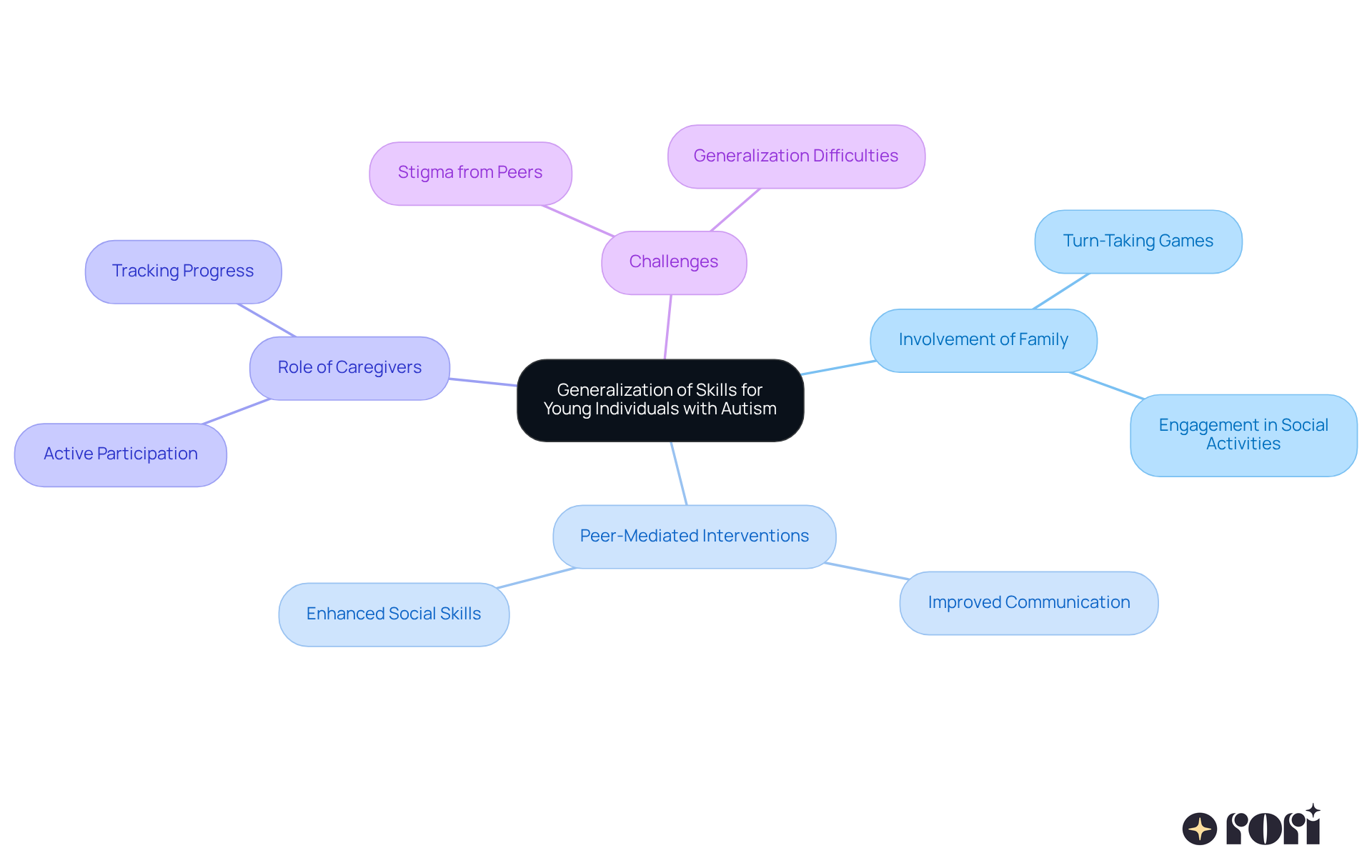
Involving young individuals with autism in practice sessions with family, friends, and caregivers is a key strategy on how to : to enhance their ability to use what they've learned in various situations. For instance, when they engage in turn-taking games with various peers or ask for help from different adults, it helps them navigate all sorts of . This kind of exposure not only builds their confidence but also prepares them for real-life situations, making them more adaptable in various environments.
Research shows that can significantly . Studies have found that after these interactions, youth with autism often show . However, challenges like stigma from typically developing peers can sometimes hold them back from fully applying these skills. By building connections with a variety of people, young ones can better use their skills in different contexts, ultimately boosting their .
Caregivers play a crucial role in this journey! By actively participating, using , and tracking their child’s progress, parents can discover how to : to that maximizes the benefits of these interventions. Let’s explore this together and see how we can make a difference!
To understand how to : , it’s super important to practice them in real-life situations outside of therapy. For example, if your little one learns to ask for help during their sessions, this is an important part of how to : , as you can encourage them to use that skill at the grocery store or during playdates. When they get to , it not only strengthens their understanding but also helps them become more independent, making it easier for them to tackle daily challenges.
Did you know that kids who get to apply what they’ve learned show amazing growth in their ? In fact, research shows that those in are within just two years! By involving children in different situations, parents can , which is an important aspect of how to : , making the shift from therapy to daily life smoother and more successful.
Plus, over 90% of parents notice thanks to . This really highlights how important it is to . By equipping caregivers with ABA strategies, we not only help them support their children’s goals but also encourage informed decision-making, leading to better outcomes for the whole family. Let’s explore this together!

Creating a where kids feel safe to make mistakes is so important for their growth journey. When we encourage them to see mistakes as , it really helps build their resilience. For example, if a child struggles in a social situation, can really boost their learning. This approach not only hones their skills but also fosters a , giving them the confidence to embrace new experiences.
Research shows that kids who learn to handle their mistakes effectively develop - both crucial for their overall development. Parents can play a big role here by after social interactions. Helping kids understand what went wrong and how to tackle similar situations in the future is essential, particularly in the context of : .
By , including specific strategies for gathering and evaluating data, they can actively engage in their child's learning process. This way, they and nurture an environment that’s truly conducive to growth. Let’s explore this together!

, charts, and picture cues are super helpful for young people, and they can also illustrate how to : in different settings. For example, think about a . It gives kids a clear idea of what to expect and when to jump into activities. This kind of clarity not only boosts their independence but also eases anxiety, letting them focus on .
Research shows that . In fact, studies indicate that individuals with autism often process and remember information better when it’s presented visually. By consistently using these visual aids, parents and educators can learn how to : to strengthen understanding and make transitions between activities smoother. This ultimately empowers kids to thrive in different environments.
Plus, when caregivers understand , they can provide the right support at home, which complements professional interventions and promotes consistency. , leading to improved behavioral outcomes.
, giving families and educators fresh tools to enhance their strategies for supporting individuals with autism. Let’s explore this together and see how we can make a difference!

, like verbal, visual, or physical cues, provide valuable insights on : . For example, using a 'thank you' can boost this important social skill in various settings. As kids grow more independent, caregivers can gradually fade these prompts, which is part of : , ensuring that skills stick around and are used in everyday life.
This is a key part of Rori Care's program development service. It allows for . Plus, by , caregivers can utilize in their approach on : . This leads to .
Let’s explore this together! We’re here to !

Narratives and checklists can be such helpful tools for kids with autism! They guide little ones through and set . For example, think about a social narrative that describes a visit to a friend's home. It can really prepare a child by outlining what to expect and what behaviors are appropriate.
! They help kids remember important steps for , like getting ready for school. Research shows that using these tools regularly not only boosts understanding but also demonstrates how to : across different settings.
By weaving in and checklists into everyday routines, caregivers can create a . This approach provides insights on how to : by in real-life situations. Let’s explore this together and see how we can support our little ones!

To help our kids really shine, it’s super important to keep consistent across different places, like home, school, and the community. For example, if your child gets a high-five for using polite language at home, let’s make sure they get the same cheer at school and during playdates too! This kind of consistency not only reinforces what they’ve learned but also provides insights on how to : to encourage them to use their skills in various situations, paving the way for .
Think about it: when kids see that their efforts are recognized everywhere, it and motivates them to keep trying. So, let’s explore this together! How can we ensure our little ones feel supported in all their environments by understanding how to : ? We’re here to help you every step of the way!

Promoting lifelong independence and is crucial for learning : to ensure they thrive. By learning : , we can provide them with the right tools to navigate social situations, tackle daily tasks, and connect with their communities, ultimately setting them up for fulfilling lives. Engaging in community activities, like joining sports teams or clubs, is one way on : , allowing kids to practice their skills in real-life settings. This not only strengthens their learning but also illustrates : in .
Did you know that research shows ? These are key ingredients for understanding : . For instance, the CDC tells us that about 1 in 44 kids in the U.S. are diagnosed with autism spectrum disorder. This highlights just how crucial it is to provide tailored support in community settings, which is essential when considering : . As Kerry Magro beautifully puts it, "." This really captures the empowerment that comes from being actively involved.
is essential in understanding : . It provides caregivers with that include : , enhancing their ability to support their child’s goals. This knowledge not only fosters informed decision-making but also provides insights on : , leading to and easing family stress. It’s a holistic approach that provides insights on : , ensuring young individuals gain essential skills while building the confidence to use them throughout their lives, paving the way for a brighter future.
So, : on encouraging community participation? Start by exploring local clubs or activities that match your child’s interests. This can help foster a sense of belonging and engagement. Let’s explore this together!

Helping children with autism generalize skills is so important for their growth! It allows them to take what they learn in therapy and use it in everyday life. By using tailored strategies - like ABA therapy, incorporating real-life routines, and creating supportive environments - parents can really boost their child’s ability to handle different social situations and daily tasks. This approach not only builds confidence but also encourages independence, helping children thrive both at home and in their communities.
Throughout this article, we've shared some key insights on effective ways to help with skill generalization. For instance, practicing skills with different people, using visual supports, and learning through mistakes can make a big difference. Each of these strategies helps empower children with autism, ensuring they can apply their skills in real-world situations. Plus, consistent reinforcement across different environments highlights how crucial a cohesive support system is for successful skill retention and application.
Ultimately, fostering lifelong independence and community participation is essential for children with autism. By engaging them in activities that spark their interests and providing the right tools and support, caregivers can help them build meaningful relationships and navigate social interactions more smoothly. This journey is all about collaboration, education, and a commitment to understanding each child’s unique needs. Together, let’s explore these strategies and create a nurturing environment that not only promotes skill generalization but also paves the way for a brighter future! We’re here to help you every step of the way!
What is Rori Care's approach to ABA therapy?
Rori Care uses Applied Behavior Analysis (ABA) therapy tailored to each child's unique needs, focusing on effective treatment rather than spending excessive time on report writing.
How does Rori Care utilize technology in their therapy?
Rori Care harnesses data-driven insights and advanced AI technology to create personalized plans for children, highlighting their strengths and challenges, and automates progress report generation for easier parent updates.
What success rate does early and intensive ABA intervention have for children with autism?
Research indicates that early and intensive ABA intervention has a success rate of over 89% in improving various developmental aspects for individuals with autism spectrum disorder (ASD).
How can parents help their children generalize skills learned in therapy?
Parents can help their children generalize skills by incorporating real-life routines into therapy sessions, such as setting the table or practicing greetings, which allows children to apply skills in different situations.
What are the benefits of incorporating everyday routines into therapy?
Integrating everyday routines into therapy helps boost social skills and daily living practices, leading to greater independence and improved retention of skills.
How can practice with different people enhance skill generalization for children with autism?
Involving children with autism in practice sessions with family, friends, and caregivers helps them navigate social interactions, builds confidence, and prepares them for real-life situations.
What role do caregivers play in enhancing skill generalization?
Caregivers play a crucial role by actively participating in practice sessions, using ABA principles, and tracking their child’s progress to create a supportive environment that maximizes the benefits of interventions.
What are peer-mediated interventions (PMIs) and their impact on children with autism?
Peer-mediated interventions (PMIs) involve young individuals with autism engaging in activities with peers, which can significantly enhance their social skills and improve communication and responses after these interactions.


