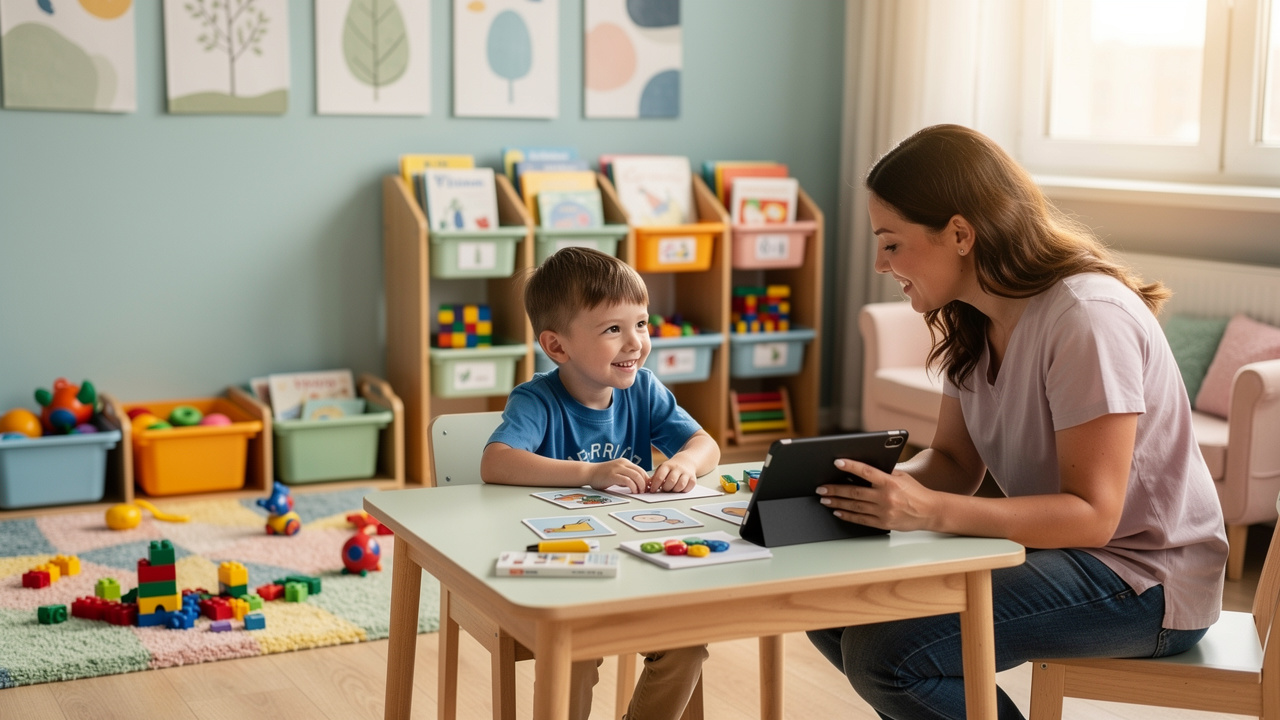
Understanding the unique challenges that come with raising a child with Autism Spectrum Disorder (ASD) is so important for helping them develop social skills and build connections. Did you know that nearly a quarter of autistic children need intensive support? That’s why finding effective strategies is more crucial than ever!
In this article, we’ll explore some best practices that can really boost social interactions for children with ASD. We want to offer caregivers and educators some valuable insights into tailored interventions that can make a difference. So, how can we put these methods into action to create a supportive environment? Let’s dive in and discover how we can encourage meaningful connections among children with ASD together!
It is important to understand the challenges children with Autism Spectrum Disorder (ASD) face in social interactions, as this knowledge can aid in . Their can make it tough to pick up on social cues, engage in back-and-forth conversations, and form friendships. For example, many kids with ASD struggle to read body language, facial expressions, and tone of voice - key ingredients for .
Did you know that ? This can really impact how they connect with others. Recognizing these challenges is crucial for parents and educators in the context of . It helps them tailor interventions aimed at and boosting their social skills. For instance, if a child hesitates to join in play due to anxiety or confusion, understanding this can help adults create a more .
Statistics show that . This highlights the need for in children with ASD to help them engage with their peers. By , we can truly enhance the support for our youth with ASD, which is essential for [improving social interactions in children with ASD](https://rori.care/post/10-essential-autism-statistics-every-parent-should-know) as they navigate their social worlds. Let’s explore this together!

To effectively educate young individuals with ASD, it’s crucial to have organized and methodical strategies in place. Techniques like , , and can be incredibly helpful:
Breaking down complex social situations into manageable steps makes it easier for young individuals to grasp the nuances of interaction. Plus, consistently reinforcing during these activities is key! It and boosts overall learning outcomes. By weaving these strategies into their routines, caregivers and educators can create a that focuses on .
Let’s explore this together! We’re here to !

Creating a nurturing atmosphere is essential for , allowing them to feel comfortable in social situations. , offering predictability that can ease anxiety and boost emotional stability. For instance, setting up playdates in familiar places can make a world of difference, reducing stress and leading to more enjoyable experiences.
, like schedules and cue cards, are fantastic tools for , as they help kids understand what to expect and navigate social situations with more confidence. Caregivers can also implement , using strategies like role-playing or storytelling to prepare kids for upcoming events.
Plus, is beneficial for . This way, kids with ASD can pick up essential social skills, thereby improving social interactions in children with ASD in a supportive environment. Organized activities, such as and , provide clear guidelines and chances to practice those skills.
By using these approaches, caregivers can create engaging settings that focus on improving social interactions in children with ASD and promote meaningful growth. At Rori Care, we’re all about to navigate the world independently. We focus on and caregiver education to support positive behavior changes and skill development. Let’s explore this together!

in improving social interactions in children with asd! There are so many apps and interactive tools out there designed to make learning fun and engaging. For instance, apps that use stories or videos provide , helping kids grasp social norms more easily. Plus, virtual reality can , giving young people a safe space to practice their interactions. These innovative tools not only make learning enjoyable but also allow for , which is key to mastering these skills.
But it doesn’t stop there! focused on , led by trained therapists, is also super important for enhancing communication and relationships among young people. In a group setting, kids can interact with each other, learn from their peers, and receive support from professionals. By blending technology with , a to improving social interactions in children with asd, which truly helps kids grow in their relationships.
Steps for Caregivers to Use Technology in Training:
Let’s explore this together! We’re here to help you every step of the way!

Improving social interactions for children with Autism Spectrum Disorder (ASD) can feel like a big task, right? It’s all about understanding their unique challenges and finding the right strategies that truly resonate with their needs. When caregivers and educators recognize how autism affects social skills, they can create targeted interventions that help kids form meaningful connections and engage socially.
One great way to do this is through structured teaching strategies. Think social stories, role-playing, and video modeling - these tools can really help children navigate social situations more easily. Plus, creating a supportive environment that emphasizes predictability and comfort is key. It’s amazing how much confidence kids can gain when they feel secure in their social interactions.
And let’s not forget about technology! Engaging apps and virtual reality experiences can open up exciting new ways for kids to practice and enhance their skills. It’s all about making learning fun and interactive!
Ultimately, improving social interactions for children with ASD isn’t just about teaching skills; it’s about building an inclusive and understanding community. By embracing these practices and advocating for supportive environments, we can truly make a difference in the lives of these children. Together, we can empower them to build fulfilling relationships and navigate their social worlds with confidence.
So, let’s explore this journey together! If you have experiences or thoughts to share, we’d love to hear from you. Your insights can help create a supportive community for everyone involved!
What challenges do children with Autism Spectrum Disorder (ASD) face in social interactions?
Children with ASD often struggle to pick up on social cues, engage in back-and-forth conversations, and form friendships. They may have difficulty reading body language, facial expressions, and tone of voice, which are essential for effective communication.
How does the prevalence of autism differ between genders?
Boys are nearly four times more likely to be diagnosed with autism than girls, which can influence how they connect with others.
Why is it important for parents and educators to understand the challenges faced by children with ASD?
Understanding these challenges is crucial for parents and educators as it helps them tailor interventions aimed at improving social interactions and boosting social skills in children with ASD.
What percentage of autistic 8-year-olds in the U.S. require intensive support?
Approximately 26.7% of autistic 8-year-olds in the U.S. require intensive support, highlighting the need for targeted strategies to improve their social interactions.
How can adults create a supportive environment for children with ASD?
By recognizing the challenges that children with ASD face, such as anxiety or confusion when joining play, adults can create a more supportive environment that encourages interaction and engagement.