Feeling overwhelmed by autism spectrum disorder (ASD)? You’re not alone! Navigating the complexities of ASD can be tough for parents, especially when it comes to understanding how crucial early intervention is. You know, getting support early on can really boost your child’s communication and social skills, setting them up for success down the road. But with so many options out there, how do you choose what’s best for your child? Let’s explore some of the best practices for early autism treatment, including:
Navigating the world of autism spectrum disorder (ASD) can feel overwhelming for parents, especially when it comes to finding the right support for their kids. Getting timely support can make a huge difference for kids with autism spectrum disorder (ASD), which is essential for treating autism at an early age, helping them communicate better, connect with others, and adapt to their surroundings. Here at Rori Care, our caring team is dedicated to helping families navigate the journey of Applied Behavior Analysis (ABA) treatment together.
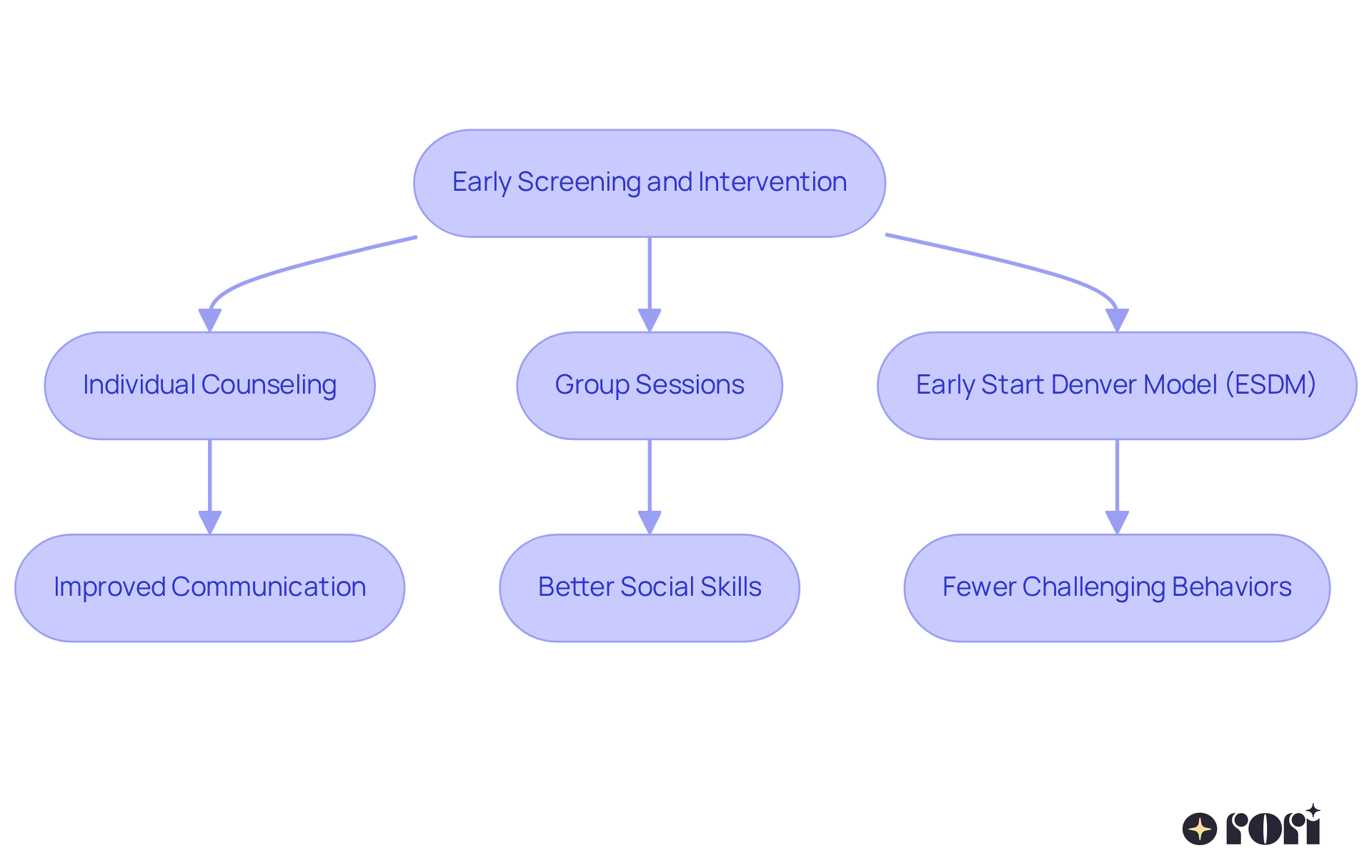
You might be surprised to learn that kids who receive support for treating autism at an early age often see much bigger improvements than those who start later on. One great approach is the Early Start Denver Model (ESDM), which combines fun play with learning to help kids engage and communicate better. Pediatricians also emphasize that treating autism at an early age is crucial, as it can lead to lasting benefits like better social skills and fewer challenging behaviors.
It’s crucial for both clinicians and parents to focus on treating autism at an early age through early screening and intervention, as these steps can really help kids reach their full potential. At Rori Care, we’re all about empowering caregivers with easy-to-use ABA strategies, helping them support their loved ones’ goals in a hands-on way. We offer individual counseling and group sessions, both of which are key parts of our caring approach to support.
Research shows that treating autism at an early age, particularly by starting treatment by age two, significantly increases the likelihood of kids thriving in inclusive classrooms, demonstrating the effectiveness of early intervention for children with autism. By prioritizing treating autism at an early age, you’re not just helping your child; you’re also creating a pathway for a brighter future filled with possibilities.
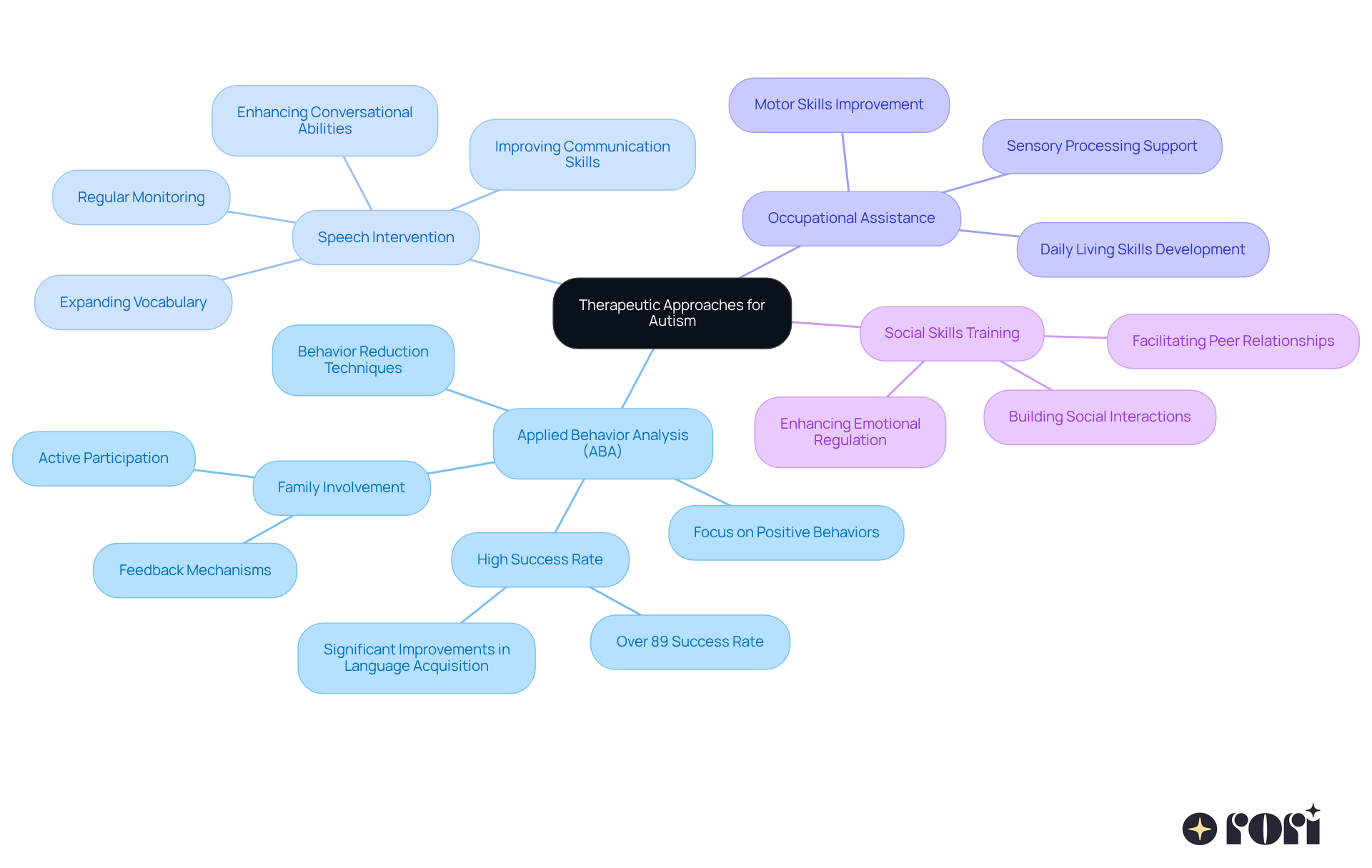
Navigating autism care can feel overwhelming for parents, especially when every child has unique needs. Here at Rori Care, our friendly behavior analysts work with you to create personalized plans that set clear goals and use proven strategies to help your child thrive. By incorporating different therapeutic approaches - like Applied Behavior Analysis (ABA), speech intervention, occupational assistance, and social skills training - we can develop a comprehensive treatment plan tailored just for your child.
ABA focuses on strengthening positive behaviors while reducing challenging ones, and speech intervention helps improve communication skills. Research shows that combining these treatments can lead to better outcomes. For instance, a five-year-old who received both ABA and speech intervention went from using single words to forming complete sentences in just six months! That’s the power of this integrated approach.
Plus, at Rori Care, we’re making ABA support even more efficient with advanced AI technology that automates progress report generation. This means our clinicians can spend 50% more time interacting directly with your child. We invite families to team up with our clinicians to find the perfect mix of therapies that truly fit their child's unique journey. Let’s explore this together!
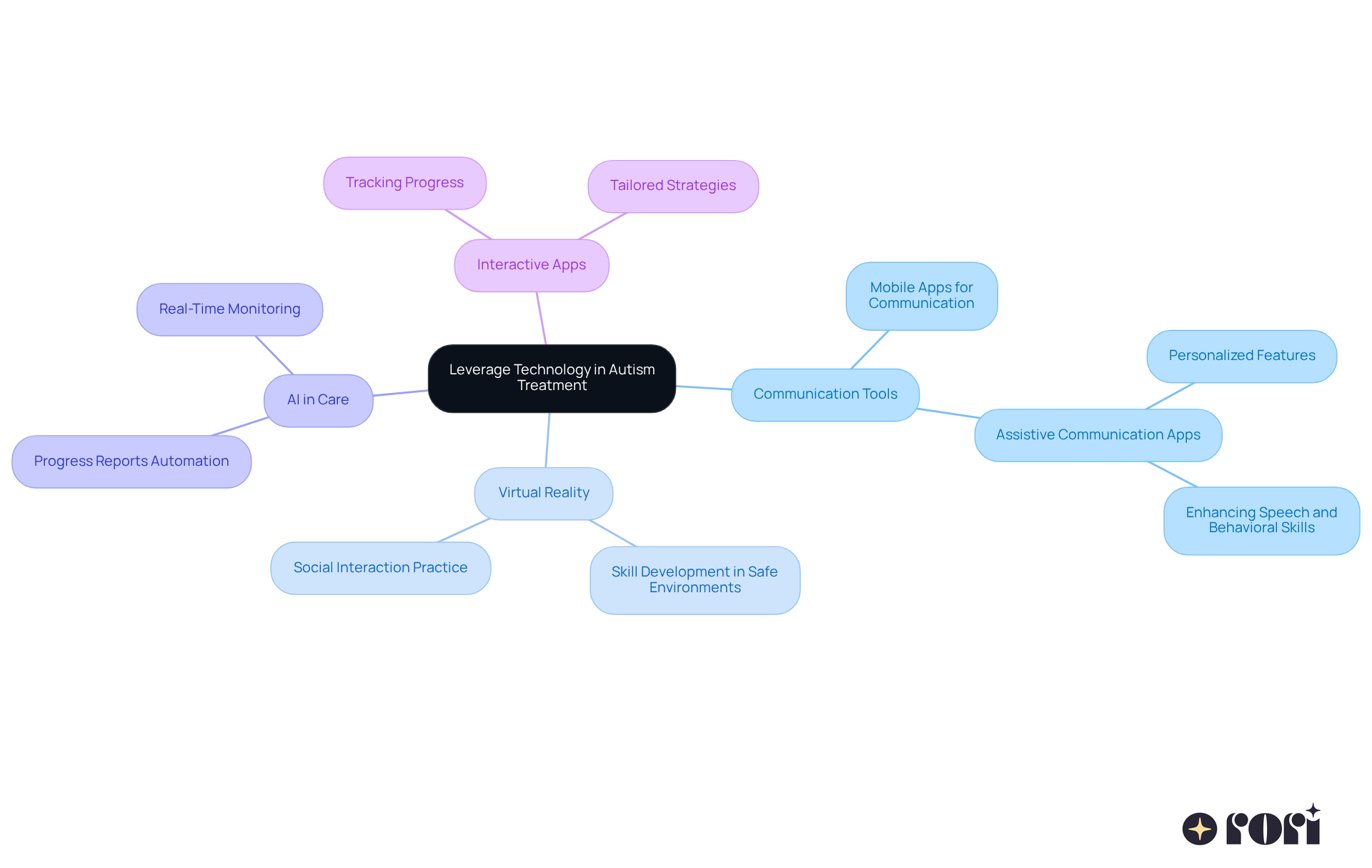
Navigating the world of autism treatment can feel overwhelming, especially when it comes to finding the right tools to support your child. Technology plays a key role in this journey, offering innovative tools that enhance engagement and learning. For instance, mobile apps designed for communication can help non-verbal kids express their needs more effectively.
Imagine your child using a virtual reality (VR) environment to practice social interactions in a safe space. It’s a fantastic way for them to develop skills without the pressure of real-world scenarios. Research shows that kids using tech tools for therapy often see bigger improvements in their social skills than those who stick to traditional methods.
Here at Rori Care, we’re excited to use advanced AI to make progress reports easier, giving our team 50% more time to focus on what really matters-your child’s care! It’s all about finding ways to make the process smoother and more effective for everyone involved.
Let’s think about how we can weave technology into care plans-tools like interactive apps and teletherapy can really help track progress and tailor strategies to fit each child’s unique needs. By embracing these innovative tools, you’re not just keeping up; you’re paving the way for your child’s success in a world that can sometimes feel isolating.
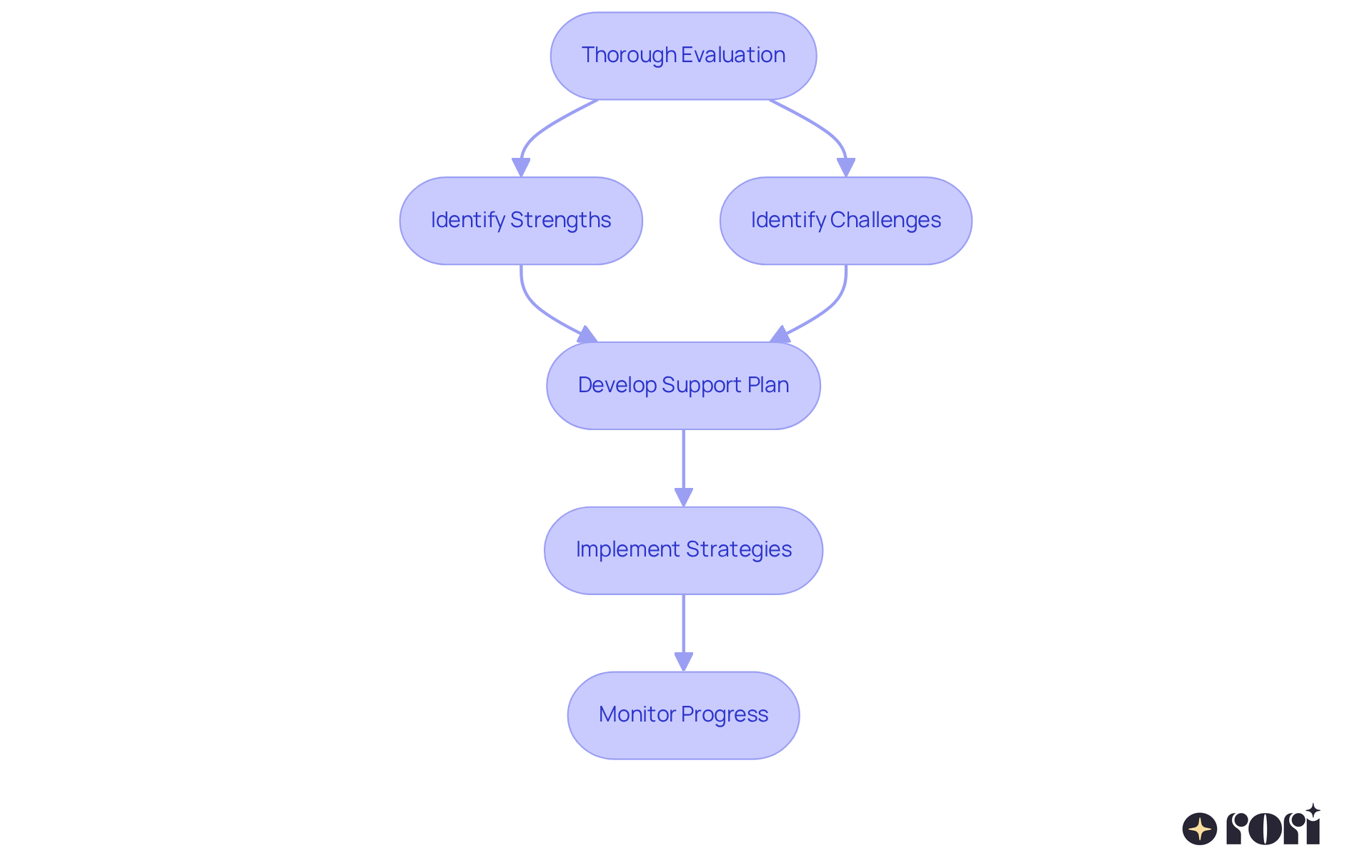
Navigating the world of autism care can feel overwhelming for parents, especially when it comes to creating personalized treatment plans. It all starts with a thorough evaluation that looks at your child's strengths and challenges, helping to shape a support plan just for them. For instance, if your child excels in visual learning but struggles with verbal communication, using visual supports and alternative communication methods can make a world of difference.
You know, studies show that when kids have personalized care plans, they really start to shine and make progress! These tailored strategies not only enhance their learning outcomes but also boost their involvement and development. It’s so important for clinicians and families to work hand-in-hand, making sure that the treatment plans grow and change as your child does. This collaborative approach creates a supportive environment and empowers families to play an active role in their child's journey.
Navigating the world of autism can feel daunting, but prioritizing early intervention can truly change the game for your child and family. By addressing autism at an early age, you can open up a world of benefits that lead to better communication, social skills, and adaptability. When families seek timely support, it not only empowers them but also paves the way for a brighter future for their children with ASD.
We’ve talked about some best practices for treating autism effectively. Early screening and intervention are key, along with using a mix of therapeutic approaches and integrating technology. Each of these strategies is all about helping your child shine and reach their full potential! Techniques like the Early Start Denver Model and combining therapies like ABA and speech intervention have shown amazing results in promoting positive outcomes.
When families take these steps, they not only see improvements in their child's skills but also experience a sense of hope and connection. Embracing these best practices shows a commitment to nurturing the unique journeys of children with autism. By actively seeking early intervention, leveraging innovative technology, and customizing treatment plans, you can significantly enhance your child's opportunities for growth and success. Taking those first steps toward early intervention can open doors to a brighter future for your child, filled with possibilities you might not have imagined before.
Why is early intervention important for children with autism spectrum disorder (ASD)?
Early intervention is crucial because timely support can significantly improve communication, social skills, and adaptability in children with ASD. Kids who receive early treatment often show greater improvements than those who start later.
What is the Early Start Denver Model (ESDM)?
The Early Start Denver Model (ESDM) is an approach that combines fun play with learning to help children with autism engage and communicate better.
What benefits do children experience from early treatment of autism?
Children who receive early treatment for autism can develop better social skills and exhibit fewer challenging behaviors, leading to lasting benefits.
What role do pediatricians play in the early treatment of autism?
Pediatricians emphasize the importance of early treatment for autism, as it can lead to significant improvements in children's social skills and overall behavior.
How does Rori Care support families navigating autism treatment?
Rori Care offers a caring team dedicated to helping families with Applied Behavior Analysis (ABA) treatment. They provide individual counseling and group sessions, empowering caregivers with easy-to-use ABA strategies.
What is the significance of starting treatment by age two?
Research indicates that starting treatment by age two significantly increases the likelihood of children thriving in inclusive classrooms, highlighting the effectiveness of early intervention.
How can parents and clinicians work together in early intervention?
Both parents and clinicians should focus on early screening and intervention to help children with autism reach their full potential through collaborative efforts.