Navigating the emotional ups and downs of autistic adults can feel overwhelming, especially during meltdowns. It’s so important to find calming techniques that really work, helping create a supportive space for emotional well-being. Let’s dive into four personalized strategies that can help manage meltdowns, offering insights into sensory processing, deep breathing exercises, and the creation of calming spaces. But what if the usual methods just aren’t cutting it? Let’s see how personalized approaches can turn those tough moments into chances for growth and connection!
Finding the right calming techniques for autistic adults to support our loved ones can feel overwhelming, can’t it? At Rori Behavioral Innovations, we focus on creating personalized plans that truly fit each individual’s needs. We believe in understanding each person’s unique behaviors and tailoring our strategies to what works best for them.
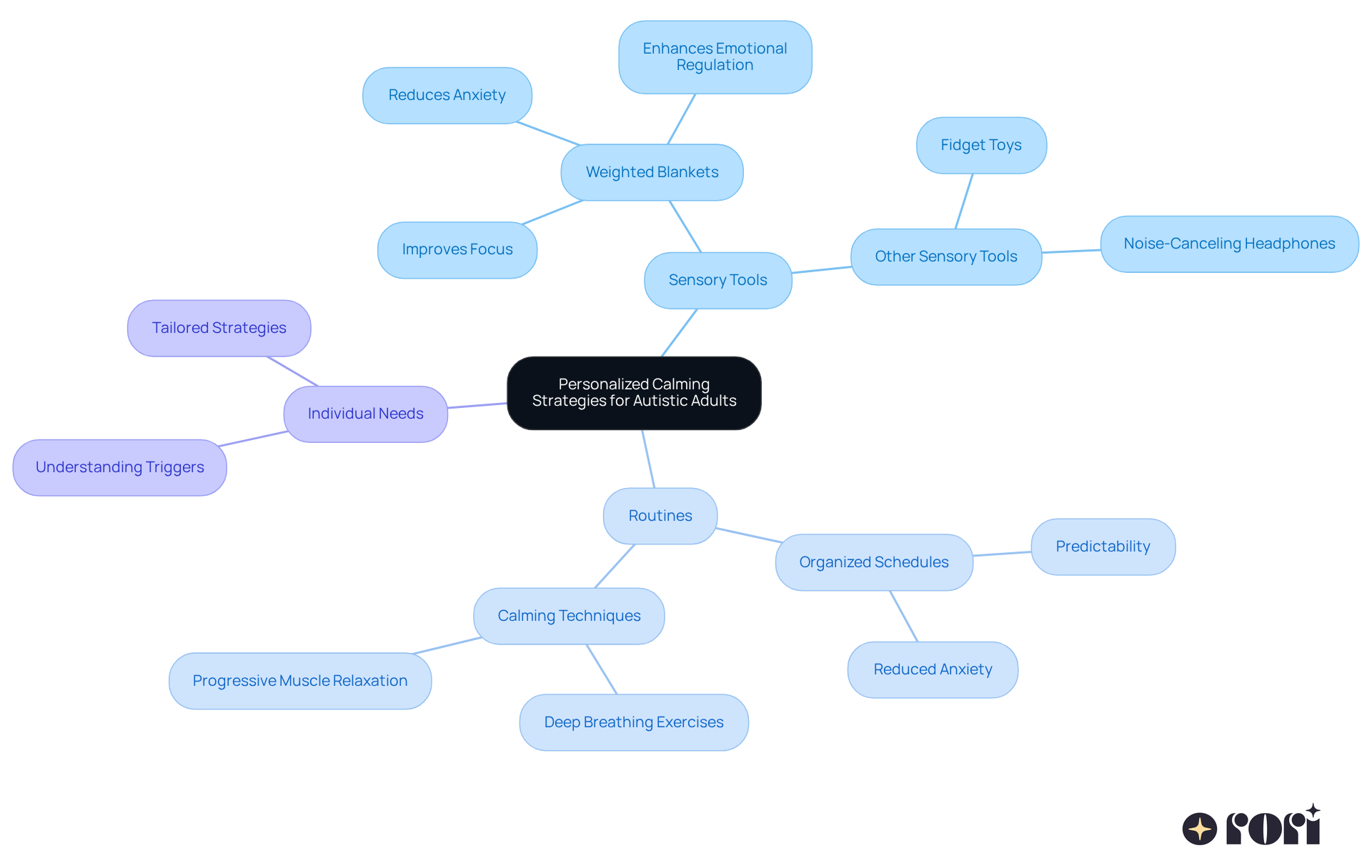
For instance, many parents have found that using sensory tools like weighted blankets really helps their loved ones feel calmer and more focused. These tools can be a game-changer when it comes to handling meltdowns, offering comfort and lowering anxiety. Plus, research shows that incorporating these sensory tools can lead to improved emotional regulation.
And let’s not forget about routines! Some individuals thrive on organized schedules or specific calming techniques for autistic adults that address their unique triggers. By taking the time to understand each person’s likes and challenges, we can create plans that help them handle tough moments with more confidence and success.
So, if you’re feeling lost in the search for effective strategies, remember: you’re not alone. With the right support, we can help our loved ones navigate their emotional challenges with confidence and ease.
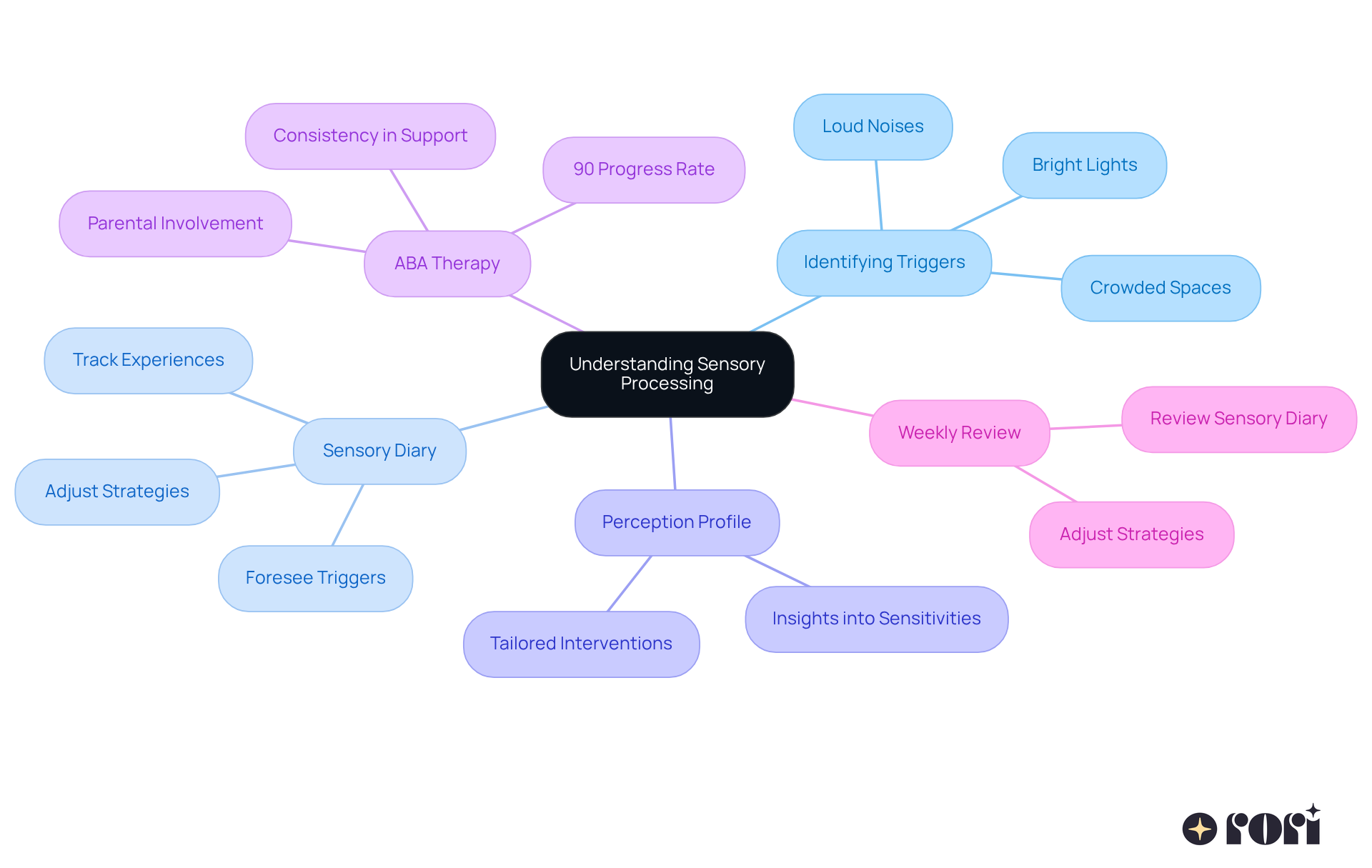
Have you ever felt overwhelmed by noise or bright lights? For many autistic children, these sensations can lead to meltdowns. Understanding how things like loud noises, bright lights, or crowded spaces affect your child can help you spot what triggers them. Keeping a sensory diary can be a game-changer! It allows you to track experiences that lead to meltdowns, helping you foresee and reduce those triggers.
You might find it helpful to create a perception profile, too. This can give you insights into your child's specific sensitivities, allowing you to tailor interventions that lessen overwhelming experiences. When you know what to look for, you can feel more confident in supporting your child. Plus, by applying principles from Applied Behavior Analysis (ABA) therapy, you can enhance your support at home. This not only complements professional interventions but also promotes consistency.
And guess what? When you actively participate in your child's ABA therapy, 90% of kids see amazing progress! To further support your child, consider setting aside time each week to review the sensory diary and adjust strategies as needed. Taking the time to understand your child's sensory needs can make a world of difference in their daily life.
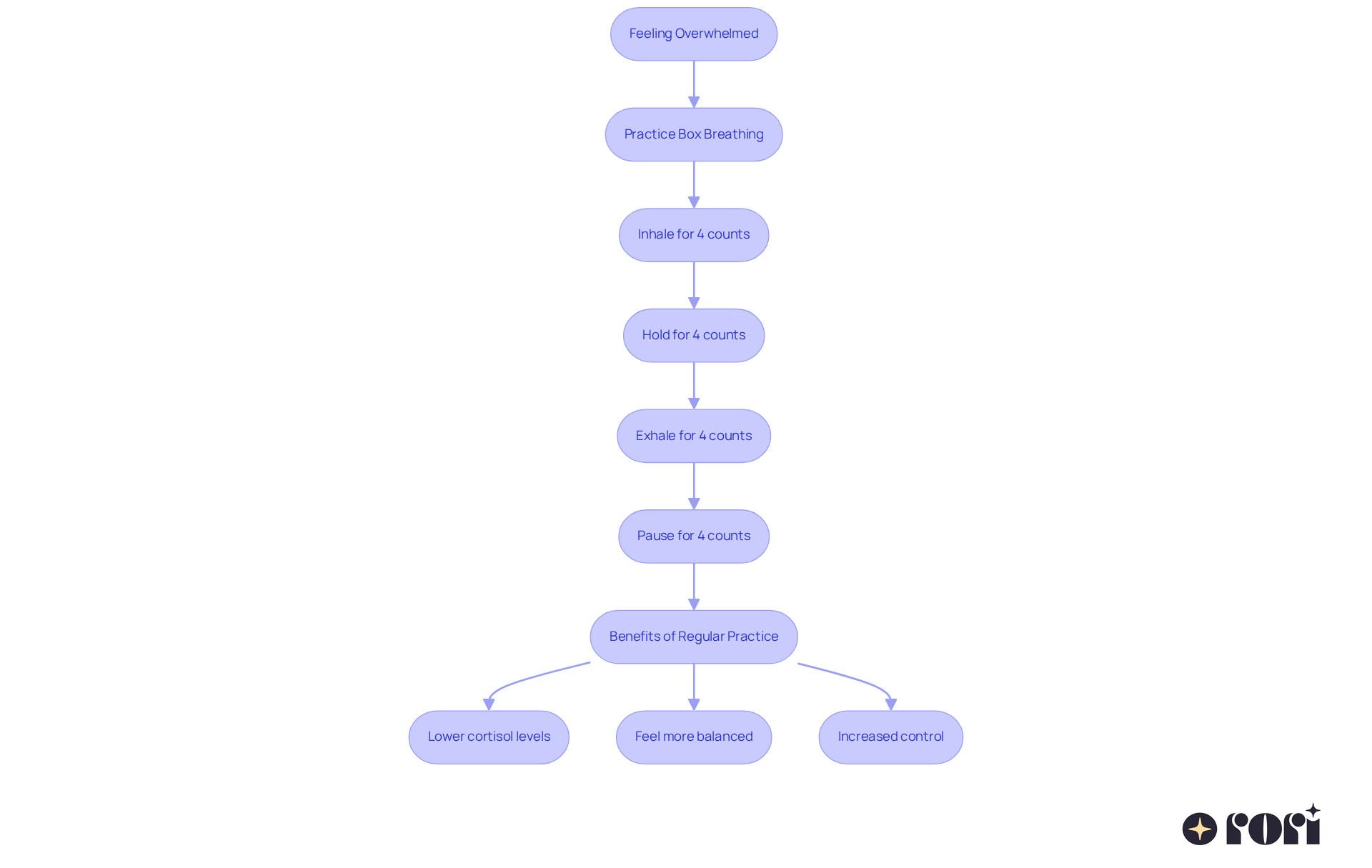
Many parents find themselves overwhelmed during stressful moments, struggling to regain their calm. One great technique is box breathing. You breathe in deeply for four counts, hold it for four, exhale for four, and then pause for another four. It really helps calm your nervous system!
Studies show that when we practice deep breathing regularly, it can actually lower our stress hormone, cortisol, helping us feel more balanced and in control. When you practice these exercises regularly, they not only work better in tough times but also help you feel more calm and in control.
Using apps or visual aids to guide your breathing can make it easier and more fun to practice, giving you a handy tool for those challenging moments. Imagine feeling more in control and less anxious, even in the toughest situations.
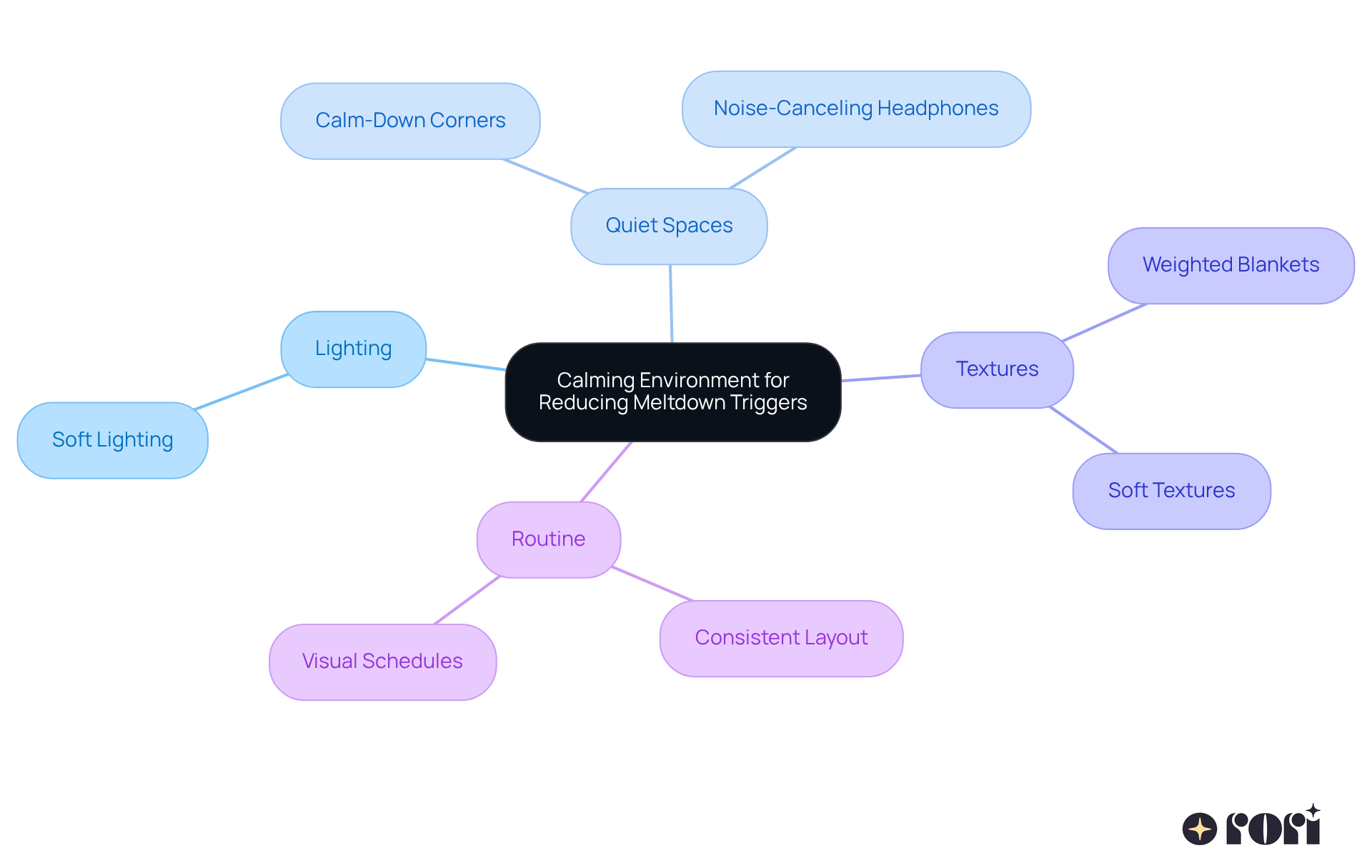
Have you ever noticed how a little calm can make a big difference for our loved ones? Establishing a soothing atmosphere is key to minimizing triggers that can lead to meltdowns, and using calming techniques for autistic adults can be highly effective in this process. Think about soft lighting, quiet spaces, and gentle colors that create a warm environment.
Creating cozy quiet spots with things like weighted blankets and using calming techniques for autistic adults can really help! These designated areas provide safe havens for when things get overwhelming. You know, those noise-canceling headphones can really help cut down on all that overwhelming noise! Studies show that kids using them experienced a 30% drop in anxiety during busy situations.
Plus, keeping a consistent layout and routine in these spaces helps everyone feel more secure, which can ease anxiety and reduce the chances of meltdowns, thereby serving as effective calming techniques for autistic adults. By thoughtfully designing these environments, we can empower our loved ones to navigate their emotions more effectively. We’ve seen how spaces filled with soft textures and calming visuals can really make a difference! When we take the time to create these nurturing environments, we’re not just reducing anxiety; we’re opening doors to a more peaceful life.
Navigating the emotional landscape for autistic adults can feel overwhelming, but there’s hope in effective calming techniques. By understanding sensory needs and creating personalized strategies, caregivers can build supportive spaces that help autistic individuals face their challenges more easily.
Key insights from this article remind us how important it is to be aware of sensory processing. Deep breathing exercises and calming environments can make a world of difference! Tools like sensory diaries, weighted blankets, and structured routines can really help reduce anxiety and improve emotional regulation. Plus, techniques like box breathing not only serve as quick coping methods but also help build long-term emotional resilience.
The journey to help autistic adults manage their emotions is all about teamwork, patience, and a sprinkle of creativity. By embracing these calming techniques, caregivers can truly make a difference in the lives of autistic individuals, paving the way for a more peaceful and fulfilling existence. By taking these steps, you’re not just helping someone cope; you’re opening doors to a brighter, more fulfilling future.
What is the focus of Rori Behavioral Innovations regarding ABA therapy for autistic adults?
Rori Behavioral Innovations focuses on creating personalized plans that cater to the unique needs and behaviors of each autistic adult.
What are some effective calming techniques mentioned for autistic adults?
Effective calming techniques include using sensory tools like weighted blankets, which can help individuals feel calmer and more focused, especially during meltdowns.
How do sensory tools impact emotional regulation in autistic adults?
Research shows that incorporating sensory tools can lead to improved emotional regulation, helping individuals manage anxiety and stress more effectively.
Why are routines important for autistic adults?
Routines are important because some individuals thrive on organized schedules and specific calming techniques that address their unique triggers, leading to better handling of tough moments.
What should caregivers remember when searching for calming strategies for autistic adults?
Caregivers should remember that they are not alone in their search for effective strategies and that with the right support, they can help their loved ones navigate emotional challenges with confidence and ease.