Introduction
Customized ABA strategies have the power to change the educational landscape for children with autism and other learning challenges. By weaving these tailored approaches into Individualized Education Plans (IEPs), educators can truly enhance students' learning experiences and outcomes. But here’s the real question: how can parents, educators, and therapists work together effectively to make sure these strategies are not just put in place but also adjusted to meet each child's changing needs?
Exploring these dynamic strategies opens up a pathway to unlocking every child's full potential in the classroom. Let’s dive into this journey together!
Develop Individualized Education Plans (IEPs) Using ABA Principles
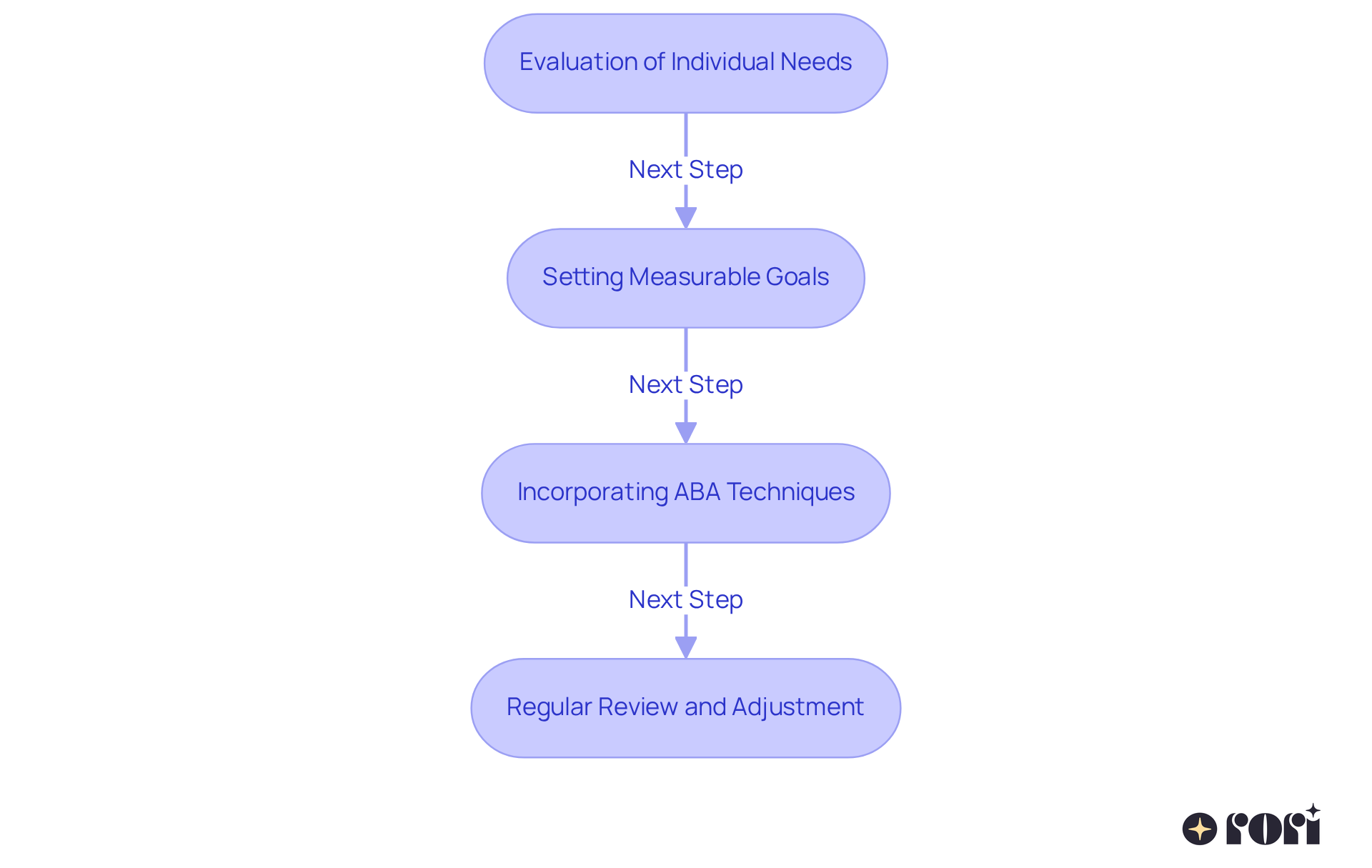
Creating that integrate is crucial for enhancing educational outcomes for students with autism. Let’s dive into four effective strategies that can make a real difference:
- : Start with a to pinpoint the student’s strengths, weaknesses, and unique learning styles. This might involve standardized tests, observations, and feedback from parents and teachers. It’s all about getting a complete picture of what your child needs.
- : It’s crucial to set clear, that can realistically be achieved within a specific timeframe. Instead of saying, ‘improve communication skills,’ try something like, ‘increase the use of two-word phrases in 80% of opportunities within three months.’ This kind of clarity really helps in tracking progress!
- : Use ABA strategies like , prompting, and task analysis to help meet those IEP goals. For example, to boost social skills, you could organize that encourage peer interaction. It makes learning fun and practical! A qualified behavior analyst can help develop customized ABA strategies for educational progress that are evidence-based and tailored to your child’s needs.
- : Set up a schedule for regular IEP evaluations to check on progress and make any necessary adjustments. This ongoing review ensures that the plan stays relevant and effective as your child grows. It’s pretty amazing-90% of kids show significant progress when the recommended hours are followed with active caregiver involvement!
By using these strategies, educators can create IEPs that not only meet legal requirements but also truly enrich the educational experience for students with autism. Let’s explore this together and make a positive impact!
Implement Data-Driven Progress Monitoring Techniques
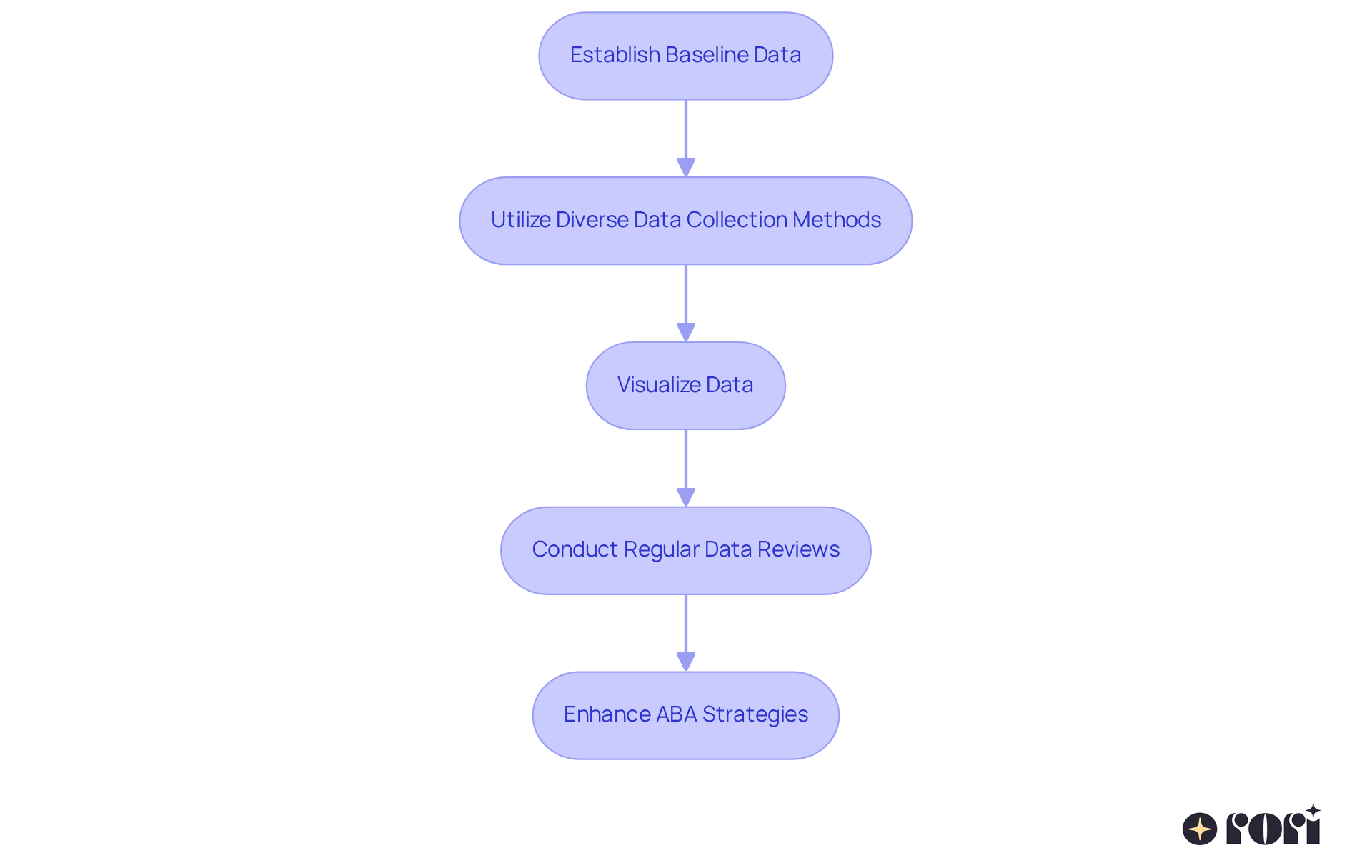
Monitoring advancement through data is super important for ! Let’s dive into some key practices that can help you implement these techniques:
- : Start by gathering baseline data on your child’s current performance before jumping into any intervention. This could mean counting how often certain behaviors occur or assessing skill levels. It gives you a clear starting point to evaluate progress!
- : Mix it up with different ! You might try frequency recording, duration recording, or interval recording. For example, tracking how often your child initiates communication during sessions can really shed light on their engagement levels.
- : Graphs and charts can be your best friends! They help represent advancement visually over time, making trends clearer. Plus, they’re a great way to communicate developments to parents and other stakeholders, fostering a collaborative environment.
- : Set aside time to review the data you’ve collected regularly. This way, you can make based on your child’s development, ensuring that the methods remain effective and aligned with their needs.
By embracing these , educators and therapists can significantly enhance the effectiveness of for educational progress. This ultimately supports your child’s educational journey. Let’s explore this together!
Foster Collaboration Among Parents, Educators, and Therapists
Collaboration is key to making as effective as possible! Here are some friendly strategies to boost cooperation among parents, educators, and therapists:
- : Let’s keep the conversation going! Establishing consistent communication channels among everyone involved is super important. Think weekly check-ins, email updates, or even shared digital platforms to track and discuss progress. This way, everyone stays informed and aligned. And remember, active listening is crucial - it helps us understand each other’s insights and concerns better.
- : How about involving parents and educators in setting goals for the student? This collaborative approach ensures that everyone is on the same page, working towards shared objectives. It really strengthens the support system and boosts educational outcomes. Research shows that individuals with a history of receiving ASD services are more likely to stick with ABA therapy, highlighting the importance of early and consistent involvement.
- : Offering training sessions or workshops for parents and educators on ABA principles can be a game-changer! When they’re empowered with knowledge, it leads to across different environments, reinforcing the individual’s learning. Plus, is vital - it enhances involvement and ultimately improves therapy outcomes. And don’t forget, Rori Care provides guidance on payment options to help cover up to 100% of ABA treatment, making these resources more accessible!
- : Let’s create organized ways for parents and educators to share their thoughts on the student’s development and the effectiveness of interventions. This ongoing dialogue allows for necessary adjustments and fosters a responsive collaborative environment. As we know, "Parental engagement plays a vital role in the effectiveness of Applied Behavior Analysis (ABA) therapy," so let’s keep that participation active!
By promoting collaboration and empowering caregivers with for , we can all work together to build a strong support system that significantly enhances the educational progress and overall development of our young learners. Let’s explore this journey together!

Utilize Effective ABA Techniques for Classroom Success
The implementation of in the classroom can significantly impact student behavior and learning outcomes, particularly for children with Autism Spectrum Disorders, ADHD, and other behavioral challenges. Let’s dive into some strategies that might help:
- : Think about using [positive reinforcement](https://ybgr.org/17-quotes-on-coaching-kids-through-behaviors) to encourage those desired behaviors. A little verbal praise, some tokens, or other rewards can really motivate students to engage in the right behaviors.
- Structured Environment: Creating a is key! It helps minimize distractions and clearly outlines what’s expected. Visual schedules and clear routines can be super helpful for students to understand what they need to do.
- : Breaking down complex tasks into smaller, manageable steps can make a world of difference. It helps students grasp assignments better, reducing frustration and boosting their chances of success.
- : Don’t forget about peer modeling! Letting students learn from watching their classmates can be particularly effective, especially when it comes to teaching social skills and appropriate interactions.
By implementing customized ABA strategies for educational progress, educators can create a classroom environment that truly supports the unique needs of individuals with autism and other learning disabilities. Plus, empowering caregivers with customized ABA strategies for educational progress can enhance their ability to support their children's behavioral goals. When caregivers are actively involved and collecting data, it fosters and overall development.
Let’s explore this together! We’re here to help you every step of the way!

Conclusion
Creating a successful educational environment for children with autism and other learning challenges really comes down to using customized ABA strategies effectively. By focusing on individualized education plans, tracking progress with data, and collaborating with caregivers, educators can make a real difference in students' educational journeys. These strategies not only boost learning outcomes but also empower families to work together toward shared goals.
Let’s highlight four essential strategies:
- Developing tailored IEPs through thorough evaluations
- Using data to monitor progress
- Fostering collaboration among parents, educators, and therapists
- Implementing effective ABA techniques in the classroom
Each of these elements is crucial in ensuring that educational plans are not just legally compliant but truly beneficial for the child's growth and development.
Ultimately, committing to these customized ABA strategies can really transform the educational experience for children with autism. It paves the way for greater success, both academically and socially. Encouraging ongoing collaboration and communication among all stakeholders will enrich this process even more, ensuring that every child gets the support they need to thrive. Embracing these practices not only enhances educational progress but also builds a stronger foundation for lifelong learning and development. Let’s explore this together!
Frequently Asked Questions
What is the purpose of Individualized Education Plans (IEPs) for students with autism?
The purpose of IEPs is to enhance educational outcomes for students with autism by integrating customized ABA strategies tailored to their individual needs.
What is the first step in developing an IEP?
The first step is to conduct a thorough evaluation of the student’s strengths, weaknesses, and unique learning styles, which may include standardized tests, observations, and feedback from parents and teachers.
How should goals be set in an IEP?
Goals should be clear, measurable, and achievable within a specific timeframe. For example, instead of a vague goal like 'improve communication skills,' a measurable goal could be 'increase the use of two-word phrases in 80% of opportunities within three months.'
What ABA techniques can be incorporated into an IEP?
ABA techniques such as positive reinforcement, prompting, and task analysis can be used to help meet IEP goals. For instance, structured play sessions can be organized to improve social skills through peer interaction.
How often should IEPs be reviewed and adjusted?
IEPs should be regularly evaluated to check on progress and make necessary adjustments. This ongoing review helps ensure that the plan remains relevant and effective as the child develops.
What is the potential impact of following the recommended IEP hours with caregiver involvement?
When the recommended hours are followed with active caregiver involvement, 90% of kids show significant progress, highlighting the importance of consistent support and engagement.
List of Sources
- Develop Individualized Education Plans (IEPs) Using ABA Principles
- 3 Reasons Why More Students Are in Special Education (https://edweek.org/teaching-learning/3-reasons-why-more-students-are-in-special-education/2023/10)
- 10 Powerful Autism ABA Quotes That Inspire Change – Rori Blog (https://rori.care/post/10-powerful-autism-aba-quotes-that-inspire-change)
- 2026 Autism Statistics - Insights for Families and Advocates (https://prosperahealthcare.com/autism-statistics)
- Autism Quotes | Intellistars - ABA Therapy (https://intellistarsaba.com/blog/autism-quotes)
- Implement Data-Driven Progress Monitoring Techniques
- Applied Behavior Analysis (ABA) Statistics: Data, Effectiveness, and Evidence-Based Practices (https://nexoaba.com/applied-behavior-analysis-statistics)
- The Importance of Data Collection in ABA Therapy | Discovery ABA (https://discoveryaba.com/aba-therapy/the-importance-of-data-collection-in-aba-therapy-cec7b)
- The Significance of Statistics in ABA Therapy | All Star ABA (https://allstaraba.org/statistics-in-aba-therapy)
- Data Collection in ABA Therapy for Children with Autism (https://striveabaconsultants.com/data-collection-in-aba-therapy-for-child-with-autism)
- Foster Collaboration Among Parents, Educators, and Therapists
- The Importance of Collaboration Between ABA Therapists and Parents (https://magnetaba.com/blog/the-importance-of-collaboration-between-aba-therapists-and-parents)
- trueuaba.com (https://trueuaba.com/why-parent-collaboration-creates-positive-aba-therapy-results)
- The Role of Parent Training in Supporting ABA Therapy Success | Discovery ABA (https://discoveryaba.com/aba-therapy/the-role-of-parent-training-in-supporting-aba-therapy-success)
- The Role of Parent Education in ABA Therapy Success (https://supportivecareaba.com/statistics/the-role-of-parent-education-in-aba-therapy-success)
- ambitionsaba.com (https://ambitionsaba.com/resources/the-importance-of-regular-communication-between-parents-and-aba-providers)
- Utilize Effective ABA Techniques for Classroom Success
- ybgr.org (https://ybgr.org/17-quotes-on-coaching-kids-through-behaviors)
- Inspirational ABA and Autism Quotes - Mrs. Moe's Modifications (https://mrsmoesmodifications.com/inspirational-aba-and-autism-quotes)
- supportivecareaba.com (https://supportivecareaba.com/statistics/autism-therapy-statistics)
- Best ABA Quotes (https://testpreptech.com/post/best-aba-quotes)