In the world of autism treatment, parents often find themselves navigating a complex landscape. It can feel overwhelming, right? But here’s the good news: the integration of data-driven personalized ABA therapy approaches is changing the game! By using objective measurements and tailored strategies, families can really dive into understanding their child's progress and needs.
So, how can you make the most of these innovative methods? 🤔 This article is here to help! We’ll explore the principles and practices that empower you to confidently navigate the complexities of ABA therapy. Let’s explore this together and discover how you can maximize outcomes for your child!
When it comes to , employing data-driven personalized ABA therapy approaches is crucial for gathering and examining behavioral information to guide treatment choices and improve outcomes. Let’s break down some key principles that can really make a difference:
By understanding these principles, you can gain a clearer picture of the reasoning behind your child’s treatment plan. This knowledge empowers you to actively engage in the healing process, ultimately leading to more effective outcomes. Let’s explore this together!

When it comes to crafting data-driven personalized ABA therapy approaches, are absolutely essential! Let’s break down some key components that can make a real difference:
By prioritizing thorough evaluations and utilizing data-driven personalized ABA therapy approaches, you can ensure that your child’s treatment is tailored to their unique needs. This approach ultimately leads to more successful outcomes. Let’s explore this together! We’re here to help you every step of the way!

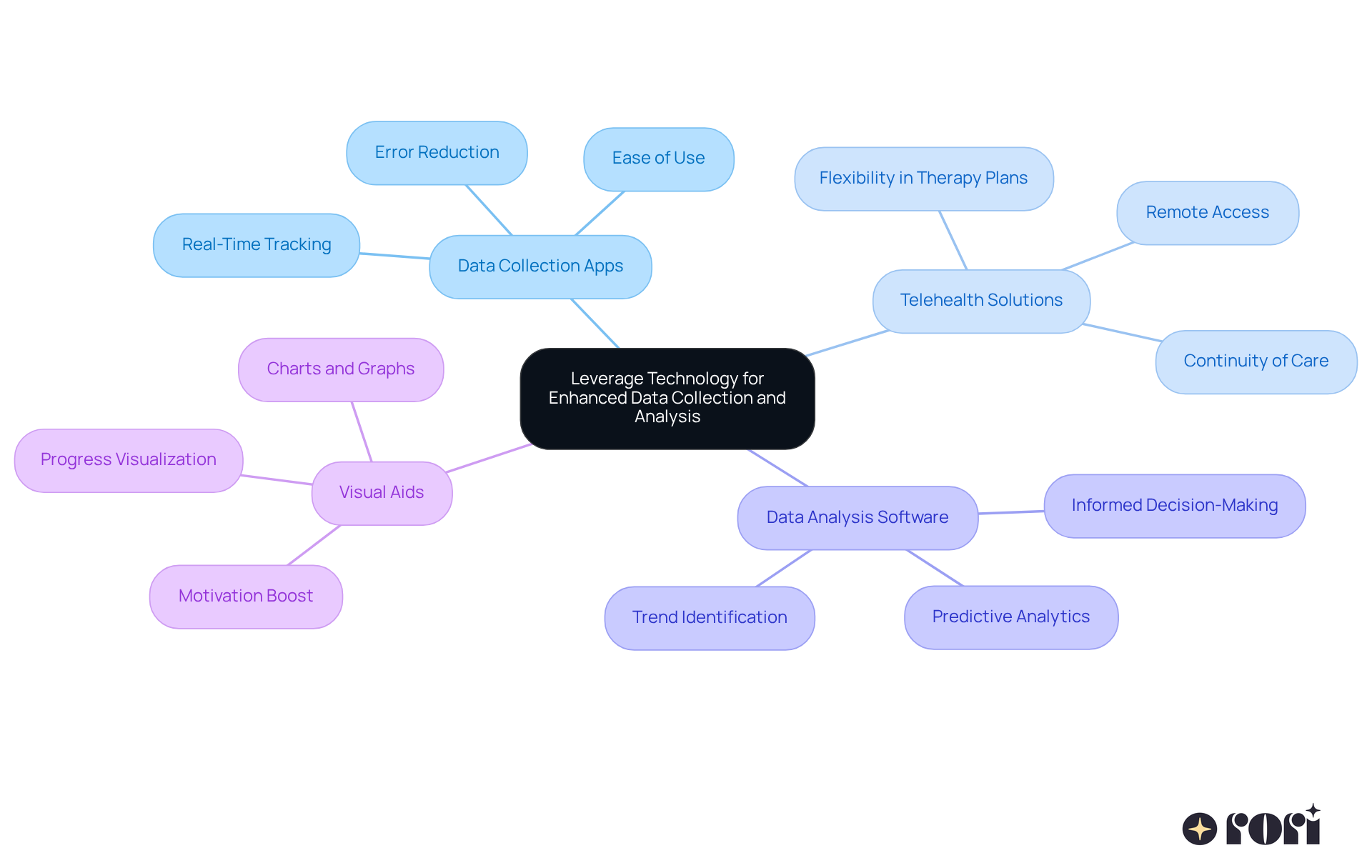
Technology plays a crucial role in today’s ABA practices, enabling [data-driven personalized ABA therapy approaches](https://rori.care) that make data collection and analysis easier than ever. Let’s explore how you, as a parent, can make the most of these tools:
At Rori Care, we take it a step further by integrating customized treatment with advanced AI. This means we can monitor progress and prepare reports, giving you 50% more time to focus on your child’s care. Our automated information gathering ensures that every session is documented seamlessly, with all details securely stored and anonymized after review.
By embracing technology, you can enhance the efficiency of your child’s treatment through data-driven personalized ABA therapy approaches. It’s all about making data gathering effective and informative, so you can feel confident in the support your child receives. Let’s navigate this journey together!
Parental involvement is absolutely vital for the success of ABA treatment! Here are some effective strategies to help enhance that involvement:
By getting actively involved in the treatment process, parents can really enhance their child’s progress, creating a supportive environment that encourages growth and development. Research shows that parental involvement in ABA therapy is a game changer for improving outcomes for children with autism, as it boosts self-efficacy and reduces stress levels among caregivers.
Let’s explore this together! We’re here to help you every step of the way!

Data-driven personalized ABA therapy approaches are changing the game when it comes to tailoring treatment for each child’s unique needs. By focusing on objective measurement, individualization, continuous assessment, and evidence-based practices, these methods ensure that interventions are not just relevant but truly effective in promoting positive behavioral changes.
It’s so important to have comprehensive assessments, like Functional Behavior Assessments and skill-based evaluations, as they lay the groundwork for personalized therapy plans. Plus, when parents are engaged through education, regular communication, and collaborative goal setting, it really boosts the effectiveness of these approaches. This teamwork can lead to significantly better outcomes for children with autism. And let’s not forget how technology can help streamline data collection and analysis, making the whole therapeutic process more efficient and empowering for families.
Ultimately, embracing data-driven personalized ABA therapy isn’t just about improving individual progress; it’s about creating a collaborative environment where parents, therapists, and technology come together to make meaningful changes. As the world of ABA therapy evolves, staying informed about these trends and actively participating in the treatment process can truly make a difference in the lives of children and their families. Let’s embark on this journey together and unlock the full potential of each child, paving the way for a brighter future!
What is the importance of data-driven ABA therapy?
Data-driven ABA therapy is crucial for gathering and examining behavioral information to guide treatment choices and improve outcomes.
How is objective measurement used in ABA therapy?
Objective measurement involves therapists gathering information to quantify behaviors, which helps track progress over time and evaluate the effectiveness of interventions.
What does individualization mean in the context of ABA therapy?
Individualization means that each therapy plan is tailored to the unique needs of the individual, ensuring that interventions are relevant and effective in addressing specific challenges faced by youth with autism.
Why is continuous assessment important in ABA therapy?
Continuous assessment allows therapists to monitor a young person's progress and make timely adjustments to treatment plans, maximizing therapeutic outcomes and ensuring interventions align with the individual's evolving needs.
How is data stored and managed during ABA therapy?
Data is securely stored, anonymized, and deleted after analysis, ensuring confidentiality while allowing therapists to reference recorded sessions without interrupting the therapy flow.
What are evidence-based practices in ABA therapy?
Evidence-based practices refer to data-driven approaches that rely on validated methods grounded in scientific research and best practices in ABA, enhancing the credibility of treatment plans and building trust between therapists and families.
How can understanding these principles benefit families?
Understanding these principles provides families with a clearer picture of their child's treatment plan, empowering them to engage actively in the healing process and potentially leading to more effective outcomes.