Understanding friendship can be quite the journey for children on the autism spectrum. Traditional ideas of companionship often take on unique forms, don’t they? In this article, we’ll explore effective friendship interventions that help these children build meaningful connections, highlighting the importance of shared interests and mutual understanding.
But here’s a question for you: how can caregivers and educators bridge the gap between conventional social skills and the distinctive ways autistic children perceive friendship? By diving into practical strategies and interventions, we might just find the key to deeper social engagement and lasting relationships. Let’s explore this together!
Friendship for youth on the autism spectrum often looks a bit different, doesn’t it? These relationships are all about . While many might think of friendship in terms of emotional connections, autistic individuals sometimes instead. For example, a young person might consider someone a friend simply because they both love the same video game, even if their conversations aren’t what you’d typically expect.
Key traits like loyalty, dependability, and play a huge role in helping young people understand what companionship really means. By focusing on common activities and interests, they can grasp the concept of friendship more easily and feel inspired to build . As supporters often say, "Autism is not a disability; it’s a different ability," highlighting the .
It’s also important to remember that "." This really emphasizes how vital connections are in the broader context of an autistic individual’s life. At Rori Care, our clinical leadership team is all about . We’ve developed thirteen specific aimed at assisting young people in making and maintaining friendships. This commitment is all about providing expertise and compassion to and promote . Let’s explore this together!

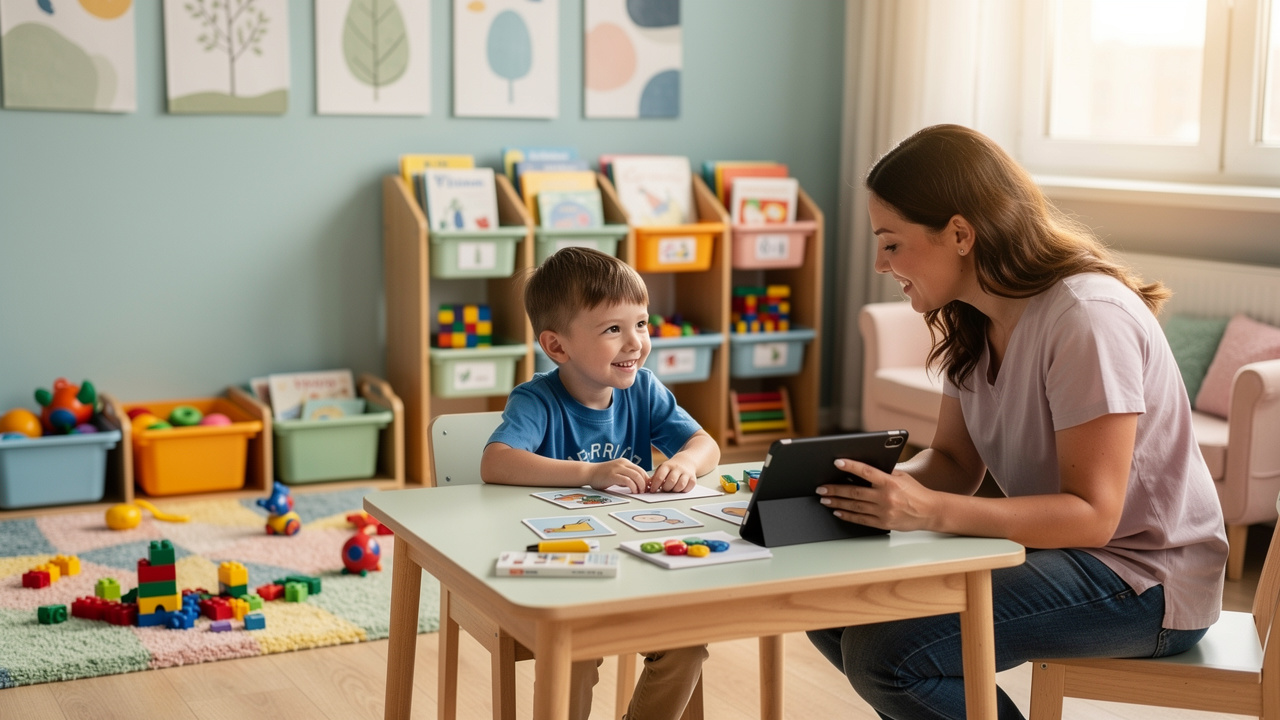
, including narratives, image timelines, and role-playing, are vital components of for children on the autism spectrum to enhance their understanding of . Take Carol Gray’s narratives from 1990, for example. They offer , making it easier for young ones to grasp the nuances of relationships. Imagine a narrative that breaks down how to start a conversation, using clear images and simple language to show each step. Picture schedules also come into play, outlining what to expect during playdates or group activities, which helps kids feel more prepared and less anxious.
Now, let’s talk about role-playing. It creates a safe space for kids to , allowing them to visualize and rehearse interactions before they actually happen. This approach not only boosts their confidence but also reinforces the lessons learned from . Research shows that regularly using these can significantly , with for kids with autism spectrum disorder. By incorporating friendship interventions for children on the autism spectrum into everyday routines, parents and educators can help these children internalize social norms, ultimately enhancing their ability to navigate relationships and community interactions more smoothly.
Let’s explore this together! By embracing these strategies, we can support our kids in building meaningful connections.

Encouraging kids to practice can be a bit of a challenge, right? But don’t worry! Parents and educators can make it fun and engaging with . For instance, regular playdates with peers give kids plenty of chances to practice starting conversations, sharing, and taking turns. Research shows that can significantly , which is essential for their social development.
And let’s not forget about games! Team-based activities like board games or group sports can where kids can connect and engage with others. Plus, at home can be super helpful. Imagine practicing how to greet a friend or ask to join a game-these little exercises can make a big difference in how ready kids feel for real-life interactions.
It’s also crucial to empower caregivers with through education. This knowledge helps them support their kids’ behavioral goals effectively. When caregivers are involved, it not only complements professional interventions but also brings consistency at home, leading to . As Temple Grandin wisely said, "Different, not less," reminding us of the unique strengths each child possesses.
By creating a nurturing atmosphere that emphasizes practice and caregiver involvement, we can implement friendship interventions for children on the autism spectrum to enhance their social skills more effectively. Let’s explore this together! We’re here to help you every step of the way!

Creating opportunities for individuals with autism to connect with like-minded peers can greatly improve their chances through . Parents can help by enrolling their kids in clubs or activities that match their interests - think art classes, coding clubs, or sports teams. Plus, organizing group outings centered around shared interests, like visiting a science museum or joining a gaming event, can create a relaxed atmosphere for kids to bond.
At Rori Care, we offer specialized support, including led by trained therapists. This can really enhance those interactions by providing . Our clinical leadership team is passionate about and works hard to empower caregivers with the knowledge and skills they need to support their loved ones' behavioral goals through .
Getting involved in can also help young individuals connect with peers who appreciate their unique perspectives. By creating spaces where children can engage with others who share their passions, and by utilizing friendship interventions for children on the autism spectrum, parents can help nurture . Let’s explore this together!

Understanding friendship through the eyes of children on the autism spectrum shows us just how uniquely they connect with others. These relationships often blossom from shared interests and activities, rather than the typical emotional ties we might expect. This highlights the need for tailored interventions that help nurture social skills. When we redefine friendship in this light, it becomes clear that supporting these connections is crucial for the overall growth of autistic youth.
The article shares some effective strategies for promoting friendships among these children. Think about using:
Each of these methods not only boosts social understanding but also empowers kids to navigate their social worlds with more confidence and ease.
Ultimately, fostering friendships for children on the autism spectrum goes beyond just enhancing social skills; it’s about enriching their lives and promoting inclusion. By putting these strategies into action, parents, educators, and caregivers can create supportive environments that celebrate diversity and help children form meaningful relationships. Embracing these interventions opens the door to a world where every child can thrive socially. It reinforces the idea that friendships are a fundamental part of the human experience, no matter the neurodiversity. Let’s explore this together!
How do friendships for children with autism differ from typical friendships?
Friendships for children on the autism spectrum often focus on mutual affection, trust, and shared interests rather than emotional connections. For example, a child may consider someone a friend simply because they both enjoy the same video game.
What key traits are important in friendships for autistic youth?
Key traits include loyalty, dependability, and shared experiences, which help young people understand the concept of companionship and inspire them to build meaningful connections.
How do shared activities influence friendship for children with autism?
By focusing on common activities and interests, children on the autism spectrum can more easily grasp the concept of friendship and feel motivated to connect with others.
What is the perspective on autism in relation to friendship?
The perspective emphasizes that 'autism is not a disability; it’s a different ability,' highlighting the unique viewpoints that autistic individuals bring to their relationships.
How does autism relate to an individual's identity?
Autism is considered part of an individual's identity but not the entirety of it, underscoring the importance of connections in the broader context of their lives.
What initiatives does Rori Care offer to support friendships among autistic children?
Rori Care has developed thirteen specific friendship interventions aimed at assisting children on the autism spectrum in making and maintaining friendships.
What is the goal of Rori Care's friendship interventions?
The goal is to provide expertise and compassion to support families as they navigate challenges and promote youth development in building friendships.