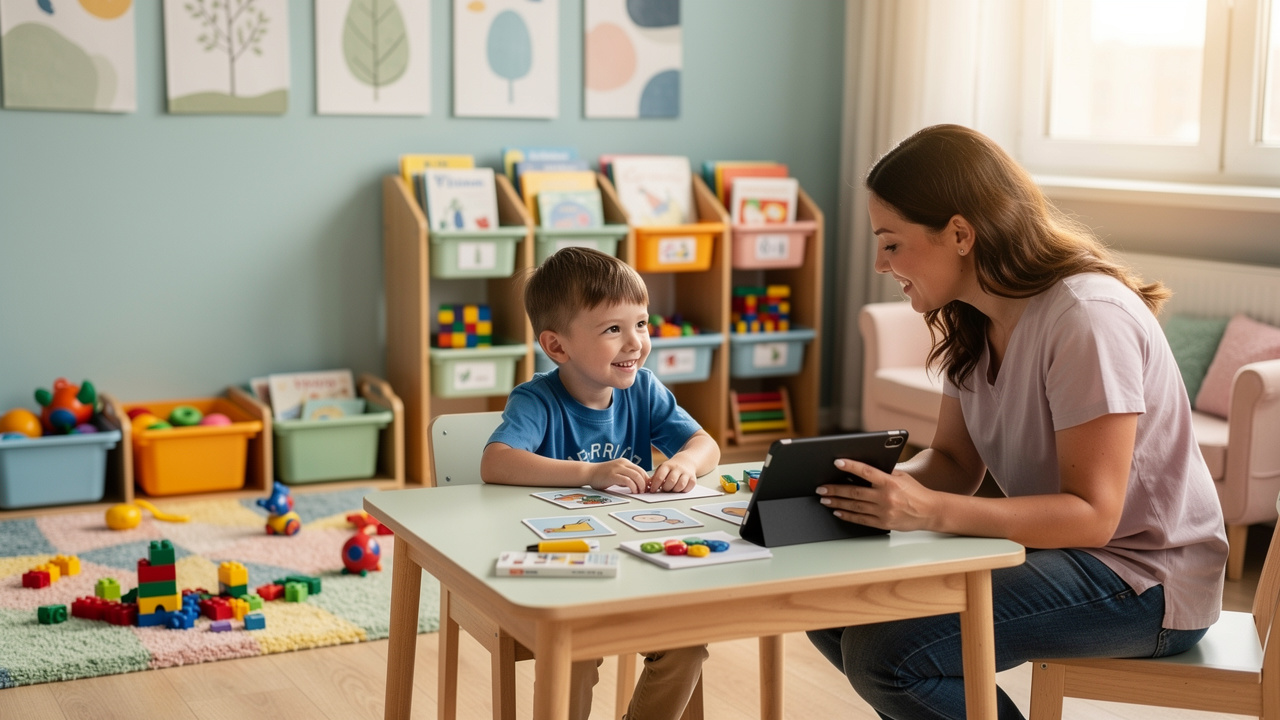
Understanding how to effectively motivate children with autism can be quite the journey for parents and caregivers. 🌟 By setting up structured reward systems, families can nurture essential skills and behaviors that pave the way for greater independence and emotional regulation. But let’s be real - many parents find that figuring out the right incentives and keeping things consistent can be a bit tricky.
So, what strategies can we use to create a reward system that truly resonates with each child's unique needs? Let’s explore this together! By sharing experiences and insights, we can build a supportive community that helps each other navigate these challenges. After all, every child is different, and finding what works best for them is key.
As we dive deeper into this topic, remember that you’re not alone in this. We’re here to help you every step of the way! 💪
are organized methods that utilize to encourage preferred actions in kids with autism. They’re based on behaviorism, which tells us that actions followed by good results are more likely to be repeated. For kids with autism, who often struggle with social cues and communication, clear and consistent incentive systems can be considered , serving as vital motivators for engaging in .
Studies show that prompt incentives can really boost understanding of reinforced actions. That’s why it’s so important for parents to provide . Plus, incentives need to be meaningful and relevant to the child; this relevance makes them even more effective. For example, using can help track progress and celebrate achievements, reinforcing those positive actions.
This foundational knowledge is key for parents looking to create effective rewards for autism care through . These strategies can foster independence, , and , ultimately leading to better outcomes in various settings. And let’s not forget about ! It plays a crucial role in this process, equipping caregivers with the skills and knowledge they need to support their child’s behavioral goals effectively.
So, let’s explore this together! We’re here to help you every step of the way!

Creating for your child can feel like a challenge, right? Start by figuring out what truly motivates them through simple . Just observe how they react to different toys or activities. This way, you can tailor your approach to fit their unique likes and dislikes.
Rewards can be tangible, like toys or snacks, or intangible, such as praise or extra playtime. Remember, every child is different, so is key! Mixing things up with a variety of rewards can keep your little one . For example, have you ever thought about a ? Kids can earn tokens for showing positive behaviors, which they can later trade for their favorite items or activities. It’s a fun way to reinforce good behavior while teaching them about delayed gratification.
Research shows that can significantly boost motivation and engagement, especially for kids with autism. In fact, about 90% of children show progress when caregivers are actively involved and the suggested hours are followed. That’s pretty encouraging! But here’s a little hiccup: around 81.4% of professionals say they struggle with finding the time to regularly implement these assessments, which can make it tough for parents to use these strategies effectively.
And let’s not forget the . Supporting a child with autism can cost around $60,000 a year, so it is super important to find effective rewards for autism care to enhance therapy outcomes. As Ralph Moller wisely points out, ' are essential for individuals with autism as they address their .'
It’s also worth noting that only 15% of insured minors referred for ABA-based behavioral health treatment actually receive 80% or more of the recommended treatment hours. This highlights the need for , including effective rewards for autism care, like personalized incentives.
As you navigate this journey, be mindful of common pitfalls. Relying too much on one type of incentive or not adjusting your approach as your child’s preferences change can be counterproductive. The care engine is crucial here, helping to update intervention plans based on progress reports, ensuring that treatment stays aligned with your child’s evolving needs.
Let’s explore this together! We’re here to !

Creating an effective and sustainable system that provides for kids can feel like a big task, but it’s totally doable! 😊 First off, it’s super important for parents to pinpoint , like completing chores or following directions. Setting clear and achievable standards for earning those incentives is key - make sure they’re easy for your child to understand. Consistency is crucial here; regularly acknowledging those helps build a sense of predictability and motivation.
Now, let’s talk about keeping things fresh! It’s essential to regularly evaluate and as your child grows and their interests change. For instance, if your little one starts losing interest in a particular reward, be ready to introduce new motivators to keep that excitement alive. Using tracking methods, like or logs, can really help you see how well the system is working and what adjustments might be needed. This offers , as it not only boosts but also .
So, let’s explore this together! Remember, you’re not alone in this journey, and we’re here to help you every step of the way!

Collaborating with experts such as therapists and educators is essential for creating for children. At Rori Care, our amazing clinicians share insights that help us create strategies . Regular chats with our give parents a chance to discuss progress and tweak the , making it one of the that keeps it engaging.
And let’s not forget about ! Their participation is key to ensuring consistency between home and school, which is vital for reinforcing those desired behaviors. can really boost collaboration, making sure everyone is on the same page. By teaming up, parents and professionals at Rori Care can craft a cohesive strategy that maximizes each child's potential for success. This teamwork leads to and greater independence for the kids. Let’s explore this together!

Establishing effective rewards for autism care is so important for nurturing positive behaviors and helping children with autism thrive. By setting up structured incentive systems, parents can create a warm environment that encourages their kids to engage in socially adaptive behaviors and develop essential life skills.
Throughout this article, we’ve explored various strategies for crafting effective rewards. We talked about:
Each of these pieces is crucial for making sure rewards are meaningful, relevant, and flexible as your child grows. And let’s not forget the importance of caregiver education and keeping the lines of communication open with professionals - these factors really boost the success of any reward system.
In conclusion, providing effective rewards for autism care isn’t just about quick wins; it’s about laying the foundation for long-term growth and independence. By embracing personalized approaches and actively involving caregivers and professionals, parents can confidently navigate this journey. The potential for positive change is huge, and taking these steps today can lead to brighter futures for children with autism. Let’s explore this together!
What are incentive frameworks in autism care?
Incentive frameworks are organized methods that utilize effective rewards to encourage preferred actions in children with autism, based on behaviorism principles.
How do incentive systems work for children with autism?
Incentive systems work by providing clear and consistent rewards for desired behaviors, which helps motivate children with autism to engage in socially adaptive behaviors.
Why is timely feedback important in using incentives?
Timely feedback is important because prompt incentives can boost understanding of reinforced actions, making it more likely for children to repeat positive behaviors.
What makes incentives effective for children with autism?
Incentives are more effective when they are meaningful and relevant to the child, enhancing their motivation to engage in desired behaviors.
How can visual aids like behavior charts be used in autism care?
Visual aids like behavior charts can help track progress and celebrate achievements, reinforcing positive actions in children with autism.
What are the benefits of personalized incentive strategies?
Personalized incentive strategies can foster independence, emotional regulation, and social skills in children with autism, leading to better outcomes in various settings.
What role does caregiver education play in autism care?
Caregiver education is crucial as it equips caregivers with the skills and knowledge needed to effectively support their child's behavioral goals.