

Introduction
Navigating the world of autism can feel overwhelming for parents, but structured teaching methods in Applied Behavior Analysis (ABA) therapy offer a friendly hand. By focusing on predictability, organization, and visual supports, you can create a nurturing environment that boosts your child’s learning and independence.
But let’s be real – applying these principles in everyday life can be tricky. What are some essential methods you can adopt to help your child thrive in structured settings? Let’s explore this together!
Understand Core Principles of Structured Teaching in ABA Therapy
Structured teaching methods in ABA therapy focus on predictability, organization, and visual supports. A great example of this is the TEACCH method, which focuses on creating structured environments tailored to the unique needs of individuals with autism. Let’s break down some key principles that can really make a difference:
- Physical Structure: Think of arranging the educational environment to cut down on distractions and boost focus. By outlining specific zones for different activities, kids can easily understand where to go for various tasks. This not only encourages independence but also helps reduce anxiety.
- Visual Supports: Visual aids like schedules, charts, and labels can clarify expectations and ease transitions. Research shows that these tools significantly lower anxiety and enhance understanding, making learning more accessible for individuals with autism. Visual schedules, in particular, help students anticipate daily activities, which can really ease worries about transitions.
- Routine and Consistency: Establishing consistent routines is key to helping children feel secure and know what to expect. This predictability is crucial for their engagement and learning, allowing them to focus on tasks without the stress of uncertainty. Engaging in about 40 hours of ABA therapy each week, with active caregiver involvement, can lead to noticeable improvements in language, cognitive, and social skills. In fact, 90% of young individuals show progress when these suggested hours are fully applied!
- Individualization: Tailoring teaching approaches to fit each student’s unique strengths and challenges ensures that interventions are relevant and effective. Individualized Learning Plans, crafted by qualified behavior analysts, can boost engagement and lead to better outcomes in skill development. These plans include measurable goals and evidence-based strategies, highlighting the importance of ongoing evaluation and adjustments based on progress. Early intervention is linked to more positive outcomes, so starting structured teaching methods in ABA therapy early in a child’s development is vital.
By grasping these fundamental concepts, parents can play a crucial role in supporting their children’s education and growth within a structured framework. This ultimately leads to better educational results and greater independence. Let’s explore this together!

Create an Effective Learning Environment for Structured Teaching
Creating a nurturing learning environment for your child, especially one based on Applied Behavior Analysis (ABA), can feel like a big task. But don’t worry! Here are some friendly strategies to help you adapt to your child’s unique needs:
- Organize the Space: Think about setting up specific areas for different activities. Maybe a cozy reading corner, a fun play area, and a dedicated workspace? This kind of organization helps kids know where to focus, making it easier for them to concentrate.
- Minimize Distractions: It’s all about creating a calm atmosphere. Try reducing noise and visual clutter. Soft lighting and soothing colors can work wonders! Research shows that structured teaching methods in ABA therapy can increase success rates by up to 70%. Isn’t that amazing?
- Incorporate Visual Supports: Visual schedules and labels can be super helpful for kids navigating their daily routines. For instance, a visual timetable showing the order of activities can help them anticipate what’s next, easing anxiety and boosting engagement.
- Ensure Accessibility: Make sure all materials are easy for your little one to reach. This encourages independence and allows them to explore educational resources without needing constant help, which can really build their confidence.
- Create a Safe Space: It’s important to have a calming corner where your child can retreat if they feel overwhelmed. Fill it with comforting items like soft cushions or sensory toys. This little refuge can really support emotional regulation.
By embracing these strategies, you can create a structured learning environment that utilizes structured teaching methods in ABA therapy, helping your child learn and thrive. It’s all about empowering you as caregivers with ABA principles and strategies. This not only enhances your ability to support your child’s behavioral goals but also leads to better outcomes overall.
Take Ethan, for example. Diagnosed with autism at two years old, he made remarkable strides in communication and behavior after joining an ABA-based early intervention program. Within just a year, he started using short phrases to express his needs, which significantly reduced his frustration and tantrums by 70%.
Let’s explore this together! We’re here to help you every step of the way!

Utilize Visual Supports and Schedules to Enhance Learning
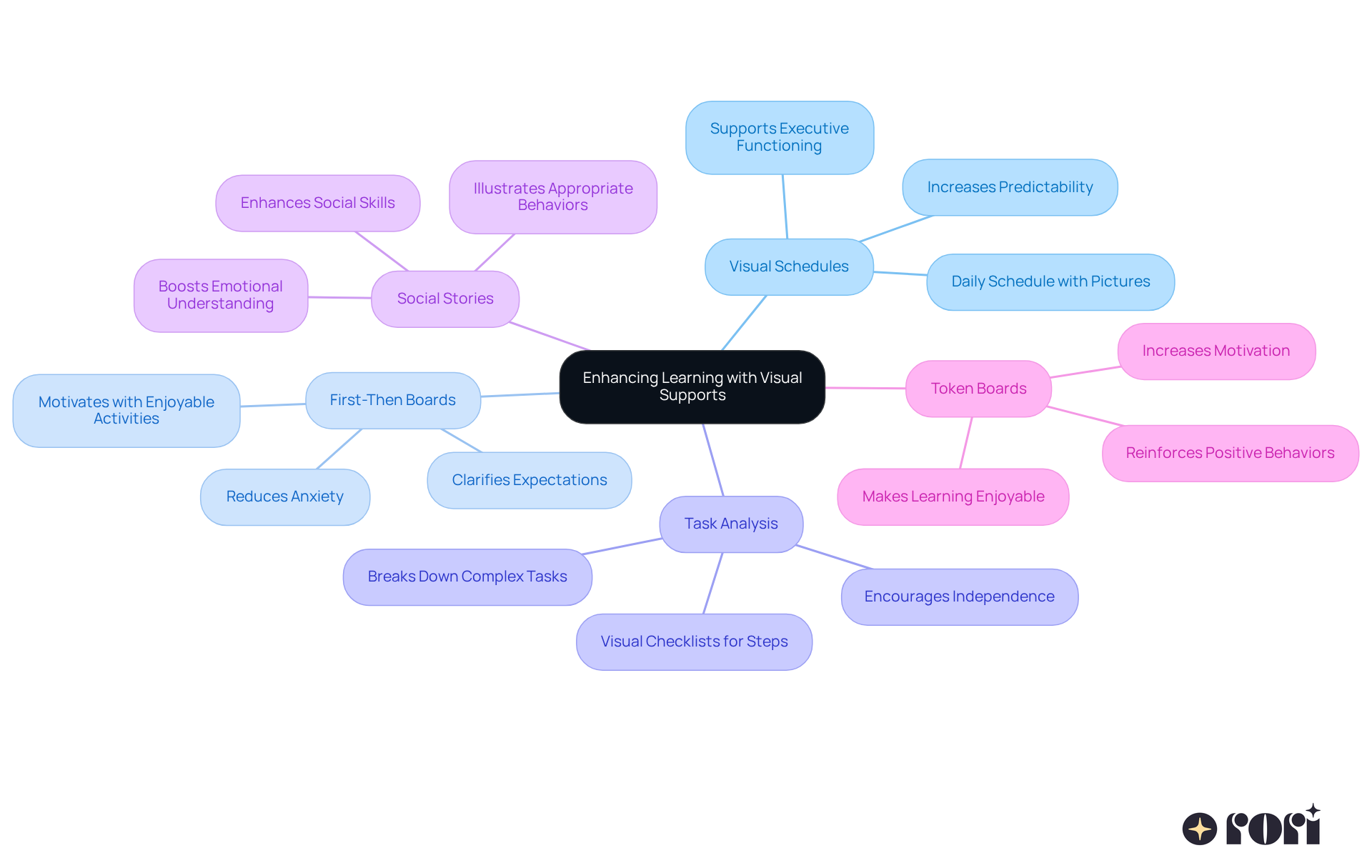
Visual aids and schedules are such helpful tools that align with structured teaching methods in ABA therapy, making it easier for kids to understand and manage their daily activities. Let’s dive into some effective ways to use these resources:
- Visual Schedules: Create a daily schedule with pictures or icons for each activity. This helps kids anticipate transitions, easing their anxiety about what’s coming next. Imagine a schedule featuring images for breakfast, therapy, playtime, and bedtime-providing a clear visual pathway for the day!
- First-Then Boards: Use first-then boards to clarify what’s expected and the order of tasks. For example, saying ‘First, we do homework; then, we can play outside’ helps kids grasp the sequence of activities. Research shows that these ‘First/Then’ statements simplify language, making it easier for kids to process tasks and comply, reducing anxiety during transitions.
- Task Analysis: Break down complex tasks into smaller, manageable steps with visual aids. When teaching handwashing, for instance, create a visual checklist outlining each step: turning on the tap, applying soap, scrubbing hands, rinsing, and drying. This not only clarifies expectations but also encourages independence as kids learn to complete tasks on their own.
- Social Stories: Write social stories that illustrate appropriate behaviors in different situations. These stories help kids understand social norms and expectations, making them feel more comfortable in social settings. By showing scenarios they might encounter, social stories can boost their social skills and emotional understanding.
- Token Boards: Implement token boards to reinforce positive behaviors. Kids can earn tokens for completing tasks, which they can exchange for rewards. This method boosts motivation and engagement, making learning more enjoyable and rewarding.
By effectively implementing structured teaching methods in ABA therapy, such as visual supports and schedules, parents can greatly enhance their children’s understanding and participation in daily activities. This leads to better learning outcomes and greater independence. Let’s explore this together!
Develop Individualized Treatment Plans for Each Child
Creating individualized treatment plans is key to effective ABA therapy, and parents play a vital role in this process! Here’s how you can team up with the professionals at Rori Care to craft these plans:
- Comprehensive Assessment: Begin with a thorough evaluation by a qualified behavior analyst. This should involve observations, interviews, and standardized tests to pinpoint your child’s strengths, challenges, and preferences. Research shows that comprehensive assessments are crucial for developing tailored interventions that respect each child’s unique profile. Ralph Moller puts it well: “A comprehensive approach is often necessary in personalized treatment plans for individuals with autism.”
- Set SMART Goals: Work together with your clinician to define Specific, Measurable, Achievable, Relevant, and Time-bound (SMART) objectives that cater to your child’s unique needs. For example, a goal might focus on enhancing social skills by encouraging your little one to start conversations with peers during playtime. Establishing these measurable objectives is essential, as ABA interventions boast an impressive over 89% success rate when customized treatment plans are in place.
- Incorporate Family Input: Don’t forget to involve family members in the planning process! Their insights about your child’s behavior in different settings can provide valuable context for crafting effective strategies. Family participation has been shown to significantly enhance therapy outcomes by reinforcing learning at home. Ralph Moller highlights this perfectly: “Collaborating with family members enables therapists to acquire valuable insights into the individual’s needs, preferences, and progress, ultimately improving the effectiveness of the treatment strategy.”
- Regular Monitoring and Adjustments: Set up a system for consistently tracking progress and adjusting the treatment strategy as needed. This ongoing assessment ensures that the plan stays relevant and effective as your child grows and evolves. Keep an eye out for common pitfalls, like not adjusting goals based on progress, which can hinder therapy effectiveness. The personalized strategies crafted by skilled analysts at Rori Care emphasize continuous assessment and adjustment to ensure responsiveness to your child’s needs.
- Focus on Generalization: Make sure the treatment approach includes strategies for generalizing skills across different environments. For instance, if your child learns to greet classmates during sessions, practice this skill in various settings, like at home or in the community, to strengthen learning and encourage independence.
By creating personalized treatment plans, you can ensure that your child’s therapy is specifically tailored to their needs, leading to more effective outcomes and greater independence. Empowering caregivers with ABA principles through education enhances your ability to support your child’s behavioral goals, ultimately fostering positive behavior changes and skill acquisition. Let’s explore this together!

Conclusion
Structured teaching methods in ABA therapy are truly essential tools that empower parents to create effective learning environments for their children. By focusing on predictability, organization, and individualized approaches, these methods help children with autism thrive both academically and socially. When parents understand and implement these principles, they can significantly enhance their child’s ability to learn and grow in a structured setting.
Let’s talk about some key strategies!
- Establishing physical structures can really minimize distractions.
- Utilizing visual supports helps clarify expectations.
- Creating consistent routines fosters a sense of security that every child needs.
- The importance of individualized treatment plans tailored to each child’s unique needs can’t be overstated.
These plans ensure that interventions are relevant and effective, leading to better outcomes and greater independence.
Ultimately, embracing structured teaching methods in ABA therapy not only benefits children but also empowers parents as active participants in their child’s development. By adopting these practices, caregivers can substantially improve their child’s learning experiences and emotional well-being. So, let’s take action together! Explore these strategies and ensure your child receives the support they need to succeed in their educational journeys. We’re here to help you every step of the way!
Frequently Asked Questions
What is the focus of structured teaching methods in ABA therapy?
Structured teaching methods in ABA therapy focus on predictability, organization, and visual supports to create structured environments tailored to the unique needs of individuals with autism.
What is the TEACCH method?
The TEACCH method is an example of structured teaching that emphasizes creating environments specifically designed to meet the needs of individuals with autism.
How does physical structure benefit children in ABA therapy?
Physical structure involves arranging the educational environment to reduce distractions and enhance focus by designating specific zones for different activities, which encourages independence and reduces anxiety.
What role do visual supports play in ABA therapy?
Visual supports, such as schedules, charts, and labels, clarify expectations and ease transitions, significantly lowering anxiety and enhancing understanding for individuals with autism.
Why are routine and consistency important in ABA therapy?
Routine and consistency help children feel secure and know what to expect, which is crucial for engagement and learning, allowing them to focus on tasks without the stress of uncertainty.
How many hours of ABA therapy are recommended for noticeable improvements?
Engaging in about 40 hours of ABA therapy each week, with active caregiver involvement, can lead to noticeable improvements in language, cognitive, and social skills.
What is the importance of individualization in ABA therapy?
Individualization tailors teaching approaches to fit each student’s unique strengths and challenges, ensuring that interventions are relevant and effective, which leads to better outcomes in skill development.
What is included in Individualized Learning Plans?
Individualized Learning Plans include measurable goals and evidence-based strategies, emphasizing the importance of ongoing evaluation and adjustments based on progress.
Why is early intervention important in structured teaching methods?
Early intervention is linked to more positive outcomes, making it vital to start structured teaching methods in ABA therapy early in a child’s development.
How can parents support their children’s education in structured teaching?
By understanding the core principles of structured teaching, parents can play a crucial role in supporting their children’s education and growth within a structured framework, leading to better educational results and greater independence.
List of Sources
- Understand Core Principles of Structured Teaching in ABA Therapy
- Success Rates of ABA Therapy | Advanced Autism Services (https://advancedautism.com/post/success-rates-of-aba-therapy)
- Autism Therapy: Key Statistics (https://ambitionsaba.com/resources/autism-therapy-statistics)
- The Role of Structured Teaching in ABA Therapy – Big Dreamers ABA (https://bigdreamersaba.com/blog/the-role-of-structured-teaching-in-aba-therapy)
- The Effect of Structured Teaching Methods on Restricted Repetitive Behaviors of Autistic Children (https://sciencedirect.com/org/science/article/pii/S1555339625000144)
- Efficacy of structured teaching program for rehabilitation of children with autism spectrum disorder: A systematic review and meta-analysis – PMC (https://pmc.ncbi.nlm.nih.gov/articles/PMC12505950)
- Create an Effective Learning Environment for Structured Teaching
- Supportive Home Environment For ABA: A Parent’s Guide (https://kidsclubaba.com/supportive-home-environment-aba-therapy)
- 25 Jean Piaget Quotes on Psychology, Wisdom and Human Development (https://achology.com/wisdom-for-life/jean-piaget-quotes-on-human-development?srsltid=AfmBOoqwhLGoDBiQYTOi19Pa0ooKZFekw4yBm_S2ExKy09eXM6ypFmJR)
- Success Rate of Early Intervention for Autism | Connect n Care (https://connectncareaba.com/blog/early-intervention-autism-success-rate-statistics)
- Creating a Structured Home Environment for ABA Therapy Success (https://newpatternsaba.com/blog/creating-a-structured-home-environment-for-aba-therapy-success)
- Utilize Visual Supports and Schedules to Enhance Learning
- The Power of First/Then Statements – Transformative Autism Care for Children (https://propelautism.com/first-then-statements)
- Visual Schedules for Children with Autism | Links (https://linksaba.com/visual-schedules-for-children-with-autism)
- The use of visual schedules to increase academic-related on-task behaviors of individuals with autism: a literature review (https://tandfonline.com/doi/full/10.1080/20473869.2024.2402124)
- How Do Visual Schedules Enhance ABA Therapy? (https://crossrivertherapy.com/articles/aba-therapy-and-visual-schedules)
- The Role of Visual Supports in Home-Based ABA Sessions (https://magnetaba.com/blog/the-role-of-visual-supports-in-home-based-aba-sessions)
- Develop Individualized Treatment Plans for Each Child
- The Importance of Individualized Treatment Plans in ABA Therapy (https://magnetaba.com/blog/the-importance-of-individualized-treatment-plans-in-aba-therapy)
- The Numbers Don’t Lie: Revealing Autism Therapy Statistics | Above and Beyond Therapy (https://abtaba.com/blog/autism-therapy-statistics)
- Why individualized ABA treatment plans matter (https://crossrivertherapy.com/articles/why-individualized-aba-treatment-plans-matter)
- Applied Behavior Analysis (ABA) Statistics: Data, Effectiveness, and Evidence-Based Practices (https://nexoaba.com/applied-behavior-analysis-statistics)