Introduction
Navigating sleep challenges with an autistic child can feel like an uphill battle for many parents, affecting not just their child's rest but the whole family. Many children on the autism spectrum struggle with sleep issues like insomnia and anxiety, making it crucial for parents to find the right support. In this article, we’ll explore some helpful strategies and resources that can empower you to tackle these sleep challenges, bringing hope and practical solutions to your family. So, how can you turn those sleepless nights into restful ones, helping both your child and yourself thrive?
Identify Common Sleep Problems in Autistic Children
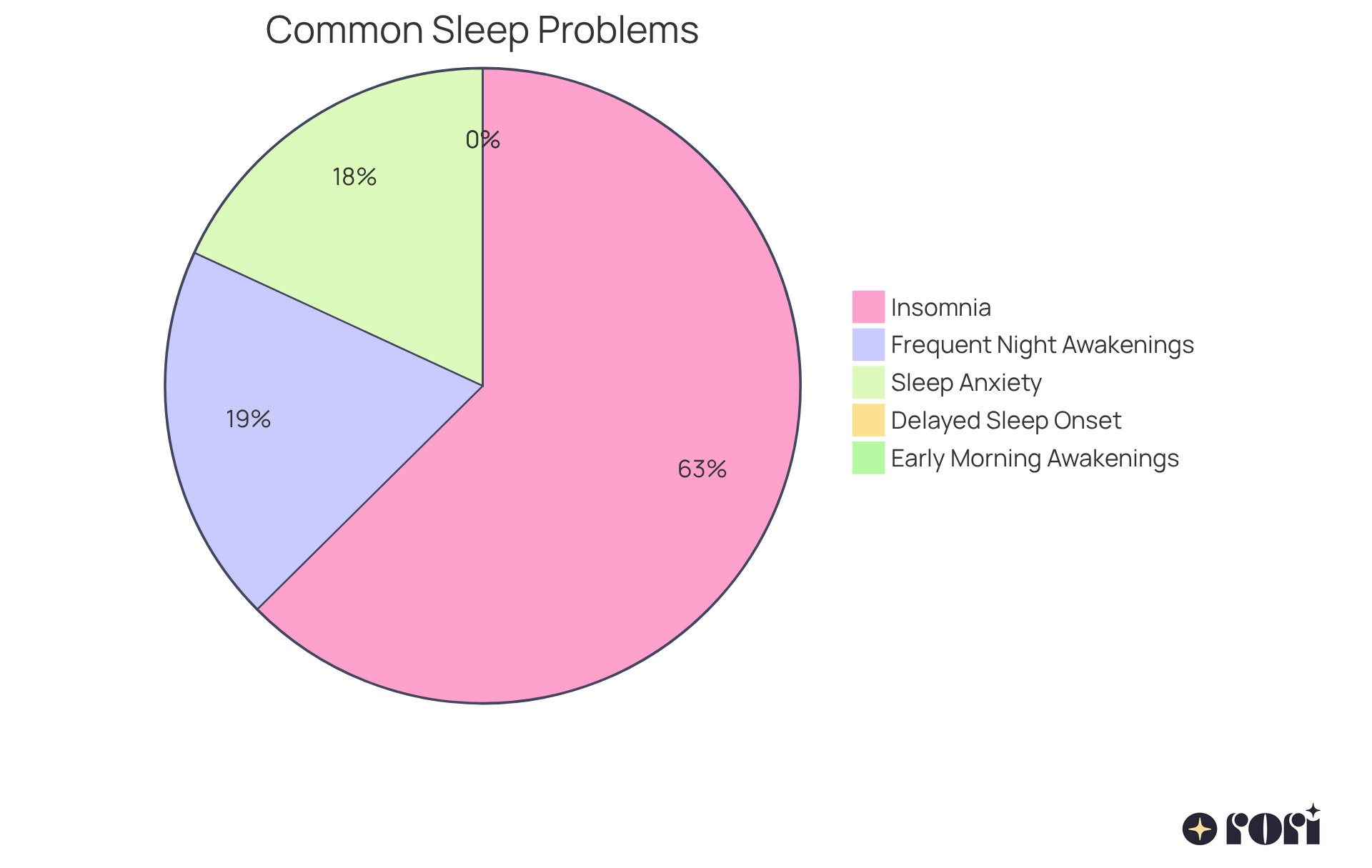
As a parent, it’s heartbreaking to watch your child struggle with sleep, isn’t it? Kids with autism spectrum disorder (ASD) often face significant sleep challenges, which underscores the importance of support for parents of autistic children with sleep problems, as these issues can greatly affect their daily lives and happiness. Common sleep issues include:
- Insomnia: Many children have a tough time falling asleep or staying asleep, which can lead to daytime fatigue and irritability. Did you know that research shows insomnia affects as many as 78.4% of youth with ASD?
- Sleep Anxiety: Fear or anxiety around bedtime is pretty common, often resulting in tantrums or resistance to going to bed. About 22.7% of kids with ASD experience sleep anxiety, making bedtime a real struggle.
- Delayed Sleep Onset: Some children take longer than usual to drift off, which can throw off the whole family’s schedule. This delay can be especially challenging for parents trying to keep a consistent routine.
- Frequent Night Awakenings: Waking up several times during the night is something many kids experience, leading to disrupted rest. Research indicates that 24.2% of individuals with ASD face frequent night awakenings, which can worsen behavioral issues.
- Early Morning Awakenings: Lots of kids wake up much earlier than we’d like, leading to not enough rest. This can result in increased daytime sleepiness and trouble concentrating.
It’s so important for us as parents to keep an eye on our kids’ sleep patterns, particularly when considering the support for parents of autistic children with sleep problems, right? By closely monitoring their sleep behaviors, we can offer support for parents of autistic children with sleep problems by pinpointing specific issues that might need some extra attention.
Here at Rori Care, we’re all about offering support for parents of autistic children with sleep problems to tackle these sleep challenges together! Our approach includes setting up regular nighttime routines, creating a soothing sleep environment, and using behavioral techniques tailored to each child’s needs. With our support, families can discover new paths to growth, understanding, and joy, ultimately enhancing their child’s sleep quality and overall well-being. With the right support, you can help your child find the restful nights they deserve, and that can make all the difference for your family.
Implement Effective Sleep Hygiene Practices
Finding the right sleep routine for your child with autism can feel like a daunting task, but with the right support for parents of autistic children with sleep problems, it doesn’t have to be! Adopting effective rest hygiene practices is essential as it provides support for parents of autistic children with sleep problems. Here are some friendly strategies to help you establish a consistent sleep routine:
- Set a Regular Sleep Schedule: Encourage your child to go to bed and wake up at the same time every day, even on weekends. This consistency helps regulate their internal clock, which is so important for better sleep quality.
- Create a Calming Bedtime Routine: Engage in relaxing activities before bed, like reading a book, listening to soft music, or practicing deep breathing exercises. These soothing activities signal to your child that it’s time to wind down, making it easier for them to transition to sleep.
- Optimize the Sleep Environment: Make sure the bedroom is dark, quiet, and cool. Using blackout curtains, white noise machines, or fans can help create a cozy atmosphere that’s just right for sleep.
- Limit Screen Time: Try to steer clear of screens at least an hour before bedtime. The blue light from devices can mess with melatonin production and disrupt sleep patterns. Reducing screen time can really help promote a more restful night.
- Use Visual Schedules: If your child benefits from visual aids, consider creating a bedtime routine chart that outlines each step leading up to sleep. This helps them know what to expect and fosters a sense of security.
By trying out these strategies, you can create a calming bedtime routine that provides support for parents of autistic children with sleep problems and helps your child sleep better, bringing peace to your evenings! Imagine the relief of watching your child drift off to sleep peacefully, knowing you’ve set them up for a restful night ahead.

Monitor and Adjust Sleep Strategies Based on Child's Needs
Keeping an eye on your child's sleep habits can feel like a full-time job, but it’s so important for their well-being! Here are some essential tips for ongoing assessment:
- Keep a Sleep Diary: Document your child's sleep times, awakenings, and any disturbances. This practice can help identify patterns and triggers that impact rest quality. Research shows that efficient monitoring can lead to more precisely aimed interventions for youngsters, making rest diaries a useful resource. By understanding these patterns, you can make informed choices that positively affect your child's rest and overall well-being.
- Let’s talk about how to see if your new sleep strategies are working. After trying something new, give it a few weeks and see how things go! If you’re not seeing improvements, it might be time to tweak your approach. Research indicates that behavioral interventions can provide support for parents of autistic children with sleep problems, significantly enhancing overall slumber and decreasing nighttime awakenings. Being flexible with your approach can lead to breakthroughs in your child’s sleep routine.
- Kids grow and change so fast! Their sleep needs can shift because of growth spurts, stress, or even changes in their daily routine. So, be ready to adjust your strategies as needed. Up to 68% of youth with Autism Spectrum Disorders encounter rest disruptions, which underscores the importance of support for parents of autistic children with sleep problems. Caregivers equipped with knowledge about ABA principles can adapt their approaches effectively.
- Talk to your child about their sleep routine! Ask them what they like or don’t like about it. This can really help them feel involved! Involving young individuals in the process cultivates a collaborative atmosphere that supports their behavioral objectives.
- If sleep problems keep popping up, don’t hesitate to reach out to a doctor or sleep expert. They can provide some great tips just for your child! Interacting with experts can provide perspectives on effective therapies, which is crucial for support for parents of autistic children with sleep problems, especially since insomnia affects 60-86% of young individuals with autism. Remember, every small change can lead to a big difference in your child’s sleep journey!
By actively observing and modifying approaches, you can better assist your child's rest requirements and improve overall wellness.

Seek Professional Guidance and Additional Resources
When your little one struggles to sleep, it can feel like a never-ending battle, leaving you exhausted and searching for answers. Seeking professional guidance is crucial for parents facing these challenges. Here are some friendly steps to consider:
Taking that first step to seek help can open doors to better nights for your child and peace of mind for you.

Conclusion
Sleep issues can feel overwhelming for parents of autistic children, but there’s hope and help available! With some simple strategies, families can really boost their child's sleep quality, making life a bit brighter for everyone! Knowing the common sleep challenges, like insomnia and sleep anxiety, helps parents create better bedtime routines for their kids.
We’ve talked about some great supports, like:
- Keeping a consistent sleep schedule
- Creating a calming bedtime environment
These little changes can make a big difference! Don’t hesitate to reach out for professional help or resources; they can really guide you through these challenges!
Helping your child sleep better isn’t just about fixing problems; it’s about improving life for the whole family! By trying out these tips and staying involved in your child’s sleep journey, you can look forward to peaceful nights and happy days! These steps can help create a loving environment that supports healthy sleep habits and emotional strength for your family!
Frequently Asked Questions
What are common sleep problems faced by autistic children?
Common sleep problems in autistic children include insomnia, sleep anxiety, delayed sleep onset, frequent night awakenings, and early morning awakenings.
How prevalent is insomnia among children with autism spectrum disorder (ASD)?
Research shows that insomnia affects as many as 78.4% of youth with ASD.
What is sleep anxiety and how does it affect children with ASD?
Sleep anxiety refers to fear or anxiety around bedtime, often resulting in tantrums or resistance to going to bed. About 22.7% of kids with ASD experience sleep anxiety.
What is delayed sleep onset and how does it impact families?
Delayed sleep onset occurs when children take longer than usual to fall asleep, which can disrupt the entire family’s schedule.
How common are frequent night awakenings in autistic children?
Research indicates that 24.2% of individuals with ASD experience frequent night awakenings, which can worsen behavioral issues.
What are the effects of early morning awakenings on autistic children?
Early morning awakenings can lead to insufficient rest, resulting in increased daytime sleepiness and trouble concentrating.
How can parents support their autistic children with sleep problems?
Parents can support their children by setting up regular nighttime routines, creating a soothing sleep environment, and using behavioral techniques tailored to their child’s needs.
What resources are available for parents struggling with their child's sleep issues?
Rori Care offers support for parents of autistic children with sleep problems, helping families tackle sleep challenges together and enhance their child's sleep quality and overall well-being.
List of Sources
- Identify Common Sleep Problems in Autistic Children
- Sleep | Autism Speaks (https://autismspeaks.org/sleep)
- Frontiers | Analysis of sleep problem in children aged 1–3 years with autism spectrum disorder in Zhejiang province, China (https://frontiersin.org/journals/psychiatry/articles/10.3389/fpsyt.2022.923757/full)
- Sleep and Autism: Current Research, Clinical Assessment, and Treatment Strategies | Focus (https://psychiatryonline.org/doi/full/10.1176/appi.focus.20230028)
- Implement Effective Sleep Hygiene Practices
- Examining sleep hygiene factors and sleep in young children with and without autism spectrum disorder (https://sciencedirect.com/science/article/abs/pii/S1750946718301570)
- Autism in Children and Sleep | Sleep Health Foundation (https://sleephealthfoundation.org.au/sleep-topics/austism-in-children-and-sleep)
- Better sleep for autistic children 3-11 years (https://raisingchildren.net.au/autism/health-wellbeing/sleep/sleep-for-children-with-asd)
- Sleep and Autism: Current Research, Clinical Assessment, and Treatment Strategies | Focus (https://psychiatryonline.org/doi/full/10.1176/appi.focus.20230028)
- Monitor and Adjust Sleep Strategies Based on Child's Needs
- How to Track Sleep and Health for Autistic Kids - Guiding Growth (https://guidinggrowth.app/how-to-track-sleep-and-health-for-autistic-kids)
- Sleep and Autism: Current Research, Clinical Assessment, and Treatment Strategies | Focus (https://psychiatryonline.org/doi/full/10.1176/appi.focus.20230028)
- Sleep Issues and ASD (https://autism.org/sleep-issues-and-asd)
- Whats the connection between autism and sleep? (https://autism.org/whats-the-connection-between-autism-and-sleep)
- Addressing Sleep Disturbances in Children with Autism Spectrum Disorders (https://jscimedcentral.com/jounal-article-info/Annals-of-Pediatrics-and-Child-Health/Addressing-Sleep-Disturbances--in-Children-with-Autism--Spectrum-Disorders-7207)
- Seek Professional Guidance and Additional Resources
- Go the Bleep to Sleep! How a Pediatric Sleep Specialist Brought Us Some Peace (https://yalemedicine.org/news/pediatric-sleep-care)
- A Clinical Guide to Pediatric Sleep Quotes by Jodi A. Mindell (https://goodreads.com/work/quotes/1102008)
- Sleep Issues in Autism - Beth Malow, M.D. (https://autism.org/sleep-issues-in-autism-beth-malow-m-d)
- The Hidden Cost of Poor Sleep in Autism Care (https://linkedin.com/pulse/hidden-cost-poor-sleep-autism-care-emily-varon-ready-set-sleep-vbjsc)