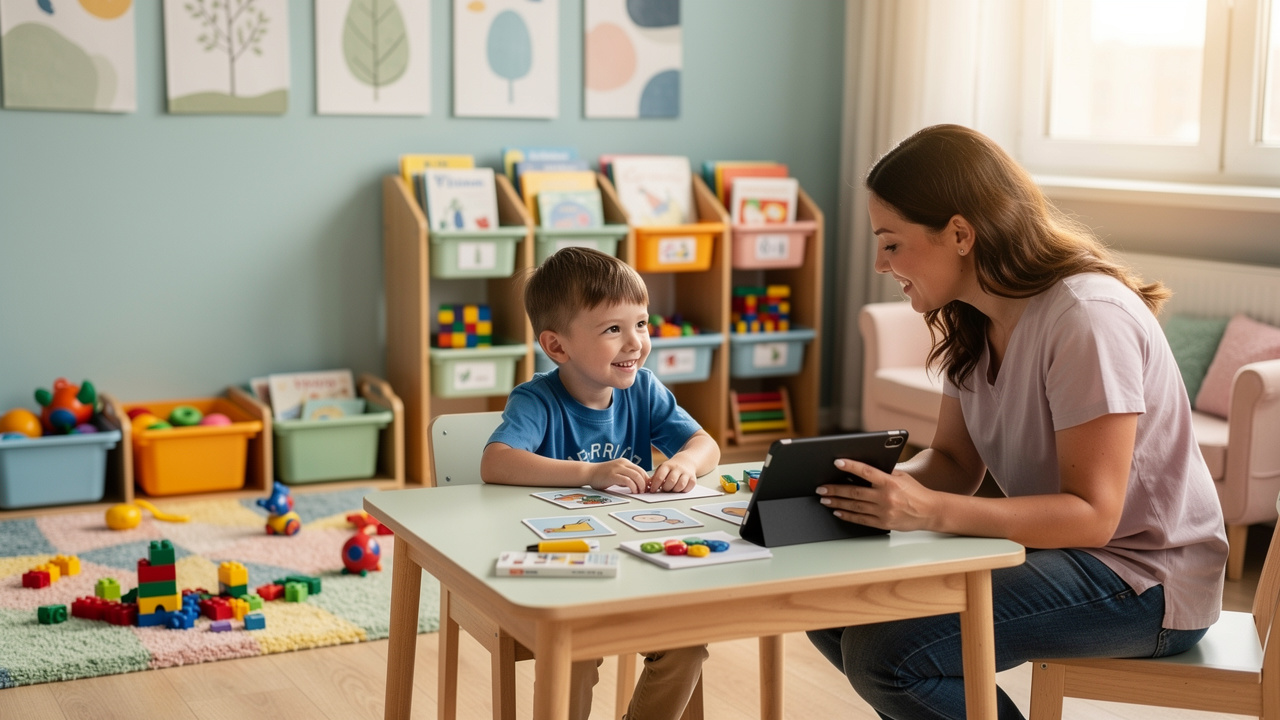
Understanding the ins and outs of reinforcement strategies is key to nurturing positive behavior in children with autism. These techniques, grounded in Applied Behavior Analysis (ABA) therapy, give caregivers valuable tools to encourage desired actions and boost communication skills. But how do we find that sweet spot between positive and negative reinforcement? It’s all about creating a warm environment that fosters growth.
As we explore these strategies, we’ll uncover not just their potential benefits but also the importance of customizing approaches to fit each child’s unique needs. Let’s dive in together and see how we can make a difference!
Reinforcement strategies for improving behavior in autism are key to Applied Behavior Analysis (ABA) therapy, as they help to boost the chances of preferred actions in children with autism. These strategies mainly fall into two categories: positive and negative support.
Positive encouragement is all about offering a nice reward after a desired action. Think of it as giving a high-five or a favorite toy when your child does something great! This kind of support can really help improve communication skills, social interactions, and overall behavior in kids with Autism Spectrum Disorder (ASD). For instance, when kids receive prompt responses from rewards, it clarifies which actions are being encouraged. This makes it a vital tool for shaping behavior. Plus, setting measurable goals for these actions allows you to track progress and adjust strategies as needed, ensuring that interventions remain effective and tailored to each child's unique needs.
On the flip side, negative conditioning involves taking away something unpleasant when a preferred action occurs. This can help increase the likelihood of that action happening again. For example, letting your child skip a chore after they finish their homework can be a great way to reduce discomfort and encourage positive behavior.
Understanding these supportive concepts is crucial for both clinicians and parents. They lay the groundwork for effective modification techniques tailored to the unique needs of individuals with autism. Effective reinforcement strategies for improving behavior in autism within ABA therapy not only promote positive changes but also create a fun learning environment where kids can thrive. And let’s not forget about evidence-based methods like token economies, which provide structured systems for rewarding good behavior, making these approaches even more effective.
Caregiver education is super important here! It empowers you with ABA principles and strategies that support your child’s behavioral goals through active involvement and data collection. Just remember, while external rewards can be helpful, it’s essential to avoid relying on them too much, as this can hinder the development of intrinsic motivation.
Let’s explore this together! We’re here to help you every step of the way!

When it comes to using effective improving behavior in autism, the first step is to pinpoint the specific actions you want to encourage in your little ones. Once you’ve got those actions in mind, think about what really matters to them. For instance, if your child has a favorite toy, using that toy as a reward for completing a task can work wonders!
Consistency is key here. It’s important to implement reinforcement strategies for improving behavior in autism immediately after the desired action occurs. This helps strengthen the connection between the action and the reward by utilizing reinforcement strategies for improving behavior in autism. Have you ever tried a token economy? It’s a fun way where kids earn tokens for showing positive behaviors, which they can later trade for something even better!
Don’t forget to regularly check in on the reinforcers you’ve chosen. Kids’ interests can change quickly, so being flexible and adjusting those rewards can keep them engaged and motivated. Let’s explore this together and find what works best for your family!

Reinforcement strategies for improving behavior in autism can significantly impact individuals with autism! They lead to better behavior, improved learning, and a boost in motivation. When caregivers consistently apply reinforcement strategies for improving behavior in autism, they assist kids in developing essential skills such as communication, social interaction, and self-regulation.
Research shows that reinforcement strategies for improving behavior in autism not only encourage the desired behaviors but also foster a sense of achievement and self-worth in our little ones. For example, when a child gets praise for sharing toys, they’re more likely to engage in cooperative play with their peers, which really helps reinforce those social skills.
Plus, these approaches create a more positive therapeutic atmosphere, making sessions less frustrating and more enjoyable for everyone involved. It’s so important for caregivers to be educated on these methods. When they know how to apply them effectively, it promotes consistency with therapeutic goals and can even reduce stress for the whole family.
Ultimately, reinforcement strategies for improving behavior in autism empower young learners to actively participate in their education and development. By cultivating a nurturing environment, we can really enhance their overall growth. Let’s explore this together and see how we can make a difference!

Customizing reinforcement strategies for improving behavior in autism is crucial for addressing the unique preferences, interests, and developmental levels of each child. When caregivers are educated, they can better support their kids at home. This means they can conduct thorough assessments to find out what really motivates their child-whether it’s specific toys, fun activities, or social interactions. For example, if a young person loves art, they might really respond well to getting extra drawing time as a reward for completing tasks.
And let’s not forget about sensory needs! Some kids might thrive on tactile rewards, while others shine with a bit of verbal praise. It’s essential to regularly review and tweak these strategies since kids’ interests can change over time. By personalizing reinforcement strategies for improving behavior in autism, caregivers can create a more engaging and effective learning environment that fosters positive behaviors and skill development.
This approach really highlights that behavior is a form of communication. It emphasizes the need for tailored interventions that resonate with each child’s unique experiences. So, let’s explore this together! We’re here to help you every step of the way!

Reinforcement strategies are truly vital when it comes to helping children with autism thrive. They’re essential tools in Applied Behavior Analysis (ABA) therapy, and by focusing on both positive and negative reinforcement, caregivers and clinicians can really encourage those desired behaviors. This leads to wonderful improvements in communication, social interactions, and overall development for kids on the autism spectrum.
Let’s take a moment to highlight some key aspects of these strategies:
This creates a positive environment that’s perfect for learning and growth.
Ultimately, when tailored reinforcement strategies are put into action, they not only enhance behavioral outcomes but also empower children with autism to flourish in their educational and social settings. By taking the time to understand and apply these techniques, caregivers can make a significant impact on their child’s development. It’s all about creating a nurturing atmosphere that promotes skill acquisition and boosts self-esteem. Embracing these strategies is essential for any caregiver looking to make a meaningful difference in the lives of children with autism. Let’s explore this together!
What are reinforcement strategies in ABA therapy?
Reinforcement strategies in ABA therapy are techniques used to improve behavior in children with autism by increasing the likelihood of preferred actions. They are primarily categorized into positive and negative support.
What is positive reinforcement?
Positive reinforcement involves offering a reward, such as praise or a favorite toy, after a desired action is performed. This method helps improve communication skills, social interactions, and overall behavior in children with Autism Spectrum Disorder (ASD).
How does positive reinforcement clarify desired actions?
When children receive prompt rewards for certain behaviors, it clarifies which actions are being encouraged, making it a vital tool for shaping behavior.
What role do measurable goals play in reinforcement strategies?
Setting measurable goals allows caregivers to track progress and adjust strategies as needed, ensuring that interventions remain effective and tailored to each child's unique needs.
What is negative reinforcement?
Negative reinforcement involves removing something unpleasant when a preferred action occurs, which can increase the likelihood of that action happening again. For example, allowing a child to skip a chore after completing their homework.
Why is understanding reinforcement strategies important for clinicians and parents?
Understanding these concepts is crucial as they form the foundation for effective behavior modification techniques tailored to the unique needs of individuals with autism.
How do reinforcement strategies contribute to a learning environment?
Effective reinforcement strategies not only promote positive changes but also create a fun learning environment where children can thrive.
What are token economies in ABA therapy?
Token economies are evidence-based methods that provide structured systems for rewarding good behavior, making reinforcement approaches more effective.
Why is caregiver education important in ABA therapy?
Caregiver education empowers parents with ABA principles and strategies that support their child’s behavioral goals through active involvement and data collection.
What should caregivers be cautious about regarding external rewards?
While external rewards can be beneficial, caregivers should avoid relying on them too much, as excessive dependence may hinder the development of intrinsic motivation in children.