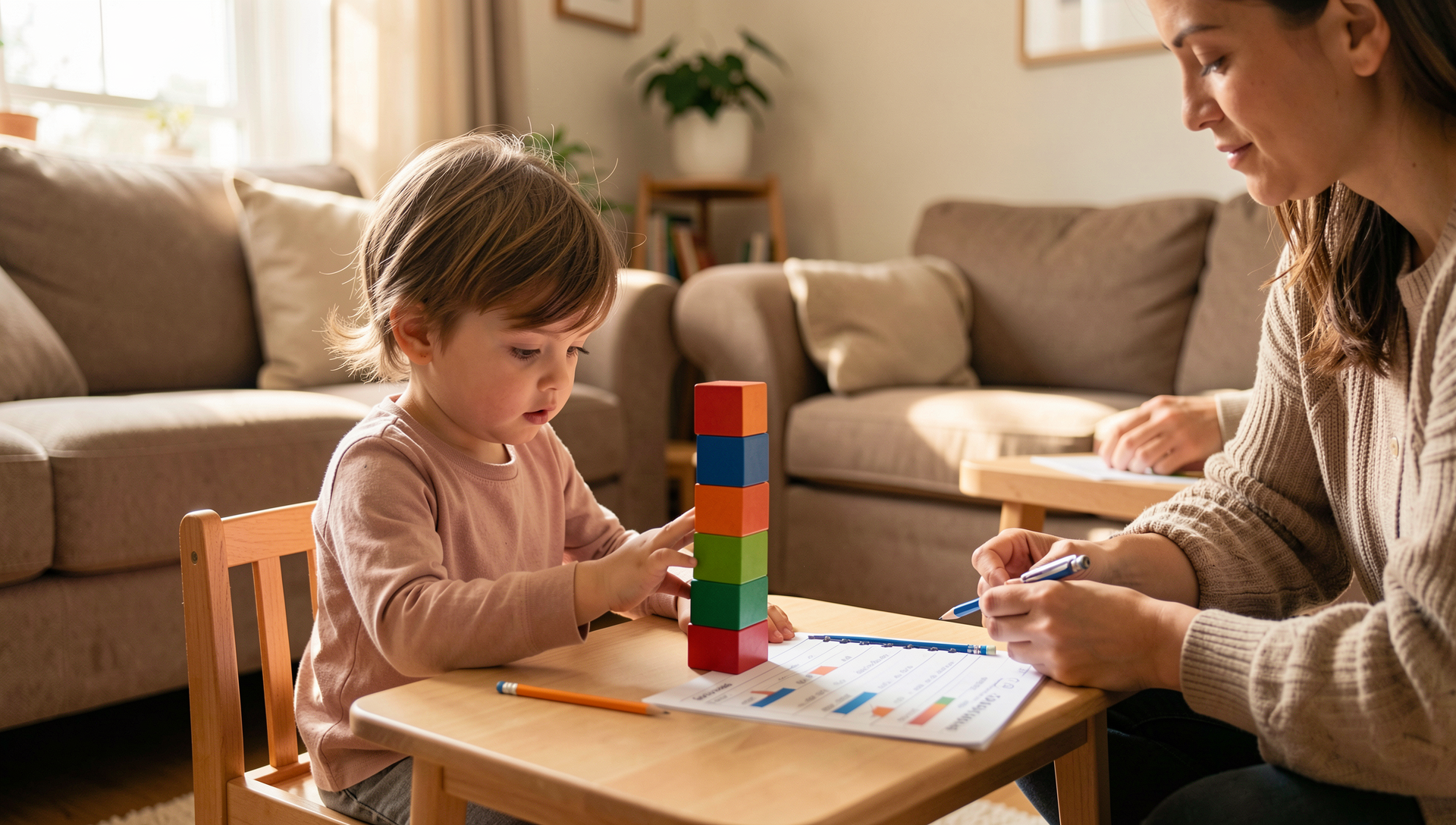
Role-playing activities have become a vital tool for enhancing social interactions in children with autism spectrum disorder (ASD). These fun scenarios create a safe space for practice, helping kids develop essential communication and empathy skills that resonate with their interests. Studies show that customized role-playing can lead to significant improvements in social skills. But here’s the question: how can parents weave these activities into daily life to truly support their child's growth?
Let’s explore this together! In this article, we’ll dive into practical role-playing scenarios that empower caregivers and enrich the social development journey for children with ASD. We’re here to help you every step of the way!
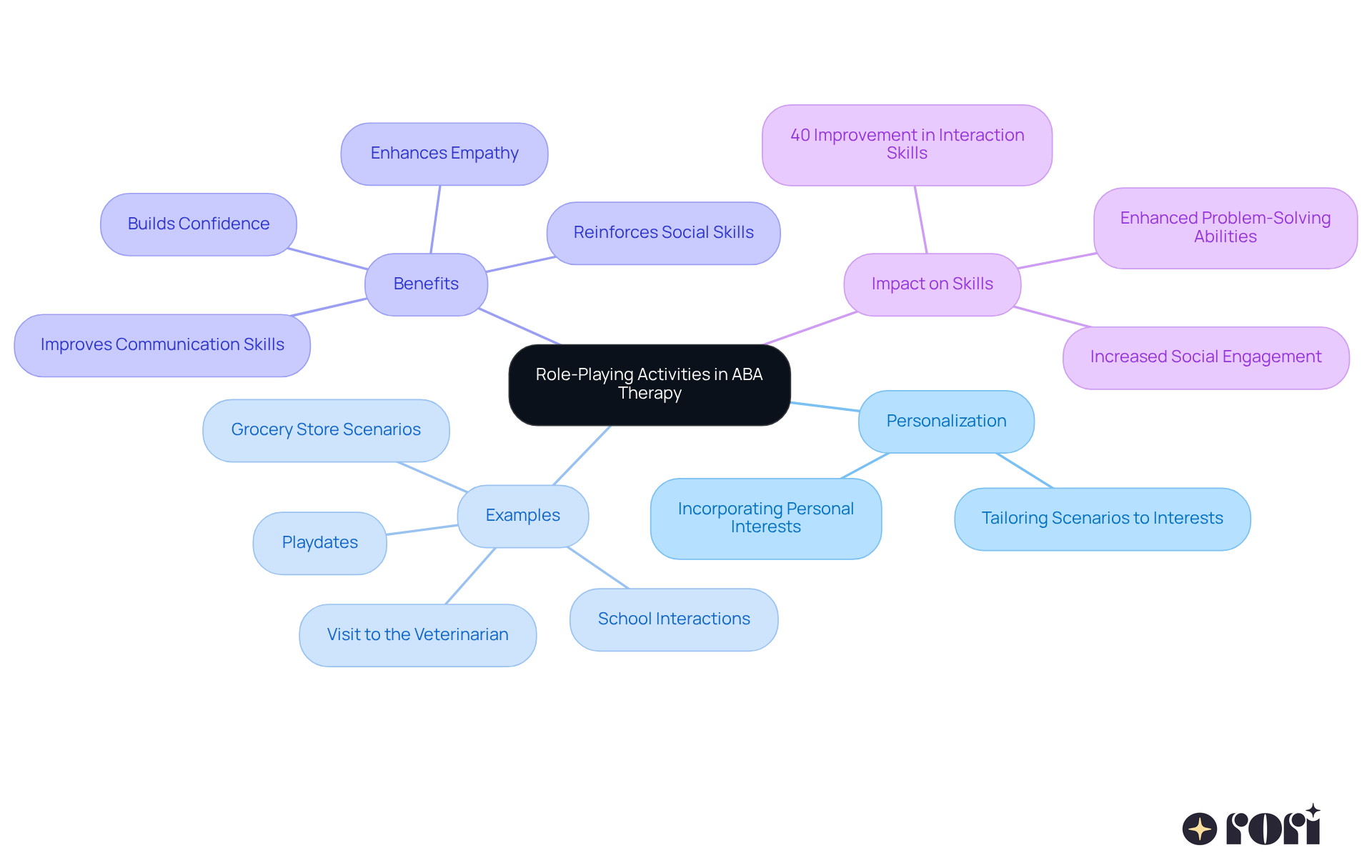
Role-playing activities for social interaction in asd are an essential component of ABA therapy, offering a safe environment for individuals with autism to practice their social interactions. At Rori Behavioral Innovations, we focus on creating role-playing scenarios that resonate with each person's interests and daily life. For example, if a young person loves animals, they might role-play a visit to the veterinarian. This allows them to in a fun way.
Role-playing activities for social interaction in asd provide personalized experiences that not only boost social skills but also build confidence, making them vital for effective autism support. Did you know that studies show customized role-playing can lead to a remarkable 40% improvement in interaction skills? That really highlights how essential these activities are in the growth journey of individuals with autism. Let’s explore this together!
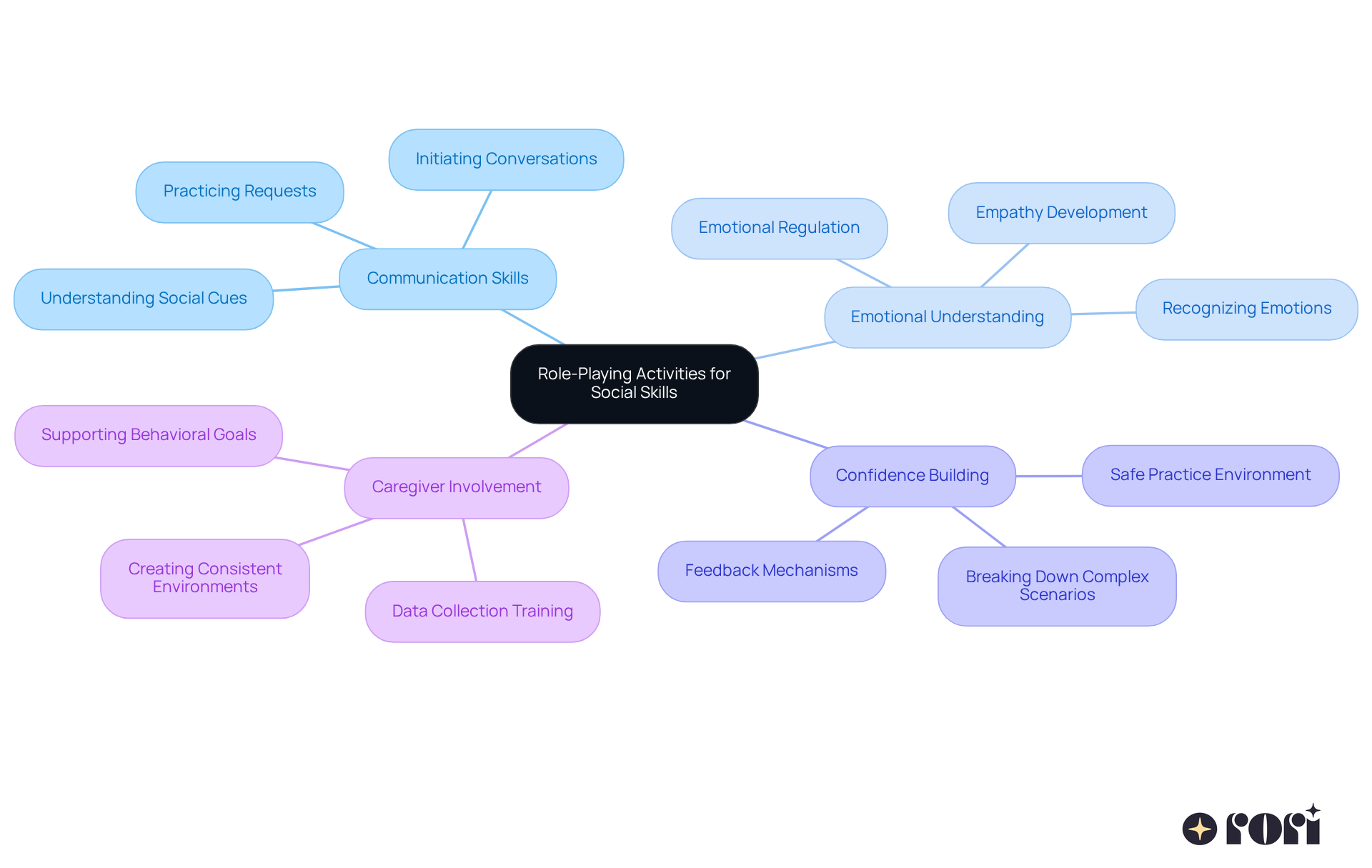
Role-playing activities for social interaction in asd provide a fantastic way to help young individuals with autism build essential interpersonal skills. Imagine your child practicing how to order food at a restaurant - this not only teaches them how to make polite requests but also helps them learn about turn-taking and responding to social cues. Research shows that role-playing activities for social interaction in asd can significantly enhance communication skills and emotional understanding, making them a vital part of developing interpersonal abilities. Behavioral therapists highlight that role-playing activities for social interaction in asd not only boost confidence but also provide kids with a safe space to practice real-life interactions. Plus, getting prompt feedback during these exercises helps them refine their skills, leading to better interactions and the ability to navigate complex situations.
At Rori Care - ABA Therapy, our social skills group therapy, led by experienced therapists, creates a structured environment where kids can practice and grow alongside their peers. We believe in empowering caregivers with ABA principles and strategies to support their children's behavioral goals. By actively involving parents in the process, Rori Care ensures families can foster a consistent and nurturing environment, maximizing the impact of the intervention. This includes training caregivers in data collection methods and aligning strategies, which further supports the child's development. Role-playing activities for social interaction in asd encourage kids to see the world through others' eyes, nurturing empathy and enhancing their overall interpersonal growth.
Let’s explore this together! We’re here to !
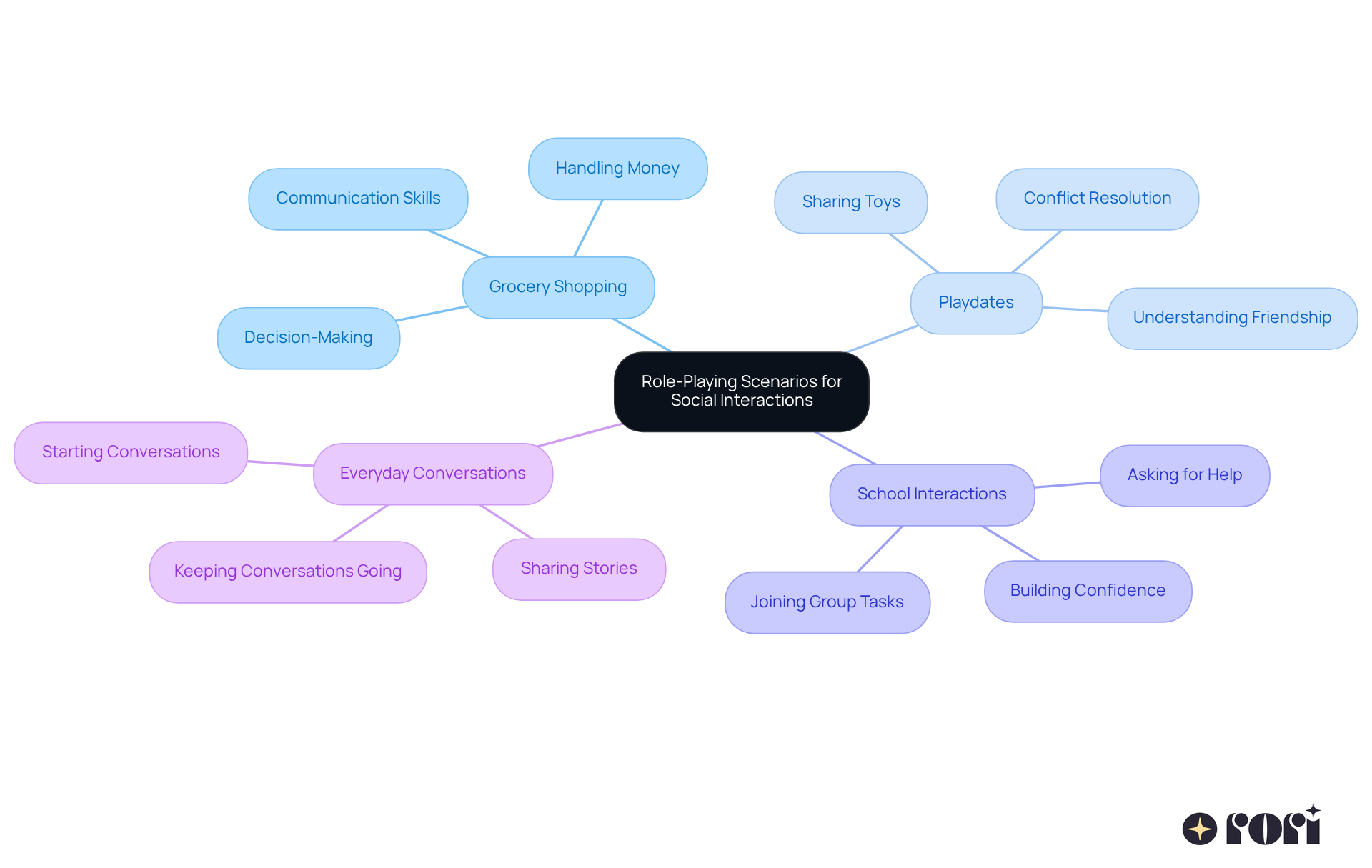
Role-playing activities for social interaction in ASD can significantly enhance a young person's social skills, providing them with the confidence to handle everyday situations. Let’s dive into some fun role-playing activities that also highlight how important caregiver education is:
Research shows that role-playing activities for social interaction in ASD can improve interpersonal engagement and interactions among youth with autism. By weaving these scenarios into daily routines, parents can create a structured and supportive environment that nurtures social skill development and emotional well-being. Empowering caregivers with ABA principles and strategies through education really enhances their ability to support their children’s behavioral goals, leading to better outcomes and greater confidence in their parenting journey. Let’s explore this together!
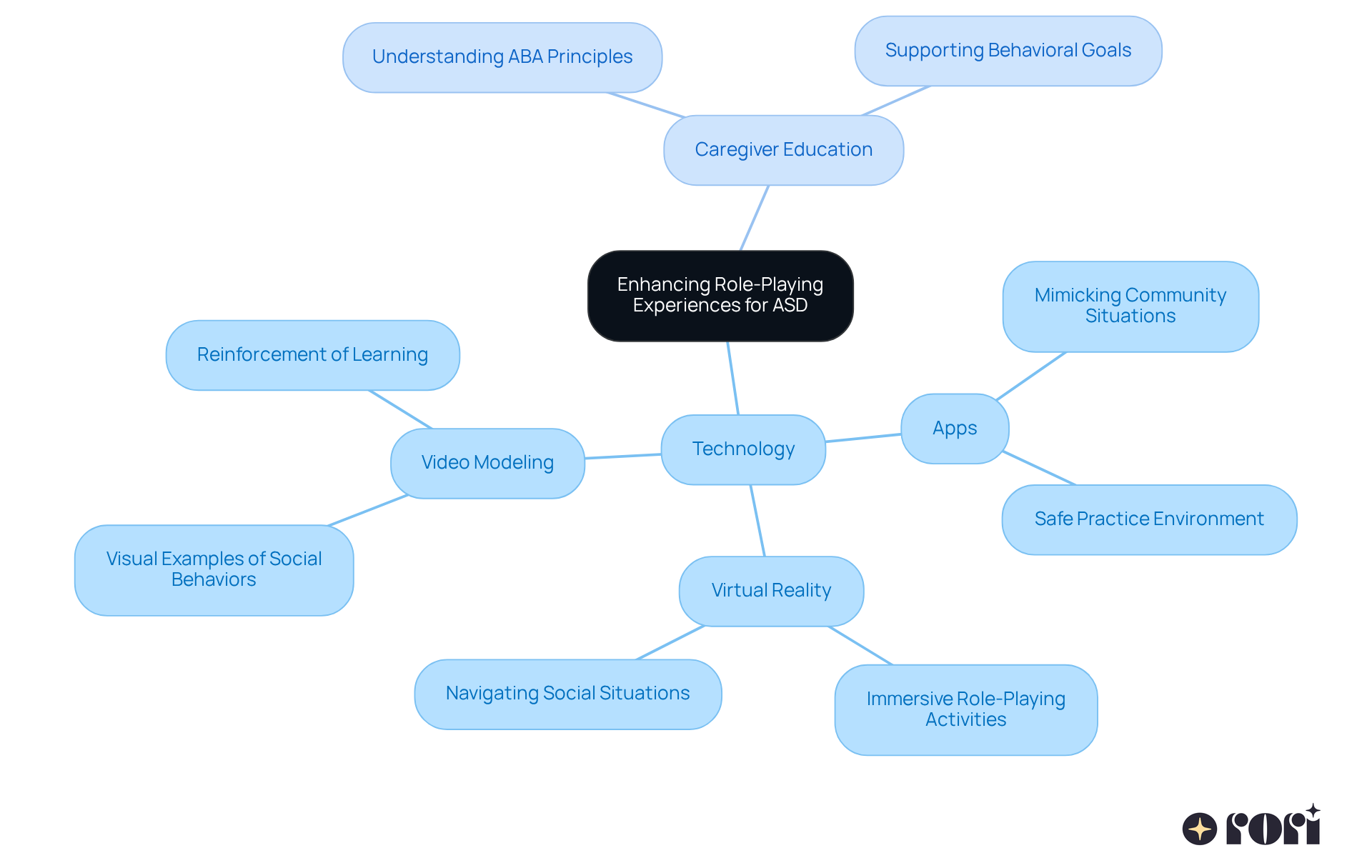
Incorporating technology into [role-playing activities for social interaction in ASD](https://rori.care/post/10-effective-strategies-for-skill-transfer-in-autism-care) can significantly enhance the learning experience for kids with autism. For example, using apps that mimic community situations allows children to practice interactions in a safe space. How cool is that? Plus, virtual reality (VR) can create for social interaction in ASD, assisting young ones in navigating tricky social situations.
And let’s not forget about video modeling! It provides visual examples of appropriate social behaviors, reinforcing what they learn during role play. By embracing technology, parents and therapists can craft engaging role-playing activities for social interaction in ASD that resonate with kids.
At Rori Care, we also have automatic data collection, which means clinical teams are always there during sessions, supporting the learning process without any interruptions. Participating in social skills group therapy led by trained therapists at Rori Care can really boost these interactions, fostering better communication and relationships.
Empowering caregivers through education about ABA principles is key, too! It helps support children's behavioral goals, ensuring they can actively participate in their child's development. Let’s explore this together! We’re here to help you every step of the way!
Role-playing activities are such a fantastic way to boost social interaction for individuals with autism! They offer a fun and engaging way to develop those all-important social skills. By crafting scenarios that really resonate with each child's interests, these activities help foster communication and empathy, while also building confidence in young participants. Integrating role-playing into ABA therapy shows a real commitment to personalized support, ensuring that every child can thrive in their social environments.
Throughout this article, we’ve seen various role-playing scenarios, like grocery shopping, playdates, and school interactions. These examples highlight how effective they can be in teaching practical skills and emotional understanding. Plus, with the addition of technology-think apps and virtual reality-the learning experience becomes even more interactive and immersive! And let’s not forget the vital role caregivers play; their involvement creates a supportive environment where parents can reinforce lessons and contribute to their child's growth.
The importance of role-playing in helping children with autism develop social skills is truly significant. By embracing these activities, parents and caregivers can create a nurturing atmosphere that empowers kids to navigate social situations with confidence. Engaging in role-playing not only boosts communication abilities but also nurtures empathy and understanding, paving the way for meaningful interactions in everyday life. So, let’s explore these strategies together and weave them into our routines, ensuring our children have the tools they need to succeed socially!
What is the purpose of role-playing activities in ABA therapy for individuals with autism?
Role-playing activities in ABA therapy provide a safe environment for individuals with autism to practice social interactions and improve their communication and empathy skills.
How does Rori Behavioral Innovations tailor role-playing scenarios?
Rori Behavioral Innovations creates role-playing scenarios that resonate with each person's interests and daily life, ensuring that the activities are engaging and relevant to them.
Can you give an example of a role-playing scenario used in therapy?
An example of a role-playing scenario is a young person who loves animals role-playing a visit to the veterinarian, allowing them to practice important social skills in a fun context.
What benefits do role-playing activities offer to individuals with autism?
Role-playing activities boost social skills, build confidence, and provide personalized experiences that are vital for effective autism support.
How effective are customized role-playing activities in improving interaction skills?
Studies show that customized role-playing can lead to a remarkable 40% improvement in interaction skills for individuals with autism, highlighting their importance in the growth journey.