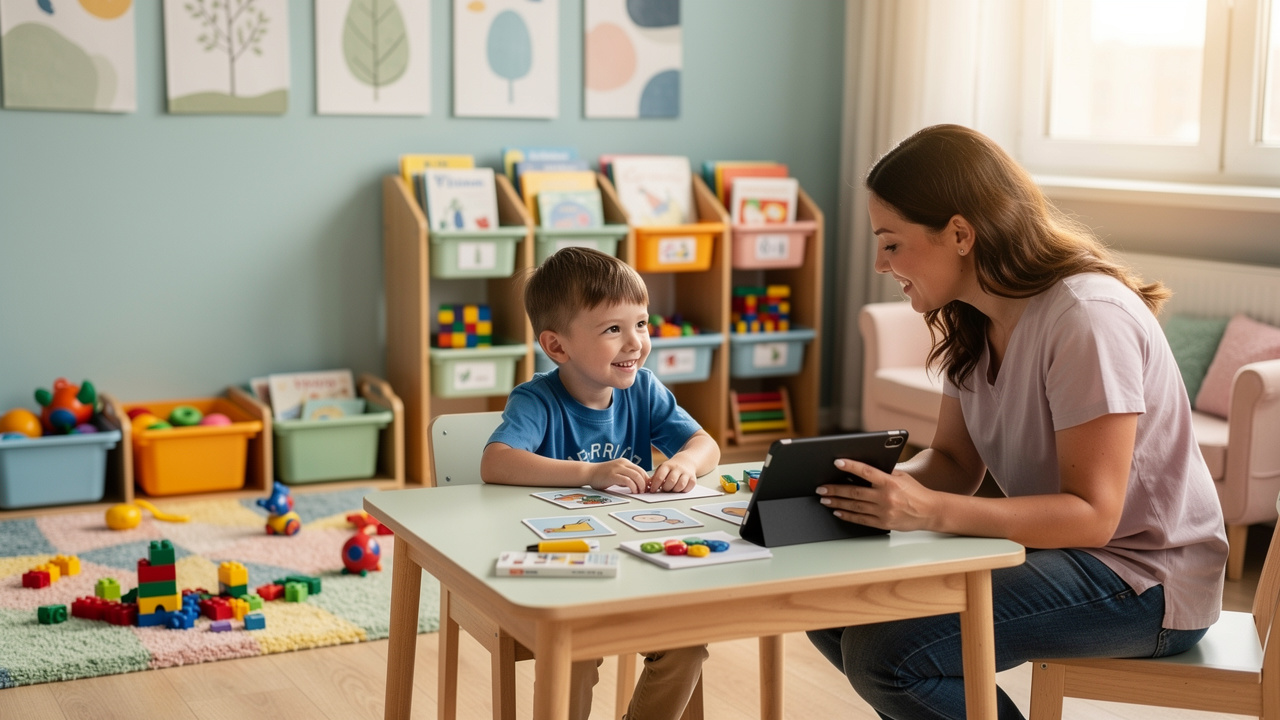
Role-playing has become a fantastic way to help kids on the autism spectrum develop their social skills. It creates a fun space for them to practice important interactions that they’ll encounter in everyday life. By stepping into structured scenarios, children can learn to read social cues, boost their communication skills, and gain confidence in various situations.
But here’s the thing: how can caregivers and educators make the most of these role-playing activities? It’s all about finding effective ways to implement them so that the benefits stick around for the long haul. Let’s explore this together! 😊
Role-playing activities for in individuals with ASD are a wonderful way to help kids enhance their ! It creates a safe and structured space for them to practice interactions. By stepping into different social situations, kids can learn to navigate those tricky cues like body language, tone of voice, and taking turns in conversations.
Research shows that these acting scenarios can really , , and help with . For example, one study found that kids who engaged in saw a 40% increase in their interaction abilities. That’s a huge leap in their ability to start and keep conversations going! Plus, many kids reported feeling more confident in social settings, like working on or asking for contact information.
These findings highlight just how important it is to include in individuals with ASD within therapeutic practices. They give kids . The benefits of these simulated interactions not only enhance immediate social skills but also prepare kids for lasting relationships. It’s truly a vital resource in autism strategies! Let’s explore this together and see how we can support our kids every step of the way!

To really make the most of role-playing, it’s important to use techniques that fit each child’s unique needs. Let’s dive into some friendly strategies that can help!
By using these methods, caregivers and therapists can create a nurturing environment that supports the development of . This, in turn, helps young people manage their interactions more effectively.
Research shows that in individuals with asd can significantly assist kids on the autism spectrum in improving their social skills by engaging them in various scenarios. Dr. Cathy Pratt highlights the importance of for effective intervention. Plus, families affected by autism report 87% higher stress levels compared to typical families, which underscores the need for effective interpersonal training for both kids and their families.
Involving parents in is crucial, as it ensures that new skills are practiced consistently in everyday life. is vital too, as it greatly enhances learning, verbal, and social skills in children with autism. also equips families with the knowledge and strategies they need to support their child’s development effectively.
Let’s explore this together! We’re here to !

Role-playing activities for in individuals with ASD provide a treasure trove of benefits, significantly enhancing their social skills and overall growth. Let’s take a look at some of these key advantages:
For instance, a case study with a group of children with autism found that those who participated in organized interactive sessions saw a 40% increase in successful peer interactions over six months. This really highlights the for in individuals with ASD in promoting communication and social skills.
So, let’s explore this together! If you’re a parent looking for ways to support your child, consider incorporating into their routine. We’re here to help you every step of the way!

To effectively generalize social skills, it’s super important to adapt across different environments. Here are some friendly strategies to consider:
By modifying interactive activities to fit various settings, young individuals can enhance their social abilities through role-playing activities for , allowing them to navigate different social situations more easily. Plus, providing guidance and feedback during in individuals with asd is essential to avoiding common pitfalls that can hinder the learning process.
Did you know that 1 in 36 youngsters in the United States are diagnosed with autism? This highlights the . , who said, 'I am different, not less,' can inspire parents to embrace their kids' unique strengths while implementing these strategies.
Moreover, , guided by , can significantly improve communication and relationships. It offers a supportive setting for youngsters to practice these skills, fostering not just competence but also self-esteem. This approach is a valuable resource for parents looking to enhance their child's social competence. Let’s explore this together!

Role-playing activities are truly a game-changer when it comes to helping individuals with autism spectrum disorder (ASD) develop their social skills. These interactive exercises create a safe space for practice, allowing children to explore and navigate the often tricky world of social cues and interactions. By engaging in role-play, kids can build their confidence and communication skills, setting the stage for meaningful relationships and social success.
As we dive deeper, a few key points stand out. Role-playing not only enhances communication skills but also fosters empathy and sharpens problem-solving abilities. Techniques like setting clear objectives and using visual supports can really tailor these activities to fit each child's unique needs. Plus, adapting role-play scenarios to different environments - like home, community, and school - helps children generalize their skills, reinforcing their learning and comfort in various social situations.
The importance of incorporating role-playing activities into daily life is hard to overstate. Research shows a positive impact on social skills and emotional regulation, making it essential for parents, educators, and therapists to embrace these strategies. By weaving role-playing into everyday routines, caregivers can help their children tackle social challenges and improve their overall quality of life. So, let’s embrace the power of role-playing together! Take steps today to create a supportive environment that nurtures social growth and connection for individuals with ASD. We’re here to help you every step of the way!
What is the primary purpose of role-playing in social skills training for individuals with ASD?
The primary purpose of role-playing in social skills training for individuals with ASD is to provide a safe and structured environment where kids can practice and enhance their interpersonal skills through simulated social interactions.
How do role-playing activities help children with ASD?
Role-playing activities help children with ASD by allowing them to navigate social cues such as body language, tone of voice, and conversational turn-taking, which are essential for effective communication.
What benefits have been observed from role-playing in children with ASD?
Research shows that role-playing can boost communication skills, nurture empathy, and aid in emotional regulation. For instance, one study found a 40% increase in interaction abilities among kids who engaged in imaginative play.
How does role-playing impact children's confidence in social situations?
Many children reported feeling more confident in social settings, such as participating in group projects or asking for contact information, after engaging in role-playing activities.
Why is it important to include role-playing in therapeutic practices for individuals with ASD?
Including role-playing in therapeutic practices is important because it helps children develop essential social skills that contribute to their immediate social success and prepare them for lasting relationships.