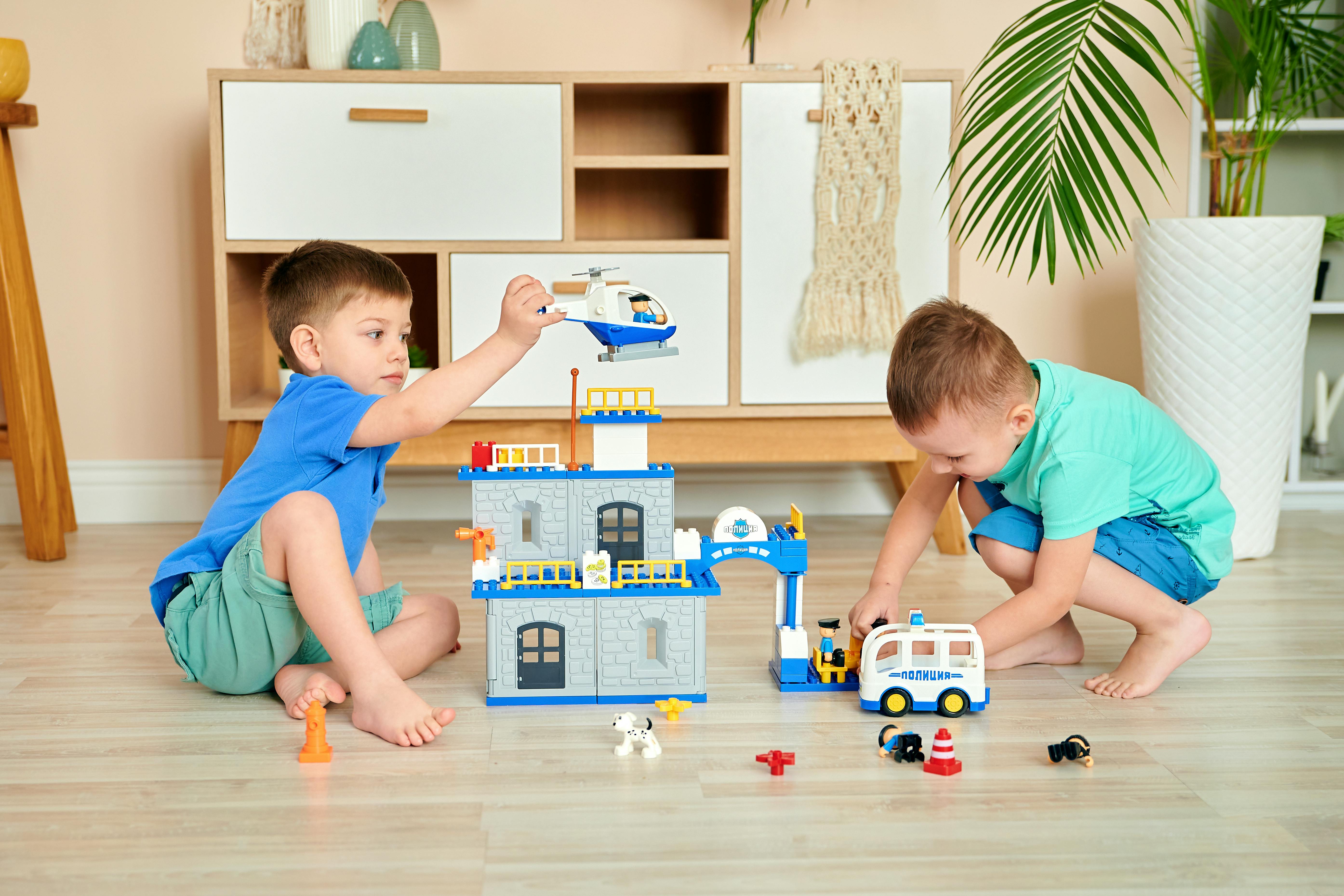
Role-playing has become a fantastic tool in helping individuals with autism spectrum disorder. It opens up a unique way for kids to understand social interactions and boost their communication skills. Imagine your child stepping into a fun, simulated scenario where they can practice essential social cues in a safe space. It’s not just about learning; it’s about building confidence and emotional regulation, too!
But you might wonder, how can caregivers and therapists effectively use these strategies to make the most of them? Let’s explore some practical role-playing techniques that can really help develop social skills. We’ll look at how to create structured environments for learning and ensure that progress in therapy is continuous. Together, we can empower both children and their caregivers on this journey!
So, are you ready to dive in? Let’s explore this together!
are an essential tool in autism care, particularly within the Applied Behavior Analysis (ABA) framework. It gives individuals with autism spectrum disorder (ASD) a chance to dive into simulated interactions, helping them pick up on social cues and boost their communication skills. Imagine your child practicing real-life situations in a safe space-this not only eases anxiety but also builds their confidence.
Research shows that kids who regularly engage in ! That’s why are essential in . It’s not just about learning skills; it’s also about . Plus, therapists often to align with each child’s interests and developmental stage, making the experience both fun and meaningful.
When kids use , they’re not just preparing for social interactions; they’re also , which can really enhance their quality of life. At Rori Care, we take this a step further with led by qualified therapists, helping youth build connections and competence.
And let’s not forget about the role of caregivers! Educating parents is crucial in this journey. By equipping them with the right knowledge and tools, we empower them to reinforce these skills at home. This holistic approach ensures that both kids and their caregivers feel supported and ready to grow together.
So, let’s explore this journey together! We’re here to help you every step of the way!

To effectively implement , let’s start by picking out some social scenarios that your child might face, like greeting a friend or asking for help. Using clear scripts and visual aids can really help guide them through these interactions. You might even consider - where you demonstrate the desired behavior before your child practices it.
And don’t forget to provide ! This reinforces positive behaviors and helps clear up any misunderstandings. Techniques like serve as for individuals with autism spectrum disorder, significantly enhancing your child’s learning experience. This approach is rooted in , which is all about being .
By actively involving caregivers in this process, you can better support your child’s growth, leading to improved behaviors and greater . Let’s explore this together! We’re here to help you every step of the way!

Creating a fun for kids can significantly enhance the effectiveness of ! 🌟 First off, it’s super important to set up a , free from distractions. Think about designating a specific area just for these activities, stocked with props, visual aids, and scripts that spark imagination.
can really help too! They outline the session's flow, making it easier for little ones to know what’s coming next, which can ease any anxiety they might feel. Plus, let’s not forget about - making the space can boost comfort and focus.
When you create a , kids are much more likely to jump in and engage in . This not only makes the experience enjoyable but also helps improve their . So, let’s explore this together and see how we can make a delightful experience for our children!

Tracking progress in interactive activities can feel like a challenge, right? But establishing clear, for your child's is a great first step! By using , caregivers and therapists can into how kids interact during dramatic play.
It’s so important to include both the child and caregivers in this process. Their input helps assess how effective these activities really are. Regular evaluations of your child's performance can lead to adjustments in , whether that means introducing new scenarios or tweaking existing ones to better match their interests and challenges.
This ongoing approach not only keeps therapy relevant but also fosters . Let’s explore this together! We’re here to !

Role-playing strategies for individuals with autism spectrum disorder are such a crucial part of boosting communication and social skills in therapy. When individuals dive into these simulated interactions, they not only learn to pick up on social cues but also build confidence in their abilities. This journey can lead to better emotional regulation and greater independence.
Throughout this article, we’ve highlighted some key aspects of effective role-playing techniques. Think about creating structured environments that cut down on distractions and actively involving caregivers in the process. Each of these strategies is crafted to create a supportive atmosphere for learning. It’s also important to tailor role-playing scenarios to fit individual interests and developmental stages, making sure the therapy stays relevant and engaging. Plus, keeping an eye on progress and adjusting strategies based on feedback helps keep the momentum going in skill development.
Ultimately, integrating role-playing into autism therapy isn’t just about picking up skills; it’s about empowering individuals and their families to shine in social settings. By embracing these strategies, caregivers and therapists can team up to create meaningful experiences that truly enhance the quality of life for those with autism. Remember, the journey toward improved social skills and interactions is a collaborative effort, and the potential for growth is huge! Let’s explore this together!
What is the role of role-playing in autism therapy?
Role-playing strategies are essential tools in autism therapy, particularly within the Applied Behavior Analysis (ABA) framework. They allow individuals with autism spectrum disorder (ASD) to engage in simulated interactions, helping them learn social cues and improve communication skills.
How does role-playing benefit children with autism?
Children who regularly engage in role-playing can experience up to a 40% improvement in their social interaction skills. It also helps reduce anxiety, builds confidence, nurtures emotional regulation, and promotes independence.
How are role-playing activities customized for children with autism?
Therapists often tailor role-playing activities to align with each child's interests and developmental stage, making the experiences enjoyable and meaningful.
What additional support does Rori Care provide for social interaction?
Rori Care offers social interaction group therapy led by qualified therapists, which helps youth build connections and enhance their social competence.
What is the importance of caregiver involvement in autism therapy?
Educating parents is crucial in the therapy process. By equipping them with the right knowledge and tools, caregivers can reinforce the skills learned during therapy at home, ensuring both children and caregivers feel supported in their growth.