Supporting individuals with autism can feel overwhelming at times, but there’s a bright side: collaboration! When behavior analysts, educators, and healthcare providers come together, they create a tailored approach that not only improves behavioral outcomes but also nurtures social skills development.
But how can families tap into this collaborative framework to ensure their child gets the most personalized and impactful care? 🤔 Let’s explore this together! In this article, we’ll dive into essential steps and strategies for building a cohesive team that values communication and adaptability. This way, we can pave the path for meaningful progress in autism care.
We’re here to help you every step of the way!
At Rori Care, we understand that supporting youth with developmental disorders can feel overwhelming at times. That’s why we bring together a team of professionals - behavior analysts, educators, and healthcare providers - to create a unified strategy tailored just for your child. This [collaborative approach for improving behavior in autism](https://rori.care/post/10-effective-redirecting-behavior-examples-for-parents-and-educators) focuses on teamwork, where everyone contributes their expertise to develop a comprehensive treatment plan that meets individual needs.
Imagine the difference it makes when everyone is on the same page! By fostering open communication and shared goals, we can implement a collaborative approach for improving behavior in autism, which will help enhance behavioral outcomes and social skills for individuals on the autism spectrum. Our skilled behavior analysts work closely with families to design personalized behavior intervention plans that set clear, measurable goals for behavior change and skill acquisition. This way, caregivers feel empowered with the knowledge of ABA principles and effective strategies to support their child’s growth.
We know that progress isn’t always linear, so we regularly assess and adjust these plans based on how your child is doing. This ensures that the strategies we use are not only evidence-based but also effective. For instance, when therapists and educators employ a collaborative approach for improving behavior in autism, they can align their strategies, creating a consistent environment for your child. And consistency is key to achieving successful results!
Let’s explore this journey together! We’re here to !
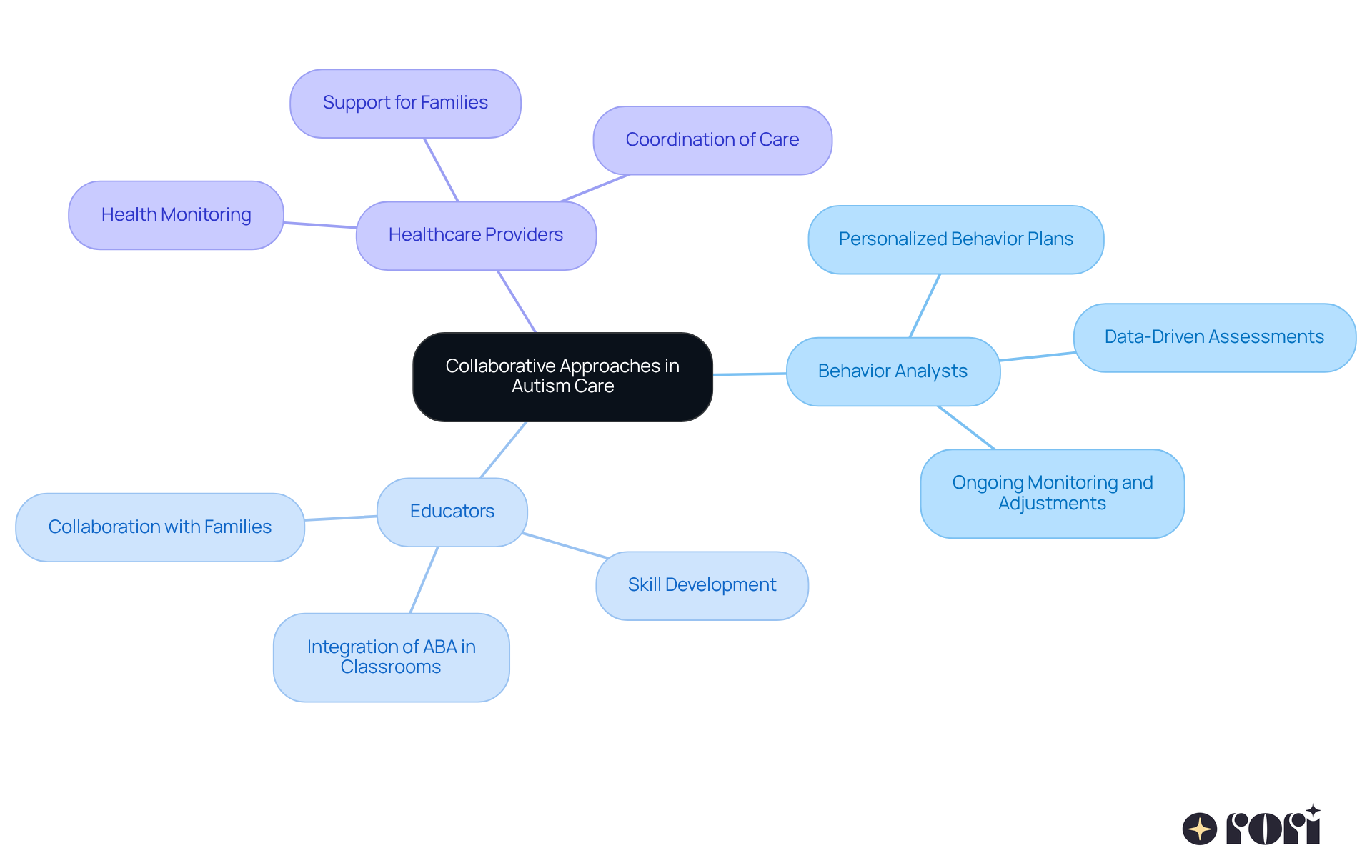
Creating a collaborative approach for improving behavior in autism care can feel like a big task, but it’s all about teamwork! Here are some friendly steps to help you get started:
Let’s explore this together! We’re here to help you every step of the way!

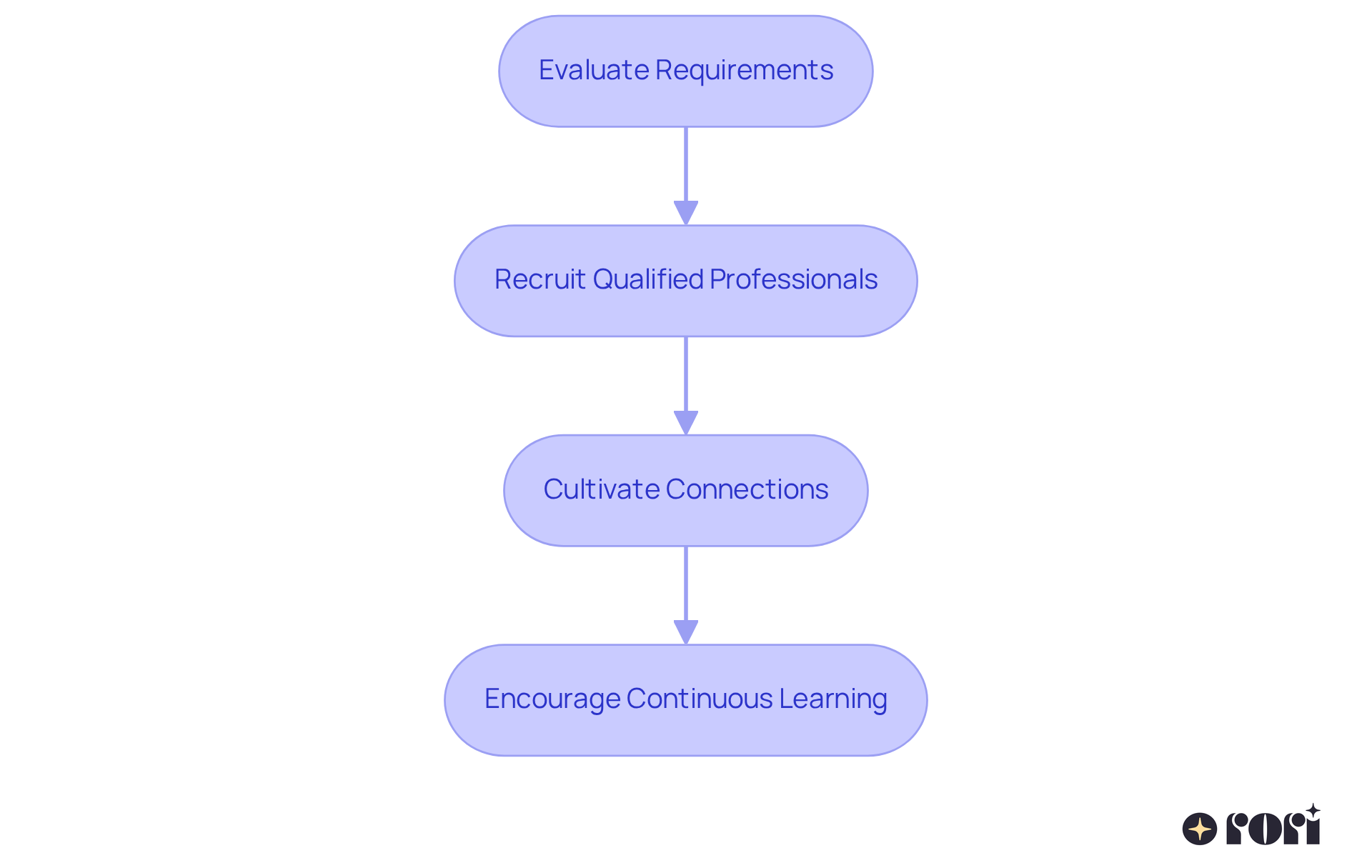
Creating a multidisciplinary team is vital for employing a collaborative approach for improving behavior in autism, which helps a young person grow in developmental care. Let’s dive into how you can bring together the right professionals:
By following these steps, families can create a strong interdisciplinary team that truly supports their loved one’s unique developmental journey. Let’s explore this together!
To make the collaborative approach for improving behavior in autism treatment truly effective, it’s all about continuous monitoring and making smart adjustments along the way. Let’s break it down:
By implementing these strategies, families and practitioners can adopt a collaborative approach for improving behavior in autism, ensuring that every child receives the personalized support they need to thrive. Let’s explore this together!

Creating a supportive environment for individuals with autism is all about collaboration! When professionals from different fields - like behavior analysts, educators, and healthcare providers - come together, families can ensure their child gets a personalized treatment plan that truly fits their needs. This teamwork not only boosts communication but also builds a shared commitment to the child's growth and success.
So, how can we establish this collaborative framework? It starts with:
Each of these steps helps everyone stay aligned and focused on common objectives. And don’t forget about regular check-ins and the flexibility to adjust strategies as needed. This way, we can continuously improve and adapt to the child's changing needs.
Ultimately, embracing collaboration in autism care leads to better behavioral outcomes and empowers both families and professionals. By prioritizing teamwork and open communication, we can all contribute to a brighter future for individuals with autism. It’s crucial for caregivers and professionals to actively engage in these practices, ensuring every child has the chance to thrive and reach their developmental milestones.
Let’s explore this together! We’re here to help you every step of the way!
What is a collaborative approach in autism care?
A collaborative approach in autism care involves a team of professionals, including behavior analysts, educators, and healthcare providers, working together to create a unified strategy tailored to the individual needs of the child.
How does Rori Care implement collaborative approaches?
Rori Care fosters open communication and shared goals among team members to develop comprehensive treatment plans that enhance behavioral outcomes and social skills for individuals on the autism spectrum.
What role do behavior analysts play in this approach?
Behavior analysts at Rori Care work closely with families to design personalized behavior intervention plans that set clear, measurable goals for behavior change and skill acquisition.
How does Rori Care ensure the effectiveness of treatment plans?
Rori Care regularly assesses and adjusts treatment plans based on the child's progress to ensure that the strategies used are evidence-based and effective.
Why is consistency important in autism care?
Consistency is key to achieving successful results, as it helps create a stable environment for the child when therapists and educators align their strategies.
What can families expect from the collaborative approach at Rori Care?
Families can expect to be empowered with knowledge of ABA principles and effective strategies to support their child's growth, with ongoing support from the Rori Care team throughout the journey.