A collaborative approach to autism care is truly changing the game for families and professionals working together to support individuals on the spectrum. By bringing together behavior analysts, therapists, educators, and parents, this method not only improves treatment plans but also enriches the overall development of children with autism.
But what can parents do to effectively engage in this collaborative process? 🤔 Let’s explore some strategies that can help unlock the potential for amazing outcomes! By ensuring that every child's unique needs are met, we can foster a supportive network that champions their growth and independence.
We’re here to help you every step of the way!
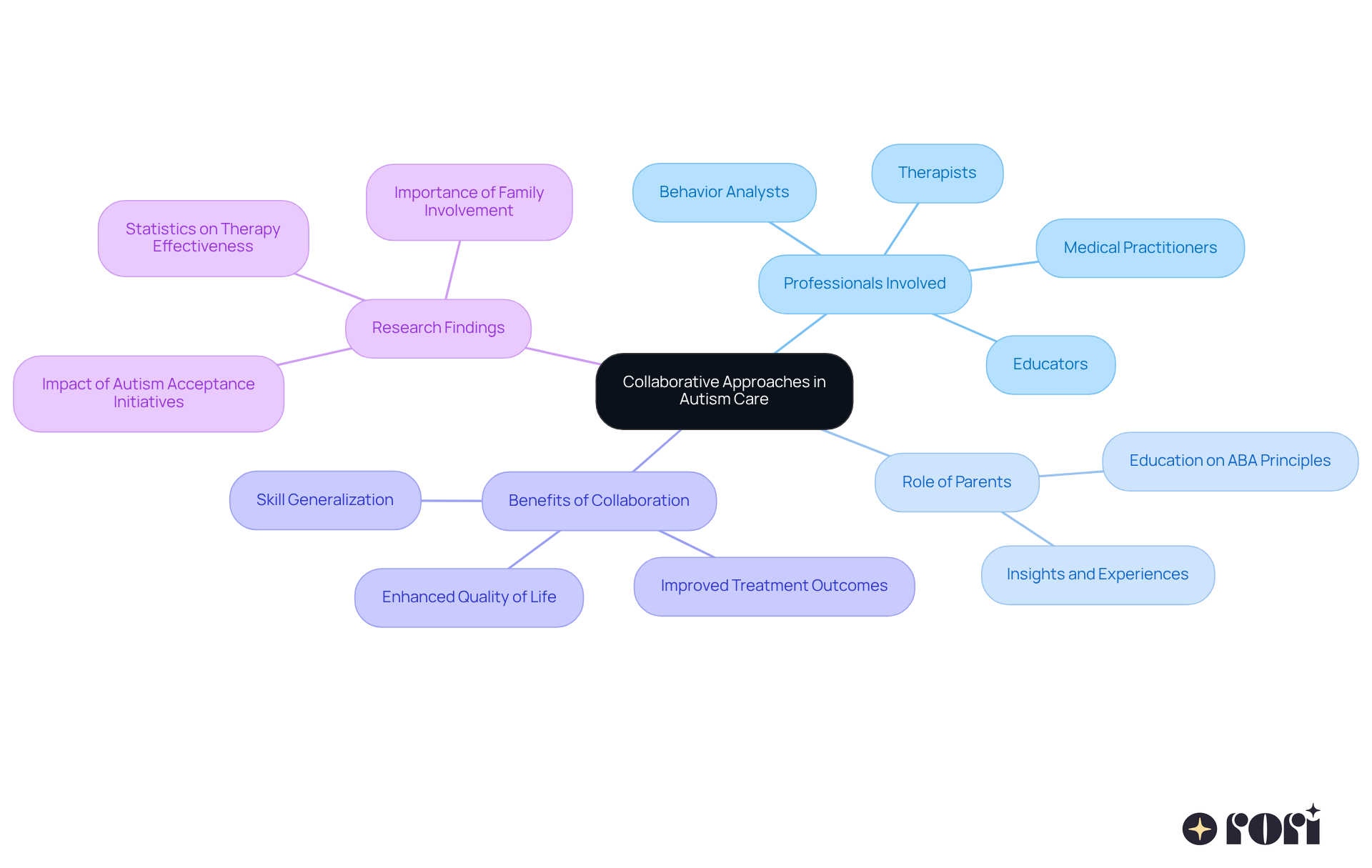
A collaborative approach to autism care brings together a diverse group of professionals - such as behavior analysts, therapists, educators, and medical practitioners - who all work hand in hand to create a comprehensive treatment plan. This teamwork is so important! It addresses every aspect of a child's development, from behavioral interventions to educational support and emotional well-being.
And let’s not forget about parents! Your insights and experiences are invaluable in this collaboration, helping to shape . When caregivers are educated about ABA principles and strategies, it really enhances this teamwork. You gain a deeper understanding, which allows you to provide the right support at home and complement the professional interventions your child receives.
Research shows that communities embracing autism acceptance initiatives report a whopping 48% higher quality of life for autistic residents. That’s a powerful reminder of how teamwork can positively impact treatment outcomes! By fostering open dialogue and aligning our goals, a collaborative approach to autism care can significantly enhance the quality of care for individuals with autism, leading to better outcomes in behavior, social skills, and overall well-being.
Experts in the field highlight that a collaborative approach to autism care not only improves skill generalization but also enhances our understanding of each individual's unique needs more comprehensively. Successful case studies reveal that the collaborative approach to autism care, in which families and professionals unite, can lead to truly transformative outcomes, paving the way for a brighter future for those with autism.
Plus, the knowledge and skills you gain through caregiver education empower you, reduce stress, and improve family dynamics. This ultimately leads to more effective and lasting behavioral improvements. So, let’s explore this together! We’re here to help you every step of the way!
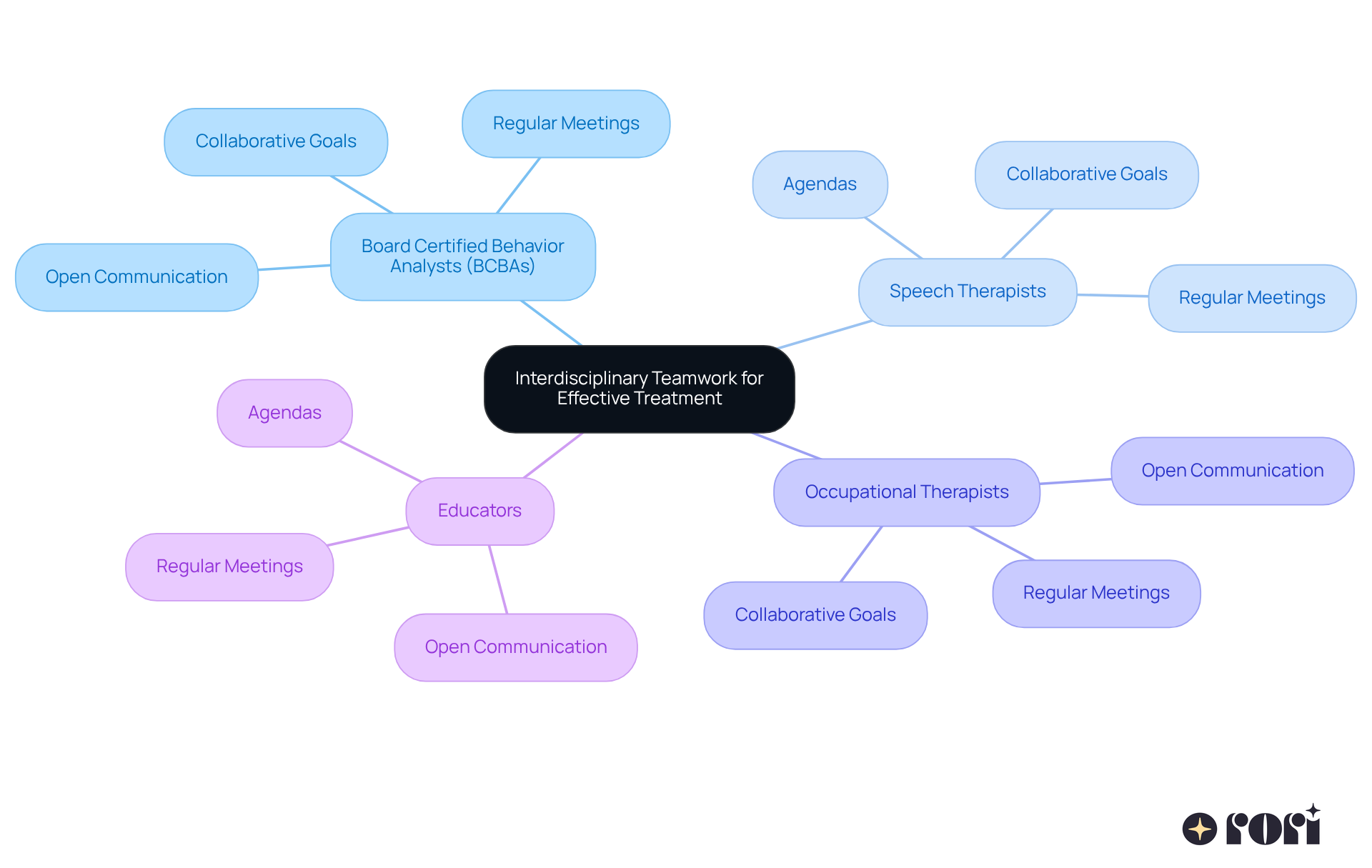
To kick off effective teamwork across different disciplines, it’s important for parents to first pinpoint all the professionals involved in their loved one’s care. This includes:
Regular meetings are a must! They provide a great opportunity to discuss the student’s progress, share observations, and tweak treatment plans as needed. Parents can really amp up these meetings by preparing agendas that zero in on specific goals and challenges, keeping discussions productive and on track.
Creating a culture of respect and open communication among team members is key. When each professional feels motivated to share their insights and experiences, it leads to more thorough and for the individual. For example, when BCBAs team up with speech-language pathologists, they can align communication goals with behavioral strategies, making the treatment plan even more effective.
By actively participating in these discussions, guardians can make sure their child’s needs are prioritized and addressed in a well-rounded way. This collaborative approach to autism care not only boosts developmental outcomes but also empowers families through informed decision-making and enhanced support. It creates a supportive network that truly enhances the child’s journey toward independence and social participation. Let’s explore this together!
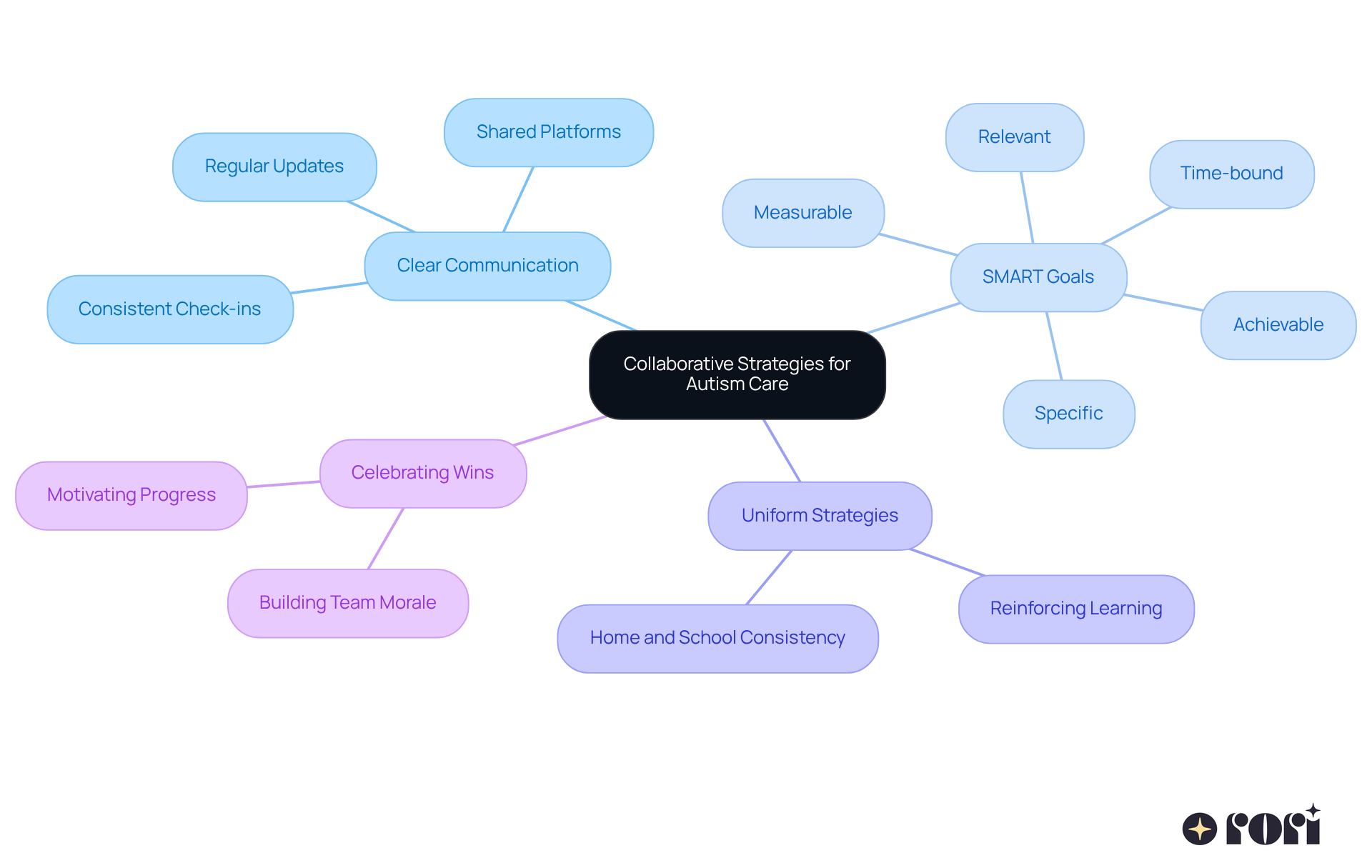
To create effective teamwork, it’s super important for parents to focus on clear communication with everyone involved. Think about sending regular updates via email, using shared digital platforms to track progress, and setting up consistent check-ins. When you work together to - Specific, Measurable, Achievable, Relevant, and Time-bound - you can really boost focus and accountability within the team.
Research shows that a collaborative approach to autism care, which emphasizes clear communication, helps everyone stay on the same page. Plus, it’s essential for caregivers to support a collaborative approach to autism care by promoting uniform strategies across different settings, like home and school, to reinforce learning and behavior adjustments. And don’t forget to celebrate those small wins together! It not only builds a positive team vibe but also keeps everyone motivated.
By getting involved in these strategies, parents can create a nurturing environment that truly supports their child’s growth and development. Let’s explore this together!
Technology can truly make a difference in the collaborative approach to autism care for young individuals through therapy. At Rori Care, we’re excited to use cutting-edge AI to help automate progress report writing. This means more time for your child’s treatment, which is what we all want, right?
Imagine using shared digital platforms like Google Drive or Trello. These tools let everyone involved access and update treatment plans, monitor progress, and share resources in real-time. It’s like having a team huddle, but online! Communication apps also make it easy to send quick updates and have discussions, ensuring everyone is on the same page.
And let’s not forget about our data collection applications! They help caregivers and therapists , giving us valuable insights into what works best. Plus, virtual meetings mean that all team members can join in, no matter where they are. Everyone can contribute to the comprehensive care of your child.
By embracing these technological tools, you can enhance collaboration and ultimately promote a collaborative approach to autism care for your child. Let’s explore this together! We’re here to help you every step of the way!

A collaborative approach to autism care really highlights how important teamwork is among professionals and parents. It’s all about creating a treatment plan that’s just right for each child’s unique needs. When behavior analysts, therapists, educators, and caregivers come together, they create an environment where every part of a child's development is nurtured. This teamwork can lead to better outcomes in behavior, social skills, and overall well-being.
Key insights from the article remind us how vital it is to establish effective interdisciplinary teamwork:
These practices not only improve the quality of care but also make sure families are actively involved in the decision-making process, creating a supportive network for the child.
Reflecting on the importance of these collaborative efforts, it’s clear that embracing this approach can lead to amazing outcomes for those with autism. Parents are encouraged to take proactive steps in fostering open dialogue and participating in their child's care team. By doing this, they not only deepen their understanding of autism but also contribute to a more integrated and effective treatment plan. The journey toward better autism care is a shared one, and through collaboration, we can forge a brighter future for individuals on the spectrum. Let’s explore this together!
What is a collaborative approach to autism care?
A collaborative approach to autism care involves a diverse group of professionals, such as behavior analysts, therapists, educators, and medical practitioners, working together to create a comprehensive treatment plan that addresses all aspects of a child's development.
How do parents contribute to the collaborative approach in autism care?
Parents provide invaluable insights and experiences that help shape effective strategies. Their education about ABA principles and strategies enhances teamwork and allows them to support their child at home while complementing professional interventions.
What impact does community acceptance have on the quality of life for autistic individuals?
Research indicates that communities that embrace autism acceptance initiatives report a 48% higher quality of life for autistic residents, highlighting the positive effects of teamwork in treatment outcomes.
What are the benefits of a collaborative approach to autism care?
A collaborative approach improves skill generalization, enhances understanding of each individual's unique needs, and can lead to transformative outcomes for individuals with autism, including better behavior, social skills, and overall well-being.
How does caregiver education influence the collaborative approach?
Caregiver education empowers families, reduces stress, and improves family dynamics, leading to more effective and lasting behavioral improvements for children with autism.
What outcomes can be expected from successful collaborative approaches in autism care?
Successful collaborative approaches can result in enhanced quality of care, better treatment outcomes, and a brighter future for individuals with autism through unified efforts between families and professionals.