Introduction
Understanding the vital role parents play in autism treatment can truly enhance the therapeutic outcomes for children with autism spectrum disorder (ASD). When parents get involved, it not only helps kids develop better behavioral and communication skills but also creates a nurturing environment that connects therapy with everyday life. But how can therapists effectively navigate the complexities of parental involvement? It’s essential that caregivers are not just participants but empowered partners in their child’s treatment journey.
Let’s explore this together! Engaging parents in the process can feel overwhelming at times, but it’s so important. Imagine a scenario where a parent learns a new communication technique during a therapy session and then practices it at home. This not only reinforces what the child learns in therapy but also strengthens the bond between parent and child.
We’re here to help you every step of the way! By fostering this partnership, we can bridge the gap between therapy and daily life, making a real difference in the lives of children with ASD. So, let’s dive into how we can make this journey smoother and more rewarding for everyone involved!
Understand the Importance of Parental Involvement in Autism Treatment
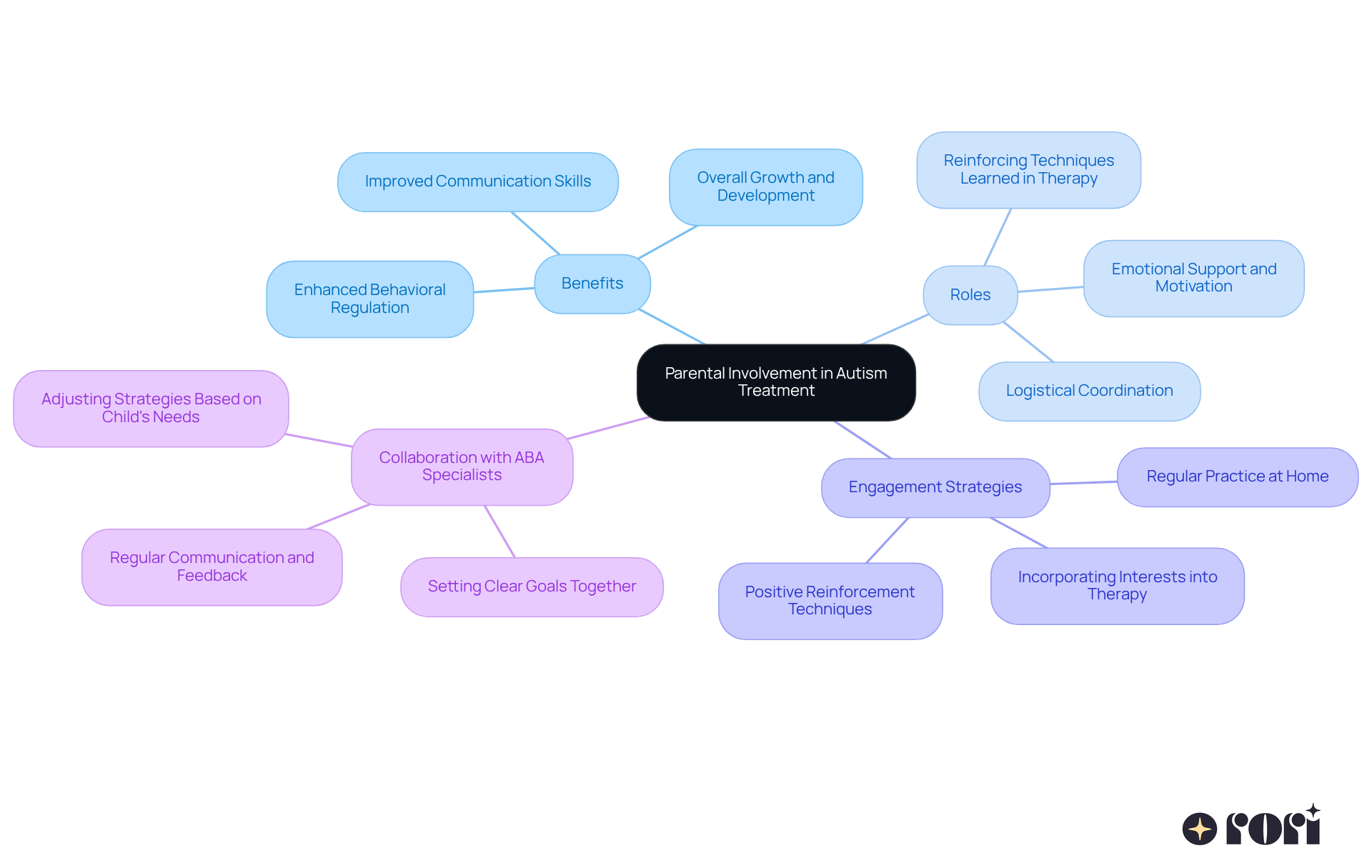
Understanding how to is essential for . It really makes a difference in the outcomes for kids with autism spectrum disorder (ASD). When parents understand how to through counseling, kids often show better behavioral and emotional regulation, improved communication skills, and overall growth. Isn’t that amazing?
Active participation from parents boosts learning and demonstrates how to , helping kids apply what they learn in therapy to their everyday lives. Parents play a crucial role in by reinforcing the techniques learned during sessions, ensuring those skills are applied in daily situations. This consistency is crucial for helping kids generalize their skills, so they can use what they learn in therapy at home and beyond.
Plus, allows them to share . This helps therapists tailor interventions more effectively. At Rori Care, our skilled behavior analysts create and research-backed methods. We focus on continuous assessment and adjustments to ensure we’re meeting each child’s needs.
It is essential to understand how to through collaboration between parents and . It creates a that benefits both the child and the family. By understanding their role and embracing ABA principles, parents can actively participate in their child’s treatment journey. Together, we can support their through knowledge, strategy alignment, and data collection. Let’s explore this together!
Implement Effective Strategies for Parent Engagement in Therapy
To effectively , let’s explore some friendly strategies together:
- : It’s so important to keep those lines of communication open between therapists and guardians. Frequent updates on progress, challenges, and strategies can really help guardians feel involved and informed.
- : How about conducting training sessions that educate guardians on the principles of and specific techniques they can use at home? This way, guardians can strengthen the skills their child learns in treatment.
- Engage Guardians in Goal Establishment: Working together with guardians to define clear, measurable objectives for their child's treatment is key. This ensures that the aligns with the family's values and priorities. Rori Care's behavior care engine updates behavior intervention and skill acquisition plans after each session based on progress report data, making sure that goals stay relevant and achievable.
- : Why not invite guardians to observe or even engage in therapy sessions? This allows them to see techniques in action and ask questions in real-time, boosting their understanding and confidence.
- : Offering caregivers materials like visual aids, guides, and tailored approaches can really enhance their participation. This support helps them feel more competent and capable in their role as they learn how to . It’s significant to note that progress is seen in 90% of youngsters when suggested hours are fully applied with active caregiver involvement, highlighting the essential role guardians play in their child’s development.
By applying these methods, therapists can create a nurturing atmosphere that encourages active parental involvement. Together, we can work towards improved outcomes for children!

Foster Collaboration Between Parents and Therapists for Better Outcomes
Cooperation between caregivers and therapists is essential for exploring how to to make it as effective as possible. Let’s explore some friendly strategies to enhance this partnership:
- : Regular get-togethers between caregivers and therapists are key! These meetings allow everyone to chat about progress, challenges, and approaches. When everyone’s on the same page, it’s easier to , creating a for the little one.
- : Using tools can really help both guardians and therapists keep track of progress and strategies. This way, everyone stays in the loop about the child’s development, and it encourages from both sides.
- : It’s super important to create ways for caregivers to share their thoughts on therapy sessions. This feedback helps therapists adjust their methods to better fit the child’s evolving needs, making the treatment even more effective.
- : Don’t forget to celebrate the child’s achievements, no matter how small! Acknowledging these milestones strengthens the bond between caregivers and therapists. Plus, it motivates everyone involved to keep pushing for progress.
- : Creating a space where caregivers feel comfortable sharing their concerns and suggestions is essential. Open dialogue sparks innovative solutions and enhances the partnership, ultimately benefiting the child’s development.
By nurturing this collaboration, caregivers and therapists can learn how to more effectively, leading to better outcomes for children with autism. We’re here to help you every step of the way!

Overcome Challenges to Enhance Parental Engagement in Treatment
Learning can be quite a journey, often filled with challenges. Let’s take a look at some common barriers and explore together:
- Time Constraints: Many caregivers are balancing a lot of responsibilities, making it tough to dive fully into treatment. But here’s a thought: what if we could weave treatment approaches into daily routines? This way, caregivers can practice without feeling overwhelmed by extra tasks. Did you know that fewer than half (46%) of young individuals stick with treatment for 24 months? That’s why it’s so important to find ways to fit support into family life, particularly in terms of . Educating caregivers can empower them with the knowledge to seamlessly integrate strategies into their busy schedules.
- Emotional Stress: Parenting a child with autism can be emotionally taxing. Access to can be a game-changer, helping caregivers manage stress and build resilience. Research shows that can lead to improvements in their quality of life. That’s why emotional support is crucial! By equipping caregivers with skills and knowledge on , we can boost their confidence and help alleviate stress, which is vital for their well-being.
- Lack of Knowledge: Some guardians might feel a bit lost when it comes to engaging in therapy. Providing thorough training and resources can give them the essential knowledge they need to support their child’s development effectively. Programs that incorporate have been linked to . By understanding ABA principles and techniques, caregivers can make informed decisions that positively impact their child’s progress.
- Communication Barriers: Language or cultural differences can sometimes create misunderstandings. Ensuring clear and accessible communication-maybe through visual aids or interpreters-can really help bridge those gaps. This approach fosters a collaborative environment that teaches caregivers how to . Plus, enhancing communication strategies through ensures that guardians are well-informed and actively involved.
- Resistance to Change: It’s natural for parents to hesitate when it comes to adopting new strategies. Gradually introducing changes and offering positive reinforcement can help them feel more comfortable with the process. has shown to boost their commitment and effectiveness in designing interventions. When caregivers feel empowered with knowledge and skills, they’re more likely to and actively participate in their child’s treatment.
By addressing these challenges and highlighting the benefits of , therapists can significantly enhance their understanding of engage parents in autism treatment. This, in turn, leads to more effective treatment outcomes for children with autism. Let’s explore this together and make a difference!

Conclusion
Engaging parents in autism treatment isn’t just beneficial; it’s absolutely essential for fostering positive outcomes for children with autism spectrum disorder (ASD). When parents are actively involved, therapists can create a collaborative environment that really enhances therapy effectiveness and supports the child’s development, both in and out of treatment sessions.
Throughout this article, we’ve shared some key strategies to help facilitate this engagement. Think about:
- Maintaining open communication
- Providing training for parents
- Encouraging their participation in therapy sessions
These approaches empower parents to reinforce therapeutic techniques at home, share valuable insights about their child’s needs, and celebrate milestones together with therapists. By overcoming common barriers like time constraints and emotional stress, caregivers can become more confident and effective partners in their child’s treatment journey.
Ultimately, the collaboration between parents and therapists is crucial for achieving the best possible outcomes for children with autism. By embracing these strategies and recognizing the importance of parental involvement, families can work hand-in-hand with professionals to create a supportive and nurturing environment that fosters growth and development. So, let’s take action today! Together, we can pave the way for a brighter future for children with autism and their families.
Frequently Asked Questions
Why is parental involvement important in autism treatment?
Parental involvement is essential in autism treatment as it significantly impacts the outcomes for children with autism spectrum disorder (ASD). Engaged parents help children show better behavioral and emotional regulation, improved communication skills, and overall growth.
How does active participation from parents affect children's learning?
Active participation from parents boosts children's learning by helping them apply what they learn in therapy to their everyday lives. Parents reinforce techniques learned during sessions, ensuring consistency that is crucial for generalizing skills.
What role do parents play in reinforcing therapy techniques?
Parents play a crucial role by reinforcing the techniques learned during therapy sessions and ensuring those skills are applied in daily situations. This consistency helps children use what they learn in therapy at home and beyond.
How can parents contribute to tailoring interventions for their child?
Parents can share valuable insights about their child’s unique needs and challenges, which helps therapists tailor interventions more effectively to meet those specific needs.
What approach does Rori Care take in autism treatment?
Rori Care employs skilled behavior analysts who create personalized plans with measurable goals and research-backed methods. They focus on continuous assessment and adjustments to ensure they meet each child’s needs.
How does collaboration between parents and ABA specialists benefit treatment?
Collaboration between parents and ABA specialists creates a supportive environment that benefits both the child and the family. It allows parents to understand their role, embrace ABA principles, and actively participate in their child’s treatment journey.
What strategies can parents use to support their child's behavioral goals?
Parents can support their child's behavioral goals through knowledge, strategy alignment, and data collection, working together with therapists to enhance the treatment process.
List of Sources
- Understand the Importance of Parental Involvement in Autism Treatment
- 8 Meaningful Autism Quotes for Parents' Support (https://graciousgrowthaba.com/8-meaningful-autism-quotes-for-parents-support)
- Effects of Parent-Implemented Interventions on Outcomes of Children with Autism: A Meta-Analysis - PMC (https://pmc.ncbi.nlm.nih.gov/articles/PMC10539413)
- Understanding the Role of Parents in Enhancing ABA Therapy Outcomes - Kids First (https://kidsfirstservices.com/first-insights/understanding-the-role-of-parents-in-enhancing-aba-therapy-outcomes)
- The Role of Parent Involvement in Autism Therapy Success | Advanced Autism Services (https://advancedautism.com/post/the-role-of-parent-involvement-in-autism-therapy-success)
- Parents' Involvement in ASD Treatment: What Is Their Role? (https://sciencedirect.com/science/article/abs/pii/S1077722911000745)
- Foster Collaboration Between Parents and Therapists for Better Outcomes
- 8 Meaningful Autism Quotes for Parents' Support (https://graciousgrowthaba.com/8-meaningful-autism-quotes-for-parents-support)
- Parents' Involvement in ASD Treatment: What Is Their Role? (https://sciencedirect.com/science/article/abs/pii/S1077722911000745)
- The Importance of Collaboration Between Therapists and Parents in Autism Treatment (https://buildingblockstherapy.org/blog/the-importance-of-collaboration-between-therapists-and-parents-in-autism-treatment)
- Intervention Amount and Outcomes for Young Autistic Children (https://jamanetwork.com/journals/jamapediatrics/fullarticle/2819784)
- 53 Motivational Quotes to Inspire Special Needs Parents - Parenting Special Needs Magazine (https://parentingspecialneeds.org/article/53-motivational-quotes-to-inspire-special-needs-parents)
- Overcome Challenges to Enhance Parental Engagement in Treatment
- The Numbers Don't Lie: Revealing Autism Therapy Statistics | Above and Beyond Therapy (https://abtaba.com/blog/autism-therapy-statistics)
- Parental Quality of Life and Involvement in Intervention for Children or Adolescents with Autism Spectrum Disorders: A Systematic Review - PMC (https://pmc.ncbi.nlm.nih.gov/articles/PMC8469292)
- 10 inspiring quotes from people with autism | Autism Speaks (https://autismspeaks.org/life-spectrum/autism-quotes)
- 20 Inspiring Quotes About Autism Every Parent Must Read Today (https://circlecareservices.com/blog/20-quotes-about-autism-and-parenting)
- 8 Meaningful Autism Quotes for Parents' Support (https://graciousgrowthaba.com/8-meaningful-autism-quotes-for-parents-support)