Data-driven strategies are changing the game in Applied Behavior Analysis (ABA) therapy, reshaping how therapists approach treatment. By tapping into the power of data, practitioners can customize interventions to fit each child's unique needs. This not only leads to better outcomes but also gives families clear evidence of progress.
But here’s the thing: how can therapists effectively use these strategies to make sure every session is informed, responsive, and impactful? It’s a challenge many face, and it’s important to explore how we can tackle it together. Let’s dive into this journey and see how we can support each other along the way!
Data is truly the backbone of ! It gives us and progress. By gathering information systematically, therapists can see which interventions lead to positive changes, allowing for timely adjustments to strategies.
Take Emily, for instance-a young girl with autism. Her support team used detailed data to keep track of how she responded to different communication strategies. They discovered that she thrived with visual aids, so they . The result? !
Implementing data-driven strategies in not only boosts the effectiveness of therapy but also empowers families. It provides clear evidence of their child's development, which can be so encouraging! When families see , it fosters a sense of hope and involvement.
Plus, understanding the importance of implementing helps clinicians make informed choices, ensuring that each child's treatment plan is tailored to their evolving needs. By integrating methods like frequency and ABC metrics, therapists can spot patterns and triggers, leading to more effective interventions that cater to each child's unique requirements.
Let’s explore this together! Your child's journey is important, and we’re here to !

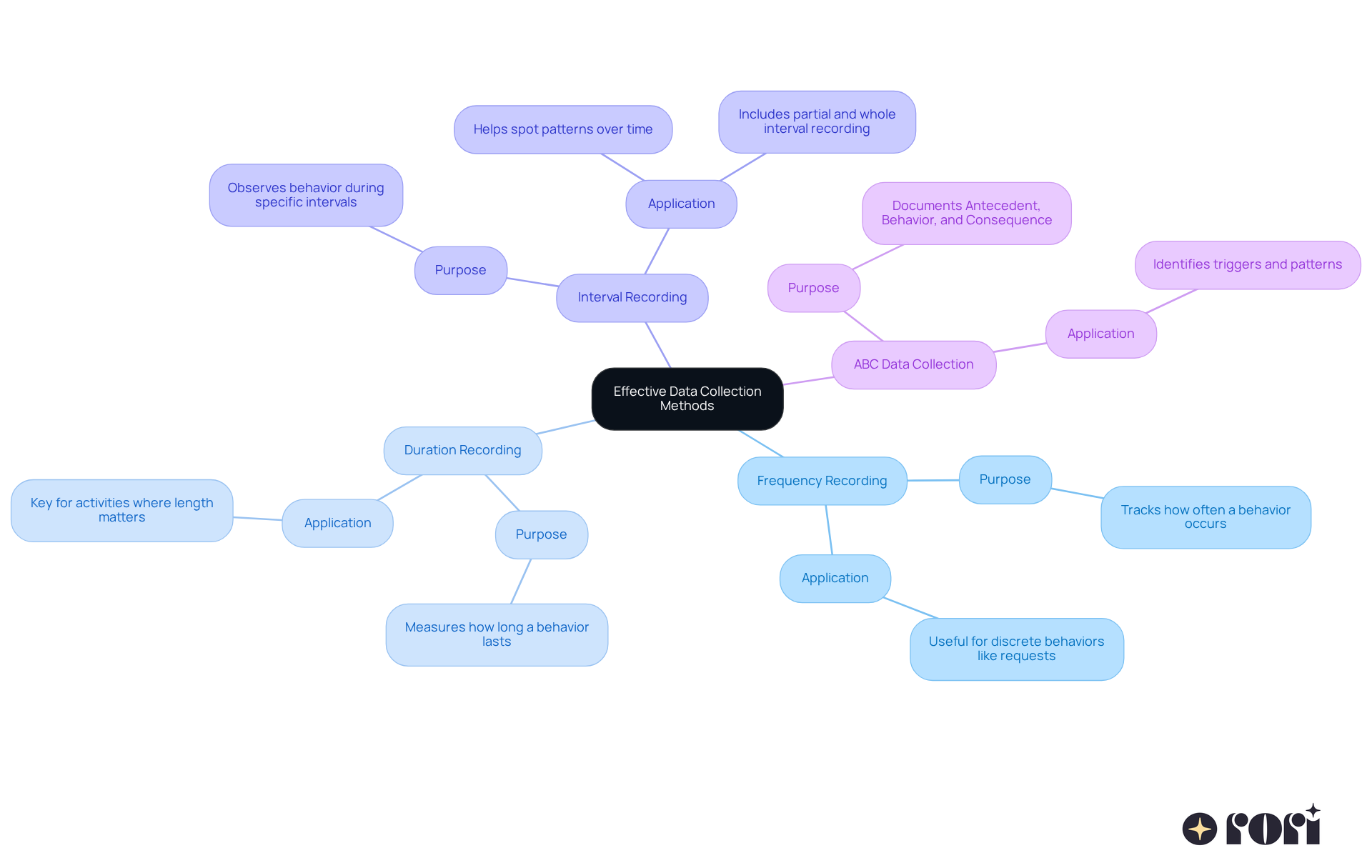
When implementing in ABA therapy plans, it’s crucial to identify the appropriate data collection methods that align with the of Rori Care. Here are some common methods that can really make a difference:
Choosing the right method really depends on the specific goals of therapy and the behaviors we’re targeting. By consistently applying these methods, we can gather reliable information that effectively informs . With , Rori Care empowers families to support their children’s behavioral goals, making sure that treatment plans are adaptable and responsive to each child’s unique needs. Plus, our ensures that all data is securely stored, anonymized, and removed after analysis, which enhances the integrity of the treatment.
Let’s explore this together! We’re here to help you every step of the way!
Once we gather information, the next step is to . Let’s break it down:
Efficient information analysis not only boosts the quality of treatment but also fosters cooperation between practitioners and families. This way, everyone stays informed and involved in the child’s development. By and implementing data-driven strategies in aba therapy plans, therapists at Rori Care can make informed decisions that lead to better outcomes in autism care.
Let’s explore this together! We’re here to help you every step of the way!

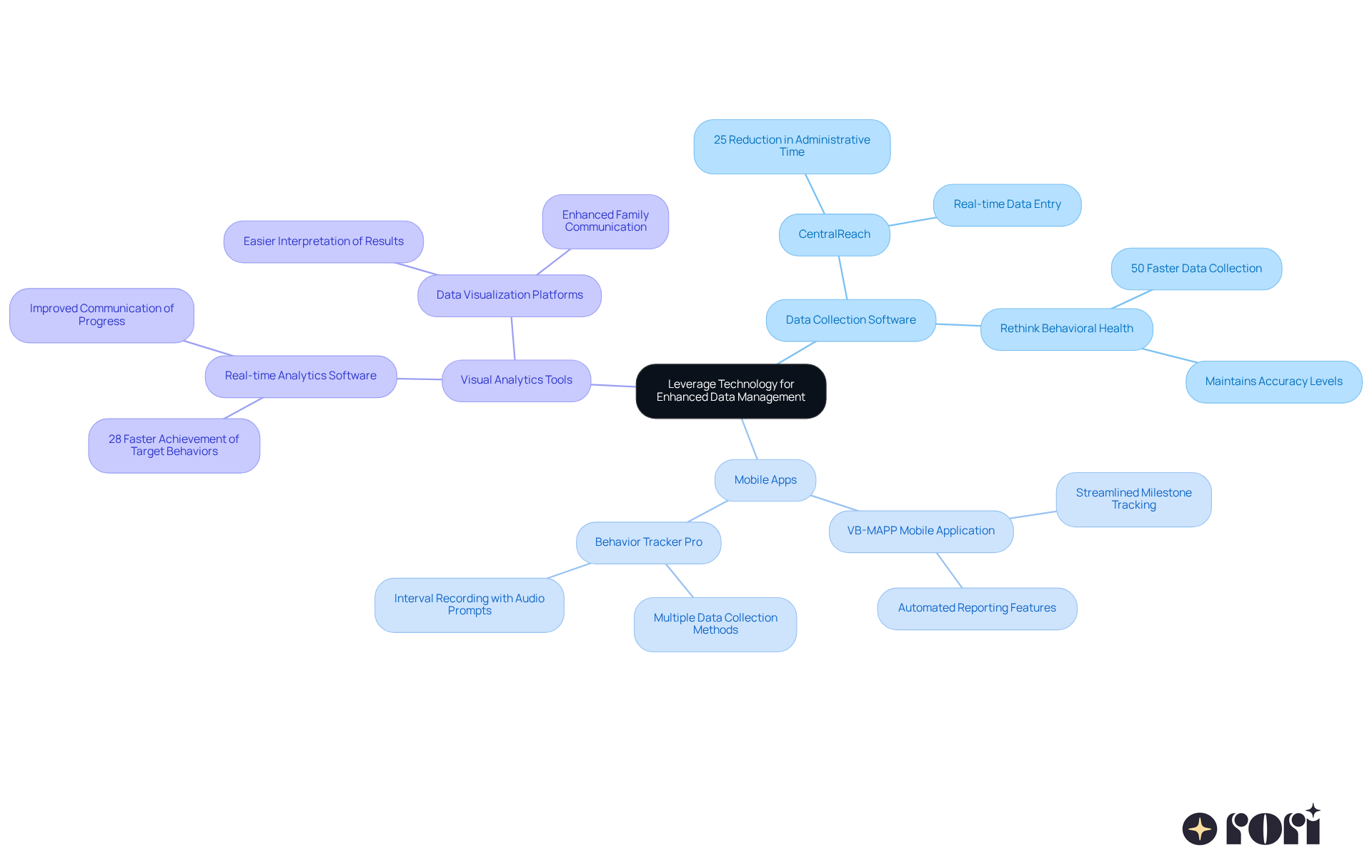
Incorporating technology into information management can really boost the efficiency and accuracy of data collection by implementing data-driven strategies in . Let’s take a look at some helpful tools:
Therapists can streamline their data management processes by implementing [data-driven strategies in ABA therapy plans](https://rori.care/payments). This allows them to focus on creating and engaging meaningfully with their clients. Let’s explore this together!
Implementing data-driven strategies in ABA therapy plans is so important for making treatments more effective and ensuring that each child gets what they truly need. By focusing on collecting and analyzing data, therapists can make informed decisions that lead to real improvements in behavioral outcomes. Plus, with technology on our side, managing data in real-time becomes a breeze, making analysis more efficient.
Throughout this article, we’ve highlighted some key points, like how crucial data is for measuring progress. We’ve also discussed effective data collection methods, such as frequency and ABC recording, and the importance of thorough data analysis to guide therapy adjustments. By using tools like data collection software and visual analytics, therapists can enhance their practice and foster collaboration with families, ensuring everyone is engaged in the child’s development.
Ultimately, embracing data-driven strategies in ABA therapy isn’t just about crunching numbers; it’s about transforming lives. Families and therapists alike can benefit from clear, measurable insights that guide interventions and celebrate progress. Adopting these practices can lead to more successful outcomes, empowering children on their journey toward growth and independence. So, let’s take that first step together! Implementing these strategies can truly make a profound difference in the lives of everyone involved in ABA therapy.
Why is data important in ABA therapy?
Data is crucial in ABA therapy because it provides measurable insights into a child's behavior and progress, allowing therapists to identify which interventions lead to positive changes and make timely adjustments to strategies.
Can you provide an example of how data is used in ABA therapy?
Yes, for instance, a young girl named Emily, who has autism, had her support team track her responses to different communication strategies using detailed data. They found that she thrived with visual aids, which led to significant improvements in her communication skills and social interactions.
How do data-driven strategies benefit families in ABA therapy?
Data-driven strategies empower families by providing clear evidence of their child's development. Seeing measurable improvements fosters a sense of hope and involvement in the therapy process.
How do clinicians use data to tailor treatment plans in ABA therapy?
Clinicians use data to make informed choices, ensuring that each child's treatment plan is customized to their evolving needs. By integrating methods like frequency and ABC metrics, they can identify patterns and triggers that lead to more effective interventions.
What methods can therapists use to gather data in ABA therapy?
Therapists can use methods such as frequency counts and ABC (Antecedent-Behavior-Consequence) metrics to gather data that helps them understand behaviors and implement effective interventions.