Implementing rewards and incentives in autism treatment can be a game-changer! 🌟 It harnesses the power of positive reinforcement to encourage those desired behaviors we all want to see. By understanding the nuances of various incentives - whether it’s a fun toy or a heartfelt compliment - caregivers can craft strategies that truly resonate with each child’s unique needs.
But here’s the thing: identifying those target behaviors and keeping the reward system fresh and engaging can be tricky. How can caregivers navigate this intricate process to foster growth and motivation in their children? Let’s explore this together! We’re here to help you every step of the way!
Rewards and incentives can be such powerful tools in shaping behaviors, especially when implementing ! 🌟 By tapping into the idea of , we can encourage those desirable behaviors through . It’s important to understand the difference between physical incentives - like toys or snacks - and non-physical ones, such as praise or extra playtime. This understanding is key to making these strategies work effectively.
Research shows that individuals with autism respond really well to . This connection between their actions and positive outcomes can make a world of difference! For example, using , making the incentive approach even more impactful. By getting familiar with these concepts, you can that meets your child’s , helping them thrive in a nurturing environment.
And remember, empowering caregivers with through education can really enhance their ability to . We’re here to help you every step of the way! Let’s explore this together!

To kick off , it’s super helpful to pinpoint the . Think about things that are easy to see and measure, like ‘’ or ‘.’ It’s key to choose actions that your little one can realistically achieve. , educators, and family members can really make a difference, as everyone’s input helps align these actions with your child’s growth goals. After all, !
You know, when caregivers are , the chances of success skyrocket. Just look at Rori Care’s approach, where they update intervention and skill plans after each session based on how things are going. is crucial, as it lays the groundwork for . For example, if your child has a tough time sharing, you might set a goal for them to share a toy during playtime and reward them when they do it!
And don’t forget, regularly checking in on their progress is essential. This way, you can to ensure the in autism treatment while meeting your child’s needs. Let’s explore this together! We’re here to help you every step of the way!

Choosing the right incentives is super important for effectively in ! 🎉 can really . For example, if your little one loves stickers, a sticker chart might just do the trick! On the flip side, some kids might respond better to or a bit of extra playtime.
It’s key that implementing are immediate and closely tied to the behavior you want to encourage. So, if your child finishes a task, giving them their reward right away helps strengthen that connection. Keep an eye on how well the incentives are working, and don’t hesitate to tweak them as your child’s interests evolve.
By in this journey and sharing insights on , Rori Care helps families enhance their support. Together, we can make informed choices that lead to and overall development for our kids. Let’s explore this together!

Once you’ve established your incentive system for , it is crucial to . Take some time to watch your child’s development closely and notice how they react to . Are they feeling more motivated? Are those starting to pop up more often? If you find that isn’t as exciting anymore, don’t hesitate to shake things up! You might introduce new incentives by or tweak the criteria for earning those benefits.
Getting your child involved in this process can really boost their motivation. Ask them what incentives they find most appealing! This teamwork not only makes them feel invested in the system but also plays a crucial role in , aligning the rewards with their changing interests and keeping them . Plus, when caregivers learn about , they can better support their child’s goals. For example, using can help as needed. With a clearer understanding of these approaches, caregivers can make informed choices that positively impact their child’s journey.
And here’s something to think about: only 15% of insured children referred for ABA-based behavioral health treatment actually received 80% or more of the recommended treatment hours. This really highlights how crucial it is to to get the best results. Let’s explore this together and make sure we’re doing everything we can to support our kids!
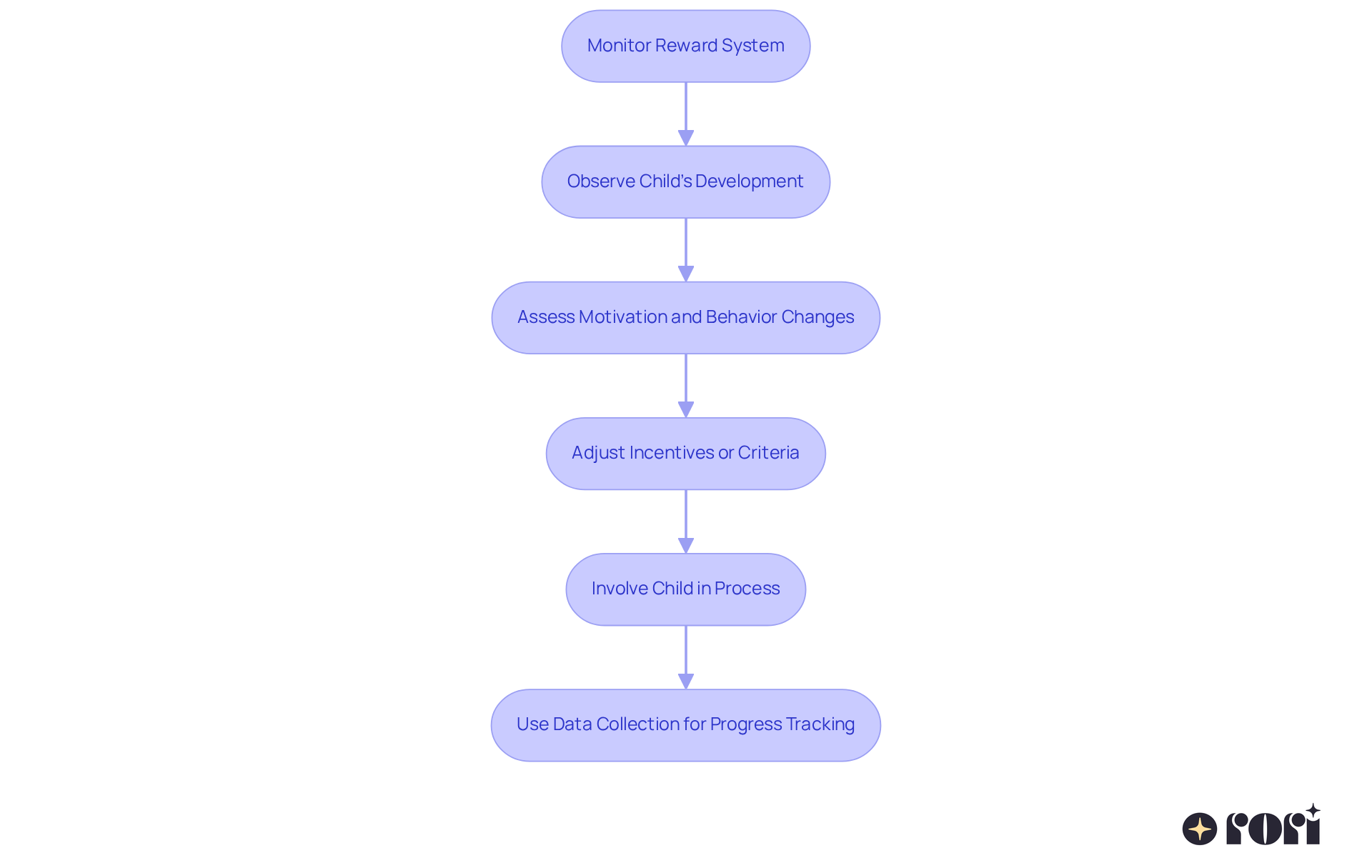
Implementing rewards and incentives in autism treatment can truly make a difference! By grasping the basics of positive reinforcement and customizing incentives to fit each child’s unique needs, caregivers can create a nurturing environment that promotes growth and development. This journey not only supports the child but also equips caregivers with effective strategies to encourage positive behaviors.
Throughout this article, we’ve highlighted some key steps:
These elements work hand in hand to keep the incentive strategies relevant and effective, adapting to your child’s changing interests and needs. Engaging caregivers in this process is so important; your involvement can lead to more successful outcomes and a deeper understanding of behavioral principles.
Ultimately, we can’t stress enough how significant it is to implement rewards and incentives in autism treatment. By committing to a structured approach while staying flexible, you can make a lasting impact on your child’s development. Embrace this journey with patience and dedication, knowing that every small step forward contributes to a brighter future for children with autism. Let’s explore this together!
What are rewards and incentives in the context of autism treatment?
Rewards and incentives are tools used to shape behaviors by encouraging desirable actions through positive reinforcement. They can be physical, like toys or snacks, or non-physical, such as praise or extra playtime.
How do individuals with autism respond to rewards and incentives?
Research shows that individuals with autism respond very well to rewards and incentives in treatment, as it helps create a connection between their actions and positive outcomes.
What role do visual aids play in using incentives?
Visual aids can boost understanding and excitement, making the incentive approach more impactful for individuals with autism.
How can caregivers tailor incentive strategies for their child?
Caregivers can tailor incentive strategies by understanding their child’s unique needs and preferences, which can help create a more effective and nurturing environment.
What is the importance of educating caregivers in ABA principles?
Educating caregivers in Applied Behavior Analysis (ABA) principles and strategies enhances their ability to support their child's behavioral goals effectively.