In a world where the unique challenges of children with autism spectrum disorder (ASD) are becoming more recognized, it’s clear that effective strategies to boost their planning and organization skills are crucial. This article dives into four practical approaches that not only nurture these essential skills but also help children with ASD navigate their daily lives with more confidence and independence.
But how can caregivers put these strategies into action for lasting improvements? Let’s explore this together! By looking into this question, we can uncover a pathway to meaningful support for children and their families.
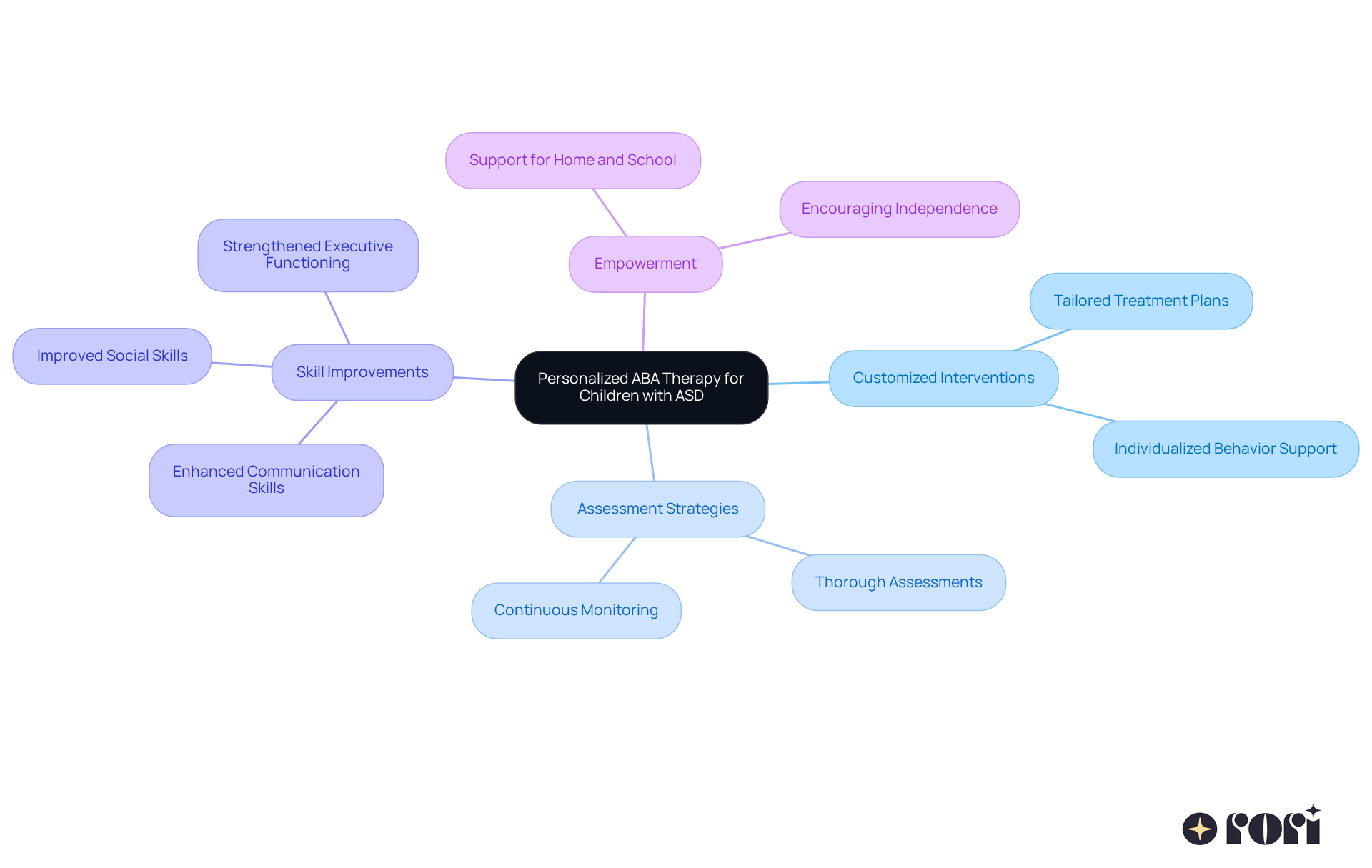
At Rori Behavioral Innovations Inc., we know that every child with autism brings their own set of challenges. That’s why we focus on creating customized interventions that truly fit their needs. Our ABA therapy is centered on developing tailored treatment plans that incorporate strategies for improving planning and organization skills in children with ASD.
Through thorough assessments, our experienced clinicians develop strategies for improving planning and organization skills in children with ASD, which not only enhance behavior but also strengthen those crucial executive functioning skills that are so important in daily life. This personalized approach means that young individuals get the specific support they need to thrive, whether at home or in school.
Research shows that kids who engage in personalized ABA therapy often see significant improvements in their communication and social skills. Isn’t that encouraging? It really highlights how effective our methods can be! By prioritizing tailored interventions, we empower individuals with ASD to reach their fullest potential.
Let’s explore this journey together! We’re here to help you every step of the way!
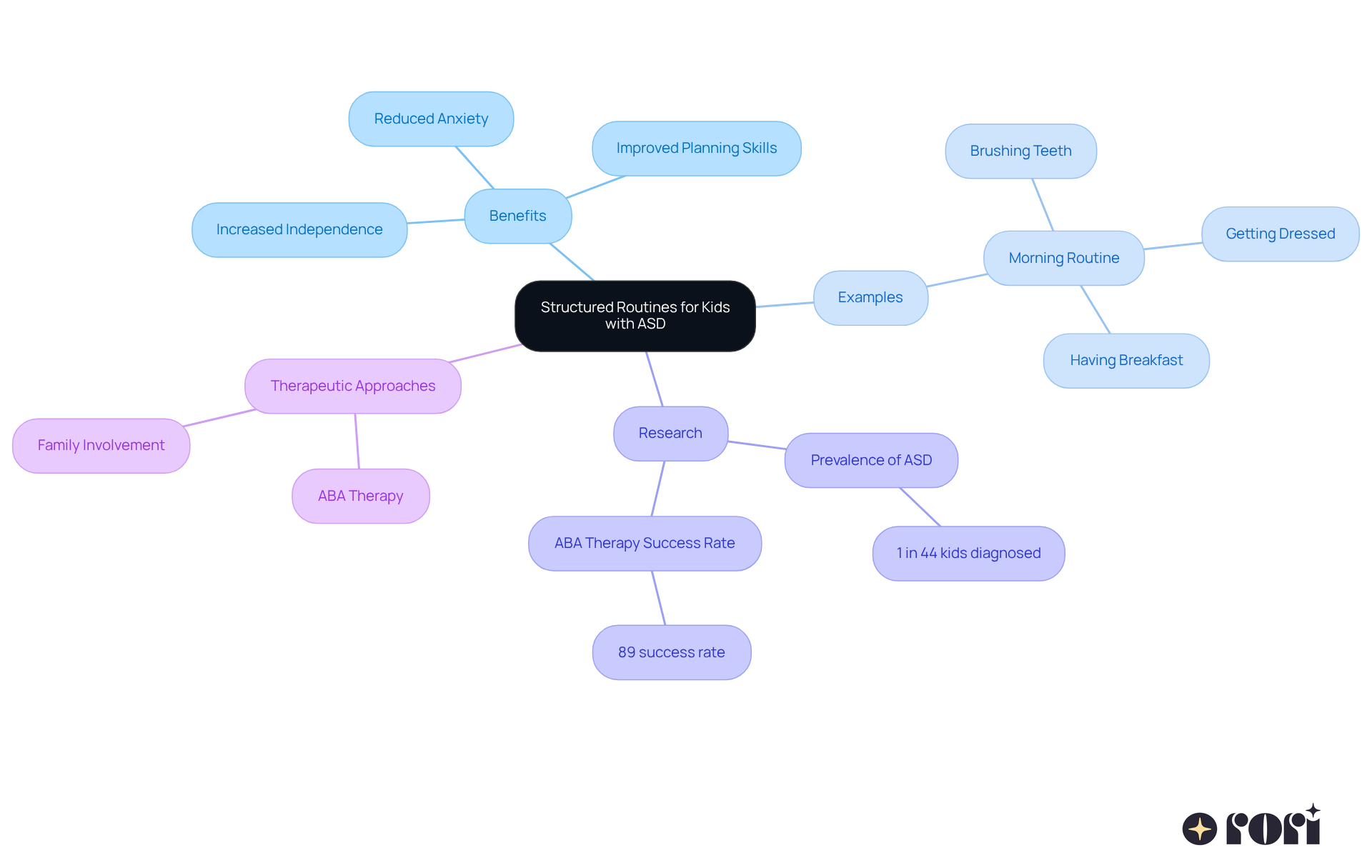
Creating organized routines is so important for kids with ASD. It really helps them feel safe and know what to expect. When they have a consistent daily schedule, they can look forward to what’s coming next, which can really cut down on anxiety and boost their planning skills.
For instance, think about a morning routine that includes brushing teeth, getting dressed, and having breakfast. This kind of structure helps kids understand the flow of their day. And you know what? This predictability not only sharpens their organizational skills but also encourages them to be more independent. It’s amazing to see them manage their daily lives with a bit more confidence!
Research shows that kids who stick to structured routines can develop essential life skills and improve their social interactions. This really highlights how crucial these practices are for their overall growth. Did you know that about 1 in 44 kids in the U.S. are diagnosed with autism spectrum disorder each year? That’s why effective strategies for improving planning and organization skills in children with ASD, such as structured routines, are so needed.
Plus, there’s ABA therapy, which is a flexible and patient-centered approach. It boasts an impressive success rate of over 89% in helping young people with autism. This really underscores how effective structured methods can be in therapy, especially when caregivers are actively involved. When caregivers are educated, it leads to better decision-making and improved behavioral outcomes, which is fantastic for youth development.
Let’s explore this together! We’re here to help you every step of the way!
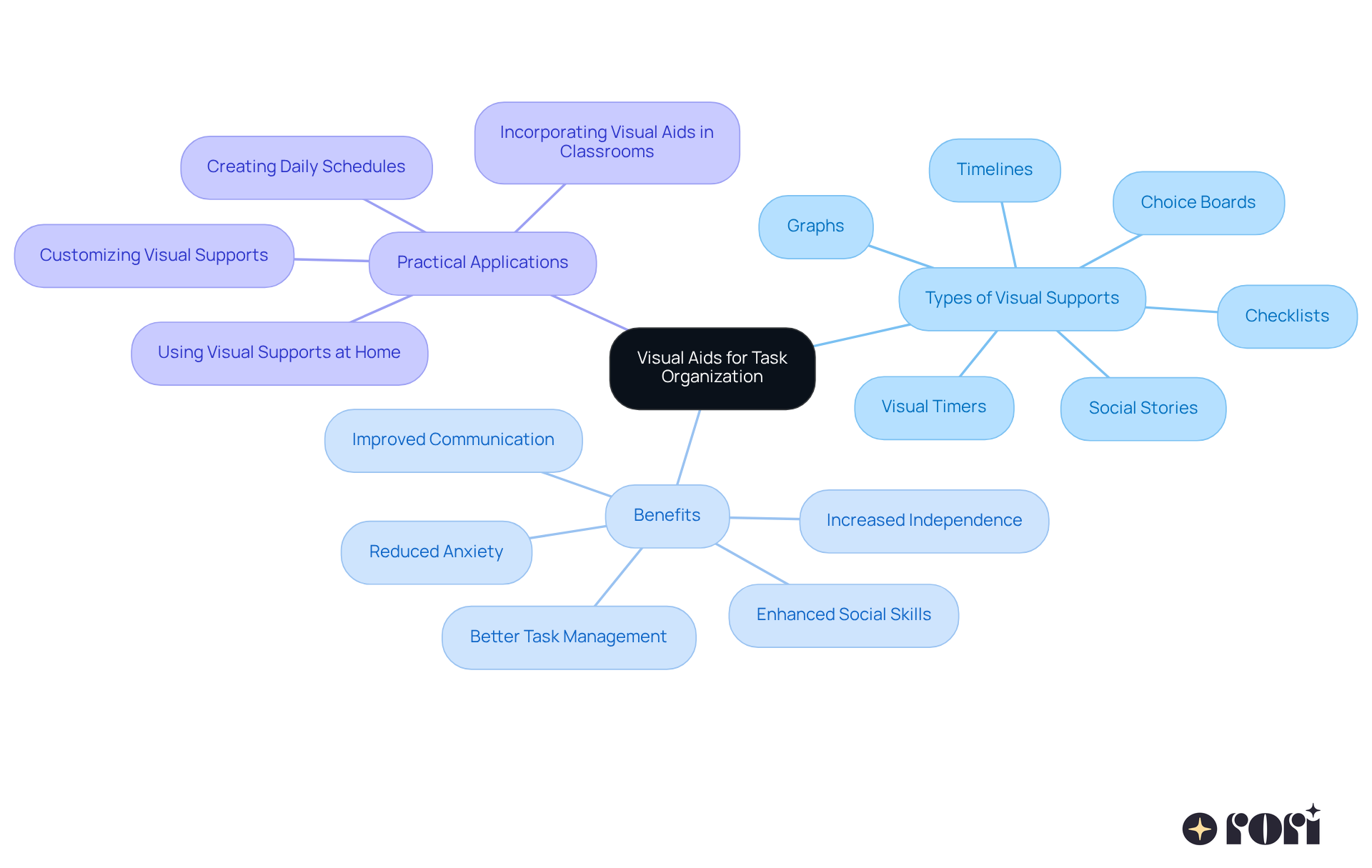
Visual supports like graphs, timelines, and checklists are truly game-changers as part of the strategies for improving planning and organization skills in children with ASD. These tools offer clear, visual representations of tasks, making it so much easier for little ones to grasp and stick to their responsibilities. For instance, illustrated timetables that lay out daily activities help kids understand the order of tasks, reducing confusion and boosting their ability to plan ahead.
Research shows that graphic timetables can significantly enhance communication, social skills, and independence in children with autism. In fact, studies reveal that three out of five kids experienced a noticeable increase in social interactions when using these visual aids! By weaving visuals into daily routines, children not only tackle tasks more efficiently but also build greater independence as they learn to manage their own time.
In 2020, visual supports were recognized as an evidence-based practice for individuals with ASD aged 0-22, particularly as strategies for improving planning and organization skills in children with ASD. Educators report high satisfaction with these graphical aids, noting improvements in routine understanding and social responses among youth with ASD. This structured approach creates a nurturing environment that encourages growth and success.
So, how can parents start using visual schedules at home? A great first step is to create a simple daily schedule that includes favorite activities. This helps your child visualize their day and know what to expect. Not only does this align with ABA therapy principles, but it also empowers you as a caregiver to actively support your child’s behavioral goals through consistent and structured routines. Plus, it emphasizes the importance of data collection and measurable goals in tracking progress. Let’s explore this together!
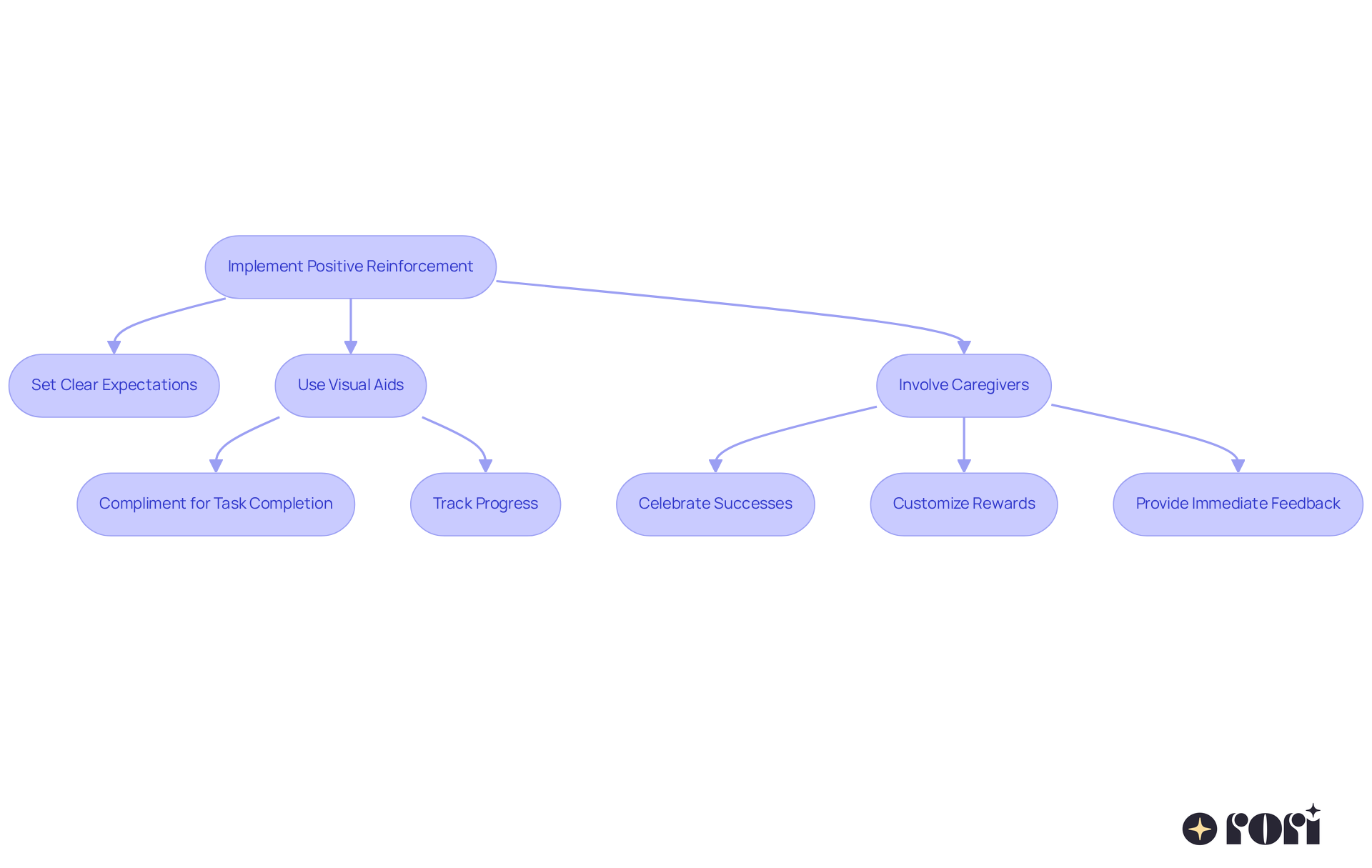
Implementing positive reinforcement is crucial as one of the strategies for improving planning and organization skills in children with ASD. When caregivers acknowledge and reward positive behaviors - like completing tasks or sticking to routines - they can really motivate kids to improve their planning habits. For instance, if a young student uses a visual schedule to finish their homework, giving them a quick compliment or a small reward can reinforce that great behavior. This not only boosts their confidence but also creates a positive feedback loop, encouraging them to keep using those organizational strategies.
Research shows that immediate reinforcement can significantly increase the chances of those desired behaviors happening again. That’s why it’s such a key part of effective behavior management for children with ASD. Plus, when reward systems are tailored to match individual interests, they can really enhance motivation and engagement, serving as effective strategies for improving planning and organization skills in children with ASD over time.
To put strategies for improving planning and organization skills in children with ASD into action, parents can start by:
Active involvement from caregivers is essential! Those who are familiar with ABA principles can make informed decisions that positively impact their child's journey, ultimately leading to better behavioral outcomes and stronger family dynamics.
And here’s a neat feature: the behavior care engine updates intervention plans based on progress reports, ensuring that strategies stay adaptive and effective. Let’s explore this together!
Improving planning and organization skills in children with Autism Spectrum Disorder (ASD) is so important for their growth, and we’re excited to share some effective strategies to help you along the way! By focusing on personalized interventions through ABA therapy, you can provide tailored support that meets the unique needs of your child. This approach not only fosters essential life skills but also enhances their overall well-being, allowing children with ASD to truly thrive in their daily activities.
Let’s talk about some key strategies!
Together, these methods create a supportive environment that nurtures growth and independence.
The significance of these strategies is huge! With more children being diagnosed with ASD each year, the need for effective planning and organizational skills is more crucial than ever. By embracing these techniques, you can empower your child with ASD to reach their fullest potential, paving the way for a brighter future. Taking proactive steps today can lead to lasting improvements in their lives, ensuring they not only cope but thrive in both academic and social settings. Let’s explore this together!
What is Rori Care's approach to ABA therapy for children with ASD?
Rori Care focuses on creating personalized treatment plans that are tailored to the unique challenges of each child with autism, incorporating strategies to improve planning and organization skills.
How does Rori Care develop treatment plans?
Experienced clinicians conduct thorough assessments to develop strategies aimed at enhancing behavior and strengthening executive functioning skills crucial for daily life.
What skills does Rori Care's ABA therapy aim to improve in children with ASD?
The therapy aims to improve planning and organization skills, as well as communication and social skills.
What evidence supports the effectiveness of personalized ABA therapy?
Research indicates that children who engage in personalized ABA therapy often experience significant improvements in their communication and social skills.
How does Rori Care support children with ASD in their daily lives?
By providing tailored interventions, Rori Care empowers individuals with ASD to thrive both at home and in school, helping them reach their fullest potential.