Supporting social skill development in children with autism is so important for helping them connect with peers and build lasting friendships. By using structured strategies, personalized treatment plans, and even technology, caregivers and educators can create a space where kids really thrive socially.
But let’s be honest - navigating the world of social skills training can feel overwhelming for parents and professionals alike. How can we ensure that every child gets the support they truly need? In this article, we’ll explore four essential strategies that empower both children and their families. Together, we can unlock the potential for better social interactions and emotional well-being. Let’s dive in!
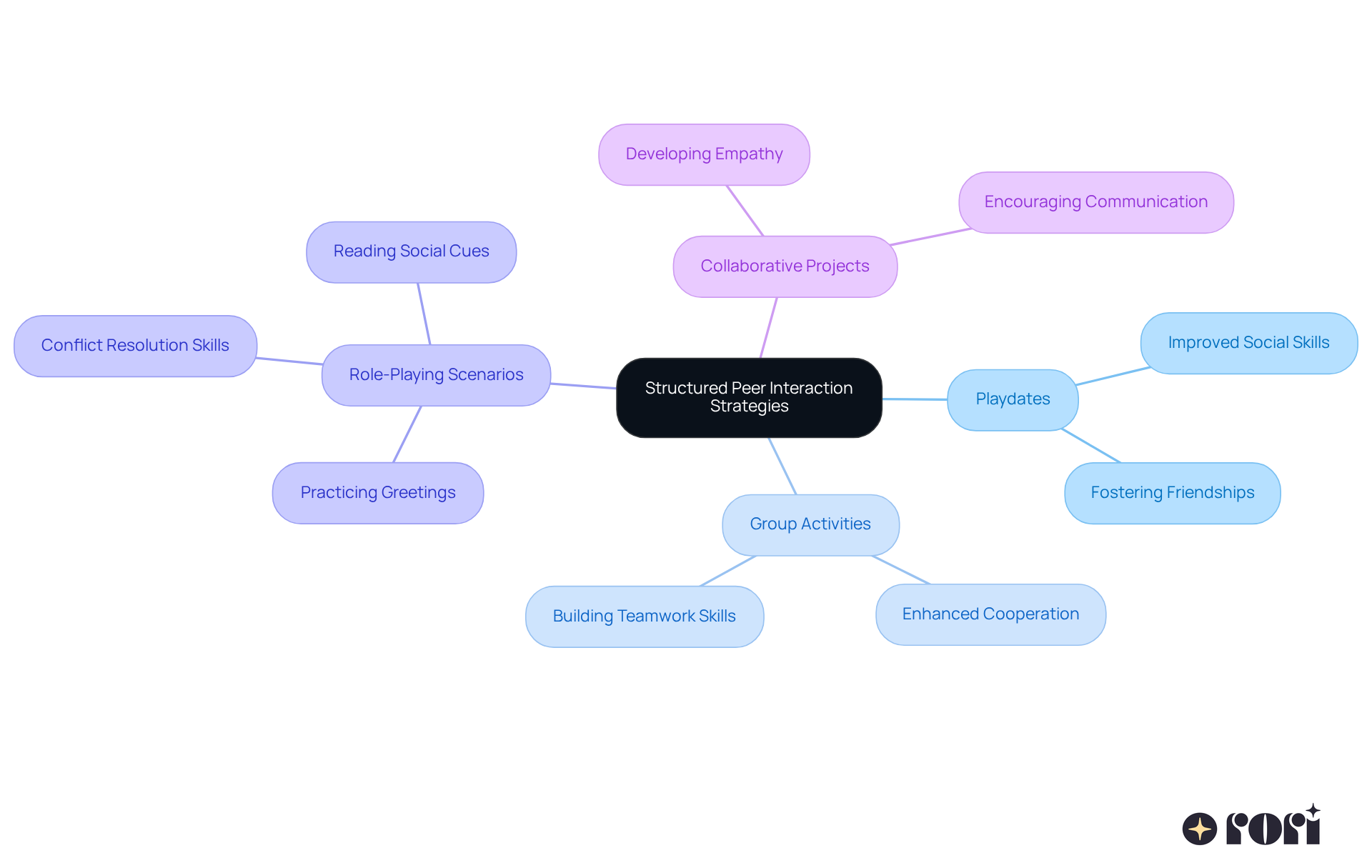
Supporting social skill development through peer interaction in children with autism can be a game-changer! 🌟 Implementing structured strategies, like playdates, group activities, and collaborative classroom projects, can really boost how youngsters interact with each other. For instance, role-playing scenarios give them a chance to practice essential skills - think greetings, sharing, and even conflict resolution - all in a safe space.
Studies show that organized engagements lead to significant improvements in how kids relate to one another. They learn to read social cues and develop empathy, which is so important! Plus, using visual aids and prompts can really help with understanding and participation, making these activities even more effective.
Regularly scheduled peer interaction meetings play a crucial role in supporting social skill development through peer interaction in children with autism by providing consistent opportunities for kids to practice and refine their interpersonal skills. This not only helps individuals with autism but also plays a crucial role in supporting social skill development through peer interaction in children with autism, fostering a culture of acceptance and understanding among their peers. Let’s explore this together! We’re here to help you every step of the way!
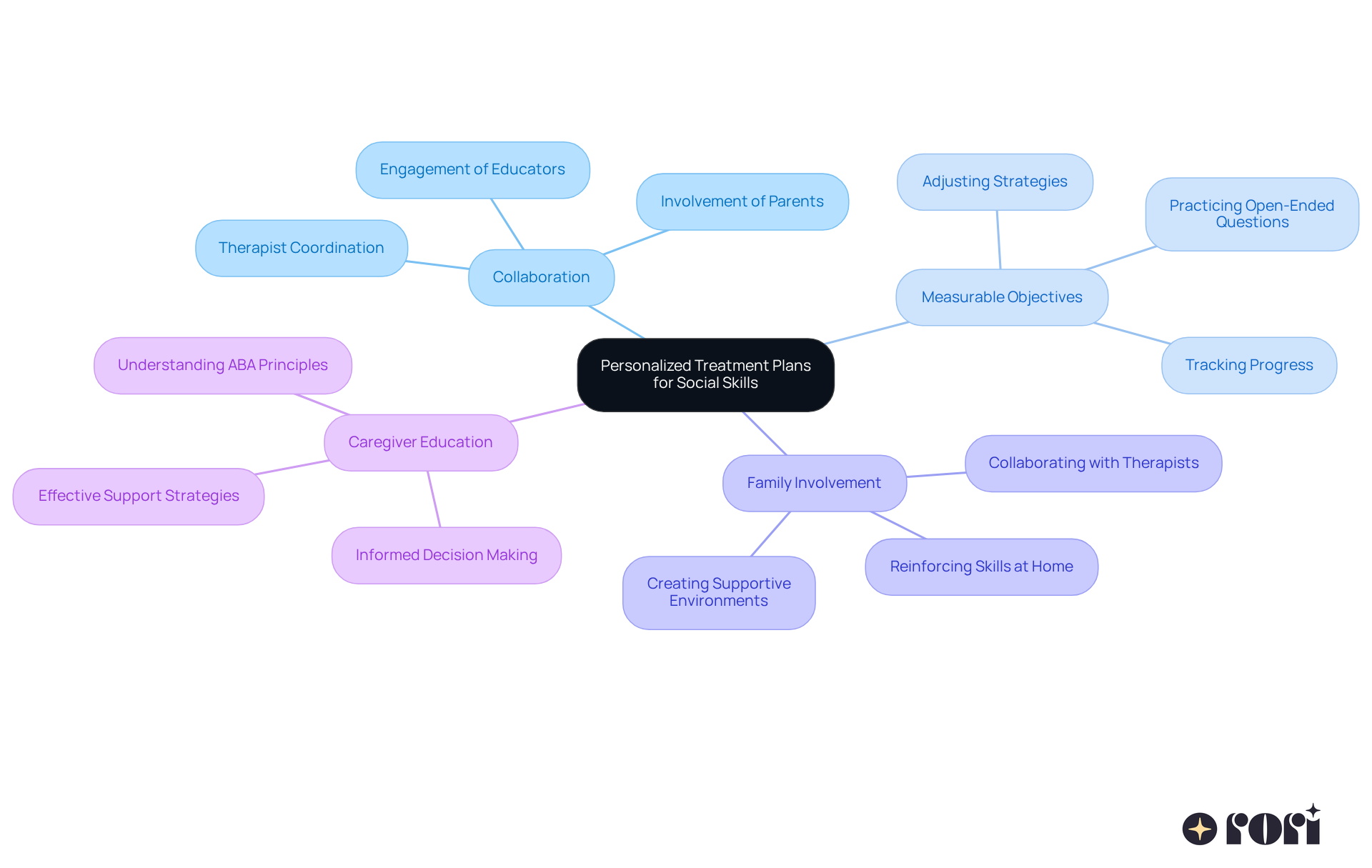
Creating personalized treatment strategies for enhancing social skills is all about understanding each young person’s unique strengths and challenges. It’s essential to have everyone on board - parents, educators, and therapists - working together to really grasp what the young person needs. For instance, if a child finds it tough to kick off conversations, the treatment plan might set specific goals, like practicing open-ended questions during social interactions.
Having measurable objectives is key! It helps track progress and tweak strategies when needed. Plus, when families get involved in the treatment process, it can make a world of difference in the young person’s learning journey. Parents can reinforce skills at home through everyday chats, creating a nurturing environment that supports social growth.
Research shows that family involvement not only boosts consistency in using learned skills but also leads to better overall outcomes for kids in therapy. Did you know that about 64% of individuals with autism receive Applied Behavior Analysis (ABA) therapy? This highlights the importance of personalized approaches tailored to each child’s unique situation.
Educating caregivers is crucial too! It gives them the tools and knowledge they need to effectively support their child’s development. By grasping ABA principles and strategies, caregivers can make informed choices that positively impact their child’s progress, leading to better behavioral outcomes.
And let’s not forget about the power of family support! A case study showcasing the positive effects of family involvement in therapy can really drive home the benefits of integrating family into treatment plans. Let’s explore this together!
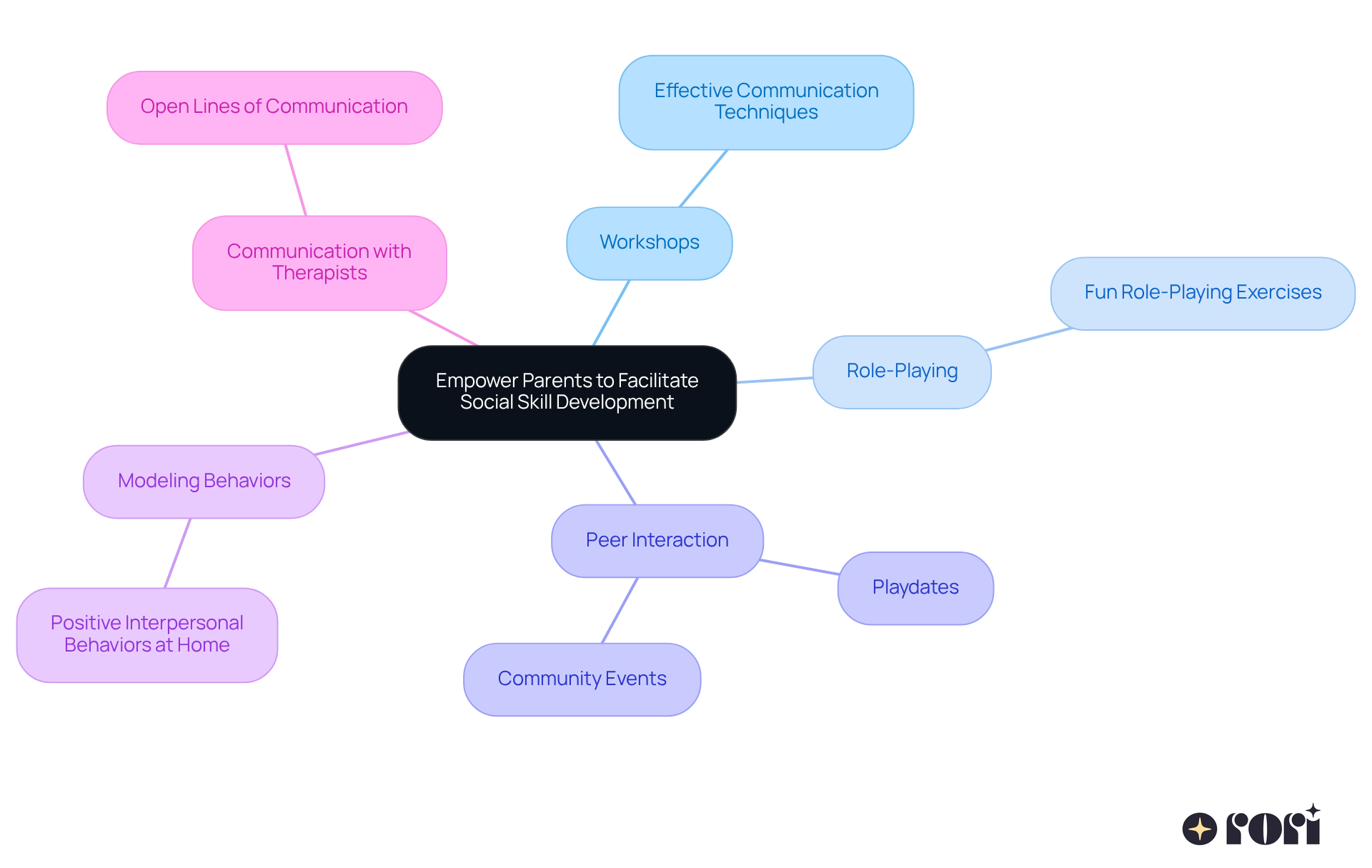
Helping parents nurture their child's interpersonal skills is so important! To do this, they need the right tools and knowledge to support their little ones. Think about:
Parents can also create opportunities for their children to interact with peers, thereby supporting social skill development through peer interaction in children with autism by arranging:
And here’s a thought: when parents model positive interpersonal behaviors at home, it can really make a difference in their child's development. It’s all about those little moments that lead to big changes! Plus, keeping the lines of communication open between parents and therapists ensures everyone is on the same page, providing better support and boosting parents' confidence in helping their kids grow.
Let’s explore this together! We’re here to help you every step of the way!
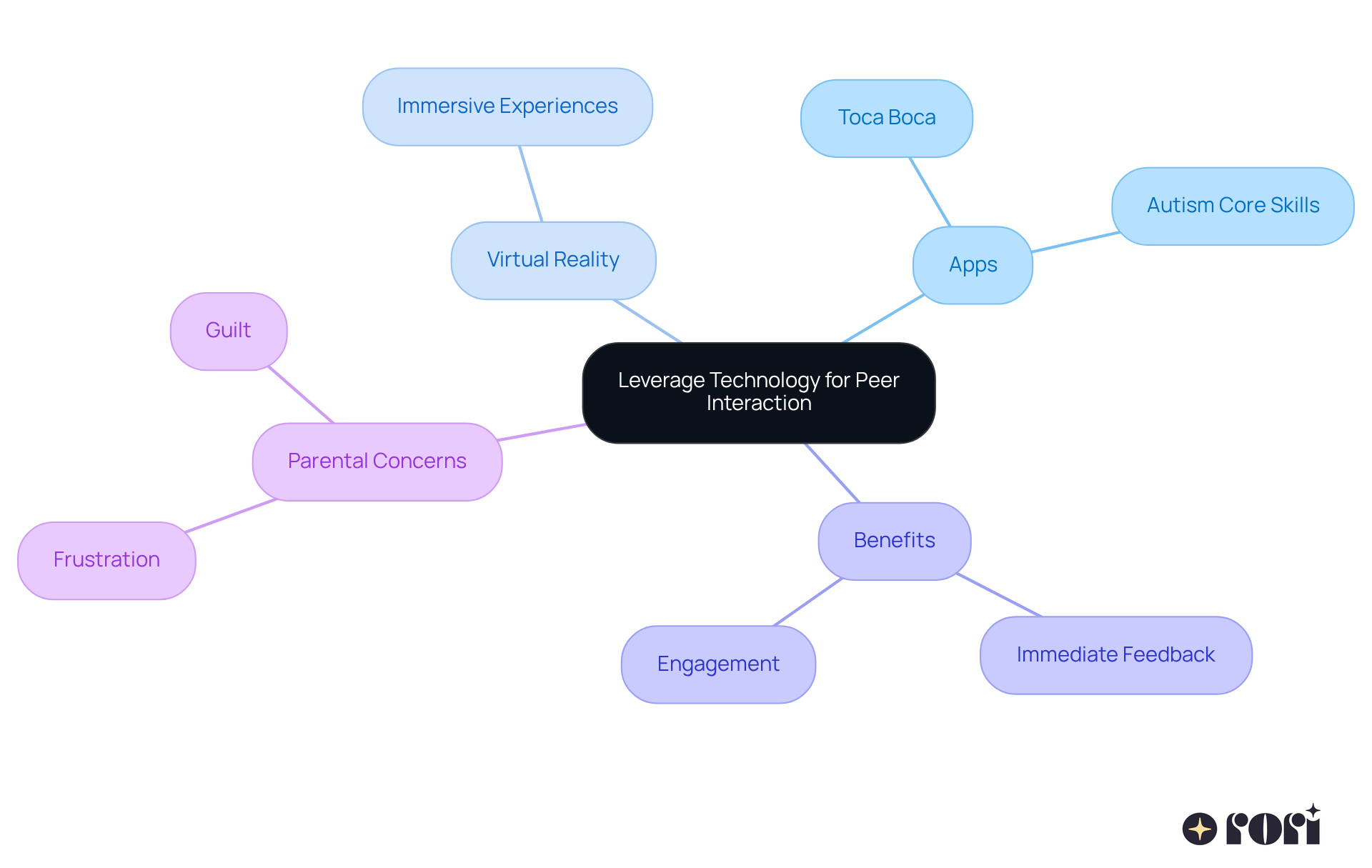
Incorporating technology into interpersonal training can effectively aid in supporting social skill development through peer interaction in children with autism. Think about it: apps and online platforms like the Toca Boca series and the Autism Core Skills app are designed just for this! They create fun, interactive scenarios and games that help kids learn in a relaxed way. For instance, programs that mimic real-life situations let youngsters practice their responses and improve their dialogue skills without any pressure.
And let’s not forget about virtual reality (VR) tools! They offer immersive experiences where children can interact with peers in simulated environments. How cool is that? These tech resources not only make learning enjoyable but also provide immediate feedback, which is so important for reinforcing positive behaviors, especially in line with ABA principles.
Studies show that mobile technology interventions can positively impact interpersonal skills and cognitive growth, which is essential for supporting social skill development through peer interaction in children with autism. So, parents and educators, it’s time to explore and incorporate these innovative tools into your social development training programs. This can really maximize engagement and effectiveness!
Plus, when caregivers understand how to support their children’s behavioral goals - like Rori Care emphasizes - it creates a stable and encouraging atmosphere that enhances the effectiveness of these interventions. However, it’s also important to acknowledge that some parents have mixed feelings about technology’s impact. Many report feelings of frustration and guilt regarding their children's tech use.
As AdinaABA points out, 'These applications are effective in supporting social skill development through peer interaction in children with autism and improve overall emotional well-being.' So, let’s explore this together! We’re here to help you every step of the way!
Supporting social skill development through peer interaction is so important for children with autism! It helps them build essential interpersonal abilities and fosters a culture of understanding among their peers. By using structured peer interaction strategies, creating personalized treatment plans, empowering parents, and leveraging technology, we can make real progress in enhancing social skills. Each of these approaches plays a vital role in creating a supportive environment where children can truly thrive socially.
Let’s talk about some key strategies!
Structured activities like playdates and role-playing not only provide opportunities for practice but also help children build empathy and understand social cues. And let’s not forget the involvement of parents and caregivers! They can reinforce skills at home and create a nurturing atmosphere that enhances the learning process.
Ultimately, prioritizing social skill development through peer interaction is essential for fostering a more inclusive society. By embracing these strategies, parents, educators, and caregivers can empower children to develop the social skills necessary for meaningful relationships and interactions. The time to act is now-let’s work together to create opportunities that allow every child to shine in their social journey! We’re here to help you every step of the way!
What are structured peer interaction strategies?
Structured peer interaction strategies are organized methods, such as playdates, group activities, and collaborative classroom projects, designed to enhance social skill development in children with autism.
How do structured peer interaction strategies benefit children with autism?
These strategies boost how children interact with each other, help them practice essential social skills like greetings, sharing, and conflict resolution, and improve their ability to read social cues and develop empathy.
What role do role-playing scenarios play in social skill development?
Role-playing scenarios provide children with autism a safe space to practice essential social skills, allowing them to rehearse interactions and learn effective communication techniques.
How do visual aids and prompts enhance peer interaction activities?
Visual aids and prompts help children understand and participate more effectively in peer interaction activities, making these engagements more impactful for their social skill development.
Why are regularly scheduled peer interaction meetings important?
Regularly scheduled meetings provide consistent opportunities for children to practice and refine their interpersonal skills, which is crucial for their social skill development and fosters a culture of acceptance among peers.