Have you ever felt overwhelmed by the choices available for helping your child communicate? Technology has changed how we connect, and for kids on the autism spectrum, it can be a game-changer! By using tools like Augmentative and Alternative Communication (AAC) devices and specialized apps, children can express their thoughts and feelings with newfound confidence. But with so many choices out there, how do you find the right tools that fit your child's unique needs?
Let’s dive into some great tech solutions that can boost communication skills and help caregivers work together, paving the way for a brighter future for our kids!
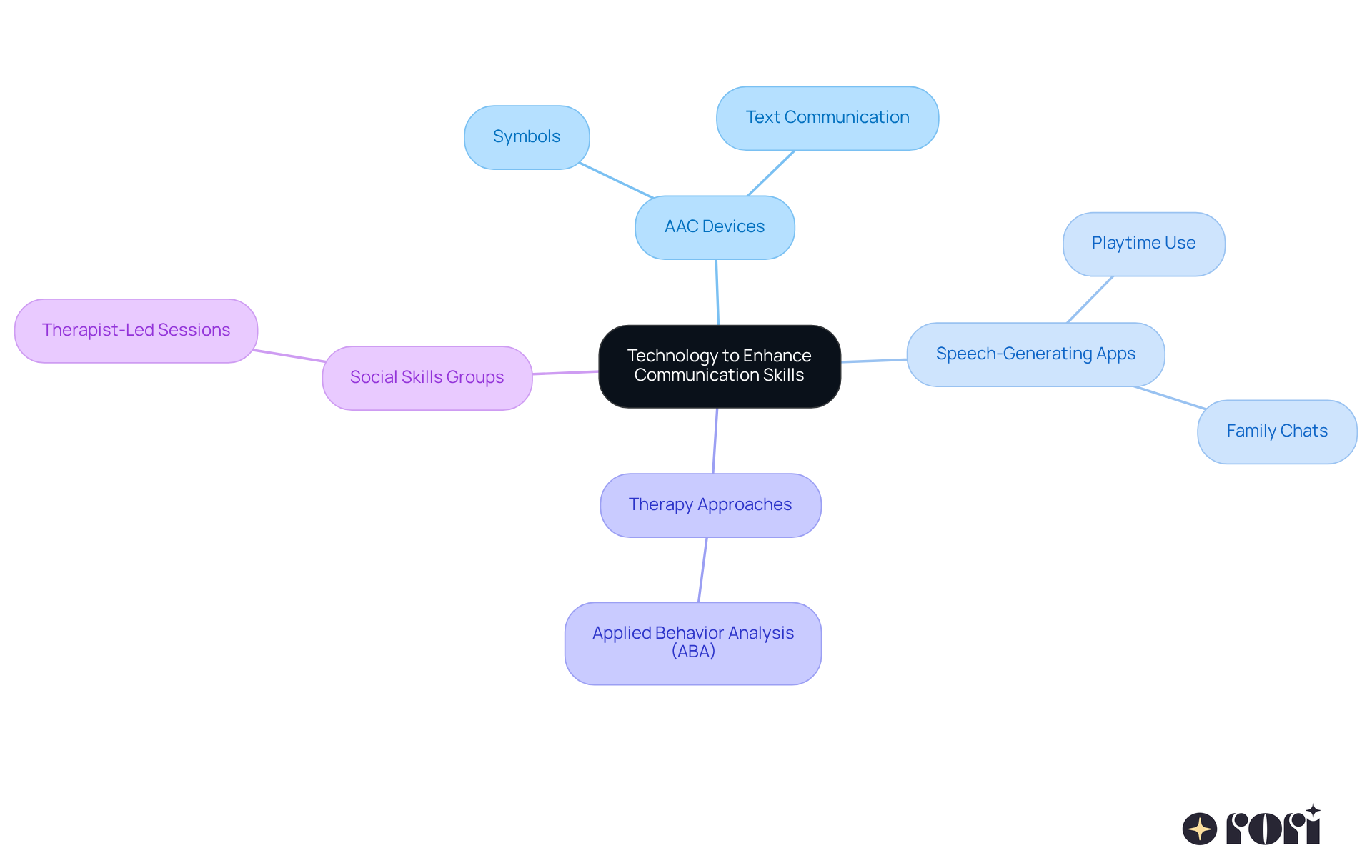
Have you ever felt the struggle of watching your child try to express themselves? Technology can really help! Technology-enhanced tools for communication skills development in autism, such as Augmentative and Alternative Communication (AAC) devices and speech-generating apps, offer kids amazing ways to share their thoughts and feelings. For instance, AAC devices help kids who can’t speak share what they need and feel, using symbols or text to connect with friends. Studies show that when kids start using these tools early on, they often pick up more words and make friends more easily.
Using these tools during playtime or family chats helps create a comfy space for kids to talk more. At Rori Care, we truly believe in the power of neurodiversity and are passionate about helping every child succeed. Our clinical team incorporates technology-enhanced tools for communication skills development in autism into our therapy approaches, including Applied Behavior Analysis (ABA), which tailors therapy to each child's unique needs. Plus, our social skills groups, led by caring therapists, help kids chat and connect better with each other, promoting growth and family involvement. Imagine the joy of seeing your child confidently share their thoughts and feelings with others!
For many parents, navigating technology-enhanced tools for communication skills development in autism can feel like a daunting task. But don’t worry, there are some fantastic options out there that can really make a difference!
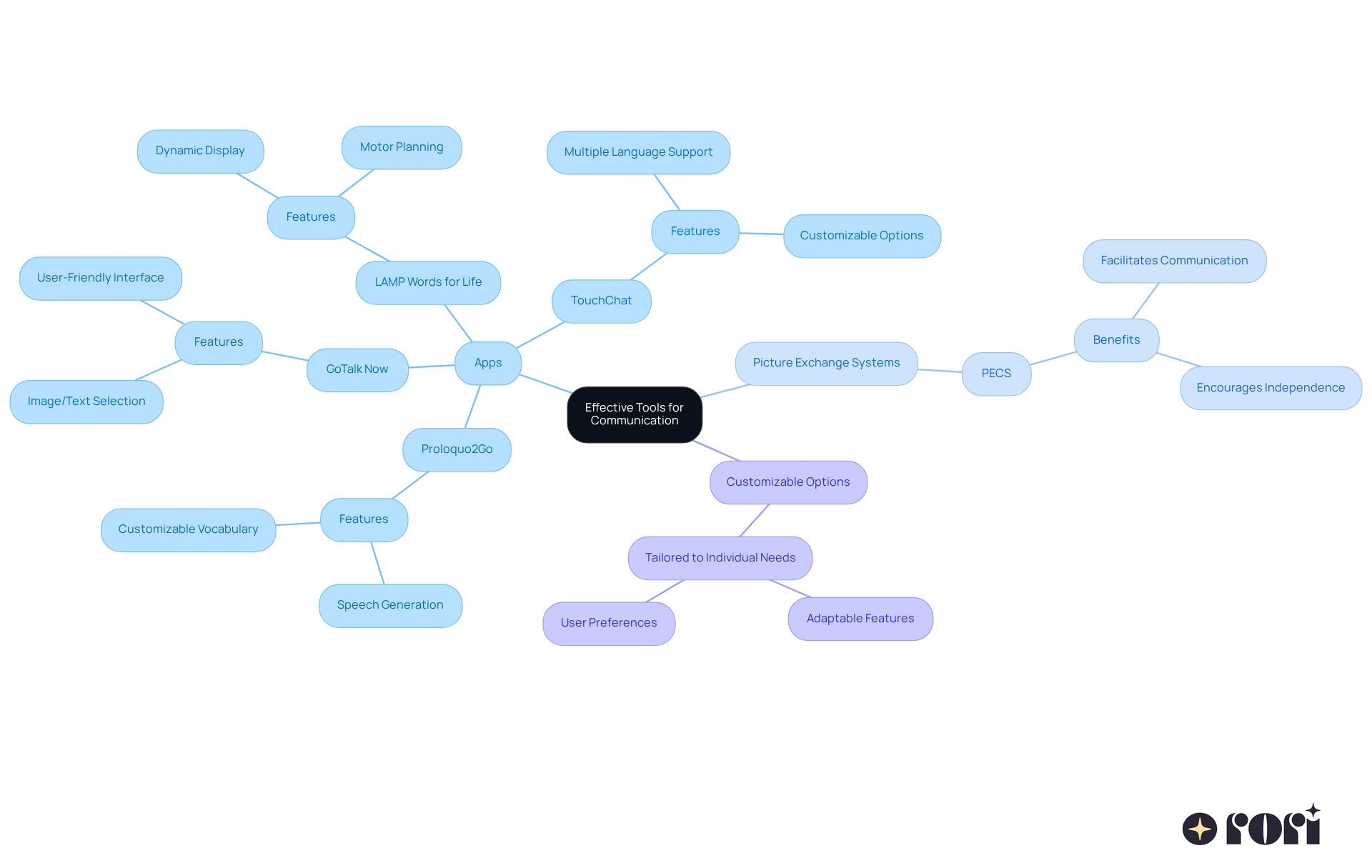
Among the most popular tools are Proloquo2Go and GoTalk Now. These apps let kids choose images or text to share their thoughts and needs, helping them gain independence and connect with others. Picture Exchange Communication Systems (PECS) are also a great choice, allowing kids to swap pictures for things they want or actions they’d like to take. This can be especially helpful in teaching essential communication skills using technology-enhanced tools for communication skills development in autism.
And let’s not forget about apps like LAMP Words for Life and TouchChat! They offer customizable options tailored to each child’s unique needs, ensuring that every young person can express themselves in a way that feels right for them. You might be surprised to learn that kids using these AAC devices often start using more words and expressing themselves more freely!
As caregivers, you play a crucial role in exploring options and finding technology-enhanced tools for communication skills development in autism that fit your child’s preferences and communication goals. By embracing ABA principles and strategies, Rori Care helps you engage with your child and support their journey toward effective communication. With the right tools and support, your child can thrive in expressing themselves and connecting with others.
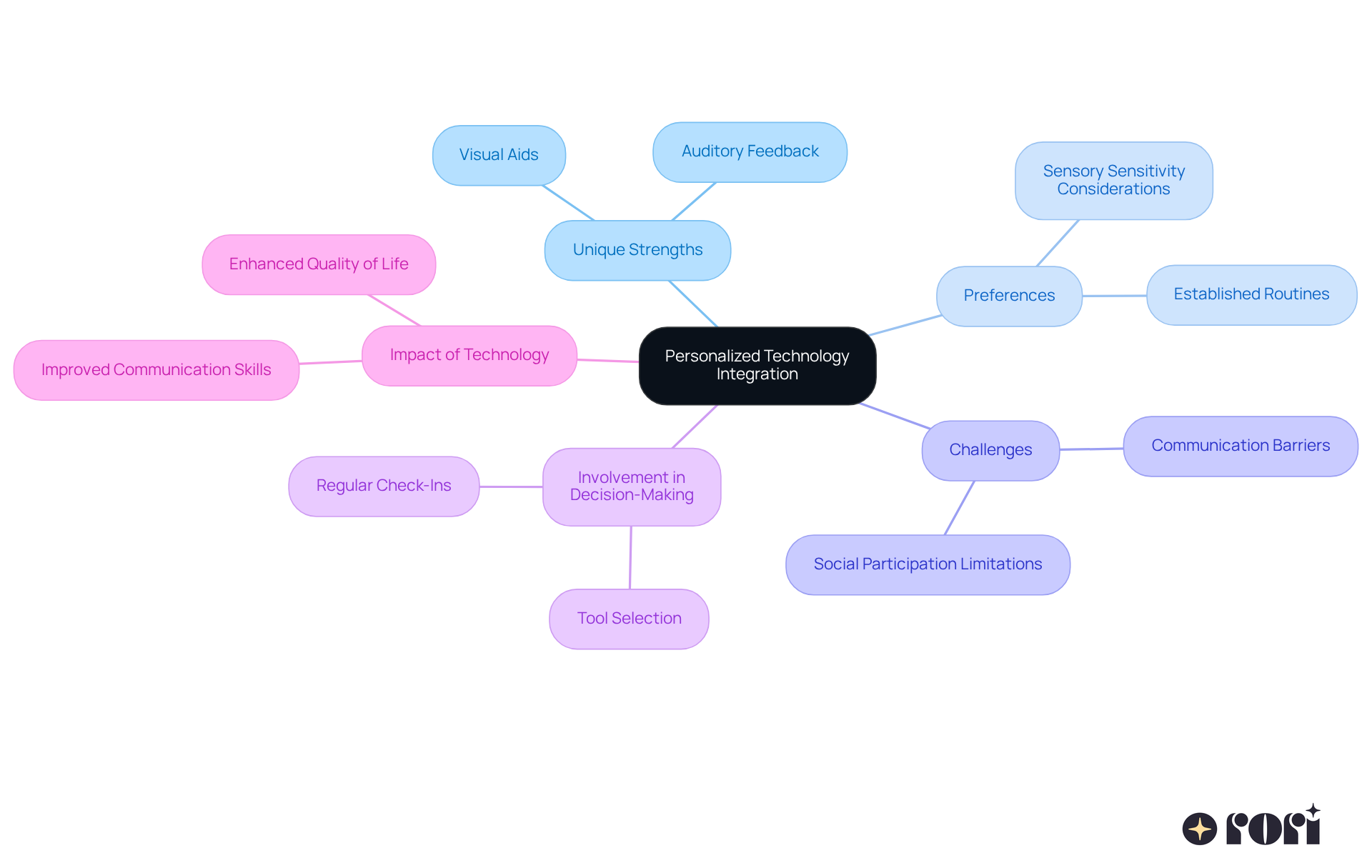
Navigating technology-enhanced tools for communication skills development in autism with young people on the autism spectrum can feel overwhelming, can’t it? Personalization is key when it comes to using tech effectively. Every young person has their own unique strengths, preferences, and challenges that we need to consider. For example, some might respond better to visual aids, while others may thrive with auditory feedback. It’s important to take the time to understand what works best for each young person.
Involving them in the decision-making process can make a world of difference! When they get to help choose the tools, they’re often more excited to use them. Plus, regularly checking in and adjusting the technology based on their progress and feedback is essential. This way, we can ensure that the tools remain effective and relevant.
Research shows that kids who focus on social skills and communication often see amazing improvements! By using technology-enhanced tools for communication skills development in autism, families can empower their kids to express their thoughts and needs more easily. Ultimately, this can lead to a better quality of life. By embracing personalized approaches, you’re not just helping them communicate; you’re opening doors to a brighter future.
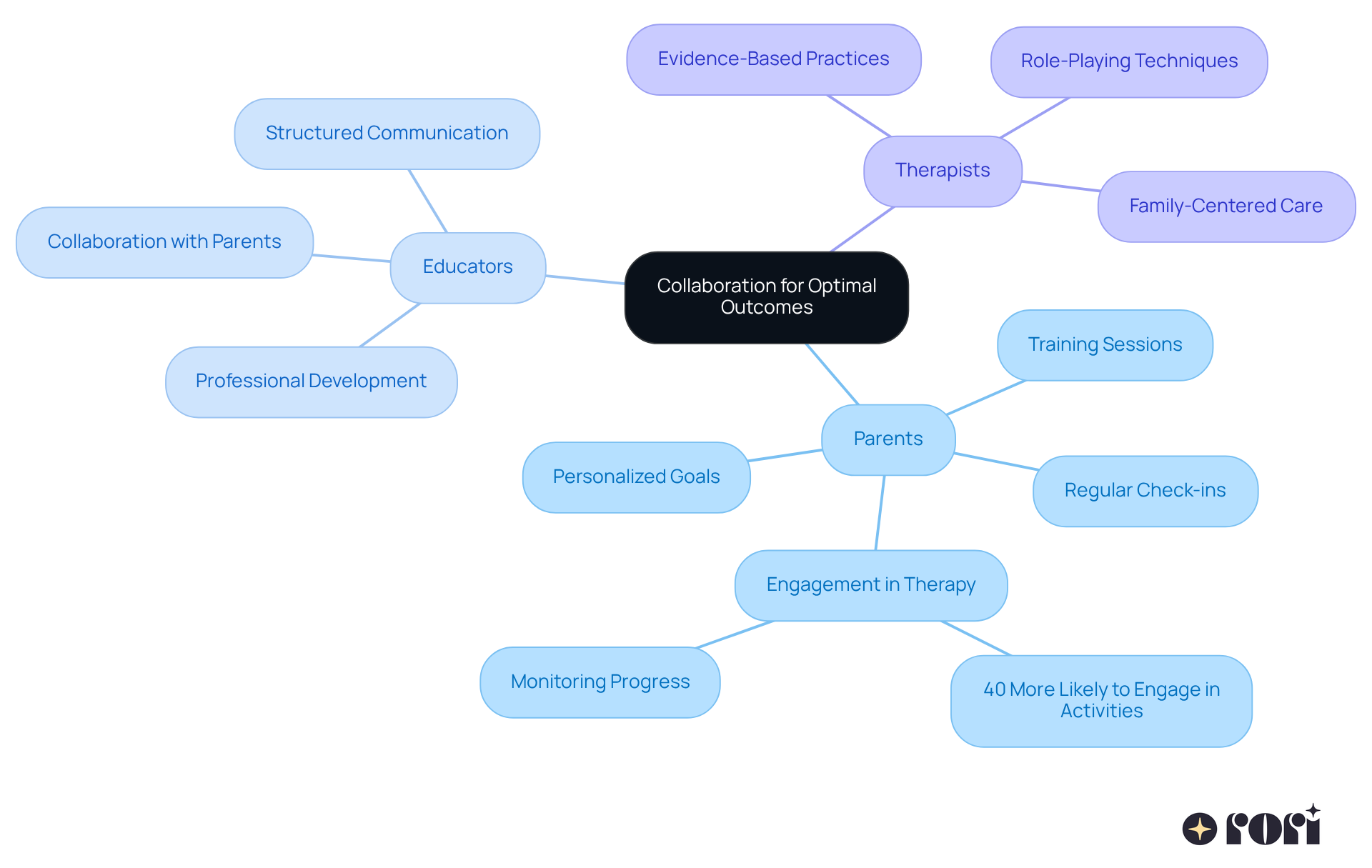
Have you ever felt like everyone involved in your child's care is pulling in different directions? Encouraging cooperation among all parties involved in a young person's care is vital for enhancing interaction results. Parents, educators, and therapists need to work together to create a unified approach to using technology-enhanced tools for communication skills development in autism. Regular check-ins and open chats help everyone stay on the same page about your child's goals and progress.
Training sessions for parents and educators on how to effectively use technology-enhanced tools for communication skills development in autism can empower them to support young individuals in various settings. Research shows that parents who participated in skills-based programs were 40% more likely to engage in developmentally appropriate play and learning activities. This really highlights how important parental involvement is!
Here at Rori Care, we truly believe that educating caregivers is key to making informed decisions, which ultimately leads to better behavioral outcomes for youngsters. The COMPASS model offers an evidence-based framework that brings parents and educators together to set personalized goals for autistic individuals. By creating a cohesive support network, including services like personal therapy and group therapy, children are more likely to thrive in their communication skills and overall development.
Engaging parents in the therapeutic process not only fosters effective learning environments but also strengthens the partnership between families and professionals. This teamwork leads to improved outcomes for children. Remember, building a solid partnership between parents and teachers begins with trust and honest conversations. When we work together, we create a brighter future for our children, filled with opportunities for growth and connection.
Navigating communication challenges with children on the autism spectrum can feel overwhelming, but technology offers a helping hand! By integrating tools like Augmentative and Alternative Communication (AAC) devices and tailored apps, kids can discover new ways to express themselves, fostering independence and social connections.
Let’s take a look at some amazing tools like:
that can really help kids express themselves better! Personalization is key; understanding each child's unique preferences ensures that the selected tools are effective. Plus, involving children in the decision-making process not only empowers them but also boosts their excitement about using these technologies.
Collaboration among parents, educators, and therapists is super important too! When everyone works together, it creates a supportive environment that leads to better outcomes for our kids.
By embracing these tech tools, we’re not just helping kids learn; we’re opening up a world of possibilities for their future! With the right tools and a supportive community, every child can find their voice and share their unique story.
How can technology help enhance communication skills in children with autism?
Technology can enhance communication skills through tools like Augmentative and Alternative Communication (AAC) devices and speech-generating apps, which allow children to express their thoughts and feelings using symbols or text.
What are AAC devices?
AAC devices are tools that assist children who cannot speak in sharing their needs and feelings by using symbols or text to communicate with others.
What benefits do children experience when using technology-enhanced communication tools early on?
Studies show that children who start using these tools early often learn more words and make friends more easily.
How can these communication tools be integrated into daily activities?
Using technology-enhanced tools during playtime or family conversations helps create a comfortable environment for children to communicate more effectively.
What is Rori Care's approach to incorporating technology in therapy for communication skills development?
Rori Care incorporates technology-enhanced tools into their therapy approaches, including Applied Behavior Analysis (ABA), which is tailored to each child's unique needs.
How do social skills groups at Rori Care support children's communication development?
Social skills groups, led by caring therapists, help children improve their ability to chat and connect with each other, promoting social growth and family involvement.
What is the overall goal of using technology in communication skills development for children with autism?
The goal is to help children confidently share their thoughts and feelings with others, promoting their overall communication skills and social interactions.