Understanding the unique challenges faced by children with Autism Spectrum Disorder (ASD) is so important for nurturing their growth and development. 🌱 By using effective behavioral strategies, caregivers can create a space that not only encourages positive behaviors but also celebrates each child's individual strengths. But how can parents and therapists tailor these strategies to fit the specific needs of their little ones?
In this article, we’ll explore five impactful techniques designed to promote positive behavior in children with ASD. These insights can truly transform therapeutic practices and enhance the overall quality of life for these children and their families. Let’s dive in together!
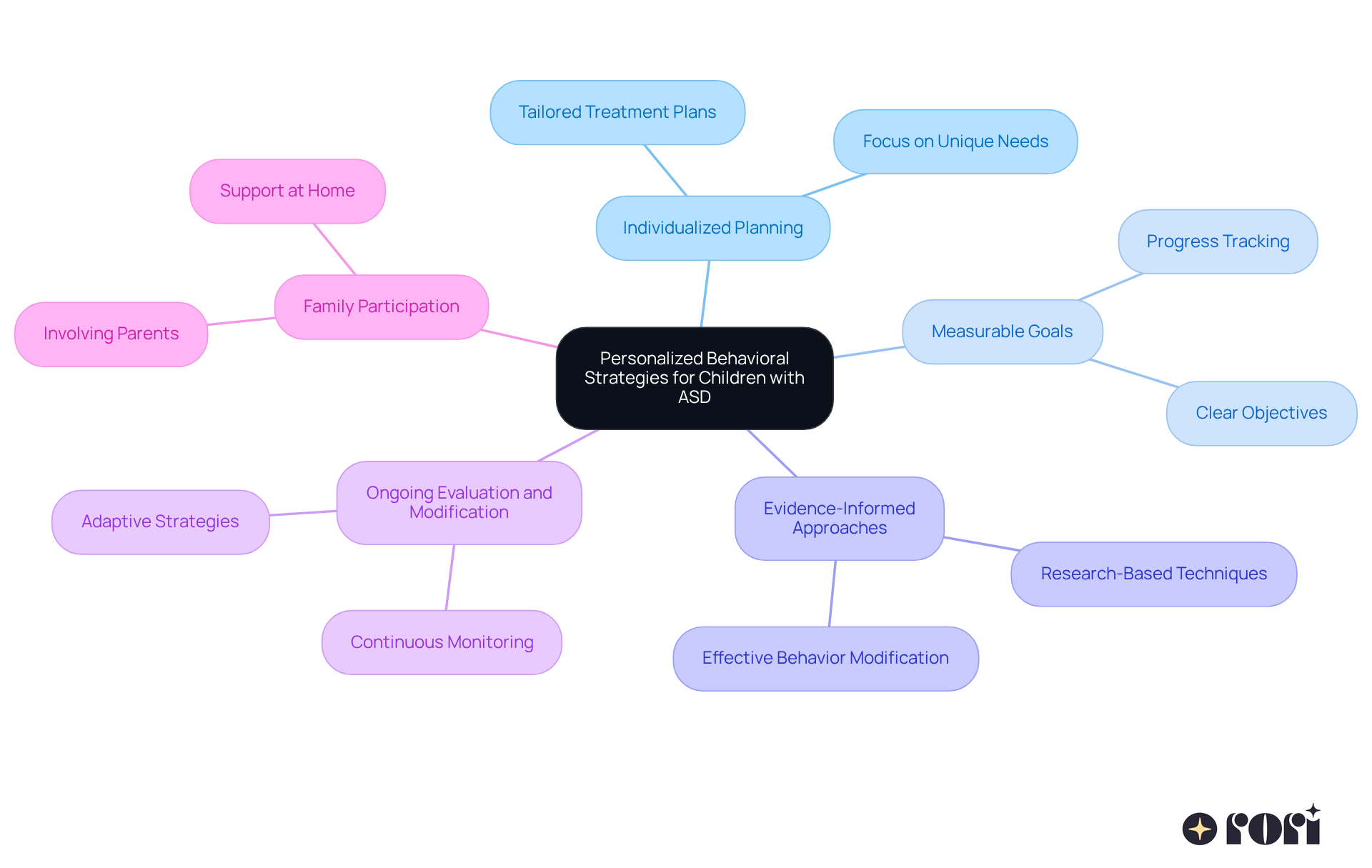
At Rori Behavioral Innovations Inc., we know that every child is unique, and that’s why we take a data-driven approach to ABA therapy. Our goal? To create a treatment plan that’s just right for your child’s specific needs. We start with thorough assessments by our psychiatric specialists, who help us understand the unique challenges your child faces. By using AI-driven technologies, we can enhance the effectiveness of ABA therapy, allowing our clinicians to adjust their strategies in real-time based on how your child is progressing. This personalized focus not only leads to better behavioral outcomes but also employs , creating a nurturing environment where they can truly thrive.
Here are some key components of our personalized behavioral strategies:
Let’s explore this together! We’re here to help you every step of the way!
At Rori Behavioral Innovations Inc., we truly believe in the power of [behavioral strategies for reinforcing positive behaviors in children with asd](https://rori.care/services) to help kids with autism thrive. This approach utilizes behavioral strategies for reinforcing positive behaviors in children with asd by giving immediate rewards or incentives after positive actions, which greatly enhances the chances of those actions occurring again. Here are some effective strategies that can make a big difference:
Rori Behavioral Innovations Inc. helps young people build confidence and motivation by implementing behavioral strategies for reinforcing positive behaviors in children with asd. This leads to better behavior and an overall improved quality of life. Let’s explore this together and see how we can support your child every step of the way!
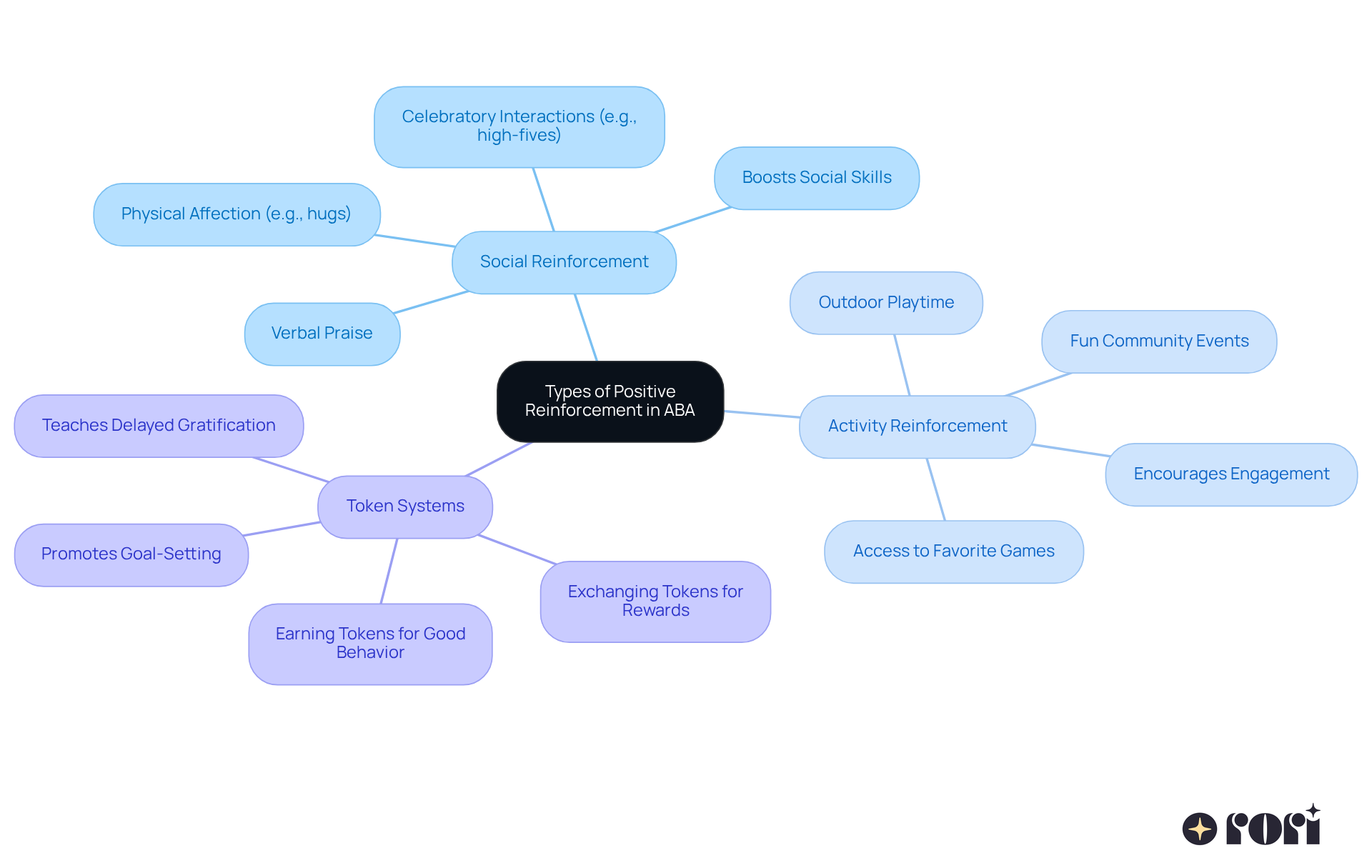
When it comes to kids with Autism Spectrum Disorder (ASD), it’s important to remember that they respond differently to various . That’s why it is so crucial to tailor behavioral strategies for reinforcing positive behaviors in children with ASD for effective behavioral therapy! Let’s dive into some key types of positive reinforcement that can make a real difference:
By customizing behavioral strategies for reinforcing positive behaviors in children with ASD to fit each child’s unique preferences, therapists can significantly boost engagement and motivation. This leads to better behavioral outcomes and an overall improved quality of life. So, let’s explore this together and see how we can support our little ones on their journey!
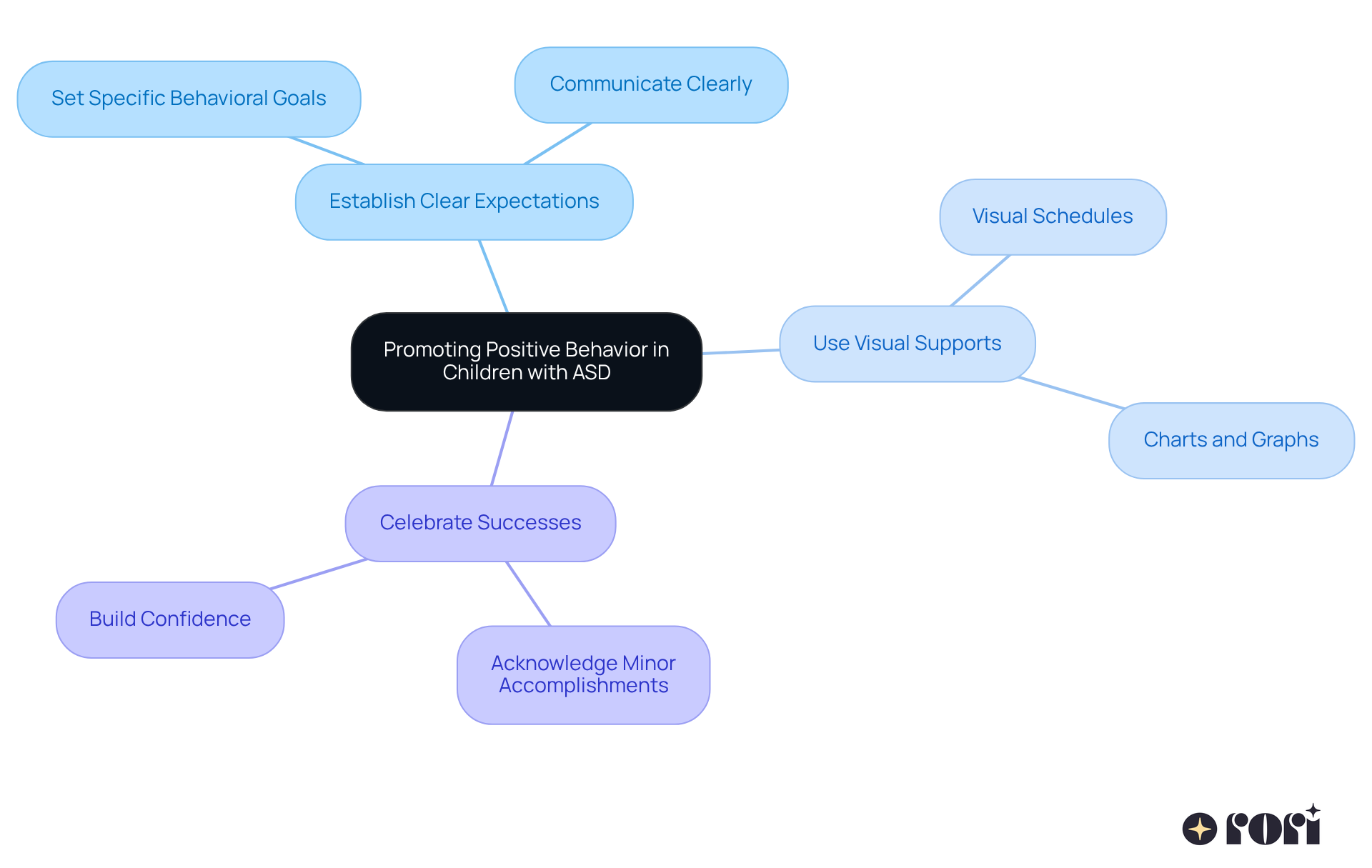
At Rori Care, we understand the challenges parents face when guiding their children with ASD. That’s why we offer a variety of behavioral strategies for reinforcing positive behaviors in children with ASD, which are rooted in Applied Behavior Analysis (ABA) therapy. Our strategies aim to create a nurturing environment that not only encourages desired behaviors but also actively involves caregivers in the journey. Let’s dive into some key recommendations:
By weaving these strategies into your daily routines, you can create a more structured and encouraging atmosphere for your child. Remember, your active participation, guided by ABA principles, plays a vital role in supporting your child’s development. We’re here to !
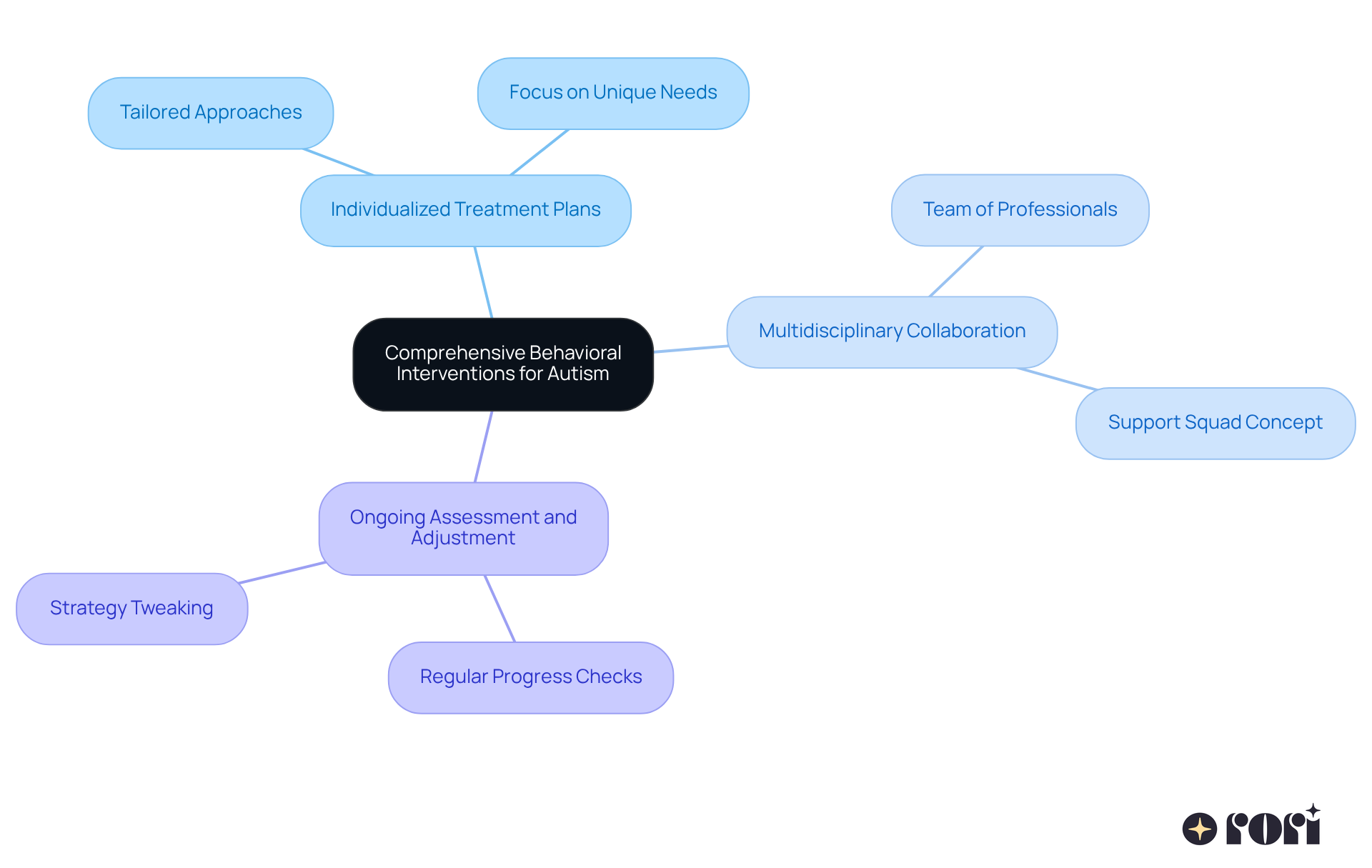
Research from the NCBI highlights something really important: comprehensive behavioral interventions are key to meeting the diverse needs of individuals with autism spectrum disorder. These interventions often blend various strategies, creating a that can make a real difference.
Let’s break it down a bit! Here are some key components of these comprehensive behavioral interventions:
By embracing these comprehensive behavioral interventions, families can truly support their children in making meaningful strides and enhancing their overall quality of life. So, let’s explore this together! We’re here to help you every step of the way!
Understanding and addressing the unique challenges that children with Autism Spectrum Disorder (ASD) face is so important for their growth and development. By using tailored behavioral strategies, caregivers can create an environment that not only encourages positive behaviors but also celebrates each child's individual strengths. The insights shared here really highlight how personalized approaches can enhance the well-being of children with ASD.
We’ve outlined five key strategies that can make a big difference in reinforcing positive behaviors in children with ASD. These include:
Each of these components plays a vital role in making sure that therapeutic practices are effective and responsive to the child's needs, ultimately leading to better behavioral outcomes and a higher quality of life.
Incorporating these strategies into everyday routines is essential for both parents and therapists. By actively engaging in the therapeutic process and using positive reinforcement methods, families can empower their children to thrive. Sure, the journey may have its challenges, but the joy of seeing a child flourish is truly priceless. Embracing these techniques not only supports individual growth but also helps create a nurturing community where children with ASD can really shine.
Let’s explore this together! We’re here to help you every step of the way!
What is Rori Behavioral Innovations Inc. and what do they specialize in?
Rori Behavioral Innovations Inc. specializes in ABA therapy, providing personalized behavioral strategies for children with Autism Spectrum Disorder (ASD).
How does Rori Behavioral Innovations Inc. create a personalized treatment plan for children?
They use a data-driven approach, starting with thorough assessments by psychiatric specialists to understand each child's unique challenges, followed by crafting individualized behavioral plans.
What role does technology play in their ABA therapy?
AI-driven technologies are utilized to enhance the effectiveness of ABA therapy, allowing clinicians to adjust strategies in real-time based on the child's progress.
What are the key components of the personalized behavioral strategies offered?
Key components include individualized planning, measurable goals, evidence-informed approaches, ongoing evaluation and modification, and family participation.
How do they measure progress in therapy?
They set clear, measurable objectives for behavioral strategies, providing a transparent benchmark to track the child's progress.
Why is family participation important in the therapeutic process?
Involving parents empowers families to support their child's development at home, enhancing the overall effectiveness of the therapy.
What is the focus of Circle City ABA within Rori Behavioral Innovations Inc.?
Circle City ABA focuses on harnessing positive reinforcement to encourage desired behaviors in children with ASD.
What are some effective strategies for reinforcing positive behaviors?
Effective strategies include verbal praise, tangible rewards, and consistent application of reinforcement across different environments like home, school, and therapy.
How does positive reinforcement benefit children with ASD?
Positive reinforcement builds confidence and motivation, leading to better behavior and an overall improved quality of life for children with ASD.