Toilet training can feel like a mountain to climb for many caregivers, especially when it comes to the unique challenges faced by children with autism. But what if we could turn that daunting task into a structured learning experience? By using effective ABA strategies, we can transform this vital milestone from a source of stress into something manageable and even enjoyable.
Imagine having a toolkit filled with tailored approaches that not only simplify the process but also ensure lasting success through family involvement. Sounds great, right? In this article, we’ll explore five impactful ABA strategies that promise to make toilet training a smoother journey for both children and their families. Let’s dive in together!
Applied Behavior Analysis (ABA) is a systematic approach that helps us understand and change behavior through reinforcement and structured interventions. When it comes to bathroom education, break this complex task into manageable steps, allowing kids to learn at their own pace. Here are some key principles to keep in mind:
By embracing these principles, caregivers can build a supportive atmosphere that significantly boosts the chances of effective bathroom habits for individuals with autism. Let’s explore this together! We’re here to help you every step of the way!

Before diving into bathroom training, it’s super important to take a moment for a thorough evaluation. This helps figure out if your little one is ready and what they might have. Let’s break it down into a few key areas:
Talking with family members can provide valuable insights into your child’s routines and preferences, helping you craft a personalized plan. Many parents find that understanding their child’s unique behaviors and motivations makes the learning process smoother and more effective.
By taking the time for a thorough evaluation, you can create effective aba strategies for toilet training that align with your child’s strengths and challenges. This approach not only fosters greater independence but also boosts their confidence as they reach this important developmental milestone. Let’s explore this together!

Creating a regular bathroom training routine is key to helping your little ones gain the skills they need. Let’s dive into some effective strategies to make this journey smoother:
By keeping a structured routine, you’re not just teaching your child; you’re also creating a comforting environment that supports their learning and eases any anxiety during potty time, which is part of effective aba strategies for toilet training. Remember, you’re not alone in this - we’re here to help you every step of the way!

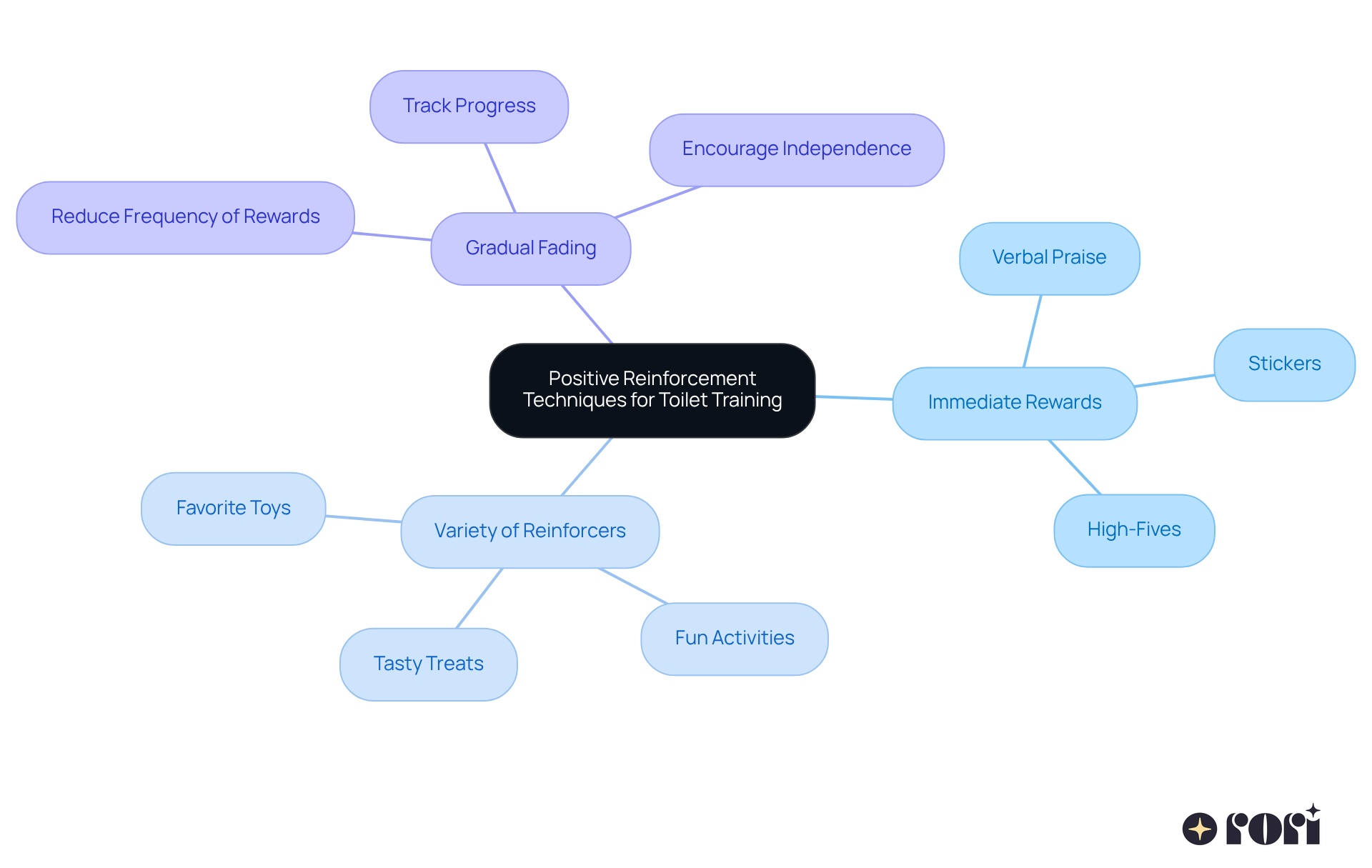
Positive reinforcement is such a powerful tool in ABA therapy, especially when utilizing effective ABA strategies for toilet training! Let’s dive into some effective techniques that can really make a difference:
By using these positive reinforcement techniques and being mindful of potential challenges - like kids becoming too reliant on rewards - caregivers can create a supportive environment that encourages children to embrace successful bathroom use. This ultimately helps them on their . Let’s explore this together!
Family participation is super important for effective bathroom learning! Here are some friendly strategies to get family members involved:
By actively involving family members, caregivers can create a nurturing atmosphere that really enhances the toilet learning process. And hey, parents should know that the average time to mastery is about 56 school days, with some variability from 32 to 88 school days. Setting realistic expectations for the training timeline can make a big difference! Let’s explore this together!

Toilet training can be quite the journey, can’t it? But with effective ABA strategies, this challenging process can turn into a rewarding experience for both kids and caregivers. By embracing the principles of Applied Behavior Analysis - like reinforcement, individualization, and establishing routines - you can create a supportive environment that helps your child learn and gain independence in their bathroom habits.
Let’s talk about some key strategies! Start by conducting thorough assessments to tailor your approach to your child’s unique needs. Establishing consistent routines can really help provide that sense of predictability. And don’t forget about positive reinforcement techniques - they’re fantastic for motivating and engaging your little one! Involving family members in the training process can also enhance support and consistency, leading to even better outcomes.
As you embark on this journey, remember that patience and persistence are your best friends. There will be ups and downs along the way, but with the right strategies and family involvement, your child can achieve this important milestone. So, embrace these effective ABA strategies, and watch as your child blossoms with confidence and independence in their bathroom habits. Let’s explore this together, and remember, we’re here to help you every step of the way!
What is ABA therapy and how does it relate to toilet training?
Applied Behavior Analysis (ABA) is a systematic approach that helps understand and change behavior through reinforcement and structured interventions. In toilet training, ABA strategies break the process into manageable steps, allowing children to learn at their own pace.
What role does reinforcement play in toilet training?
Positive reinforcement is crucial in encouraging desired behaviors, such as using the toilet. It includes verbal praise, stickers, or small rewards that boost motivation and engagement, significantly improving success rates in toilet training.
How can caregivers track progress during toilet training?
Caregivers should keep detailed records of successful attempts, accidents, and responses to different strategies. This organized approach allows for quick adjustments and ensures the learning process remains effective and tailored to each child's needs.
Why is individualization important in toilet training?
Individualization is important because every child is unique. Customizing strategies to fit specific needs and learning styles, such as using visual aids or social stories, helps create a nurturing environment that encourages successful bathroom habits.
What should be assessed before starting toilet training?
A comprehensive assessment should include behavioral observations to identify readiness signs, such as interest in the toilet or staying dry for longer periods, and skill evaluation to determine the child's ability to express needs and follow simple instructions.
How can family insights contribute to the toilet training process?
Talking with family members can provide valuable insights into the child's routines and preferences, helping to craft a personalized plan that aligns with the child's strengths and challenges, making the learning process smoother and more effective.
What benefits does a thorough evaluation provide before toilet training?
A thorough evaluation helps identify readiness and specific needs, fostering greater independence and boosting the child's confidence as they reach the important developmental milestone of toilet training.