Understanding and managing meltdowns in children with Autism Spectrum Disorder (ASD) can be tough for parents. 😟 But with the right strategies and support, you can create a nurturing environment that not only minimizes distress but also encourages emotional growth.
Let’s explore this together! This article dives into five essential tips that empower you to navigate the tumultuous waters of meltdowns. From establishing structured routines to recognizing early signs of distress, we’ve got practical advice to help you out.
How can you turn these challenging moments into opportunities for learning and connection? We’re here to help you every step of the way!
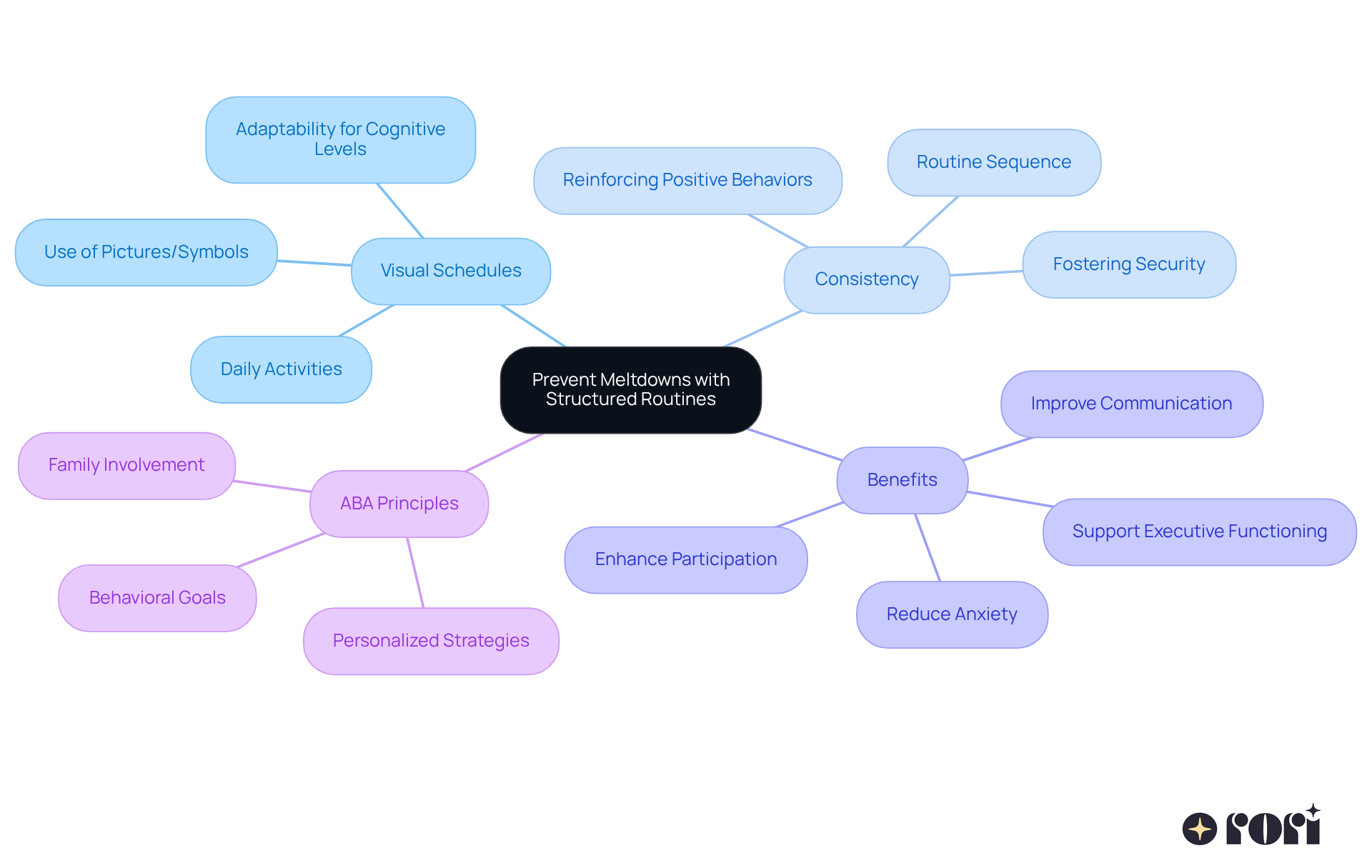
Creating a structured routine is so important for individuals with autism. It helps them know what to expect during their day, which can really reduce anxiety and prevent meltdowns. One great way for parents to do this is by using visual schedules. These can outline daily activities with pictures or symbols representing each task, making it easier for kids to follow along.
Consistency is key! Keeping the same sequence of activities can foster a sense of security. For instance, imagine a morning routine where you wake up, brush your teeth, and have breakfast at the same time every day. This can create a positive atmosphere and significantly lower the chances of distress.
Research shows that visual schedules can enhance predictability, support communication, and improve participation. They’re truly invaluable tools for parents who need support and tips for parents during meltdowns in children with asd while navigating daily challenges with their kids. Plus, when caregivers receive support and tips for parents during meltdowns in children with asd, they can make informed decisions that lead to better behavioral outcomes. This empowers them to support their child’s development effectively.
This approach aligns beautifully with the principles of Applied Behavior Analysis (ABA), which focuses on personalized strategies to help achieve behavioral goals. Let’s explore this together! We’re here to help you every step of the way!
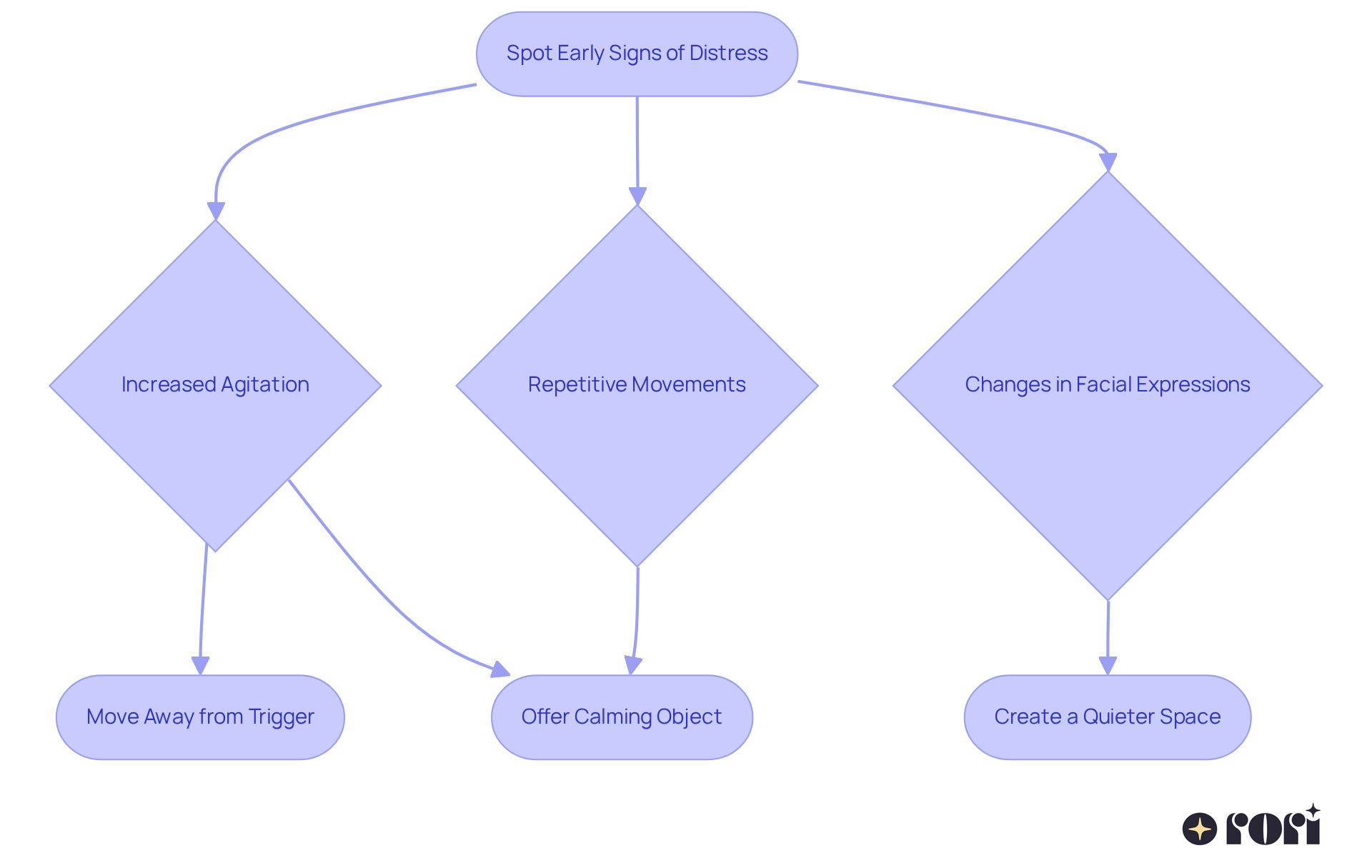
Noticing early signs of distress in your child is super important for effective intervention. You might see signs like increased agitation, repetitive movements, or even subtle changes in their facial expressions. For instance, if you catch your little one pacing or covering their ears, it’s time to act quickly! Behavioral therapists often say that taking prompt action can really help ease their distress. This could mean moving your child away from a triggering situation or offering a calming object, like their favorite toy or a cozy weighted blanket. Research shows that these calming items can work wonders in reducing anxiety during tough moments.
Creating a quieter space where your child feels safe and secure is key. Plus, understanding the basics of Applied Behavior Analysis (ABA) can really empower you as a caregiver. It helps you make informed choices that positively impact your child's progress. By getting involved in your child's therapy and using ABA strategies, you can boost their behavioral outcomes and reinforce their sense of safety and support. Remember, acting quickly not only helps your child feel better but also provides essential support and tips for parents during meltdowns in children with ASD. Let’s explore this together!
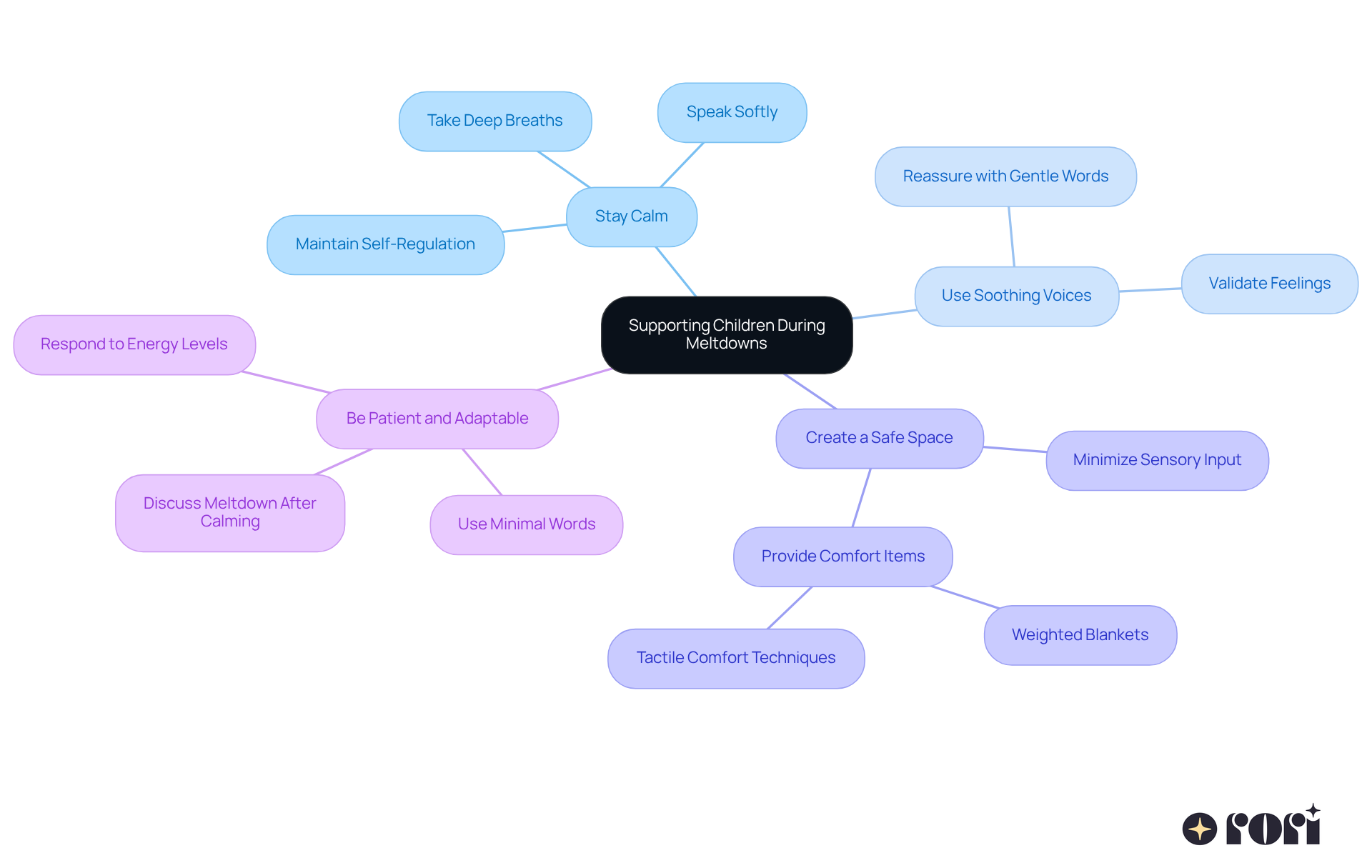
When a meltdown happens, parents can utilize [support and tips for parents during meltdowns in children with ASD](https://rori.care/services/caregiver-education) to stay calm. Taking deep breaths and speaking softly can really help reassure your little one. This aligns with the principles of Applied Behavior Analysis (ABA) therapy, which focuses on being patient and adaptable. It’s best to avoid raising your voice or showing frustration, as these reactions can make things worse. Instead, try to create a safe space where your child can express their feelings without fear of judgment. You might say something like, 'I’m here for you, and it’s okay to be upset.' Providing support and tips for parents during meltdowns in children with ASD not only helps your child feel understood but also eases the intensity of the meltdown.
Research shows that soothing voices can calm kids during these tough moments, highlighting the importance of a gentle, empathetic response. By nurturing a supportive environment, parents can offer valuable support and tips for parents during meltdowns in children with ASD, assisting them in navigating the emotional challenges that come with autism. Plus, being actively involved, as ABA therapy suggests, can lead to better behavioral outcomes. In fact, studies indicate that 90% of kids make significant progress when recommended hours are fully implemented. This empowers caregivers to make informed choices that positively impact their child’s development, especially with insurance coverage for ABA therapy available.
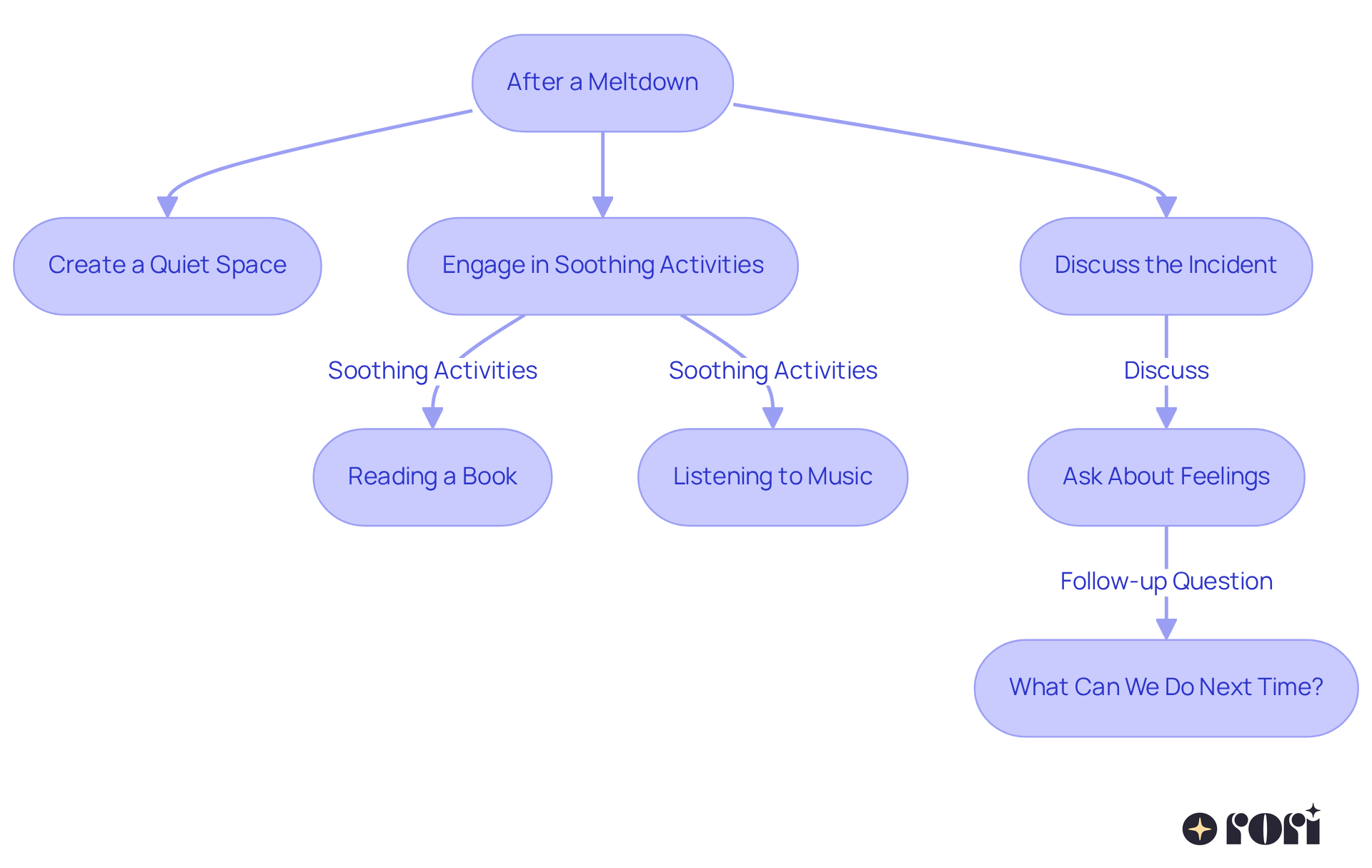
After an emotional outburst, your little one might need some time to bounce back and find their calm again. It’s super important to create a quiet space where they can unwind. Think about engaging them in soothing activities - maybe reading a favorite book or listening to some calming music. These can really help them recover emotionally.
Once they’re feeling better, it’s a great idea to chat about what happened. When your child is calm, you can discuss the breakdown together. This conversation can help them process their feelings and learn from the experience. For example, you might ask, 'What can we do next time to help you feel better?' This not only encourages them to regulate their emotions but also prepares them for future challenges.
Research shows that talking about meltdowns after they happen can really help kids understand and manage their emotions better. It reinforces how important these conversations are in building resilience. So, let’s explore this together while offering support and tips for parents during meltdowns in children with asd every step of the way!
Teaching emotional regulation skills can be a gradual journey, but it’s one that can truly benefit your little one. By using principles from Applied Behavior Analysis (ABA), you can tailor your approach to fit their unique needs. ABA is all about understanding how learning and behavior work, making it a fantastic resource for individuals of all ages facing behavioral challenges, including Autism Spectrum Disorders, ADHD, and learning disabilities.
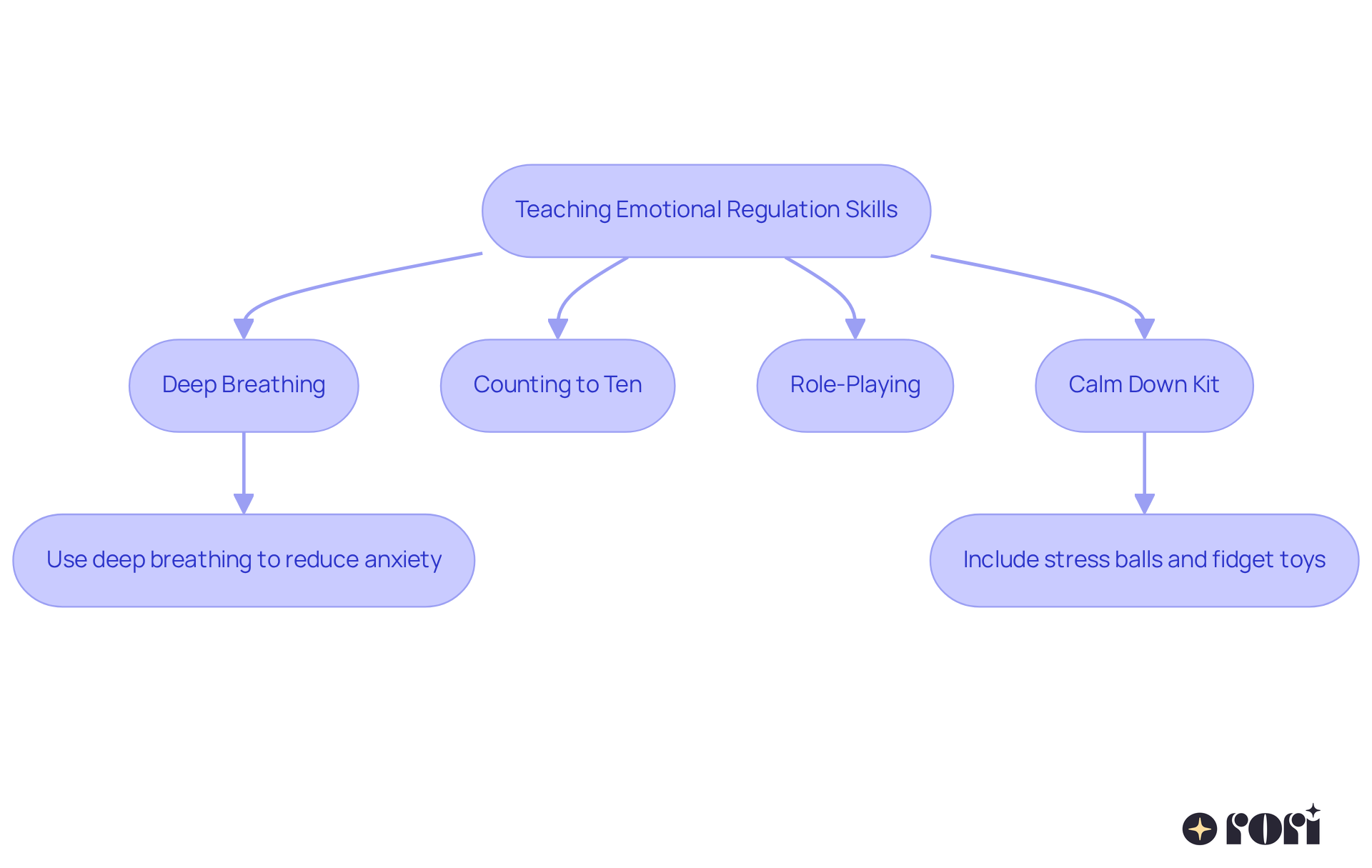
Start with simple techniques like deep breathing or counting to ten when they feel overwhelmed. Did you know that research shows deep breathing can significantly reduce anxiety in kids with autism? It’s a handy tool to have in their emotional toolkit! You might also consider role-playing different scenarios to help your child practice these skills in a safe space. For example, creating a 'calm down' kit filled with stress balls or fidget toys can be a fun way for them to manage anxiety when it arises.
Over time, these strategies grounded in ABA principles can empower your child to handle their emotions more effectively. This can lead to fewer meltdowns and improved social skills, providing support and tips for parents during meltdowns in children with ASD. So, let’s explore this together! We’re here to help you every step of the way!
Creating a supportive environment for children with autism during meltdowns is so important for their emotional well-being and development. By setting up structured routines, parents can offer predictability that really helps reduce anxiety and can prevent those distressing episodes. This foundational strategy, along with recognizing early signs of distress, allows caregivers to step in promptly and effectively, making sure their child feels safe and understood.
Let’s talk about some key strategies for managing meltdowns! Maintaining calmness during those challenging moments, providing soothing support afterward, and gradually building emotional regulation skills are all part of the journey. Each of these approaches not only helps navigate the immediate situation but also fosters long-term resilience and coping skills in children with autism. By actively engaging in their child’s emotional journey, parents can really enhance their child’s ability to manage feelings and reduce the frequency of meltdowns.
Ultimately, we can’t overstate how significant these support tips are. They empower parents to create a nurturing atmosphere where children can thrive, even with the challenges of autism. Embracing these strategies not only benefits the child but also strengthens the parent-child bond, paving the way for more harmonious interactions. It’s crucial for parents to take these insights to heart and apply them consistently, fostering a resilient foundation for their child's emotional growth and stability. Let’s explore this together!
Why is creating a structured routine important for individuals with autism?
A structured routine is important for individuals with autism because it helps them know what to expect during their day, which can reduce anxiety and prevent meltdowns.
How can parents implement structured routines for their children with autism?
Parents can implement structured routines by using visual schedules that outline daily activities with pictures or symbols representing each task, making it easier for kids to follow along.
What role does consistency play in structured routines?
Consistency is key in structured routines as keeping the same sequence of activities fosters a sense of security, creating a positive atmosphere and lowering the chances of distress.
What are visual schedules and how do they benefit children with autism?
Visual schedules are tools that enhance predictability, support communication, and improve participation for children with autism. They outline daily activities visually, making it easier for children to understand and follow their routines.
How does understanding Applied Behavior Analysis (ABA) help caregivers?
Understanding ABA helps caregivers make informed decisions that lead to better behavioral outcomes for their child. It focuses on personalized strategies to achieve behavioral goals.
What are early signs of distress in children with autism?
Early signs of distress in children with autism can include increased agitation, repetitive movements, or subtle changes in facial expressions, such as pacing or covering their ears.
What actions can caregivers take when they notice early signs of distress?
Caregivers can act quickly by moving the child away from a triggering situation or offering calming objects, such as their favorite toy or a cozy weighted blanket.
Why is creating a quieter space important for children with autism?
Creating a quieter space where the child feels safe and secure is key to helping them manage distress and anxiety effectively.
How can caregivers support their child's therapy and behavioral outcomes?
Caregivers can support their child's therapy by getting involved and using ABA strategies, which can boost behavioral outcomes and reinforce the child's sense of safety and support.