Navigating the complexities of behavior management can be a daunting task for parents, especially when seeking effective strategies to support children with autism. One such approach, known as response cost, has emerged as a powerful tool within applied behavior analysis (ABA), designed to reduce undesirable behaviors while fostering positive actions. By systematically removing a valued item or privilege following an unwanted behavior, parents can help their children learn the consequences of their actions.
However, understanding the nuances of this method is essential to ensure its successful implementation. This article delves into the principles of response cost, evaluates its advantages and challenges, and shares real-life case studies that illustrate its effectiveness, all while equipping caregivers with the knowledge needed to create a supportive environment for their child's growth.
is a crucial intervention widely utilized within applied behavior analysis (ABA) to reduce undesired actions while promoting . This method involves the of a valued item or activity following an undesirable action, which decreases the likelihood of that action occurring again. For instance, if a young person loses a token for exhibiting inappropriate conduct, this loss acts as a consequence, helping them better understand acceptable behavior.
For parents, understanding the mechanics of response cost is essential, as it establishes the foundation for implementing tailored specifically for children with autism. These approaches typically encompass personalized planning and measurable objectives. Experts emphasize the significance of ensuring that students keep a positive balance; they should earn more tokens than they lose for the approach to remain effective. If the method becomes excessively punitive, young individuals may feel discouraged, which can result in a decrease in the approach's effectiveness.
A relevant case study highlights this: in a collaborative effort between parents and an , a child showed when tokens were not only removed for negative actions but were also consistently earned for positive ones. This dual approach reinforced the desired conduct and ensured that caregivers were empowered with ABA principles and techniques. By creating a consistent and supportive environment, the intervention's impact was maximized.
Moreover, research suggests that when applied efficiently, response charges can result in a significant decrease in , with studies demonstrating a 30% drop in such actions. Grasping the delicate balance of this approach, along with ongoing assessment and adjustment of methods, is essential for creating an environment favorable to behavioral improvement.

Response expense approaches provide a combination of advantages and difficulties in . These approaches are especially successful in diminishing undesirable actions by connecting these activities to the loss of reinforcements, thereby encouraging children to embrace more suitable conduct. For instance, immediate consequences are vital in effectively shaping behavior, with research indicating that response expense interventions can lead to a success rate of approximately 70% when implemented correctly. This adaptability enables caregivers to customize approaches to individual needs and different contexts, which is crucial for maximizing the intervention's impact.
However, the implementation of methods must be carefully managed. If applied too rigidly, there is a risk of causing frustration or resentment, which may hinder the individual's progress. This underscores the importance of flexibility and continuous monitoring. Caregivers, equipped with a greater comprehension of via , should consistently evaluate their offspring's responses to these techniques and modify their method to guarantee it stays supportive and constructive.
For example, consider a student who frequently disrupts class by speaking out of turn. Applying a , like forfeiting a favored activity period for each disruption, can initially diminish this conduct. However, if the consequence is overly harsh or not adjusted when the young person's behavior improves, it may lead to increased frustration and resistance. This scenario demonstrates how can guide the detailed implementation of response measures, ensuring they are effective and mindful of the young one's emotional state.
Experts highlight the significance of consulting with a to assess if response methods correspond with a young person's unique needs and objectives. As one analyst stated, "If you are considering ABA therapy for your child, talk to a qualified therapist about whether or not response cost is a good fit for your child's individual needs and goals." By incorporating caregiver education, which improves informed decision-making and empowers caregivers, these strategies can be a powerful tool in managing conduct, promoting positive changes while minimizing potential drawbacks.
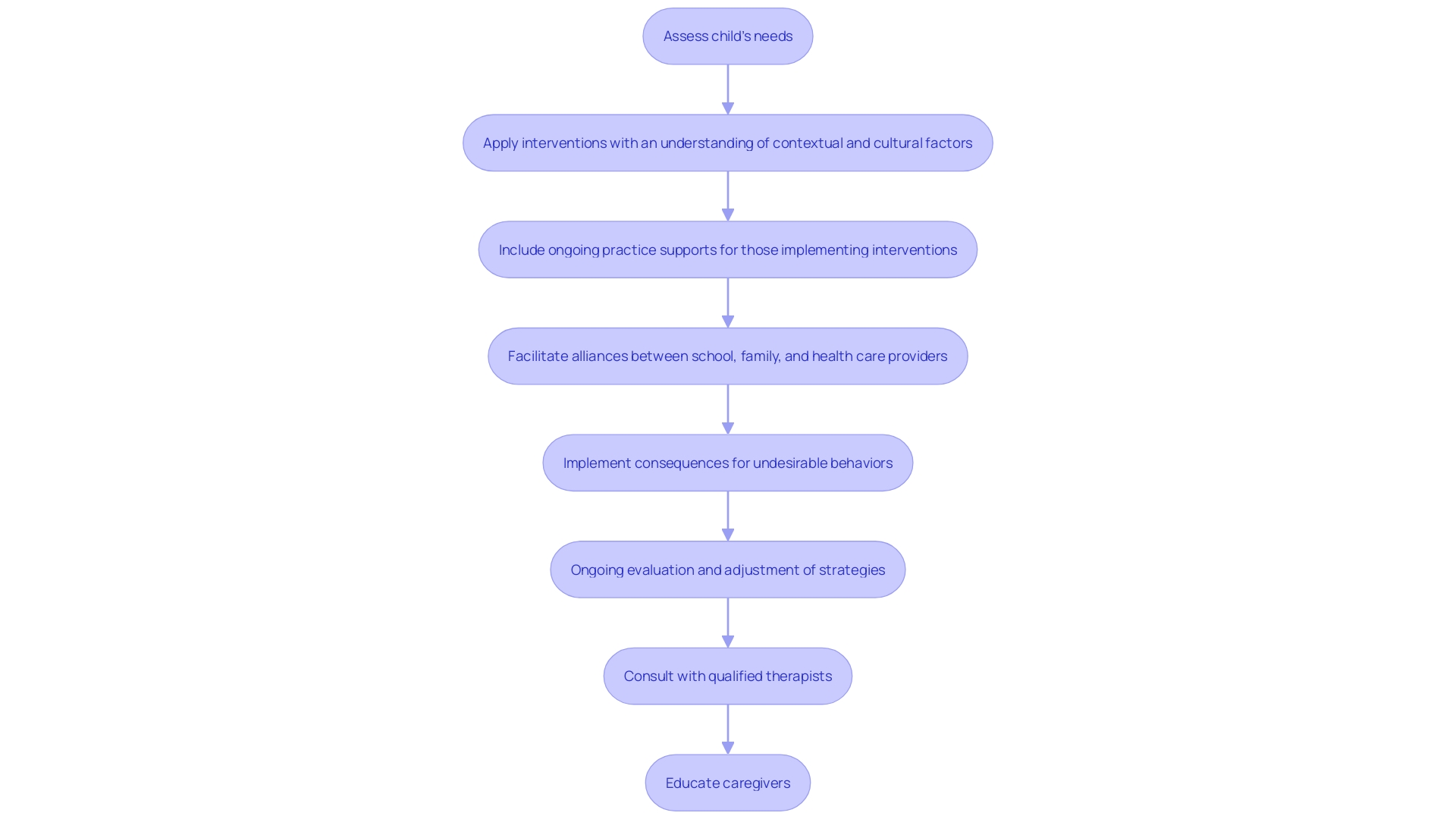

Identifying target actions is the foundational step in implementing an effective . Start by clearly outlining the particular actions you wish to decrease, such as:
This clarity is crucial, as it will guide your entire implementation process. Behavioral experts highlight the significance of choosing measurable and observable actions to guarantee accurate tracking and assessment, conforming to the principles of that adjust to your offspring's unique needs.
Consider actions that significantly affect your offspring's daily functioning or social interactions. For instance, if a student often interrupts during class, this conduct could be a target for response cost. Conducting a comprehensive is essential to understand the context and triggers of the actions, which could include factors such as classroom environment or peer interactions. This personalized method is essential to the treatment strategies created by skilled analysts at Rori Care, who emphasize (EIBI) to improve learning, verbal, and social abilities for individuals with autism.
In developing personalized plans, ABA therapists frequently take into account several factors including:
Prompt feedback from response cost methods gives individuals clear insights about their actions, making it easier for them to comprehend the consequences of their conduct. Research indicates that youngsters who receive immediate feedback through structured behavioral strategies show a 30% improvement in targeted behaviors within a few weeks (source needed). As caregivers are empowered with knowledge and skills through education provided by Rori Care, they can effectively support their offspring's behavioral goals, ensuring that the intervention's impact is maximized.
Remember, the ultimate goal is to support your offspring's development and well-being. As Above & Beyond ABA Therapy aptly puts it, "So, let's remember the human aspect in this journey—celebrating progress, acknowledging setbacks, and always prioritizing the well-being and dignity of those involved." This compassionate approach ensures that response cost strategies are not only effective but also respectful and supportive, reinforcing the importance of understanding and adapting to the individual needs of each child.

Implementing response cost strategies can significantly enhance behavior management for children with autism. By systematically removing valued items or privileges following undesired behaviors, caregivers can effectively decrease these behaviors while promoting positive actions. The importance of balancing this approach cannot be overstated; children must have the opportunity to earn rewards to maintain motivation and engagement in the learning process.
While the benefits of response cost strategies are evident, challenges also exist. It is crucial for caregivers to remain flexible and responsive to their child's emotional needs, ensuring that the approach does not become overly punitive. Continuous monitoring and adjustment of strategies based on individual progress can lead to more effective outcomes.
Real-life case studies illustrate the positive impacts of these interventions, demonstrating that with careful application, substantial behavioral improvements are achievable.
Ultimately, the successful implementation of response cost hinges on a deep understanding of applied behavior analysis principles, ongoing caregiver education, and a commitment to fostering a supportive environment. By prioritizing the well-being and dignity of children, caregivers can create an atmosphere conducive to growth and development, empowering their children to thrive.
What is response cost in applied behavior analysis (ABA)?
Response cost is an intervention used in ABA that involves the systematic removal of a valued item or activity following an undesirable action, which decreases the likelihood of that action occurring again.
How does response cost work to reduce undesired behaviors?
When a child loses a token or privilege for exhibiting inappropriate conduct, this loss acts as a consequence, helping them understand acceptable behavior and encouraging more positive actions.
Why is it important for parents to understand response cost?
Understanding response cost is essential for parents as it lays the foundation for implementing effective behavioral plans tailored for children, especially those with autism.
What is the significance of maintaining a positive balance in response cost?
For response cost to be effective, children should earn more tokens than they lose. If the method becomes too punitive, it can discourage children and reduce the intervention's effectiveness.
Can you provide an example of a successful application of response cost?
A case study showed that a child improved significantly when tokens were removed for negative actions but also consistently earned for positive ones, reinforcing desired behavior.
What are the expected outcomes when response cost is applied effectively?
Research has shown that effective application of response cost can lead to a significant decrease in challenging behaviors, with studies indicating a 30% reduction in such actions.
What are the potential challenges of implementing response cost?
If response cost is applied too rigidly, it may cause frustration or resentment, which can hinder a child's progress. Flexibility and continuous monitoring are vital for success.
How can caregiver education enhance the effectiveness of response cost?
Caregiver education helps parents understand ABA principles, allowing them to evaluate their child's responses and adjust their methods to ensure they remain supportive and constructive.
Why should caregivers consult with a qualified therapist regarding response cost?
Consulting with a qualified therapist ensures that response cost methods align with a child's unique needs and goals, facilitating informed decision-making.
What steps should be taken to implement an effective response cost strategy?
Start by identifying target actions to decrease, conducting a behavioral assessment, and developing personalized plans that consider individual preferences and ethical guidelines.