Creating personalized visual aids in autism education isn’t just about teaching; it’s a heartfelt approach that truly enhances communication and understanding for children who might find traditional verbal instructions a bit tricky. By tapping into the unique visual strengths of these amazing learners, educators can craft tailored supports that not only ease anxiety but also help foster independence and confidence.
But here’s the big question: how can caregivers and educators effectively assess individual needs and design visual aids that really resonate with each child? 🤔 This article dives into the essential steps for creating impactful visual aids, offering practical strategies to ensure every child thrives in their educational journey. Let’s explore this together!
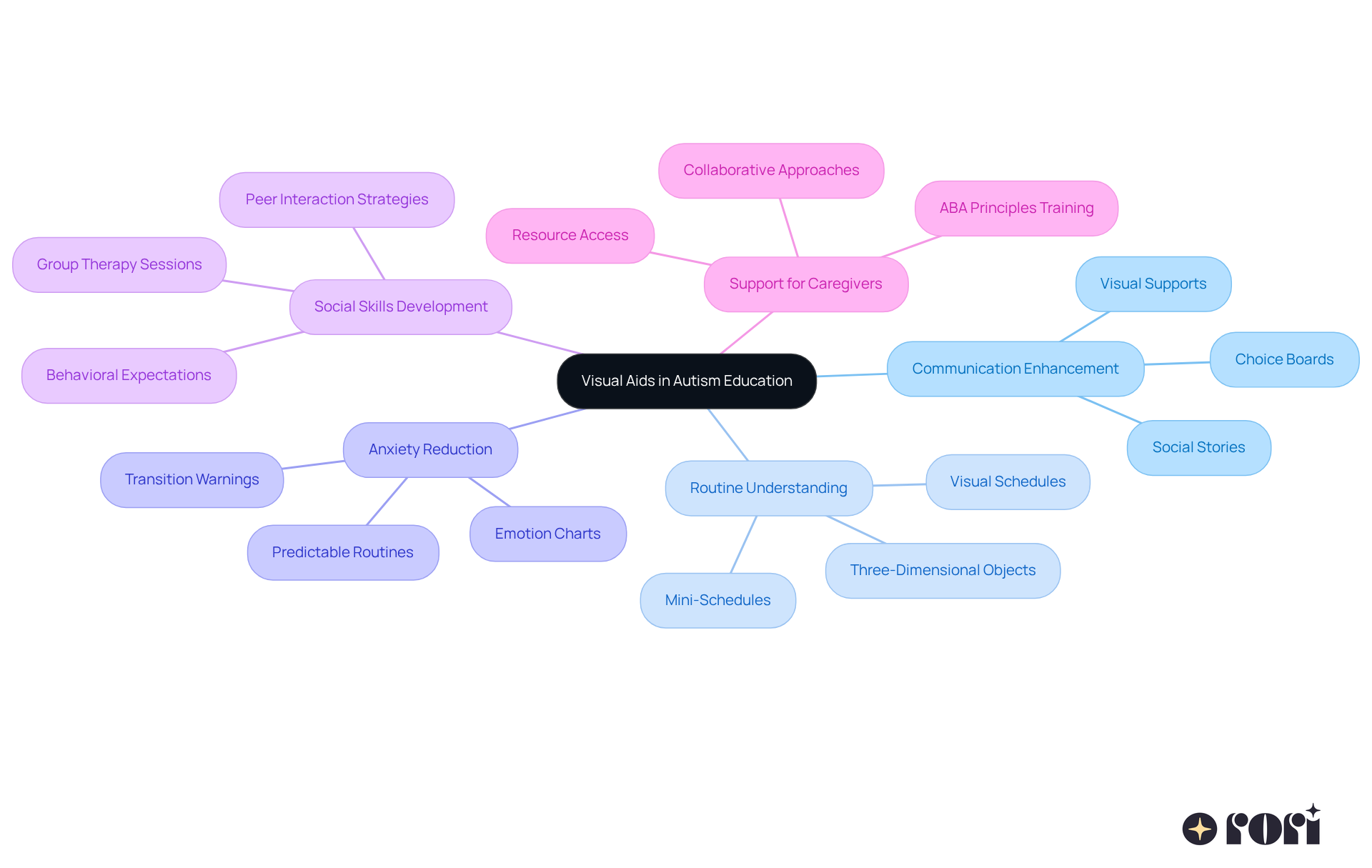
Creating personalized visual aids for autism education is a very helpful tool! They really enhance communication and understanding for young individuals by creating personalized visual aids for autism education, which can be beneficial for those who might find traditional verbal instructions a bit tricky. These aids, including pictures, symbols, and schedules, play a crucial role in creating personalized visual aids for autism education. They assist kids in grasping routines, expressing their needs, and navigating their surroundings more easily by creating personalized visual aids for autism education.
Research shows that creating personalized visual aids for autism education can reduce anxiety and boost predictability, making learning more accessible and engaging for children with autism. By tapping into their strong visual processing skills, educators can support a more inclusive learning environment through creating personalized visual aids for autism education, which encourages independence and builds confidence.
And let’s not forget about social skills group therapy! When qualified therapists facilitate these sessions, they can really enhance social interactions and communication among peers. It’s all about empowering caregivers too! By equipping them with ABA principles and strategies, they can play an active role in supporting their child’s behavioral goals, which maximizes the impact of these interventions.
So, let’s explore this together! If you’re a parent navigating this journey, know that you’re not alone. We’re here to help you every step of the way!
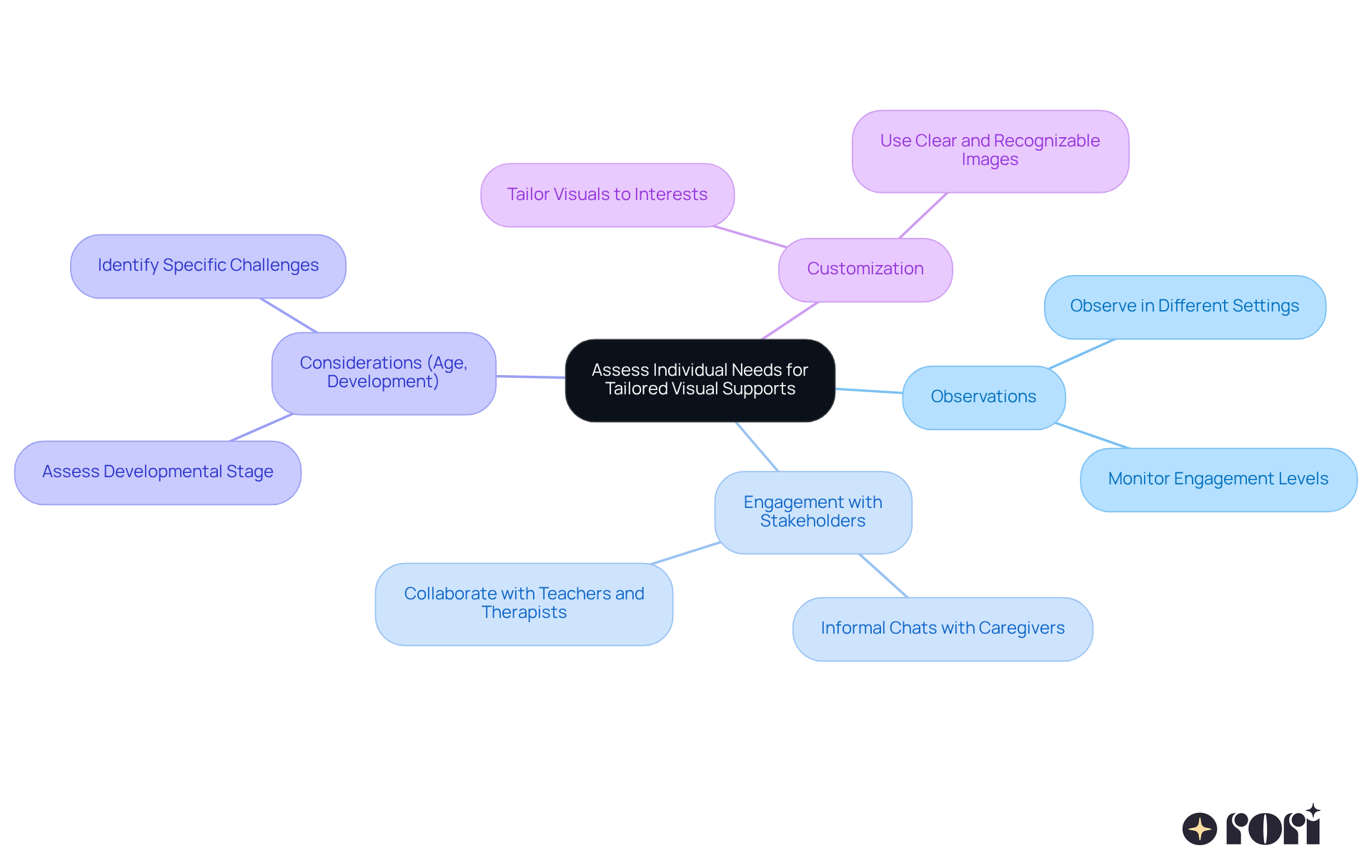
Understanding the unique needs of your child is essential when creating personalized visual aids for autism education. It’s all about observing them in different settings, like at home or school, to see what works best for them. Engaging with parents, teachers, and therapists can really help gather insights into how your child communicates and learns.
Consider things like their age, developmental stage, and any specific challenges they might face. For instance, therapists often highlight that creating personalized visual aids for autism education by customizing images to match a child's interests can significantly boost their engagement and understanding. Isn’t it amazing how personal touches can make such a difference?
Research shows that creating personalized visual aids for autism education helps kids to be more engaged and comprehend better. Assessing your child’s strengths and preferences can be as simple as having informal chats with caregivers or observing them during their daily activities.
By weaving these insights into the process of creating personalized visual aids for autism education, you’re not just addressing their needs; you’re also fostering independence and effective communication. Let’s explore this together! We’re here to help you every step of the way!
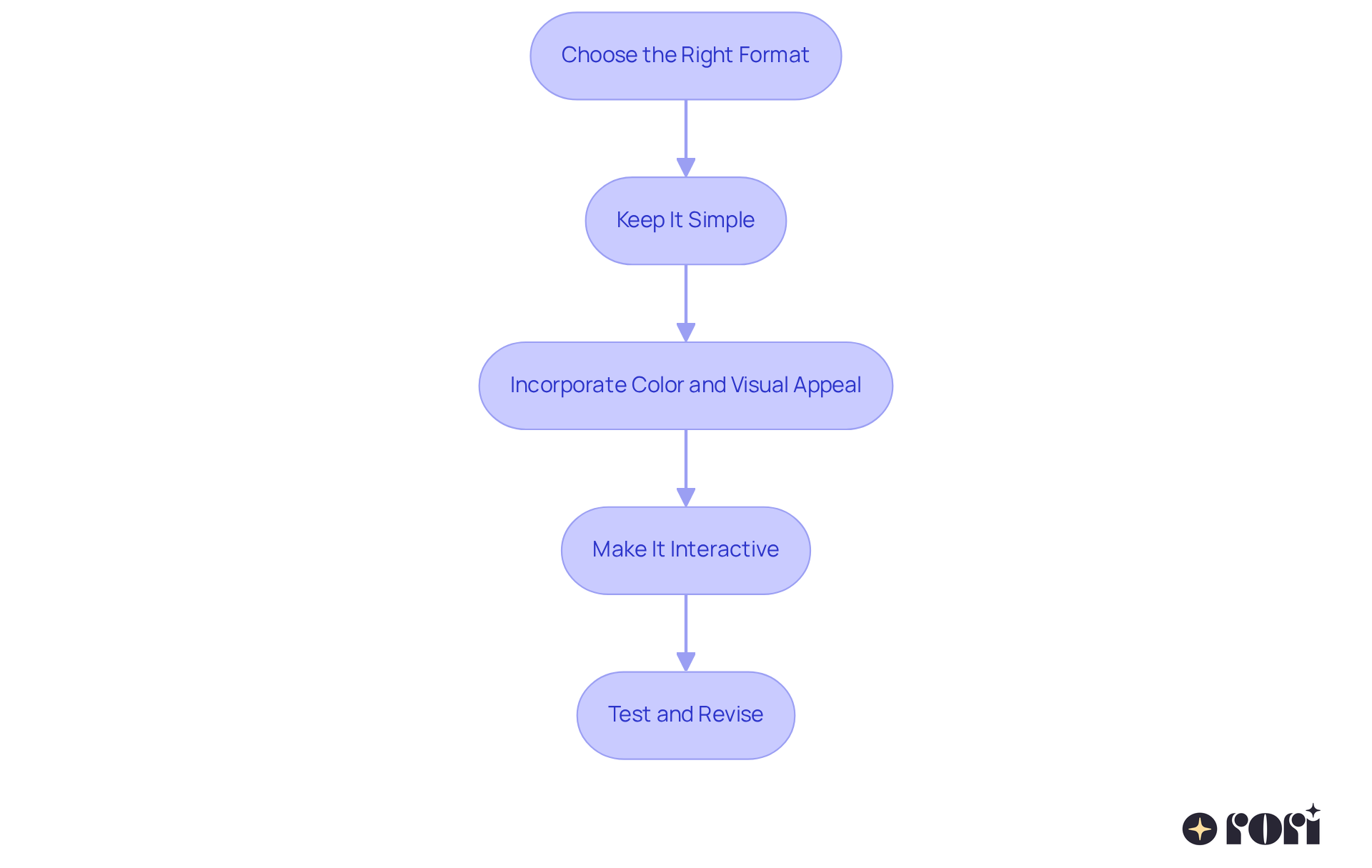
When it comes to creating personalized visual aids for autism education, there are some essential steps you can take to make them truly effective. Let’s explore this together!
Choose the Right Format: Think about what works best for your child - pictures, symbols, or written words. Tailoring the format to their preferences and comprehension level is key to keeping them engaged.
Keep It Simple: Use clear, uncluttered images and straightforward language. This helps reduce cognitive overload, allowing your little one to focus on the information without feeling overwhelmed.
Incorporate Color and Visual Appeal: Bright colors and fun designs can really capture a child’s interest. When visual tools are appealing, they’re more likely to be used effectively.
Make It Interactive: Create tools that encourage engagement, like choice boards or interactive schedules. These not only promote participation but also make learning more enjoyable.
Test and Revise: After you’ve created the graphic supports, try them out with your child and ask for their feedback. Regularly assessing and tweaking these resources ensures they remain relevant and effective, adapting to your child’s evolving needs.
By integrating these best practices, you can achieve better results in creating personalized visual aids for autism education! Research shows that creating personalized visual aids for autism education can significantly improve understanding and reduce anxiety in children with autism. Plus, when you involve your child in creating their aids, it empowers them and fosters a sense of ownership over their learning journey. We’re here to help you every step of the way!
To truly enhance the effectiveness of creating personalized visual aids for autism education for our kids, it’s super important to maintain consistency across all their learning spaces. This means using the same visual supports at home, in school, and during therapy sessions. By creating routines that include these aids - like daily timetables or behavior charts - we help our little ones know what to expect next, which can really nurture their sense of security. For instance, studies show that kids who regularly use pictorial schedules tend to have smoother transitions and are more engaged in activities. Plus, when we involve young learners in making these visual aids, it boosts their motivation and gives them a sense of ownership over their learning journey.
Now, let’s talk about the role of caregivers. When they have a better grasp of ABA principles and strategies, they can make informed choices that positively impact their child’s progress. This knowledge not only builds their confidence but also leads to better behavioral outcomes for the kids. Encouraging all caregivers and educators involved in a child’s life to use the same graphical tools creates a unified learning experience. Regularly reinforcing these supports with positive feedback and encouragement not only lifts the child’s confidence but also deepens their understanding of routines. As one educator wisely pointed out, 'Consistency in usage across routines and settings increases familiarity and helps reinforce skills.' This collaborative approach, which includes family participation and caregiver training, ensures that creating personalized visual aids for autism education effectively enhances learning and emotional well-being.
Let’s explore this together! We’re here to help you every step of the way!

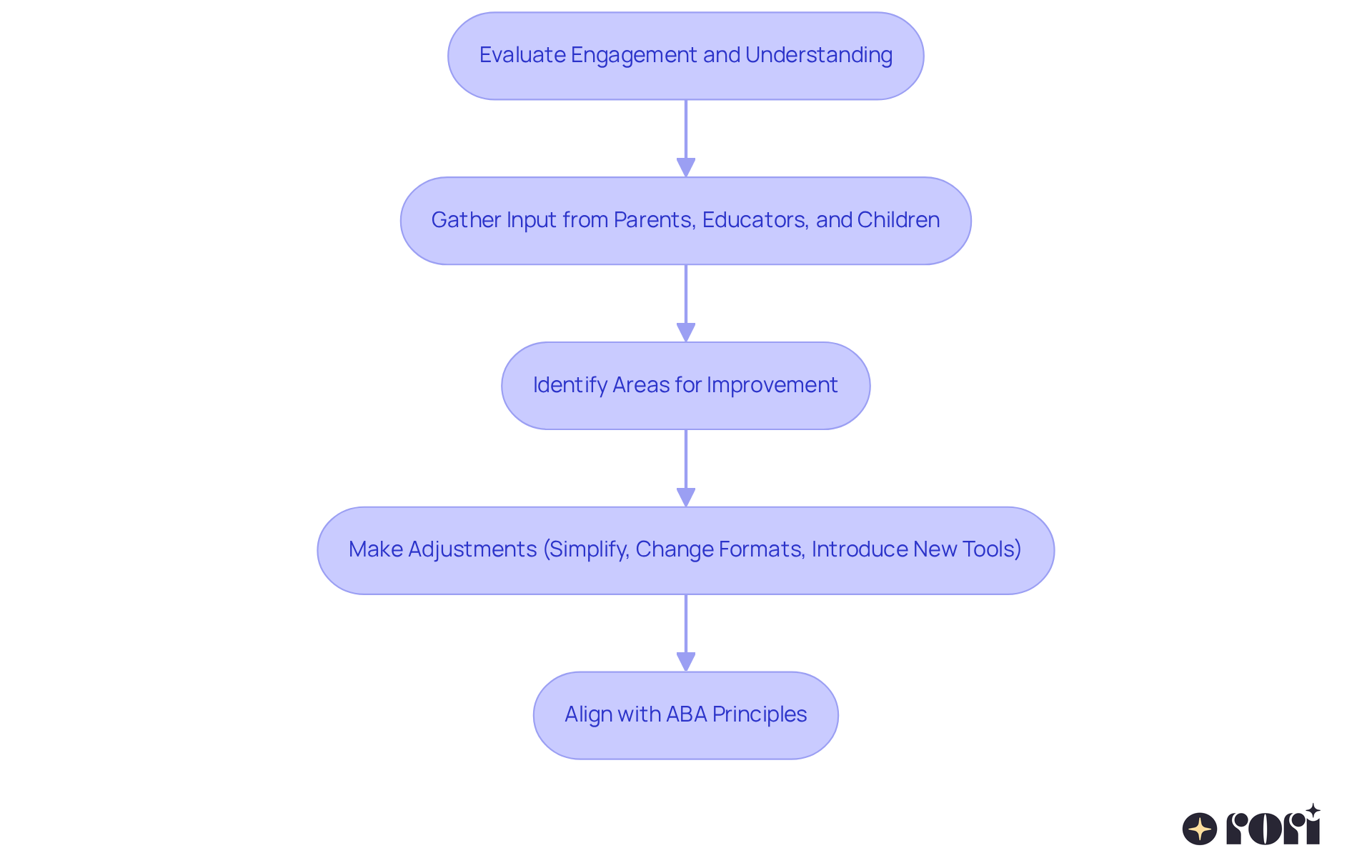
Enhancing instructional aids is crucial for creating personalized visual aids for autism education to keep them effective! Regular evaluations should really focus on how engaged and understanding the kids are during activities. Input from parents, educators, and the children themselves is super valuable for spotting areas that need improvement.
You know, studies have shown that structured teaching techniques can really boost social involvement among kids with autism. This highlights the need for creating personalized visual aids for autism education to provide effective support. Sometimes, adjustments might mean simplifying visuals, changing formats, or even introducing new tools as the child's needs change. For instance, graphical timetables and supports have been proven to help reduce sensory overload and frustration, showing just how effective they can be in practice.
This ongoing process not only encourages growth and development but also aligns beautifully with the principles of Applied Behavior Analysis (ABA) therapy, which focuses on a patient-centered, adaptable approach. By actively involving caregivers and collecting data, educators can ensure that creating personalized visual aids for autism education remains a crucial resource in the child's educational journey. Ultimately, this leads to better behavioral outcomes and a higher quality of life for children with autism. Let’s explore this together!
Creating personalized visual aids for autism education isn’t just a helpful strategy; it’s a game-changer that can really boost communication and learning for kids on the spectrum. When these aids are tailored to fit individual needs, educators and caregivers can create a welcoming environment that encourages understanding, independence, and confidence in our young learners.
The article shared some key steps for developing effective visual aids. It highlighted how important it is to:
Each of these steps reinforces the idea that personalized visual supports can help reduce anxiety, improve understanding, and ultimately lead to better behavior for children with autism.
In wrapping up, creating personalized visual aids is a journey that thrives on collaboration, creativity, and commitment. By involving children in the process and ensuring these aids are used consistently, caregivers and educators can truly make a difference in the educational experiences of children with autism. Embracing these strategies not only enhances learning but also nurtures emotional well-being, paving the way for a brighter future. Let’s explore this together!
What are visual aids, and how do they help in autism education?
Visual aids, including pictures, symbols, and schedules, enhance communication and understanding for individuals with autism. They assist children in grasping routines, expressing their needs, and navigating their surroundings more easily.
How do personalized visual aids benefit children with autism?
Personalized visual aids reduce anxiety and boost predictability, making learning more accessible and engaging. They leverage children's strong visual processing skills, encouraging independence and building confidence.
What role do social skills group therapy sessions play in autism education?
Social skills group therapy, facilitated by qualified therapists, enhances social interactions and communication among peers, empowering children with autism to improve their social skills.
How can caregivers support their child's behavioral goals in autism education?
Caregivers can support their child's behavioral goals by being equipped with Applied Behavior Analysis (ABA) principles and strategies, allowing them to play an active role in maximizing the impact of interventions.
Why is it important to assess individual needs when creating visual supports for autism education?
Assessing individual needs is essential to create effective personalized visual aids. Observing children in various settings and engaging with parents, teachers, and therapists helps gather insights into how the child communicates and learns.
What factors should be considered when creating personalized visual aids?
Factors to consider include the child's age, developmental stage, specific challenges, and interests. Customizing images to match a child's interests can significantly boost their engagement and understanding.
How can parents and caregivers gather insights into their child's strengths and preferences?
Parents and caregivers can gather insights through informal chats, observing daily activities, and engaging with educators and therapists to understand how their child learns and communicates.