Introduction
Data-driven interventions are changing the game in Applied Behavior Analysis (ABA) therapy! They allow practitioners to create treatments that are not just effective but also tailored to meet individual needs. By tapping into the power of data collection and analysis, therapists can fine-tune interventions, making sure each child's unique behavioral patterns are addressed with care and precision.
But with the growing demand for autism support services, you might wonder: how can practitioners effectively implement these data-driven strategies to improve outcomes? 🤔 This article dives into five essential steps for integrating data-driven interventions into ABA therapy. We’re here to help you every step of the way, offering insights that promise to elevate the quality of care and support for individuals with autism. Let’s explore this together!
Define Data-Driven Interventions in ABA Therapy
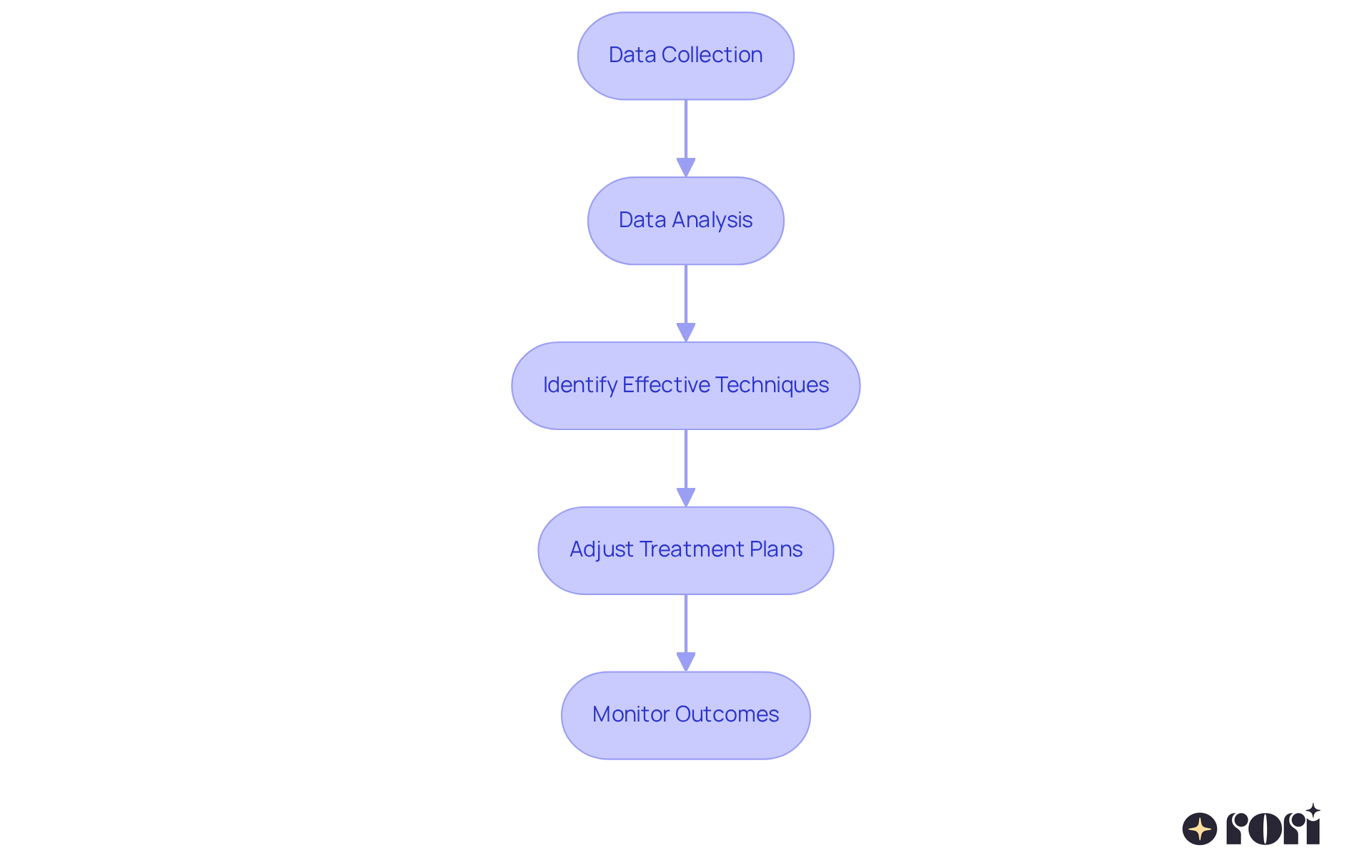
When it comes to , are all about using solid information to guide treatment choices. This means that the methods we use are not just effective but also tailored to meet individual needs. By collecting and analyzing data, clinicians can effectively utilize to see how well different interventions work, focusing on that lead to . This approach not only boosts the chances of success but also allows for quick adjustments to treatment plans based on real-time insights.
For instance, imagine a certified analyst at Rori Care observing a young person’s social skills development by tracking their interactions during sessions. By looking closely at this data, the clinician can pinpoint which techniques work best in encouraging positive social behaviors. It’s a great example of how can enhance the effectiveness of , leading to better communication, socialization, and overall development for individuals with autism.
Plus, the ongoing evaluation and tweaking of make sure that treatment stays responsive to the child’s changing needs. Recent research highlights how are crucial in treatment, showcasing . Techniques like frequency recording and duration measurement offer valuable insights into behavior patterns, assisting therapists in refining their strategies and utilizing [data-driven interventions for optimizing ABA therapy for autism](https://rori.care/post/9-evidence-based-interventions-for-elopement-in-children).
As the field continues to evolve, incorporating technology into data gathering is crucial for implementing data-driven interventions for optimizing ABA therapy for autism, making practices even more accurate and effective, ultimately benefiting the children and families we support. By blending with advanced AI, Rori Care can keep track of progress and prepare reports, freeing up 50% more time for child care. This efficiency is crucial in meeting the growing demand for autism support services, which has skyrocketed by 5,852% from 2010 to 2021.
Let’s explore this together! We’re here to help you every step of the way!
Identify Effective Data Collection Methods
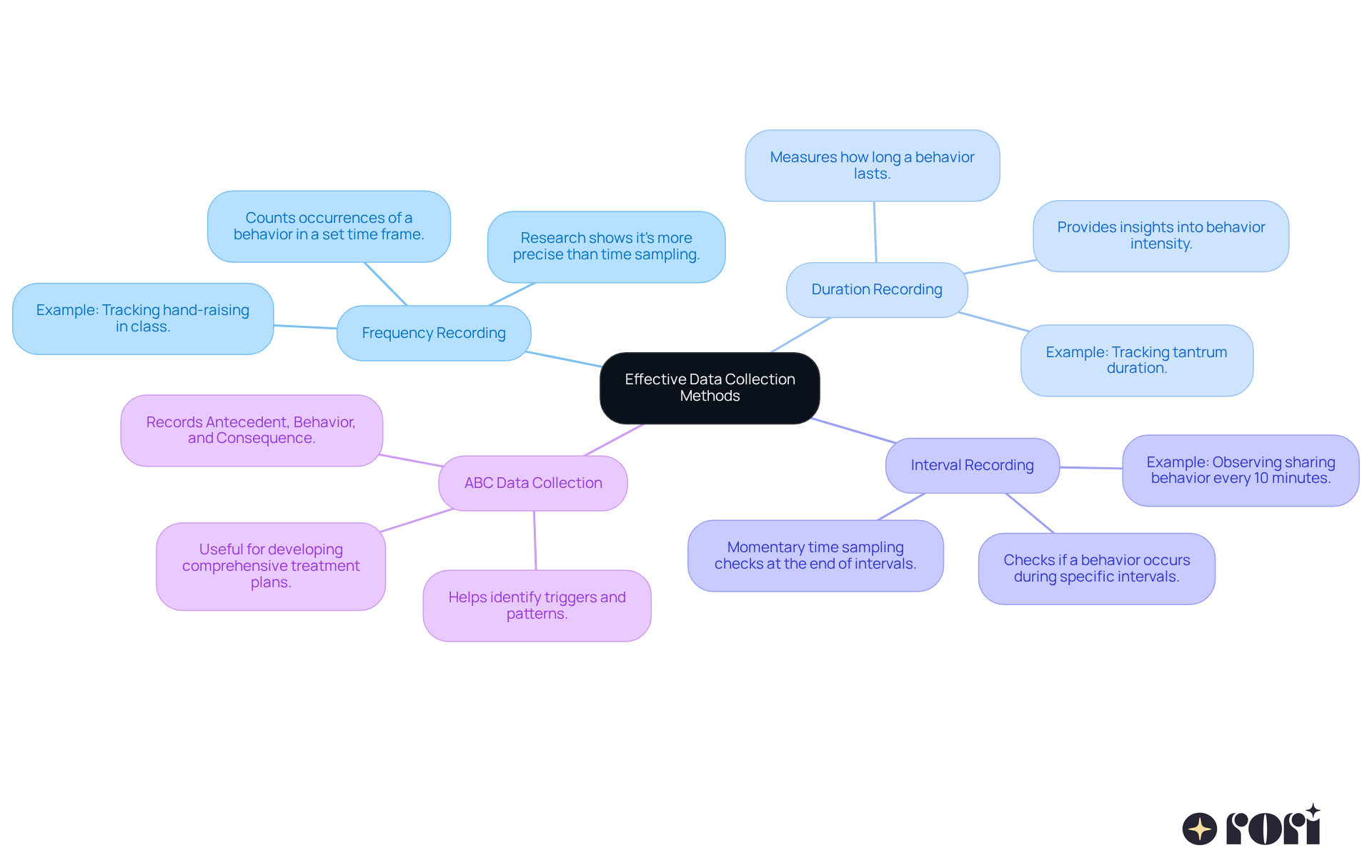
Effective are essential for implementing for optimizing . Let’s dive into some commonly used techniques that can make a real difference:
- Frequency Recording: This method counts how many times a specific action happens within a set time frame. For instance, if a child is learning to raise their hand in class, the therapist might note how often they do it during a session. Research shows that continuous data recording, like frequency recording, is often more precise than time sampling, making it a reliable choice for tracking actions.
- Duration Recording: Here, we measure how long an action lasts. Imagine a child working on reducing tantrums; the therapist can track the duration of each tantrum to see progress over time. This technique provides valuable insights into the intensity of actions, allowing for more tailored interventions.
- Interval Recording: This method involves checking if an action occurs during specific intervals. For example, a therapist might check every 10 minutes to see if a child is sharing toys. Momentary time sampling, a type of interval recording, looks at whether a target action happens at the end of each interval, making it super efficient for data collection in classrooms.
- ABC Data Collection: This approach records the Antecedent, Behavior, and Consequence of specific incidents. By understanding the context of actions, therapists can spot triggers and patterns, which helps in crafting . It’s particularly useful for developing that tackle the root causes of behaviors.
By using these techniques, therapists can gather a wealth of information that shapes their treatment strategies and leads to for optimizing , enhancing the effectiveness of their interventions. This ultimately leads to for individuals with autism. Let’s explore this together and see how we can support your journey!
Develop Personalized Treatment Plans Based on Data
Creating is key to making ABA therapy more effective. Let’s dive into how you can develop these plans:
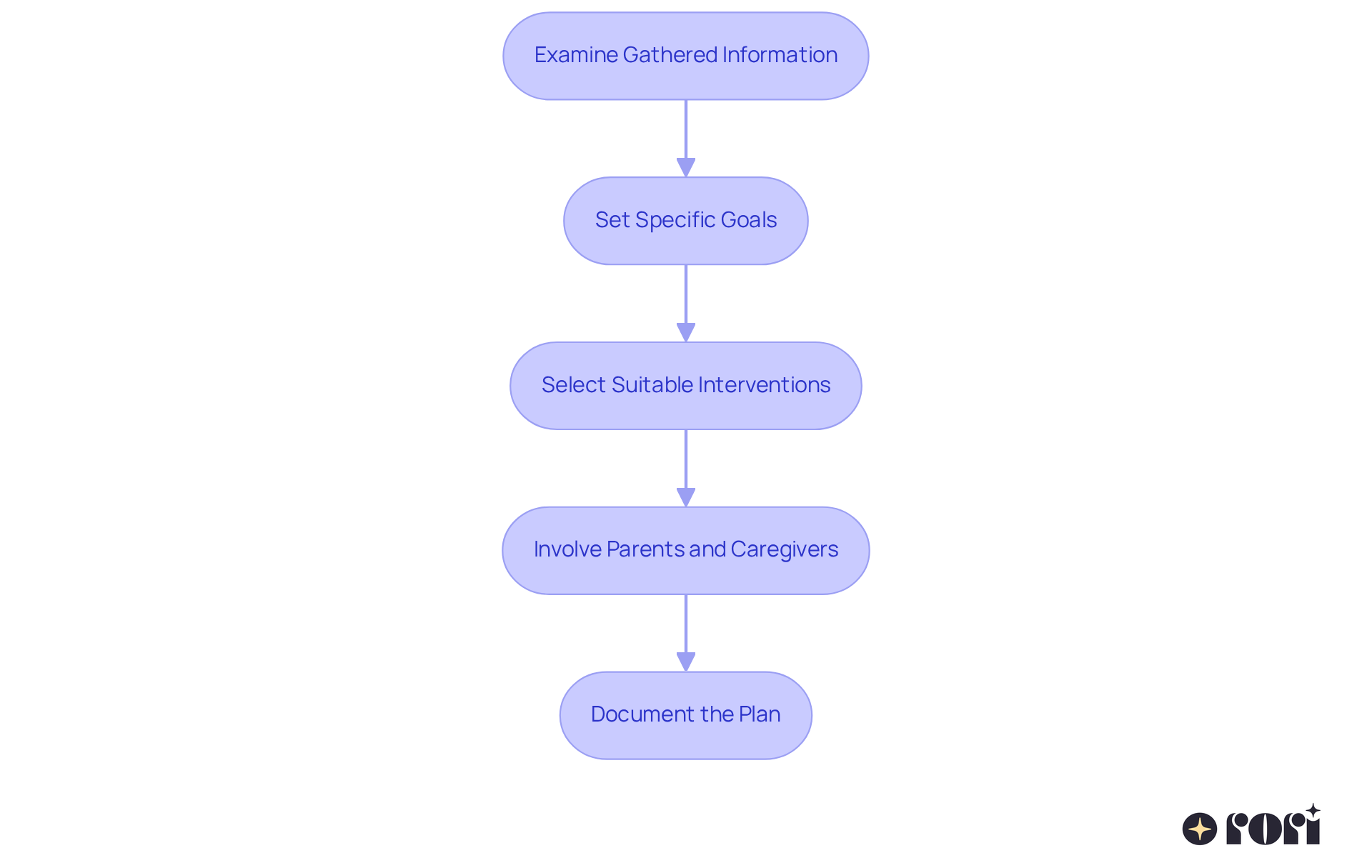
- Examine Gathered Information: Start by reviewing the information you’ve collected from different methods, like tracking frequency and duration. This helps you spot patterns in your child’s behavior. By identifying strengths and areas for improvement, you can tailor your approach. Research shows that when information is used effectively, about 41.8% of goals show progress! Our behavior care engine updates intervention and skill acquisition plans after each session based on what’s been achieved, ensuring the treatment stays responsive to your child’s needs.
- : Next, it’s time to set clear, measurable objectives based on your analysis. For instance, if you notice your child struggles with social interactions, a goal could be to improve successful peer interactions during playtime. Studies indicate that kids who receive early and intensive ABA therapy often see . Some families even notice changes within weeks, highlighting the importance of having targeted goals.
- Select Suitable Interventions: Choose that align with your child’s goals and are supported by the information you’ve gathered. If the data shows that your child responds well to positive reinforcement, make sure to include that in the treatment plan. Research backs this up, revealing that over 89% of studies indicate significant improvements when individualized treatment plans utilize .
- Involve Parents and Caregivers: Don’t forget to ! Their insights are invaluable and can help ensure the treatment plan is realistic and can be consistently implemented at home. Engaging families in the process is crucial, as active participation often leads to better outcomes. It’s worth noting that , so keeping everyone involved is key. Educating caregivers on ABA principles can empower them to support their child’s behavioral goals effectively.
- : Finally, make sure to clearly outline the treatment plan, including specific strategies, timelines, and expected outcomes. This documentation acts as a , ensuring everyone is on the same page. Regular updates and modifications based on ongoing information gathering are essential to keep the plan relevant and effective.
By crafting tailored treatment strategies based on solid information, therapists can enhance the significance and effectiveness of for each child. This ultimately leads to better outcomes and an improved quality of life. Let’s explore this together!
Incorporate Technology to Enhance Data-Driven Interventions
Integrating technology into ABA therapy can significantly impact our approach to for optimizing ABA therapy for autism. Let’s explore some effective ways to bring technology into the mix:
- : Think about using specialized apps and software for collecting ABA information. These tools can automate data entry, making it easier to monitor actions in real-time and cutting down on human error. Organizations that have embraced digital collection often see measurable improvements in client outcomes and staff productivity. In fact, studies show that those using can reach their goals 28% faster than those relying on weekly assessments.
- Telehealth Platforms: are a game changer for remote counseling sessions. They allow for ongoing data collection and monitoring, even when in-person visits aren’t possible. Recent studies suggest that can be just as effective as face-to-face sessions, with similar rates of skill acquisition and behavior improvement. This really enhances accessibility for families, doesn’t it?
- Wearable Devices: Have you considered ? This kind of information can give us deeper insights into a child’s emotional state and engagement during therapy, allowing for more tailored interventions. With wearables, we can gather that traditional methods just can’t provide.
- : Implementing AI tools to analyze collected data can be incredibly beneficial. These tools can spot trends and predict outcomes by processing large datasets, leading to more accurate assessments. This empowers therapists to make informed decisions about treatment adjustments, helping them recognize behavioral patterns faster and improve intervention effectiveness. For instance, Rori Care uses AI to monitor progress and generate reports, freeing up 50% more time for youth care.
- Interactive Learning Tools: Let’s not forget about , like virtual reality and . These innovative resources can make treatment fun and engaging for kids, leading to better outcomes. Research indicates that children using interactive learning tools show significant improvements in communication and social skills.
By integrating technology into for optimizing ABA therapy for autism, Rori Care therapists can simplify processes, boost caregiver involvement, and ultimately enhance the effectiveness of treatment. We’re here to help you every step of the way!

Evaluate Progress and Adjust Interventions Accordingly
Regularly checking in on progress and making timely adjustments to interventions is key to getting the most out of . Here’s a friendly approach to help you navigate this journey:
- Schedule : Set specific times to review the information you’ve gathered and see how your child is doing. Depending on what works best for your family, you might want to do these assessments weekly, bi-weekly, or monthly.
- : Take a look at the data to spot any . Are there patterns showing improvements, stagnation, or even regressions in the skills and behaviors you’re targeting? This insight can guide you in making .
- : Don’t hesitate to reach out to parents, caregivers, and other professionals involved in your child’s care. Their observations can provide valuable context and help you understand your little one’s progress better.
- : Based on your evaluations, it’s time to make informed adjustments to the treatment plan. This could mean changing strategies, setting new goals, or tweaking how often sessions happen to better fit your child’s evolving needs.
- : Keep a detailed record of any changes made to the treatment plan, including why those changes were necessary. This documentation is crucial for tracking your child’s journey and ensuring continuity of care.
By consistently evaluating progress and implementing for optimizing for autism, you can help ensure that the therapy remains effective and responsive to your child’s unique developmental path. Let’s explore this together!

Conclusion
Data-driven interventions are truly changing the game in ABA therapy! They offer a framework that focuses on evidence-based practices tailored just for each child’s unique needs. By tapping into the power of data collection and analysis, clinicians can fine-tune their approaches, making sure every child gets the most effective treatment possible. This not only boosts the chances of positive outcomes but also allows for real-time adjustments that fit the child’s evolving needs.
Throughout this article, we’ve explored some key strategies for implementing these data-driven interventions. We talked about effective data collection methods like frequency and duration recording, how to develop personalized treatment plans, and the exciting integration of technology to make data work harder for us. Each step highlights the importance of continuous evaluation and adaptation, ensuring that interventions are not just relevant but truly impactful. The insights shared here really show how vital data is in optimizing ABA therapy, leading to better communication, social skills, and overall development for individuals with autism.
In a time when the demand for autism support services is skyrocketing, embracing data-driven interventions isn’t just a nice-to-have-it’s essential! By committing to a process that prioritizes individualized care and harnesses technological advancements, therapists and caregivers can team up to foster meaningful progress. This approach enriches the therapeutic experience and empowers families, ensuring that children get the support they need to thrive.
So, let’s take action today! Implementing these strategies can lead to amazing outcomes for children with autism, making a lasting difference in their lives and the lives of those who care for them. We’re here to help you every step of the way!
Frequently Asked Questions
What are data-driven interventions in ABA therapy?
Data-driven interventions in ABA therapy involve using solid information to guide treatment choices, ensuring that methods are effective and tailored to individual needs. By collecting and analyzing data, clinicians can optimize therapy for autism and focus on measurable outcomes that promote positive behavioral changes.
How do data-driven interventions enhance ABA practices?
They enhance ABA practices by allowing for the ongoing evaluation and adjustment of individualized treatment plans based on real-time insights. This approach increases the chances of success and improves communication, socialization, and overall development for individuals with autism.
What are some common data collection methods used in ABA therapy?
Common data collection methods include: - Frequency Recording: Counts how often a specific action occurs within a set timeframe. - Duration Recording: Measures how long an action lasts. - Interval Recording: Checks if an action occurs during specific intervals. - ABC Data Collection: Records the Antecedent, Behavior, and Consequence of incidents to understand context and triggers.
Why is frequency recording considered a reliable choice for data collection?
Frequency recording is considered reliable because continuous data recording is often more precise than time sampling, making it an effective method for tracking specific actions.
How does duration recording contribute to understanding behavior?
Duration recording provides insights into how long specific actions last, allowing therapists to track progress over time and tailor interventions based on the intensity of behaviors, such as tantrums.
What is the purpose of ABC Data Collection in ABA therapy?
ABC Data Collection helps therapists understand the context of behaviors by recording the Antecedent, Behavior, and Consequence of incidents. This understanding aids in identifying triggers and developing effective intervention strategies.
How has technology impacted data-driven interventions in ABA therapy?
Technology has improved data gathering, making practices more accurate and effective. It allows for better tracking of progress and efficient reporting, ultimately benefiting children and families needing autism support services.
What is the significance of the increase in demand for autism support services from 2010 to 2021?
The demand for autism support services has increased by 5,852%, highlighting the growing need for effective interventions and support, which data-driven approaches can help address efficiently.
List of Sources
- Define Data-Driven Interventions in ABA Therapy
- supportivecareaba.com (https://supportivecareaba.com/statistics/autism-therapy-statistics)
- The Significance of Statistics in ABA Therapy | All Star ABA (https://allstaraba.org/statistics-in-aba-therapy)
- Tracking and Measuring Outcomes in ABA Therapy Programs (https://mastermindbehavior.com/post/tracking-and-measuring-outcomes-in-aba-therapy-programs)
- The Numbers Don't Lie: Revealing Autism Therapy Statistics | Above and Beyond Therapy (https://abtaba.com/blog/autism-therapy-statistics)
- Applied Behavior Analysis (ABA) Statistics: Data, Effectiveness, and Evidence-Based Practices (https://nexoaba.com/applied-behavior-analysis-statistics)
- Identify Effective Data Collection Methods
- Effective ABA Data Collection: Tips, Methods & Tools (https://artemisaba.com/blog/aba-data-collection-methods-tips-tech)
- Applied Behavior Analysis (ABA) Statistics: Data, Effectiveness, and Evidence-Based Practices (https://nexoaba.com/applied-behavior-analysis-statistics)
- The Importance of Data Collection in ABA Therapy | Discovery ABA (https://discoveryaba.com/aba-therapy/the-importance-of-data-collection-in-aba-therapy-cec7b)
- 14 Proven ABA Data Collection Methods (And When to Use Each One) (https://ravenhealth.com/blog/aba-data-collection)
- Autism Quotes | Intellistars - ABA Therapy (https://intellistarsaba.com/blog/autism-quotes)
- Develop Personalized Treatment Plans Based on Data
- The Numbers Don't Lie: Revealing Autism Therapy Statistics | Above and Beyond Therapy (https://abtaba.com/blog/autism-therapy-statistics)
- blueabatherapy.com (https://blueabatherapy.com/aba/aba-therapy-success-rates)
- The Significance of Statistics in ABA Therapy | All Star ABA (https://allstaraba.org/statistics-in-aba-therapy)
- Success Rates of ABA Therapy | Advanced Autism Services (https://advancedautism.com/post/success-rates-of-aba-therapy)
- Applied Behavior Analysis (ABA) Statistics: Data, Effectiveness, and Evidence-Based Practices (https://nexoaba.com/applied-behavior-analysis-statistics)
- Incorporate Technology to Enhance Data-Driven Interventions
- Using AI in ABA Progress Monitoring | Links (https://linksaba.com/using-ai-in-aba-progress-monitoring)
- Data Collection in ABA: Apps and Tools You Need | Links (https://linksaba.com/data-collection-in-aba-apps-and-tools-you-need)
- The Role of Technology in Enhancing Therapy for Children with Autism | Advanced Autism Services (https://advancedautism.com/post/the-role-of-technology-in-enhancing-therapy-for-children-with-autism)
- weachieveaba.com (https://weachieveaba.com/blogs/latest-aba-therapy-research-key-trends-shaping-patient-care-in-2025)
- Applied Behavior Analysis (ABA) Statistics: Data, Effectiveness, and Evidence-Based Practices (https://nexoaba.com/applied-behavior-analysis-statistics)
- Evaluate Progress and Adjust Interventions Accordingly
- The Numbers Don't Lie: Revealing Autism Therapy Statistics | Above and Beyond Therapy (https://abtaba.com/blog/autism-therapy-statistics)
- Success Rates of ABA Therapy | Advanced Autism Services (https://advancedautism.com/post/success-rates-of-aba-therapy)
- The Significance of Statistics in ABA Therapy | All Star ABA (https://allstaraba.org/statistics-in-aba-therapy)
- Ongoing Assessment in ABA Therapy: A Data-Driven Approach (https://brightpathwaysaba.com/ongoing-assessment-in-aba-therapy-a-data-driven-approach)
- Applied Behavior Analysis (ABA) Statistics: Data, Effectiveness, and Evidence-Based Practices (https://nexoaba.com/applied-behavior-analysis-statistics)