Introduction
Navigating the world of overstimulation in autistic children can feel overwhelming for parents, can’t it? As caregivers, it’s important to recognize the signs of sensory overload and find ways to help your child feel more at ease. It can be tough to spot when your child is feeling overwhelmed, can’t it? But don’t worry, there are ways to help!
This guide is here to share practical steps that empower you to turn those challenging moments into opportunities for deeper connection and comfort with your child. By learning to recognize these signs, you can create a supportive environment tailored to their unique needs.
Understand Overstimulation in Autistic Children
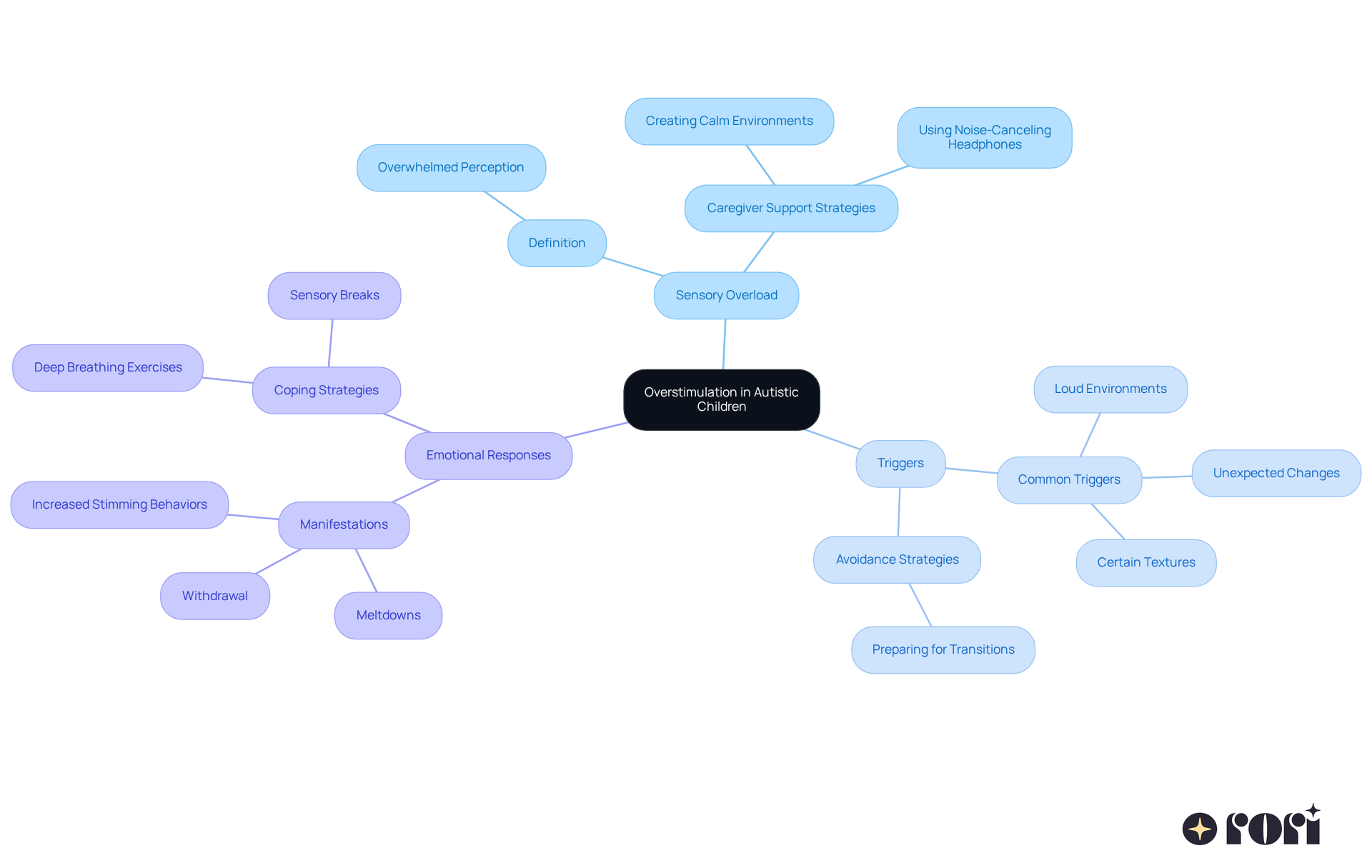
Have you ever noticed how certain sounds or lights can really set your child off? Overstimulation happens when an autistic individual’s perception system gets overwhelmed by too much sensory input, like loud noises, bright lights, or crowded places. This might make them feel anxious, irritable, or even lead to emotional outbursts. It’s so important to remember that each child has their own unique sensory sensitivities! For instance, while some kids might be super sensitive to sound, others could react strongly to visual stimuli. Acknowledging these personal differences helps caregivers tailor their approaches, using insights from Applied Behavior Analysis (ABA) principles.
Let’s take a closer look at overstimulation and how it affects our kids:
- Sensory Overload: This happens when the brain receives more sensory information than it can handle, leading to feelings of being overwhelmed. Active support from caregivers in recognizing these signs can lead to more effective interventions, including how to calm down an overstimulated autistic child by creating a calm environment or using noise-canceling headphones.
- Triggers: Common triggers include loud environments, unexpected changes, or even certain textures. Spotting these triggers can help avoid overstimulation, allowing parents to make informed choices that positively influence their child’s experience. For example, preparing your child for transitions can really help reduce anxiety.
- Emotional Responses: Overstimulation can show up in different ways, like meltdowns, withdrawal, or increased stimming behaviors. Getting to know these responses can really help you support your child better! The knowledge gained through caregiver education can boost your confidence in managing these situations. Implementing strategies like deep breathing exercises or sensory breaks can be super helpful for understanding how to calm down an overstimulated autistic child.
By understanding these triggers, you can create a more peaceful environment for your child, making a world of difference in their daily life.
Identify Signs of Overstimulation
Let’s talk about how we can recognize when our kids are feeling overstimulated and explore how to calm down an overstimulated autistic child. Here are some common indicators to keep an eye on:
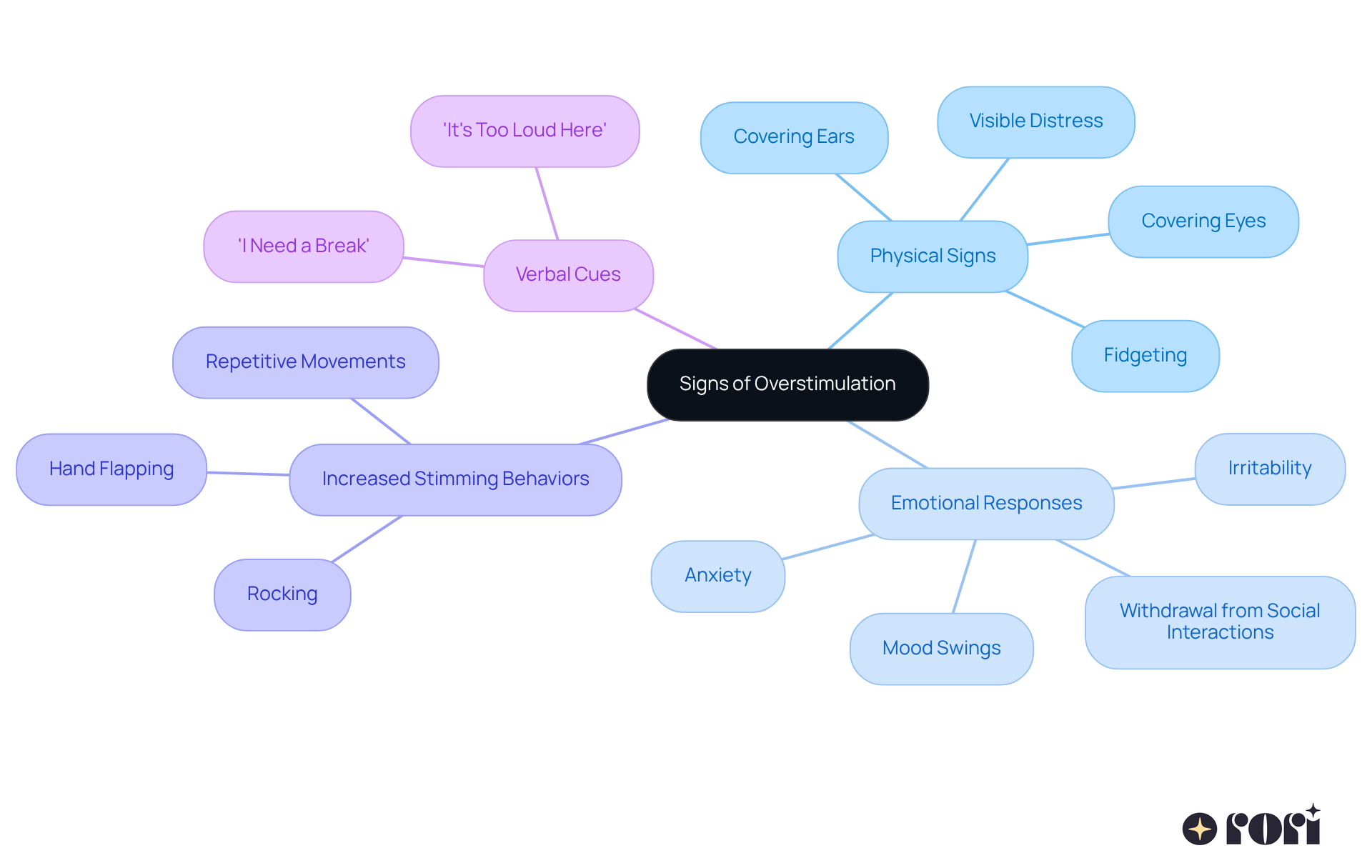
- Physical Signs: Look out for behaviors like covering their ears or eyes, fidgeting, or being extra restless. These actions often mean that your little one is feeling overwhelmed, highlighting the need to understand how to calm down an overstimulated autistic child. You might notice visible distress, like crying or trying to escape the situation.
- Emotional Responses: Kids might show irritability, anxiety, or sudden mood swings. They could withdraw from social interactions or even act out. Recognizing that emotional overload can manifest as freezing or hiding is crucial for caregivers, especially when learning how to calm down an overstimulated autistic child and paying attention to these shifts.
If you see increased stimming behaviors, like hand flapping, rocking, or repetitive movements, it could be a sign that they’re trying to self-soothe in response to overstimulation, which can inform how to calm down an overstimulated autistic child. These behaviors often help kids manage their sensory experiences.
- Verbal Cues: Sometimes, kids will express their discomfort verbally, saying things like 'I need a break' or 'It's too loud here.' Listening to these cues is key for timely intervention, as they give us insight into what our kids are feeling and needing.
By tuning into these signs, we can create a nurturing space where our kids feel safe to express themselves. Recognizing these indicators not only helps prevent meltdowns but also fosters a supportive atmosphere for our little ones.
Implement Calming Techniques
When kids feel overwhelmed, it can be tough for both them and their parents, but there are ways to help them understand how to calm down an overstimulated autistic child and find their calm again. Here are some effective strategies you can try:
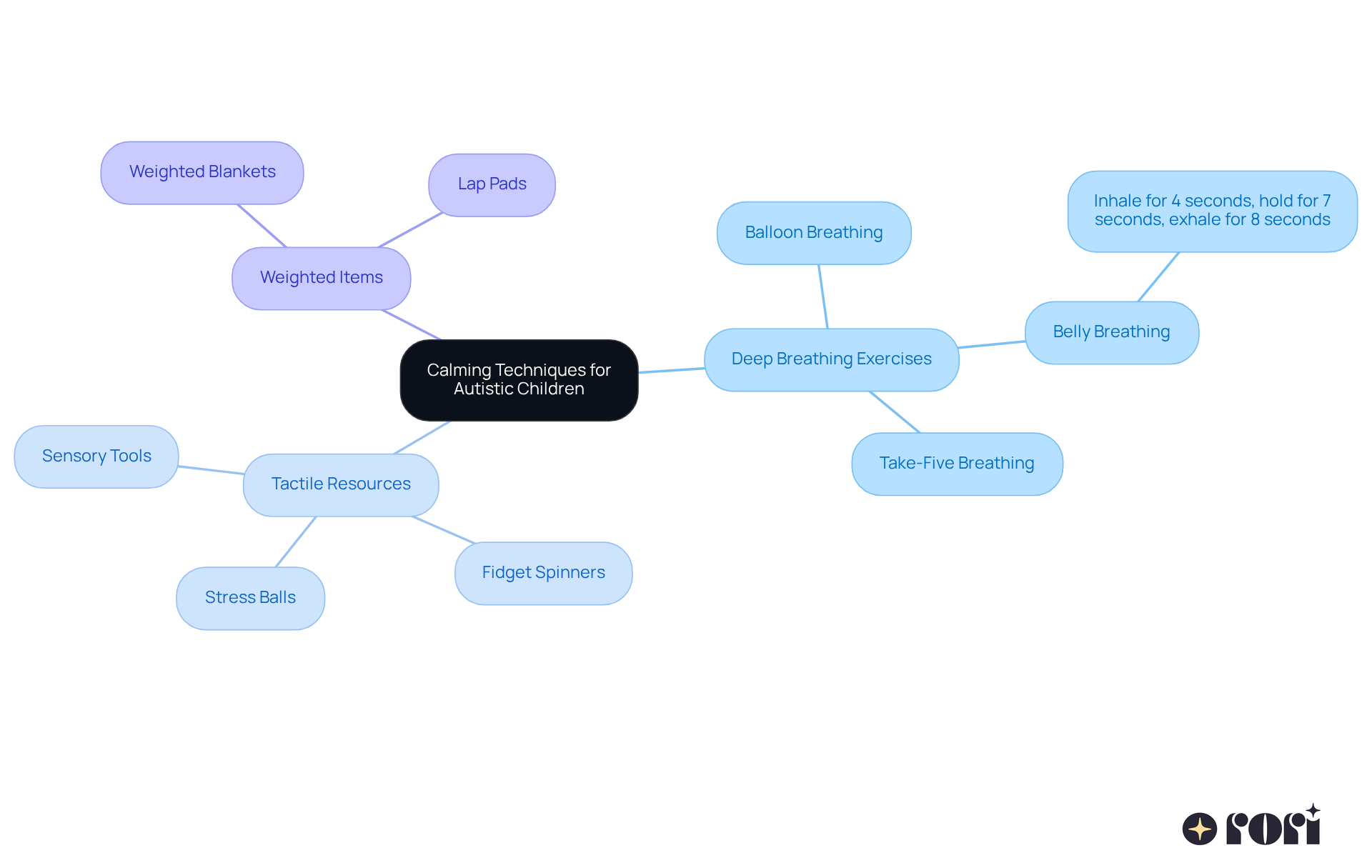
- Deep Breathing Exercises: Teach your child to take deep breaths, inhaling through the nose and exhaling through the mouth. This practice can really help reduce anxiety and promote relaxation. You might even try 'balloon breathing,' where they imagine inflating a balloon - it's a fun and engaging way to calm down!
- Tactile Resources: Offering tactile toys like stress balls or fidget spinners can be a game changer. These tools help redirect your child's attention and provide comfort. Research shows that sensory tools are effective in teaching how to calm down an overstimulated autistic child, making it easier for them to handle overwhelming situations.
- Weighted Items: You might find that using a weighted blanket or lap pad can really help
Create a Supportive Environment
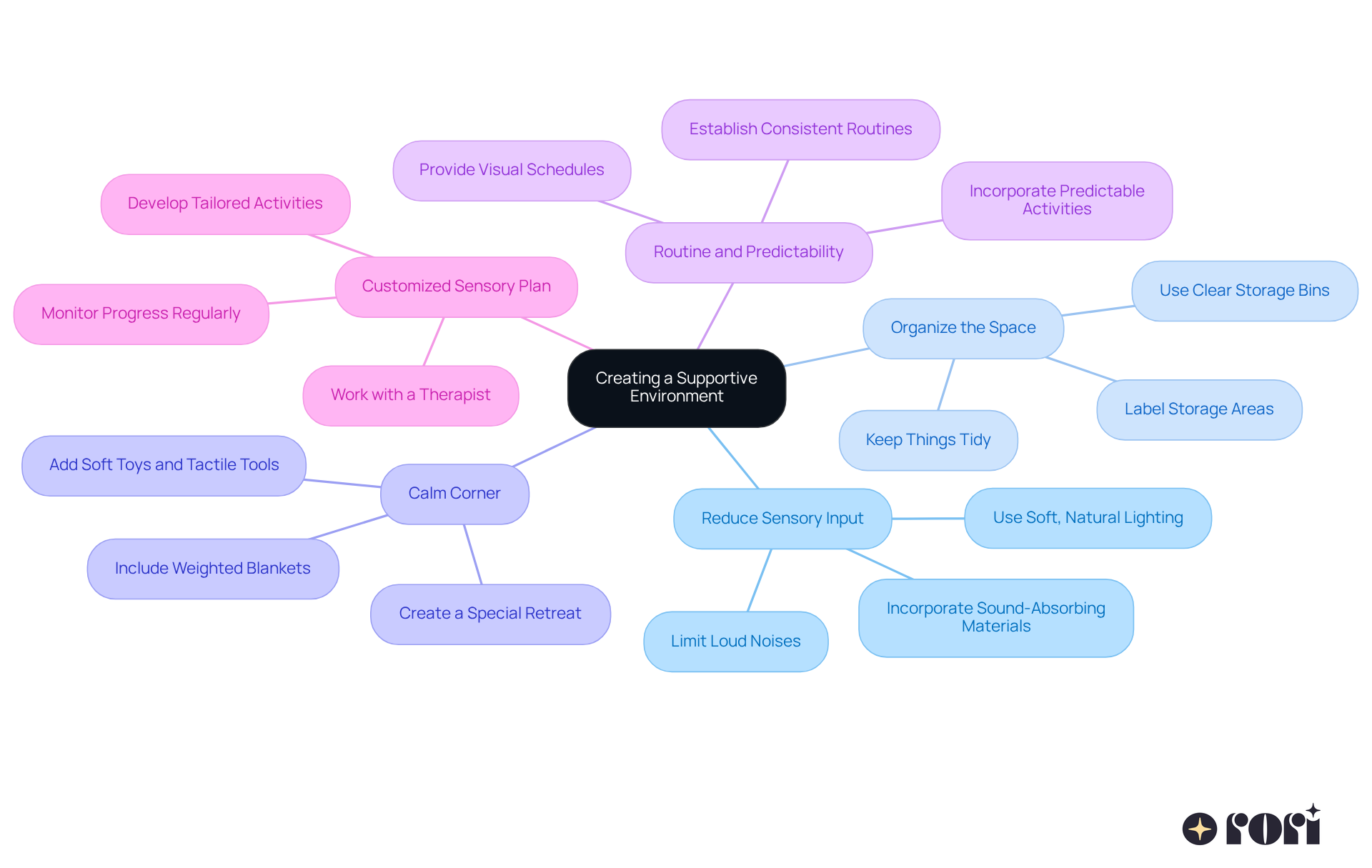
Creating a calming space for your child with autism is essential when learning how to calm down an overstimulated autistic child, and while it may feel like a daunting task, it’s one of the best gifts you can give them. Here are some effective strategies to help you establish that soothing environment:
- Reduce Sensory Input: Did you know that about 3% of kids show heightened sensory traits that can get more intense as they grow? That’s why it’s so important to manage sensory input! Try to limit exposure to loud noises and bright lights. Soft, natural lighting and sound-absorbing materials like carpets and curtains can really help create a quieter atmosphere.
- Organize the Space: Keeping things tidy and organized can make a big difference. Visual clutter can be overwhelming, so using clear storage bins and labels can help your child understand where things belong.
- Calm Corner: How about setting up a 'calm corner' in your home? This is a special spot where your little one can retreat to relax. Fill it with comforting items like weighted blankets, soft toys, and tactile tools. Naoki Higashida beautifully reminds us, 'Autism is not a disease. Don’t try to cure us. Try to understand us.' It’s a call for empathy and support that we can all embrace!
- Routine and Predictability: Establishing consistent routines can provide a sense of stability for your child. Predictable routines can help them feel more secure and less anxious, which is important when learning how to calm down an overstimulated autistic child. Early intensive behavioral intervention (EIBI) approaches are essential, as studies show they can really help kids manage their experiences successfully.
- Customized Sensory Plan: Working with a therapist at Rori Care can help you create a tailored approach designed for your child’s unique needs. This plan should include activities that help them manage sensory input throughout the day. Research shows that when suggested hours of ABA therapy are fully executed with active involvement from parents, 90% of kids make significant progress!
By proactively establishing a nurturing atmosphere, you’re not just helping your child; you’re also nurturing your own peace of mind as a parent. Let’s explore this together!
Assess and Adjust Strategies
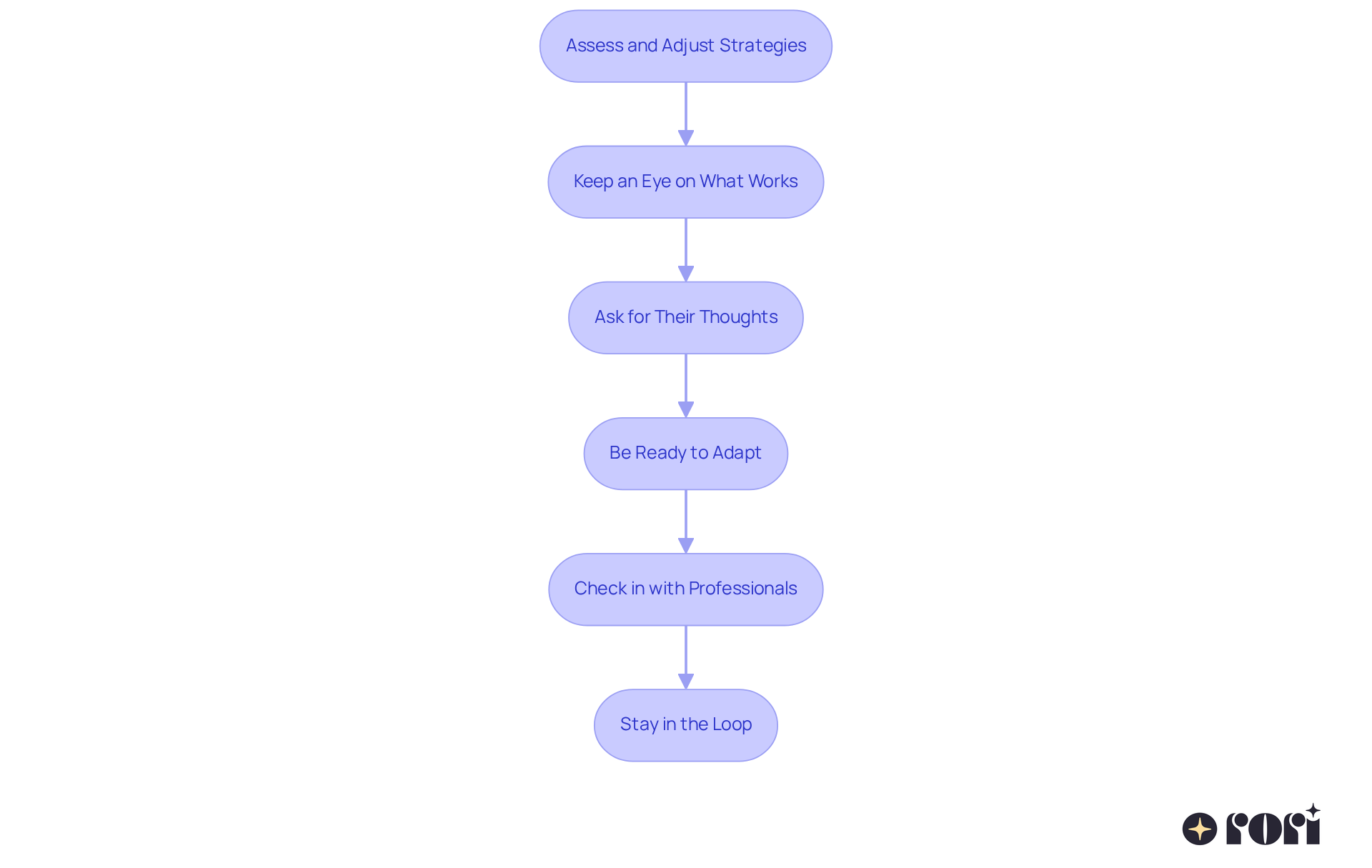
Navigating the world of calming techniques can feel overwhelming for many parents. To ensure these strategies work effectively, it’s important to regularly assess and adjust your approach. Here are some friendly steps to consider:
- Keep an eye on what works: Notice which calming techniques really help your child in different situations. Keeping a simple journal or chart can assist in recording their responses, making it easier to adjust as needed.
- Ask for their thoughts: If your child can share, encourage them to tell you what calming techniques they like best. Their insights can be invaluable in figuring out what truly helps them feel at ease.
- Be ready to adapt: As your little one grows, their sensory needs may change. Stay flexible and be open to modifying existing strategies or trying out new techniques that fit their current state.
- It’s always a good idea to check in with professionals who can guide you: Regular chats with therapists or specialists can help ensure your strategies align with your child’s developmental goals. This collaboration can enhance the effectiveness of your efforts.
- Stay in the loop: Check out new ideas and techniques in autism care to keep your approach fresh. Engaging with resources like workshops, articles, and support groups can provide you with valuable insights.
By consistently evaluating and modifying your strategies, you’re not just helping your child; you’re also creating a nurturing environment for growth. Research shows that individuals on the autism spectrum often experience heightened anxiety levels, making it essential to know how to calm down an overstimulated autistic child by tailoring calming strategies to their unique needs. Feedback from autistic children regarding calming techniques has shown that personalized approaches significantly improve their emotional regulation and overall well-being. So, let’s explore this together and make a positive impact!
Conclusion
It can be tough to see your child overwhelmed by the world around them. Understanding and managing overstimulation in autistic children is so important for their emotional well-being. When you notice what makes your child tick, you can really help them feel more at ease.
The article shares some key steps to help calm an overstimulated child:
- Look for signs of overstimulation
- Try calming techniques like deep breathing or using tactile resources
- Create a nurturing environment
Remember, it’s all about adjusting your approach as your child grows and changes.
Creating a calm space doesn’t just help your child; it gives you a little peace of mind too! By actively engaging in these practices, you can make a real difference in your child’s emotional regulation and overall quality of life. Embracing this approach can lead to a more harmonious home, where both you and your child can thrive together. Let’s explore this journey together!
Frequently Asked Questions
What is overstimulation in autistic children?
Overstimulation occurs when an autistic individual's perception system becomes overwhelmed by excessive sensory input, such as loud noises, bright lights, or crowded places, leading to feelings of anxiety, irritability, or emotional outbursts.
What are common triggers for overstimulation?
Common triggers include loud environments, unexpected changes, and certain textures. Recognizing these triggers can help avoid overstimulation and allow caregivers to make informed choices to improve their child's experience.
How can caregivers recognize signs of overstimulation?
Caregivers can look for physical signs like covering ears or eyes, fidgeting, or being restless. Emotional responses may include irritability, anxiety, or mood swings. Increased stimming behaviors and verbal cues, such as expressing the need for a break, are also indicators.
What emotional responses might indicate a child is overstimulated?
Emotional responses can manifest as irritability, anxiety, sudden mood swings, withdrawal from social interactions, or acting out. Recognizing these shifts is crucial for timely intervention.
How can caregivers help calm down an overstimulated autistic child?
Caregivers can create a calm environment, use noise-canceling headphones, implement deep breathing exercises, or provide sensory breaks to help the child manage overstimulation.
Why is it important to understand individual sensory sensitivities in autistic children?
Each child has unique sensory sensitivities, and acknowledging these differences helps caregivers tailor their approaches, using insights from Applied Behavior Analysis (ABA) principles to better support their child's needs.
How can caregiver education help in managing overstimulation?
Educating caregivers about the signs and triggers of overstimulation can boost their confidence in managing these situations, leading to more effective interventions and a supportive atmosphere for the child.
List of Sources
- Identify Signs of Overstimulation
- Emotional overload in autism: Signs, triggers, and coping strategies according to expert (https://news.vt.edu/articles/2026/04/autism-awareness-month-emotional-overload.html)
- Overstimulation in autism: Telltale signs & how to calm down (https://rula.com/blog/autism-overstimulation)
- Overstimulation in Autism | Signs, Causes & Help – Kinfolk ABA (https://kinfolkaba.com/what-is-overstimulation)
- Overstimulation in Autism: Why it Happens & How to Respond (https://blueabatherapy.com/autism/overstimulation)
- Implement Calming Techniques
- 50 Inspiring Breathing Quotes (https://balancingelephants.com/50-breathing-quotes)
- Five Deep Breathing Exercises for Kids and Teens | Cedars-Sinai (https://cedars-sinai.org/stories-and-insights/healthy-living/five-deep-breathing-exercises-for-kids-and-teens)
- “Stop and just breathe for a minute”: perspectives of children on the Autism Spectrum and their caregivers on a Mindfulness Group - PMC (https://pmc.ncbi.nlm.nih.gov/articles/PMC10465386)
- (PDF) A better state-of-mind: deep breathing reduces state anxiety and enhances test performance through regulating test cognitions in children (https://researchgate.net/publication/308675588_A_better_state-of-mind_deep_breathing_reduces_state_anxiety_and_enhances_test_performance_through_regulating_test_cognitions_in_children)
- Sensory Tools for Autism - Comprehensive Guide & Product Info (https://attentiveautismcare.com/blog/sensory-tools-autism)
- Create a Supportive Environment
- 10 inspiring quotes from people with autism | Autism Speaks (https://autismspeaks.org/life-spectrum/autism-quotes)
- 80 Inspiring Quotes on Autism Awareness and Support - Empower ABA (https://empoweraba.com/80-inspiring-quotes-on-autism-awareness-and-support)
- Frontiers | Physiological and behavioral differences in sensory processing: a comparison of children with Autism Spectrum Disorder and Sensory Modulation Disorder (https://frontiersin.org/journals/integrative-neuroscience/articles/10.3389/neuro.07.029.2009/full)
- Study finds 3 percent of children have elevated sensory issues that seemingly worsen throughout early childhood, a pattern strongly linked to autism | USC Chan Division of Occupational Science and Occupational Therapy (https://chan.usc.edu/news/latest/study-finds-3-percent-of-children-have-elevated-sensory-issues-that-seemingly-worsen-throughout-early-childhood-a-pattern-strongly-linked-to-autism)
- Implication of the Sensory Environment in Children with Autism Spectrum Disorder: Perspectives from School (https://mdpi.com/1660-4601/18/14/7670)
- Assess and Adjust Strategies
- Building the next generation of autism advocates | Autism Speaks (https://autismspeaks.org/news/building-next-generation-autism-advocates)
- “Stop and just breathe for a minute”: perspectives of children on the Autism Spectrum and their caregivers on a Mindfulness Group - PMC (https://pmc.ncbi.nlm.nih.gov/articles/PMC10465386)
- Psychiatrist-Approved Quotes About Stress That Inspire Rest, Reflection, and Resilience (https://stayhealthymed.com/blog/quotes-about-stress)
- Famous Quotes on Stress and Well-Being - Center for the Advancement of Well-Being (https://wellbeing.gmu.edu/famous-quotes-on-stress-and-well-being)