Introduction
Navigating the complexities of autism care can feel overwhelming for parents trying to find the right academic intervention specialist for their child. But don’t worry! This guide is here to help you with five essential steps that empower you to make informed decisions tailored to your child's unique needs and goals.
With so many options out there, how do you choose a specialist who not only has the right qualifications but also aligns with your family's values? 🤔 Exploring these important considerations can lead to a more effective and supportive intervention experience. Let’s dive in together!
Assess Your Child's Unique Needs and Goals
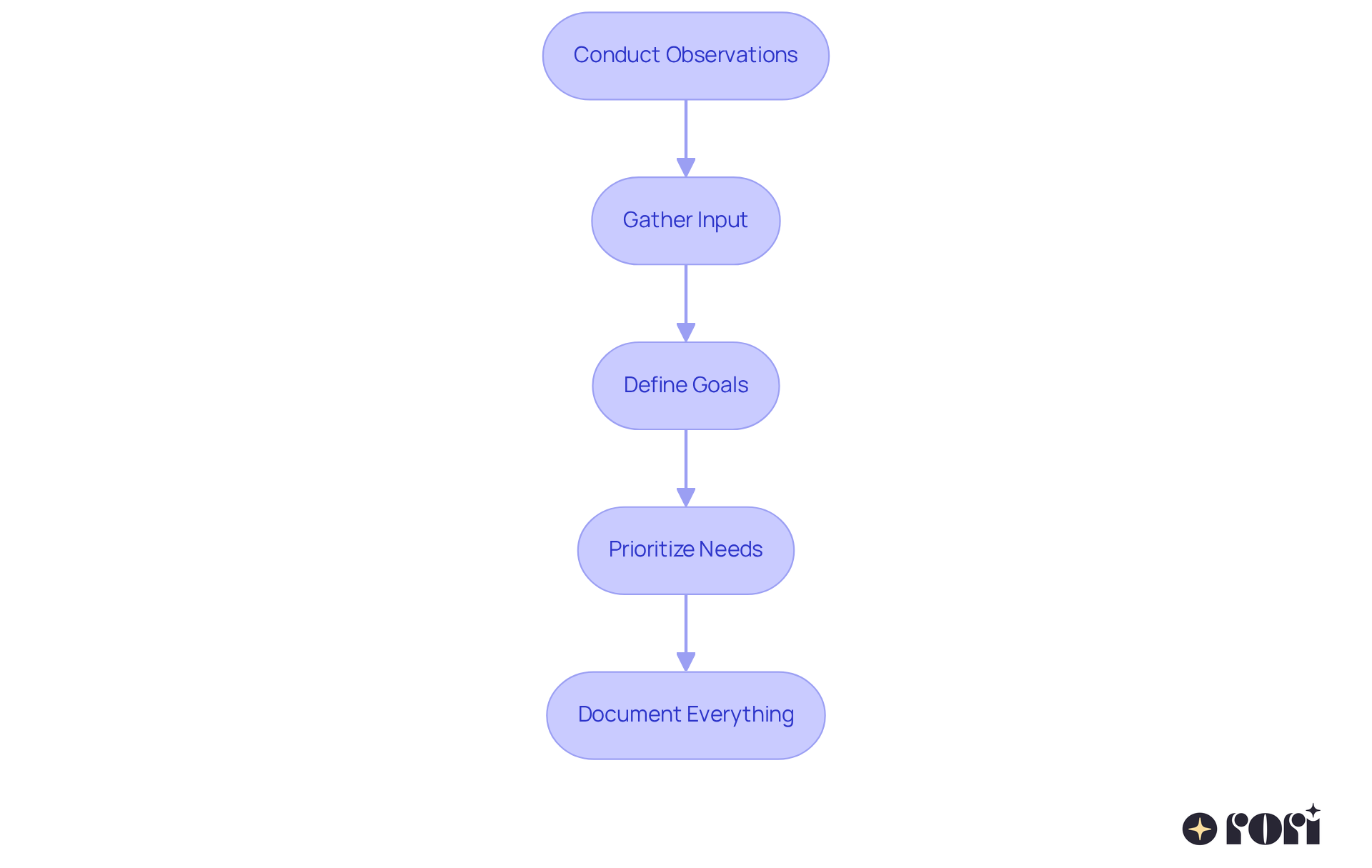
Supporting your child with autism can feel like a journey filled with unique challenges and joys. To help you navigate this path, let’s explore five steps that can guide you along the way:
- Conduct Observations: Take some time to watch your child in different settings, like at home or school. Notice how they interact with others, their learning styles, and any challenges they face. This firsthand insight is truly invaluable and can help you understand their world better.
- Gather Input: Don’t hesitate to chat with teachers, therapists, and caregivers who spend time with your child. Their insights can paint a fuller picture of your child’s needs and highlight areas where they might need a little extra support.
- Define Goals: After gathering your observations and feedback, it’s time to set some for your child. Think about what skills you’d like to focus on - maybe it’s enhancing , , or developing specific academic abilities. Research shows that kids who start can see significant improvements, including a compared to those who start later. That’s pretty encouraging, right?
- Prioritize Needs: Once you have your goals, rank them in order of importance. This will help you focus your discussions with experts and ensure that the most pressing needs are addressed first. It’s all about making the best use of your time and resources!
- Document Everything: Keep a , the input you’ve gathered, and the goals you’ve set. This documentation will be super helpful when you’re discussing your child’s needs with professionals, ensuring you communicate a thorough understanding of their situation.
By following these steps, you can create a tailored approach to your child’s intervention with the help of an for . Remember, you’re not alone in this journey - let’s explore this together and set the stage for effective academic and social support!
Evaluate Qualifications and Experience of Specialists
When you're on the lookout for , there are a few important things to keep in mind:
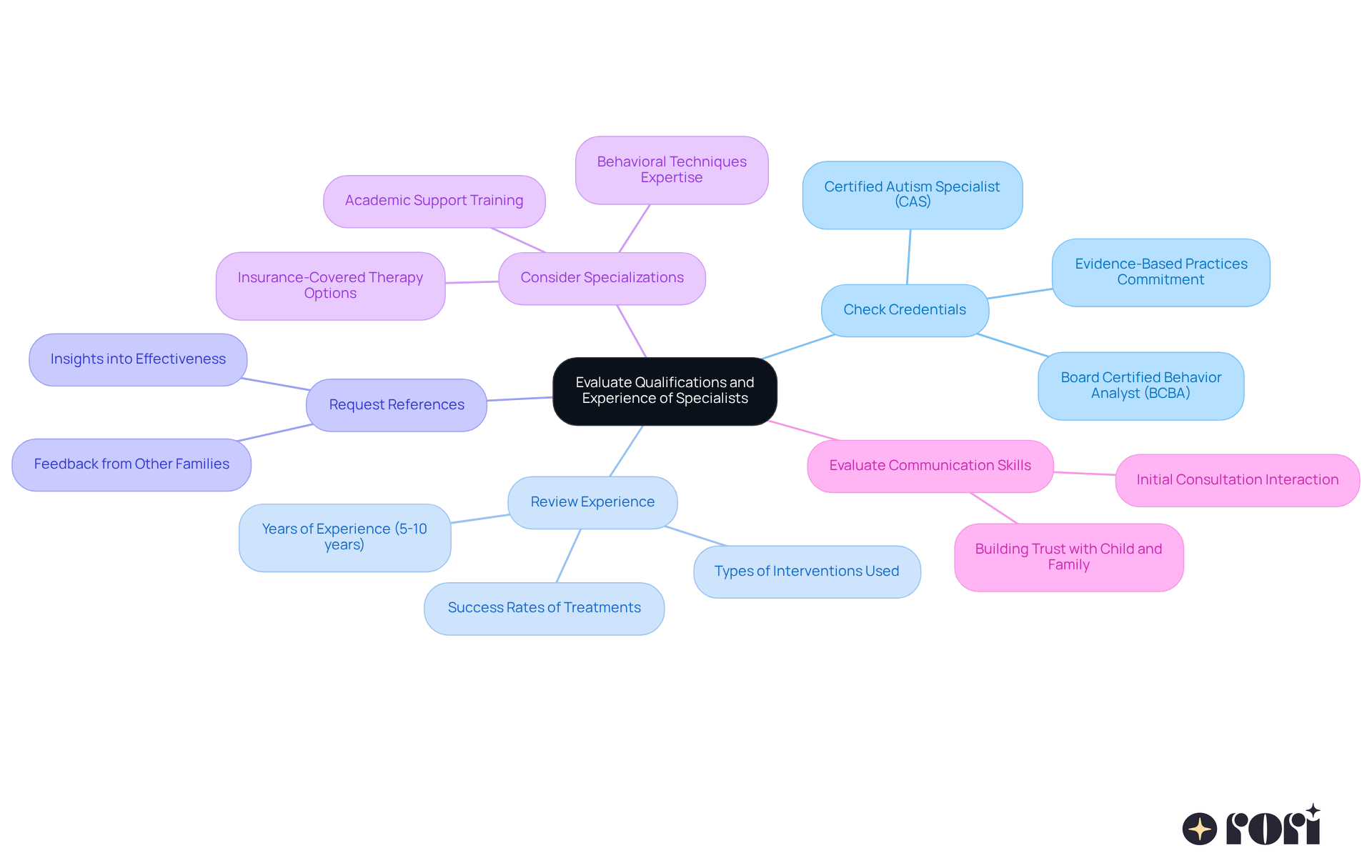
- Check Credentials: It’s a good idea to look for certifications like or Certified Autism Specialist (CAS). These credentials show that the professional has a solid grasp of autism care and is committed to using . Many BCBAs emphasize that having the right credentials is key for , reflecting a dedication to professional standards and ongoing learning.
- Review Experience: Ask about the specialist's experience with children who have similar needs to your child. Typically, ABA therapists have around 5 to 10 years of experience, which can really make a difference in how effective the treatments are. Don’t hesitate to ask about the types of interventions they’ve used and their success rates. Did you know that the demand for certified ABA therapists has skyrocketed, with a ? This highlights just how important it is to choose qualified professionals.
- Request References: Reach out to other families who have worked with the expert. Their experiences can provide valuable insights into how effective the specialist is and whether their methods might be a good fit for your child.
- Consider specializations, as some for might have extra training in areas like academic support or specific behavioral techniques. Make sure their expertise aligns with what you need, as can lead to better outcomes. Also, check if they offer . Rori Care, for instance, helps families navigate payment options that can cover up to 100% of ABA treatment, making it more accessible.
- Evaluate Communication Skills: A great specialist should communicate well with both you and your child. Schedule an initial consultation to see how they interact, as and ensuring collaborative care. At Rori Care, our clinical leadership team is made up of highly qualified professionals with extensive experience in autism care. They’re dedicated to neurodiversity and the success of youth, empowering caregivers with ABA principles and strategies to support their children’s behavioral goals through active involvement and data collection.
By focusing on these key areas, you can make a well-informed choice when selecting an autism care specialist for . This will ultimately help your child thrive academically and socially. Let’s explore this together!
Finding the right can feel overwhelming, but you’re not alone in this journey! Here’s a friendly guide to help you navigate the process:
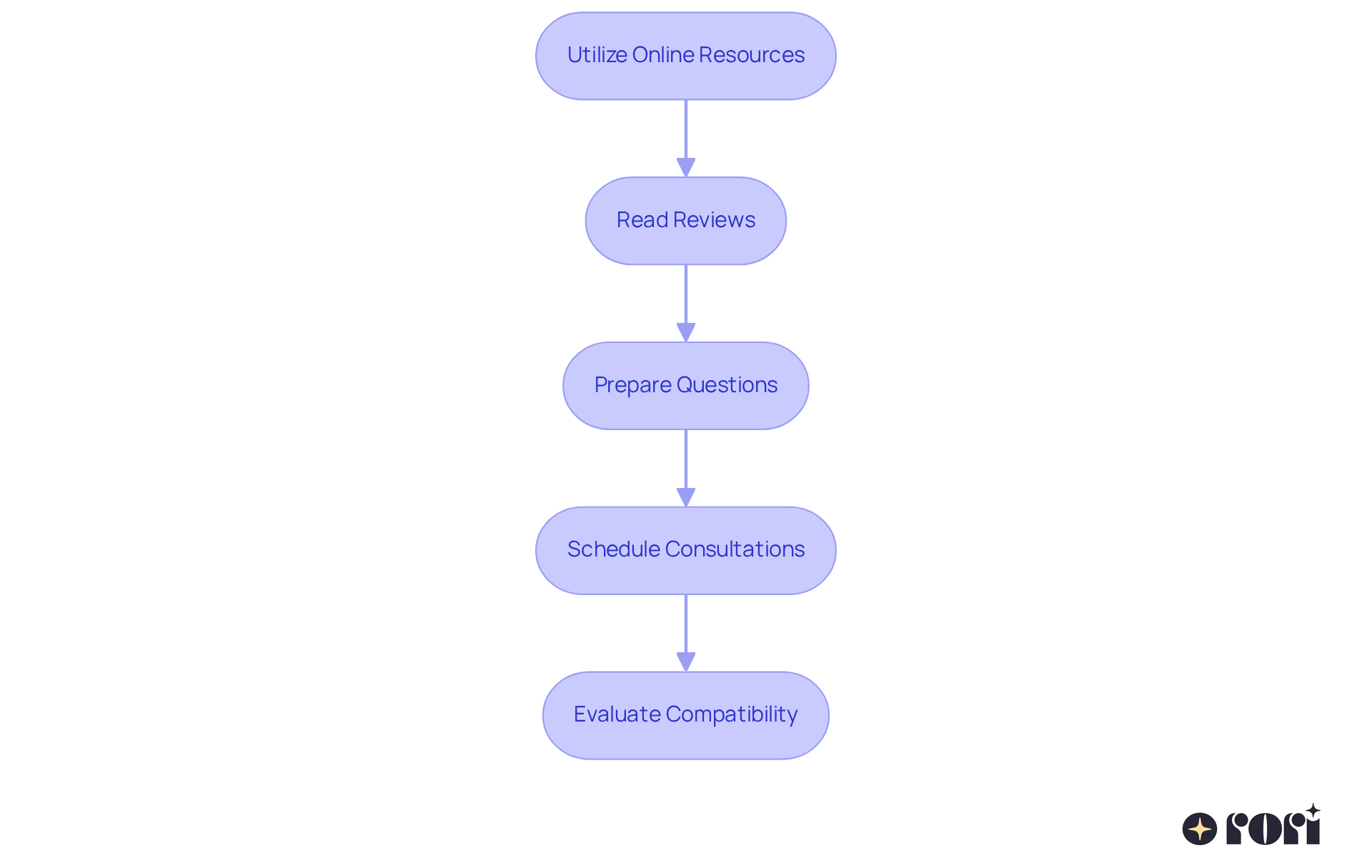
- Utilize Online Resources: Start by checking out like Autism Speaks and local . These platforms often have extensive listings of qualified professionals nearby, giving you reliable options. Remember, an is essential, as is recognized as an . At Rori Care, our is passionate about neurodiversity and dedicated to the success of young individuals, ensuring our experts are ready to meet your child’s needs.
- Read Reviews: Take some time to look at reviews and testimonials from other parents. Online forums and social media groups can be goldmines for insights into the experiences of families who’ve worked with specific experts. Pay attention to feedback about effectiveness and communication. Research shows that many kids see with , so it’s important to choose a professional with a proven track record. At Rori Care, our certified experts, recognized as autism care specialists for academic intervention, have passed the board exam, showcasing their expertise and readiness to provide quality care.
- Prepare Questions: Before reaching out, jot down a list of questions that reflect your child’s unique needs. Ask about their therapeutic approach, relevant experience, and how they measure progress. This prep work will help you gauge their fit for your family and ensure they share your values. Also, don’t forget to ask how they empower caregivers with ABA principles and strategies to support through active involvement and data collection.
- Schedule Consultations: Connect with potential experts to set up initial consultations. This is your chance to meet them in person, discuss your child’s specific needs, and see their treatment style firsthand. Building trust is essential for effective ABA therapy, so observe how comfortable your child feels with the autism care specialist for academic intervention. At Rori Care, we emphasize creating a supportive environment that nurtures your child’s growth.
- Evaluate Compatibility: During consultations, observe how well the specialist interacts with your child. Think about whether their philosophy aligns with your family’s values and if they foster a supportive atmosphere for your child’s development. Compatibility is crucial for effective therapy outcomes, especially given the significant for academic intervention, which can reach around $60,000 throughout childhood. Finding the right expert can profoundly impact your child’s growth, and at Rori Care, we’re committed to enhancing support, informed decision-making, and better behavioral outcomes for families.
Let’s explore this together! We’re here to help you every step of the way!
Assess Intervention Strategies and Philosophies
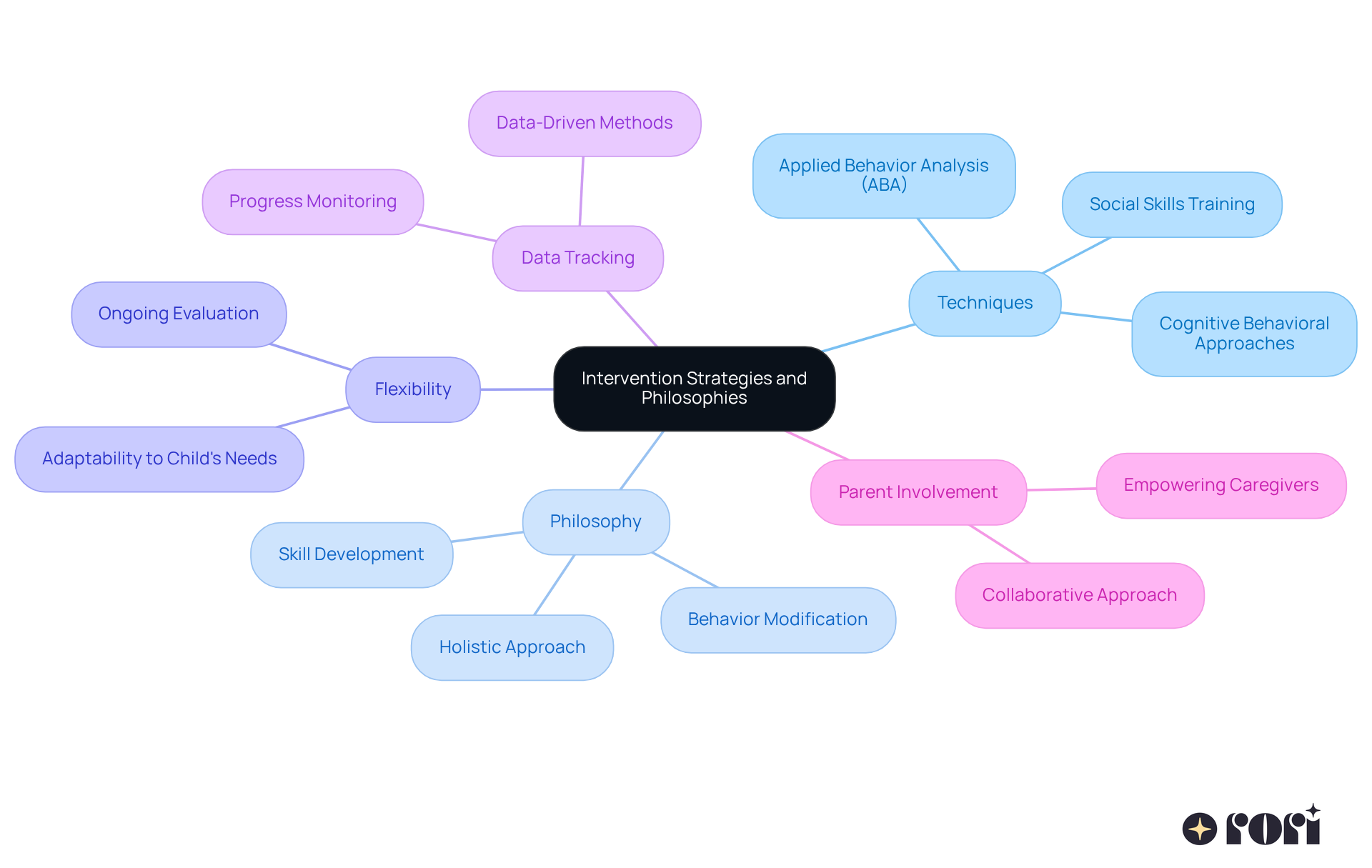
Understanding the strategies and philosophies of potential experts is key to making an informed decision. Let’s dive into some important points:
- Inquire About Techniques: It’s always a good idea to ask specialists about the specific techniques they use in their work. For instance, is often seen as the gold standard for autism treatment. Other methods like social skills training and cognitive behavioral approaches can also be effective. Research shows that participating in about 40 hours of ABA therapy each week can lead to . In fact, over 89% of studies report notable progress in kids undergoing ABA therapy!
- Understand Their Philosophy: Have a chat with the specialist about their overall philosophy regarding autism care. Do they focus on behavior modification, skill development, or take a more holistic approach? A philosophy that emphasizes the importance of an is crucial for achieving meaningful outcomes, as every child has unique needs. At Rori Care, we’re all about creating that align with each child’s strengths and challenges. As one expert beautifully put it, "The ultimate goal is -and that can look different for each family."
- Evaluate Flexibility: It’s important to see how adaptable the expert is in adjusting their methods to fit your child’s changing needs. A skilled professional should be open to modifying their approach based on your child’s progress, ensuring that the therapy remains relevant and beneficial. At Rori Care, we believe in , allowing us to continuously optimize outcomes based on real-time data.
- Ask About Data Tracking: Don’t hesitate to ask how the specialist tracks progress and adjusts strategies. are essential because they provide insights into your child’s development and the effectiveness of the strategies being used. Effective data collection helps tailor strategies to individual needs, enhancing overall outcomes. At Rori Care, our behavior care engine updates support plans after each session based on progress made, ensuring that strategies stay aligned with your child’s goals.
- Discuss Parent Involvement: Finally, it’s vital to understand how the specialist involves parents in the intervention process. A and ensure consistency at home. Studies show that when parents are actively involved in autism therapy, outcomes improve. Families who engage in the process can reinforce the skills learned during sessions. At Rori Care, we focus on , equipping them to serve as an and creating a supportive environment for skill reinforcement.
Let’s explore this together! Your journey in is important, and we’re here to help you every step of the way!
Involve Parents in the Decision-Making Process
Engaging parents in the decision-making process is essential for the role of an for academic intervention. Let’s explore how to make sure parents are actively involved:
- Encourage Open Communication: Create a welcoming space where parents feel at ease sharing their thoughts and concerns. Regular chats with experts can help tackle any issues quickly, building trust and cooperation. This not only eases stress but also .
- Share Insights: Parents have . This firsthand information is priceless for experts, allowing them to tailor interventions that meet the child’s unique needs. Plus, it empowers parents in their role.
- : Encourage parents to join discussions and consultations with experts. Their involvement ensures that their perspectives are woven into the decision-making process, thereby enhancing the effectiveness of the .
- : Work hand-in-hand with the expert to set realistic and achievable objectives for the child. This collaborative approach not only aligns expectations but also boosts commitment to the strategy, leading to better outcomes.
- Provide Feedback: Empower parents to share their thoughts on the specialist's methods and the effectiveness of interventions. This is crucial for ongoing improvement in care, ensuring that strategies adapt to the child’s evolving needs. Incorporating positive affirmations into this feedback can create a more supportive environment for both parents and children.
Research shows that 90% of individuals show progress with recommended hours of . This highlights just how vital is, along with the empowerment that comes from caregiver education. We’re here to help you every step of the way!

Conclusion
Choosing the right autism care specialist for academic intervention is such an important step in ensuring that your child gets the tailored support they truly need. By following a few simple steps, you can assess your child’s unique needs, connect with qualified professionals, and create a collaborative environment that really fosters growth and development.
It’s all about understanding your child’s individual requirements. Evaluating specialists' qualifications and actively involving parents in the decision-making process is key. Each step - from observing your child to documenting everything - plays a significant role in paving the way for successful interventions. By prioritizing the right goals and engaging with experienced specialists, you can enhance your child's academic and social outcomes.
Ultimately, finding the right autism care specialist is a partnership between you and the professionals. By taking proactive steps and fostering open communication, you can empower both yourself and your child, leading to meaningful progress. This collaboration is so vital; it lays the foundation for a supportive and effective intervention that honors the unique strengths and challenges of each child.
Let’s explore this journey together! Your involvement makes all the difference, and we’re here to help you every step of the way!
Frequently Asked Questions
What initial steps should I take to support my child with autism?
Start by conducting observations of your child in various settings to understand their interactions, learning styles, and challenges. Gather input from teachers, therapists, and caregivers to gain a fuller picture of your child's needs.
How can I define goals for my child?
After gathering observations and feedback, set clear and achievable goals focusing on skills like social interaction, communication, or academic abilities. Early intervention before age three can lead to significant improvements.
Why is it important to prioritize my child's needs?
Prioritizing your child's needs helps you focus discussions with experts on the most pressing issues first, ensuring effective use of time and resources.
What should I document regarding my child's needs?
Keep a detailed record of your observations, gathered input, and set goals. This documentation will be helpful when discussing your child's needs with professionals.
What qualifications should I look for in autism care specialists?
Look for certifications such as Board Certified Behavior Analyst (BCBA) or Certified Autism Specialist (CAS), indicating a solid understanding of autism care and commitment to evidence-based practices.
How important is the experience of autism care specialists?
The specialist's experience with children who have similar needs is crucial. Typically, ABA therapists have 5 to 10 years of experience, which can significantly impact treatment effectiveness.
Should I request references when choosing a specialist?
Yes, reaching out to other families who have worked with the specialist can provide valuable insights into their effectiveness and whether their methods are a good fit for your child.
What should I consider regarding the specializations of autism care specialists?
Consider whether the specialist has additional training in areas like academic support or specific behavioral techniques. Their expertise should align with your child's needs for better outcomes.
How can I evaluate the communication skills of a specialist?
Schedule an initial consultation to observe how the specialist interacts with both you and your child. Strong communication is essential for building trust and ensuring collaborative care.
What resources can help make autism treatment more accessible?
Some specialists, like Rori Care, help families navigate payment options that can cover up to 100% of ABA treatment, making it more accessible.
List of Sources
- Assess Your Child's Unique Needs and Goals
- Success Rate of Early Intervention for Autism | Connect n Care (https://connectncareaba.com/blog/early-intervention-autism-success-rate-statistics)
- Data and Statistics on Autism Spectrum Disorder (https://cdc.gov/autism/data-research)
- 20 Inspiring Quotes About Autism Every Parent Must Read Today (https://circlecareservices.com/20-quotes-about-autism-and-parenting)
- 10 inspiring quotes from people with autism | Autism Speaks (https://autismspeaks.org/life-spectrum/autism-quotes)
- ‘Autism Epidemic Runs Rampant,’ New Data Shows 1 in 31 Children Afflicted (https://hhs.gov/press-room/autism-epidemic-runs-rampant-new-data-shows-grants.html)
- Evaluate Qualifications and Experience of Specialists
- 10 Inspiring Autism Awareness Quotes to Foster Understanding – Rori Blog (https://rori.care/post/10-inspiring-autism-awareness-quotes-to-foster-understanding)
- 107 Favorite Quotes About Autism and Aspergers (https://the-art-of-autism.com/favorite-quotes-about-autism-and-aspergers)
- supportivecareaba.com (https://supportivecareaba.com/statistics/autism-therapy-statistics)
- 28 ABA Therapist Demographics & Statistics (https://thetreetop.com/statistics/aba-therapist-demographics)
- Research and Contact Potential Autism Care Specialists
- ABA Therapist Statistics & Demographics (https://totalcareaba.com/statistics/aba-therapist-demographics)
- Voices of Strength and Understanding: Insights and Inspiration on Autism - apricott ABA (https://apricott.com/resources/autism-quotes)
- supportivecareaba.com (https://supportivecareaba.com/statistics/autism-therapy-statistics)
- Autism Therapy: Key Statistics (https://ambitionsaba.com/resources/autism-therapy-statistics)
- helloaba.com (https://helloaba.com/inspirational-autism-quotes)
- Assess Intervention Strategies and Philosophies
- 2026 Autism Statistics - Insights for Families and Advocates (https://prosperahealthcare.com/autism-statistics)
- blueabatherapy.com (https://blueabatherapy.com/aba/aba-therapy-success-rates)
- 10 Inspiring Autism Awareness Quotes to Foster Understanding – Rori Blog (https://rori.care/post/10-inspiring-autism-awareness-quotes-to-foster-understanding)
- supportivecareaba.com (https://supportivecareaba.com/statistics/autism-therapy-statistics)
- Success Rates of ABA Therapy | Advanced Autism Services (https://advancedautism.com/post/success-rates-of-aba-therapy)
- Involve Parents in the Decision-Making Process
- Best Autism Quotes to Raise Awareness and Understanding (https://yellowbusaba.com/post/autism-quotes)
- The Role of Parent Involvement in Autism Therapy Success | Advanced Autism Services (https://advancedautism.com/post/the-role-of-parent-involvement-in-autism-therapy-success)
- 20 Inspiring Quotes About Autism Every Parent Must Read Today (https://circlecareservices.com/20-quotes-about-autism-and-parenting)
- rori.care (https://rori.care/post/10-positive-proud-autism-quotes-to-inspire-and-empower-parents)
- Strength Autistic Mom Quotes: Words of Courage & Hope (https://levelaheadaba.com/blog/strength-autistic-mom-quotes)