For many kids, stepping into a busy mall or a bright restaurant can feel like stepping into a whirlwind. The loud sounds and bright lights can quickly become overwhelming, especially for those who are sensitive to sensory overload. Many parents worry about how their children will react in these busy places. This can lead to meltdowns or anxiety, making outings stressful for everyone.
Let’s dive into some practical tips that can turn these outings into enjoyable adventures for both you and your child! We’ll explore strategies for identifying triggers and creating a more enjoyable experience amidst the chaos. How can we make these outings smoother and more fun for our little ones? Let’s explore this together!
Have you ever noticed how certain sounds or lights can really throw your child off balance? To effectively handle excessive stimulation, it’s really important to explore tips for managing sensory overload in public places that might be bothering your child. There are various common triggers for sensory overload in public places, which can be addressed with tips for managing sensory overload in public places, including:
Keeping a sensory journal can really help you keep track of what’s going on over time. For instance, if your child feels overwhelmed in a busy shopping mall, jot down the specific sounds or sights that contributed to the overload. By following tips for managing sensory overload in public places, you can help make future outings a lot more comfortable for your child. Plus, talking about these triggers with your child can really help them express what they need, making it easier for them to navigate challenging environments.

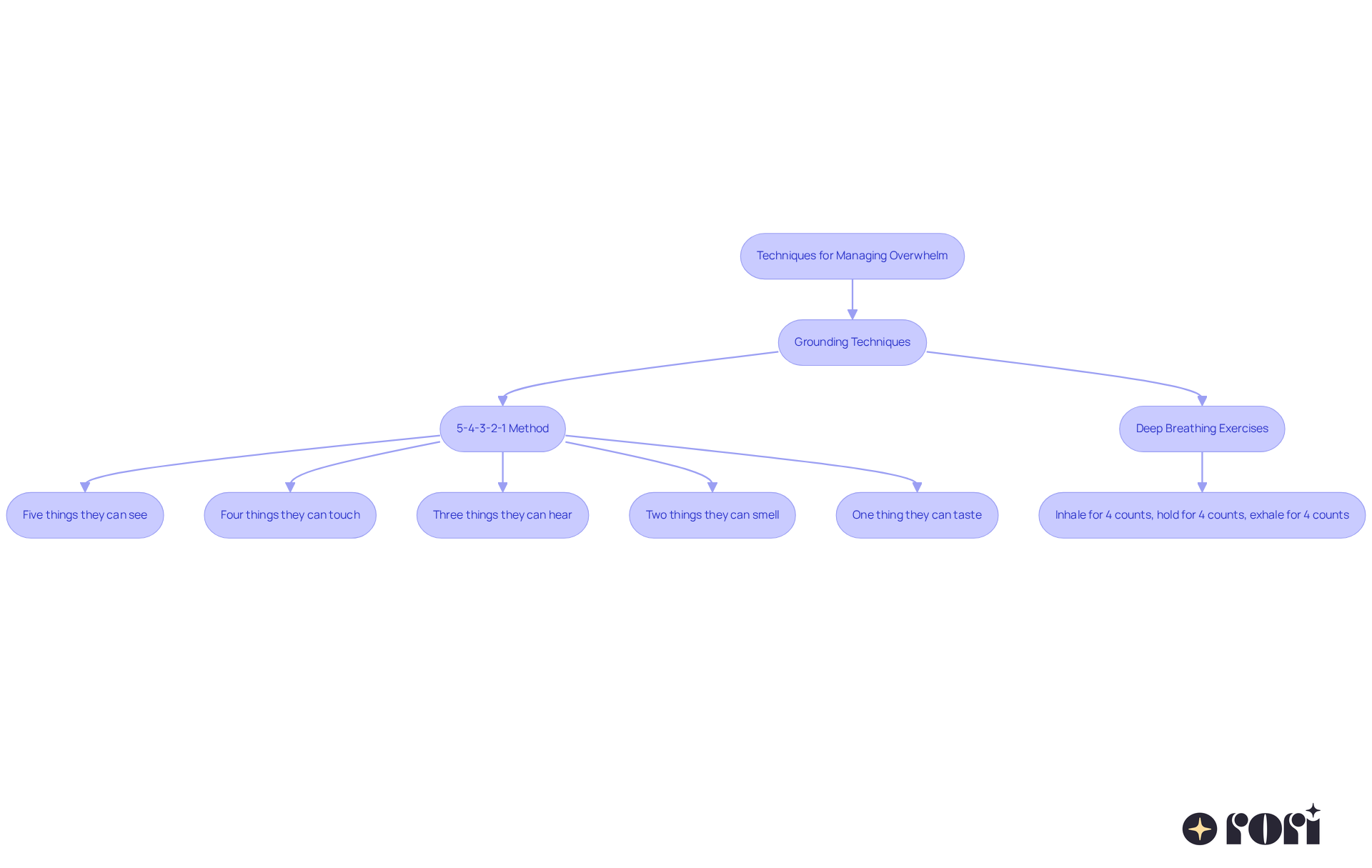
Have you ever felt the weight of your child’s anxiety in a bustling restaurant? Utilizing sensory tools can provide valuable tips for managing sensory overload in public places, especially for kids on the autism spectrum. Noise-canceling headphones are a game-changer! They cut down on all that distracting noise, making it easier for your little one to focus. Imagine your child wearing these headphones in a loud restaurant, tuning out the chaos and honing in on what matters. Kids wearing noise-canceling headphones often find it easier to focus and feel calmer in social settings.
But headphones aren’t the only tools in the toolbox. Tactile items like fidget toys and weighted blankets can provide comfort and help manage sensory input. It’s a great idea for families to have a 'go-bag' filled with their child’s favorite sensory items, ready for those unexpected moments. Encouraging your child to pick their preferred tools not only gives them a sense of ownership but also boosts their confidence in navigating tricky environments. And hey, don’t forget to think about how comfy and sturdy the headphones are - those features really matter!
By incorporating these strategies, you can create a nurturing environment that includes tips for managing sensory overload in public places to help your child tackle sensory challenges. Plus, educating yourself as a caregiver is key. It empowers you with the knowledge to choose the right tools for your child, leading to better behavior and a happier family dynamic. With the right tools, you can turn challenging moments into opportunities for connection and joy.
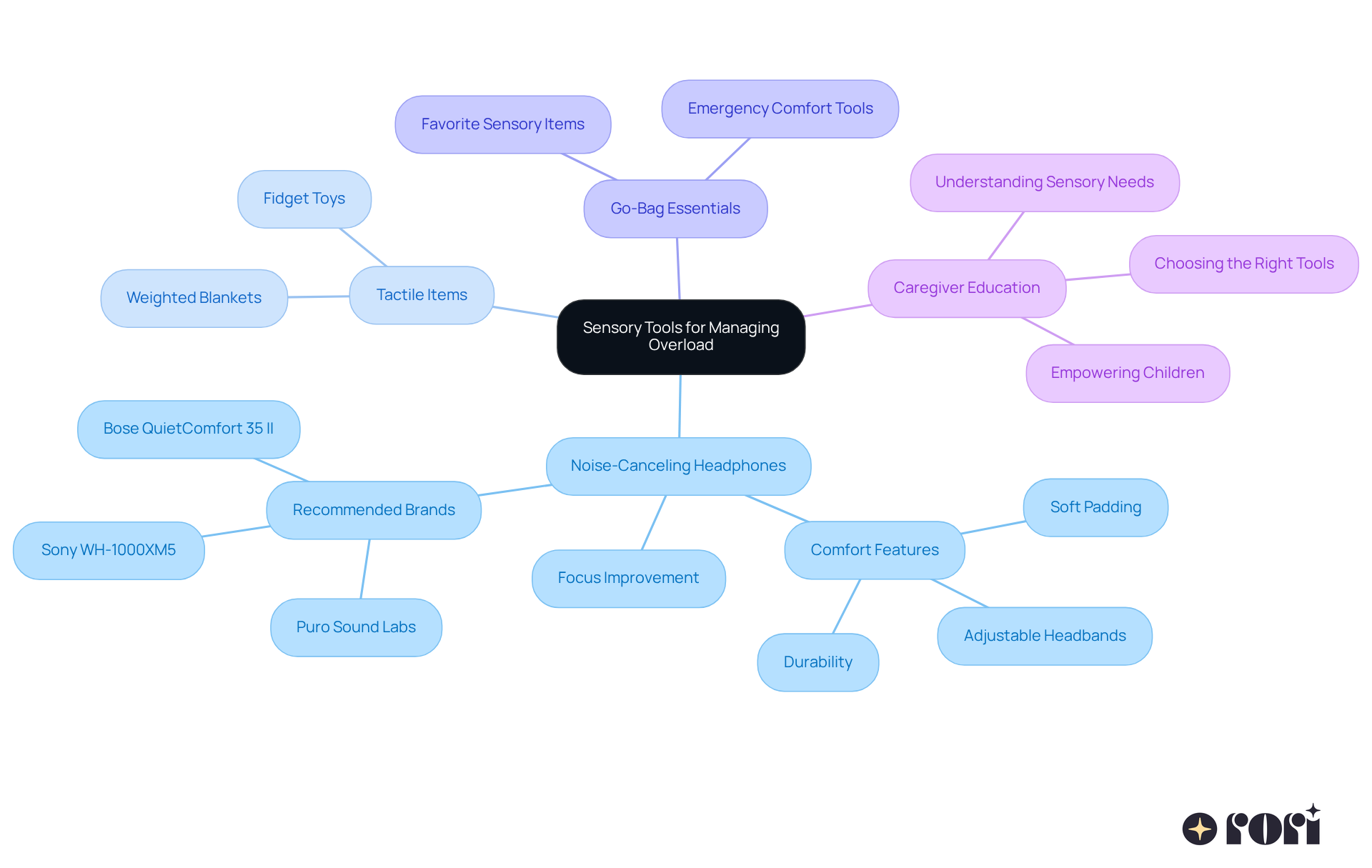
Outings can be a blast, but they can also be a bit much for our little ones, can’t they? Taking regular pauses during outings serves as one of the useful tips for managing sensory overload in public places. Identifying quiet spaces in advance, like a cozy corner in a mall or a shaded area in a park, can serve as helpful tips for managing sensory overload in public places. For example, if you’re visiting a theme park, applying tips for managing sensory overload in public places by planning to take breaks in less crowded zones can make a big difference.
Encourage your kids to speak up when they need a break. It’s perfectly okay to step away from overwhelming situations! Taking breaks can offer valuable tips for managing sensory overload in public places, helping kids learn to recognize when they need a moment to recharge and express that need.
We’re here to help your child build the skills they need to handle the world around them with confidence. Did you know that 90% of young individuals show significant progress when suggested hours of ABA therapy are actively supported by caregivers? By taking these small steps, we’re not just helping our kids; we’re also creating a more enjoyable experience for the whole family!
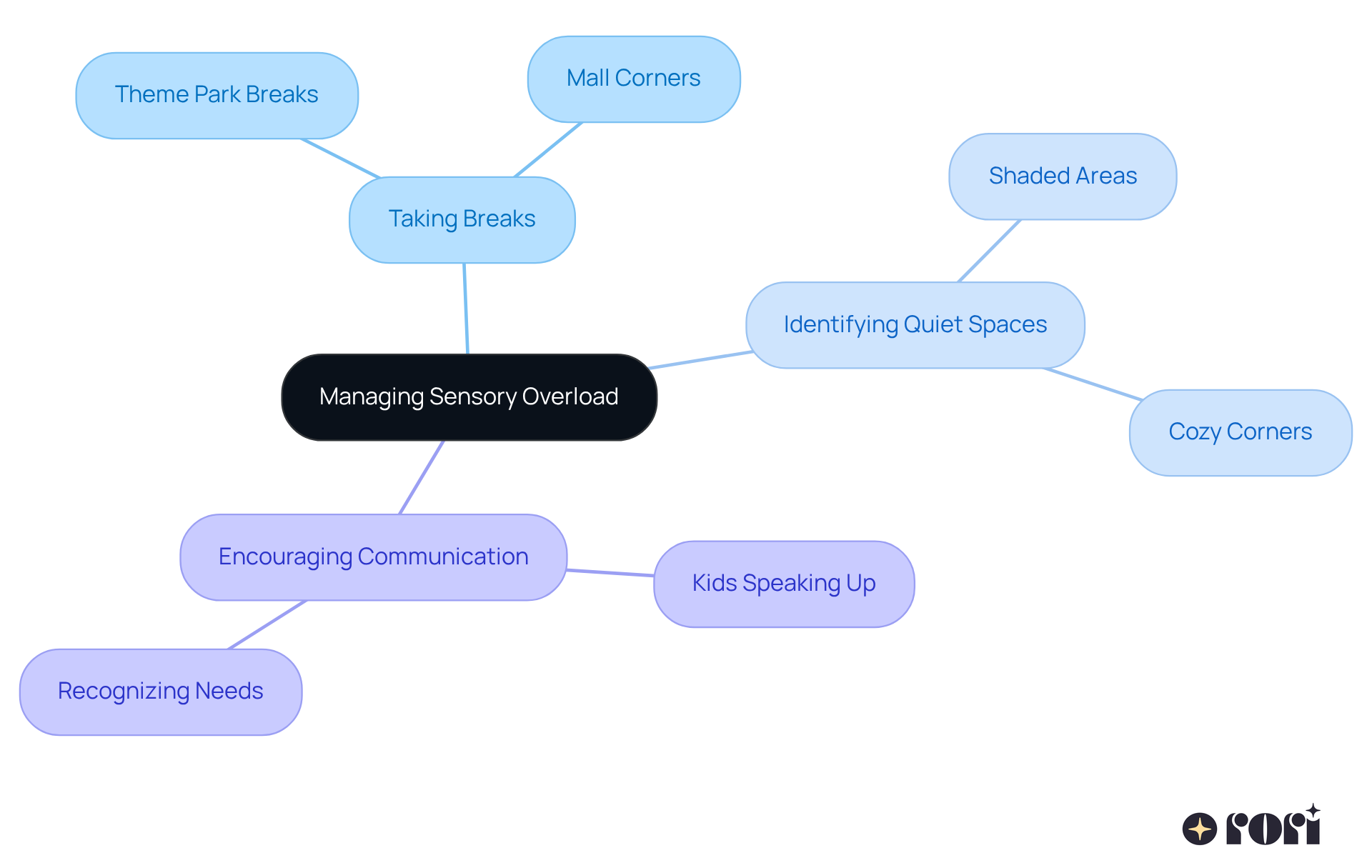
It can be tough to see our kids feeling overwhelmed, right? Teaching our kids some deep breathing and grounding techniques can really help when they’re feeling overwhelmed. One fun method is the '5-4-3-2-1' grounding technique. It encourages them to identify:
This practice helps shift their focus away from what’s bothering them.
And you know what? Deep breathing exercises can really help too! For instance, kids can inhale for four counts, hold for four counts, and then exhale for four counts. Stephanie Esser suggests that just five minutes of focused breathing each day can really help calm their nerves and boost their energy!
When kids practice these techniques regularly, they learn to handle overwhelming feelings better, which helps them feel more in control. Research shows that how a young person breathes can really affect their emotions, so it’s super important to make these practices part of their daily routine. Plus, studies have found that deep breathing can lower stress levels in kids, showing just how effective these techniques can be. By practicing these techniques together, you’re not just helping them cope; you’re empowering them for life!
To tackle those overwhelming moments during outings, you can use tips for managing sensory overload in public places, such as visiting during quieter times! Shopping early in the morning or on weekdays can serve as tips for managing sensory overload in public places, helping to reduce exposure to crowds that can be tough for little ones with heightened sensitivities. Did you know that many individuals with autism experience processing differences? That’s why finding the right settings can make all the difference!
When caregivers have the right tools and knowledge, like understanding ABA principles, they can really support their loved ones' goals! You can make your outings more enjoyable by following tips for managing sensory overload in public places, such as looking for sensory-friendly events that cater to your family's needs, like museums with designated quiet hours. These little adjustments can serve as effective tips for managing sensory overload in public places, providing a much-needed refuge from overwhelming stimuli.
Additionally, consider compiling a toolkit with items like noise-canceling headphones as tips for managing sensory overload in public places. Involving your children in planning activities during outings can help ease anxiety too. Why not create a list of your favorite calm spots and times? It can make outings so much more enjoyable!
With a little planning, outings can become enjoyable adventures for everyone, creating cherished memories along the way.

Let’s face it, taking kids to busy places can feel overwhelming, but it doesn’t have to be! When we get to know our kids’ sensory triggers and use some handy tools, we can make outings a lot easier and more fun!
Key insights include recognizing specific sensory triggers, like loud noises and bright lights, and using sensory tools such as noise-canceling headphones and fidget toys to help ease discomfort. Plus, taking regular breaks in quieter spots lets kids recharge, while practicing grounding techniques and deep breathing can empower them to manage their emotions effectively. Choosing less stimulating times to visit public places can also make for a more pleasant outing.
These tips not only help kids handle sensory overload but also boost their confidence and independence! When we embrace these strategies, every outing can turn into a joyful adventure, creating lasting memories together!
What are common sensory triggers that can cause overload in public places for children?
Common sensory triggers include loud noises, bright lights, strong smells, and crowded spaces.
How can keeping a sensory journal help in managing sensory overload?
A sensory journal helps track specific sounds or sights that contribute to a child's sensory overload, making it easier to identify triggers and improve future outings.
What are some effective sensory tools to alleviate sensory overload?
Effective sensory tools include noise-canceling headphones, fidget toys, and weighted blankets. These items can help children manage sensory input and feel more comfortable in overwhelming environments.
How do noise-canceling headphones benefit children in public settings?
Noise-canceling headphones reduce distracting noise, allowing children to focus better and feel calmer in social settings like restaurants.
Why is it important for families to have a 'go-bag' with sensory items?
A 'go-bag' filled with a child's favorite sensory items ensures that they have access to comfort tools during unexpected situations, helping them manage sensory challenges effectively.
How can involving children in choosing their sensory tools benefit them?
Allowing children to pick their preferred sensory tools gives them a sense of ownership and boosts their confidence in navigating difficult environments.
What role does caregiver education play in managing sensory overload?
Educating caregivers empowers them with knowledge to choose the right tools for their child, leading to better behavior and a happier family dynamic.