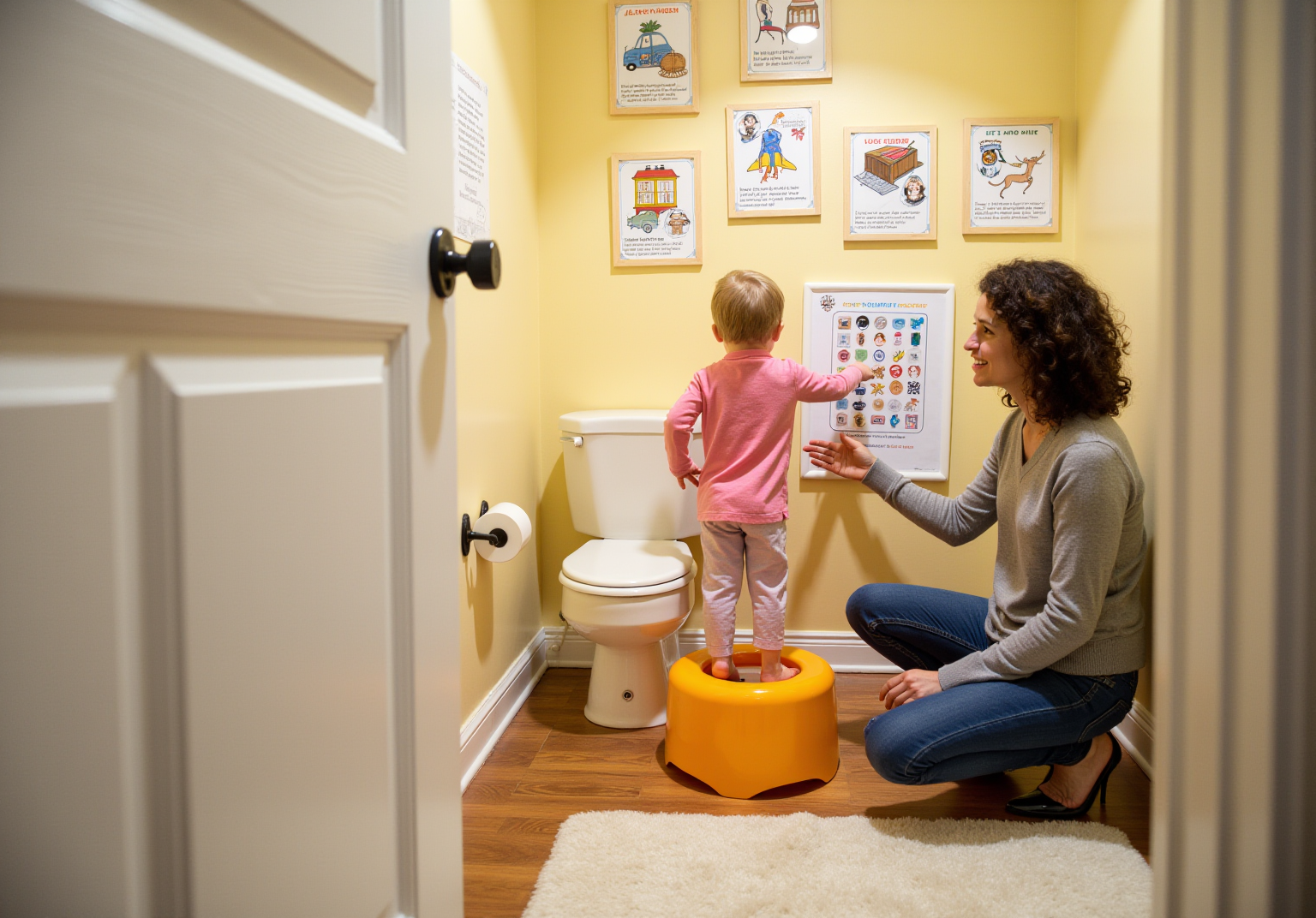
Supporting a child's development through ABA therapy can feel like a lot for parents, can't it? But here's the good news: when caregivers dive into the therapeutic process, the chances for positive outcomes really soar! 🌟
In this article, we’ll explore seven impactful strategies that empower you as parents to boost the effectiveness of ABA therapy. Your involvement not only helps your child develop essential skills but also strengthens those precious family bonds.
What challenges do you face on this collaborative journey? And how can you overcome them to ensure your child truly thrives? Let’s explore this together!
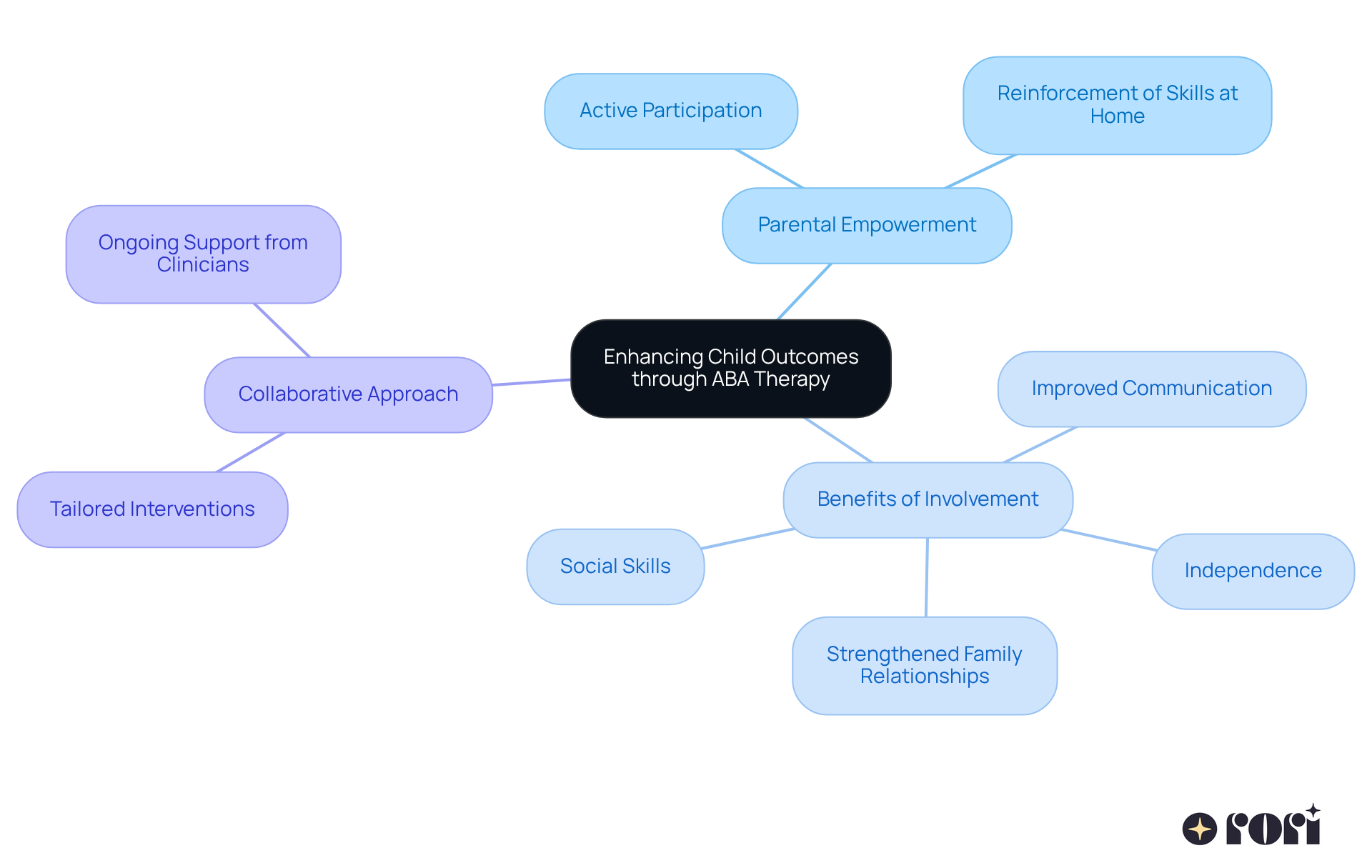
At Rori Care, we understand that navigating your child's development can be a challenge. That’s why we use a data-driven approach to Applied Behavior Analysis Treatment, ensuring that caregivers like you have the essential tools and knowledge to support your child's growth. By fostering a collaborative atmosphere, we ensure that you are actively involved in the therapeutic process, which is essential for enhancing ABA therapy effectiveness through active parental involvement to achieve the best results.
When you’re empowered to reinforce the skills learned during therapy at home, it creates a that contributes to enhancing ABA therapy effectiveness through active parental involvement. Research shows that enhancing ABA therapy effectiveness through active parental involvement leads to significant improvements in children's communication, social skills, and independence. Plus, your involvement not only supports your child's development but also strengthens family relationships, creating a nurturing environment that’s perfect for growth.
Experts agree that enhancing ABA therapy effectiveness through active parental involvement results in better long-term outcomes for children with autism. By working together, you and our clinicians at Rori Care can tailor interventions that fit your child's unique needs, paving the way for a more effective and supportive therapeutic journey. Let’s explore this together!
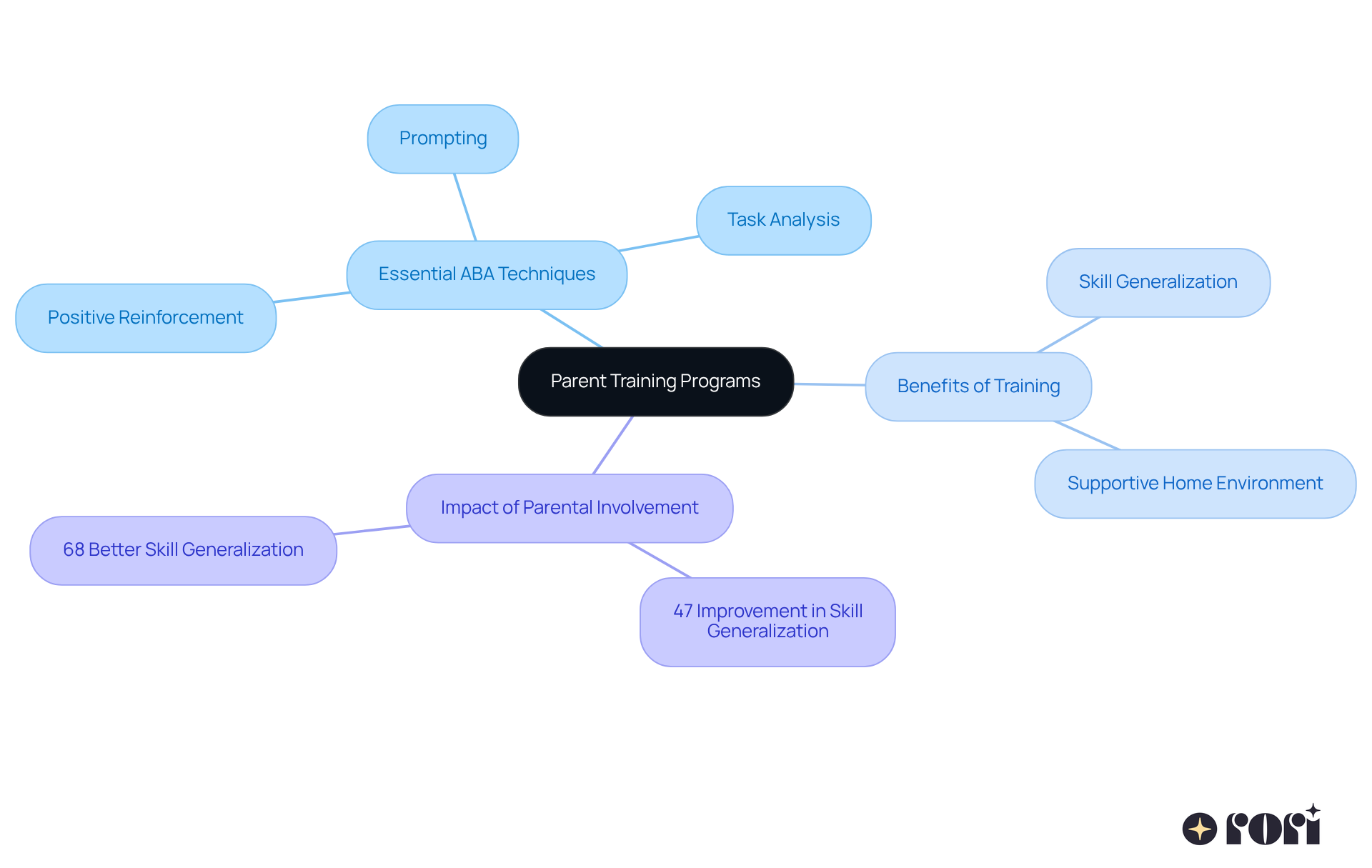
At Rori Behavioral Innovations Inc., we understand the challenges caregivers face when it comes to supporting their loved ones. That’s why our training programs are thoughtfully designed to equip you with essential ABA techniques like positive reinforcement, prompting, and task analysis. These strategies help you align closely with your child’s therapy goals, ensuring that the planning is as unique as your child.
When you participate in these training sessions, you’re not just learning; you’re gaining tools to effectively manage behaviors and promote skill generalization. Plus, you’ll be creating a supportive home environment that reinforces the progress made in therapy. Did you know that studies show that enhancing ABA therapy effectiveness through active parental involvement can lead to skill generalization improving by up to 47% compared to models that rely solely on therapists?
And there’s more! A study published in the Journal of Autism and Developmental Disorders found that enhancing ABA therapy effectiveness through active parental involvement resulted in children whose guardians received comprehensive ABA training showing 68% better skill generalization than those in traditional therapist-only programs. This really highlights how through active parental involvement can be in the therapeutic process. It’s not just about therapy; it’s about enhancing ABA therapy effectiveness through active parental involvement as a cornerstone of effective autism care.
Let’s explore this together! Your journey as a caregiver is important, and we’re here to help you every step of the way!
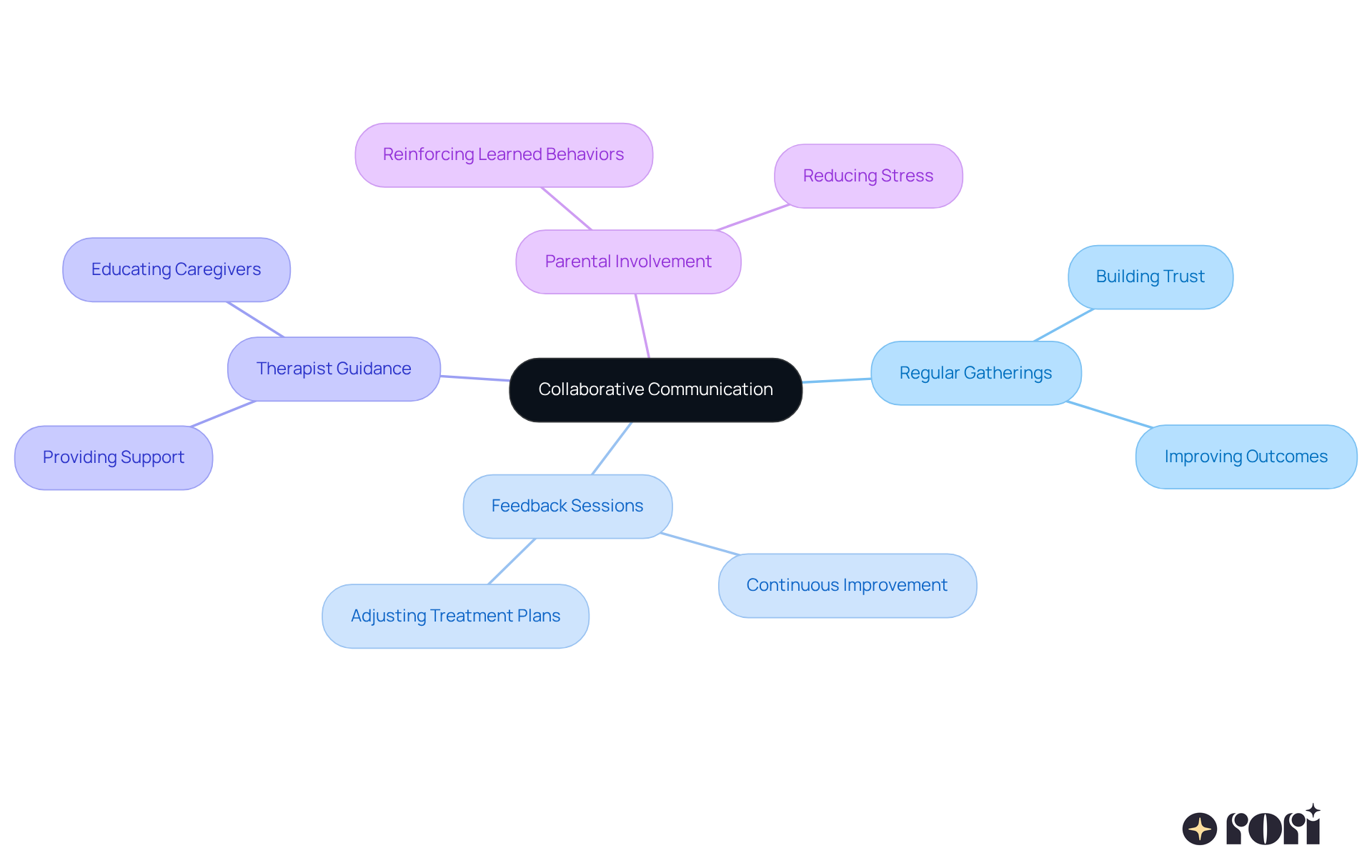
Creating a strong communication channel between caregivers and therapists is essential for enhancing ABA therapy effectiveness through active parental involvement. Regular gatherings, updates, and feedback sessions give parents a chance to share their observations and concerns. At the same time, therapists can provide guidance and tweak treatment plans as needed. This teamwork not only strengthens the therapeutic bond but also ensures that parents feel supported and informed throughout their child’s journey.
Research shows that effective communication can really boost treatment outcomes, building trust and understanding between families and counselors. When caregivers and strategies better, they can make informed decisions that positively impact their child’s progress. Plus, regular feedback loops encourage continuous improvement and adaptation, fostering that essential trust between families and therapists.
The active participation of caregivers in the therapeutic process is crucial for enhancing ABA therapy effectiveness through active parental involvement, resulting in better behavioral outcomes and greater overall success in treatment. And let’s not forget, educating caregivers can reduce stress and improve family dynamics. This way, enhancing ABA therapy effectiveness through active parental involvement enables parents to actively engage in therapy and reinforce learned behaviors at home, which helps skills generalize better.
So, let’s explore this together! We’re here to help you every step of the way!
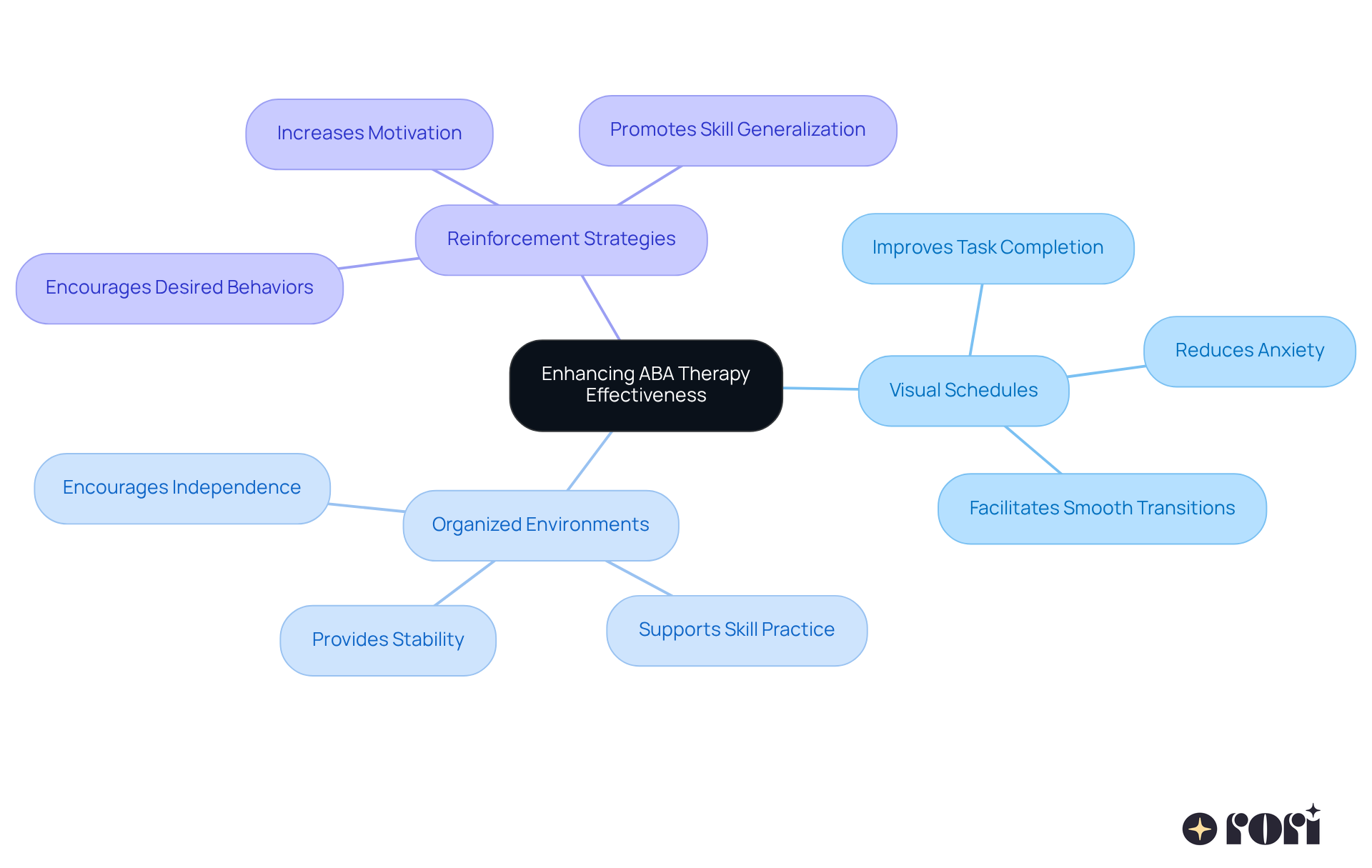
Parents, you can significantly contribute to enhancing ABA therapy effectiveness through active parental involvement by incorporating these techniques into your daily routines! One great way to do this is by using visual schedules. They help young learners understand what’s expected of them and make transitions smoother, which brings a sense of predictability to their day. Research shows that visual schedules can not only improve task completion but also reduce anxiety - making them a must-have tool in ABA therapy.
Creating organized environments is another fantastic strategy. When kids have stable settings to practice new skills, it encourages their development. This structure not only supports learning but also helps them as they get used to their routines. You might consider setting up specific areas for different activities; this can really reinforce the learning process!
And don’t forget about incorporating reinforcement strategies during everyday activities. Positive reinforcement is key - it encourages kids to repeat the behaviors we want to see. By using these methods in familiar settings, you’re giving your child valuable opportunities to practice and generalize their skills, which is essential for enhancing ABA therapy effectiveness through active parental involvement.
Here’s something to think about: by enhancing ABA therapy effectiveness through active parental involvement, about 90% of kids show remarkable progress, especially when the recommended hours are followed. Rori Care’s behavior care engine is a great resource, as it regularly updates behavior intervention and skill acquisition plans based on progress, ensuring that treatment remains tailored to each child’s needs.
To keep the momentum going, it’s a good idea for parents to regularly review and adjust their strategies based on their child’s progress. This collaborative approach to treatment is crucial for enhancing ABA therapy effectiveness through active parental involvement. Let’s explore this together! We’re here to help you every step of the way!
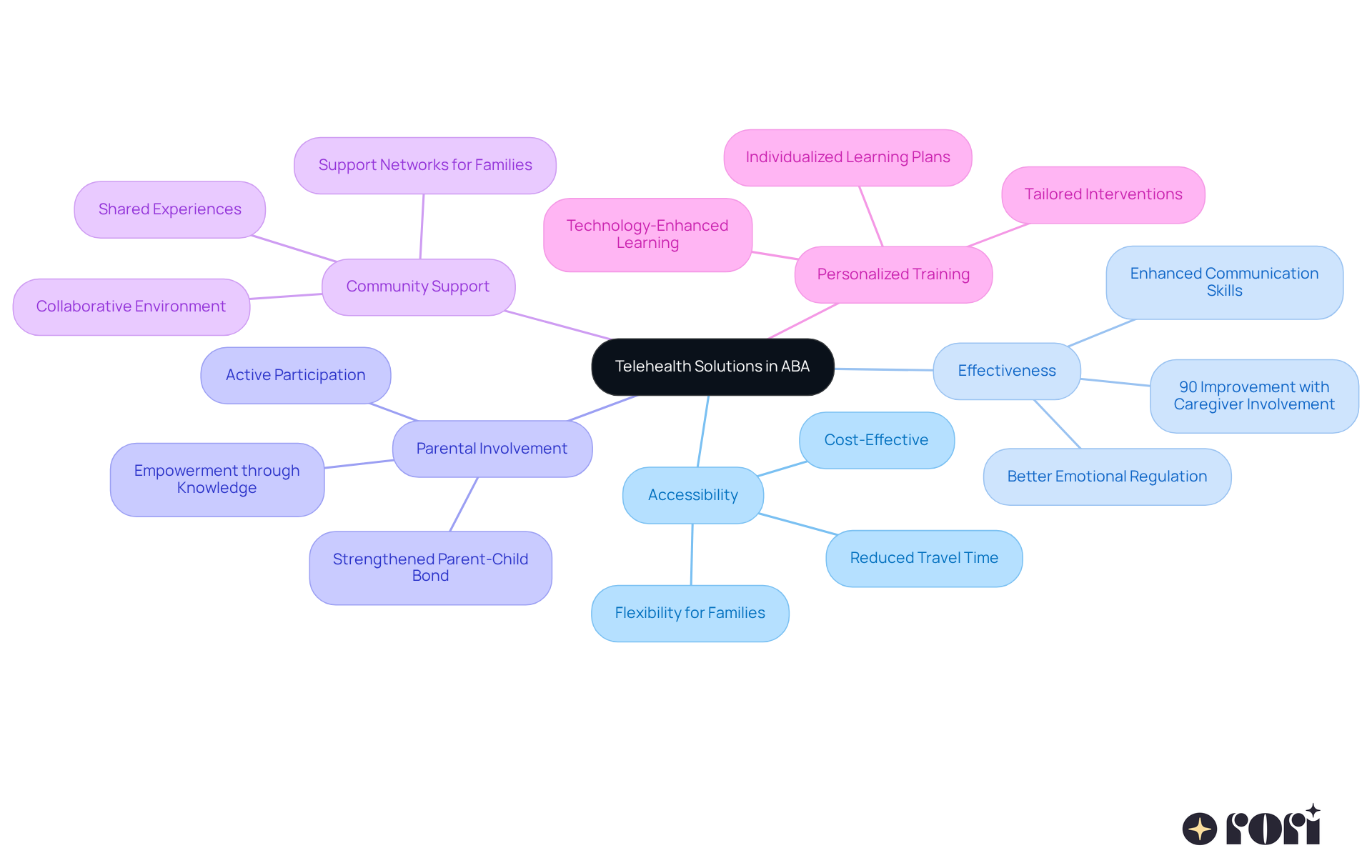
Telehealth has really changed the game for caregiver training in ABA therapy, making it so much more accessible and effective! With Rori Care's , caregivers can learn and practice ABA techniques right from their homes. This flexibility is a lifesaver for busy families, ensuring that parents get the support and guidance they need when they need it.
When caregivers are actively involved in ABA therapy, enhancing ABA therapy effectiveness through active parental involvement, studies show that 90% of individuals see significant improvements. That means better communication skills and emotional regulation for our kids! Plus, virtual training creates a collaborative environment where caregivers can connect with professionals, enhancing their understanding and use of ABA techniques.
This innovative approach not only strengthens the bond between parents and children but also fosters a sense of community among families facing similar challenges. Rori Care is focused on enhancing ABA therapy effectiveness through active parental involvement by giving caregivers a deeper grasp of ABA principles and strategies, empowering them to make informed decisions that positively influence their children's progress. It also helps reduce stress and improve family dynamics.
The integration of technology in training has truly been a game-changer, offering personalized support that fits each family's unique needs. Let’s explore this together and see how we can make a difference!
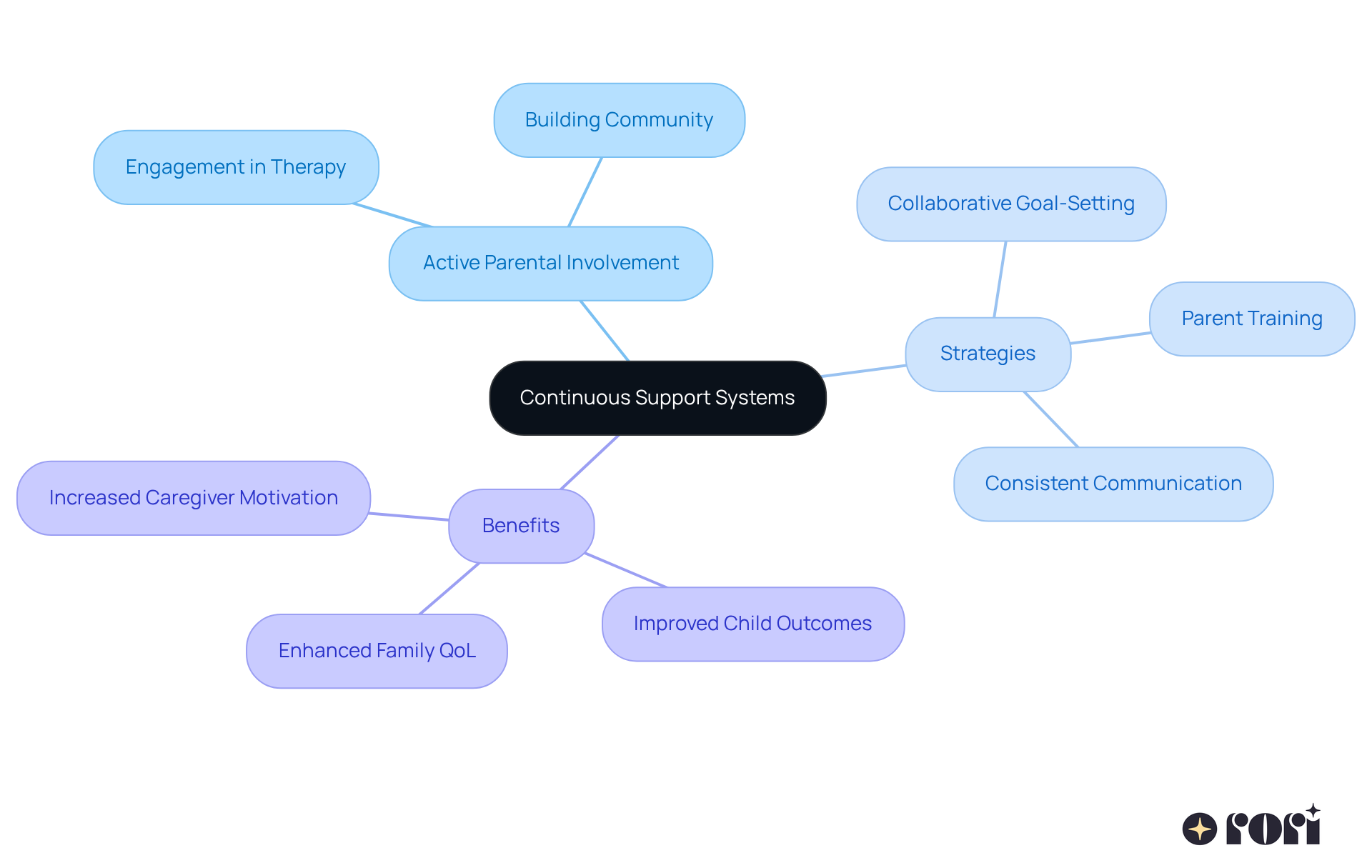
At Rori Behavioral Innovations Inc., we truly understand that enhancing ABA therapy effectiveness through active parental involvement is vital for guardians throughout their child’s therapy journey. This support includes regular check-ins, access to helpful resources, and opportunities for continuous learning. By building a comprehensive support system, we empower caregivers to stay engaged and motivated.
Staying involved is key to enhancing ABA therapy effectiveness through active parental involvement while effectively implementing strategies and adapting to your child’s changing needs over time. Research shows that enhancing ABA therapy effectiveness through active parental involvement can significantly improve the quality of life for families. That’s why enhancing ABA therapy effectiveness through active parental involvement is crucial for caregivers participating in their child’s therapy.
There are several effective strategies for enhancing ABA therapy effectiveness through active parental involvement, including:
These approaches not only benefit the child but also create a sense of community and shared purpose among families navigating the challenges of autism care.
Let’s explore this together! We’re here to !
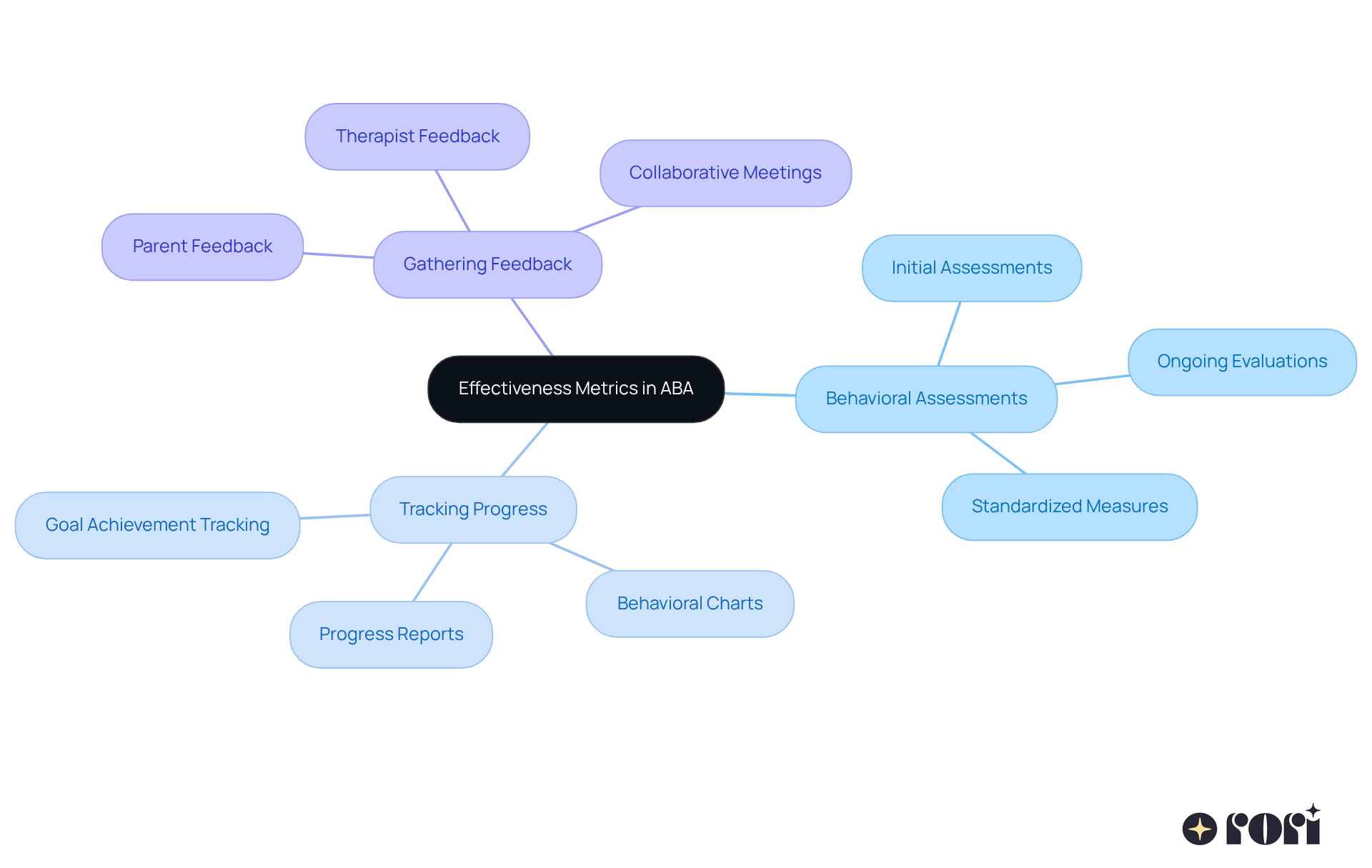
At Rori Care, we recognize that enhancing ABA therapy effectiveness through active parental involvement is vital. That’s why we use a variety of effectiveness metrics to evaluate its impact. We look at:
By analyzing this data, we can spot trends, measure progress, and make informed adjustments to treatment plans. This approach not only highlights the essential role of parents but also empowers families to actively engage in their child's development.
Research shows that kids who receive consistent parental instruction at home see significant improvements in their cognitive and developmental skills. Isn’t that amazing? It really underscores how important family involvement is in the therapeutic process. Plus, when parents are actively involved, children often reach their treatment goals faster. This partnership not only contributes to enhancing ABA therapy effectiveness through active parental involvement but also creates a supportive environment that benefits both the child and the family.
When caregivers feel empowered with a deeper and strategies, they can make informed decisions that positively influence their child’s progress. As Bennett points out, when parents aren’t involved, it can create a disconnect between what happens in therapy and at home. So, let’s explore this together! We’re here to help you every step of the way!
Active parental involvement is truly a cornerstone of effective ABA therapy, making a world of difference for children with autism. When caregivers are equipped with the right tools, strategies, and support, it’s amazing to see the transformative impact they can have on their child's therapeutic journey. This collaborative approach not only creates a nurturing environment for growth but also helps ensure that the skills learned in therapy are consistently reinforced at home.
Throughout this article, we’ve explored some key strategies to enhance the effectiveness of ABA therapy:
Together, these strategies create a supportive network that empowers caregivers, leading to improved communication skills, social interactions, and independence for our children.
The importance of parental involvement in ABA therapy really can’t be overstated. It’s essential for parents to engage actively in their child's development, tapping into the resources and support available to them. By doing this, they not only contribute to their child's success but also foster a sense of community and shared purpose among families facing similar challenges. Embracing this partnership can lead to remarkable advancements in therapy outcomes, making it so important for parents to take an active role in enhancing ABA therapy effectiveness.
So, let’s explore this journey together! Remember, you’re not alone in this - we’re here to help you every step of the way!
What is Rori Care's approach to ABA therapy?
Rori Care uses a data-driven approach to Applied Behavior Analysis (ABA) therapy, emphasizing active parental involvement to enhance the effectiveness of therapy and support children's growth.
How does parental involvement impact ABA therapy effectiveness?
Active parental involvement creates a consistent learning environment, leading to significant improvements in children's communication, social skills, and independence, ultimately resulting in better long-term outcomes.
What benefits do parents gain from participating in ABA therapy?
Parents gain essential tools and knowledge to support their child's development, which strengthens family relationships and creates a nurturing environment for growth.
What kind of training programs does Rori Care offer for parents?
Rori Care offers training programs that equip parents with essential ABA techniques such as positive reinforcement, prompting, and task analysis, allowing them to align closely with their child's therapy goals.
How does training impact skill generalization in children?
Studies show that parental involvement can improve skill generalization by up to 47% compared to models that rely solely on therapists, and comprehensive ABA training for guardians can lead to 68% better skill generalization.
What is the overall goal of Rori Care's programs for parents and children?
The goal is to empower parents to effectively support their child's development through active involvement in therapy, creating a collaborative and supportive therapeutic journey tailored to each child's unique needs.