Creating a positive mealtime experience for children with autism isn’t just about nutrition; it’s a wonderful chance to build connection, communication, and comfort within the family. Many kids face unique challenges during meals, and understanding how to structure these moments can truly enhance their well-being. But how can caregivers navigate the complexities of mealtime to make every bite a step toward joy and engagement?
Let’s explore this together! This article dives into essential strategies and tips that can turn dining into a supportive and enjoyable experience for children with autism. By encouraging exploration and connection at the table, we can make mealtimes a delightful part of the day.
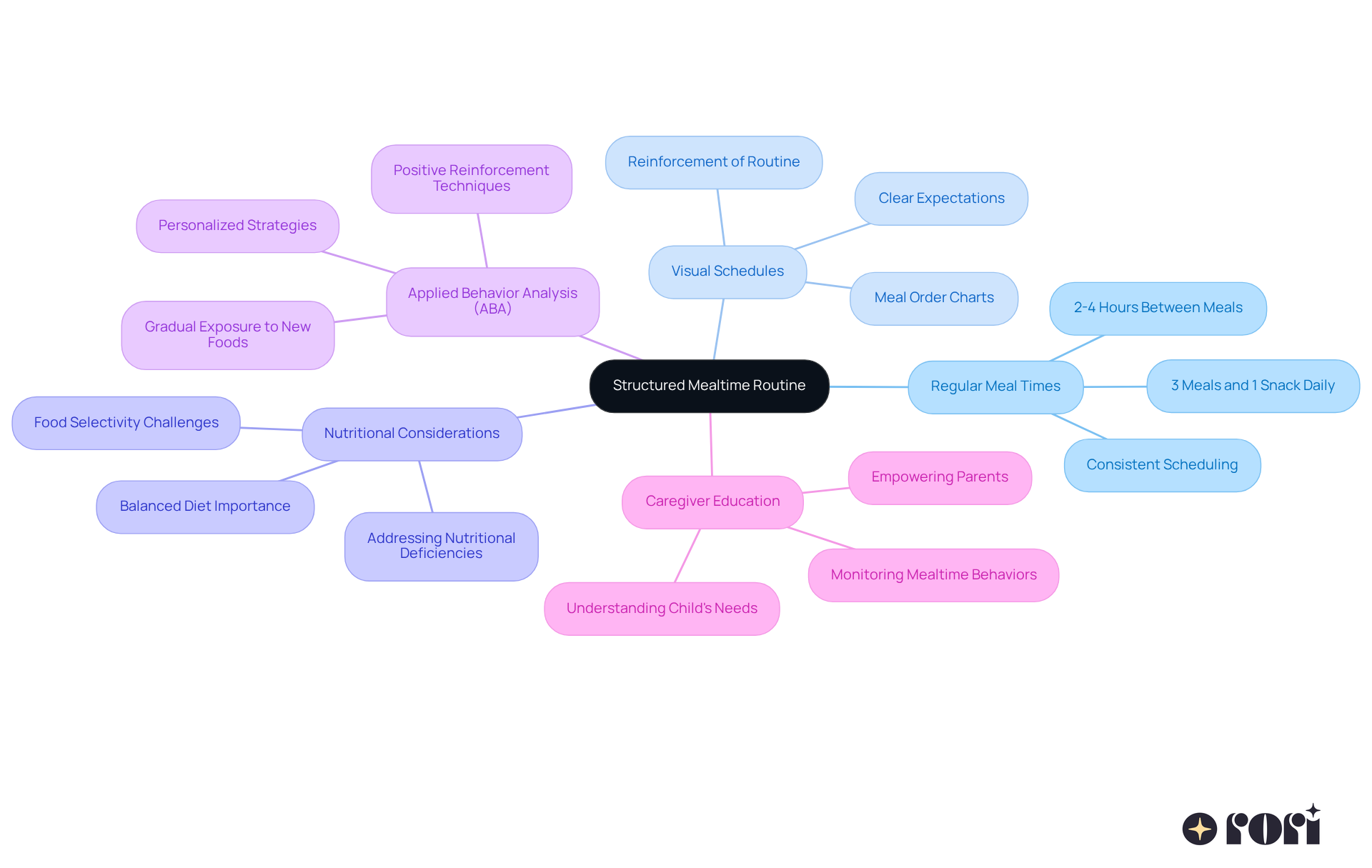
One of the important tips for creating a positive mealtime experience for children with autism is developing a structured dining routine. It really helps them feel secure and know what to expect. Regular meal and snack times can make a significant difference in managing their appetite and reducing anxiety, serving as essential tips for creating a positive mealtime experience for children with autism. Try to serve breakfast, lunch, and dinner at the same times each day, ideally with no more than 2-4 hours between meals.
Visual schedules can be incredibly helpful as part of the tips for creating a positive mealtime experience for children with autism! They provide clear expectations as tips for creating a positive mealtime experience for children with autism at each meal. For instance, a visual chart showing the order of meals and snacks can reinforce the routine and help little ones understand what to expect. Did you know that studies show up to 89% of individuals with autism spectrum disorder (ASD) face challenging eating behaviors, which underscores the need for tips for creating a positive mealtime experience for children with autism? That’s where visual schedules can really help ease those issues.
It’s also worth noting that individuals with ASD often have lower calcium, protein, and fiber intake compared to their neurotypical peers. This highlights just how crucial it is to maintain a structured routine for their nutrition. Families who establish regular dining routines often utilize tips for creating a positive mealtime experience for children with autism, which can result in better engagement and social skills in their kids. Psychologists who specialize in working with youth emphasize that routines are vital for individuals with autism, offering tips for creating a positive mealtime experience for children with autism by establishing a stable environment that supports overall development and well-being.
Plus, integrating principles of Applied Behavior Analysis (ABA) into dining strategies can really enhance these routines. ABA is a personalized therapy that adapts to each child’s unique needs. And let’s not forget about caregiver education! It plays a key role in this process, empowering parents with the knowledge and skills they need to support their child’s development effectively.
Let’s explore this together! We’re here to help you every step of the way!
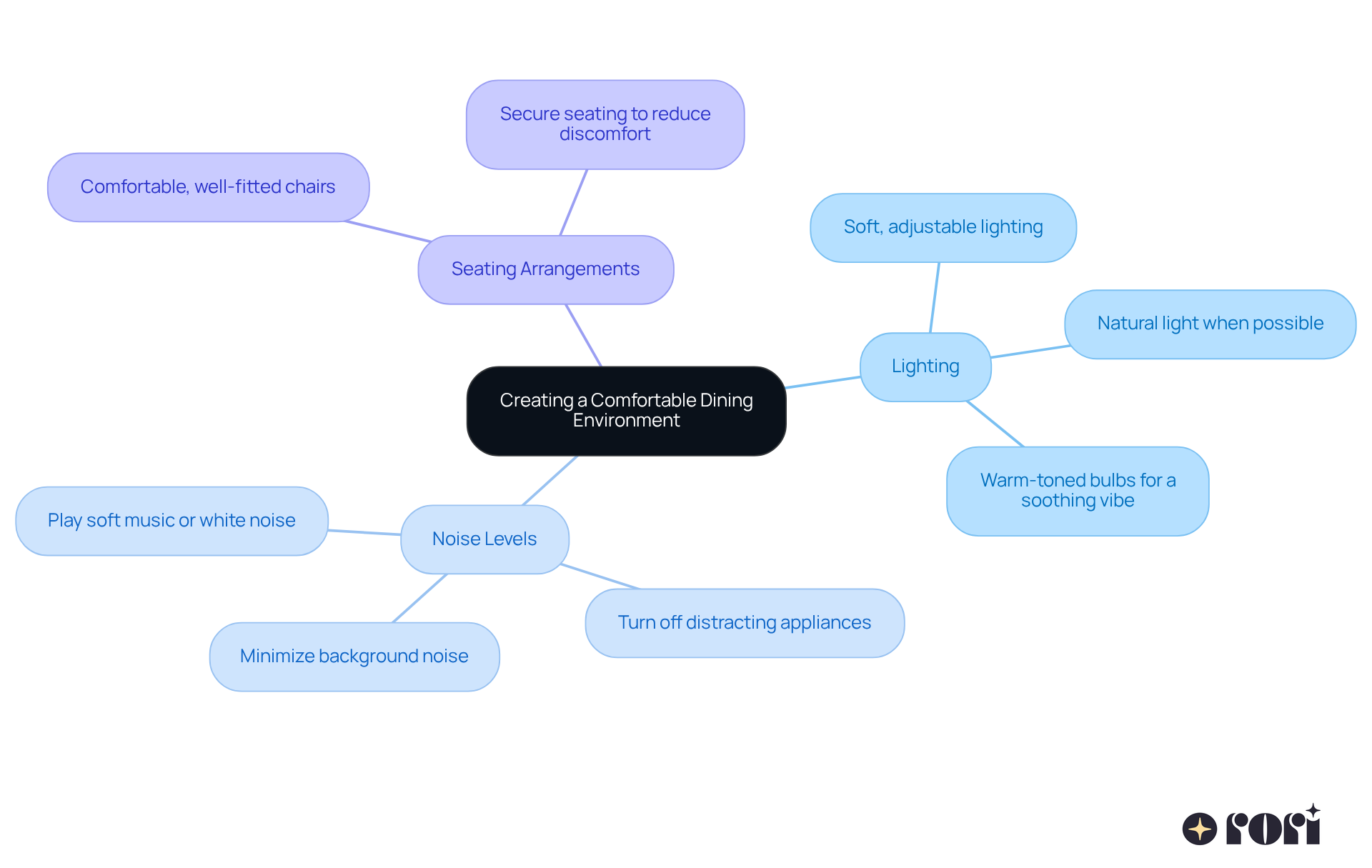
Creating a cozy dining atmosphere is vital for kids with autism, and it aligns with tips for creating a positive mealtime experience for children with autism, particularly since sensory sensitivities can greatly affect their mealtime experience. Let’s explore some simple tips for creating a positive mealtime experience for children with autism to enhance enjoyment for everyone during dining!
Occupational therapists often provide tips for creating a positive mealtime experience for children with autism by recommending these adjustments to create sensory-friendly dining areas. A tailored setting can really boost a young person’s ability to engage with their food. Families who have made these changes frequently notice their kids are more willing to try new dishes and join in on family meals. It just goes to show how vital a nurturing dining environment can be!
So, let’s take these steps together and incorporate tips for creating a positive mealtime experience for children with autism, making the dining experience feel welcoming and supportive for your child!
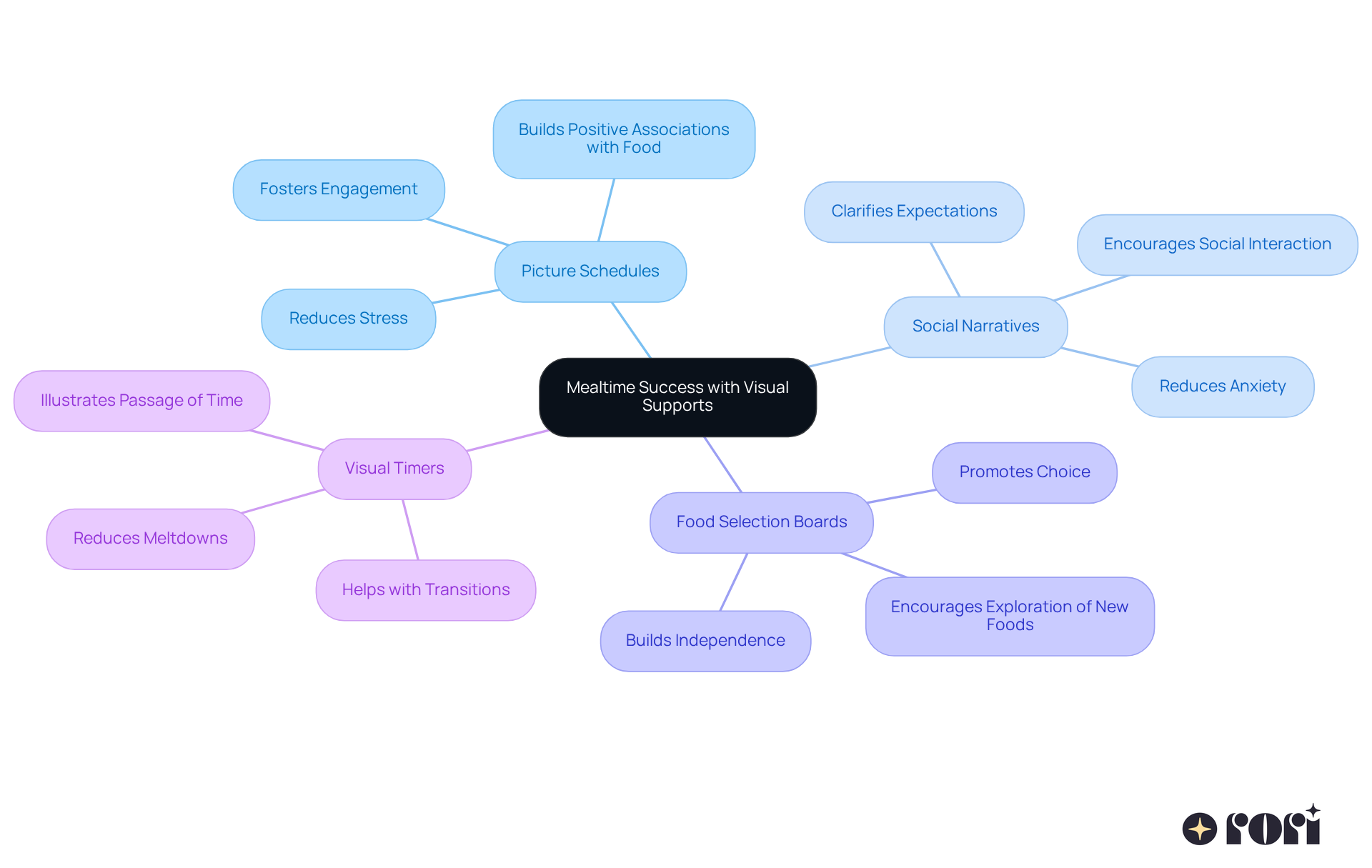
Visual aids like picture schedules, social narratives, and food selection boards are important tips for creating a positive mealtime experience for children with autism. Imagine a picture schedule that lays out each step of dining-washing hands, sitting at the table, and enjoying a meal. This organized approach not only helps kids know what’s coming next but also eases the stress that can come with eating.
Research shows that many individuals with autism thrive on visual learning, making these tools vital for boosting understanding and compliance. Parents can utilize tips for creating a positive mealtime experience for children with autism by using visual aids to foster a more predictable and engaging dining atmosphere, leading to a more enjoyable experience for everyone involved. Plus, integrating favorite foods into these visual schedules can serve as tips for creating a positive mealtime experience for children with autism, helping them build positive associations with mealtime and encouraging them to explore new foods gradually.
Behavior analysts back up these strategies by providing tips for creating a positive mealtime experience for children with autism, emphasizing how visual schedules can transform mealtime routines and reduce resistance to eating. And with the personalized support from Rori Care, these strategies are tailored to meet each child’s unique needs, promoting clear progress and flexible approaches that foster independence and confidence.
Overall, incorporating visual aids-like visual timers to show the flow of time-can empower both kids and caregivers during meals. Let’s explore this together!
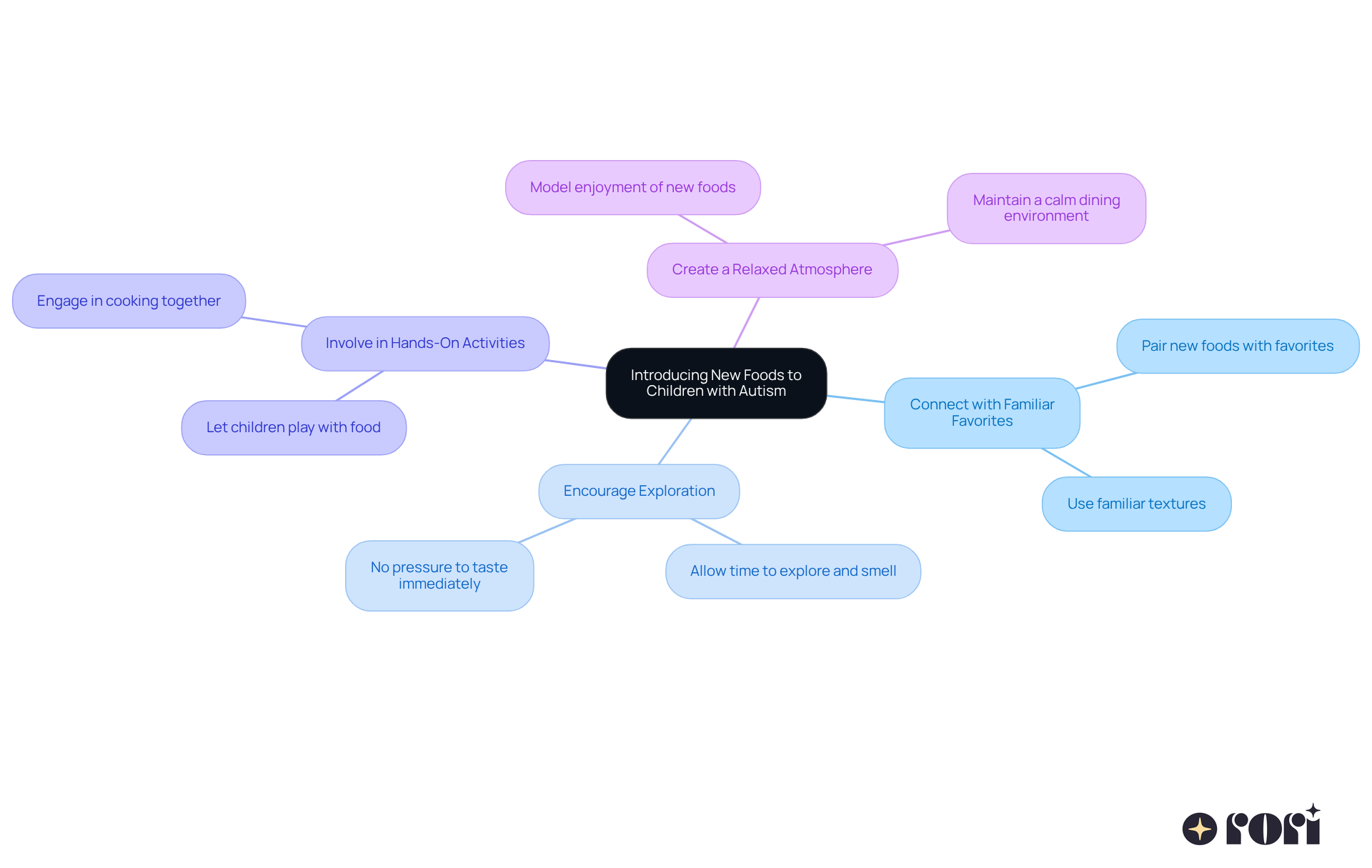
When introducing new foods to young individuals with autism, it is helpful to follow tips for creating a positive mealtime experience for children with autism by connecting those foods with their familiar favorites. For instance, if your child loves chicken nuggets, try placing a small piece of broccoli on their plate next to it. This approach not only makes the new food less intimidating but also sparks curiosity and exploration.
Let your little one take their time to explore, smell, and eventually taste the new dish at their own pace-no pressure! Research shows that many individuals with autism often have specific dietary preferences, with studies indicating that selectivity can range from 17% to 83%. So, using gradual exposure techniques provides essential tips for creating a positive mealtime experience for children with autism, helping them accept new foods more easily.
Involving kids in hands-on activities with ingredients can help ease anxiety and build positive associations, which are valuable tips for creating a positive mealtime experience for children with autism. You can offer tips for creating a positive mealtime experience for children with autism by showing them how you enjoy new foods and by creating a relaxed dining atmosphere to inspire them to expand their culinary horizons. Remember, patience and understanding are key, as every child’s journey to embracing new tastes is unique. Let’s explore this together!
Encouraging your little ones during mealtimes can be a game changer! 🌟 Think about using positive reinforcement techniques like verbal praise, fun stickers, or even small rewards when they try new dishes or show good table manners. For instance, if your child takes a bite of something unfamiliar, celebrate that moment with enthusiastic cheers! It’s all about reinforcing those positive behaviors.
Did you know that up to 89% of autistic youths face feeding difficulties? That’s why it’s so important to create a supportive environment that incorporates tips for creating a positive mealtime experience for children with autism to foster positive eating habits. Experts suggest that implementing tips for creating a positive mealtime experience for children with autism, such as using rewards effectively, can really boost mealtime cooperation and help kids accept a variety of foods. By recognizing and celebrating those small victories, you’re not just building their confidence; you’re also motivating them to explore new dietary options and gain independence over time.
And remember, it’s key to regularly assess and tweak your strategies to keep them effective. Gradually introducing new foods can provide valuable tips for creating a positive mealtime experience for children with autism, helping to ease anxiety and resistance and making mealtimes less stressful for everyone. Plus, empowering caregivers with ABA principles and strategies enhances their ability to support their child’s goals while promoting informed decision-making. Together, we can improve behavioral outcomes and create a more positive family dynamic. Let’s explore this journey together!

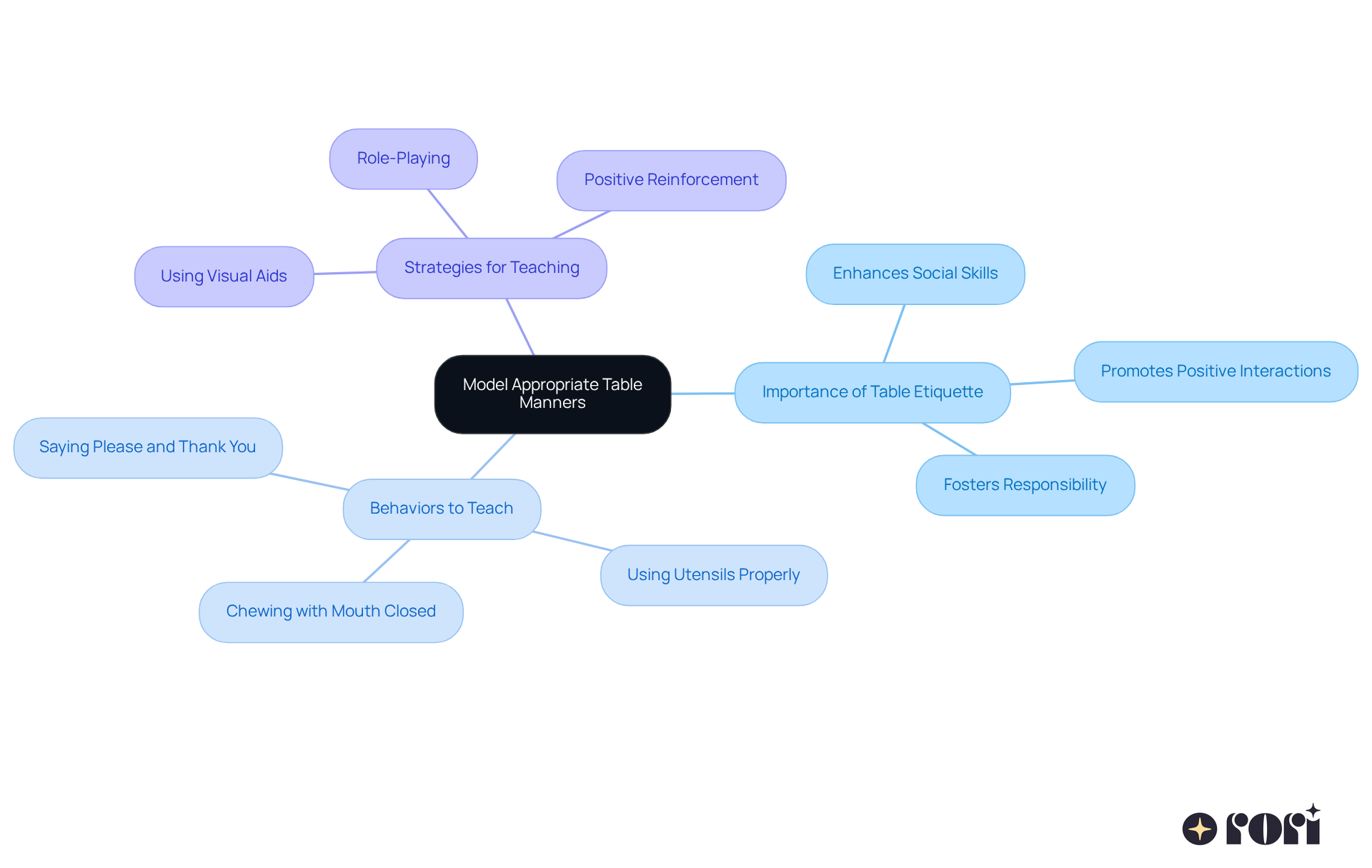
table etiquette is so important for helping kids with autism. It’s all about showing them the right behaviors, like chewing with their mouths closed, using utensils properly, and remembering to say 'please' and 'thank you.' Did you know that kids learn a lot through imitation? Research shows that when they practice these behaviors, their communication skills can really improve! So, during meals, gently remind your little ones to imitate these behaviors and don’t forget to praise their efforts.
As parents and caregivers, your actions matter a lot in this learning journey. When you consistently show good manners, your kids are more likely to pick up on those behaviors themselves. Some great tips for creating a positive mealtime experience for children with autism involve:
By nurturing these skills, you’re not just making mealtime more enjoyable for your kids; you’re also helping them grow socially. Let’s explore this together!
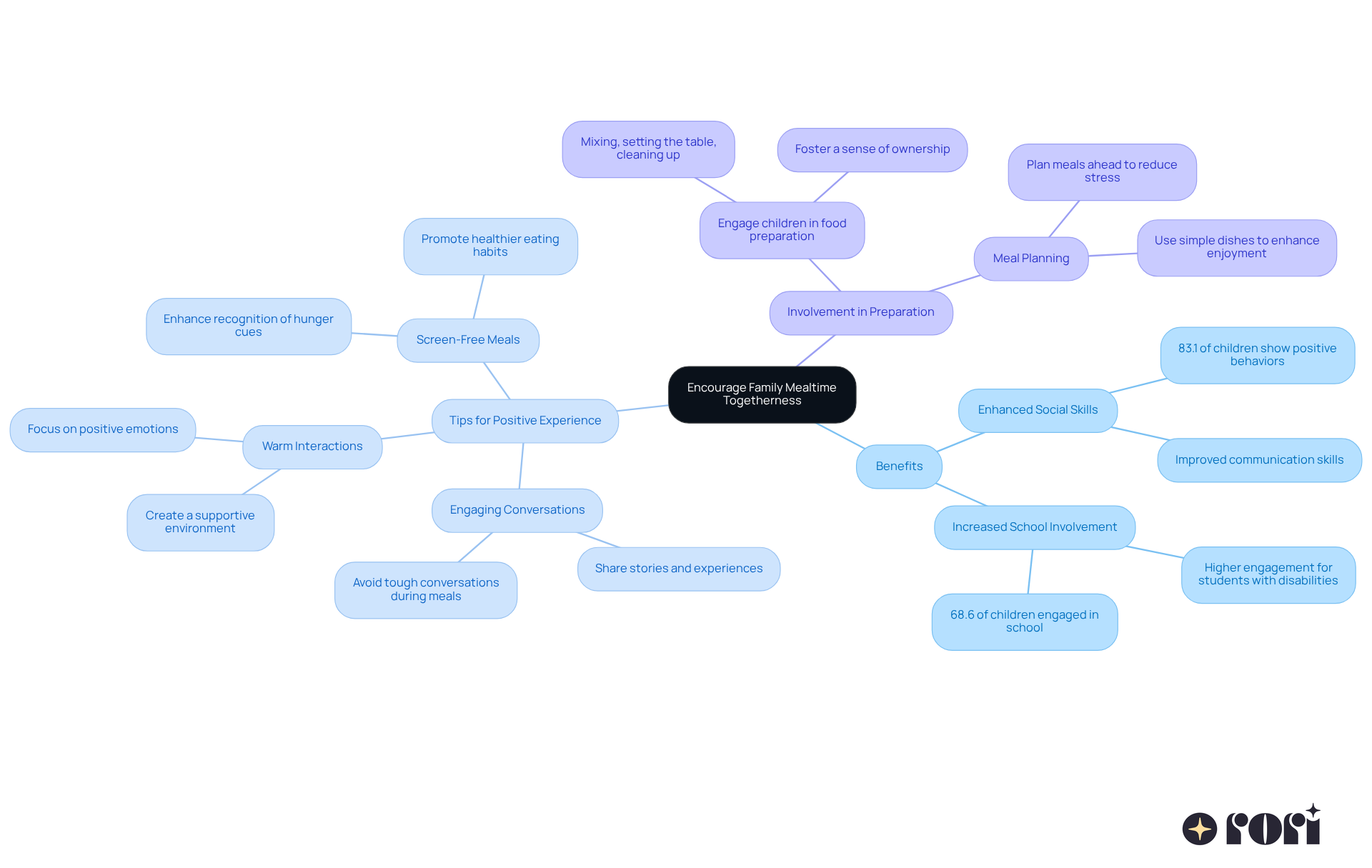
By making family dining a priority and gathering around the table for every occasion, you can implement tips for creating a positive mealtime experience for children with autism. This time together is perfect for engaging in conversation, sharing stories, and simply enjoying each other's company. Not only does this strengthen family ties, but it also gives your little ones valuable chances to interact socially. Did you know that research shows children who regularly participate in family gatherings often display enhanced social skills? In fact, 83.1% of them frequently show positive behaviors!
Plus, more regular family get-togethers are linked to increased school involvement for students with disabilities. To keep things manageable, why not start with one or two family meals each week? Warm interactions during dining are among the tips for creating a positive mealtime experience for children with autism, as they create a supportive environment that boosts communication skills and emotional well-being. And remember, it’s best to save tough conversations and discipline for another time to keep the atmosphere positive.
One of the tips for creating a positive mealtime experience for children with autism is to get your kids involved in food preparation! This way, they can participate in the process and feel a sense of ownership. It can make dining more enjoyable and meaningful, reinforcing the importance of shared experiences. Also, keeping screens off during meals can really enhance the dining experience, helping young ones recognize hunger cues and develop healthier eating habits. Let’s explore this together!
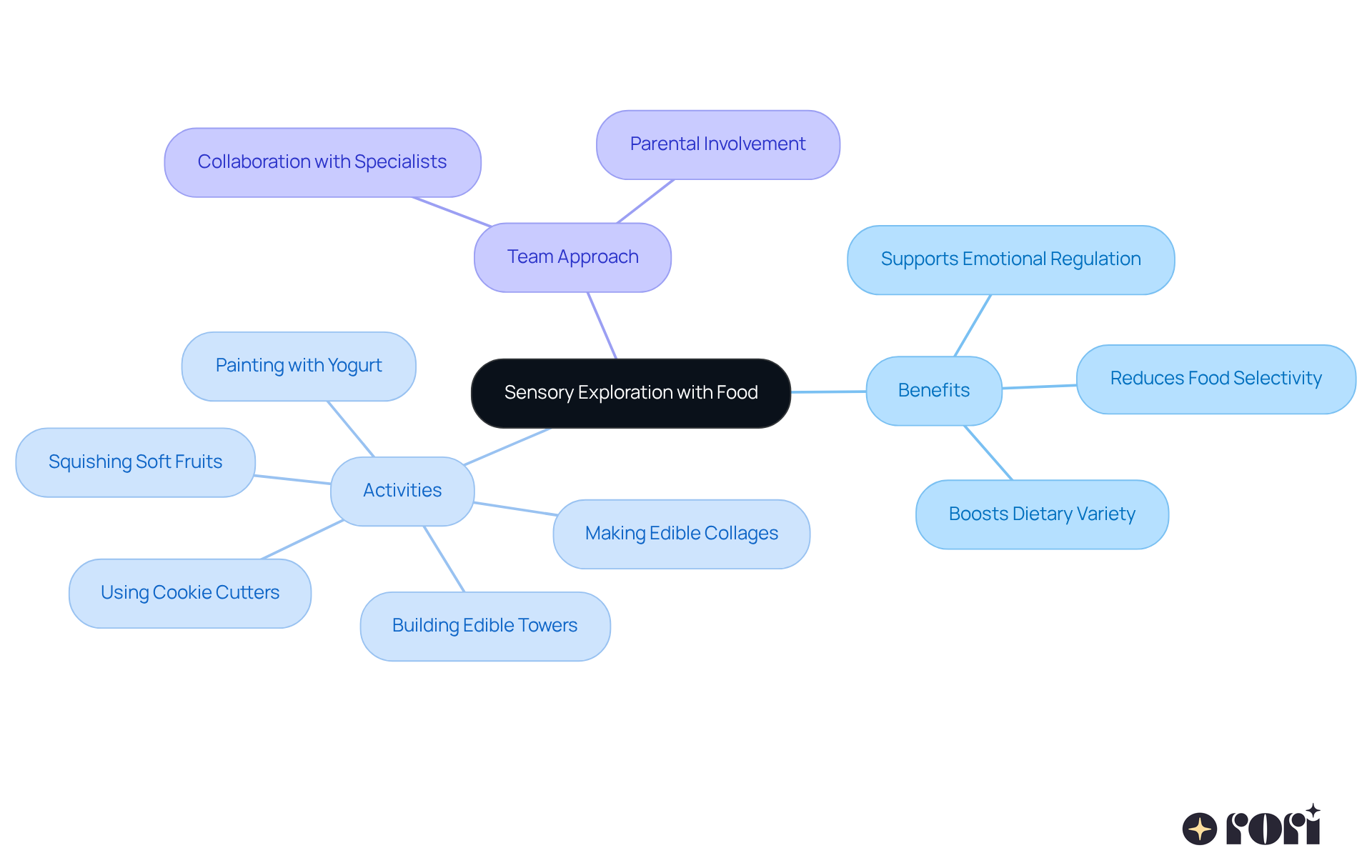
Getting your little ones excited about sensory play can really transform their mealtime experience, and using tips for creating a positive mealtime experience for children with autism can enhance this transformation! Imagine them feeling the textures of fruits and veggies, smelling different spices, or even having fun with messy ingredients. It’s all about fostering comfort and curiosity, which can be enhanced by implementing tips for creating a positive mealtime experience for children with autism. For instance, creating a sensory bin filled with edible items is one of the tips for creating a positive mealtime experience for children with autism, as it allows your child to explore without the pressure to eat, making mealtime a relaxed adventure.
Did you know that dietary selectivity affects many kids, especially those with autism? Studies show that prevalence rates can range from 17% to 83%. Engaging in sensory play offers valuable tips for creating a positive mealtime experience for children with autism, as it can help them be more open to trying new foods. Those who dive into these activities often show a greater willingness to sample different dishes. Occupational therapists like Amanda Timmerman highlight that these playful interactions not only help kids get familiar with various textures and smells but also support emotional regulation during meals.
So, what are some fun sensory play activities? Think:
These delightful experiences can serve as tips for creating a positive mealtime experience for children with autism, transforming dining from a stressful chore into a joyful exploration, boosting dietary variety and reducing food selectivity.
And remember, a team approach with different specialists can make these strategies even more effective. Let’s explore this together and make mealtime a fun and engaging experience for your family!
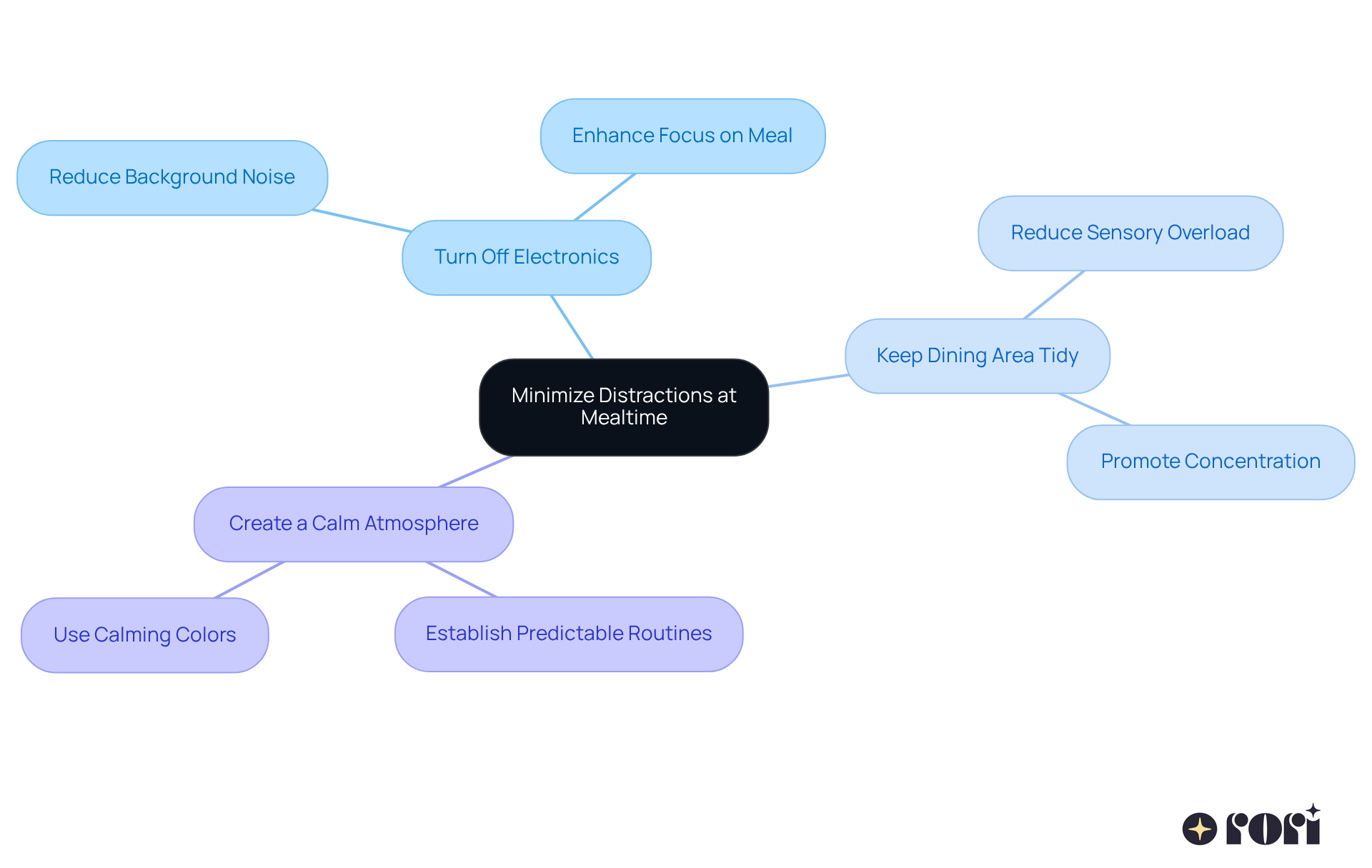
Implementing tips for creating a positive mealtime experience for children with autism can significantly enhance your family's dining experience! Start by turning off the television and silencing those buzzing phones. It’s amazing how much background noise can pull focus away from what really matters - enjoying a meal together.
Keeping the dining area tidy and free from clutter is another simple yet effective step. A clean space helps your little one concentrate on their meal and reduces any anxiety that might come from sensory overload.
Let’s explore this together! By making these small changes, you’re not just improving mealtime; you’re also following tips for creating a positive mealtime experience for children with autism, nurturing a calmer and more enjoyable atmosphere for everyone.
If you're facing unique dining challenges, why not reach out to Rori Behavioral Innovations? Their team of Board Certified Behavior Analysts (BCBAs) is here to help you with tailored ABA therapy that really fits your needs. They’re dedicated to crafting strategies that include tips for creating a positive mealtime experience for children with autism while also enhancing eating habits for everyone involved.
Imagine applying effective methods at home that can truly transform your child’s relationship with meals! Personalized ABA strategies can tackle selective eating behaviors while creating a supportive environment that encourages your little one to explore and accept new foods. This can lead to wonderful improvements in your child's dietary habits.
Let’s explore this together! With the right support, you can follow tips for creating a positive mealtime experience for children with autism, making mealtimes enjoyable and stress-free. We’re here to help you every step of the way!
Creating a positive mealtime experience for children with autism is so important for their growth and relationship with food. By setting up structured routines, crafting sensory-friendly spaces, and using visual supports, caregivers can really help ease anxiety and promote healthier eating habits. These strategies not only make mealtimes feel safer for kids but also encourage social interactions and strengthen family bonds.
Throughout this journey, we’ve shared some key insights. For instance, keeping a consistent mealtime schedule can work wonders. Using visual aids to clarify what to expect and introducing new foods gradually can make them feel less daunting. Plus, positive reinforcement and modeling good table manners are great ways to encourage the behaviors we want to see. Each of these tips helps create a nurturing atmosphere that supports the well-being of children with autism.
Ultimately, the path to a positive mealtime experience can be truly transformative for families. By prioritizing shared meals and involving children in the cooking process, caregivers can foster a sense of togetherness and exploration. Embracing these strategies not only enhances mealtime interactions but also lays the foundation for healthier eating habits and improved social skills. Let’s take these steps together and make dining a joyful and enriching experience for everyone involved!
Why is establishing a structured mealtime routine important for children with autism?
A structured mealtime routine helps children with autism feel secure and know what to expect, which can significantly manage their appetite and reduce anxiety.
How can visual schedules assist in creating a positive mealtime experience for children with autism?
Visual schedules provide clear expectations for each meal, reinforcing routines and helping children understand what to expect, which can ease challenging eating behaviors.
What nutritional challenges do children with autism often face?
Children with autism often have lower calcium, protein, and fiber intake compared to their neurotypical peers, making a structured routine crucial for their nutrition.
How can caregiver education contribute to a positive mealtime experience for children with autism?
Caregiver education empowers parents with the knowledge and skills needed to support their child's development effectively, enhancing the overall mealtime experience.
What are some key elements of creating a comfortable dining environment for kids with autism?
Key elements include using soft, adjustable lighting, minimizing background noise, and providing comfortable seating to reduce distractions and enhance focus during meals.
How can visual supports enhance mealtime success for children with autism?
Visual supports like picture schedules and food selection boards help children understand the steps of dining and reduce stress, leading to a more enjoyable mealtime experience.
What role do behavior analysts play in improving mealtime routines for children with autism?
Behavior analysts provide strategies that emphasize the use of visual schedules to transform mealtime routines and reduce resistance to eating.
How can integrating favorite foods into visual schedules benefit children with autism?
Incorporating favorite foods into visual schedules helps children build positive associations with mealtime and encourages them to explore new foods gradually.