Understanding and managing challenging behaviors in children with autism can feel overwhelming, right? It’s a complex yet crucial part of supporting their well-being and development. These behaviors often act as a form of communication, revealing deeper emotional and sensory needs. When we address these needs, it can lead to significant improvements in a child's quality of life.
But here’s the thing: caregivers and educators often find themselves asking, how can they effectively interpret and respond to these behaviors? It’s a big question, and it’s one that many of us grapple with. This article is here to help! We’ll explore best practices and evidence-based strategies for managing challenging behaviors. Together, we’ll uncover valuable insights that empower you to navigate this intricate landscape with confidence. Let’s explore this journey together!
Challenging behavior in autism can show up in many ways, often disrupting daily life and social interactions. You might see things like , noncompliance, or even property destruction. Understanding these behaviors is crucial for caregivers and educators when implementing best practices for dealing with challenging behaviors in children with autism, as they often serve as a form of communication for the child. For instance, a child might act aggressively when overwhelmed by sensory input or when they find it hard to express their needs verbally. Recognizing these actions as signals rather than mere disruptions can lead to the best practices for dealing with challenging behaviors in children with autism, fostering a more compassionate and effective approach to intervention.
Research shows that these behaviors can arise from various underlying factors, such as sensory overload, communication challenges, and emotional distress. It’s important to remember that every individual on the autism spectrum is unique, and their expressions of challenging behavior can differ widely. For example, one child might engage in self-injury as a way to cope with anxiety, while another may throw tantrums when faced with changes in their routine.
Experts emphasize the importance of understanding the context behind these actions. Dr. Stephen Shore wisely notes, "If you’ve met one person with autism, you’ve met one person with autism." This highlights the individuality of each experience. By viewing challenging behaviors through this lens, providers can develop tailored strategies that align with best practices for dealing with challenging behaviors in children with autism, ultimately leading to better outcomes and an improved quality of life.
At Rori Care, we truly believe that the patient is at the heart of everything we do. Our approach to Applied Behavior Analysis therapy is flexible, adapting to each child’s unique needs while leveraging the science of learning and behavior. Notably, studies show that 90% of children make significant progress when recommended therapy hours are fully completed with engaged caregivers. By equipping support providers with ABA principles and strategies, we enhance their ability to help their children achieve behavioral goals, fostering a more harmonious family dynamic.
Let’s explore this together! We’re here to help you every step of the way!

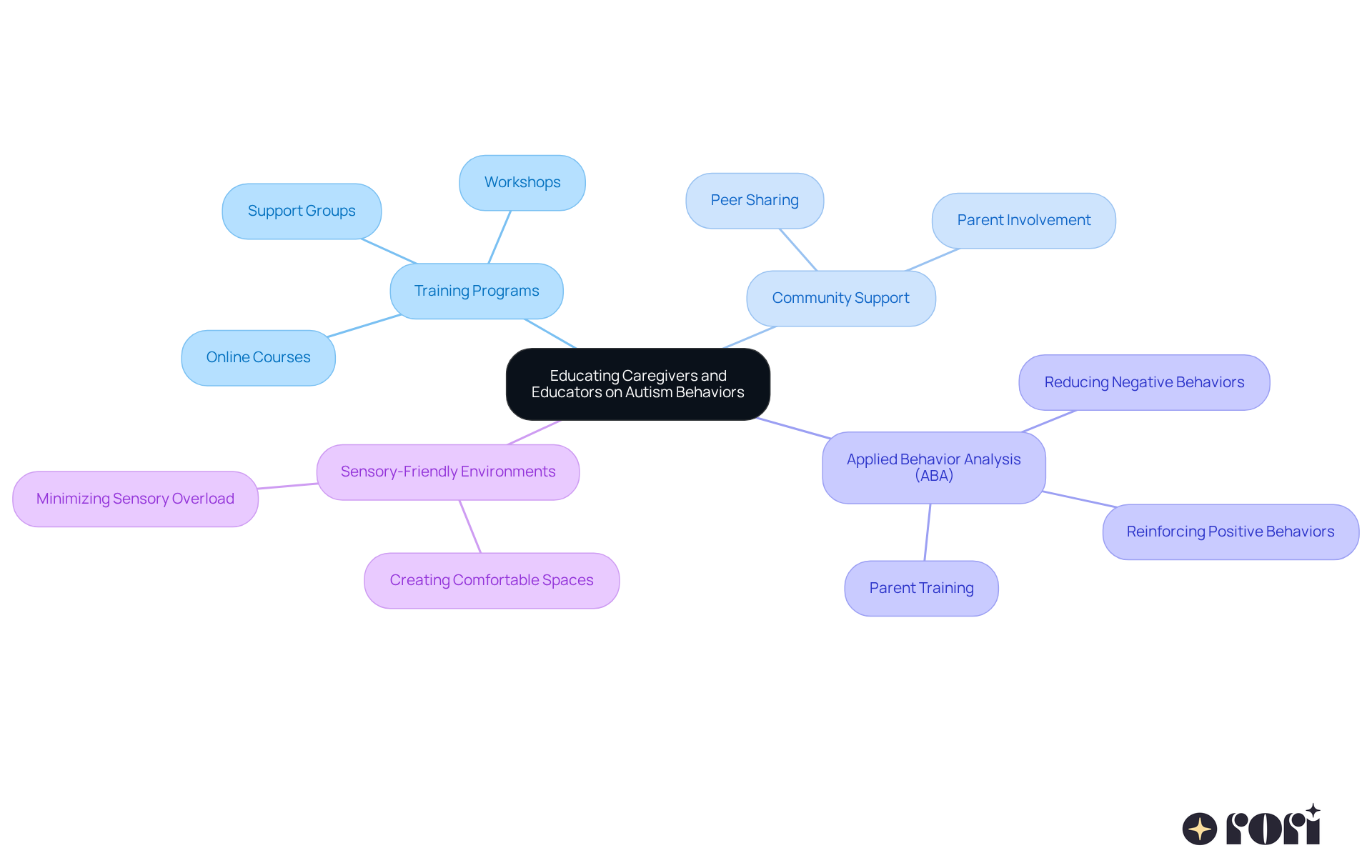
For caregivers, handling difficult behaviors in children with autism can be quite a journey, making it important to utilize the best practices for dealing with challenging behaviors in children with autism that cater to each child’s unique needs. One of the most effective techniques is positive reinforcement. When you , it not only encourages compliance but also helps reduce those challenging behaviors.
Creating a structured environment with clear expectations can really make a difference, too. It gives kids a sense of security, which can significantly lower the chances of outbursts. For example, using visual schedules can help kids know what to expect, easing their anxiety and cutting down on tantrums.
Teaching coping skills and alternative communication methods is another great way to empower young individuals. When they can express their needs in a constructive way, it reduces their reliance on difficult actions. Studies show that organized settings not only boost emotional stability but also lead to better learning outcomes, making them essential in managing behaviors.
It’s also beneficial to work with certified analysts to create personalized plans. These plans should include measurable goals, like increasing positive behaviors or decreasing specific challenging actions, using evidence-based methods tailored to each child. By equipping caregivers with ABA principles and strategies, we can enhance their ability to implement the best practices for dealing with challenging behaviors in children with autism, leading to better outcomes and a more harmonious family life.
Let’s explore this together! Remember, you’re not alone in this journey, and we’re here to help you every step of the way!
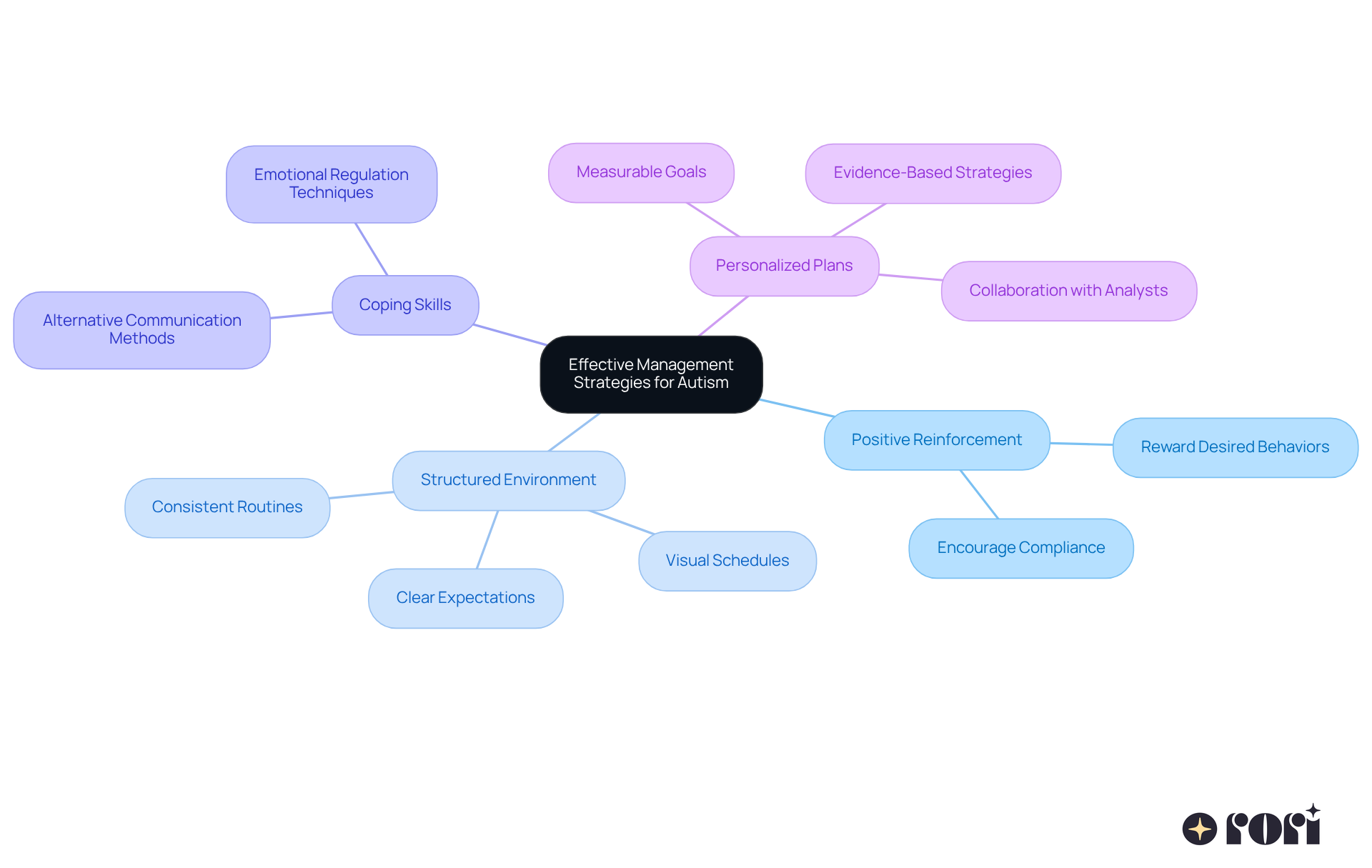
Taking a proactive approach is essential for implementing best practices for dealing with challenging behaviors in children with autism. It’s essential to focus on changing the environment and creating supportive routines that make a real difference. For example, having a consistent daily schedule can significantly reduce anxiety and improve behavior. Kids often thrive when they get advanced notice before transitions; using a timer can be a great way to signal the end of an activity, helping them prepare for what’s next. , like cue cards, can also clarify expectations and lessen reliance on verbal instructions, making it easier for little ones to understand what’s expected of them.
Creating a calm, sensory-friendly environment is key to reducing agitation and anxiety, which often lead to challenging behaviors. This might mean managing sensory overload by controlling noise levels, adjusting lighting, and providing quiet spaces where kids can retreat. Regularly checking in on your child’s needs and behaviors allows you to tweak your strategies as necessary, ensuring that your approach remains effective over time. Research shows that following best practices for dealing with challenging behaviors in children with autism, such as structured daily routines, not only boosts predictability but also fosters a sense of safety, leading to better emotional regulation and fewer instances of challenging behaviors.
Let’s explore this together! By implementing these strategies, you’re not just helping your child; you’re also creating a more harmonious home environment. Remember, you’re not alone in this journey, and we’re here to support you every step of the way!
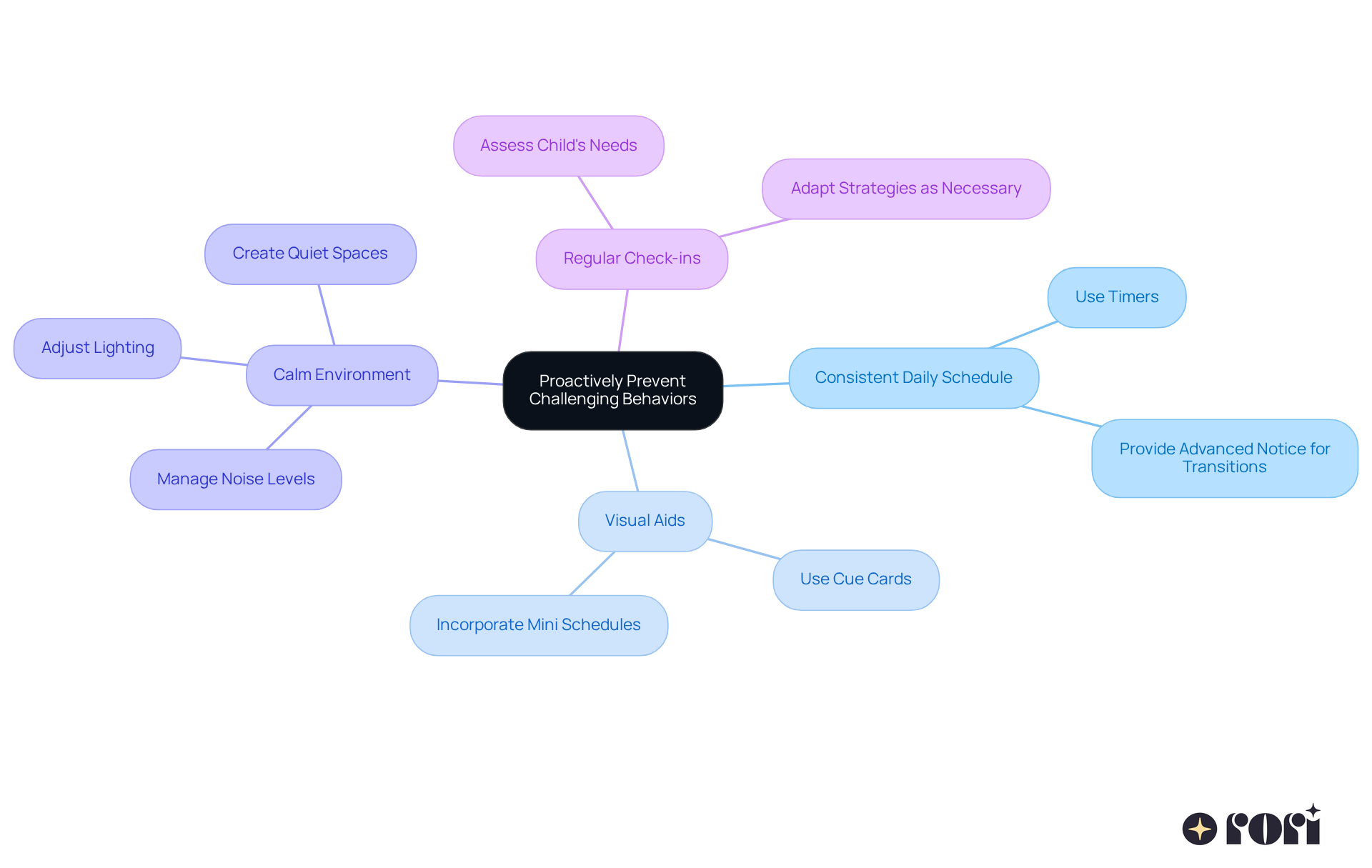
Education is such a vital foundation for navigating the challenges that come with developmental disorders. At Rori Care, we really encourage our support staff and educators to participate in training programs that cover the best practices for dealing with challenging behaviors in children with autism. Our amazing clinicians offer workshops, online courses, and support groups that provide invaluable insights into the unique challenges faced by young people on the spectrum.
Programs centered around Applied Behavior Analysis (ABA) principles offer parents best practices for dealing with challenging behaviors in children with autism by providing practical strategies to reinforce positive behaviors while gently reducing negative ones. Research shows that when parents are actively involved, a whopping 90% of kids see ! As Temple Grandin beautifully put it, 'Different, not less,' highlighting the unique strengths that individuals on the spectrum possess.
Creating a community where experiences and strategies are shared among peers enhances the effectiveness of interventions, particularly by applying best practices for dealing with challenging behaviors in children with autism. It establishes a supportive network that benefits both parents and children. Plus, understanding and implementing sensory-friendly environments can make a world of difference in the learning experience for kids with autism. It’s so important for caregivers to weave these strategies into their approach. Let’s explore this together!
Understanding and managing challenging behaviors in autism can feel like a tough journey, right? It’s all about compassion, education, and finding the right strategies that fit each child. When we see these behaviors as ways of communicating, it opens up a whole new world of empathy. Caregivers and educators can then step in with understanding and create effective interventions tailored to each child's unique needs.
Throughout this article, we’ve highlighted some key strategies that can really make a difference. Think of positive reinforcement, structured environments, and proactive prevention techniques as your toolkit for managing challenging behaviors. These methods not only help reduce disruptions but also empower children to express their needs in positive ways. Plus, when caregivers and educators engage in ongoing training and support, it builds a community that enhances the effectiveness of these interventions. How great is that?
Ultimately, managing challenging behaviors in children with autism isn’t just about tackling disruptions; it’s about fostering an environment that encourages understanding, safety, and growth. By embracing best practices and actively participating in educational opportunities, caregivers can turn challenges into chances for connection and progress. Let’s create a more harmonious home and educational experience together, benefiting both children and their families! We’re here to help you every step of the way!
What are challenging behaviors in autism?
Challenging behaviors in autism can include aggression, self-injury, tantrums, noncompliance, and property destruction. These behaviors often disrupt daily life and social interactions.
Why is it important to understand challenging behaviors in children with autism?
Understanding these behaviors is crucial because they often serve as a form of communication for the child. Recognizing them as signals rather than mere disruptions can lead to more compassionate and effective intervention strategies.
What are some underlying factors that can lead to challenging behaviors in autism?
Challenging behaviors can arise from various factors such as sensory overload, communication challenges, and emotional distress. Each individual on the autism spectrum may express these behaviors differently.
How can the individuality of each child with autism affect their challenging behaviors?
Each child with autism is unique, meaning their expressions of challenging behavior can differ widely. For instance, one child may engage in self-injury to cope with anxiety, while another may throw tantrums when their routine changes.
What is the significance of understanding the context behind challenging behaviors?
Understanding the context is important because it helps caregivers and educators develop tailored strategies that align with best practices for dealing with these behaviors, leading to better outcomes for the child.
What is the approach of Rori Care towards Applied Behavior Analysis therapy?
Rori Care's approach to Applied Behavior Analysis therapy is flexible and adapts to each child’s unique needs while utilizing the science of learning and behavior.
What does research indicate about the effectiveness of therapy for children with autism?
Research shows that 90% of children make significant progress when recommended therapy hours are fully completed with engaged caregivers, enhancing the ability to help children achieve behavioral goals.
How does Rori Care support caregivers in managing challenging behaviors?
Rori Care equips support providers with ABA principles and strategies, which enhances their ability to help children achieve behavioral goals and fosters a more harmonious family dynamic.