Introduction
Many caregivers find it tough to keep children engaged during therapy sessions, but understanding what motivates them can change everything! By incorporating activities that kids love into autism care, you can make therapy not just effective but also a fun adventure.
So, how can you discover what your child loves and weave those activities into therapy?
Understand the Role of Preferred Activities in Autism Motivation
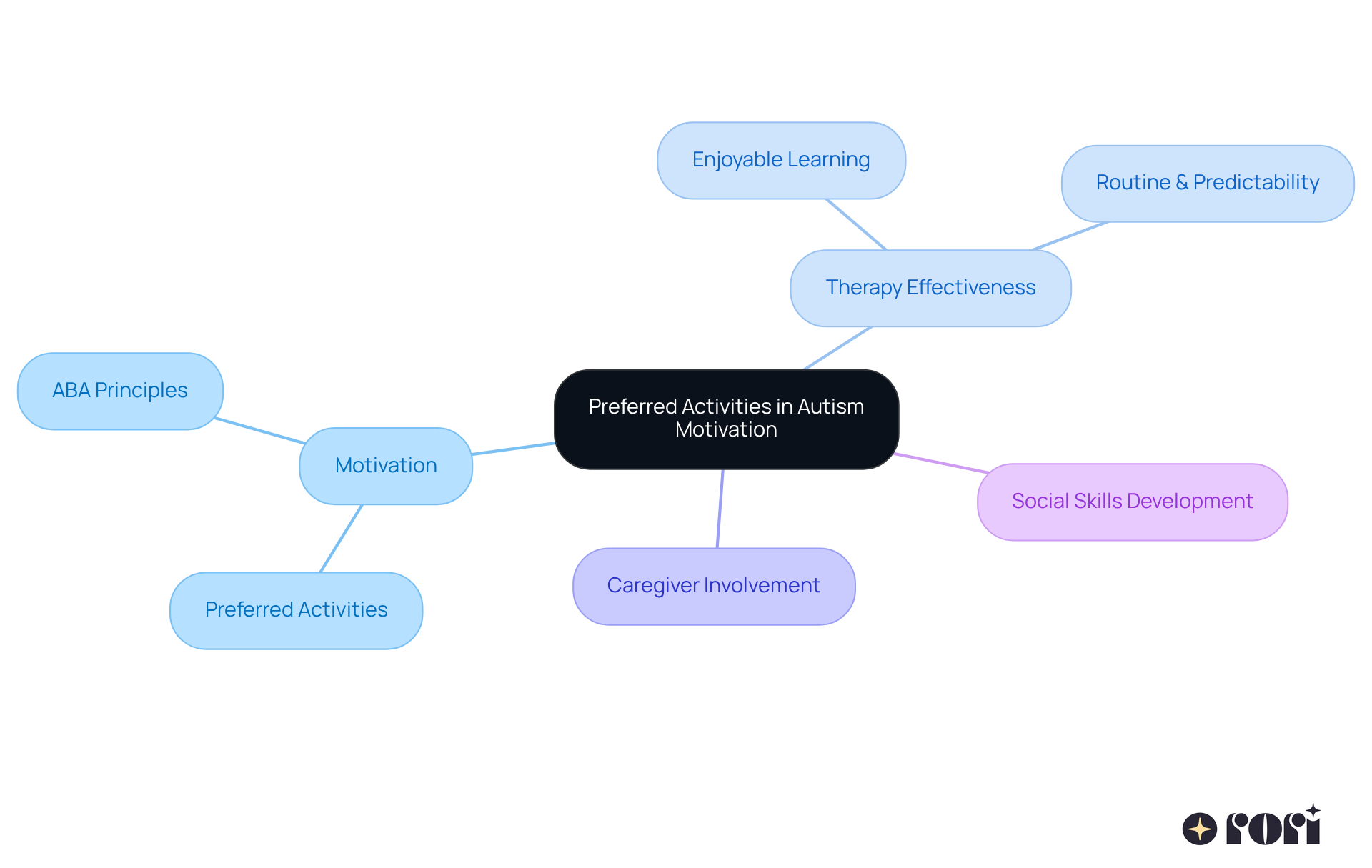
Finding ways to motivate our kids during therapy can feel like a daunting task, right? You know, finding what our kids love can really spark their interest, especially for those with autism. Their motivation during therapy sessions is boosted by using preferred activities to increase motivation in autism care. Research shows that using preferred activities to increase motivation in autism care really boosts kids' motivation during therapy. For example, incorporating a favorite game or hobby into learning tasks can make everything more enjoyable and effective. This approach aligns perfectly with ABA principles, where motivation is key to behavior change. By understanding and leveraging these preferences, caregivers and clinicians can enhance the therapeutic experience using preferred activities to increase motivation in autism care.
And let’s not forget, many kids with autism face similar challenges, like social communication hurdles. Social skills group sessions, led by trained professionals, can really help improve these interactions, building better relationships among peers. As Kerry Magro says, 'Autism can’t define me; I define autism.' This highlights the importance of personalized approaches that celebrate each child's unique strengths. Plus, creating routine and predictability around these tasks can make therapy not just effective, but also a lot more fun!
Caregiver education is super important too. It empowers parents with ABA principles and strategies that support their child's behavioral goals. When caregivers are actively involved and informed, it leads to better support and improved outcomes. By embracing what our kids love and using preferred activities to increase motivation in autism care, we can turn therapy into a joyful journey of growth and connection.
Implement Effective Strategies for Integrating Preferred Activities
Finding ways to connect with your child during autism care can feel overwhelming, can’t it? But don’t worry, you’re not alone! Here are some friendly strategies for using preferred activities to increase motivation in autism care.
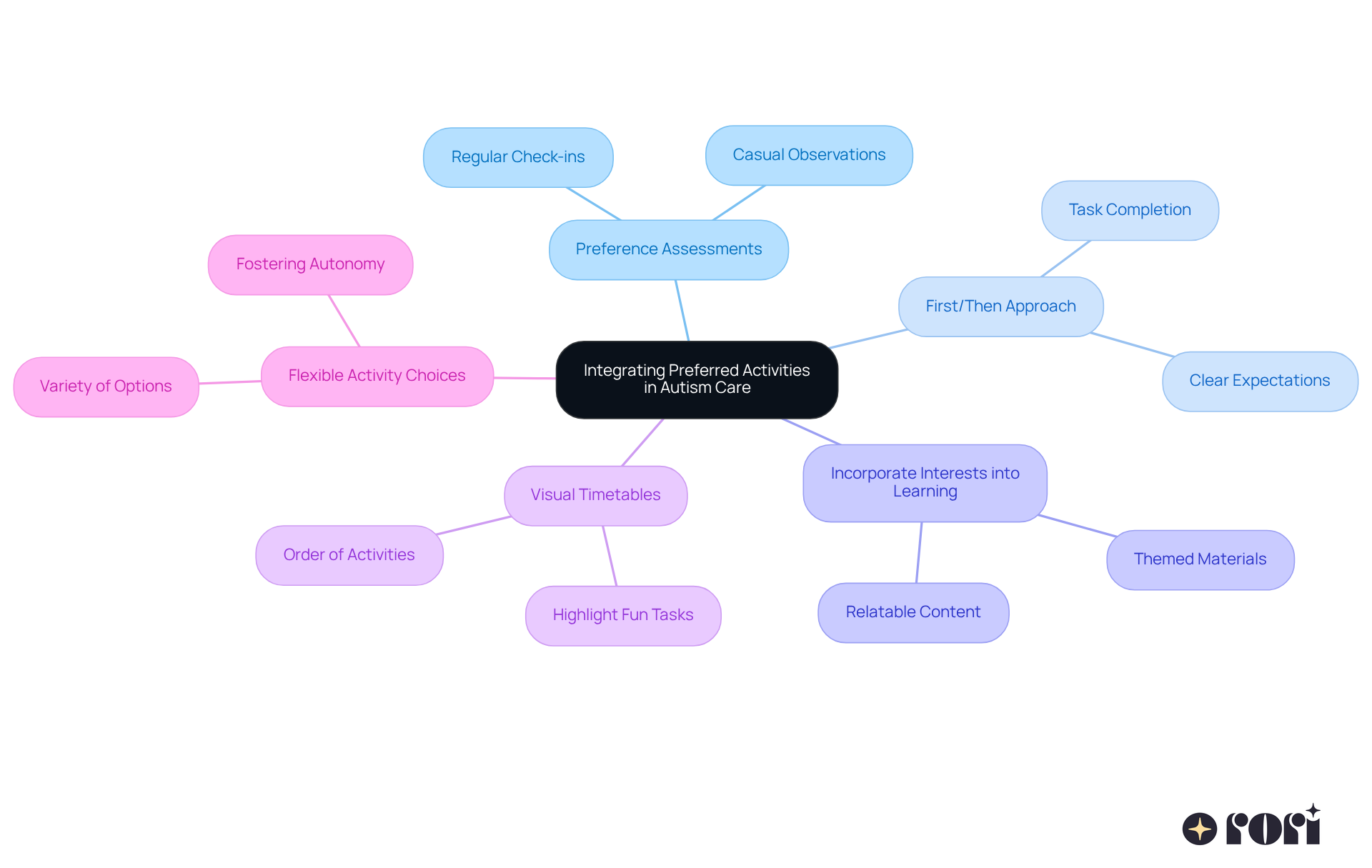
- Preference Assessments: Regularly check in to discover what activities your child loves. You can do this through casual chats or by observing them during playtime. This way, you can tailor interventions to their unique interests!
- First/Then Approach: Try the 'First/Then' strategy to make tasks feel less daunting. For example, say, 'First we’ll finish this task, then you can dive into your favorite game!' This sets clear expectations and rewards, helping to ease anxiety and boost engagement.
- Incorporate Interests into Learning: Make learning fun by weaving in your child’s interests! If they’re crazy about dinosaurs, use dinosaur-themed materials for math or reading. It makes everything more relatable and enjoyable!
- Visual Timetables: Consider using visual timetables that highlight fun tasks as rewards for completing less favored ones. This helps your child understand the order of activities and gets them excited to participate!
- Flexible Activity Choices: Give your child options from a variety of their favorite activities. Allowing them to choose fosters a sense of autonomy, making them more willing to engage in therapy sessions.
By using preferred activities to increase motivation in autism care, you’re creating a space where your child can truly thrive! Plus, with the support of Rori Care's adaptive treatment plans and ongoing education, you’ll feel empowered as a caregiver. Imagine the joy of seeing your child thrive when they feel understood and engaged!
Explore the Benefits of Preferred Activities in Autism Care
Imagine your child lighting up during therapy because they’re doing something they love! Integrating preferred activities into autism care offers numerous benefits:
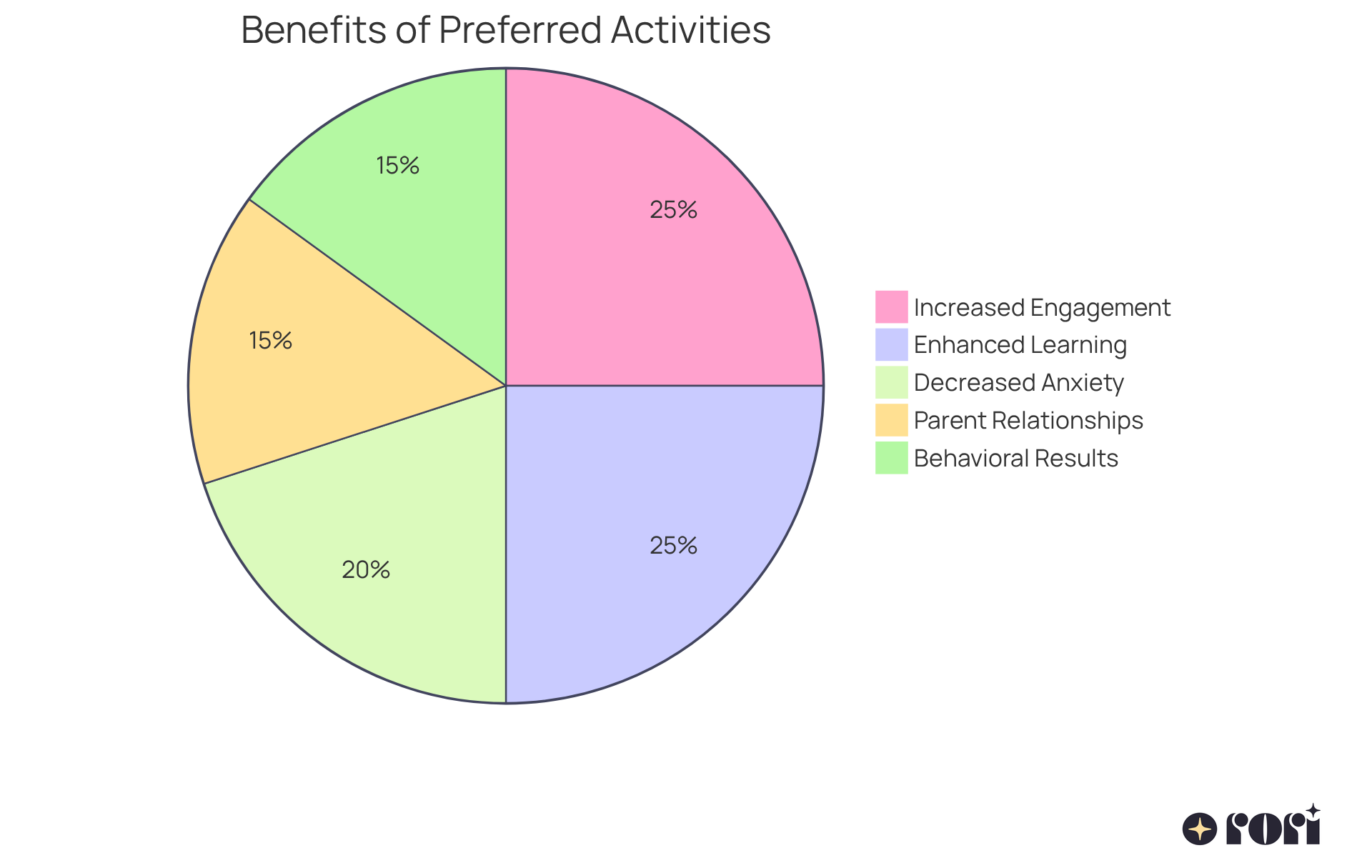
- Increased Engagement: Kids really get into therapy when they’re doing things they love, don’t you think? Participating more actively, leading to higher levels of engagement and focus, is often achieved by using preferred activities to increase motivation in autism care.
- Enhanced Learning Outcomes: When kids are inspired by what they enjoy, they not only learn better but also connect more with others! Engaging in favored pursuits can lead to big improvements in social skills and communication, creating a supportive learning atmosphere.
- Decreased Anxiety and Stress: But what happens when kids feel overwhelmed or anxious during therapy? Using preferred activities to increase motivation in autism care can help reduce anxiety and stress, making therapy a more positive experience. This is super important for kids with autism, who can feel anxious in new situations.
- Strengthened Parent-Offspring Relationships: When parents get involved in choosing and supporting preferred activities, it can change everything for their child! This collaborative approach enhances the therapeutic experience and empowers parents to be active participants in their child’s development by using preferred activities to increase motivation in autism care.
- Enhanced Behavioral Results: Studies show that kids who engage in activities they love show fewer behavioral problems. Practitioners can promote better behavior and reduce challenging actions by using preferred activities to increase motivation in autism care. Active caregiver involvement often leads to more effective and lasting behavioral improvements. A case study on playground involvement illustrates how favored activities can enhance social interactions among kids with ASD, showing the real benefits of this approach.
When you choose activities that resonate with your child, you’re not just helping them learn; you’re building a stronger bond together! Let’s explore this together!
Monitor and Adjust Preferred Activities for Optimal Engagement
Keeping our kids engaged can feel like a juggling act, especially when their interests seem to change overnight! To maintain motivation and engagement in children with autism, it’s essential to focus on using preferred activities to increase motivation in autism care, while also regularly checking in and adjusting their activities.
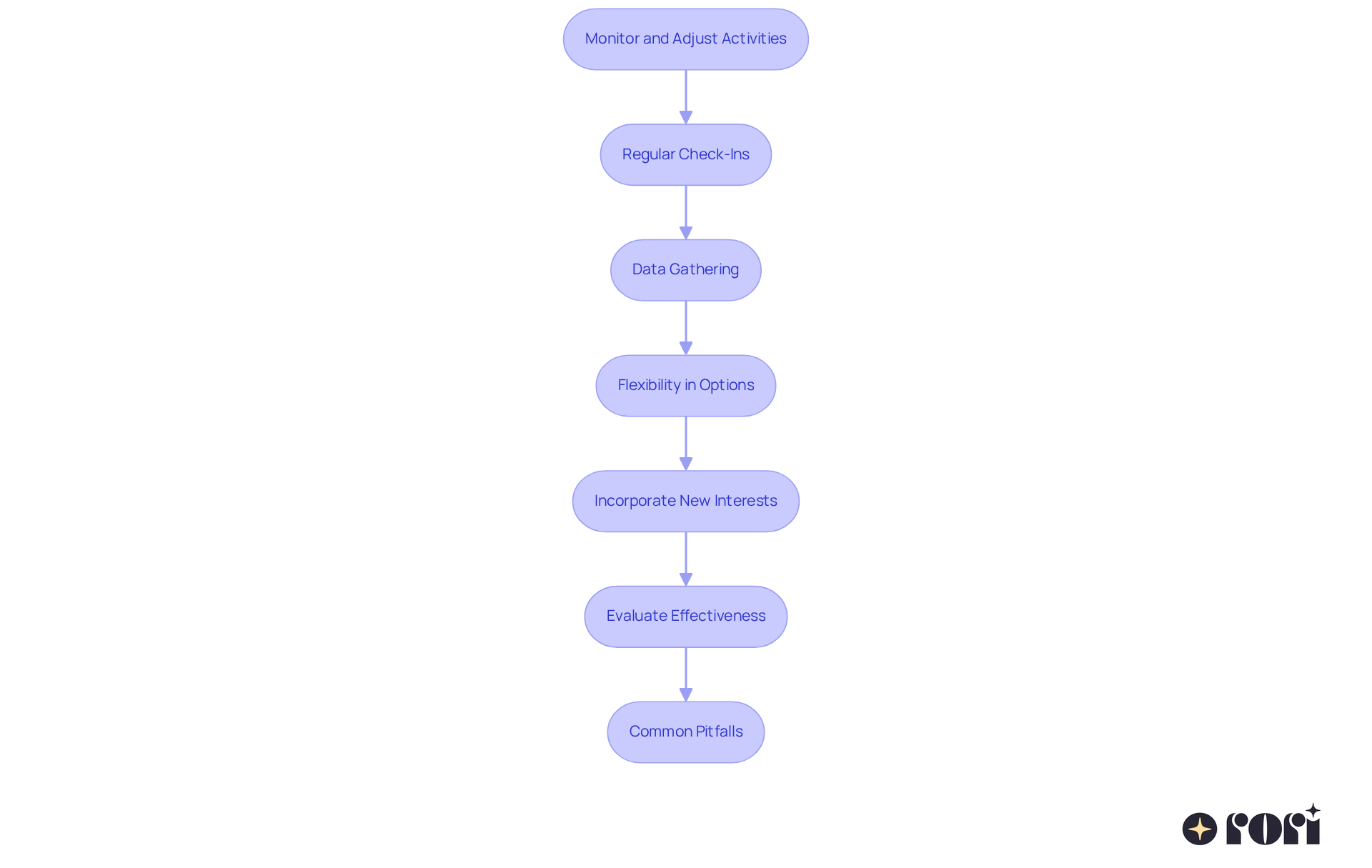
- Regular Check-Ins: It’s all about chatting with them and their caregivers to see what’s sparking joy or interest! This way, you can catch any shifts in what they love, ensuring that everything stays relevant and fun.
- Data Gathering: Try keeping a simple log of what they enjoy and how long they stick with it! This can help you track their involvement and any changes in behavior, giving you a clearer picture of what works best for them.
- Flexibility in Options: Be ready to switch things up based on their feedback. If a favorite activity starts to feel stale, introducing something new can reignite their excitement and keep them engaged.
- Incorporate New Interests: As kids grow, their interests evolve. Regularly introducing new activities using preferred activities to increase motivation in autism care keeps therapy dynamic and engaging, which encourages them to participate actively.
- Evaluate Effectiveness: Sometimes, despite our best efforts, things just don’t click for our kids. If certain tasks aren’t hitting the mark, don’t hesitate to explore different options that might resonate better with them.
- Common Pitfalls: Watch out for common traps, like forgetting to ask your child what they want! Staying involved in their decision-making and tracking progress can make a world of difference in their therapy experience.
Conclusion
Imagine turning therapy into a fun adventure for your child! By embracing preferred activities, caregivers and clinicians can really boost motivation in autism care. This approach makes therapy more enjoyable and aligns beautifully with the core principles of Applied Behavior Analysis (ABA). When we integrate activities that kids love, it helps them engage more deeply, allowing children with autism to truly thrive in therapeutic settings.
Key strategies like preference assessments, the First/Then approach, and flexible activity choices are fantastic ways to use these preferred activities. Not only do these practices increase participation, but they also lead to better learning outcomes, less anxiety, and stronger bonds between parents and children. The evidence is clear: when we focus on what kids enjoy, it positively impacts their motivation and behavior.
By tuning into what your child loves, you’re not just making therapy enjoyable; you’re paving the way for their growth and happiness! So, let’s stay attuned to their evolving interests and adapt activities accordingly. Together, we can ensure that therapy remains a joyful and rewarding journey of growth and discovery.
Frequently Asked Questions
How can preferred activities enhance motivation in children with autism during therapy?
Preferred activities can significantly boost motivation in children with autism during therapy by incorporating their favorite games or hobbies into learning tasks, making the experience more enjoyable and effective.
What is the relationship between preferred activities and ABA principles?
The use of preferred activities aligns with ABA (Applied Behavior Analysis) principles, where motivation is crucial for behavior change. By leveraging children's preferences, caregivers and clinicians can enhance the therapeutic experience.
What challenges do children with autism commonly face that can be addressed through therapy?
Many children with autism face challenges such as social communication hurdles, which can be improved through social skills group sessions led by trained professionals to help build better peer relationships.
Why is caregiver education important in autism therapy?
Caregiver education is vital as it empowers parents with ABA principles and strategies that support their child's behavioral goals, leading to better support and improved outcomes in therapy.
How can routine and predictability impact therapy for children with autism?
Creating routine and predictability around therapy tasks can make the experience not only effective but also more enjoyable for children with autism, enhancing their overall engagement and motivation.
What is the significance of celebrating each child's unique strengths in autism therapy?
Celebrating each child's unique strengths is important as it promotes personalized approaches to therapy, allowing children to express themselves and thrive, rather than being defined by their condition.
List of Sources
- Understand the Role of Preferred Activities in Autism Motivation
- 80 Inspiring Quotes on Autism Awareness and Support - Empower ABA (https://empoweraba.com/80-inspiring-quotes-on-autism-awareness-and-support)
- Autism and exercise: Special benefits | Autism Speaks (https://autismspeaks.org/expert-opinion/autism-exercise-benefits)
- 30 Quotes from 30 People with Autism (https://elsforautism.org/30-quotes-from-30-people-with-autism)
- 10 inspiring quotes from people with autism | Autism Speaks (https://autismspeaks.org/life-spectrum/autism-quotes)
- Preferred Play Activities of Children with Autism Spectrum Disorder in Naturalistic Settings
| North American Journal of Medicine and Science (https://najms.com/index.php/najms/article/view/190/0)
- Implement Effective Strategies for Integrating Preferred Activities
- Inspiring Autism Quotes for Understanding and Acceptance - Kids First (https://kidsfirstservices.com/first-insights/autism-quotes)
- The Power of First/Then Statements - Transformative Autism Care for Children (https://propelautism.com/first-then-statements)
- Inspirational Quotes About Autism | Grateful Care ABA (https://gratefulcareaba.com/blog/inspirational-quotes-about-autism)
- The Numbers Don't Lie: Revealing Autism Therapy Statistics | Above and Beyond Therapy (https://abtaba.com/blog/autism-therapy-statistics)
- The benefits of using preference assessments in therapy (https://mastermindbehavior.com/post/the-benefits-of-using-preference-assessments-in-therapy)
- Explore the Benefits of Preferred Activities in Autism Care
- Inspiring and Insightful Autism Quotes | Advanced Autism Services (https://advancedautism.com/post/autism-quotes)
- Inspirational Quotes About Autism | Grateful Care ABA (https://gratefulcareaba.com/blog/inspirational-quotes-about-autism)
- The Numbers Don't Lie: Revealing Autism Therapy Statistics | Above and Beyond Therapy (https://abtaba.com/blog/autism-therapy-statistics)
- The Games They Play: Observations of Children with Autism Spectrum Disorder on the School Playground - PMC (https://pmc.ncbi.nlm.nih.gov/articles/PMC6509020)
- 30 Quotes from 30 People with Autism - The Sequel! (https://elsforautism.org/30-quotes-from-30-people-with-autism-the-sequel)
- Monitor and Adjust Preferred Activities for Optimal Engagement
- Autism Data Collection: Methods, Tips & Strategies | BrightBridge ABA (https://brightbridgeaba.com/blog/autism-data-collection-methods-tips-strategies)
- The Importance Of Autism Therapy Outcomes Tracking For You | Radiant Autism Center (https://radiantautismcenter.com/autism-therapy-outcomes-tracking)
- Tracking Progress in ABA Therapy: The Importance of Data and Monitoring | Autism Therapy Services (https://hiddengemsaba.com/articles/tracking-progress-in-aba-therapy-the-importance-of-data-and-monitoring)
- The Importance of Regular Assessments in ABA Therapy for Autism Treatment | Advanced Autism Services (https://advancedautism.com/post/the-importance-of-regular-assessments-in-aba-therapy-for-autism-treatment)
- The Importance of Tracking Progress in ABA Therapy Programs (https://magnetaba.com/blog/the-importance-of-tracking-progress-in-aba-therapy-programs)